North Carolina

Nature Table Explorer Tim has sent some images from North Carolina . The butterfly is a pipeline Swallowtail seen on the Blue Ridge Parkway,North Carolina.

The forests stretch for miles and glow green as the storms sweep across.

Balsalm Grove above , huge storms sweeping over the forest.

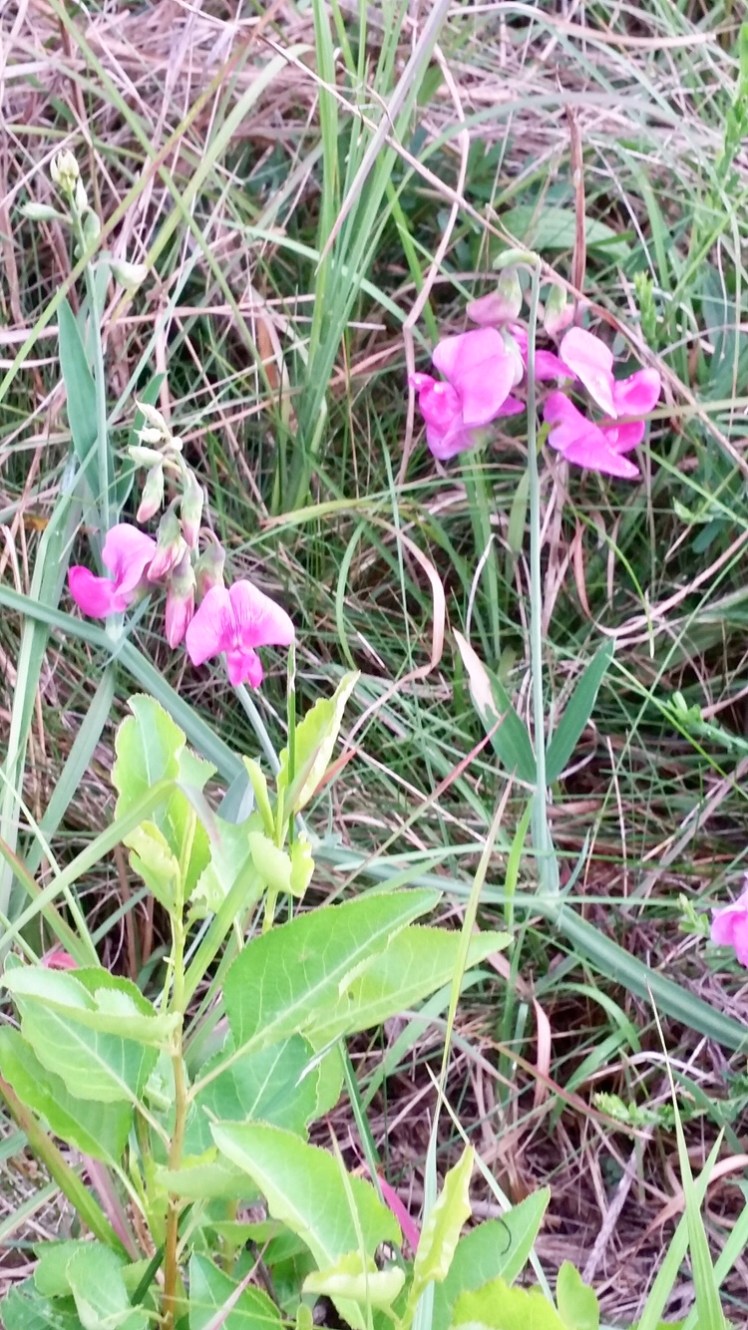
Pisgah Forest and below colourful road verges.
Looking forward to more finds from America over the next couple of weeks .
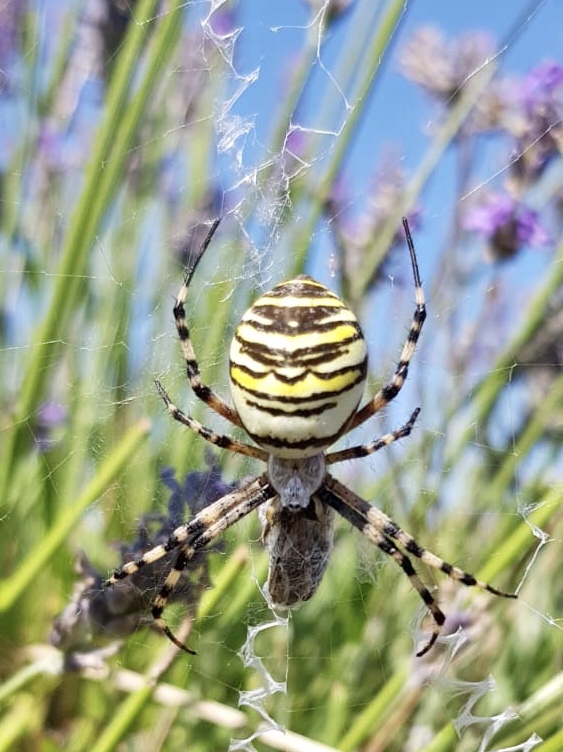
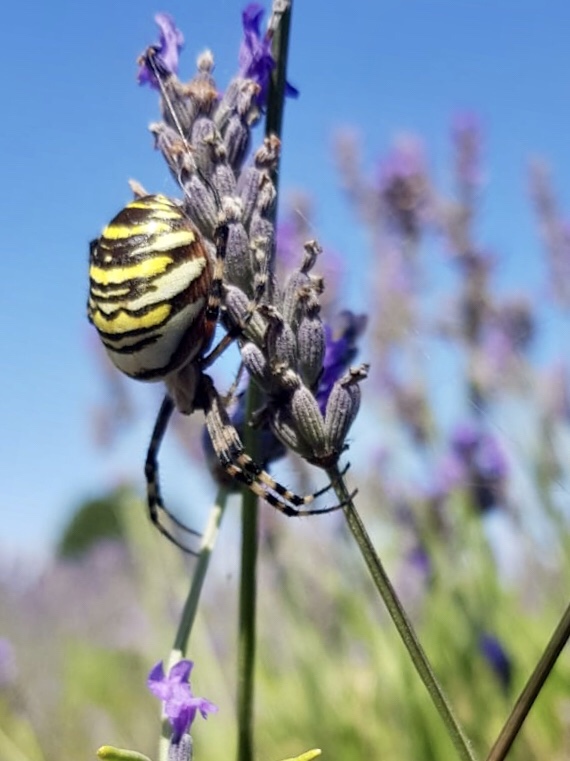
Wasp Spider

Today we had a trip in the heat to Hitchin Lavender farm. It was brilliant. The bees were so numerous they created a humming backdrop.

This spider was magnificent. These photos are from Edmund a Nature table explorer ,my hands are showing scale.

This spider is from the Mediterranean and is now found in southern counties ( we were in Herts)

It is not poisonous it’s colours are for warning.

Pretty amazing.

Rosebay willow herb beauty.

They are very common , they can be seen in verges , field edges or waste ground but they really are beautiful. Rose Bay Willowherb is tall , attractive and great for bees. It sounds like a perfect plant for the garden!

These were growing along the road in mid-Wales, we had to pull in because they were so nice.

Hairy caterpillar

Walking up the mountains in North Wales we came upon this hairy caterpillar. I think it will be a moth, but as yet can’t identify it . Will keep looking. In the meantime it’s too lovely not to share.

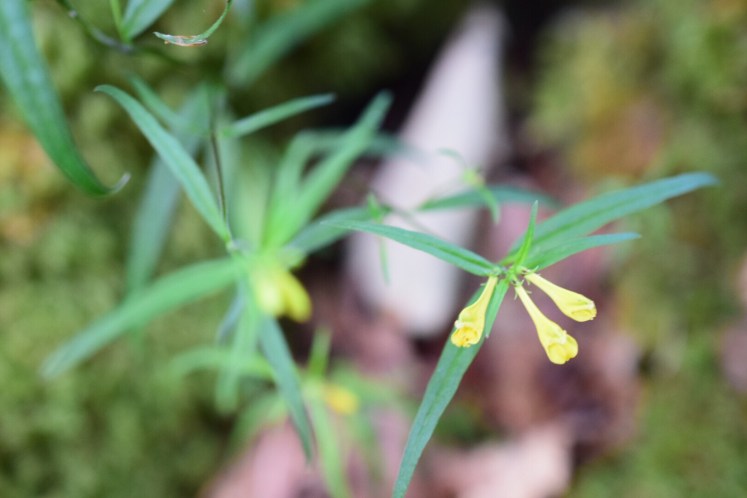
Flower in the magical welsh woods.

The woods in North Wales were often covered with carpets of moss and banks of ferns plus some very lovely trees.

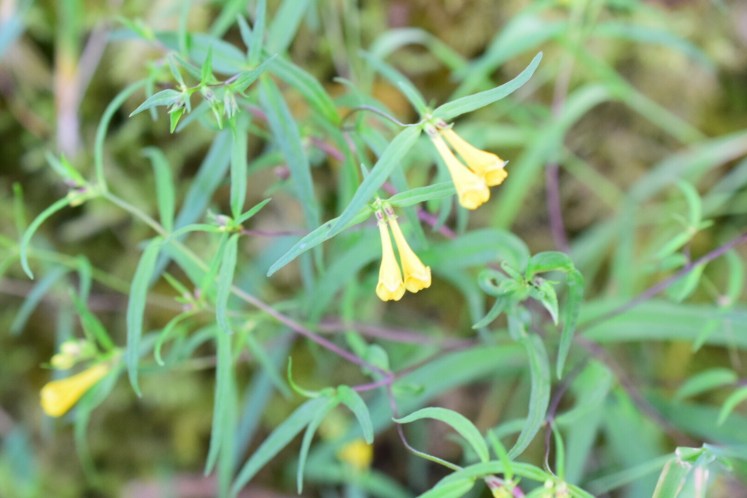
Under these there were patches of a lovely sprawling yellow flower I was unfamiliar with.

The flower is common cow-wheat (Melampyrum prayense sp pratense )

This is from the broomrape family and is a hemi parasitic plant. This darker yellow is common in the north and on acidic soils, on alkaline soils in the south the flowers are paler yellow.

The seeds are toxic to deter animals from eating them.

This small flowered slightly spindly plant is very attractive in the woodlands.

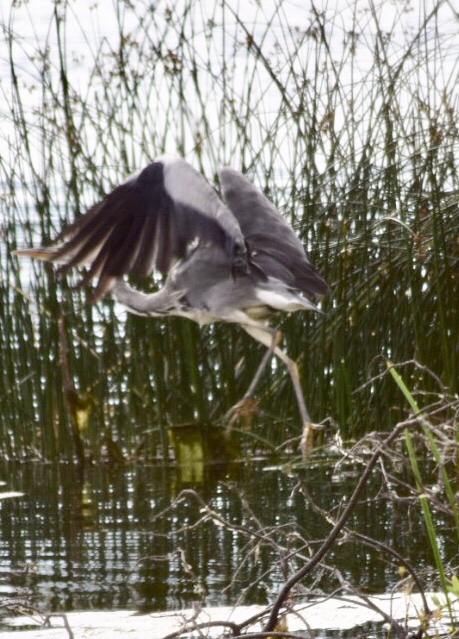
Heron lifting off

It is always nice to see a heron, most days we see one either flying between lakes or standing statue like on the lake side.

This Heron was still for ages and then launched itself off across the lake. I managed to snap as it leapt out of the water.

Great Crested Grebe

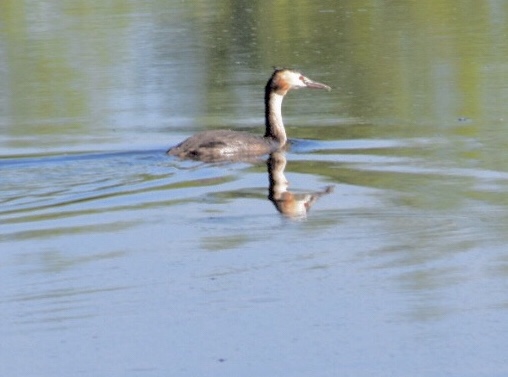
The Great Crested Grebes are always just too far out in the lake to see well. They are great to watch always diving , we always wish they would do this diving nearer to the shore, they have not obliged!Today they were diving and then swimming over and feeding their young.

With my new lens I have managed to capture some images , they are a little fuzzy . The babies are delightful with their stripy plumage.

Hard Fern

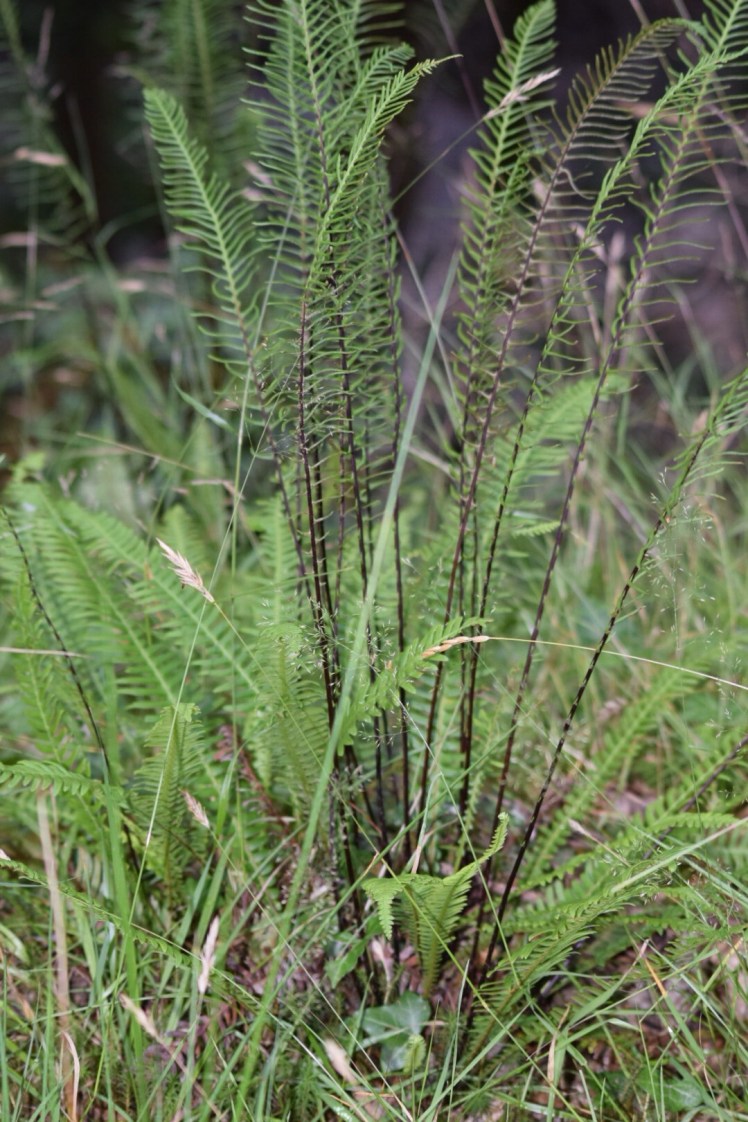
These ferns were very attractive and were numerous,particularly in the coniferous woods of North Wales we visited.

Their habit is interesting , they have two types of leaf frond.The basal area fronds fan out and are all sterile. The fronds in the centre that stand more upright are the fertile fronds.

This is the Hard Fern (Blechnum spicant)

Gatekeepers at Wigpool

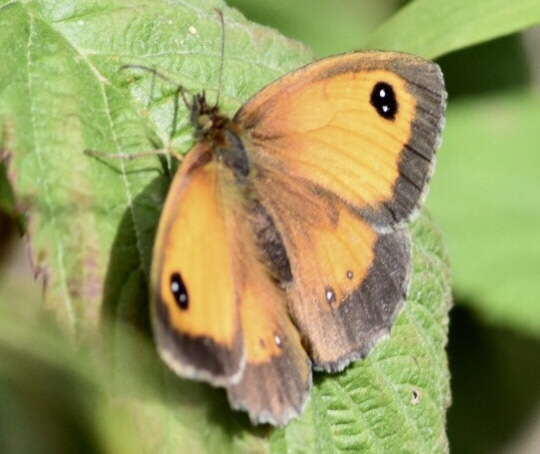
Gatekeepers, also known as hedge browns are attractive butterflies which often rest with their wings open. The males are easily distinguishable from the females by their ‘sex bands’ on the wings.

These gatekeepers were in fact outside of the gate at the woodlands at Wigpool in the Forest of Dean .

This lovely area is a mixture of scrubland with Exmoor ponies keeping it clear, broadleaf woodland and coniferous planting. The area also has an interesting history , in the Second World War there were American servicemen based at Wigpool and they had an entertainment area where the woods are now.

The Forest of Dean is full of interesting stories of mining and industry as well as the animals and plants.

The Male above has definite bands on its wings,the female below has no bands.