Shapely Flowers

Flowers are pretty , colourful and often scented ,they are a feast of the senses and make us happier.

Flowers are well designed mechanisms for sexual reproduction, the have sex organs arranged for maximum efficiency to ensure the next generation of plants develop.

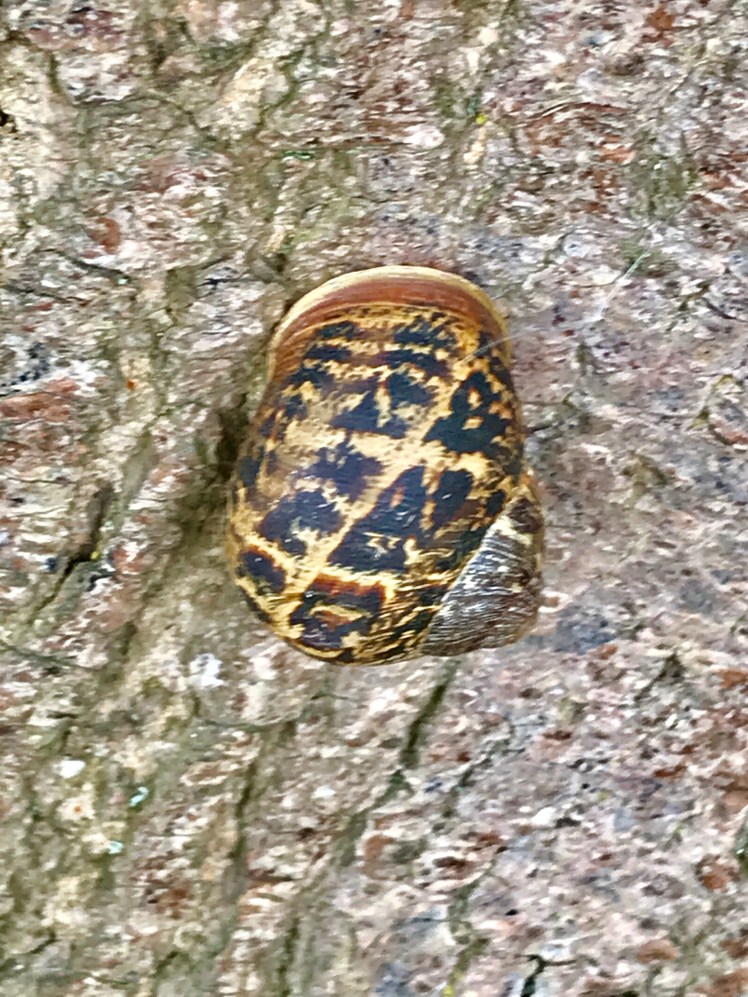
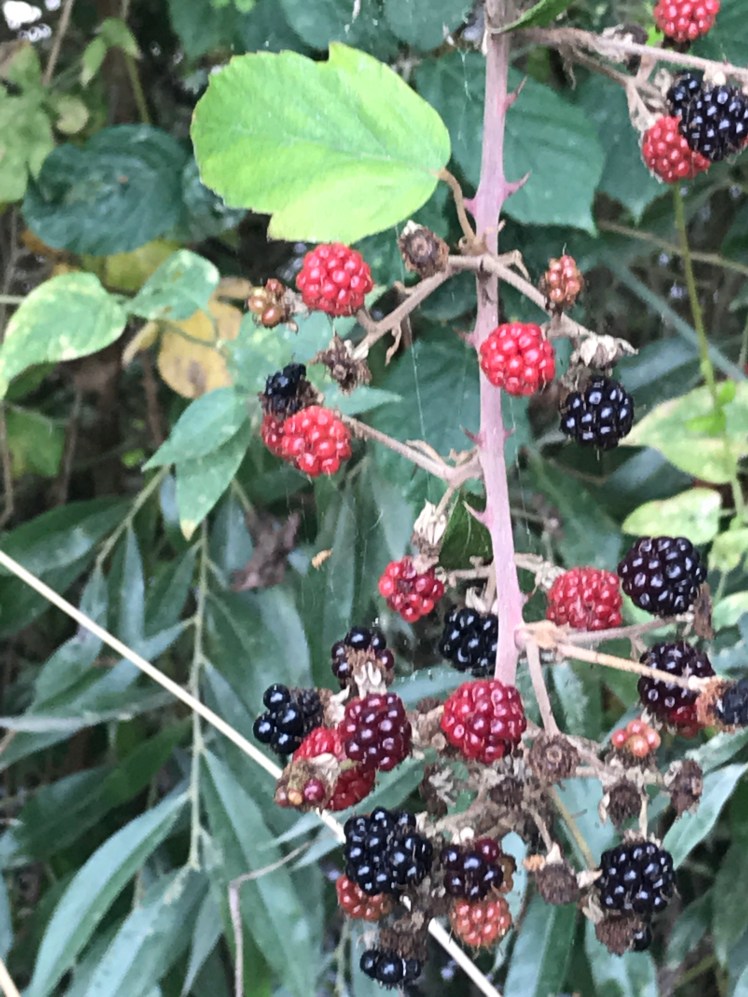
The variety of flowers shapes and designs is enormous . I was thinking about this yesterday when not distracted by snails on trees or wasps eating blackberries.

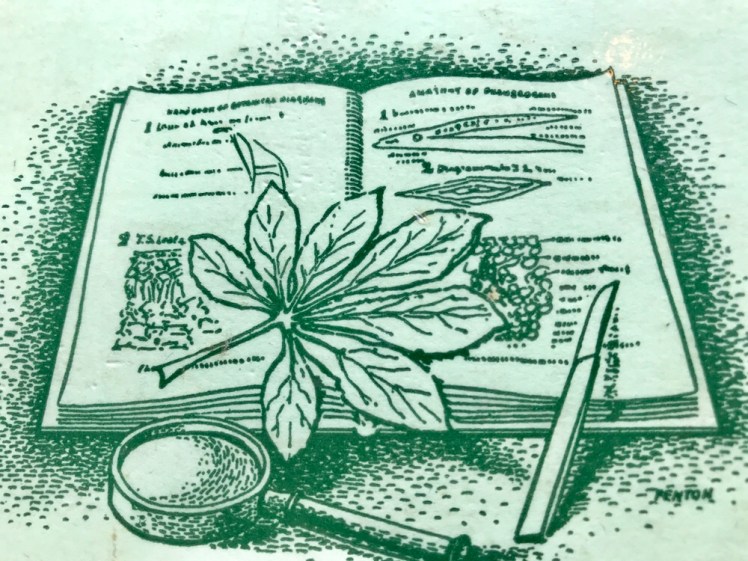
This book below is fantastic , First published in1935, I have the seventh impression printed in 1967 which is a reprint of the second edition.

It is full of descriptive drawings across the plant kingdom with labelled examples. It was written as a companion to learning, I love it.
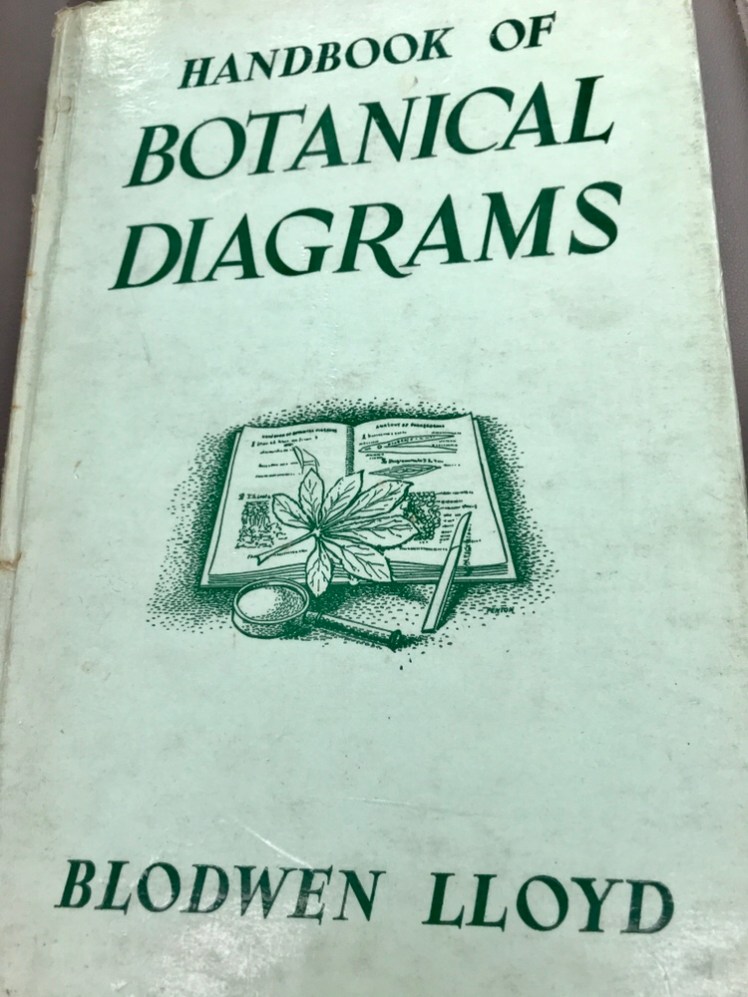
Looking at some of the flowers yesterday and their shapes in detail using this book sounded like fun , so here we go:-

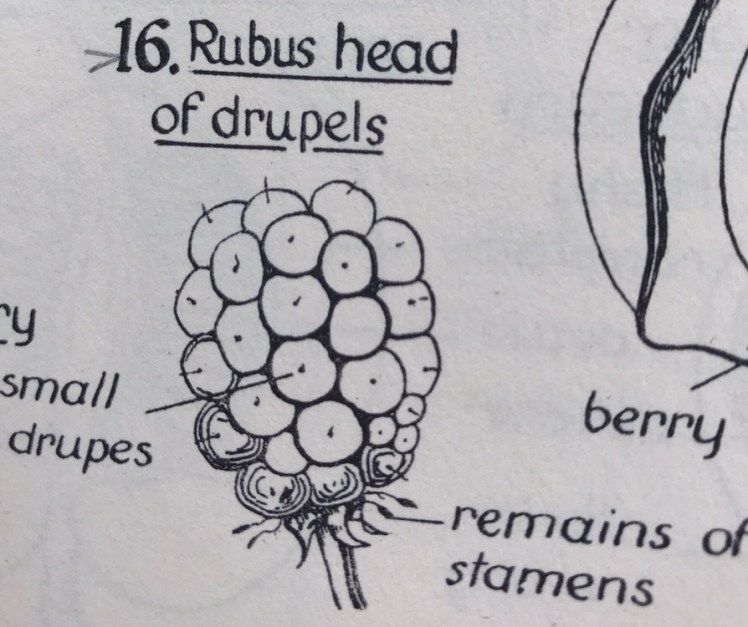
Bramble (Rubus fruticosus)

Lots of stamens in this flower , below an entry from the book.

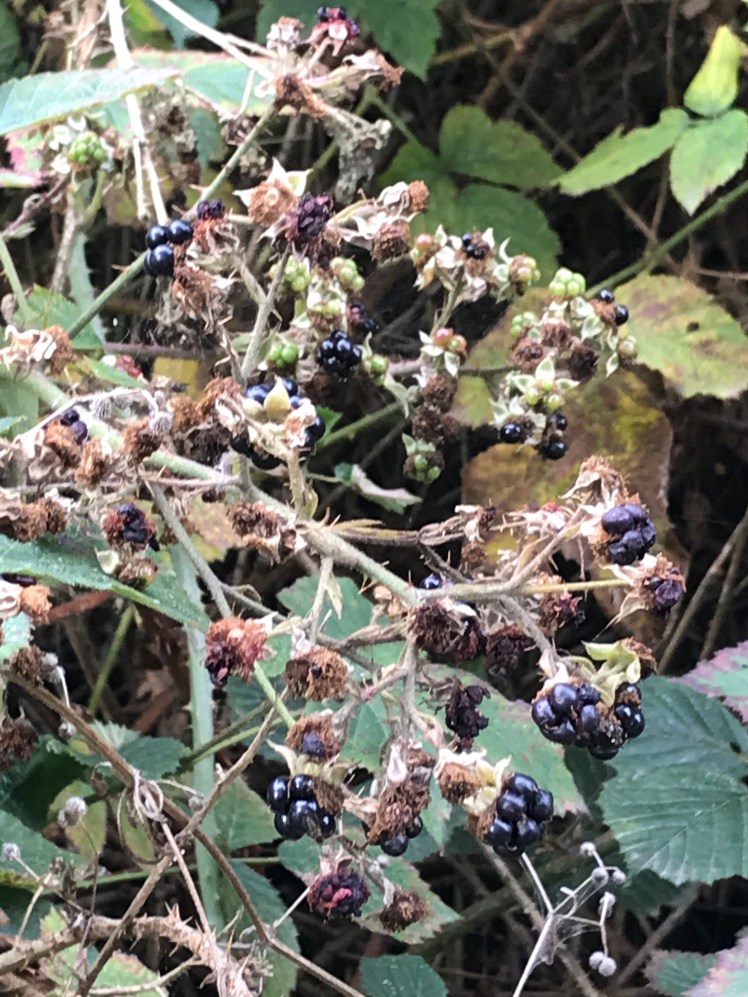
There are also some nice diagrams of the fruits- the stamens are still there !
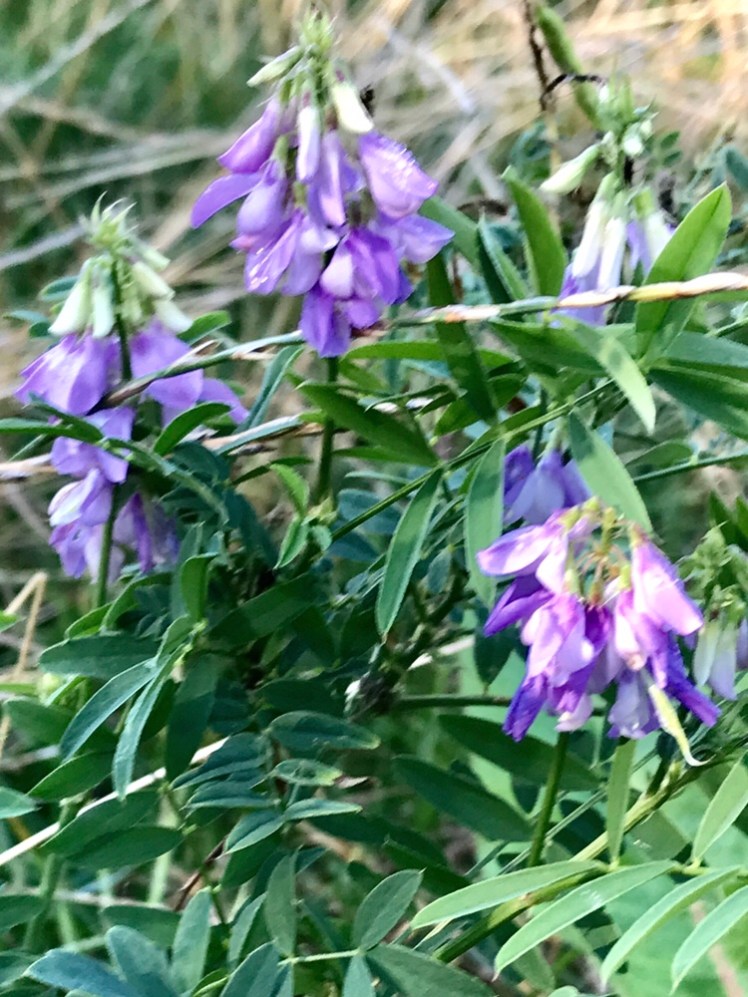
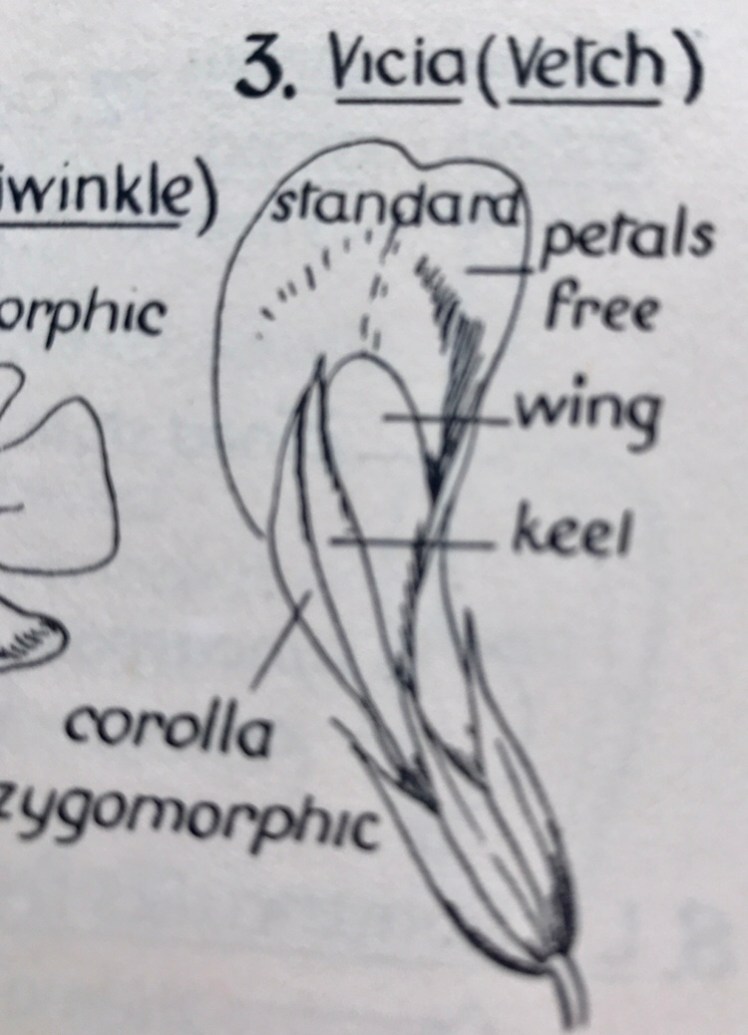
The vetch
The diagram from the book ,a really different shape.
Flowers from Dandelion family

This flower is being visited by a hover fly.

I love old botany books , this book has no colour , no written text but is full of useful knowledge .

I’ll finish with the second flush of flowers on the Buddleia around the lake.
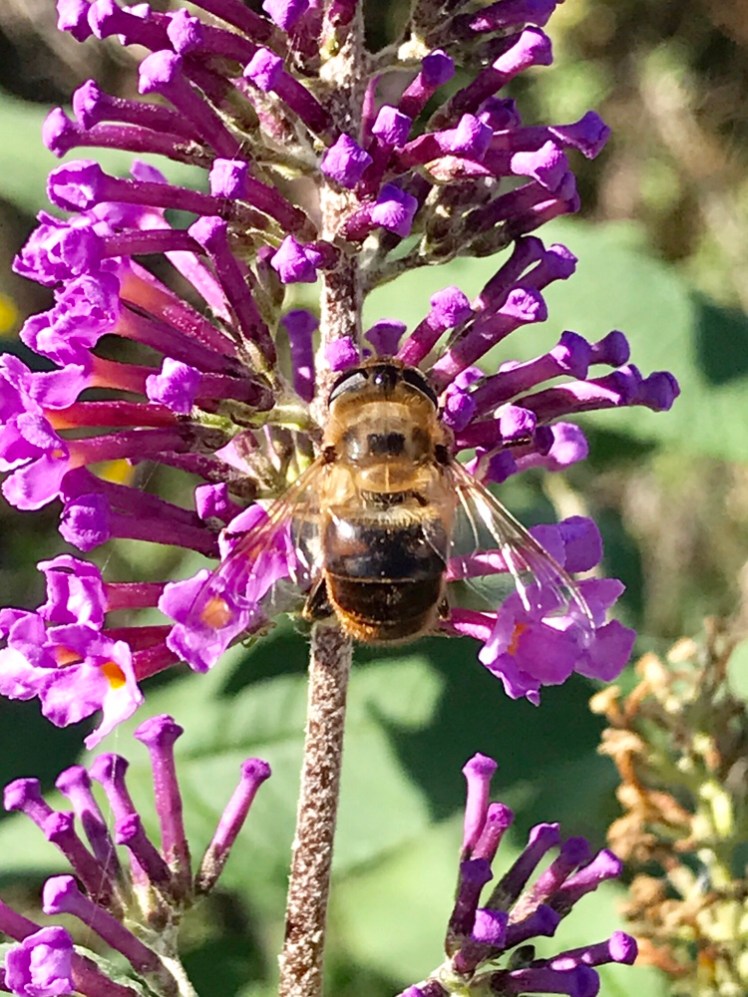
Flowers seem even more interesting once you start to look closely 😀

Unwanted Dinner Guests

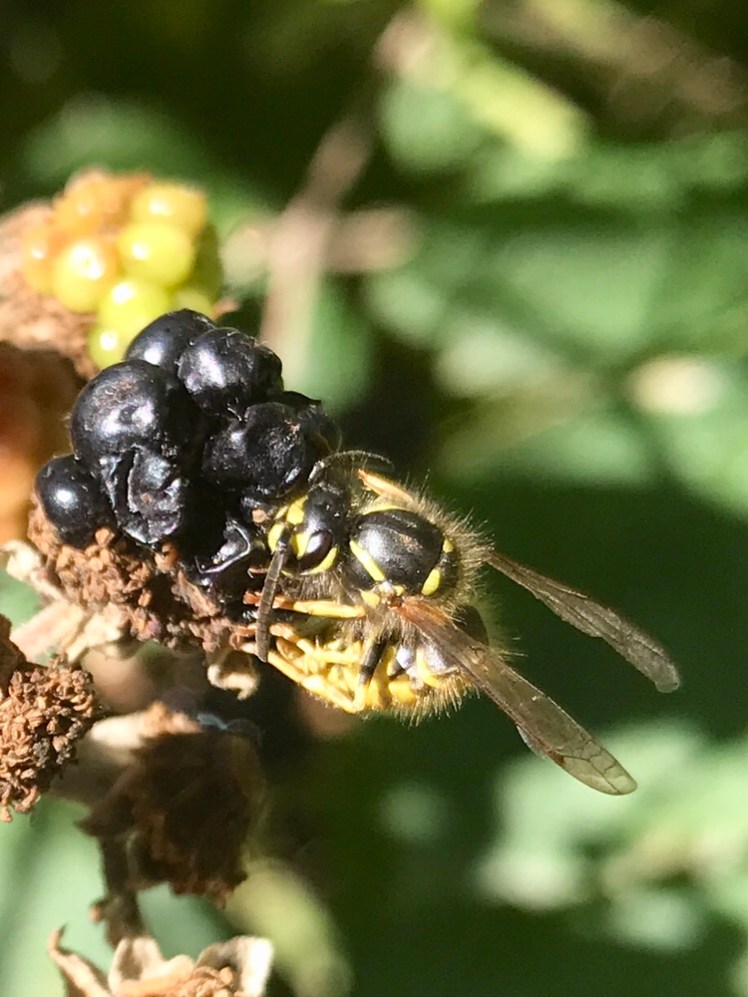
Sunday was gorgeous,and we had a big lunch outside in the garden….perfect , except the unwanted dinner guests arrived…… wasps !

I have no problems with wasps and do the sit and ignore tactic , they do cause havoc for a meal though. Swatting , flapping and jumping up and down can follow their arrival.

‘I hate wasps, what good are they anyway’ people shout.

Today in the sunshine again I watched some wasps going about their day travelling from sweet sticky fruit to another and wanted to share some positive things about wasps.

The blackberries were a magnet to the wasps , up close its great to see their fuzzy hairs, hopefully it makes them more likeable !

There is an estimated 9000 species of wasps in Britain most of them solitary, some absolutely minute. It is this black and yellow social wasp that turns up at our picnics, builds pappery nests in our sheds that we notice the most.

Wasps are important predators of aphids and other pests and larvae. They act as pollinators in the spring.

Interesting fact -it has been estimated that the social wasps of the UK might account for 14 million kilograms of insect prey across the summer. A world without wasps would be a world with a very much larger number of insect pests on our crops and gardens.

By late August the wasp colonies are very large and there are no larvae left to secrete sugar for the workers to eat , this is why they are out hunting for sugar.

Let’s give wasps a chance and appreciate them for marvels of engineering, pest eaters, pollinators and brilliant builders.

Sunshine snails

I seem drawn to snails,they catch my eye. These snails, Cepaea hortensis (the white lipped snail ) are sprinkled through the trees at Rushden Lakes.

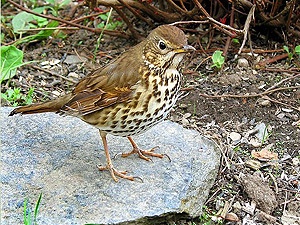
These snails can live for three years but they are often found on thrushes anvils where they have met their end .

They eat plants such as ragwort, nettles and hogweed and feed in the day when it is damp but often rest on trees.

Although they are hermaphrodite these snails mate with other snails, before mating occurs they each send a calcareous love dart into the other snail. The function of this is unclear. The eggs are laid in the soil.

A hungry thrush sitting on its anvil on the look out for snail lunch !

Ducks Ditty

The ducks were amusing this morning and made me think of Ratty’s song from The Wind in the Willows.

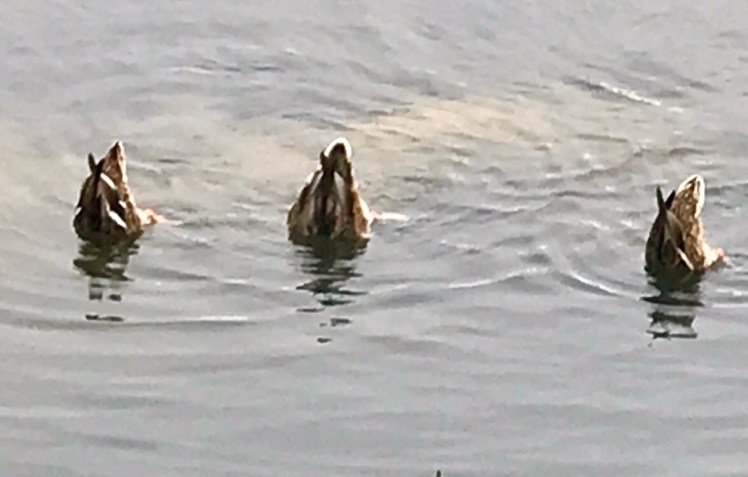
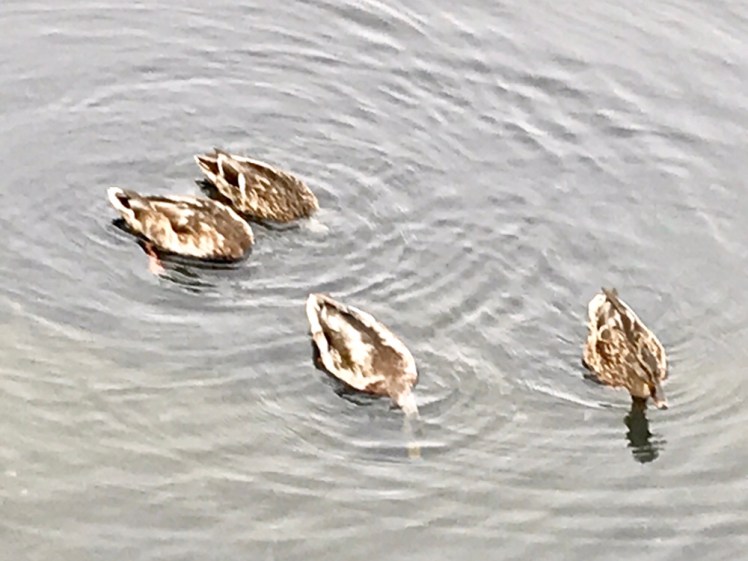
These four ducks were having a good feed in the shallows amongst the weed.

They seemed to not notice the noise of the cinema being built not far away they were happily going about their day and cheering up mine with their ‘ up tails all !’

Enjoy the video 🦆

So common – almost invisible 🐌

Some things we see so often we don’t really notice them anymore. This is probably true if the common garden snail. Gardeners may notice them devouring their lettuce but out and about they probably hardly get a second glance.

I decided to do a little reading about this everyday snail:-

Name- Helix aspersa , however it’s scientific name is under discussion and is referred to also as :-Cornu aspersum, Cantareus aspersus and Cryptomphalus aspersus. Maybe just as easy to say common brown snail. It is one of the most proliferated land molluscs and can be found on all continents except Antarctica.

  • It is mainly nocturnal but will venture out on a rainy day.
  • It has one lung.
  • It has 4-5 spirals in its shell.
  • In some parts of the world including USA it has become an agricultural pest.
  • It is extremely slow , 1.3cms/sec

These are the snails that we would hunt for in the garden and have snail races with. These seemed exciting at the time even though the speed is 1.3 cm /sec.!!

Change is coming

There is definitely a change to the day , it’s cooler and jumpers are back out of the drawer. There’s a rustling of the leaves as the wind returns and the leaves are crisping up and preparing to change.

This morning a jumper clad walk was sunny but fresh and full of different autumnal colours beginning to develop.

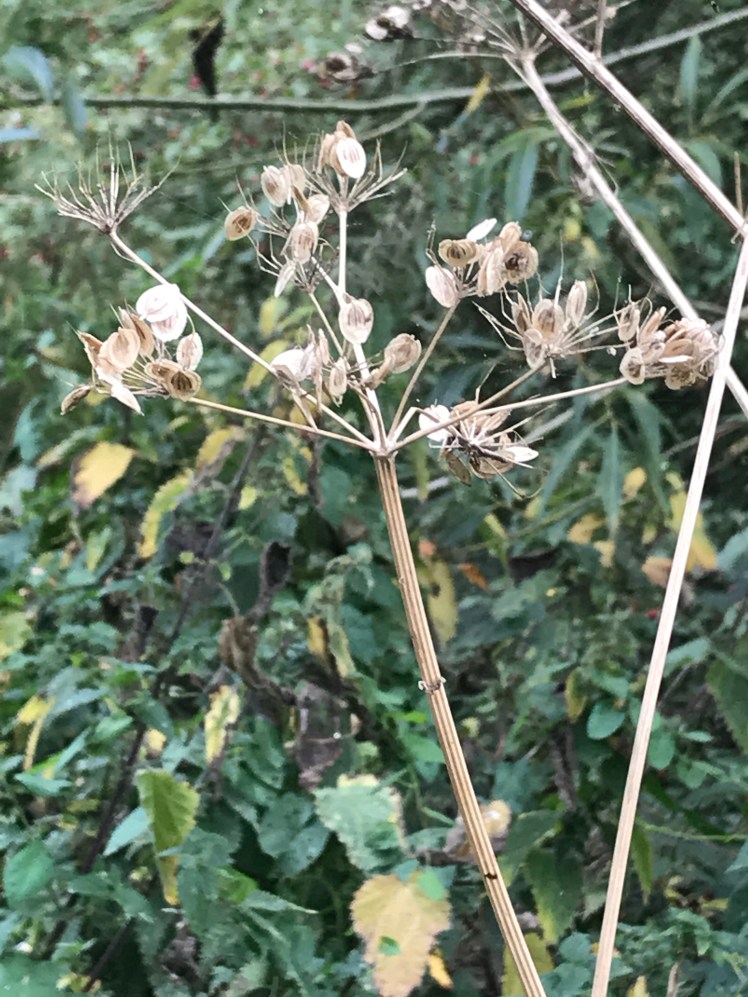
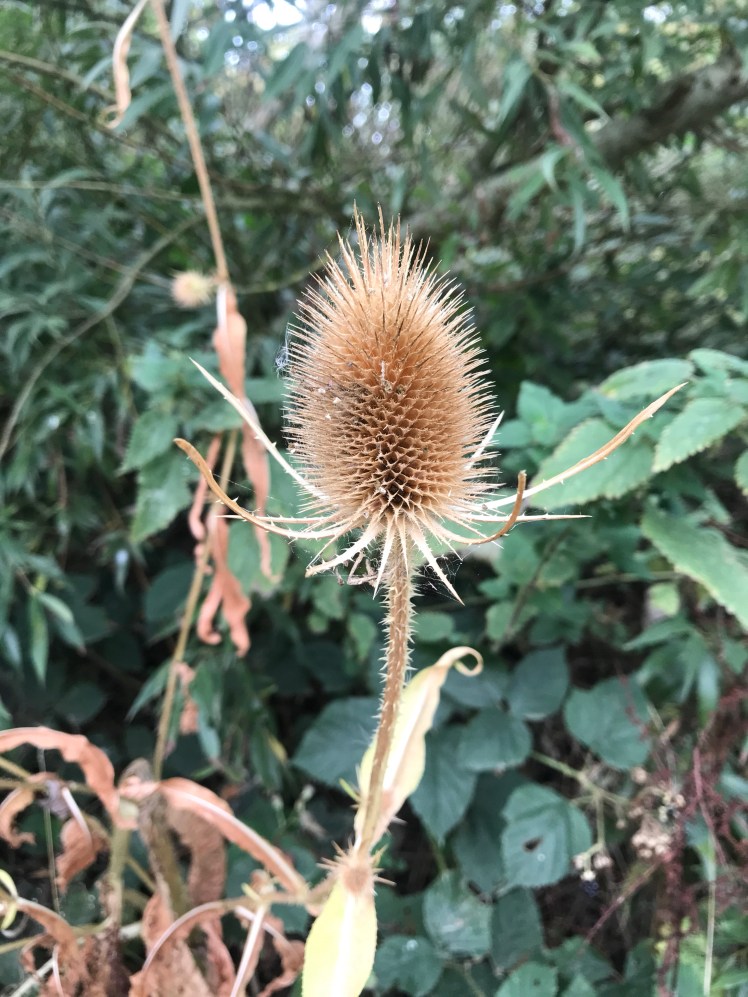
There are seeds and fruits displayed at each level from hawkbits , teasels, sloes and elderberries. Once I started to focus on them the variety was amazing.

This seems to be an amazing year for hawthorn berries the hedges are red from a distance.

What a blackberry season 2018 has been it early and in some places there are still large numbers but on the popular routes they have been constantly picked as above.

I remember when out for a walk when I was really young with my grandparents eating a sloe against their advice and regretting it immediately as it sucked all the moisture from my mouth! Better to use these for sloe gin.

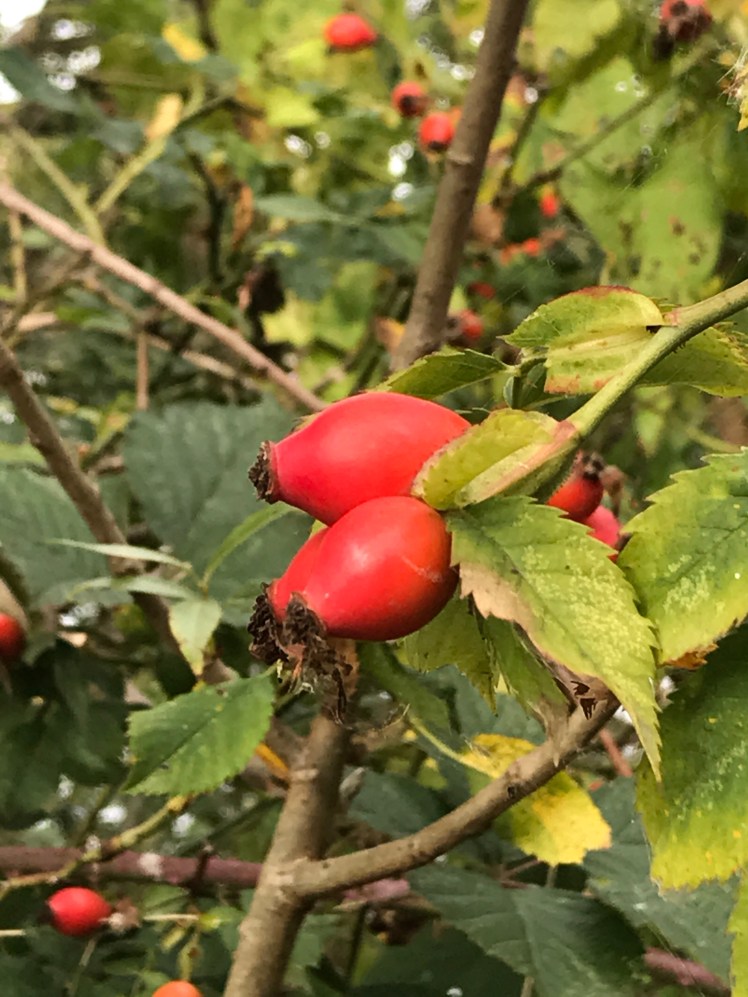
The rose hips are also in aplenty some huge . Another memory is rosehip syrup on a spoon. Very high in vitamin C, and very tasty !

These bedraggled rather dull seeds are shadows of their former spring glory but brilliant shapes and will still be standing in the frosts looking brilliant.

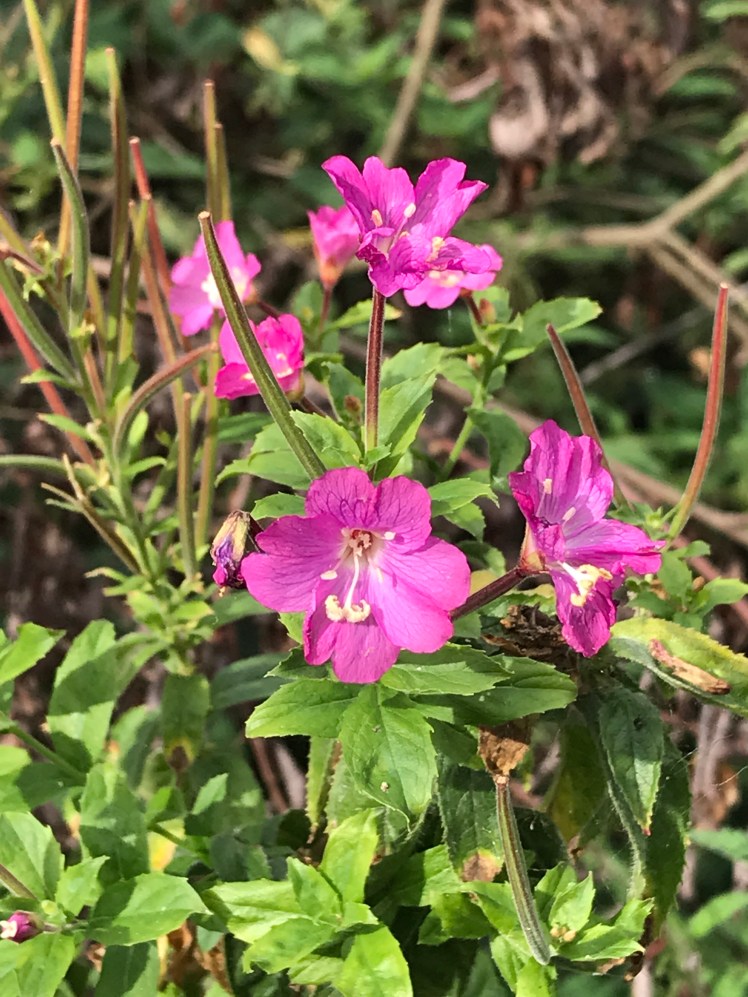
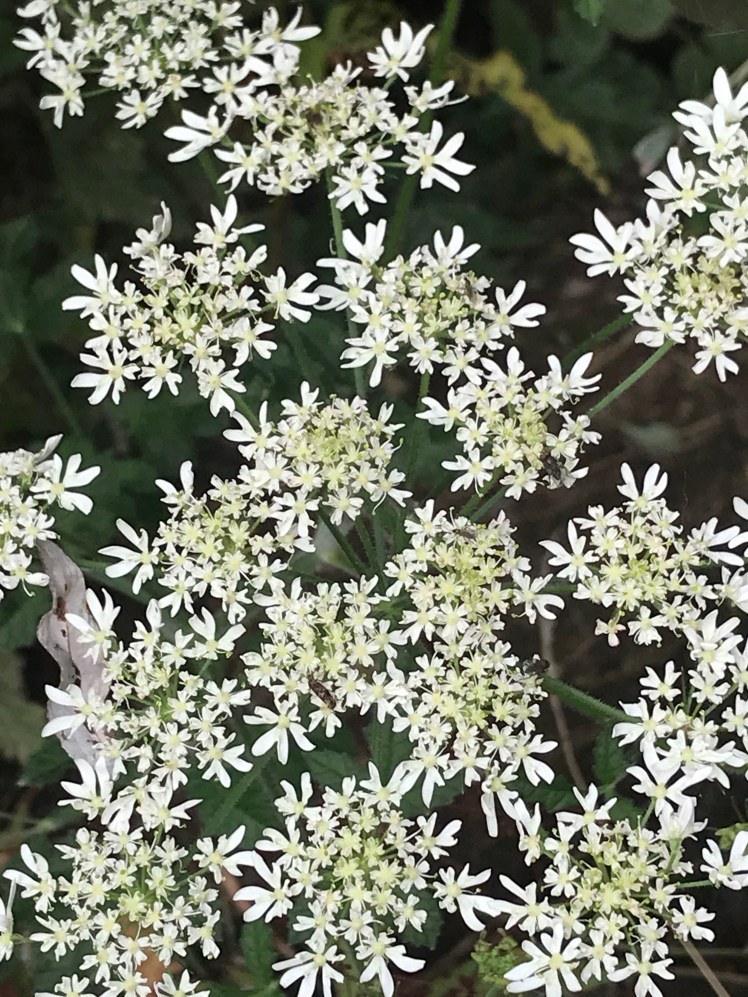
There was some colour and flowers on this autumn stroll but rather like my garden not so much !

Looking forward to watching Autumn sweep through and the beauty it promises.

Beech Trees in Ashdown

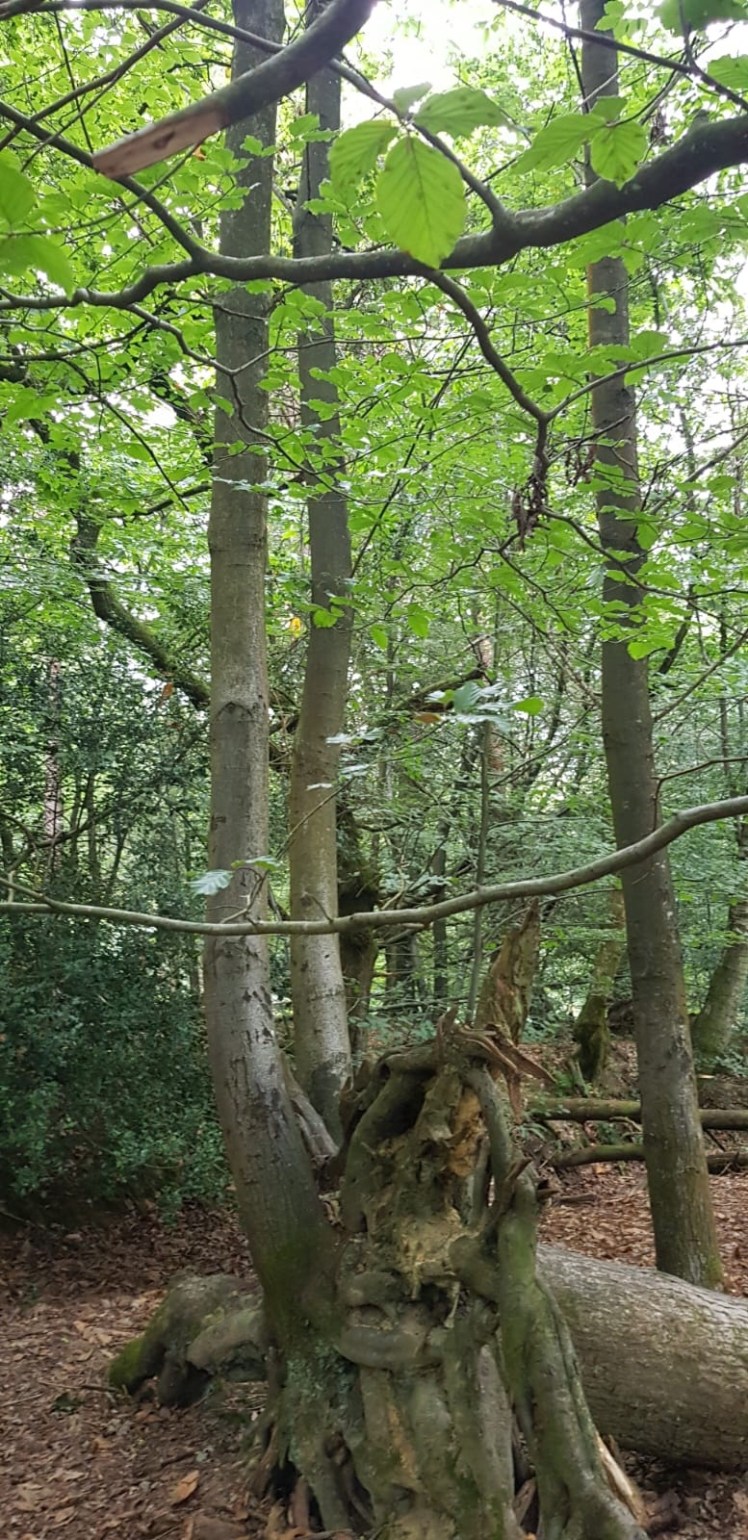
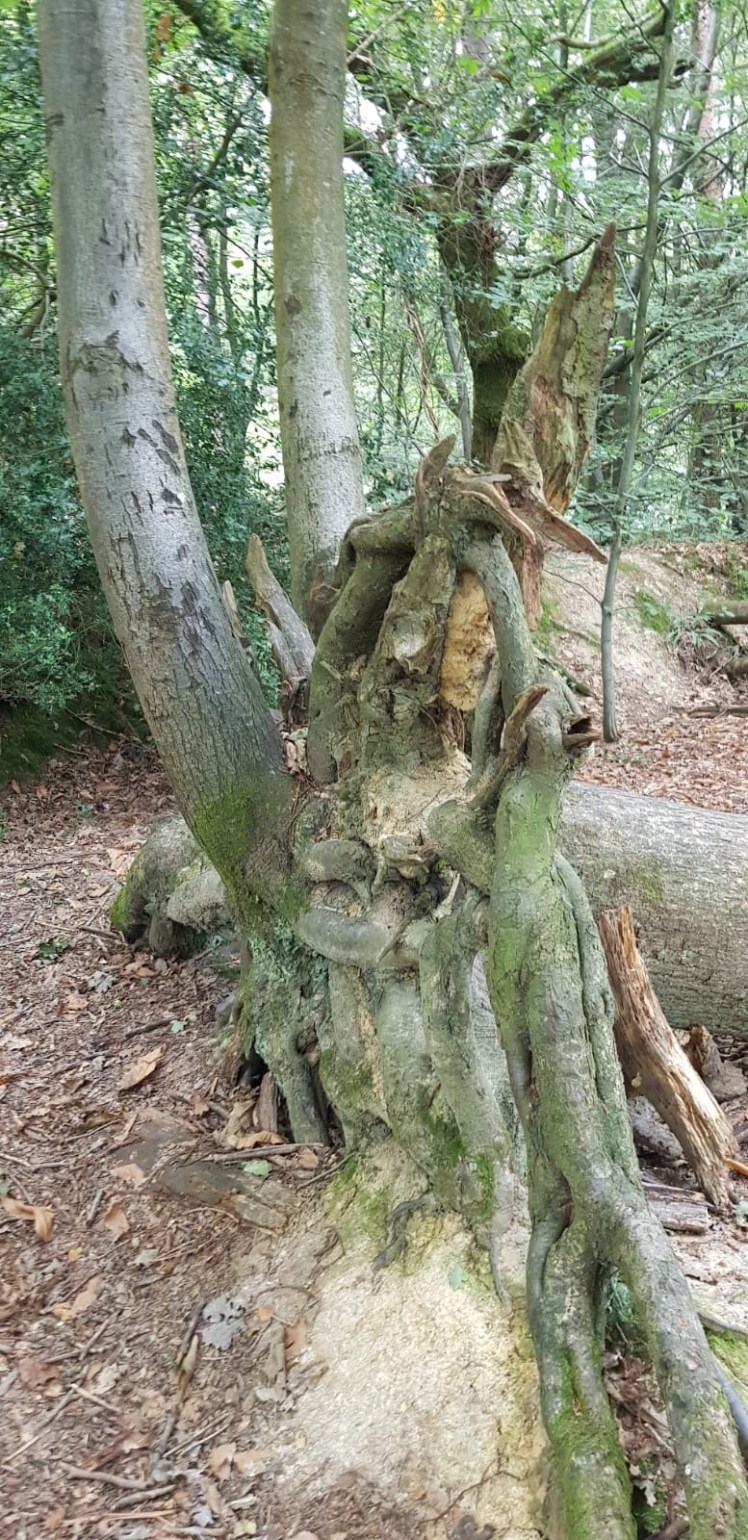
Ashdown Forest is the backyard for nature table explorers Edmund and Reccy. They loved these beautiful Beech trees on a walk.

The Ashdown Forest is in the Hugh Weald, an area of outstanding natural beauty 30 miles south of London in Sussex.

The forest is made up of 60% heathland and 40% woodland. It is an unique environment that has developed through 900 years of mans influence. The area was used as a royal hunting ground for deer, it has been used and is still used as common land with grazing rights. It has never been ploughed or cultivated. It has however been used by the military and exploited for its resources.

The Ashdown forest is famous as the setting for Winnie the Pooh by A.A Milne, he lived on the northern edge of the forest.

It is the largest single block of lowland heath in south east England. The rocks below the forest are mainly sandstones from the Lower Cretaceous. This together with the climate create podzolic soils. These soils are acidic , Clay poor and nutrient poor. It is on these soils that heathland and damp woodland develops.

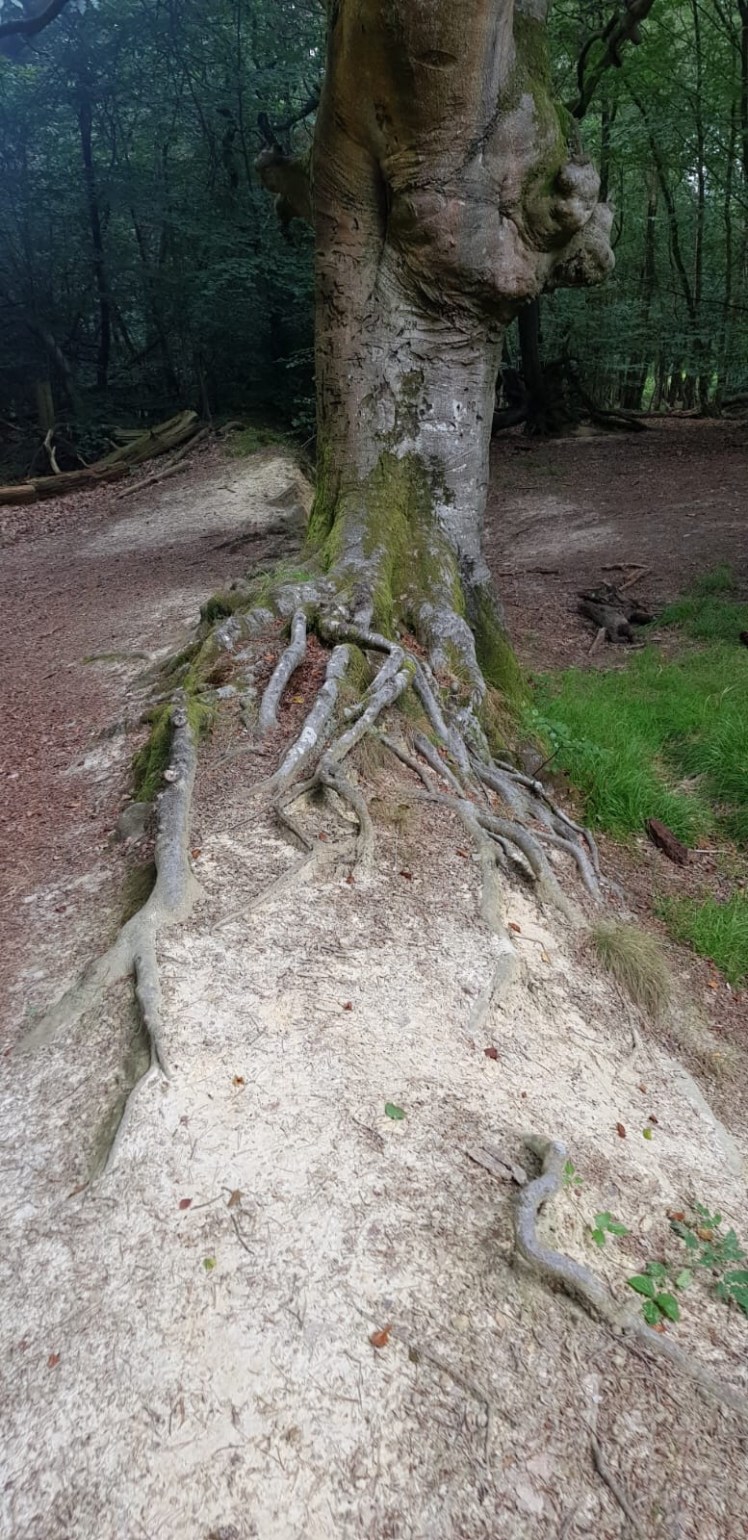
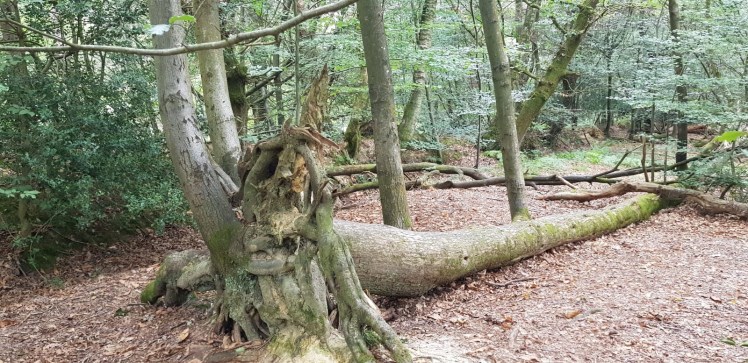
The Beech trees often mark former boundaries in the forest. The tree in the photo seems to be one of these trees, it is planted on a man made ridge.

Beech (Fagus sylvaticus) can grow up to 40M and have a very large domed crown. They have delicate lime green leaves in the spring that darken up and turn glorious colours in the Autumn. The leaves are arranged in a wonderful mosaic catching as much light as possible and are worth a look up at while lying on the forest floor. Under these trees there is very little plant life because of the lack of light.

These trees can live for hundreds of years and if coppiced can live for a 1000! These coppice trees could have been used in 1066 !!

Forked Beech twigs are traditionally used as water dividers. Beech nuts, the almost triangular fruits were once used as pig food. In France the nuts are sometimes roasted and used as a coffee substitute.

Amazing Crabs

It is possible to identify common crabs by the shape of their claws. This is often the part of a crab, detached from its carapace that you discover.

Here is a brightly coloured claw we came across last week.

Here are some amazing facts about 🦀

Amazing Facts

• A group of crabs is called a ‘cast’.

• A Crab’s blood is blue due to the copper it contains.

• Crabs are covered in many tiny ‘hairs’ called setae, to detect chemicals, touch and movement.

This claw is from the European Spider Crab (Maja squinado)

This crab eats plant material but will also eat starfish and brittle stars. It also exhibits mass migration to deeper water probably as part of their breeding cycle and to escape predators.

Aestivation by the sea

Aestivation is a period of deep and prolonged sleep.

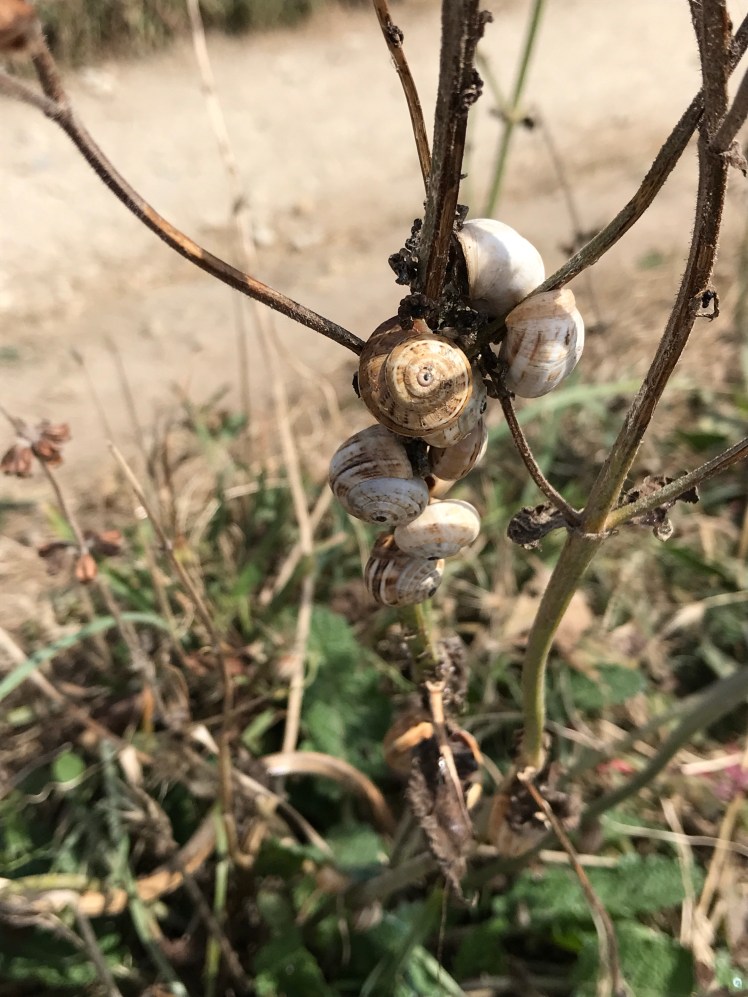
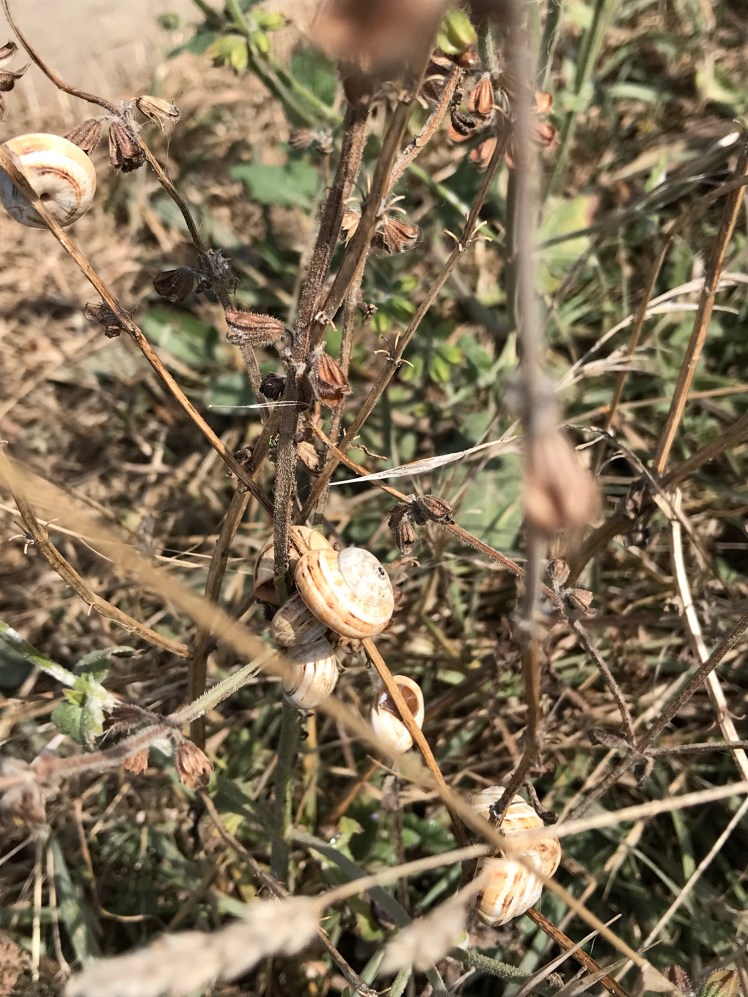
This occurs in the summer or the dry season, food can become scarce so animals ( snails in this case) avoid using their energy reserves.

These snails Cernuella virgata also known as Helicella vulgata (the vineyard snail) easitvate on the tops of plants and fences.

This snail was introduced to Britain by the Romans, probably with weeds.

Cormorant or Shag ?

These two birds at first glance are very similar , they are black long necked often described as reptilian in their looks and found near or on water.

Cormorants can be found inland on fresh water and at the coast whereas Shags are only found on the coast.

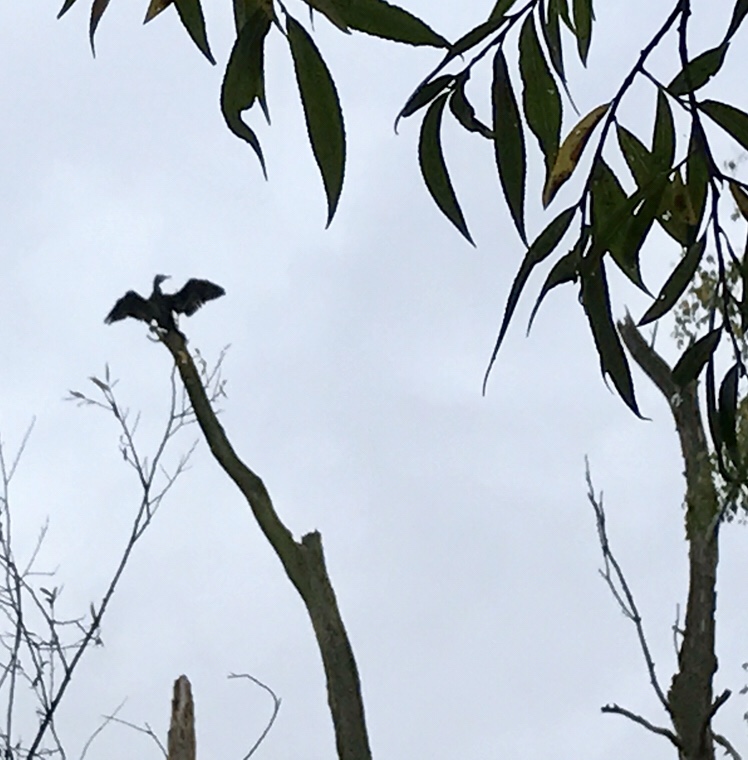
This bird with its wings out in the classic pose is a Cormorant on top of a tree at Rushden lakes right in the centre of the country .

Cormorants are a larger bird than a shag , their feathers are a black/brown colour. Their face has no feathers around the green eye. They also have a distinctive white patch if feathers on their thigh area and also under the chin. They also sit low on the water surface. In flight they resemble a pterodactyl !

The Shag has a smaller head and a longer more snake like head.

It has a feathered face and an emerald eye. The plumage is black/ green and glossy. In the breeding season it has a tufted crest.

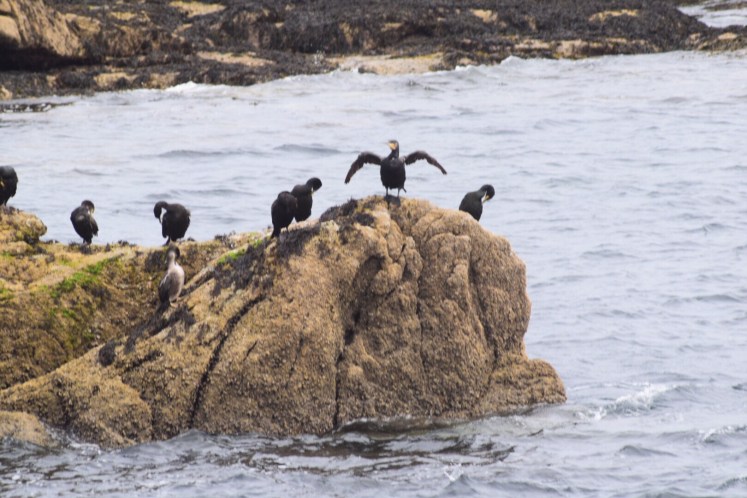
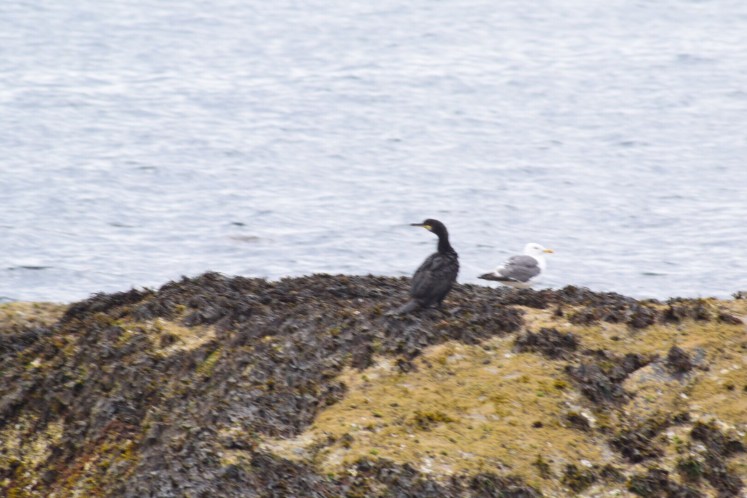
Cormorants and young on the rocky outcrops in Brittany,

A cormorant sitting low in the water ( this is one of the identifying features)

From a distance it does seem quite difficult to see differences . Practice needed, an excuse to go Back to the wonderful Brittany coast.

More information can be found on rspb.org.uk