Fairytale Welsh wood

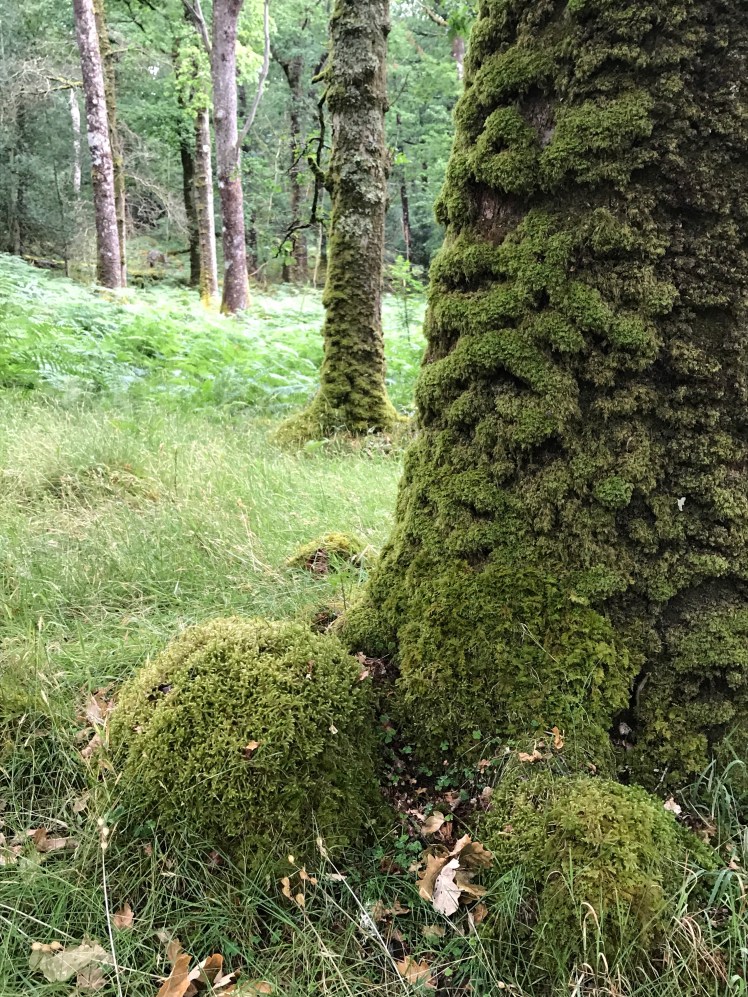
Arrived in Wales to the first rain for weeks. A great walk in gorgeous moss covered woods almost glowing green.

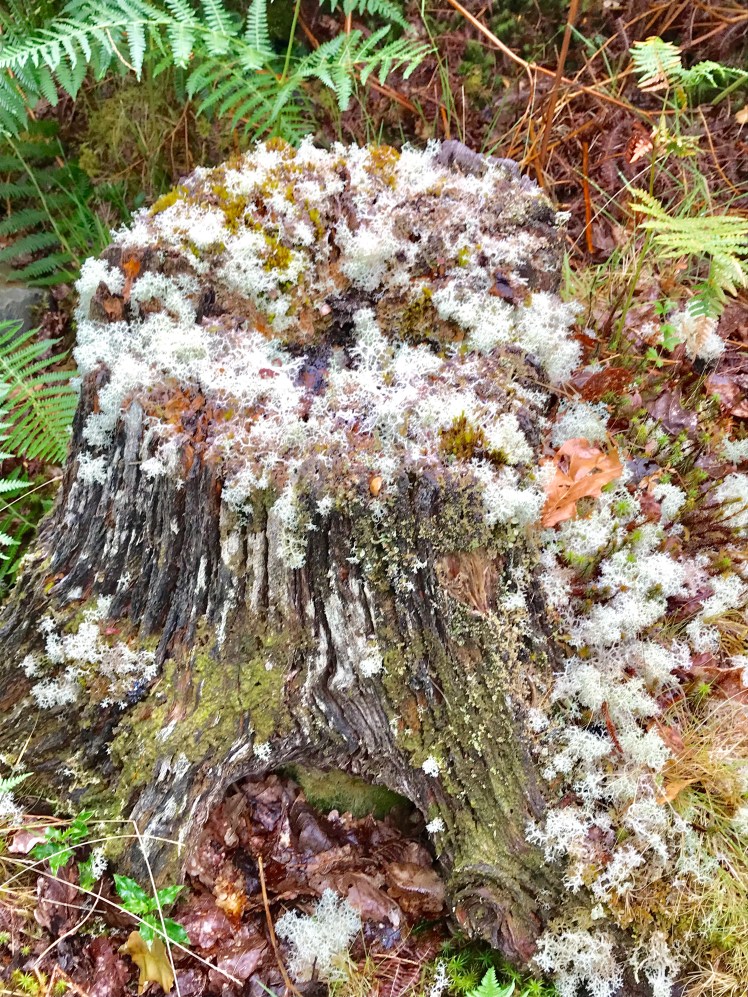
There are also large numbers of beautiful lichens everywhere you turn. I will be looking at these through the week .

This tree stump looked magical covered in this delicate fluffy lichen.

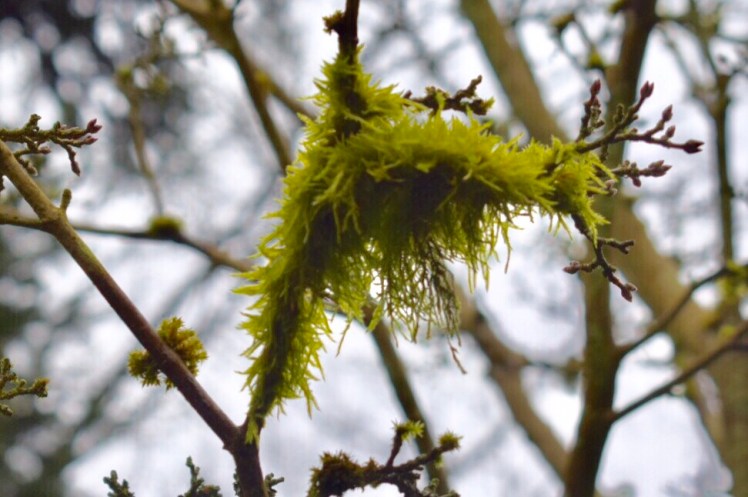
Rainforest Moss !

Earlier in the year in a wood near Swineshead in Bedfordshire the mosses were amazing, emerald green and luminous hard to imagine now in this dry heat!

The wood is a patch of ancient woodland managed by the woodland trust and later in the spring was full of bluebells. When this photo was taken moss was the star attraction. It was even growing in the trees , a Bedfordshire rainforest !

Ashdown forest fliers

Reccy , a Nature table explorer from the Ashdown forest has seen some beautiful butterflies this morning.

These are silver washed Fritllarys (Argynnis paphia)The male is the lighter colour the female darker and more brown.

Interesting facts :-

The eggs are laid in moss on the shady side of a tree.

The egg is yellow.

The larvae are yellow and become brown.

The larvae have a dorsal line and spiky bristles.

The larvae feed on dog violets.

A great discovery in Ashdown forest.

Thanks Reccy !

Preening with ease

Swans have a great neck for preening it is strong and flexible and long. Preening is the process of cleaning and ensuring all feathers are in tip top condition and in the correct position. Swans have an oil gland which the rub and then apply to their feathers with the top of their head.

I have noticed a large number of swans feathers in the surface of the lake – swans moult .

Once a year they replace all 25,000 of their feathers which make up their plumage

This process takes 4-6 weeks, generally females moult in June and males in July

This is so they are not both unable to fly at the same time .

I am going to look really carefully this week at the swans to see which feathers are missing and where the new ones are coming in.

This swan was having a good preen,happily in the shallows in the sun today.

Our chickens moult but I haven’t thought about it for beautiful swans who always look so perfect. .

Flight of the Bumble Bee

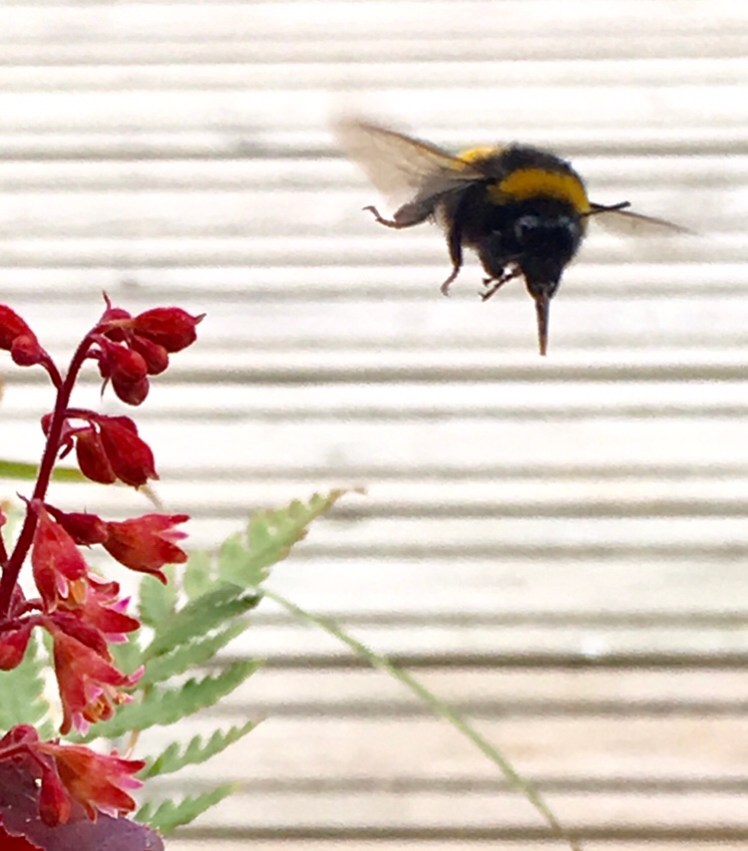
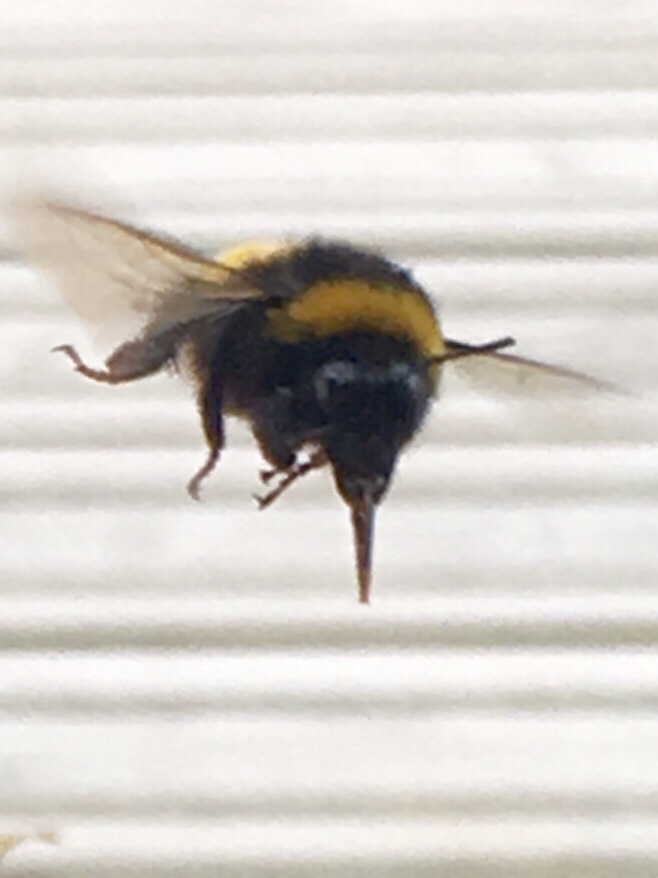
A Nature table explorer , Henry , captured these images with his phone while we were drinking coffee.

This is the Buff -tailed Bumblebee , looking at photos it is probably a male.

Latin name -Bombus terrestris

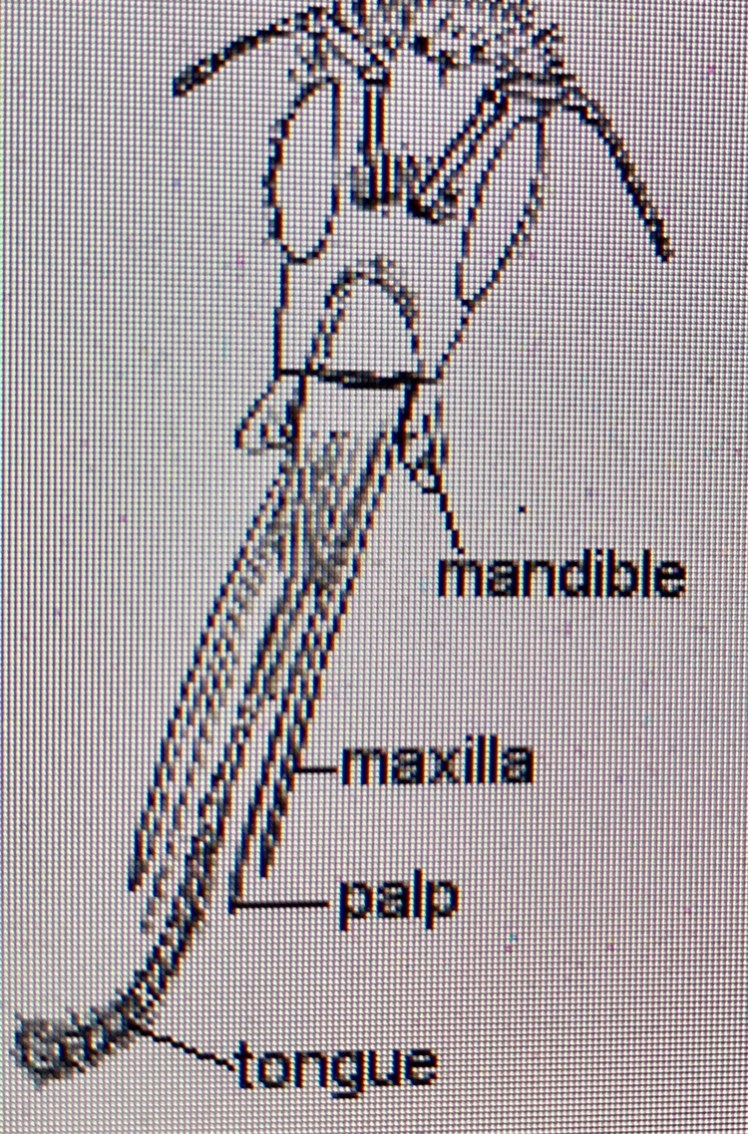
In the photo you can see amazing mouthparts. Bumble bees have a long reddish coloured tongue which is hairy at the end so they can soak up nectar.

This tongue is held inside a horny sheath called a maxilla and palps.

It’s amazing what you can capture on your phone camera. I always use mine on walks as it’s so easy to carry and use.

Children’s games

Every time you walk by a verge or a hedge at this time of year you can’t help but to run into ‘GrannyGranny pop out of bed’

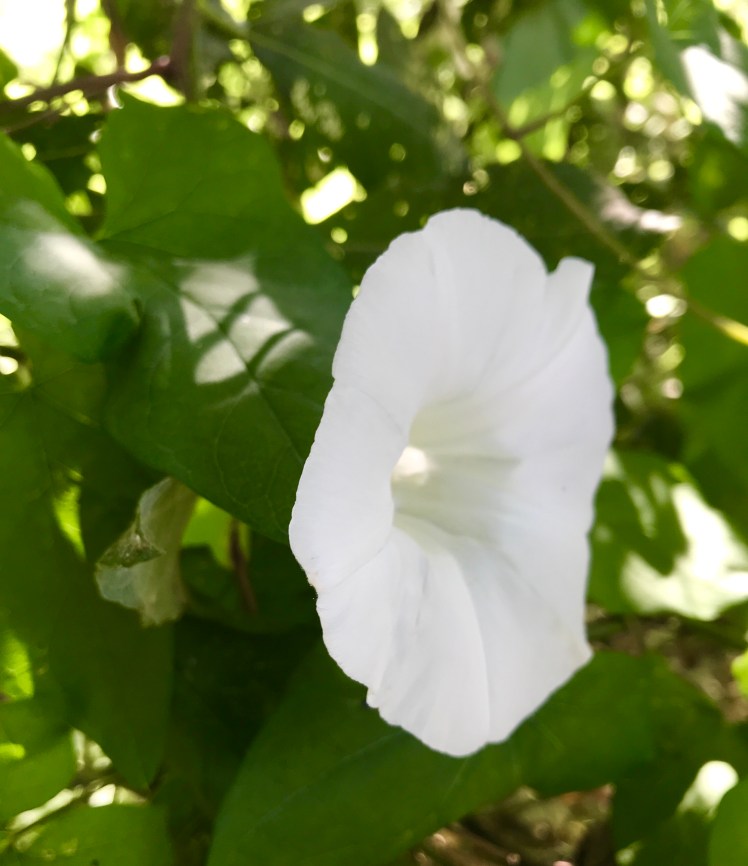
The white bell shaped flowers we know as bindweed are actually two species if you look carefully.

The first is Hedge bindweed (Calystegia septum) this is the largest of the two and has heart shaped leaves. It’s white trumpets can be seen on verges and hedgerows strongly climbing through the other plants.

The second has smaller trumpets which are white and sometimes pinkish these are field bindweed(Convolulus arvensis)

Gardeners hate these plants as they are invasive (successful) it is strange that gardeners love the blue trumpeted morning glory . Bindweed is just too easy to grow!!

Children love to say the rhyme granny granny pop out of bed then squeeze the flower and watch the trumpet fly.
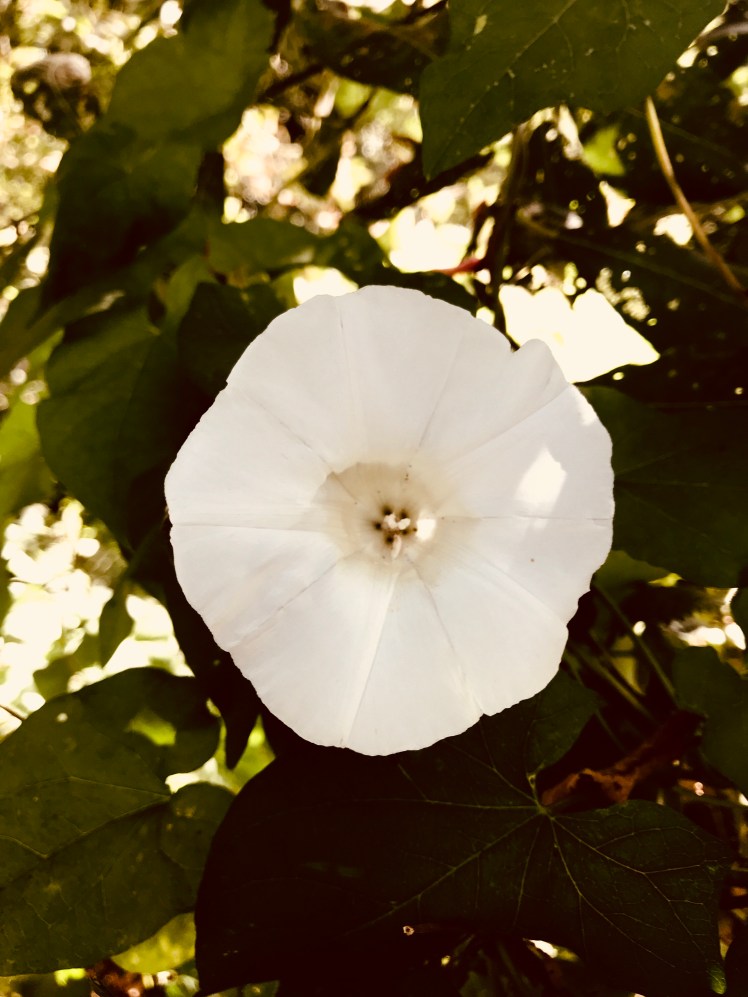
This is the Hedge Bindweed
Another favourite game is sticky burrs , these wonderful flower-heads with Velcro like hooks are thrown secretly to cover someones back or unfortunately land in your hair! They definitely live up to their name. Dogs are also very apt at collecting these on their costs.

The plant is Burdock , again there are two greater and lesser .

Greater Burdock (Arctium lappa)

Lesser Burdock (Actium minus) – love this self explanatory name !
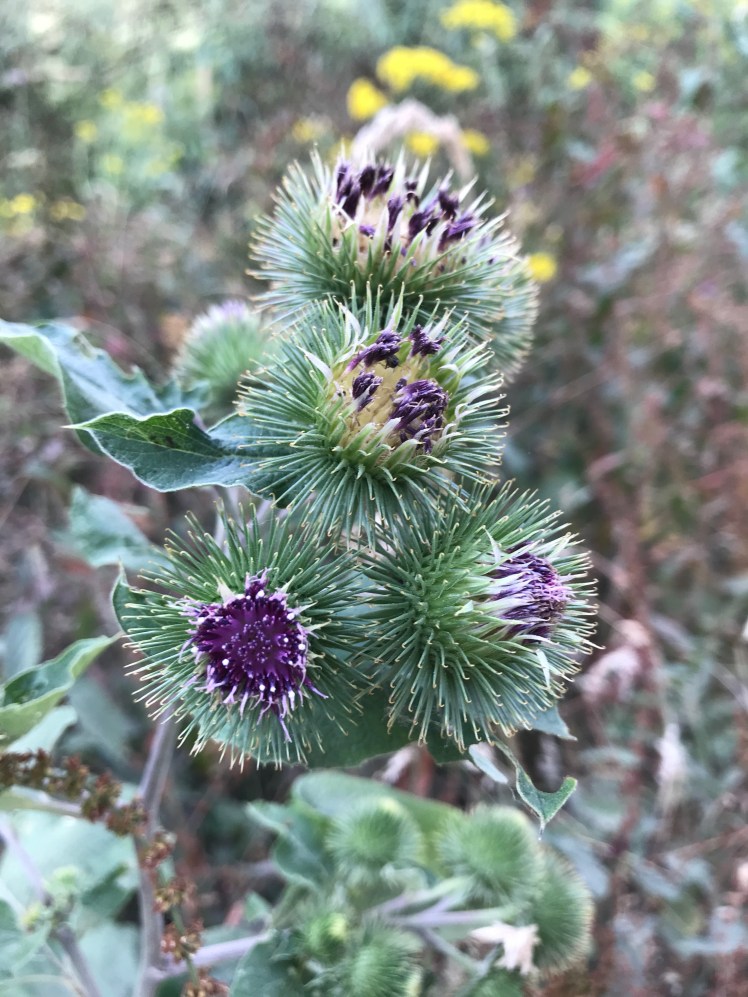
This is the Greater Burdock- grows to130 cm very robust.

In the wild flower guide it says it is rare in Wales and absent from Scotland .. I thought this was an interesting and unexpected fact. No Burdock throwing North of the border !!

Summer seeds

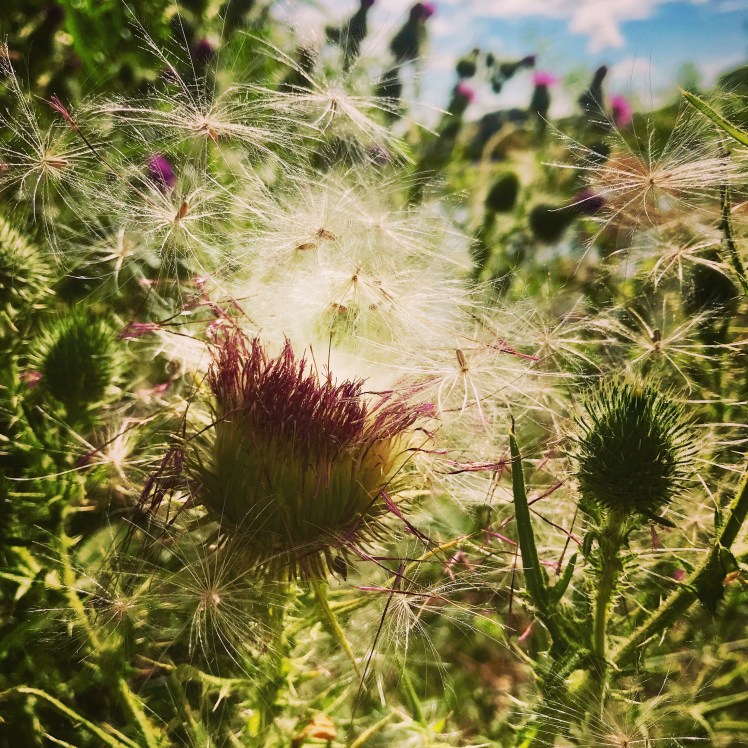
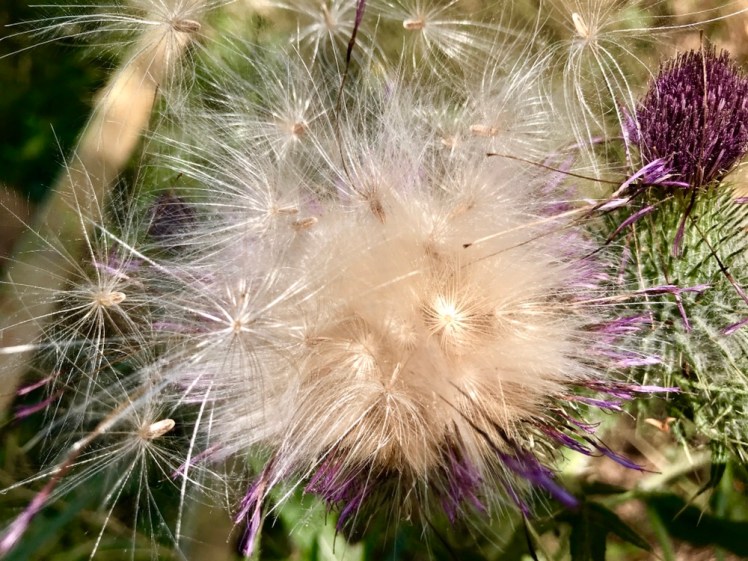
Seeds are flying , drifting into heaps, caught on other plants . Delicate fairies flying in the wind. Umbels have turned from tables of white flowers attracting insects for dinner to crunchy granola seed heads that may be attractive to birds as the year progresses.

Everything is turning Sandy colour in the long days of sun ( an unusual year!)

Name matches the Moth

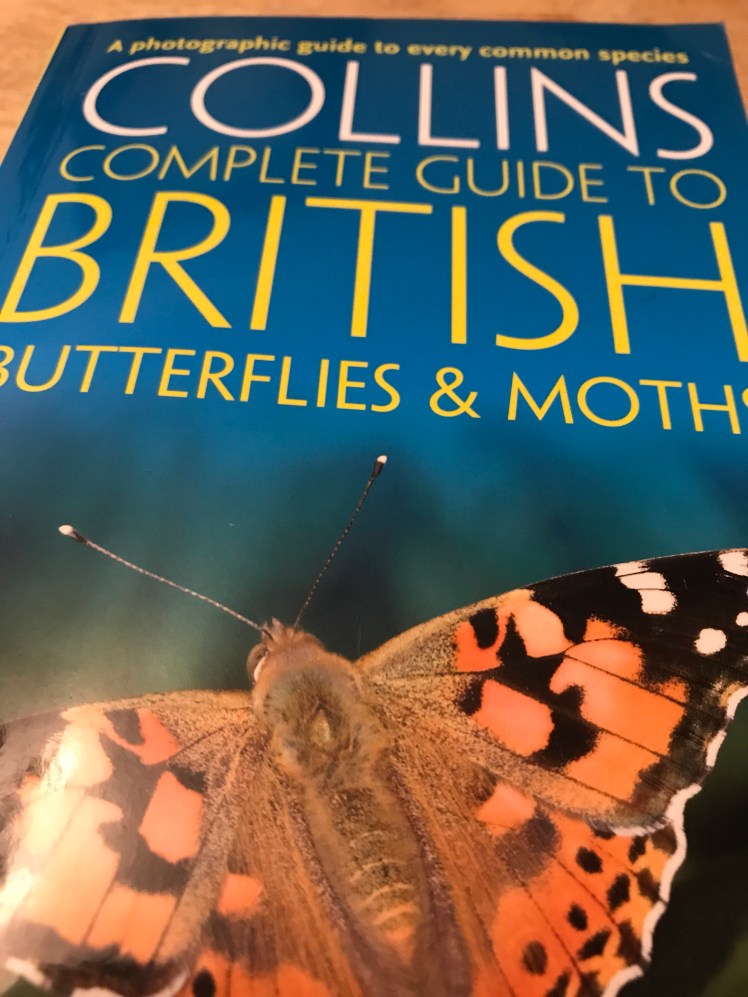
I’ve recently started to look more at moths . I’ve bought a new book which is really helpful and shows how many moths there are … actually 100s!

This moth was sitting in the kitchen surface this evening.

Spent a few minutes using the new book – it’s a dot moth (Melanchthon persicaruae)

The larvae feed on low growing plants. They are common in central and southern Britain.

I like the way it’s name is so descriptive!

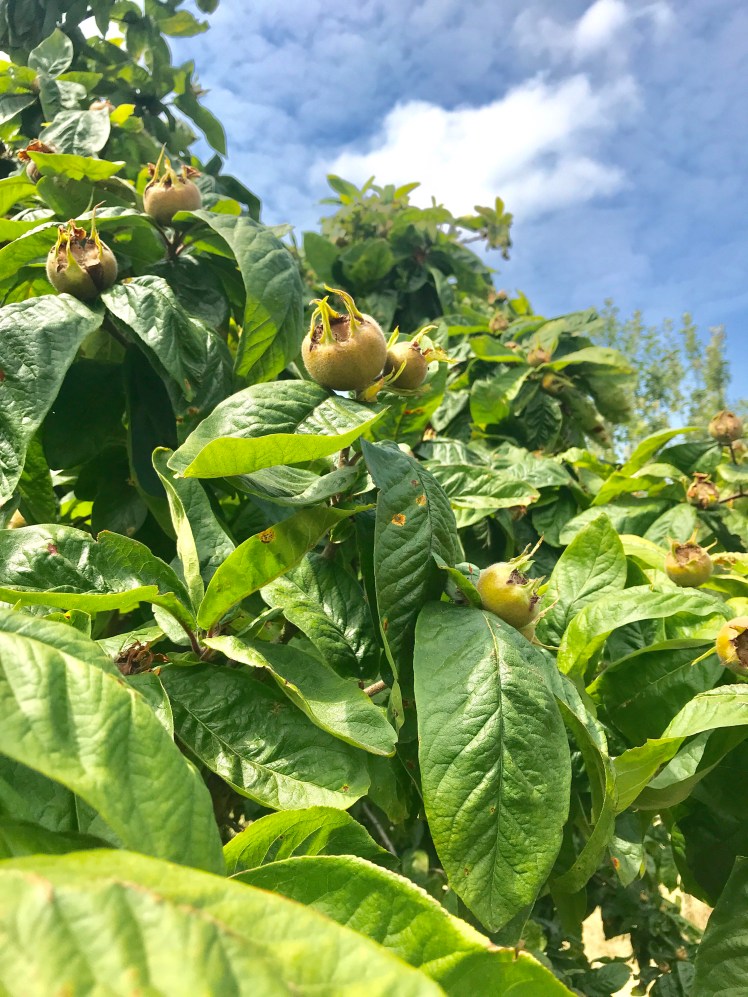
Marvellous Medlar tree

Medlars are an unattractive fruit, the name is rather rude in French !

Medlars were eaten commonly in England 100s of years ago because they provided something sweet in the winter.

Unusually you cannot eat a medlar straight from the tree , it has to be bletted. This is s process of letting it ripen slowly in the cool until it is soft and squishy and brown !

The Medlar tree originally comes from Persia and was eaten by the Greeks and Romans.

Maybe it will make a comeback !

Here is a lovely medlar tree I saw at Packwood House in Warwickshire this weekend.