Banded Demoniselle strange behaviour

This has been a really wonderful year of damselflies. Today the Banded Demoiselles were flitting about.watching them on a shallow stretch of water one performed a really strange manoeuvre. It literally threw itself onto the surface of the water and vibrated it’s wings making ripples . After a while it hung from a twig presumably to dry out !

Reading about this behaviour it seems this is a courtship move, it describes the male as sometimes ‘throwing’ himself onto the water at the oviposition site. If the female responds the male lands on the female wing and mating occurs. This did not happen to the male we saw he threw himself on the water no female attention just wet wings …. better luck next time !
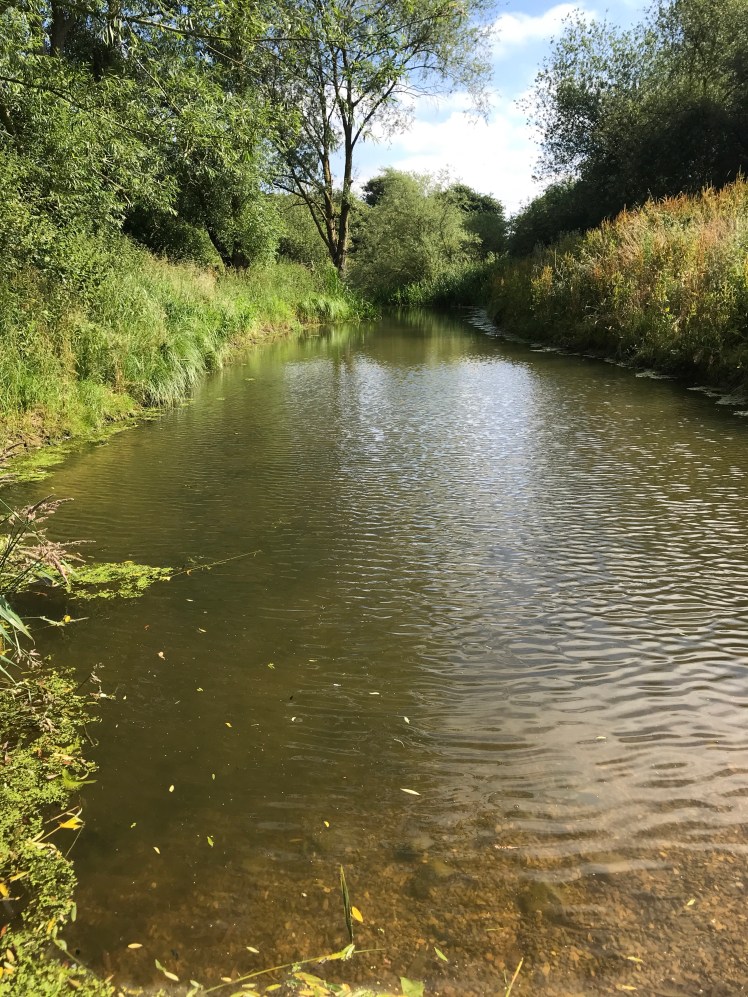
Drying out after his dip !

Sleepy Snails

I am definitely drawn to snails , they are on my radar . Earlier in the year they were all up the trees on walks especially in the evening. Today they are resting amongst the plants and leaves, sleeping in the heat in place for feasting in the evening at their ready and waiting buffet.

Northampton finds

A walk from currys car park to the train station in Northampton did not promise much to a nature table explorer!

I was wrong,closer inspection found the first caterpillars I’ve seen this year.They were very small cinnabar moth caterpillars on ragwort on a dusty verge dusty

Did you know?

As the caterpillars feed on poisonous ragwort leaves, their body stores the alkaloid poison and passes this on through to chrysalis and finally to the moth. Predators such as birds that don’t heed their colourful warning soon, learn how distasteful they are to eat!

Also through the car parks there were whole crops of hazelnuts ripening which was a surprise.

One of my favourites, lichen were in large numbers looking great on the ornamental shrubs .. air quality must be pretty good in Northampton.

An interesting notice about a rare mouse tail plant was attached to the lamppost.

Amazing what you come across just walking to the station !

Hungry Hovers

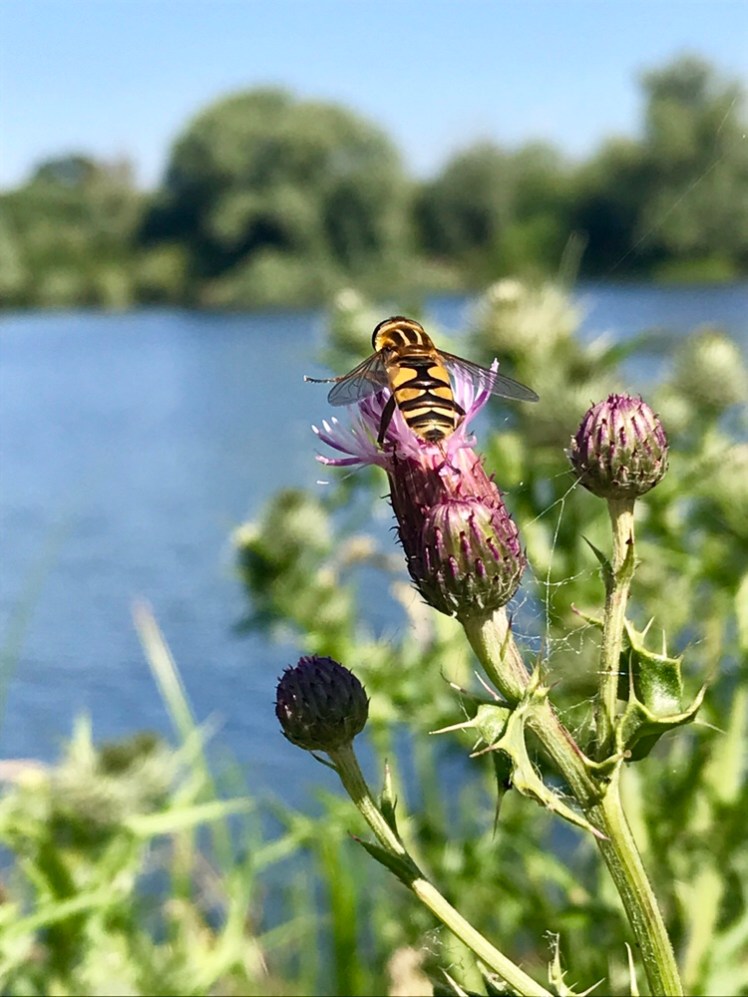
Hover flies are welcome in the garden their larvae eat aphids. There are 280 species of hover fly in Britain. Lots of them are yellow and black and could be mistaken at first glance as a wasp or bee. They do not sting or bite .

They belong to the family syrphidae part of the order Diptera , the true flies.

Not many of them have English names so Latin names are used .

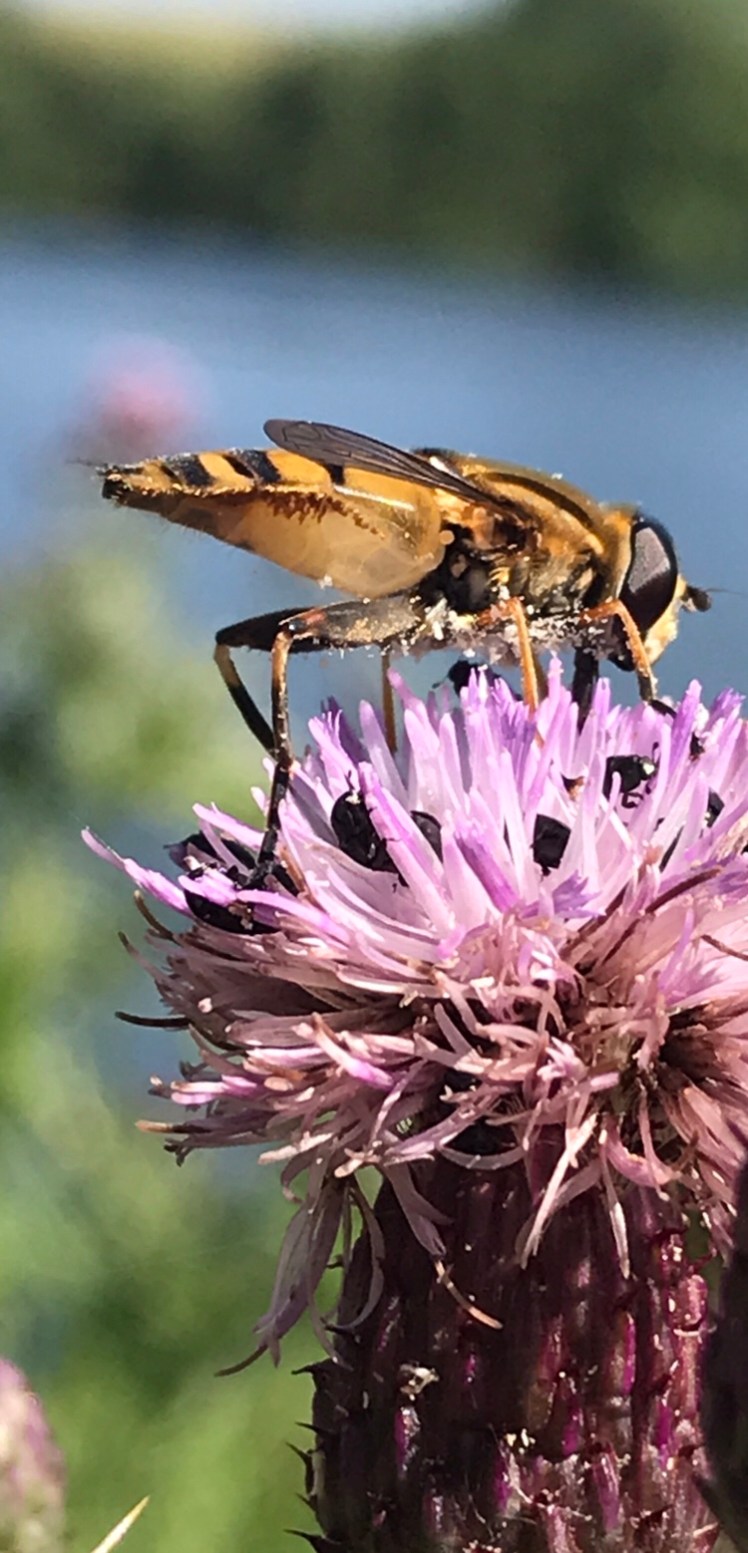
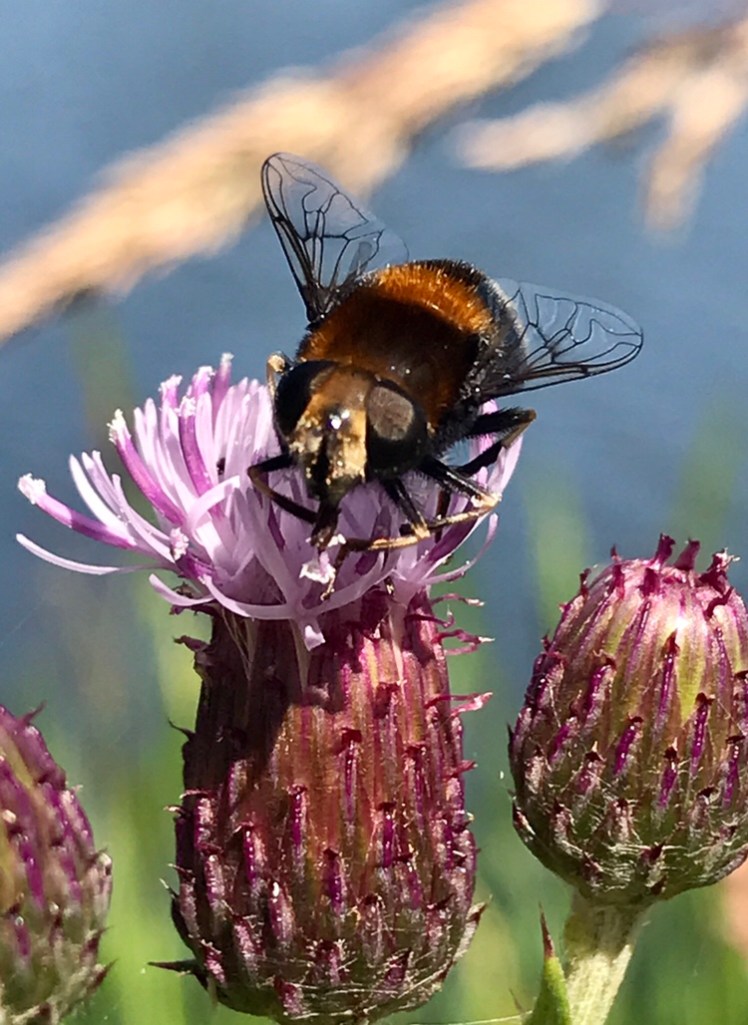
They are fascinating I’m ordering a new identification book about them. These two below are very different one like a flattened wasp and the other like a bumble bee.

Bees have four wings flies only two.maybe . Helophilus pendulus will confirm when new book .Volucella bombylans
Keep a look out for these fascinating flies.

Surprising spiders

A really lovely walk this morning in the tall grass meadows by the lakes and river at Rushden.on closer inspection I found two intriguing spiders that had used the tops of grasses to make their webs.
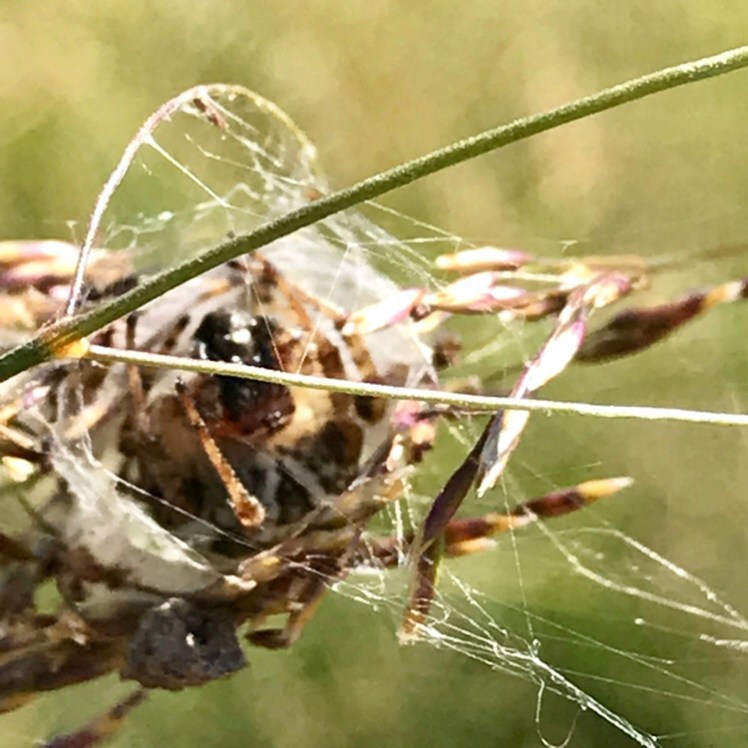
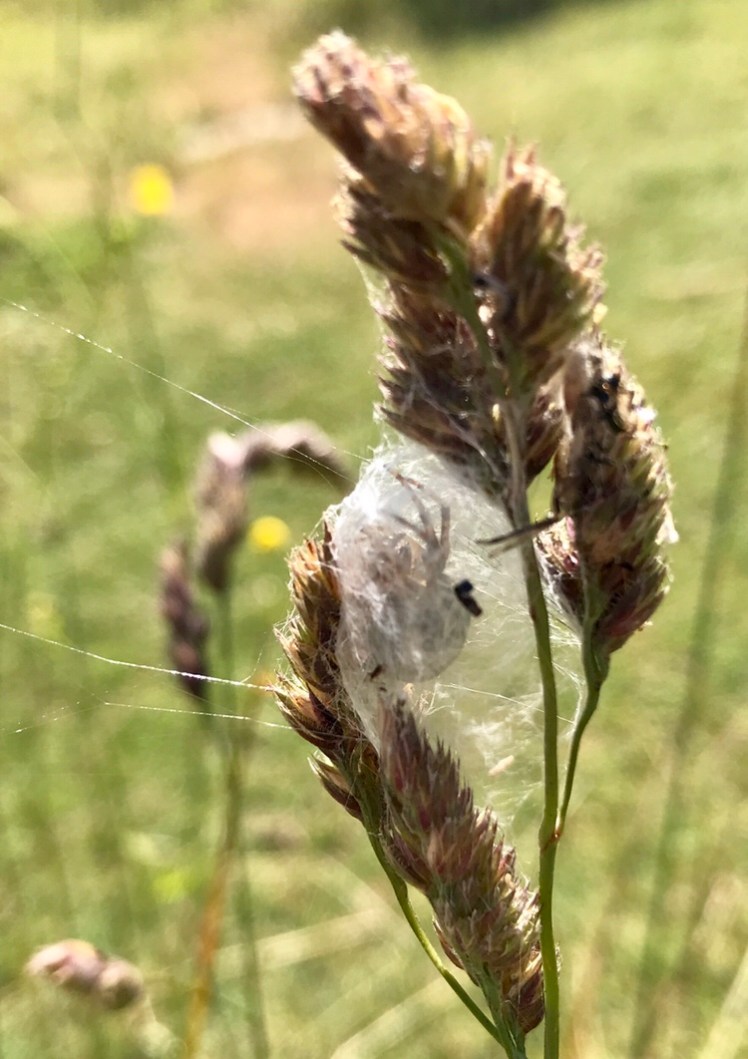
If you look carefully the spider in the first photo is busy devouring something .

The spider in the photo above is really clear in profile on closer inspection it’s abdomen is patterned black and white.

Looking in my new book I had for Christmas my best idea is a member of the Theridiidae because of the colouring maybe Dipoena melanigaster very hard to identify without hand lens.

The next spider surprises were amongst the bramble and grasses by the river. These were funnel like tubes with spider sitting at the entrance and dashing back in as soon as I approached. These are labyrinth spiders. Agelena labyrinthicaThey come out of their funnel and drag prey down into the tube, they have a similar mating behaviour grabbing the mate and dragging them into the tube.Some of them have almost trip wires to know when the prey in near the web area ready to be grabbed .

These spiders dart back in at the slightest movement or even shadow , they sit at the tube entrance but dart away at the slightest thing especially me with a phone camera !

Garden Gravel Safari

It is hot ! I’m sitting in the shade in the garden while the sparrows have their mad hour !

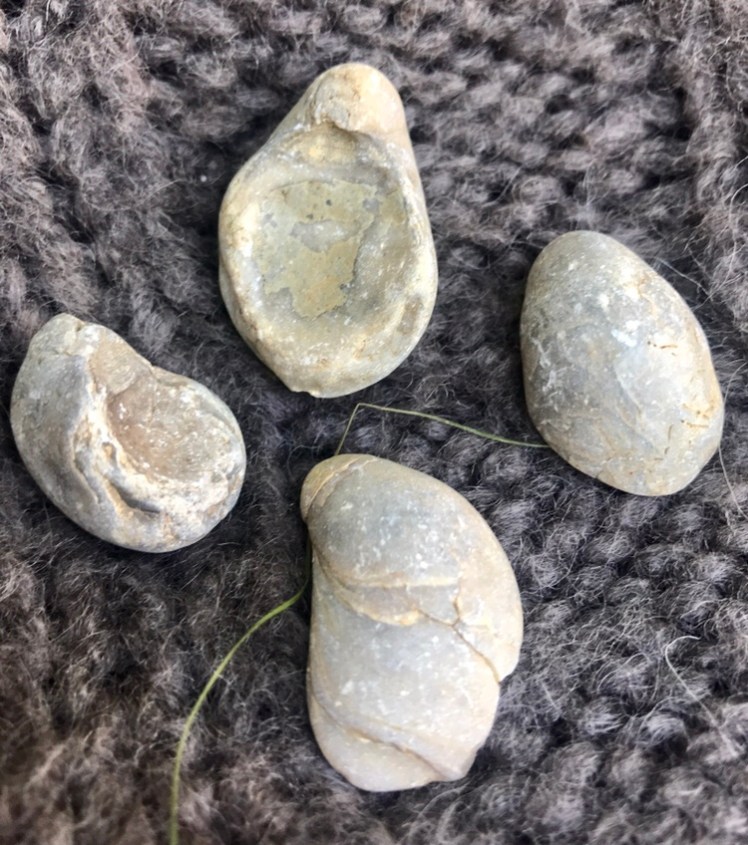
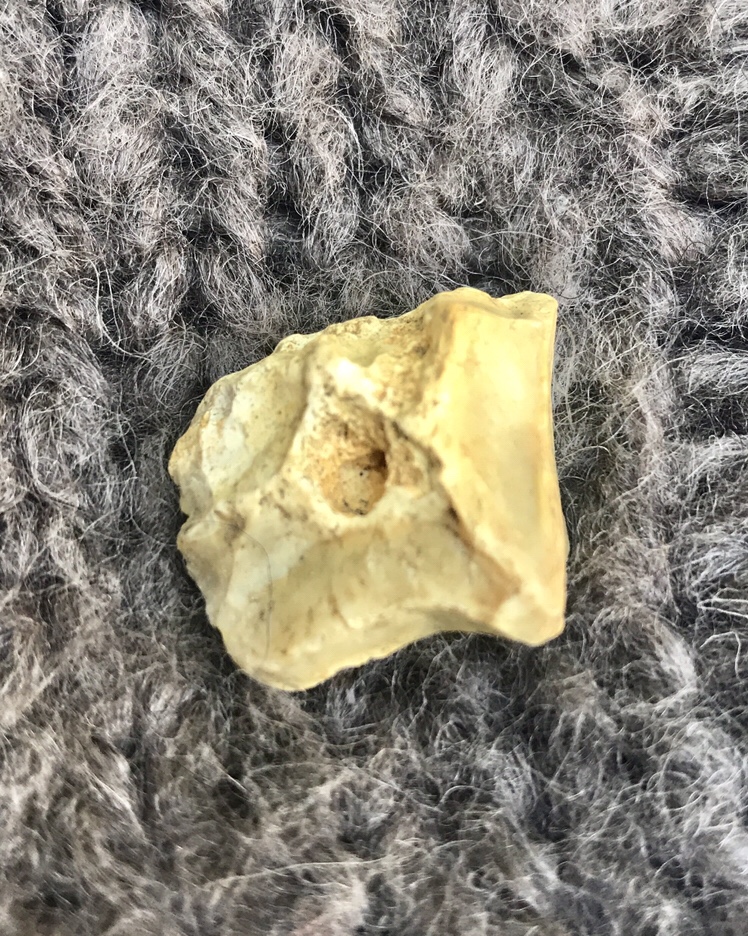
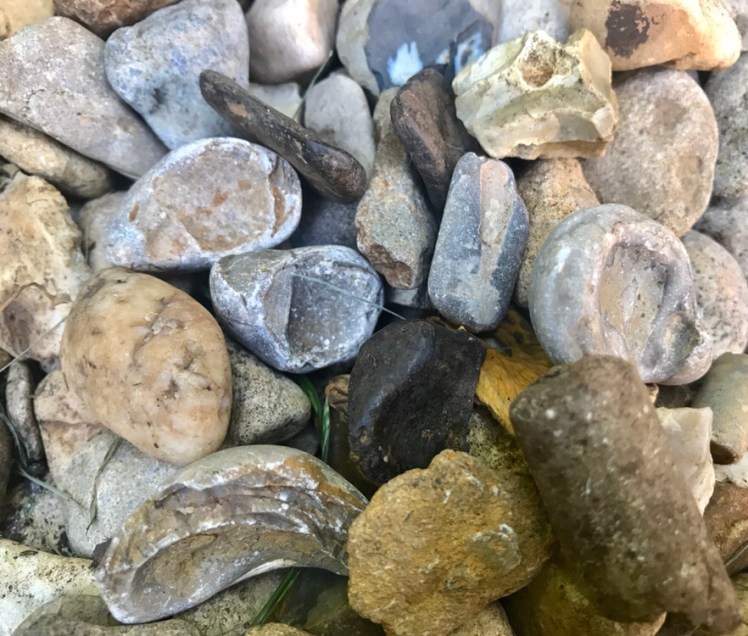
Lying in the cool I’m at eye level with the gravel, this is relatively new I put it down at about Easter time. It is local Northamptonshire gravel, quite pale , attractive but also interesting. It is definitely worth a second look. There are plenty of fossils and things of interest in the gravel.

A two minute safari has found :-

Four Devils toenails ( Gryphea arcuata)

Three belemnites

Sponge

Iron ore from Northamptonshire iron stone

All together rather a nice collection.

Rushden lakes and the lakes along the Nene valley were worked for gravel.over time they now provide an incredible habitat for wildlife and especially migrating birds and the lakes have a sssi status because of this.

A view of the lakes earlier in the year .

Goes to show,if you look carefully there is always something interesting to see – keep exploring.

Moth visits the bathroom

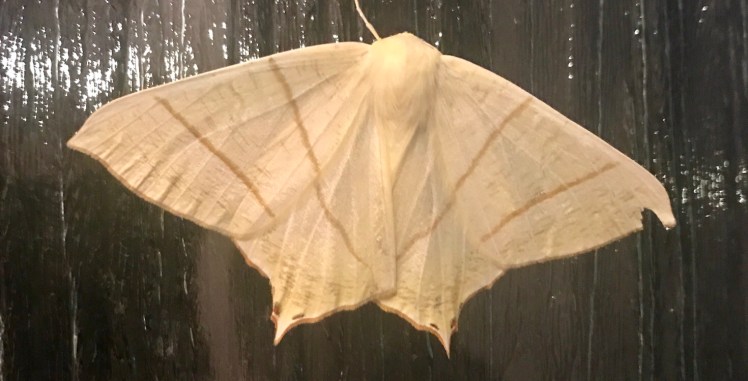
A beautiful moth visited the bathroom tonight this was due to lights on,windows open because of the hot weather.

It was aSwallow-tailed Moth (Ourapteryx sambucaria)

This is a completely nocturnal moth whose larvae feed on ivy ( we have large areas of ivy in the garden)

It has flown out of the bathroom and hopefully is laying eggs on the ivy in the garden.

Road side nature trail

A walk along the busy road can be a real nature trail thanks to the verges. Allowing these to grow and flower really creates a continuous strip of biodiversity and activity. Here is my road verge nature trail through Drybrook in The Forest of Dean.

First knapweed , attracting plenty of insects.

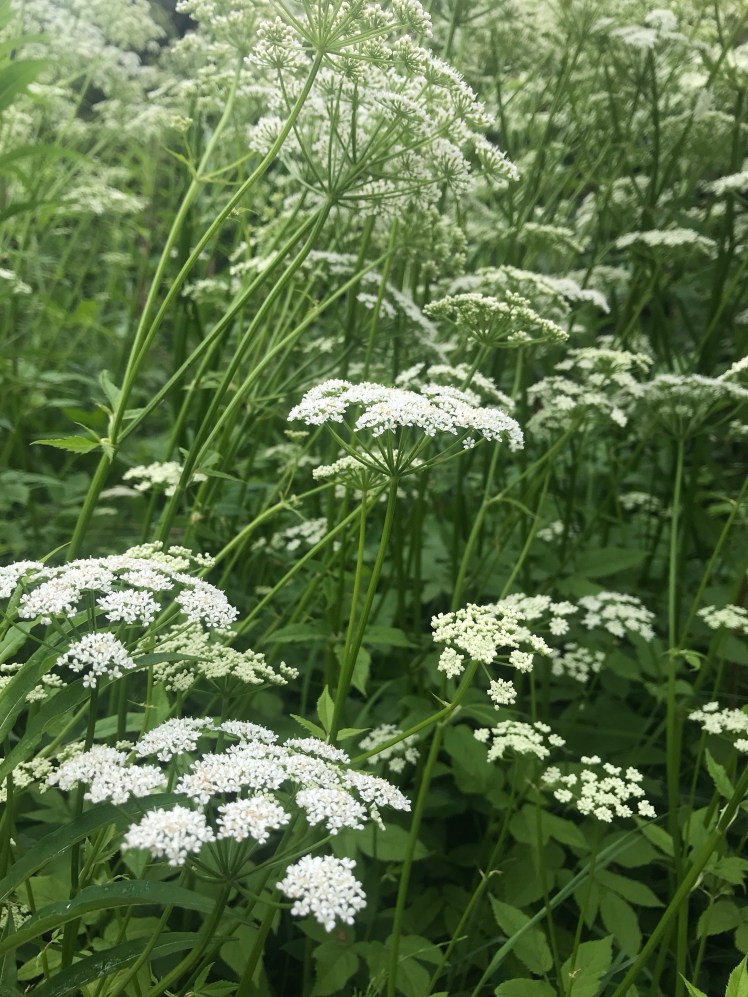
Umbellifers a plenty

Tufted vetch

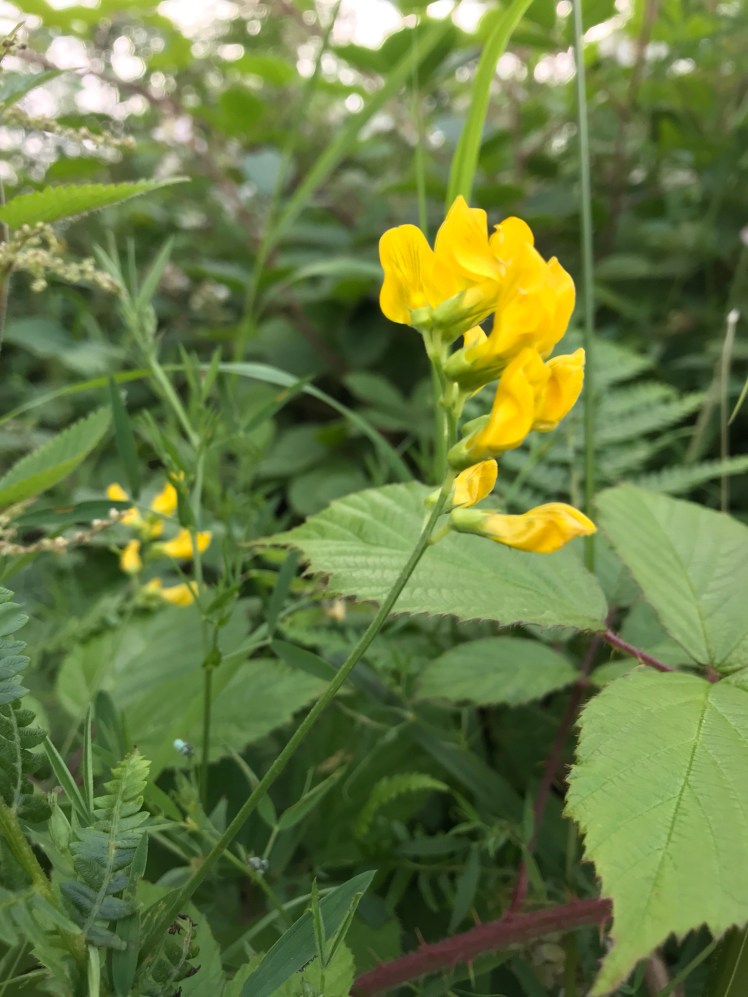
Meadow vetchling

Brilliant bracken uncurling at the tip

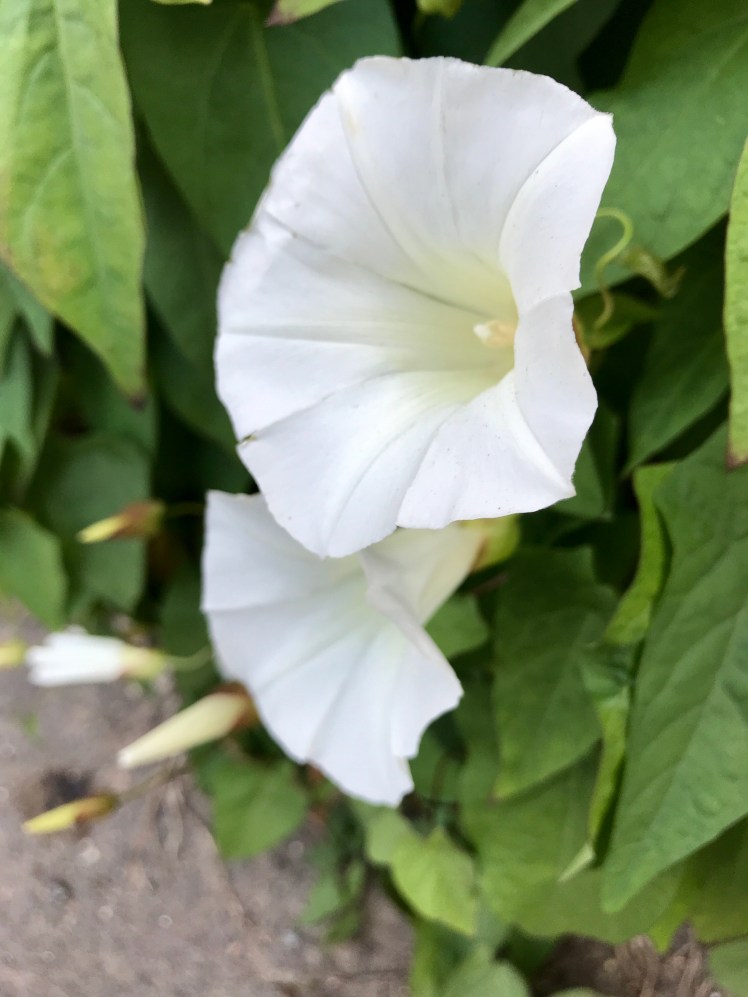
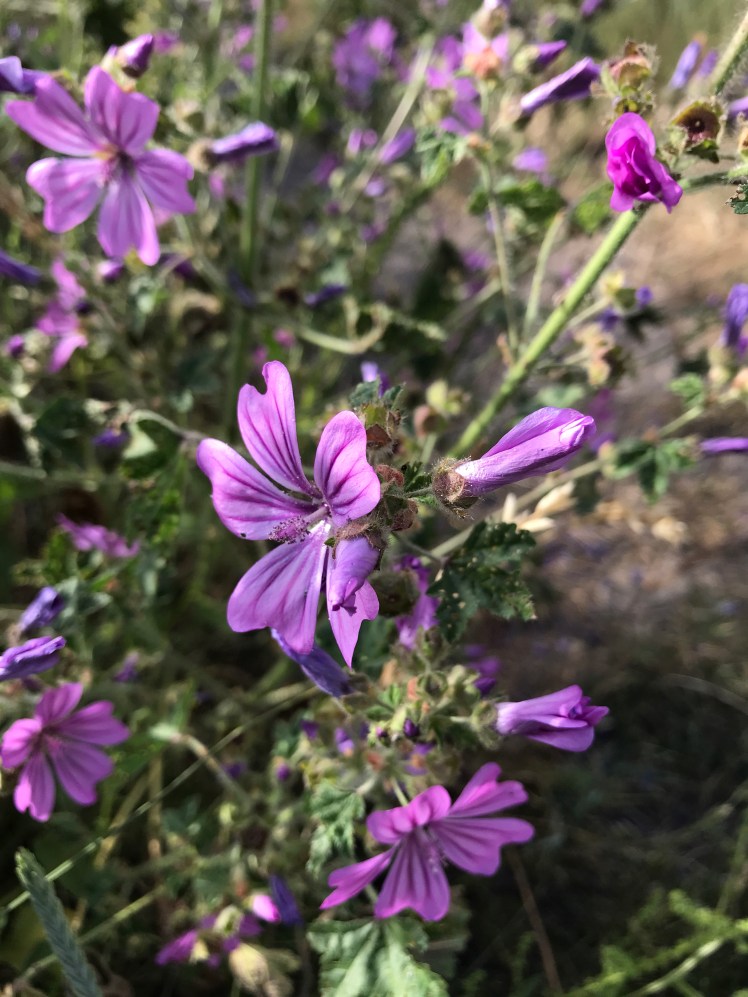
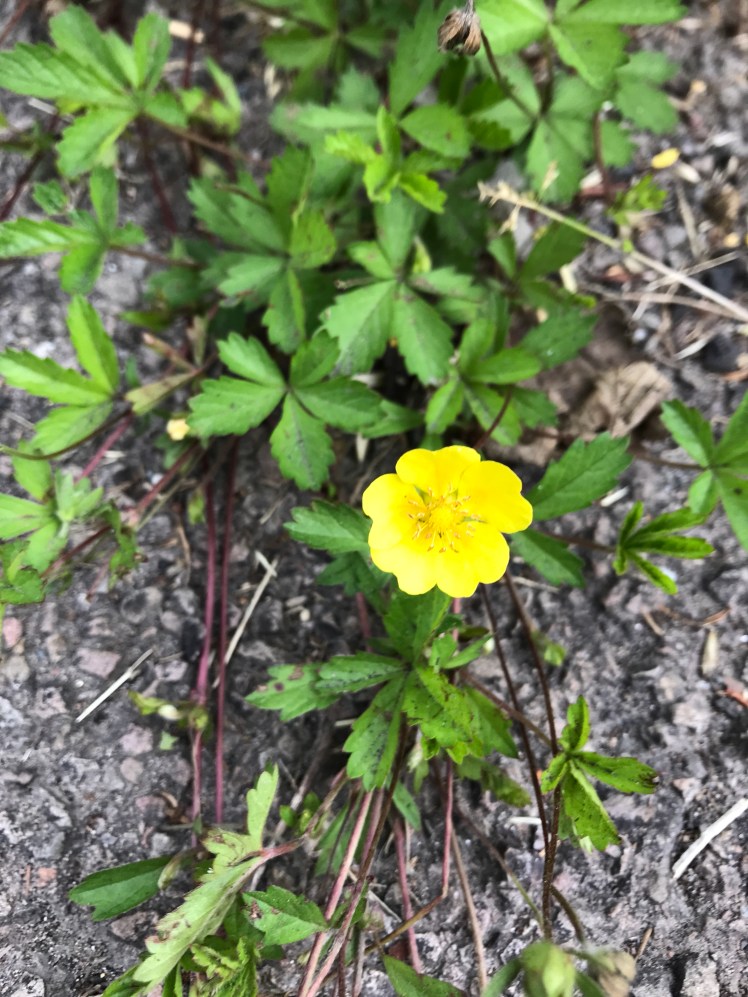
Followed by some favourites, granny granny pop out of bed ( convovulus) ,common mallow and Trailing Tormentil.

This was only a short walk and only a few examples of things seen on the ‘nature trail ‘

Keep road verges flowering !

Giant thistles

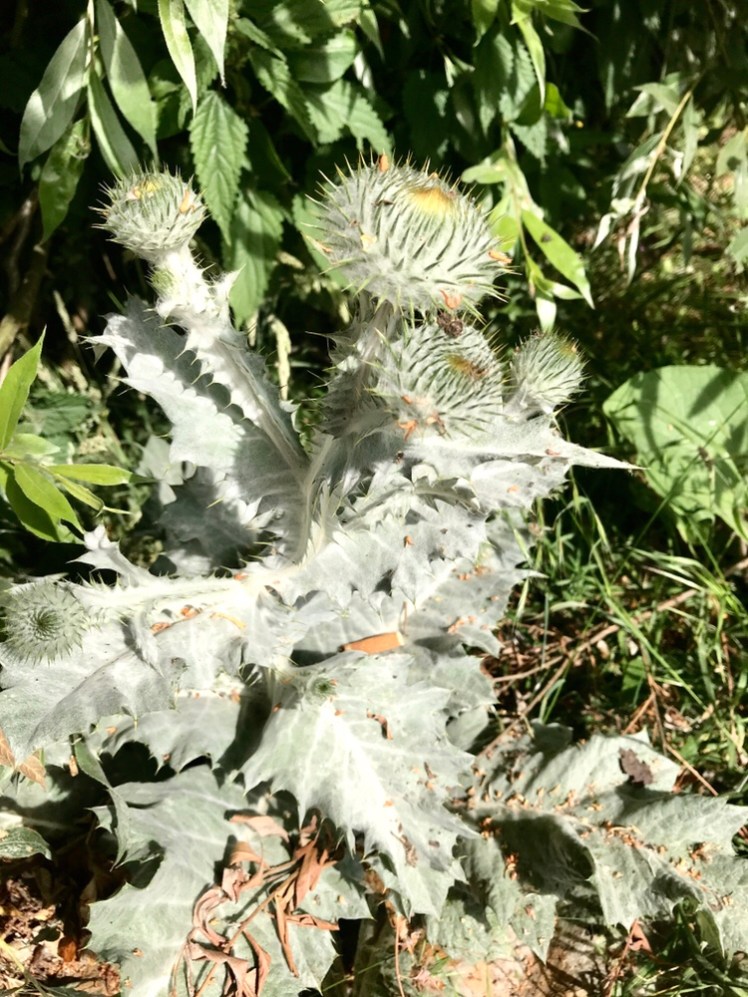
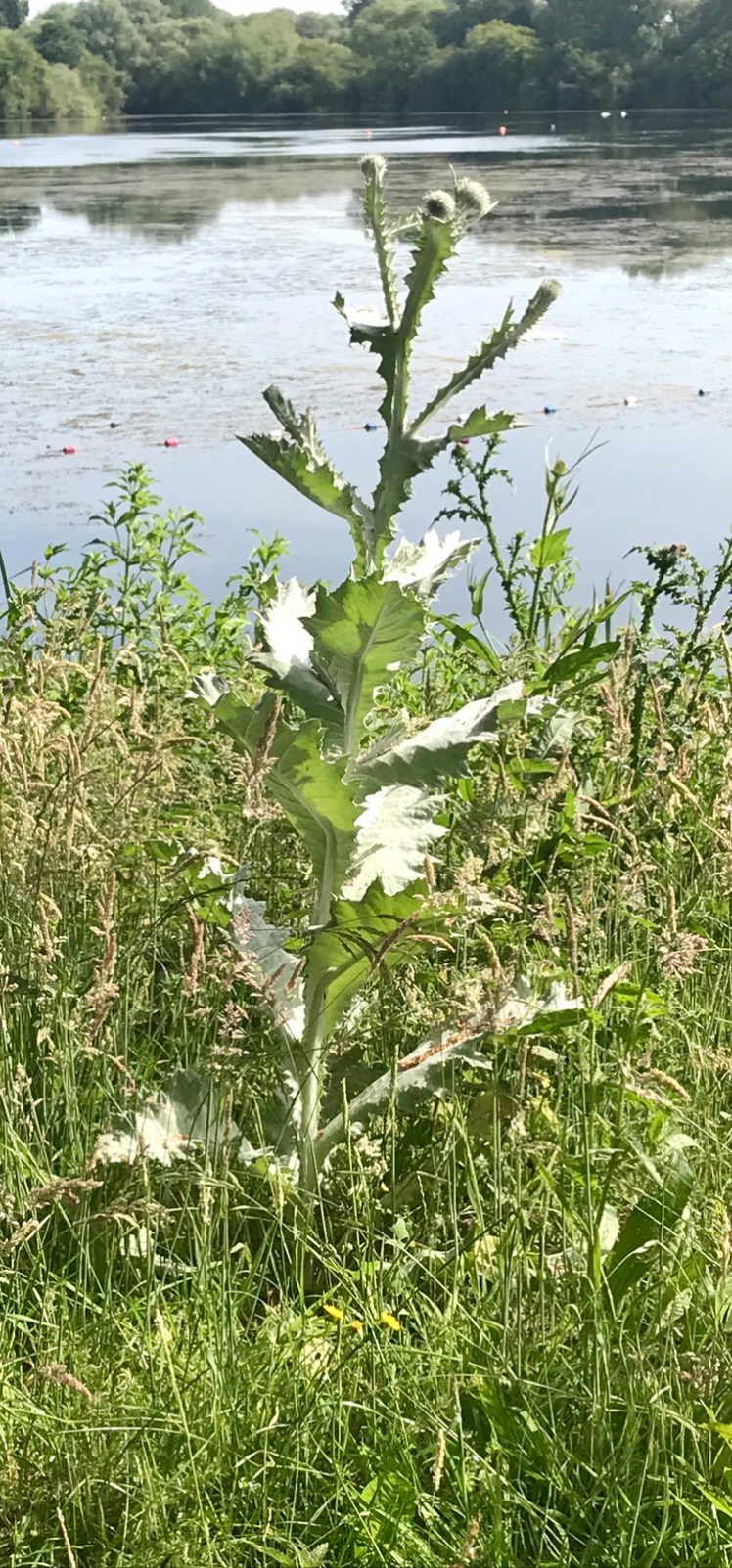
I have noticed these tall giant blue grey thistles for the last couple of weeks gradually getting taller.

They have flattened stems with leaves that appear continuous to the stem without a stalk. At the moment they have no flowers out but I’m watching and waiting.

They are cotton thistle (Onopordum acanthium)