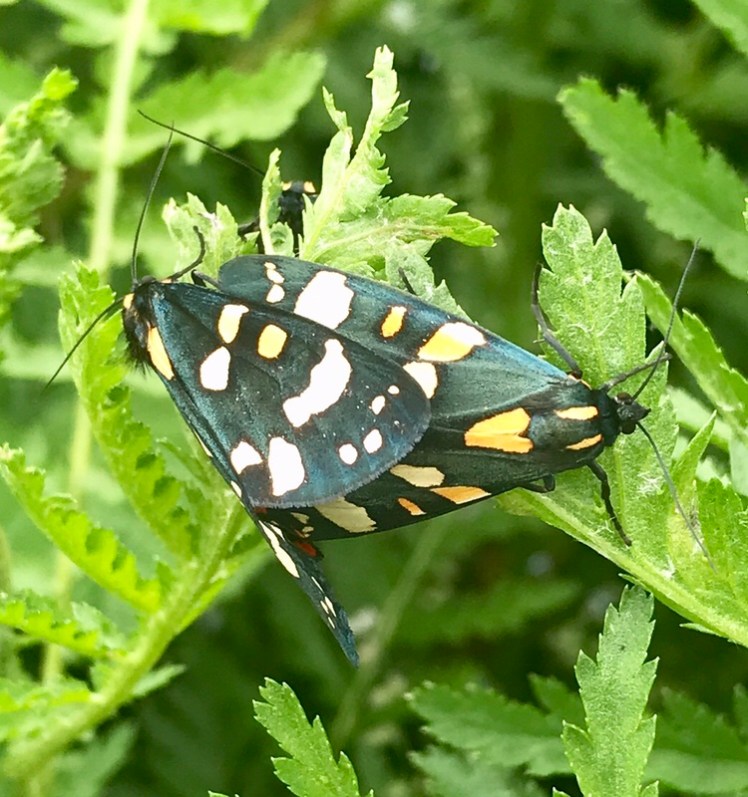
Scarlet Tiger Moth

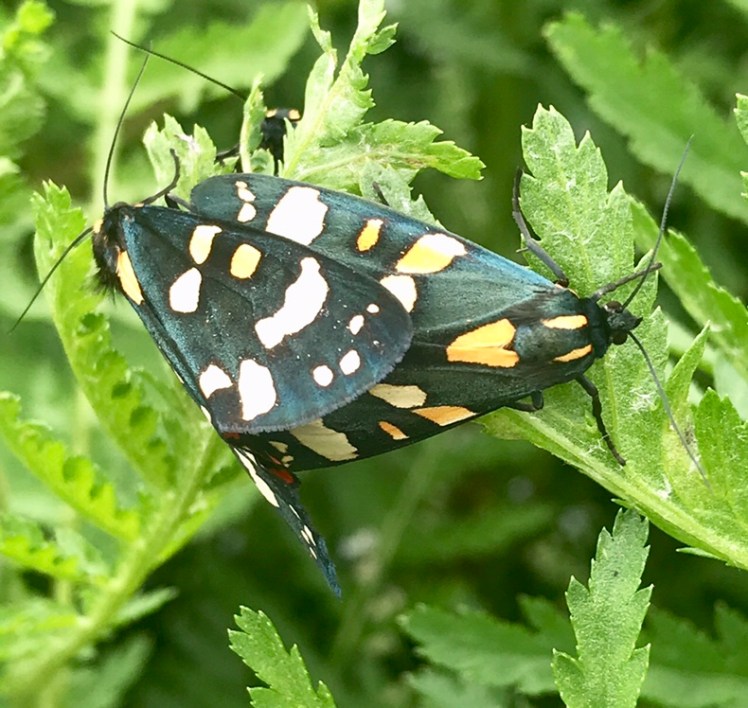
Down in the Forest if Dean at the moment , noticed these really striking moths mating.

Looked them up, here are some interesting facts .

-classified by Linnaeus in 1758

– mouthparts to feed on nectar

-day flyers

-single generation flying in May and June

– Latin name Callimorpha Dominica

– lay eggs on nettles or comfrey

-eggs hatch in 7 days and caterpillars are hairy easily found on the underside of nettles.

Found in the south west and Wales so I’m in the right place !!

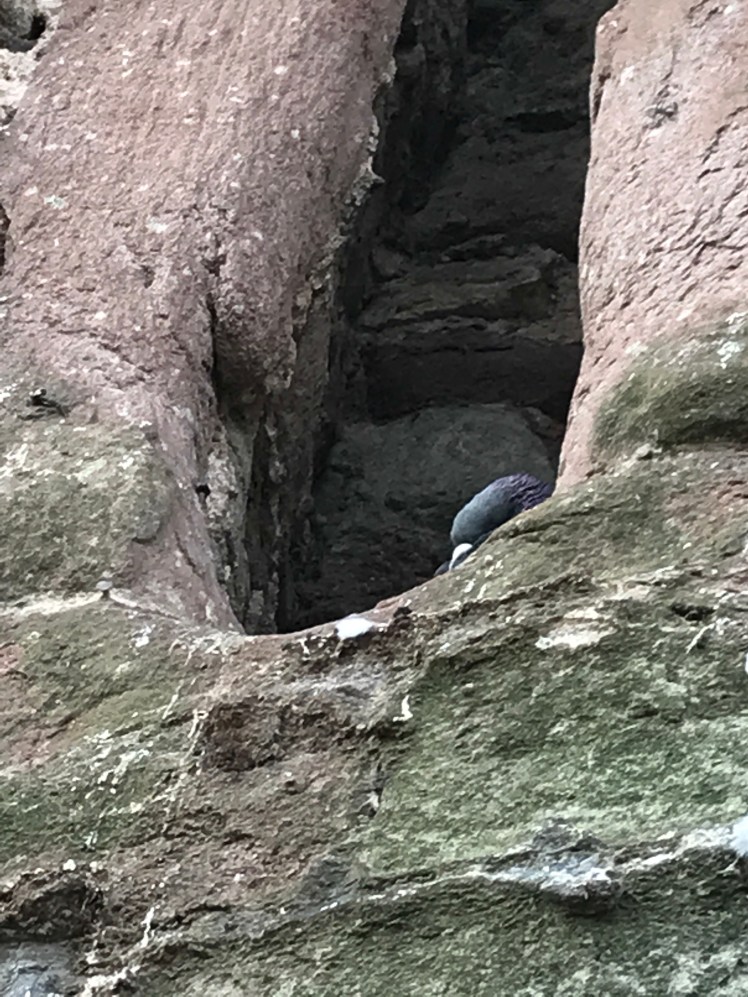
Pigeons on the ledges

Along the river at Ross on Wye there are some lovely red sandstone rock faces . These are Devonian Old Red Sandstone and have weathered with plenty of ledges and nooks and crannies ( a technical geological term !) All along this stretch of rocks wee very handsome pigeons which were nesting and socialising in an almost soap opera story.

This was a nest , there were several along the rocks this pigeon was fast asleep.

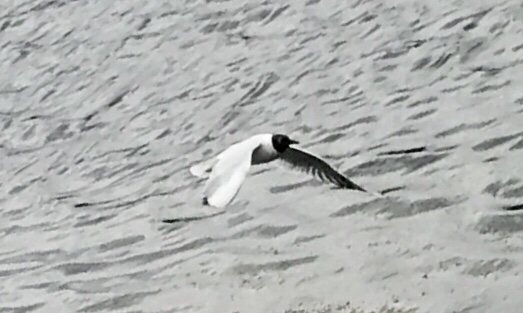
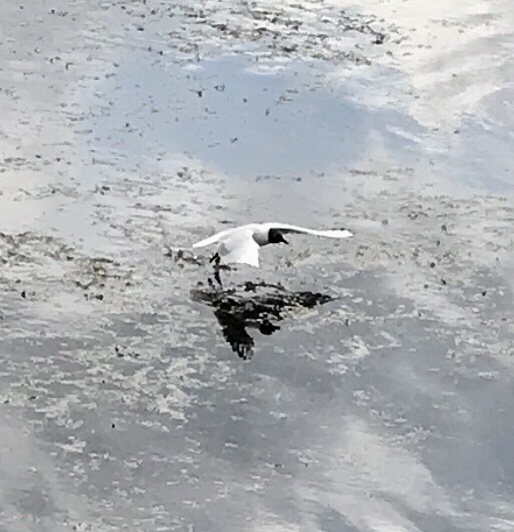
Terns and swallows skim the lake.

It’s a warm but rather dull day, Damselflies are sluggish but not the birds.

The lakes at Rushden are formed from old gravel workings the lake with the board walk had international water skiing championships in the past. Today it is a new shopping and leisure area with wildlife and nature trails , it is encouraging people to find out more about the wildlife around them.

On the lake is a raft area which has been especially put there for breeding common terns , there is a colony of them here.

At the lake today the terns were swooping and giving acrobatic displays while feeding, not to be outdone swallows were diving down and skimming the surface . All of this just metres away from wagamamas on the boardwalk .

Marvellous Marram

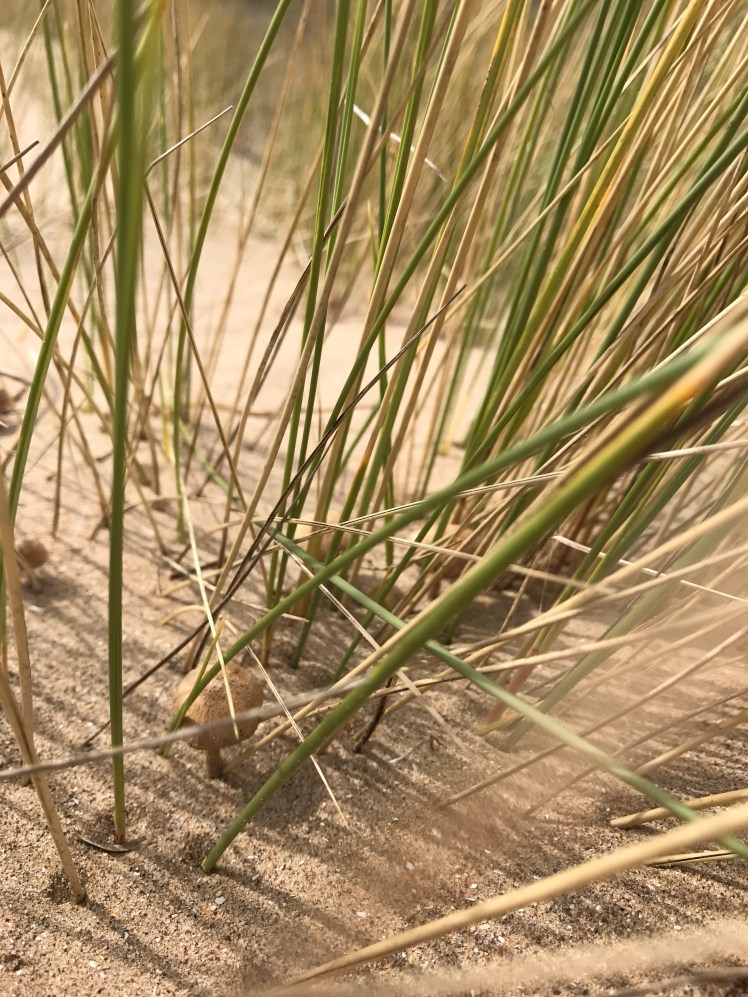
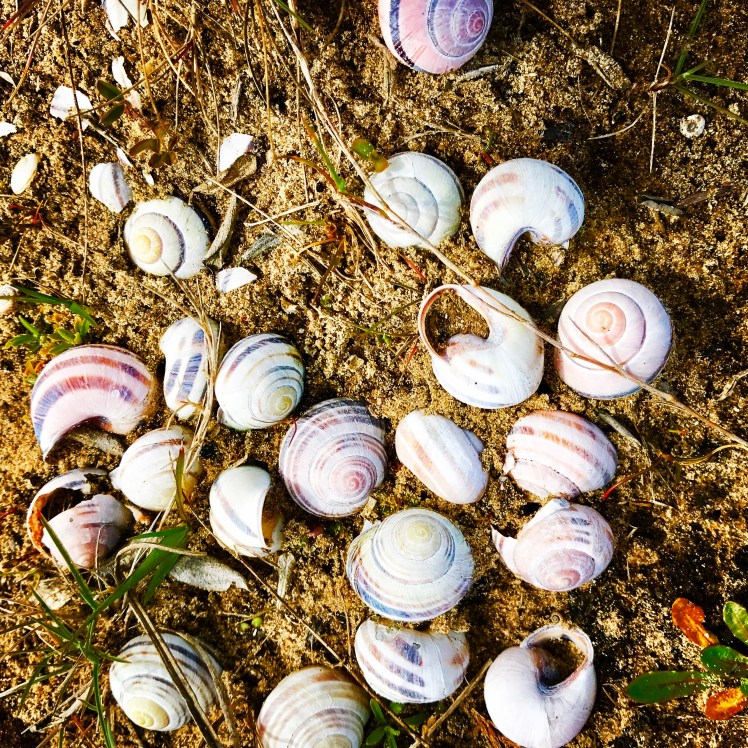
The sand dunes at Aberffraw on Anglesey are the site of many biology field trips looking at colour variation in the shells of the banded snail and the violas growing there. They are also a brilliant example of how the marram grass creates stable habitats. The roots of marram grass are fibrous and dense and form a stable place for other species to live.The tough leaves of marram are rolled so they do not lose water in the windy exposed conditions( classic o level biology stuff)

The dunes are well worth an good exploration at Aberffraw.

Thistle flower feeding

Back at Wicken Fen . The thistles are towering through the long grasses advertising their nectar to passing insects.

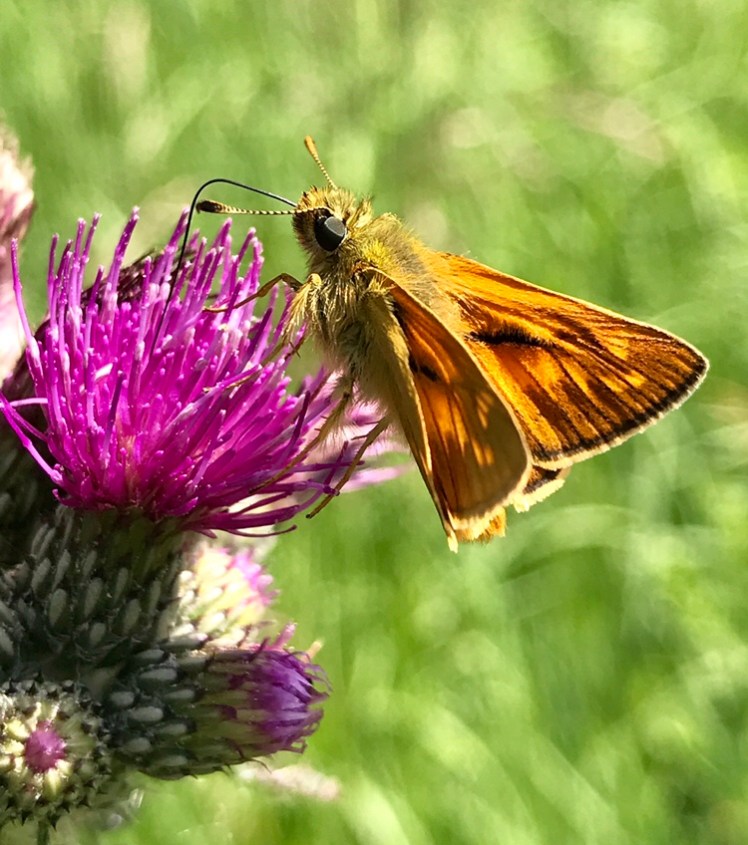
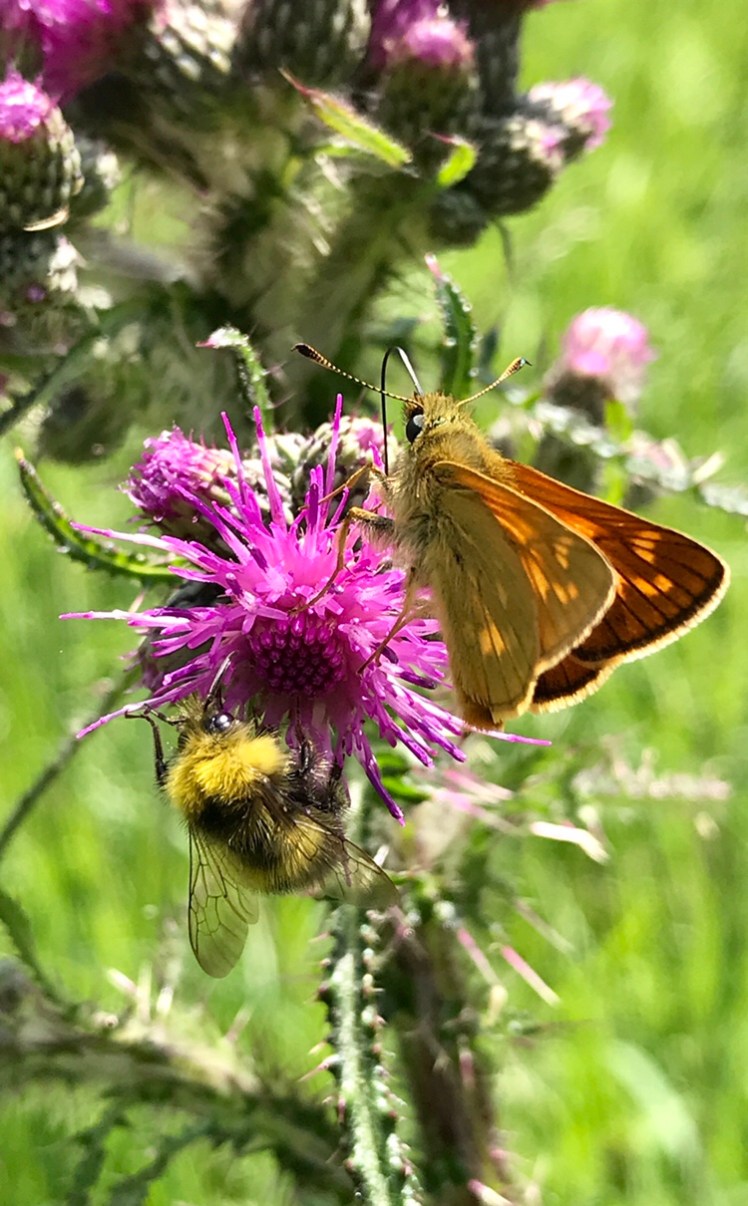
Today there were lots of butterflies at Wicken. This visitor to the thistles was particularly lovely it is a great skipper.

The thistles were often feeding stations to more than one customer . Bees and beetles were also visiting.

Pupa magic

Ladybirds have four stages to their life cycle similar to butterflies.

Egg

Larvae

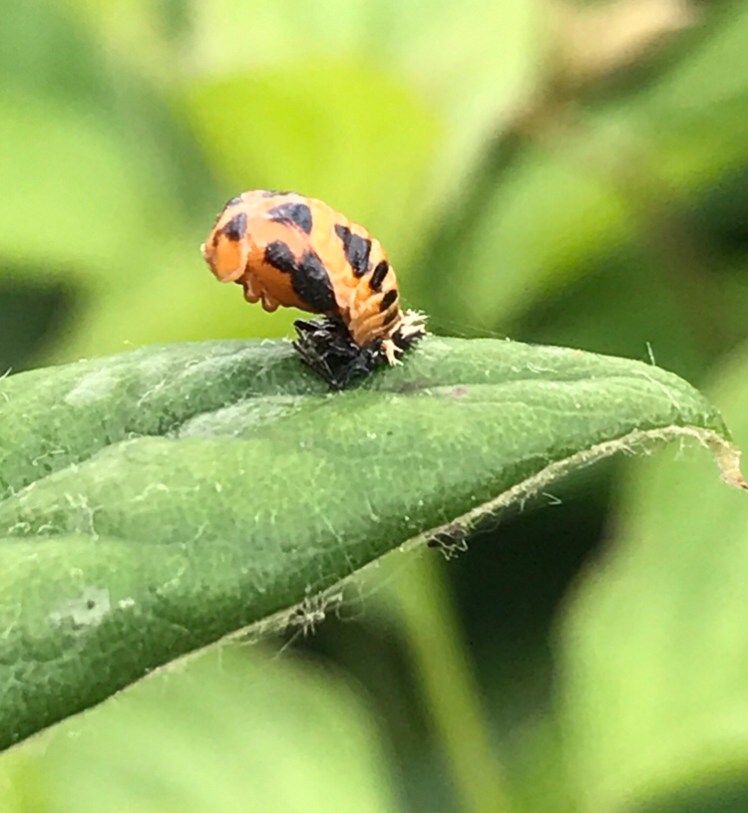
Pupa

Adult

The Larvae often look different as they grow substantially. The pupa can be spotted attached to leaves.

Below is a picture of a pupa , I’m keeping my eyes peeled for larvae as well. The changes in the larvae take about a week sometimes two, it splits as the adult emerges.

Ladybird Invaders

In 2004 a type of ladybird was inadvertently introduced into the UK , probably carried on the wind This was the Harlequin Ladybird (Harmonia aryridis) often called the Asian Ladybird. This ladybird was introduced into North America in the 1980s as a method of pest control for crops.These are bigger than our native ladybirds and ferocious, they out compete our native ladybird species and will also prey on them.

The Harlequin ladybird can have 100 different colour patterns they are larger and more domed than the native species.
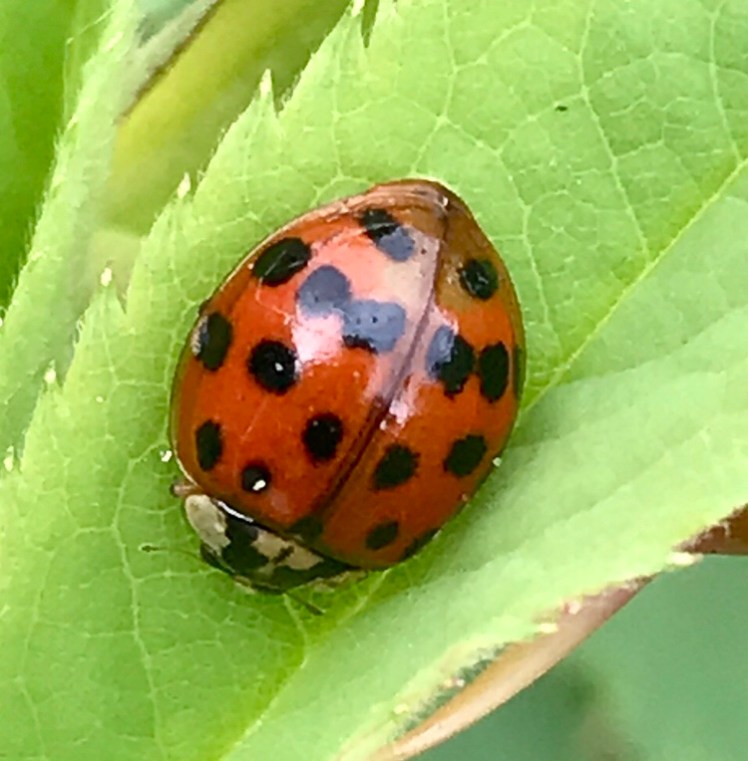
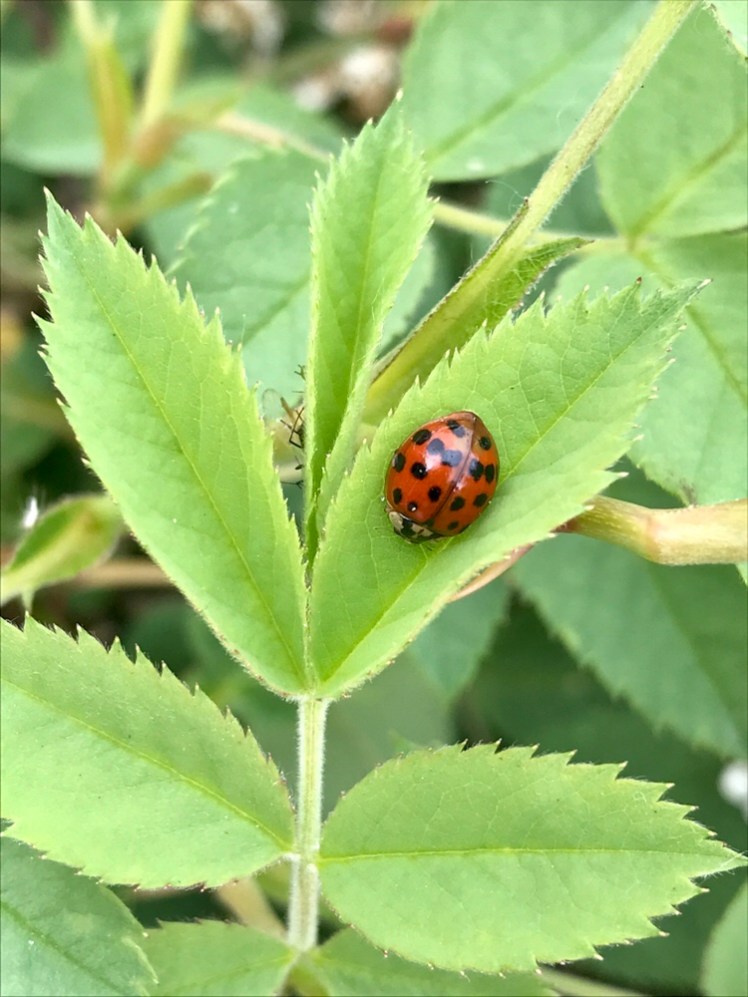
This one was in some shrubs near the shops yesterday.

The spread of this ladybird has been incredibly quick,it took the grey squirrel 100 years to spread through the UK, it took these ladybirds only a decade. They are found in all parts of the UK originating from the Essex area. They are not as commonly found in Scotland.

The Harlequin invasion is held responsible for the decline of seven native species of ladybirds and a drop of 44% in the two spot populations.

They are not dangerous to humans but they do hibernate in houses and other buildings and very large numbers have been found sheltering in buildings.

On a positive note they do prey on smaller insects such as aphids that are pests to gardens and crops.There is evidence that native insects have adapted to prey on Harlequins.

Through the spread of this successful insect scientists have studied how they are spread and are developing their knowledge on invaders and the control of them in the environment.

All about orchids

I had a question about orchids from a nature table explorer this week asking ‘ do orchids have bulbs?’ I have been finding out some information to help answer this.

Orchids grow in many different habitats and are adapted differently.

Many tropical orchids are epiphytes ( the grow on a tree or another plant)

Many of these epiphytic orchids have a swollen structure called a pseudobulb, these are very variable.When a new shoot develops the base may swell into a pseudobulb,this may be as a preparation for a dormant period at the end of a growing season.

The orchids we find in Britain growing in soil in a temperate climate do not have pseudobulbs they have underground tubers, corms or rhizomes. These store nutrients for dormancy when the orchid leaves die back.

Hopefully this is interesting information for the orchid explorer😀

This orchid was growing in very damp conditions at Wicken fen .

Saw another sawfly

I have noticed this insect in a few places over the last week got a good photo today. What the photo doesn’t show is the really bright yellow abdomen bright like a jelly bean.

This is the Large Rose Sawfly (Arge pagana)

Sawflies are part of the insect order call Hymenoptera which also contains bees wasps and ants.

In Britain there are 107 genera and 500 species of sawfly … amazing .

Sawflies are different from bees and wasps and ants because they do not have a waist shaped abdomen. They also have distinctive wing Venation.

The name Sawfly comes from the fact that most females have saw – like genitalia they use to cut plant tissue to lay their eggs.

All sawflies are harmless and can’t sting .

I’m on the look out for more Sawflies !

The language of grasses

Grasses are the largest family of flowering plants found in Britain there are about 200 native and introduced species to be found.

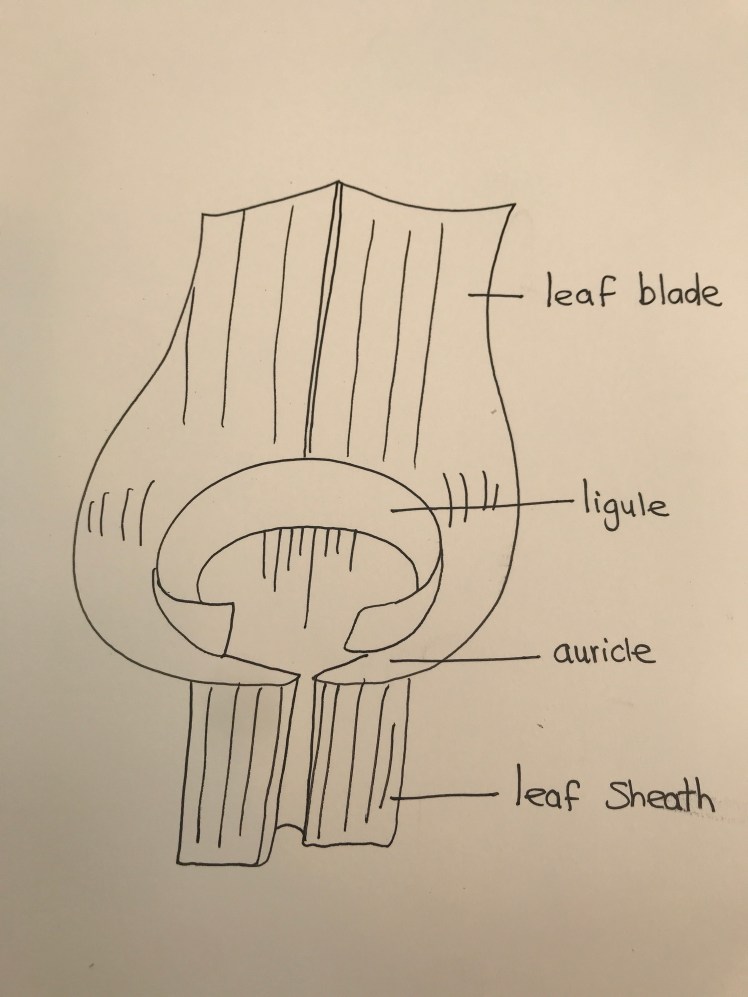
To identify these plants a new set of terms need to be learnt and understood- the language of grasses.

Grasses have flowers which need to be looked at closely and understood. I’ve drawn a diagram to explain them.

These are clustered in spikelets that are one characteristic used in keys to identify grassed- diagram 2

Another feature used is the structure of the ligule this is where the leaf blade and the stem join-diagram 3

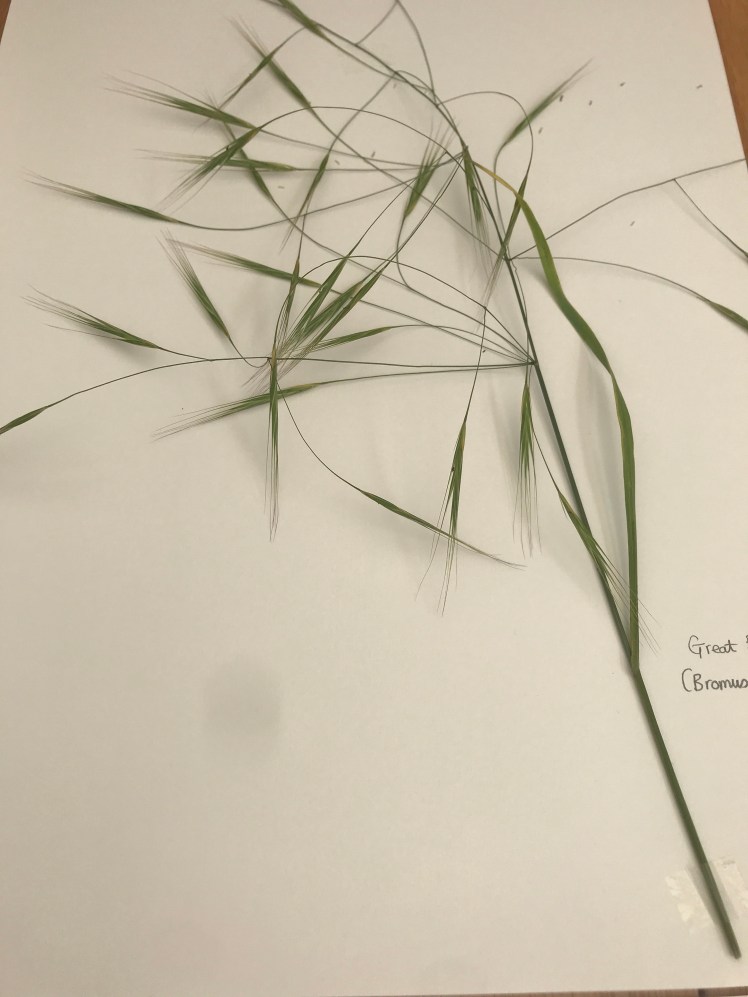
To attempt some identification of the grasses I collected at Swineshead I have laid them out as herbarium sheets and used 2 Collins identification guides.

It is surprising how many different species there were without looking really closely.

Definitely a skill I’ll be practising and grasses are firmly on my explorer radar !