Wild strawberry carpets

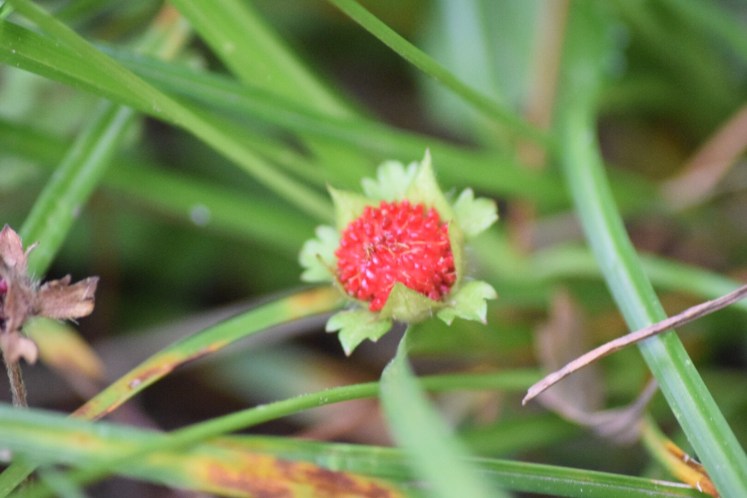
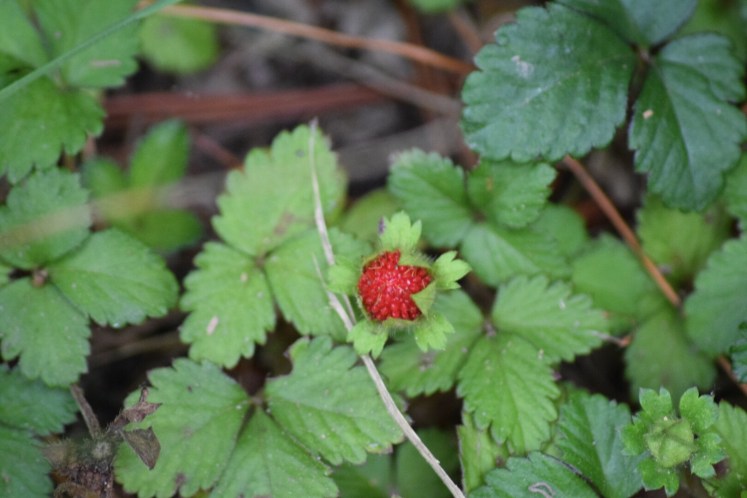
Wild strawberries (Fragaria vesca)are tiny blood red spots in the undergrowth. They were growing in large numbers forming polka dot carpets in the woodlands around Agatha Christie’s summer home along the banks of the river Dart.

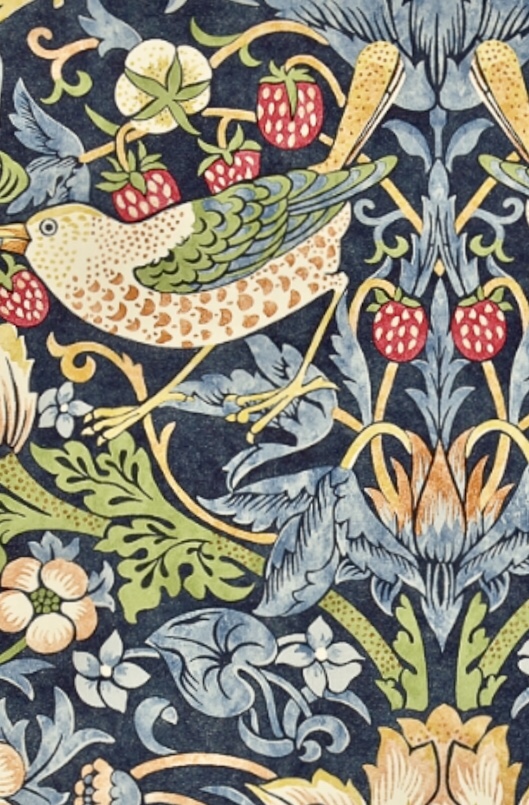
Wild strawberries have glossy trefoil shaped leaves which have toothed edges. The fruits are tiny and bright red. The wild strawberry is part of a famous William Morris textile design called the ‘strawberry thief.’

The design shows thrushes stealing wild strawberries from his garden.

A great memory of mine is of a fantastic field we would visit on a summer Sunday afternoon with my grandparents. It was possible to lie in the field with flowers above you with crops of wild strawberries below to eat. Tiny sweet bursts of flavour.

There were plenty of strawberries in this Devon wood , all that was needed was some clotted cream and maybe a scone !!! ( it was Devon..)

Snails and their trails

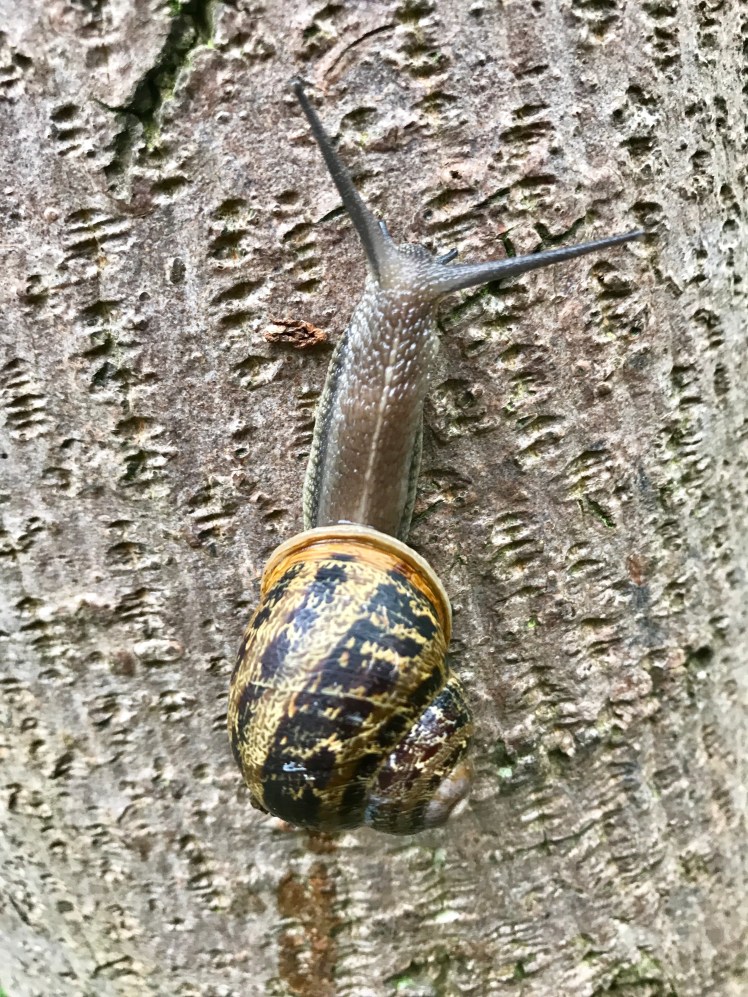
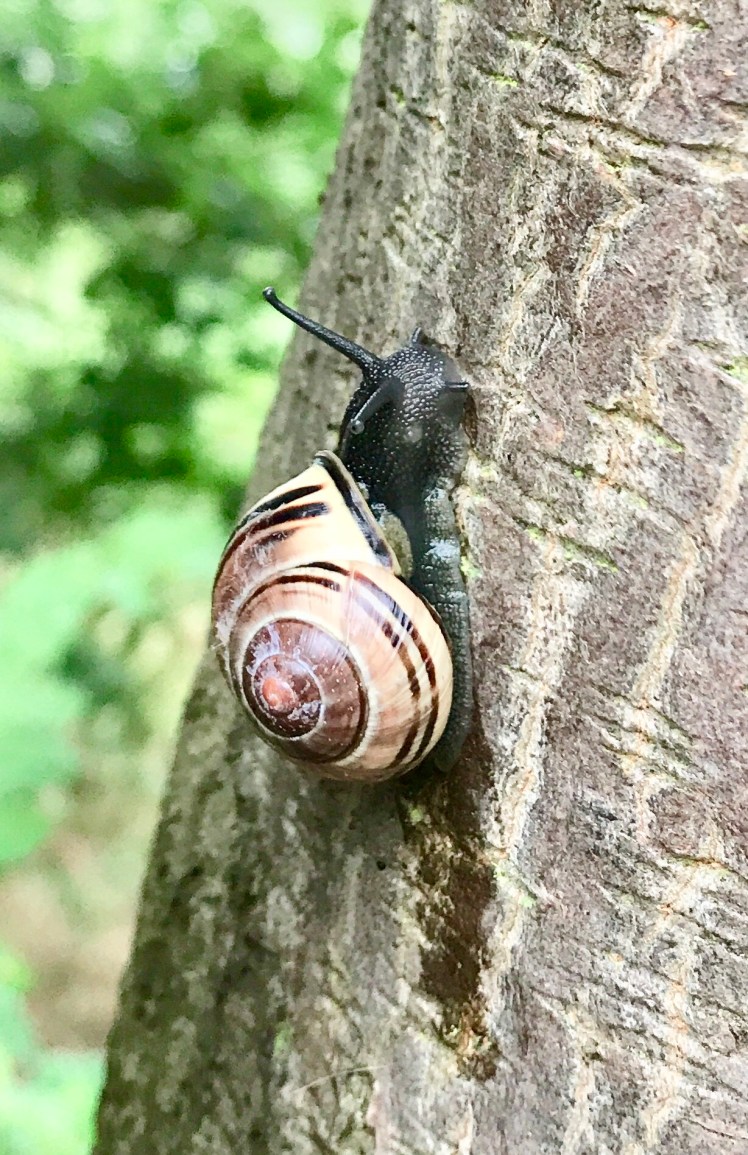
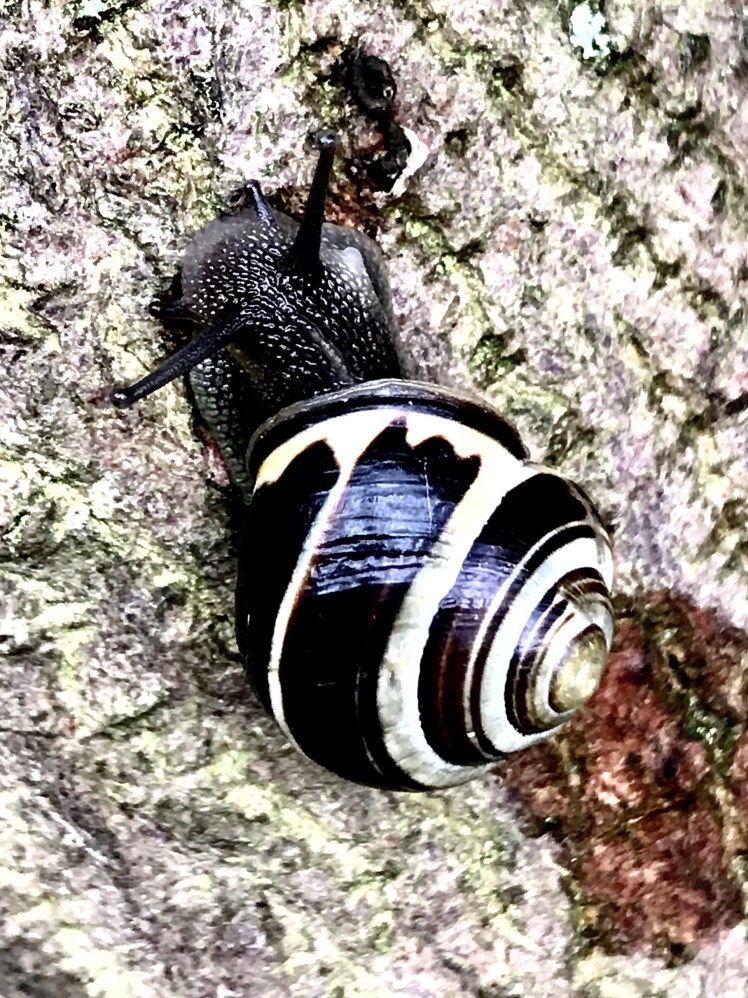
After rain over night the snails were out in force. They were climbing up trees all around the lake. Slugs were criss crossing the paths below.

It’s amazing the variety of colours and sizes of snails that are usually hidden away. Tomorrow if it is still damp I am going to count these molluscs , I’m sure it will be hundreds.

Some trees have snails all the way up their trunks as well as the unbellifers being full of snails, often smaller and paler.

I like to imagine the snail above is climbing for a better view of the river Nene !

River Dart glimpses

Driving along the winding Devon roads the river Dart catches the eye as you pass by. Eventually we found a place to stop , scramble down and investigate the river.

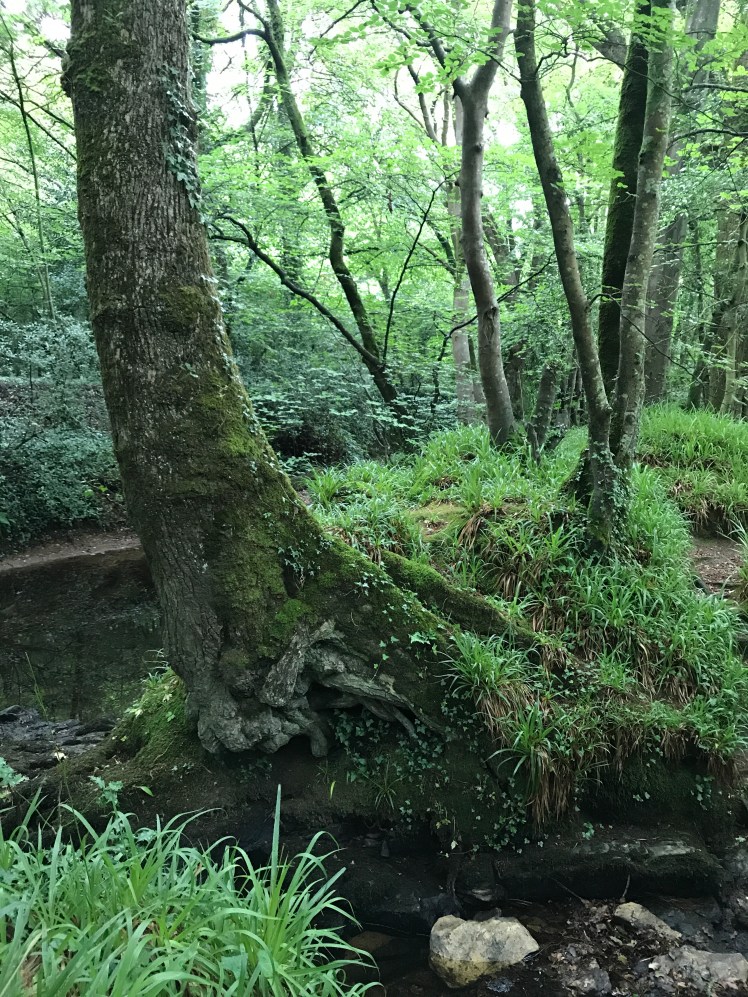
Shallow and fast flowing with rapids and waterfalls the dart races by. The trees and plants, roots and moss make a magical feel to the river banks.

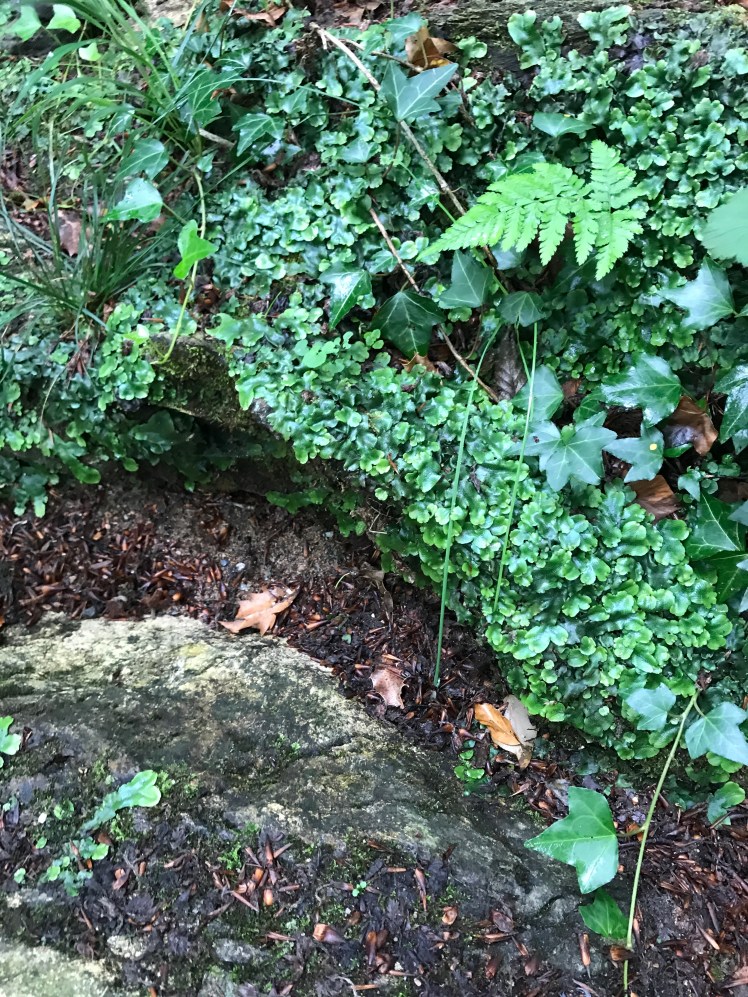
The first bank we scrambled down was obviously full of water in the winter and when there is heavy rainfall Liverworts were covering the rocks.

This river is home to otters and dippers , we didn’t encounter any today. We did have a great visit to the otter sanctuary near by which was fantastic

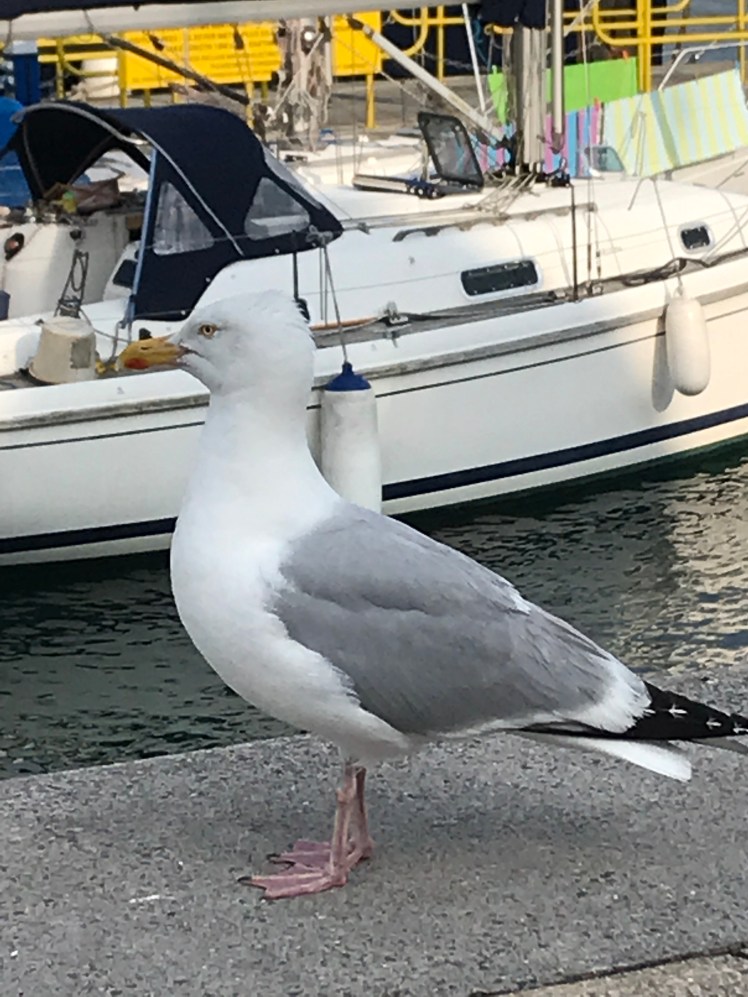
The river Dart was with us throughout this Devon trip . At Dartmouth it meets the sea , seagulls were busy feasting on flying ants and fish and chips !!

Dartmoor encounters

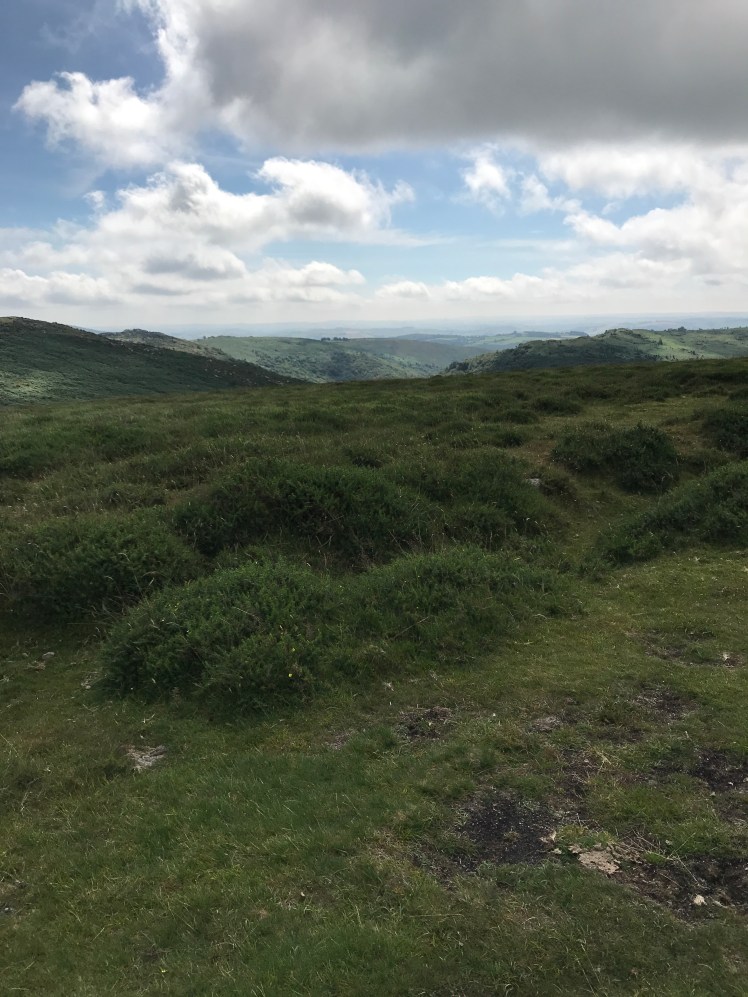
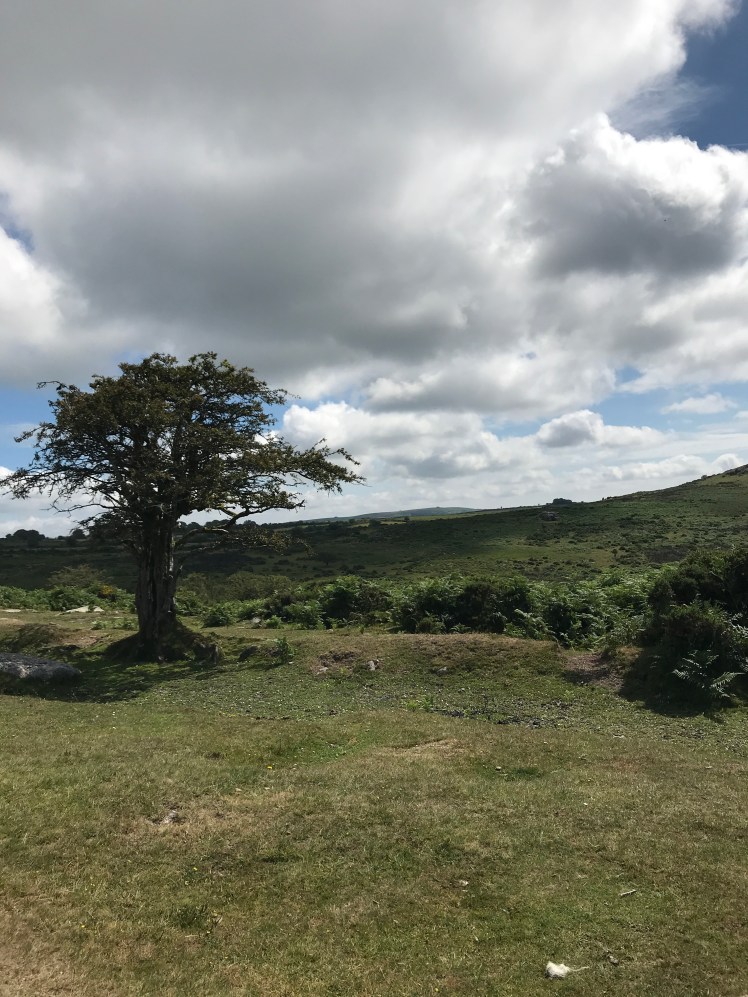
A walk on Dartmoor today , great views and weather.

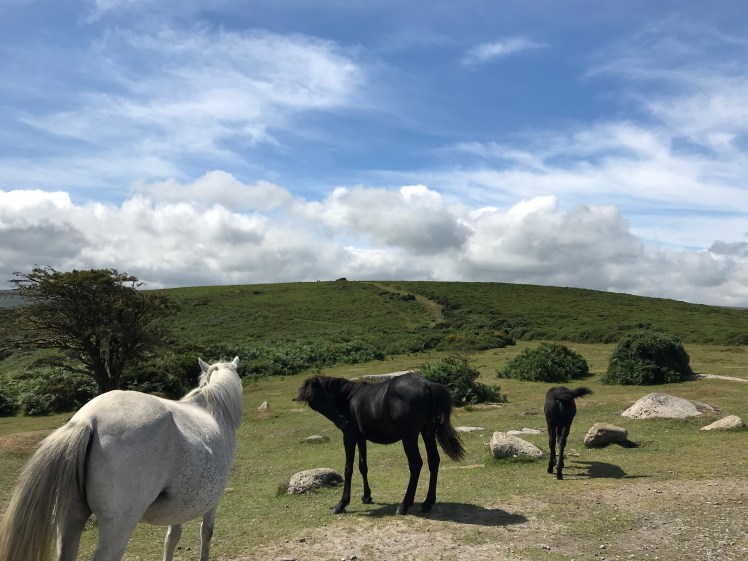
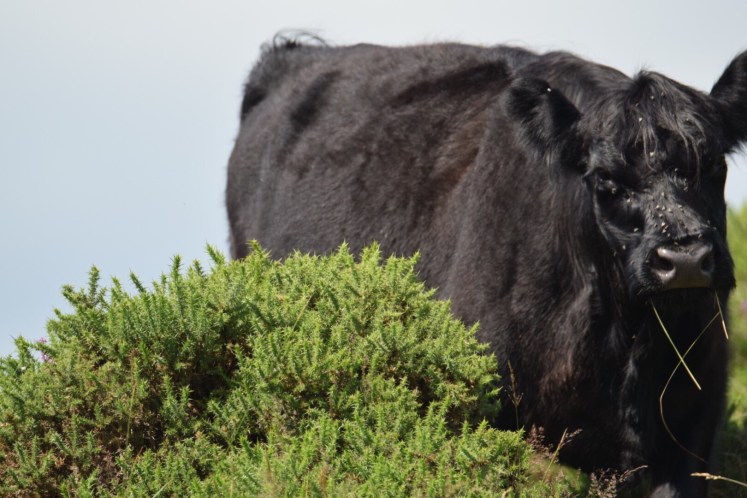
There were plenty of ponies around and some very inquisitive cows.

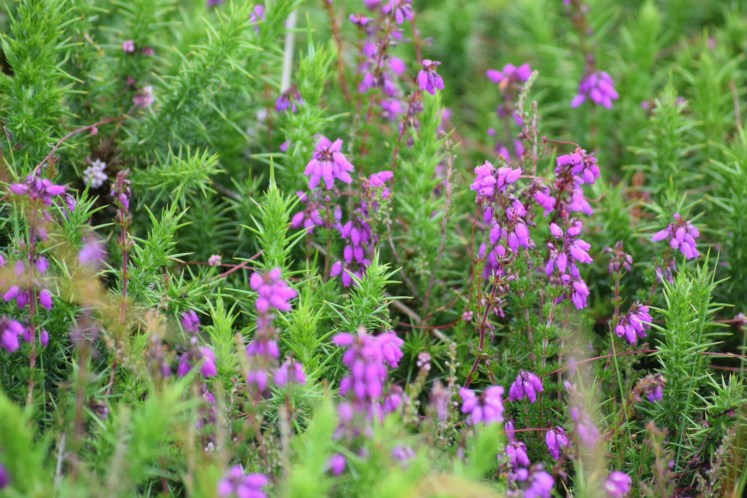
The heather and gorse were in flower with tiny yellow cinquefoils below.

I like the photo above it’s a gorse patchwork of colour repeated across the moor.

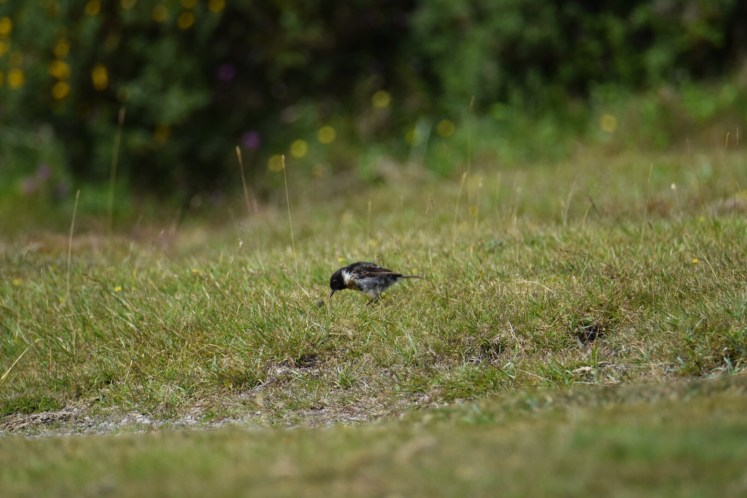
We were trying out the new lens to photograph birds using a tripod.

This stonechat was just too far away to be a perfect photo but was fun to watch.

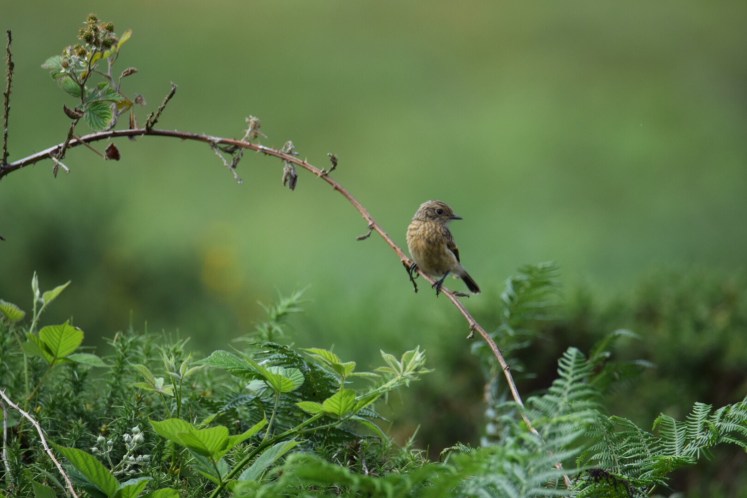
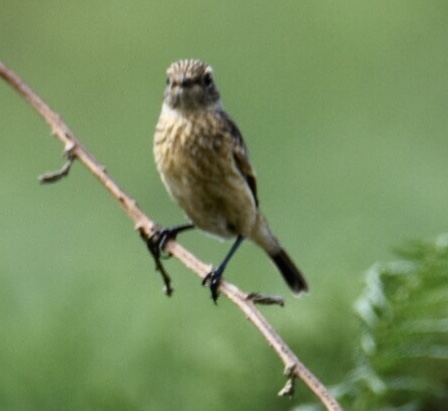
The bird below was more successful but I’m not sure what it is , we will be looking it up later. I think it may be a young bird.

We are learning new things every time we use the new lens. Hoping to increase knowledge of photography and birds. It’s definitely enjoyable learning !!

Any ideas to identification please comment .

Devon rocks !

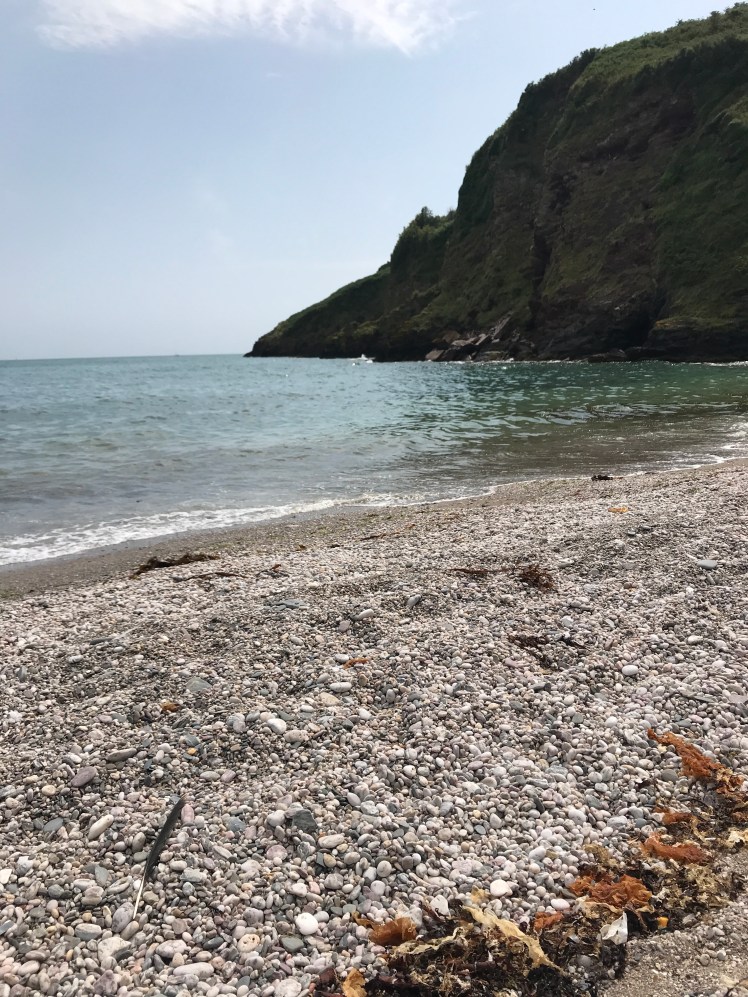
Fantastic beach in Devon , Scabbacombe, hardly anyone on it , a mile or so to walk to, but really worth the trek .

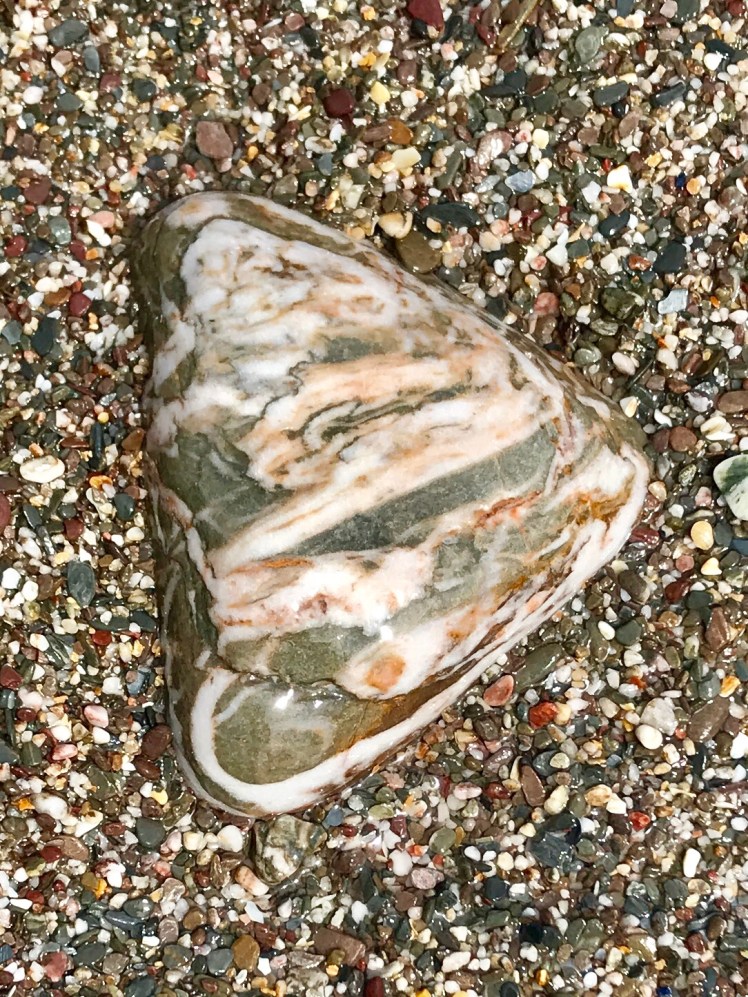
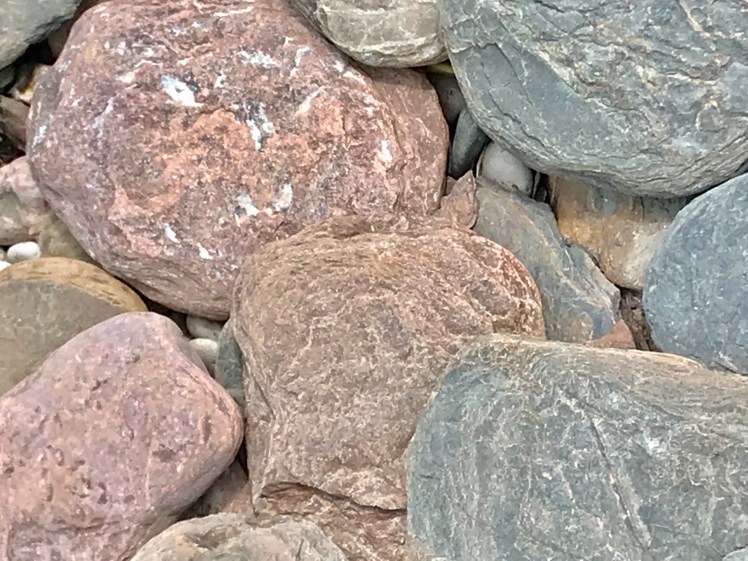
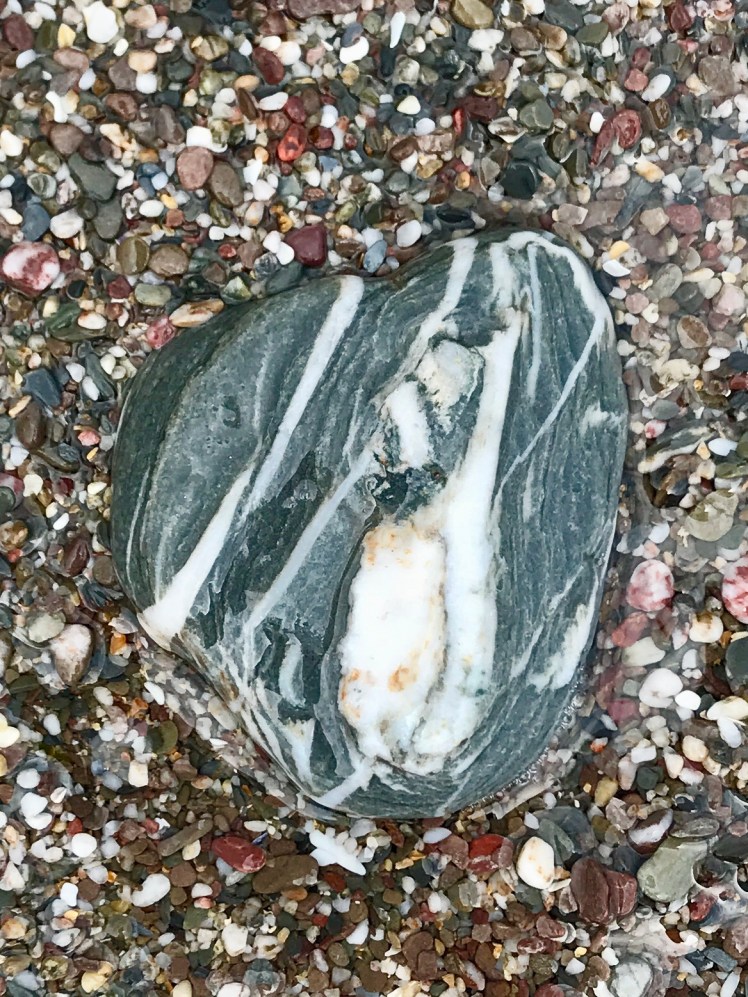
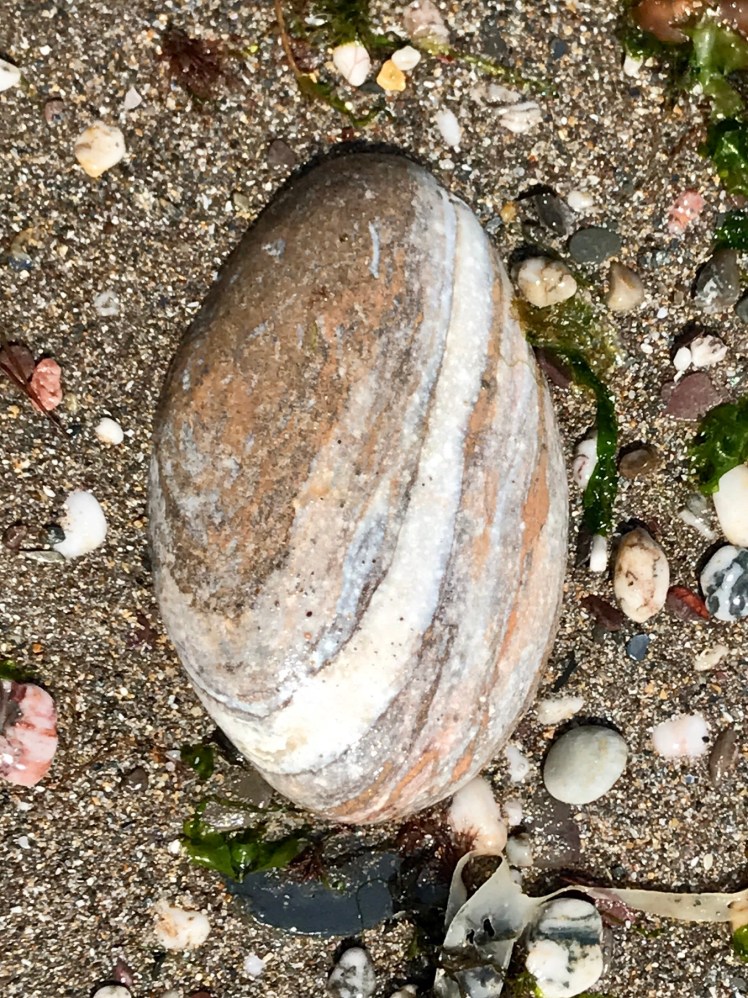
This beach was made from tiny pebbles rather than sand. The rocks and larger pebbles were beautiful colours.

Shales and schists at the top of the beach weathered and smooth.

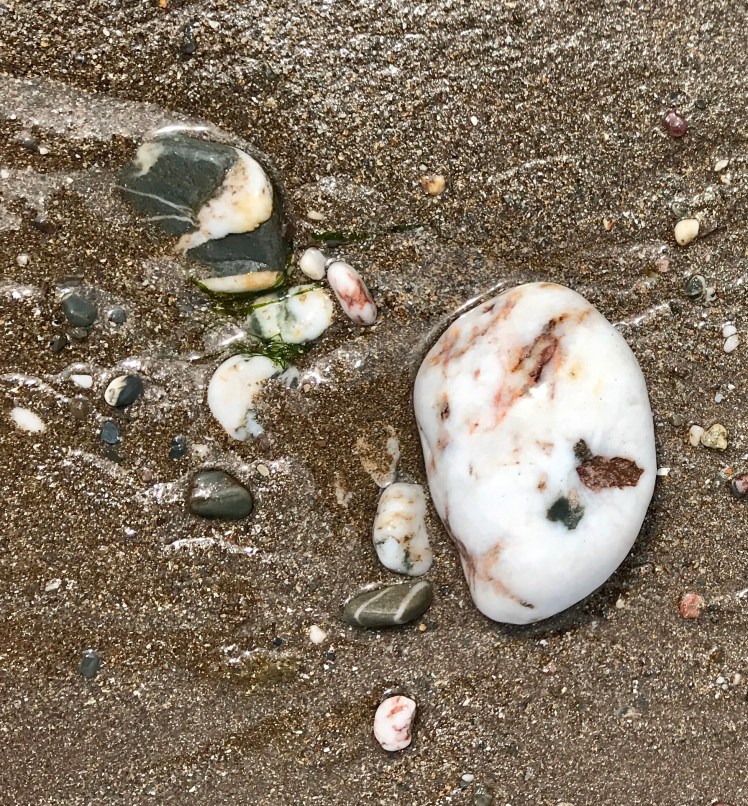
The large stones are full of fantastic layers and quartz veins.

In the area of waves the pebbles literally shine as if varnished .

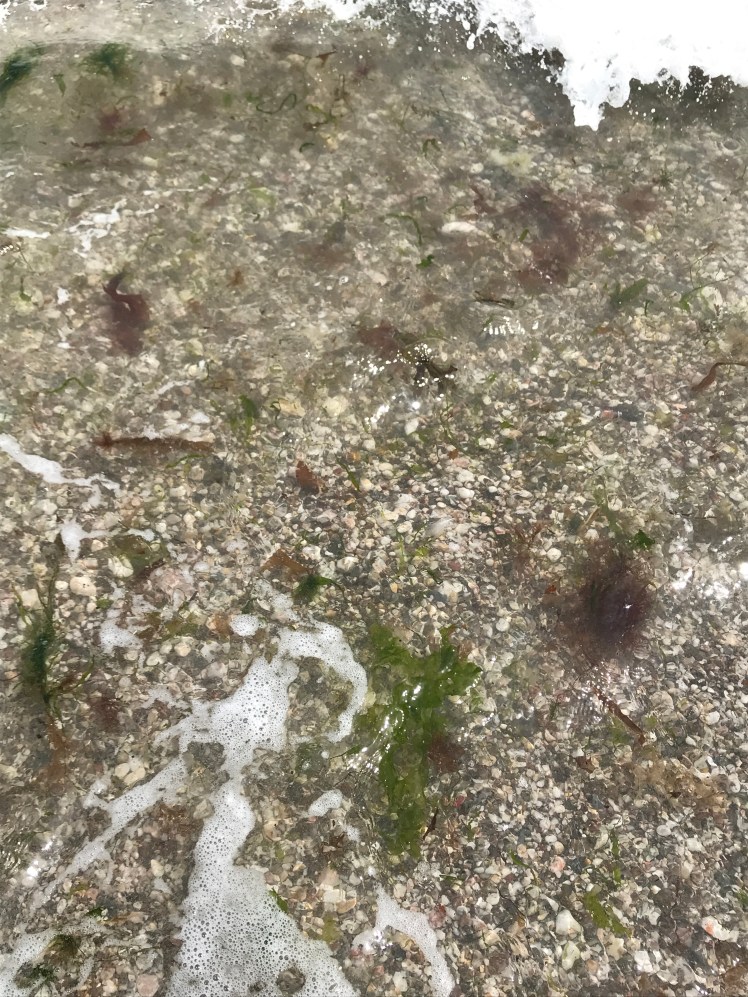
The water was a good temperature for a walk along the shore and a up to the knee paddle. It was clear and full of seaweed .

A wonderful beach to explore.

Yellow hammer singing

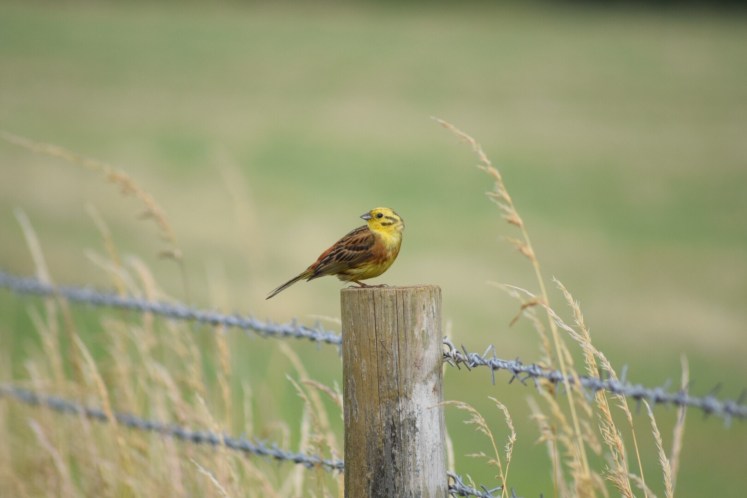
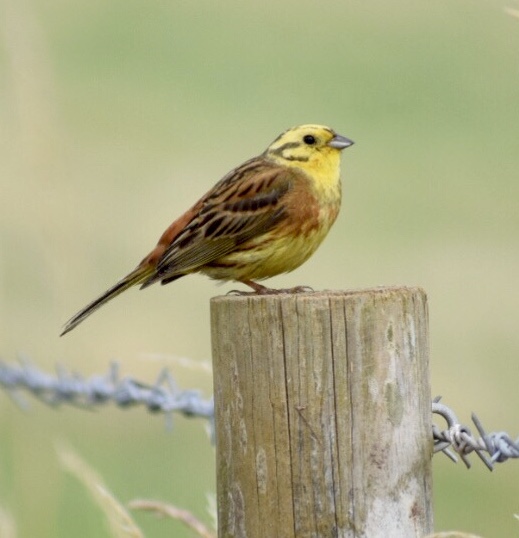
We walked along a sunny path on the top of Devon cliffs yesterday. The hedge was to the left and barley to the right, this beautiful bird was perched singing .

This is a yellow hammer (Emberiza citrinella) The one in the post is a Male with a distinctive yellow head. They are often spotted like this one sitting on a post or perch singing. They eat seeds and insects.

When in flight the white tail feathers can be seen. These birds have declined in number and are on the red list. The UK population fell by 54% between 1970-1998′ the main factor is thought to be overwintering survival and a lack of seeds to eat.

Strategies to support ( taken from rspb) yellow hammers are :

    Maintain short, thick hedges and ditches with wide margins for nesting.
    Flower-rich margins are better for insects than grass margins.
    Do not trim hedgerows before September, as the late nests of yellowhammers are the most important for overall productivity.
    Ensure there is at least one good seed food source throughout the winter.


Read more at https://www.rspb.org.uk/our-work/conservation/conservation-and-sustainability/farming/advice/helping-species/yellowhammer/#dogqfItuxlGzGkLC.99

A super bird .

Indian Bean Tree beauty

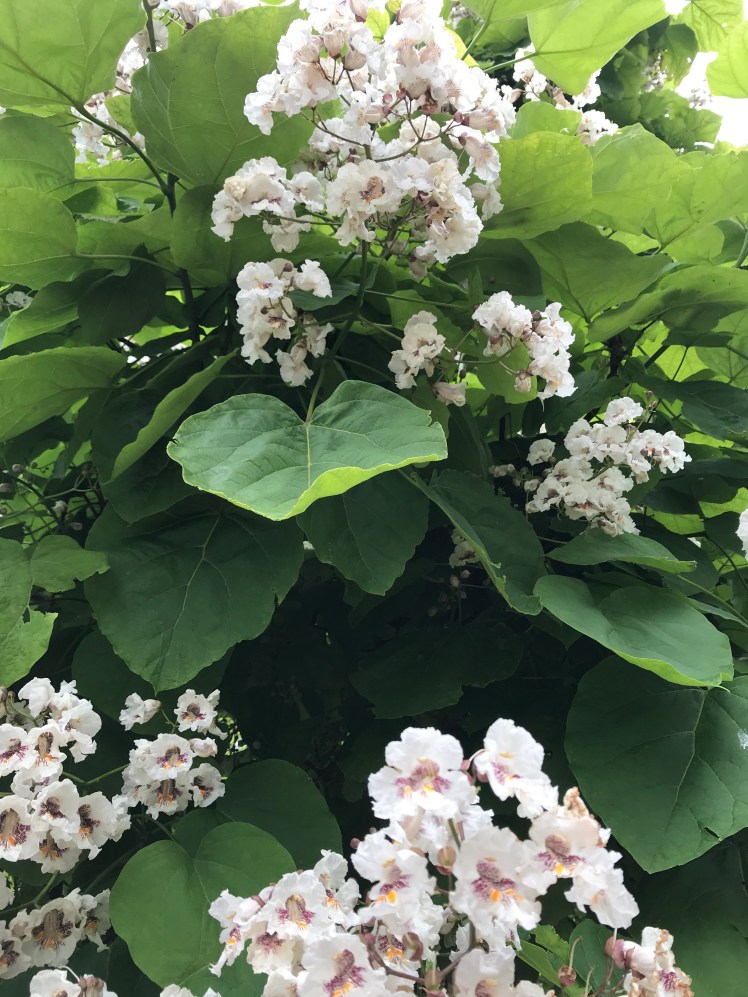
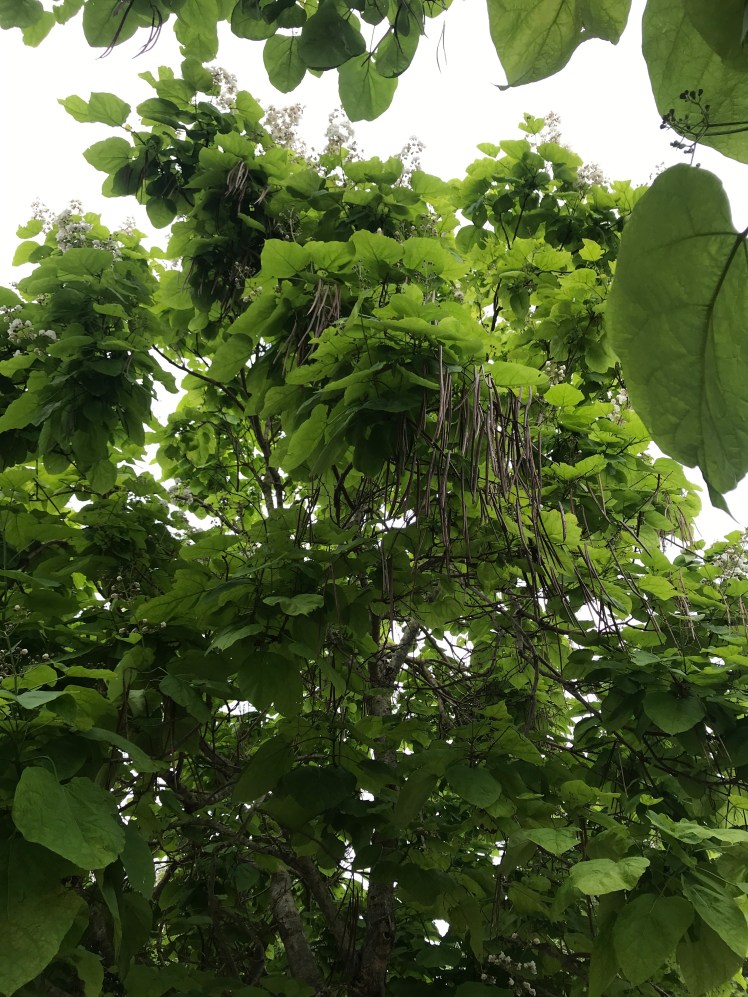
I love these trees , I have posted about them before at Batsford Arboretum and in the parks in Northampton. They have so many attractive features , large soft light green leaves, beautiful flowers( these are what caught my eye today), long beans hanging down and an overall attractive shape.

The Indian Bean tree comes from North America ( in earlier blog posts I have talked about the traditional uses of the tree)

It has been planted in parks in Britain for all its attractive features. In Regent’s Park there is a large specimen which was in the original planting 180 years ago.

The two trees I stood under today are in the gardens next to the river Dart in Dartmouth. The planting here is global and it is a brilliant little park.

The flowers are huge, horse chestnut like. But more showy .

The ‘beans’ are not beans at all they are long seed pods that stay on the tree all winter. They eventually split and release grey silvery winged seeds.

I love discovering these trees in new places , these two at Dartmouth were brilliant.

Butterfly hedgerows

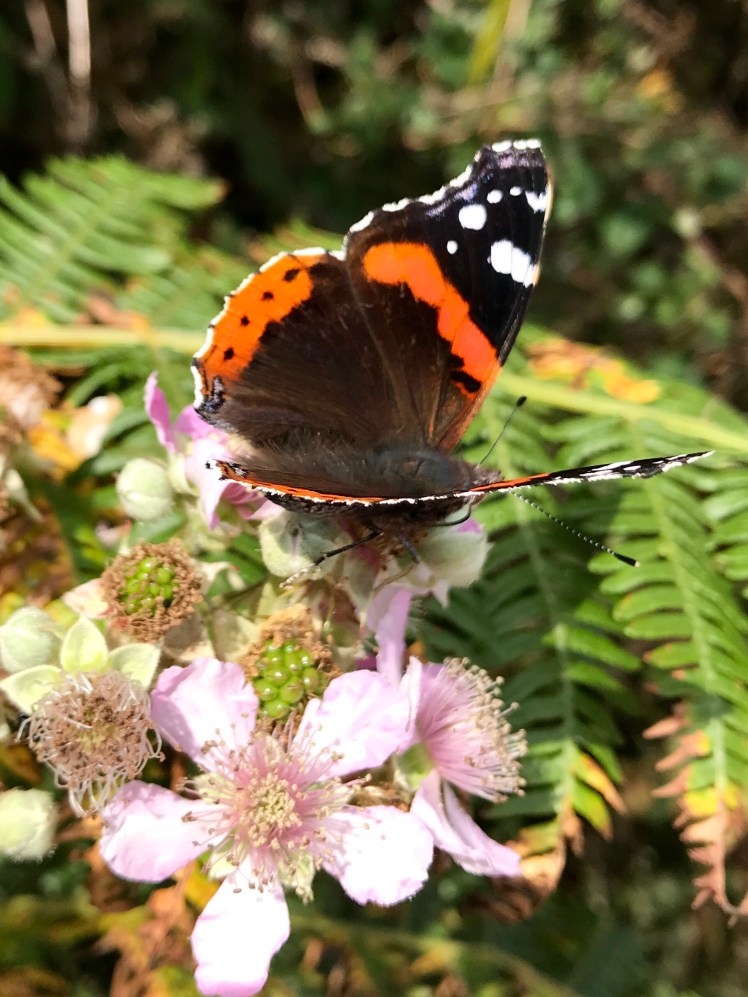
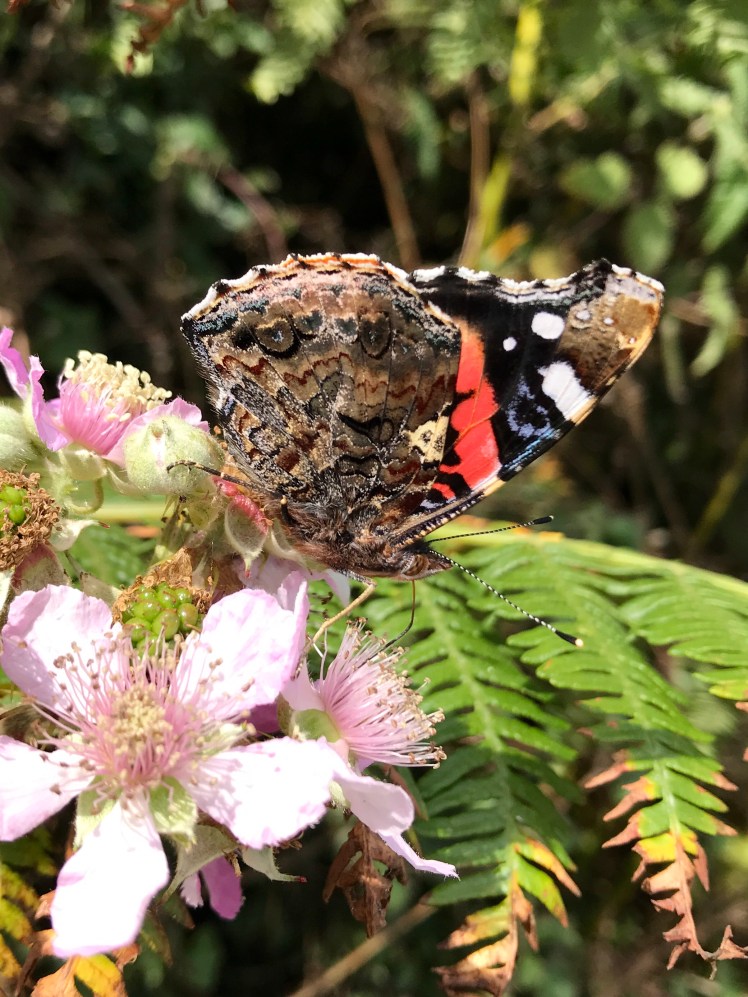
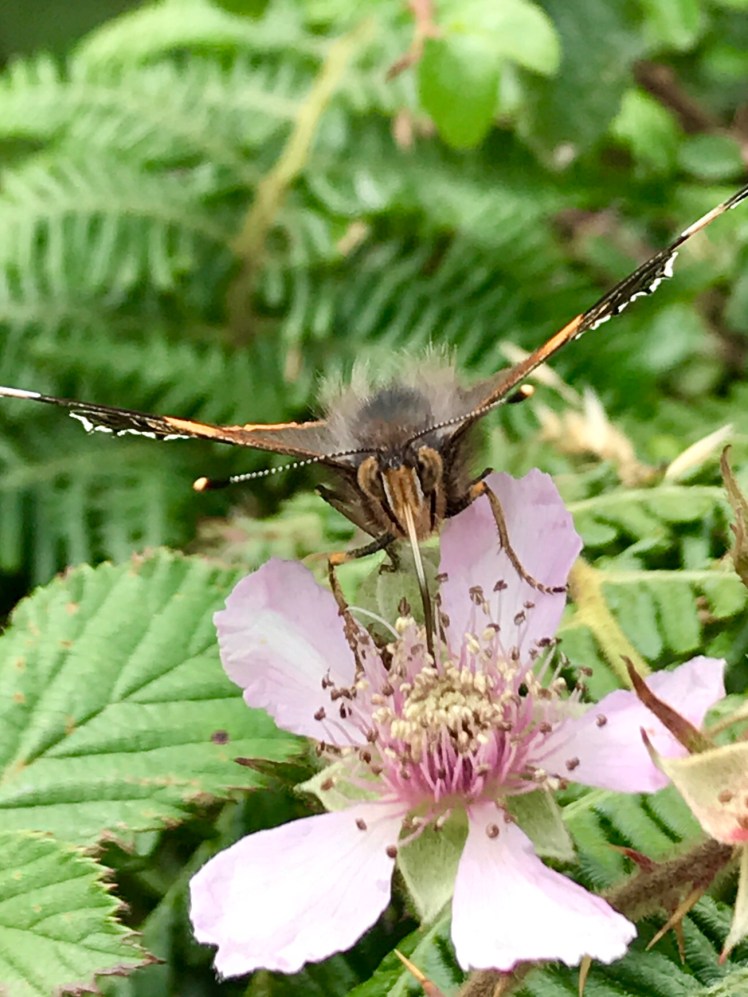
Walking along the coastal path in Devon today was a butterfly delight. It was hot and we walked next to a hedge which was full of butterflies. There were large numbers of Red Admirals , often in pairs mating.

There were also large numbers of peacock butterflies.

The red admiral below is deep in nectar gathering .

The other butterflies in large numbers were gatekeepers and meadow browns.

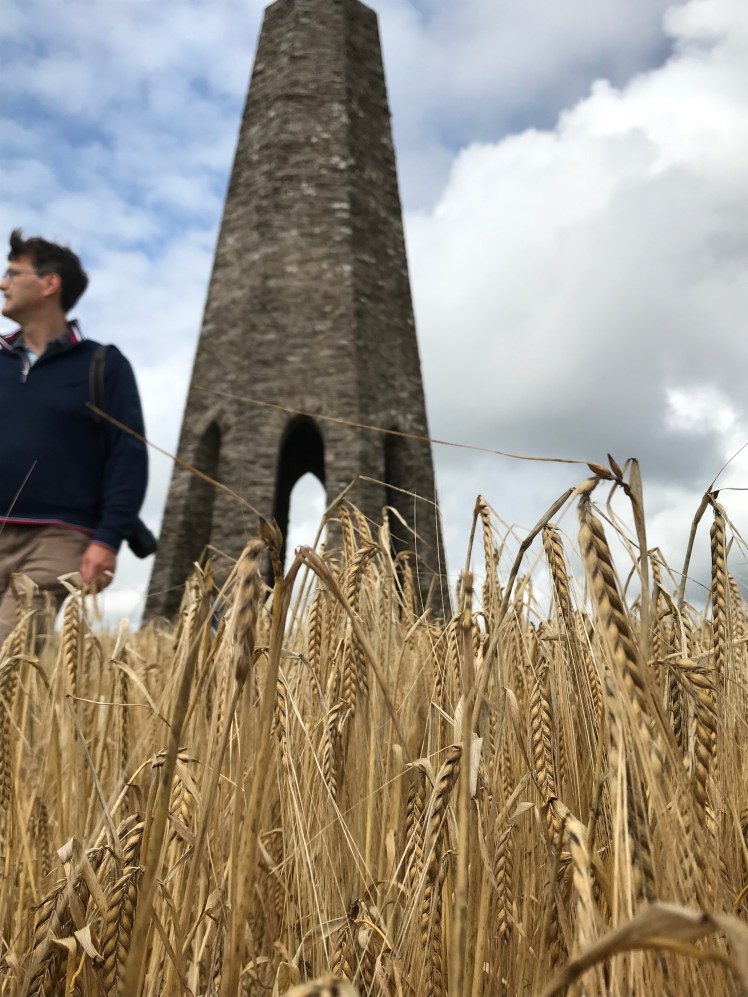
This area of the coastal path had a fantastic structure, a day beacon built in 1865.

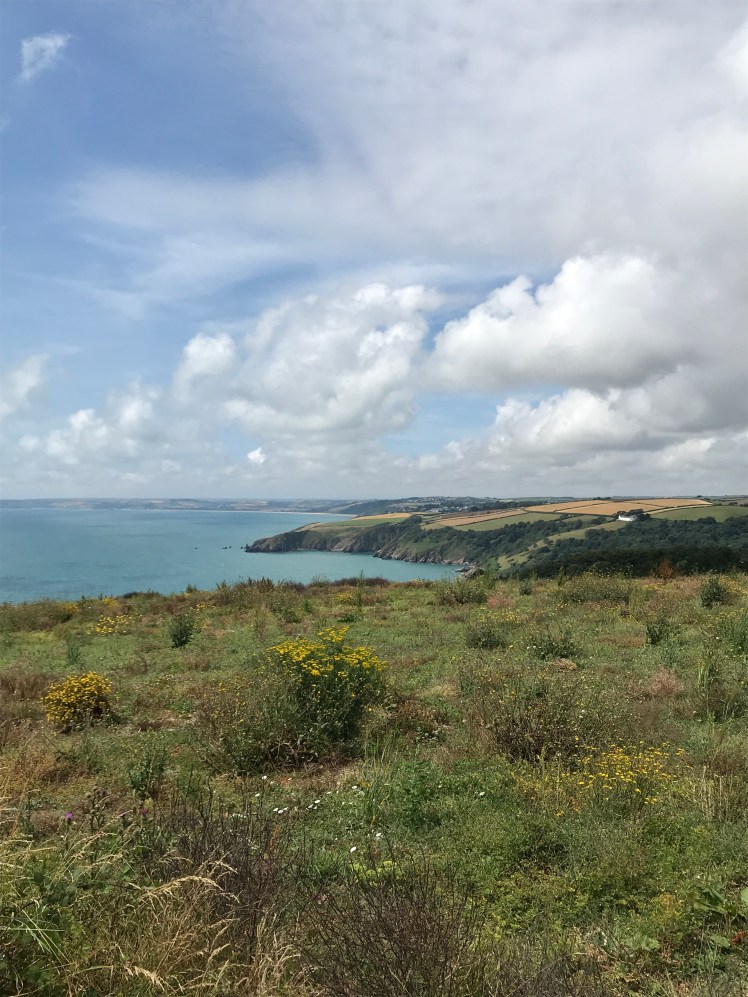
The coastline here is dramatic.

More exploring tomorrow .

Garden for insects

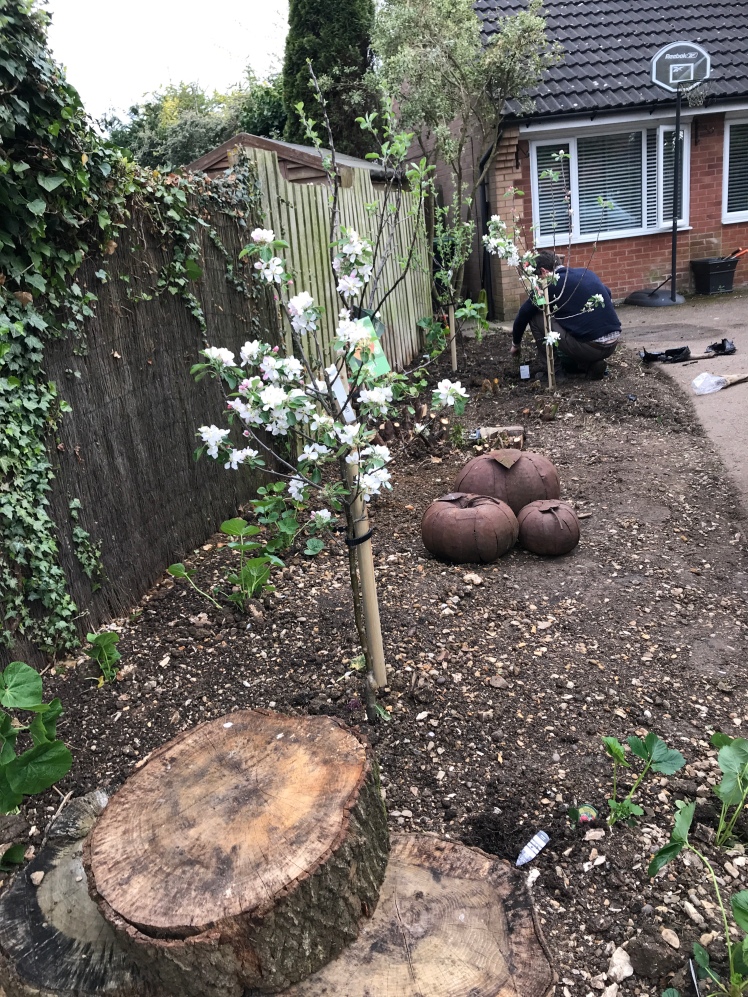
We have started a completely new area of garden. We removed a wooden structure and cleared everything. What we wanted to do was create an area of garden that produced food for us and habitats for insects.

This project started in April this year . We planted six small Apple trees . Next we added currants and gooseberries.

These are the structure of the area, they produce food, they have flowers and the trees offer perches to birds.

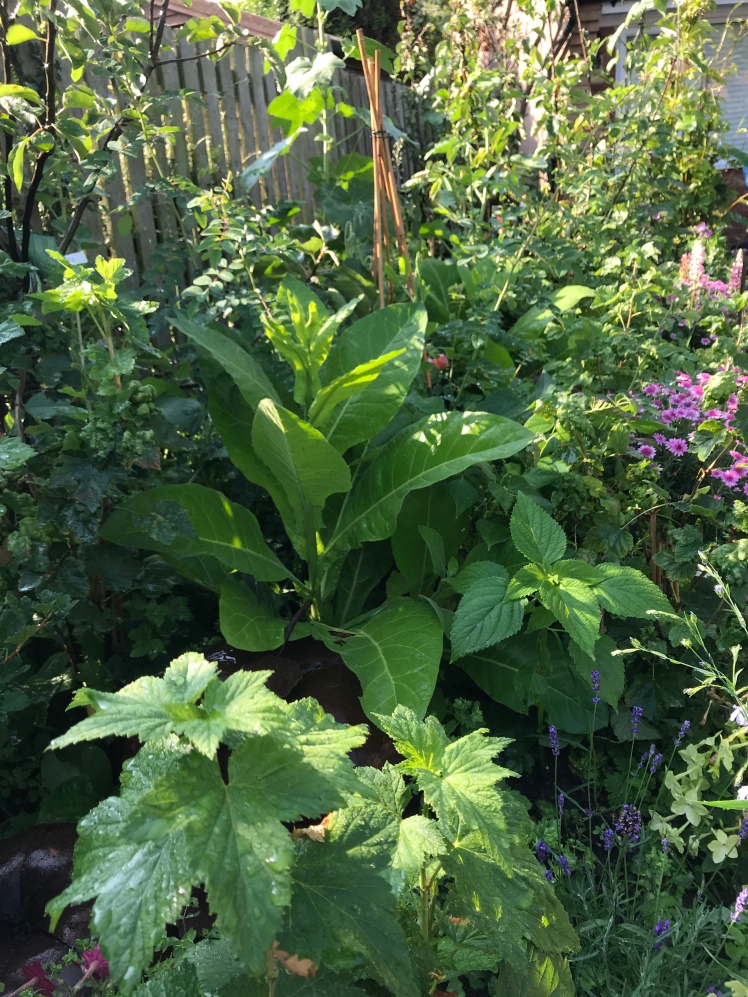
The next planting was perennial flowering plants such as lavenders, species geraniums and oxeye daisies, as well as hollyhocks and tall verbenas.

To increase the food productivity we planted climbing beans edame beans, red kidney beans and also sweet peas.

The last job was to scatter wild flower seed.

The results have been wonderful-

This strip of garden is alive with bees, butterflies, hoverflies and spiders. This morning there were damselflies as well. The sparrows and blackbirds are using the trees.

In just three months the area has been completely transformed.

We have eaten strawberries, redcurrants and gooseberries from this garden and there are courgettes,tomatoes, beans and apples to come.

The variety of plants and flowers and the different levels of plants has created an insect paradise.

This has been a really enjoyable ( and tasty project) we are really pleased with the wild flowers that have just started to flower. We will continue to develop this area and think of other ways to garden for wildlife.

Rushden morning ramble

It was warm and very still at 8.20 this morning . The lake was so clear it was like looking at a book about fish. There were pike of different sizes hanging motionless at the top levels with forests of weed and darting shoals of tiny fish below them.

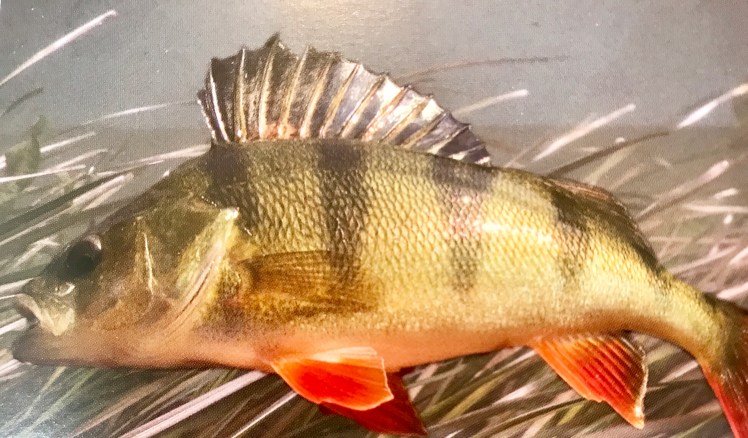
Further along there were literally thousands of striped perch of all sizes filling the open spaces. While attempting to count this mass of fish I saw a huge carp as it torpedoed out of some weed and then in a quick manoeuvre was gone again.

I am really interested in seeing more fish and photographing them. The illustrations below show the fantastic markings of the perch and the pikes long shape.
This was a lovely morning quiet and warm, the juvenile heron we had seen over the last few days had moved from the wooden jetty to a fallen tree in a smaller lake. This heron is paler than the adults and seems unperturbed by people at the moment.

This is him standing on the big lake jetty where he was at one point mobbed by black headed gills, he saw them off!
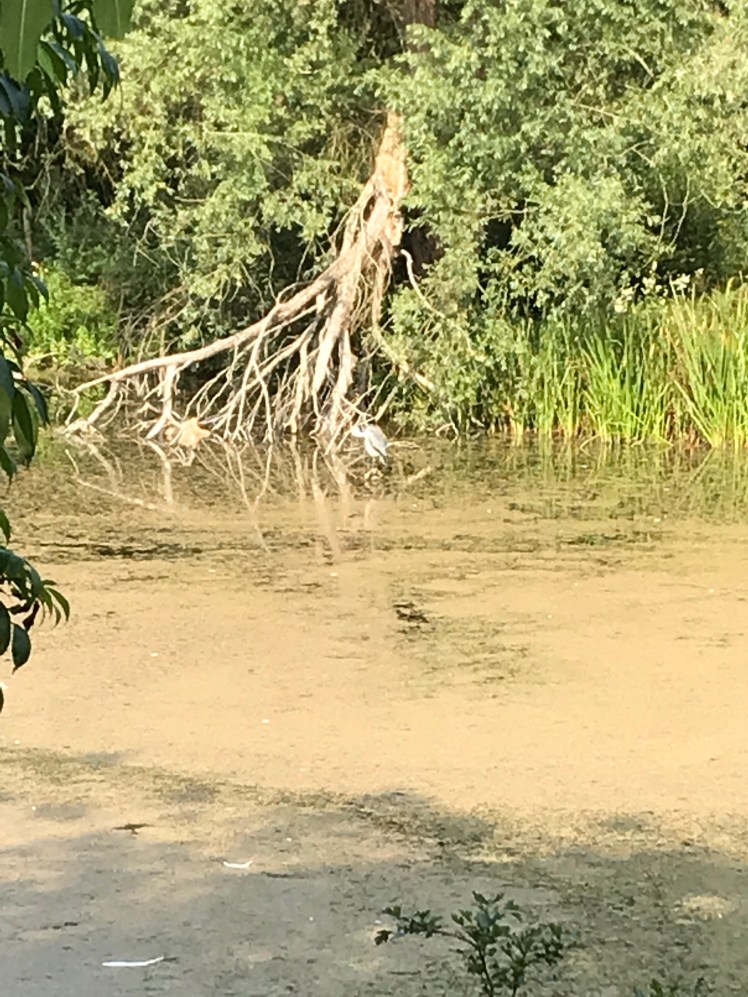
This is an unclear photo as I only had my phone but he is happily standing on a semi submerged tree preening and was Not disturbed by us watching for quite a while. As we wandered on we met a wildlife trust ranger who pointed out that there are chicks on the tern rafts. We are going back tomorrow with the binoculars and the big lens, watch this space !

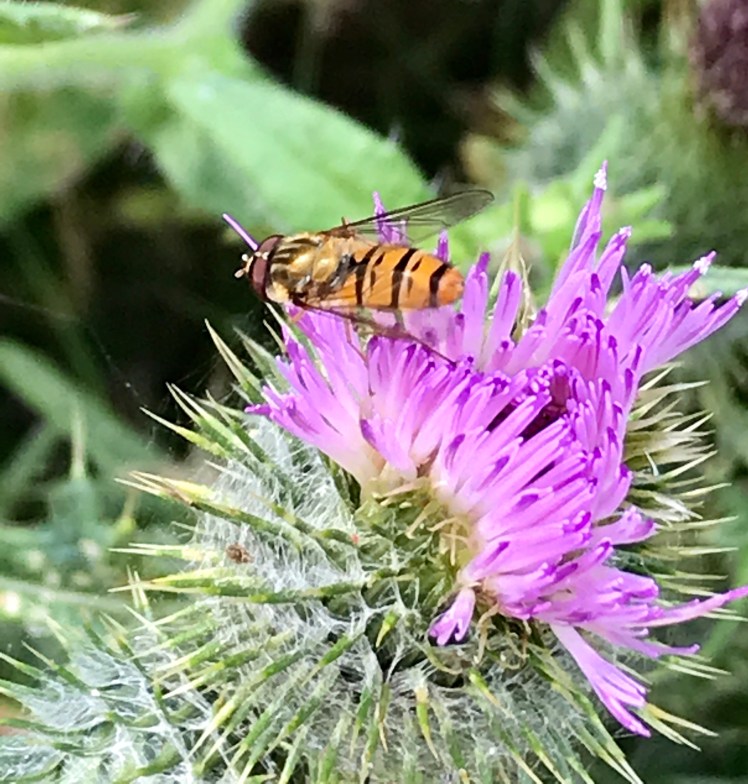
The hover flies were active, I love these papery almost flatted flies as they land and feed .
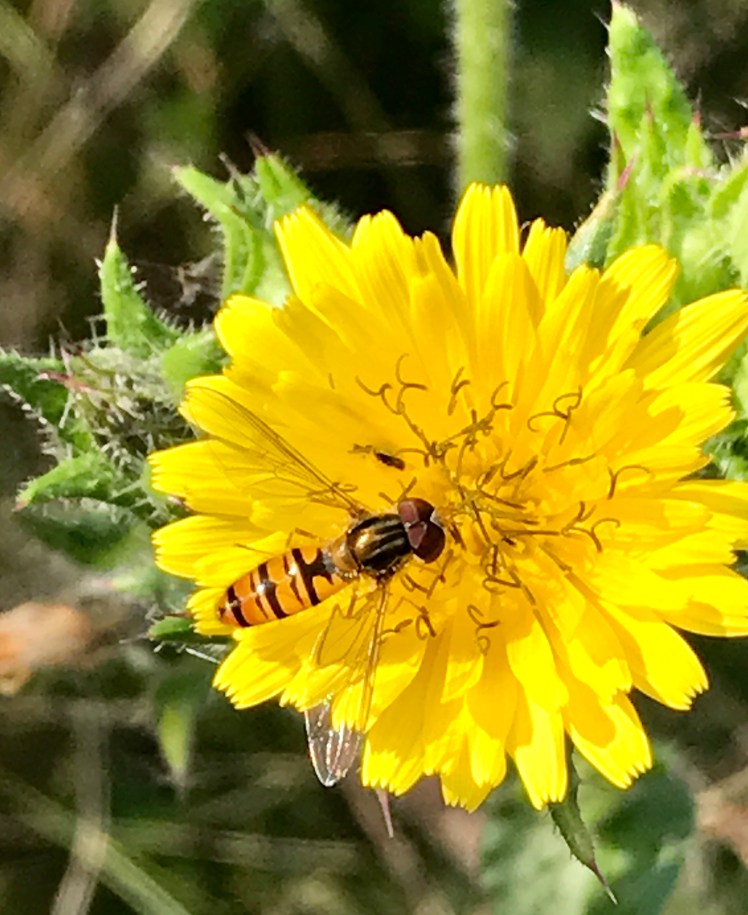
There were hundreds of them busy in the flowers.
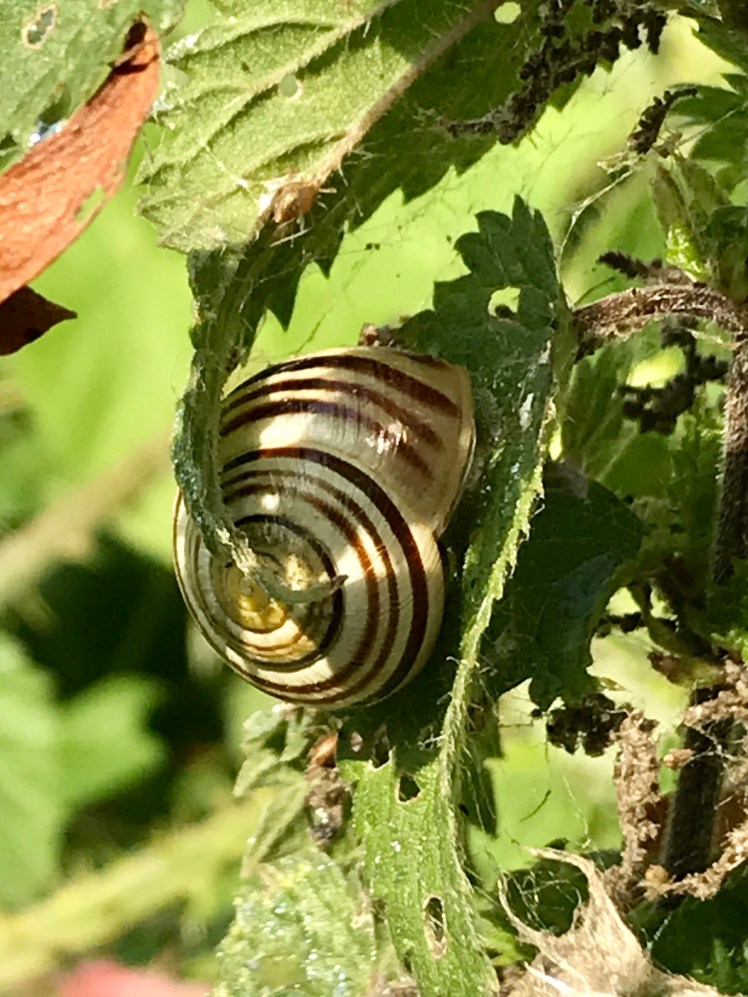
Snails are hidden up trunks , under leaves in this warm weather .
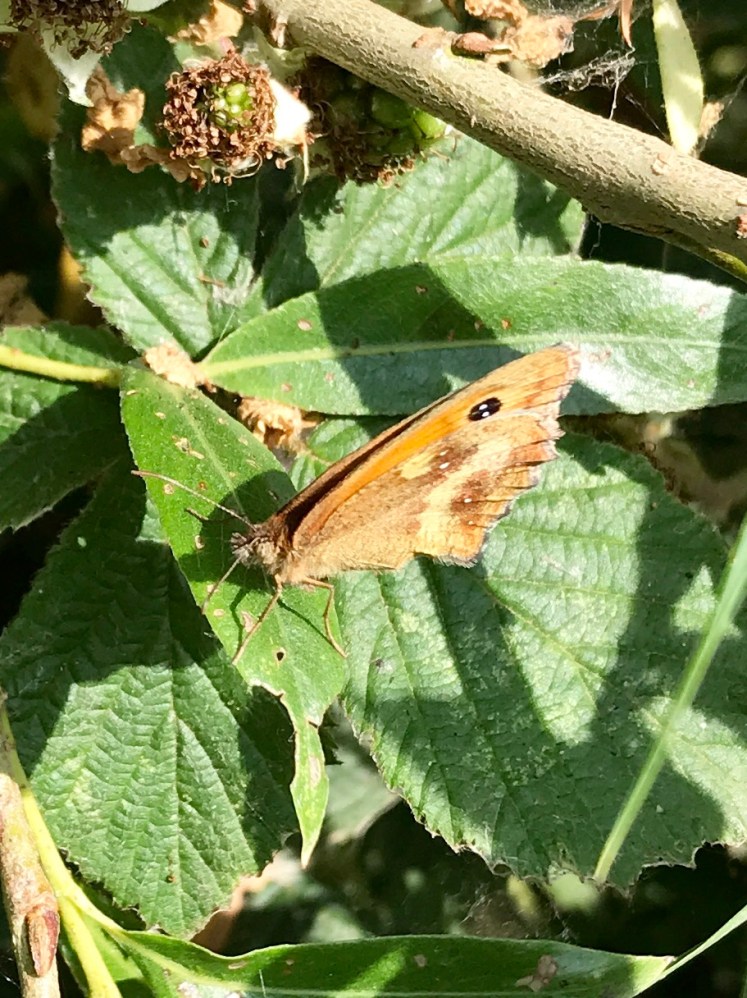
There are plenty of butterflies flying, I noted skippers and speckled woods and managed to take a photo of this lovely gatekeeper.
Not to be disappointed by flowers these two were stunning .
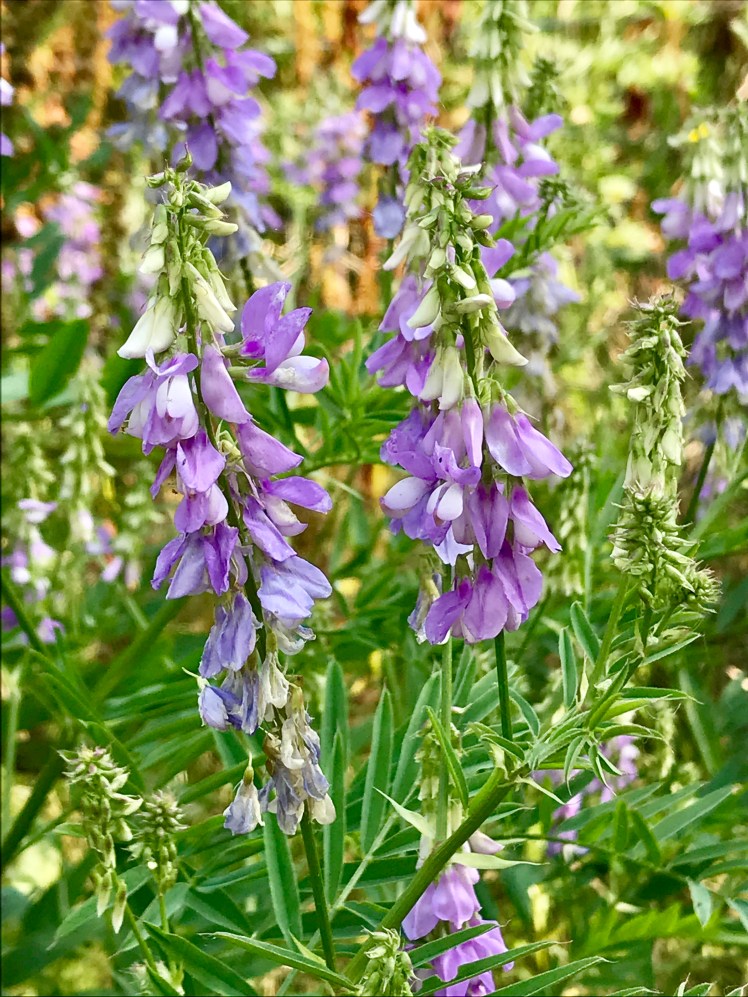
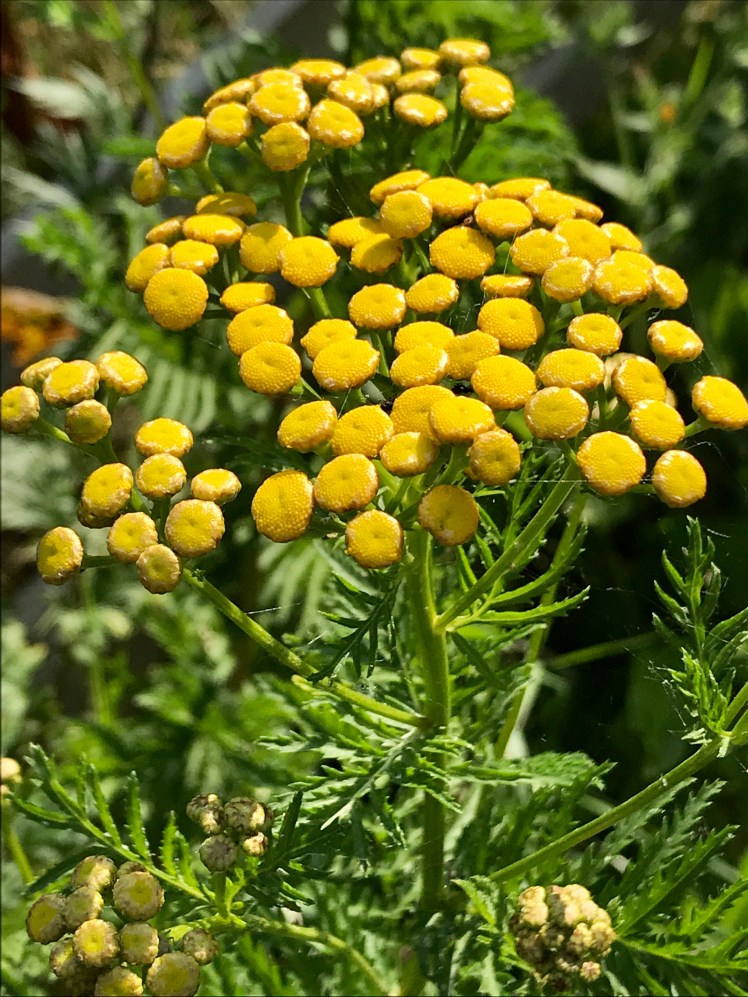
This yellow plant is tansy (Tanacetum vulgare) it was very tall and looked like it belonged in a florists. The tall vetch at the top was tall and strong . This needs further identification , I am going back with a book !

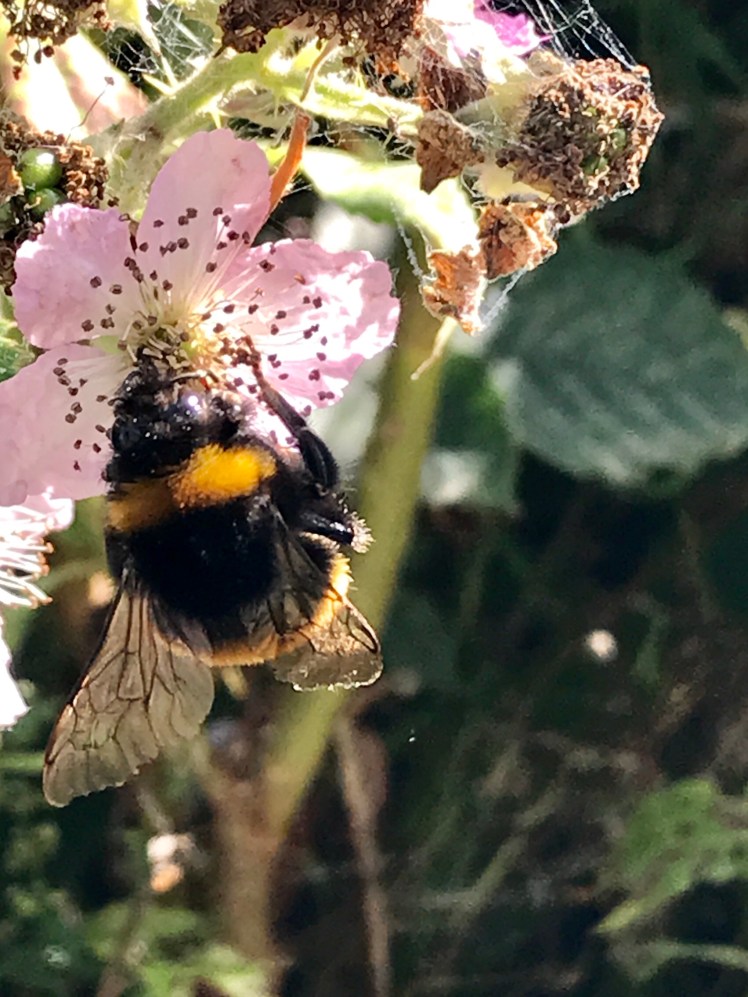
Just at the end of this walk we bumped into a huge bumblebee, so huge it was amazing it could stay in the air !
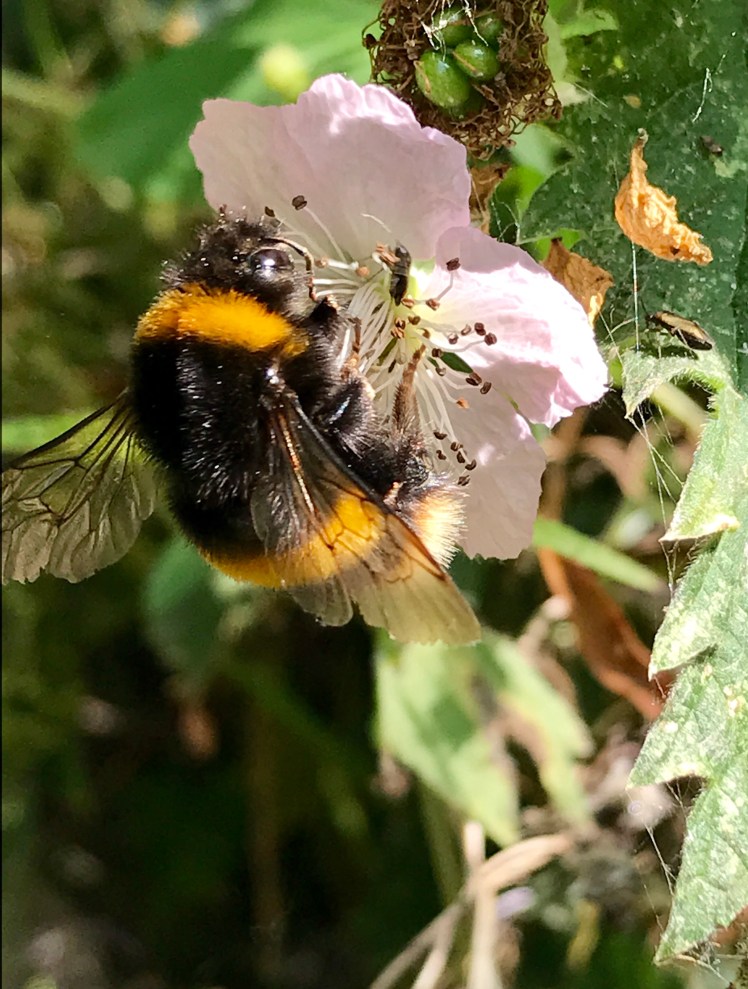
A great way to start the day !