Birds making choices

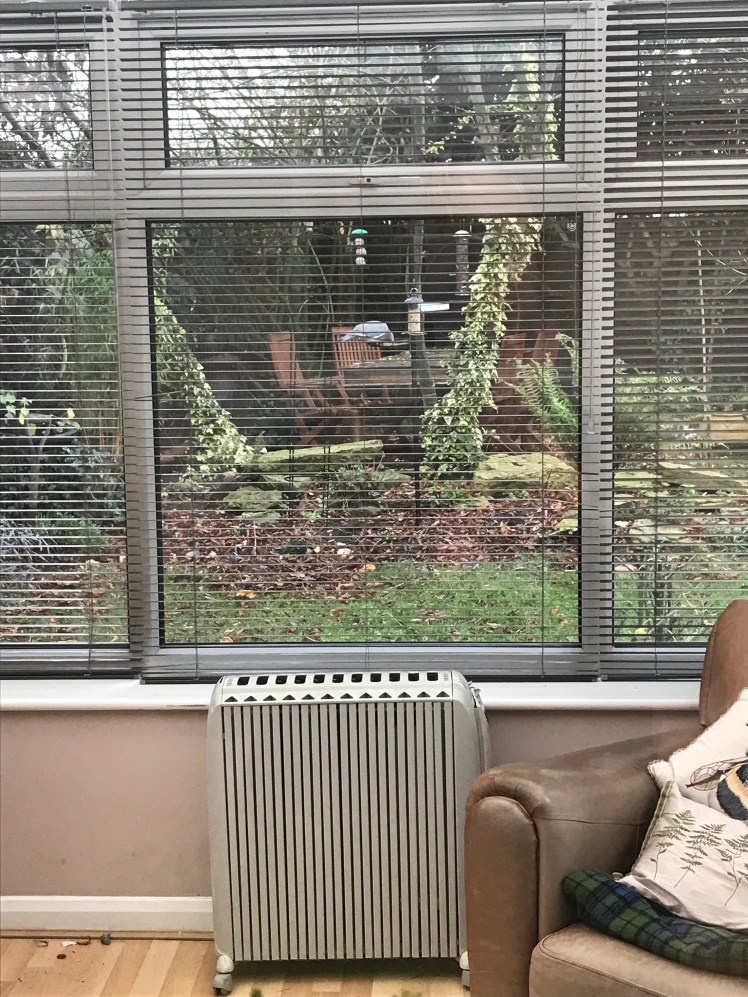
I have some new bird feeders a little closer to the house, the idea was to bring the birds into easy range for photographing them, obviously with the blind up when photographing!!

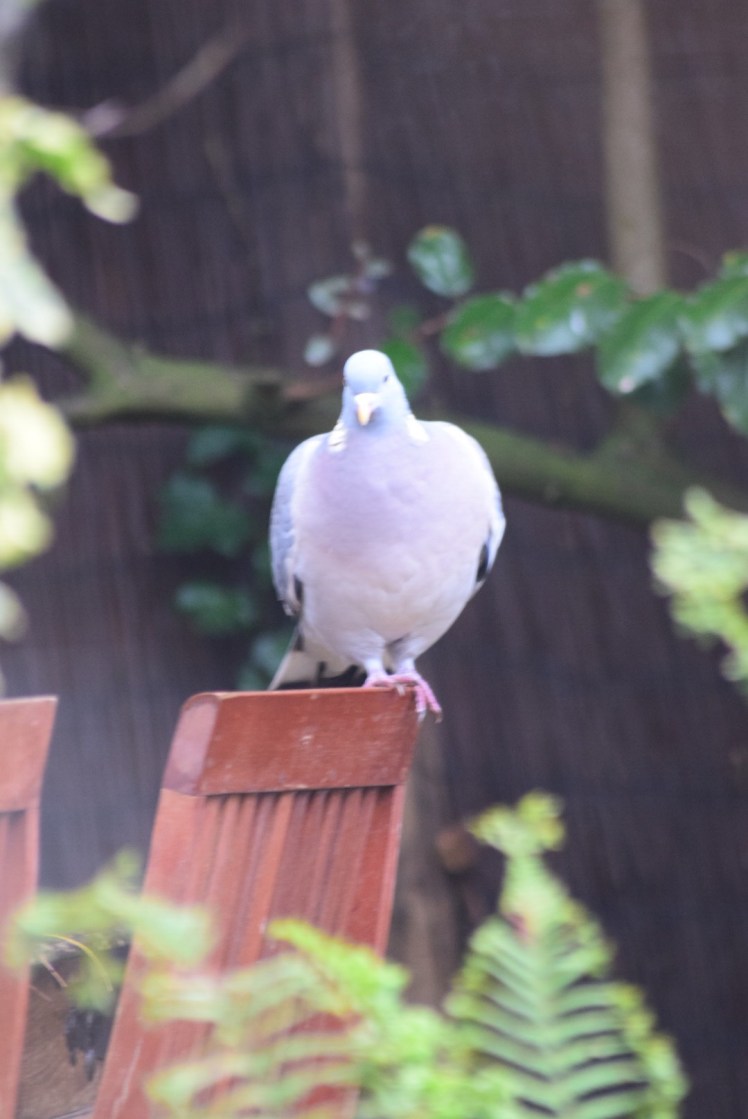
The birds have other ideas, the new feeders have been ignored by most of them except for the fat wood pigeon.

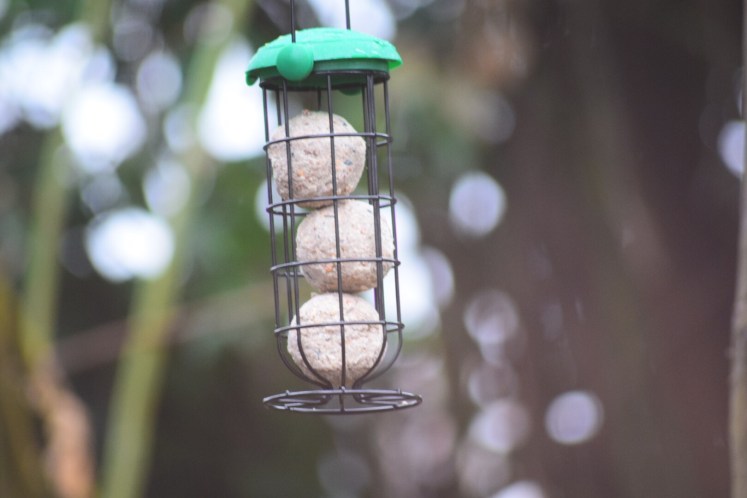
Today a breakthrough, the fat balls have been discovered by a flock of agitated bluetits. So agitated I failed to get a clear photo!

The robin was very curious of the new feeders and had a spat with the bluetits seeing them off !!

The sparrows were back out in force, I like sparrows they always seem chatty and enthusiastic about everything.

Hopefully more birds will follow suit and find the feast laid out for them!

Grafham Treasures

Grafham reservoir between Kimbolton and St Neots is a good meeting point for walks, picnics, sailing and obviously exploring.

Last Sunday along with three other explorers I walked the 10 mile circuit around the reservoir , this is mainly flat with a few mini hills and parcels of woods as you travel round.

The water level is low after a long hot summer and the shore line is very interesting. There are whole banks of shells of fresh water molluscs and fossils to be found.

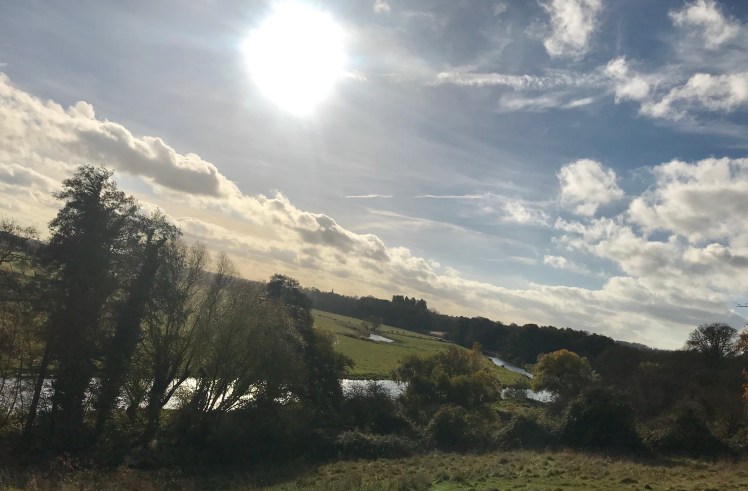
There have been lots of these blue sky days this November and the trees continue to shine as their leaves slowly drift from them.

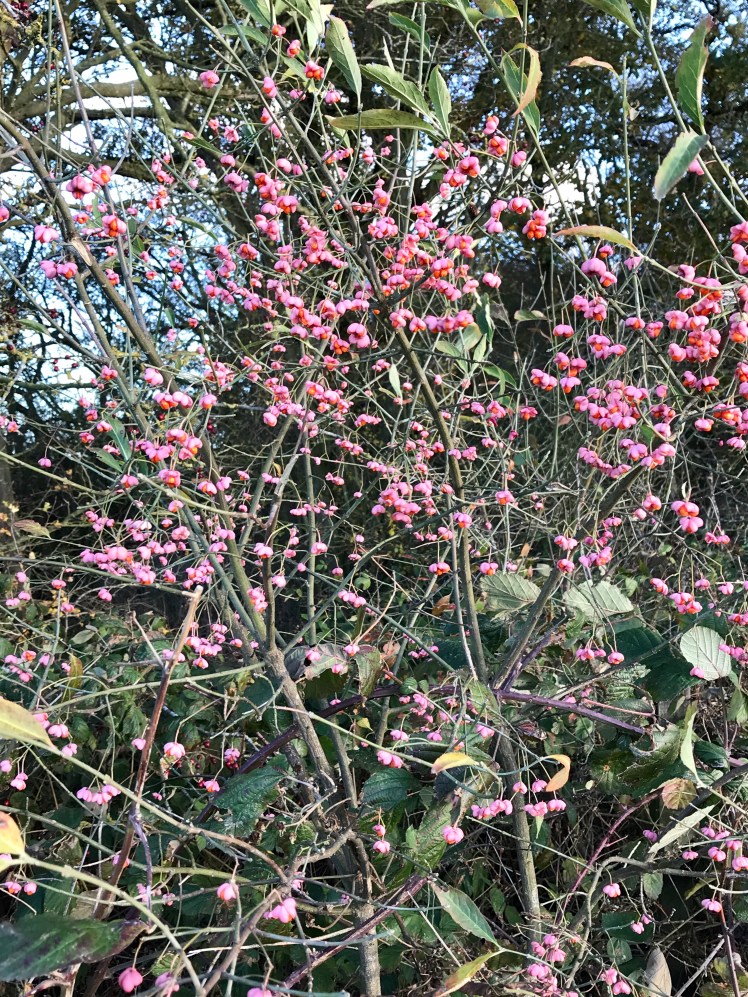
The berries are burdening trees with their weight. These spindle berries added a different colour to the normal reds and oranges.
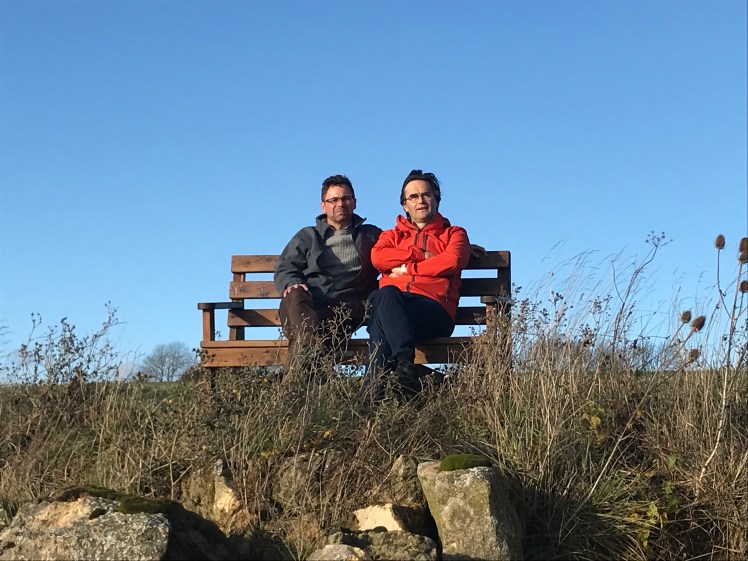
These two explorers were taking in the view half way round , little did we know then that the tea room was actually closed and all we had was a packet of Tangtastics to sustain us !
Finds from the shore:-a tiny scoop of shore sand ……..absolutely full of shells !
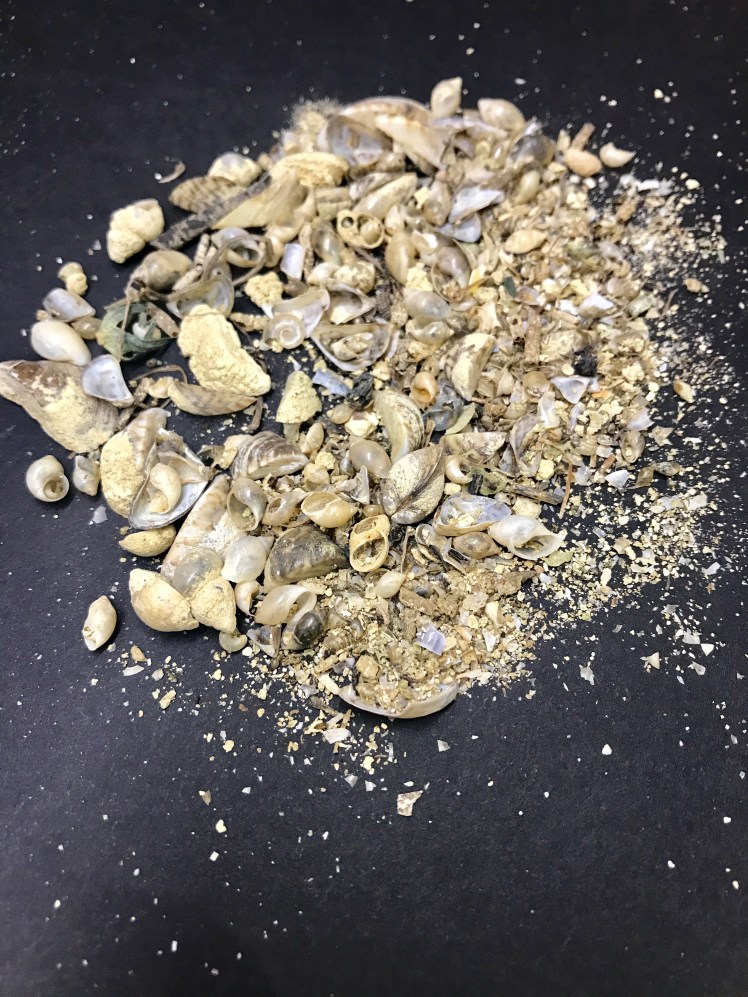
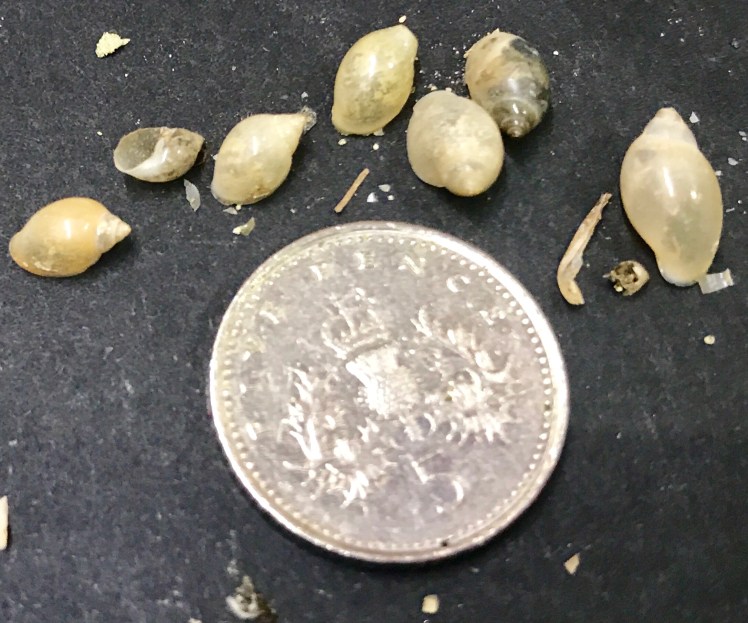
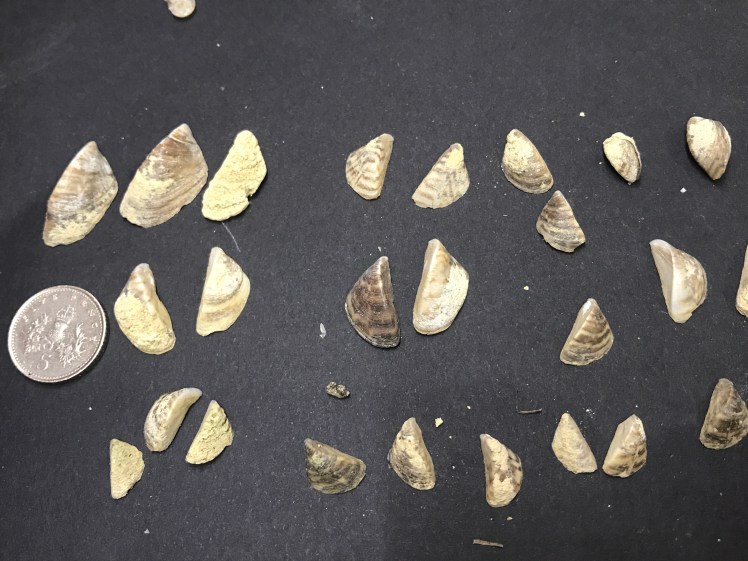
Fresh water molluscs galore, easily sorted to start with into gastropod , those with a twist or spiral and bivalve, those with flat shells.

The sand is mainly broken shell fragments some shells are perfect and tiny.
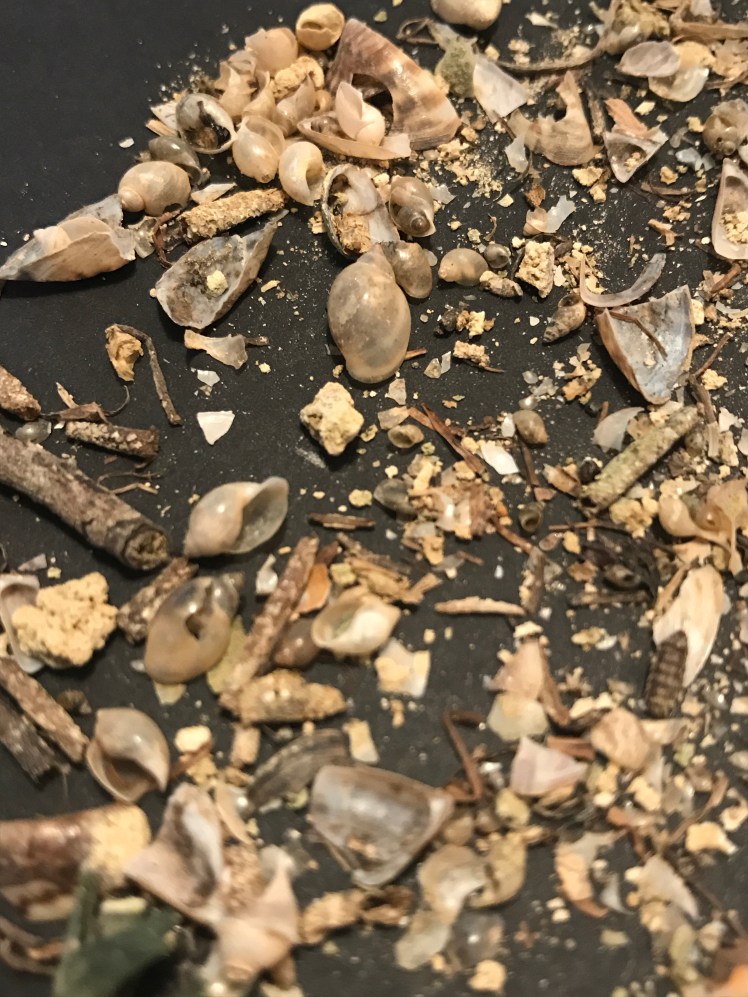
Using a 5p for scale

One of the shells, a bivalve that there were a lot of were zebra mussels these are an invasive species which threatens the native fresh water mussels.
An article below explains the threat.

Millions of invading zebra mussels are playing havoc with England’s drinking water supplies. 

The zebra mussel is a species that arrived 200 years ago in the UK from the Caspian Sea and is now thriving as a result of the cleanliness of our water systems. 

They can spread easily as their larvae move through canals and rivers like cars on a motorway network. The invading mussels also kill British native freshwater mussels. 

If the zebra mussels get into water treatment works, they can block up the whole system.

Inside Out’s David Whiteley visits Grafham Water in Cambridgeshire where millions of this invasive species are in danger of taking over. But what can be done to stop the spread of these foreign invaders? 

David also travels to Rutland Water where £1.5 million has been spent on a trap to stop the zebra mussels clogging up water pipes.

There are six species of freshwater mussels in Britain, they are very important to the ecology of a river or lake. The aptly named depressed mussel is under threat. One reason for this is the management techniques for rivers that often includes dredging which destroys the mussel beds.

It is surprising that there are so many types of freshwater mussel native to Britain , 5 in the lowland rivers and the pearl mussel in upland waterways.

The Gastropods in this sand are very small , using the key the flat spiral species in the photo with the 5p is a rams horn snail , maybe Gyralus crista it is very small so difficult to identify.

The taller spirals

Those with left hand spiral – Physella acuta

Those with right hand spiral – Lymnaea bathica.

Looking through the tiny specimens there may be one more – Bithynia leachii.

It’s amazing what you scrunch under foot walking along the shore, making more sand .
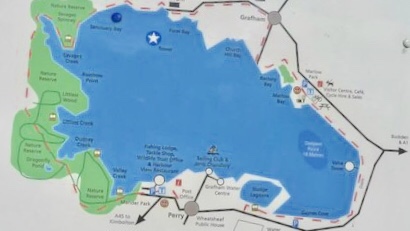
A good walk with lots to see.

Address: Grafham Water Visitor Centre, Marlow Park, Grafham, Huntingdon, Cambs, PE28 0BH.

Wonderful Wadenhoe

After living for 25 years just a few miles down the road I have very recently discovered Wadenhoe, a wonderful place on the banks of the River Nene.

This short walk around the ancient monument at Wadenhoe, a medieval mound and earthworks overlooking the surrounding countryside topped by a 13th Century church has plenty to explore on a bright November day.

This is a favoured spot for walkers and swimmers as well as canoeists.

This limestone mound area has been steepened and developed in medieval times and had buildings on it. I am looking forward to coming in the spring and summer to look at the flowers and the insects.

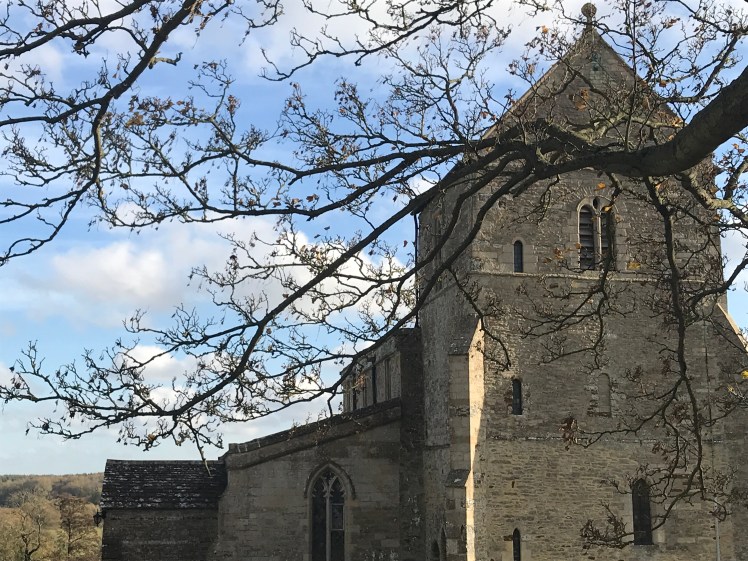
The lichens and berries on the trees and the split willows were very attractive in the unseasonably warm November sun.

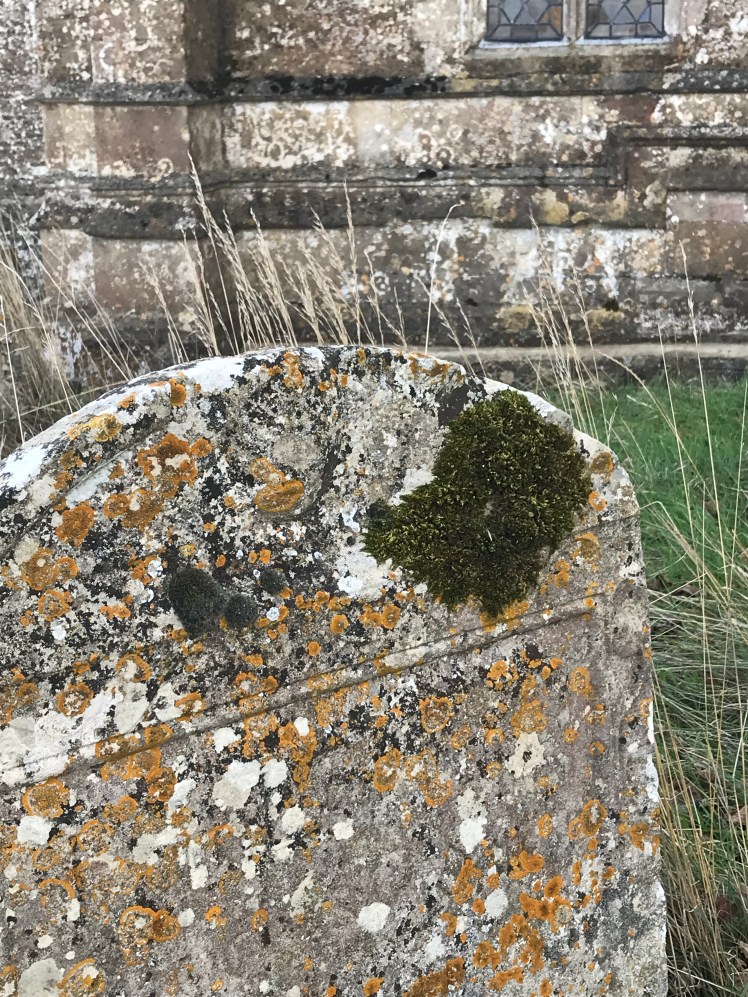
The Lichens continued to impress in the churchyard and the walls. The views from the church across the landscape are really super and a walk from here to Lyveden New Bield is signposted and is a definite must do.

The river here is sweeping and flowing through the countryside . Kingfishers are seen here often and I’m looking forward to exploring more here in the new year.

Good news there is also a tea room , can’t be bad !

Ripples but not raspberry

Wonderful sand at Newborough beach on Anglesey. Tothe left as you walk down the beach are fantastic dunes and forest. The sea to your right is framed by Snowdonian mountains . There are beautiful vistas everywhere and with eyes down there is a lot going on , with the sand , in the sand and on its surface. Barefooted is the best way to explore a sandy beach, these ridges are firm and the water chilly to start with but eventually you don’t want to leave it.The light on the water surface forming patterns of refraction above the ripples below.
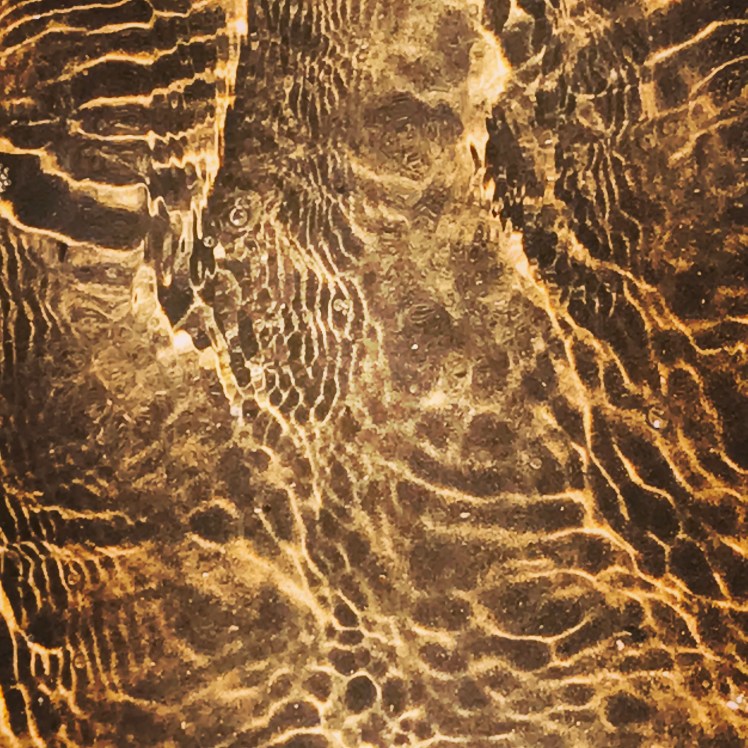
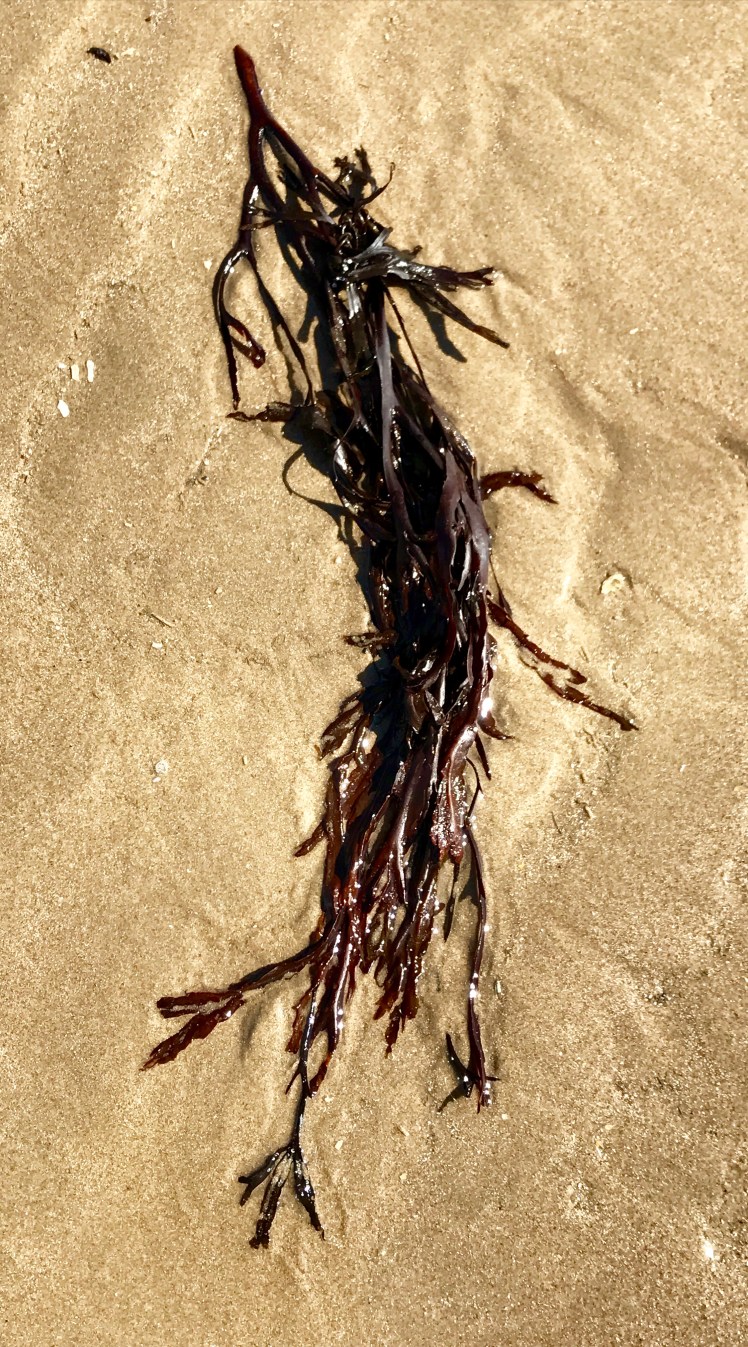
Across this expanse of sand with an incredible backdrop of snowdonia there are lots of great finds. Seaweeds freshly spat out at low tide like this wrack.The ripples that we walk over on the beach , sometimes firm on your bare feet occur because the sandy seabed is subject to wave orbital motion which moves the sand grains to form ripples. These ripples are called ‘wave ripples’ and are different from ripples formed by a current and flow. They are usually very regular.
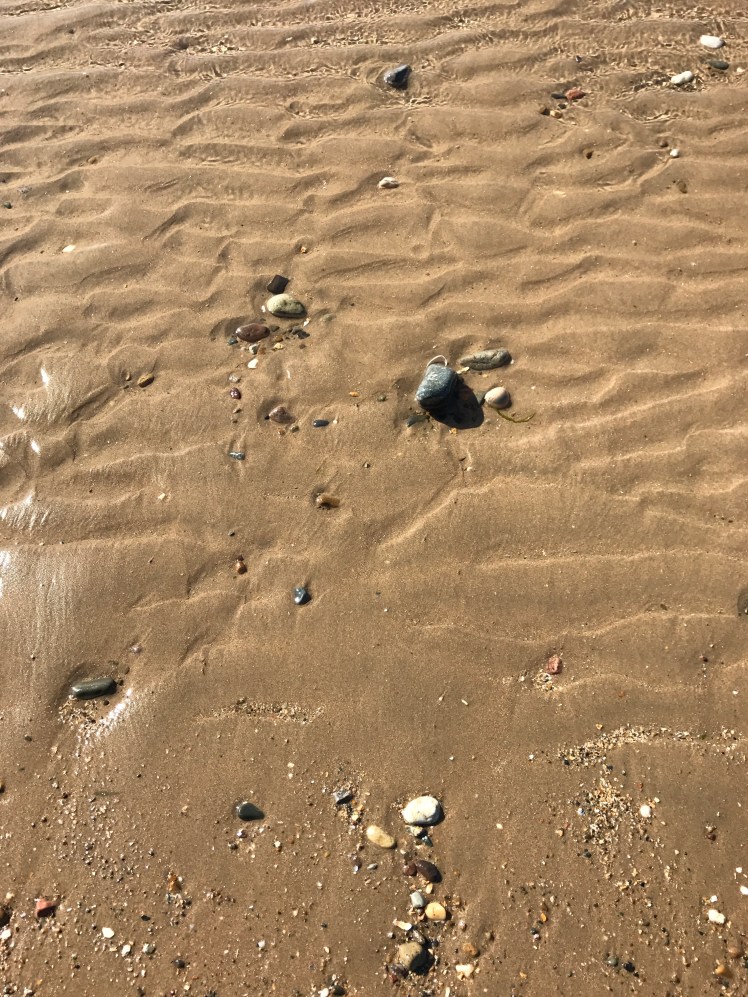
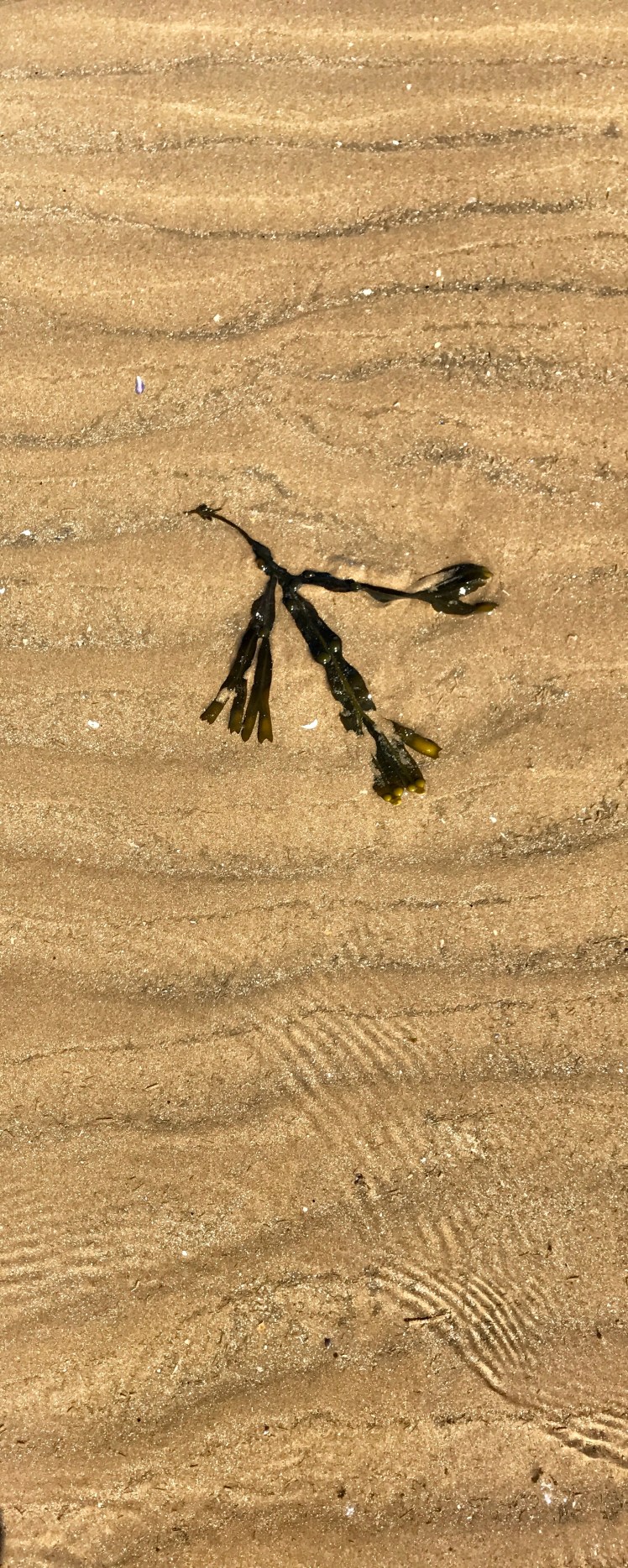
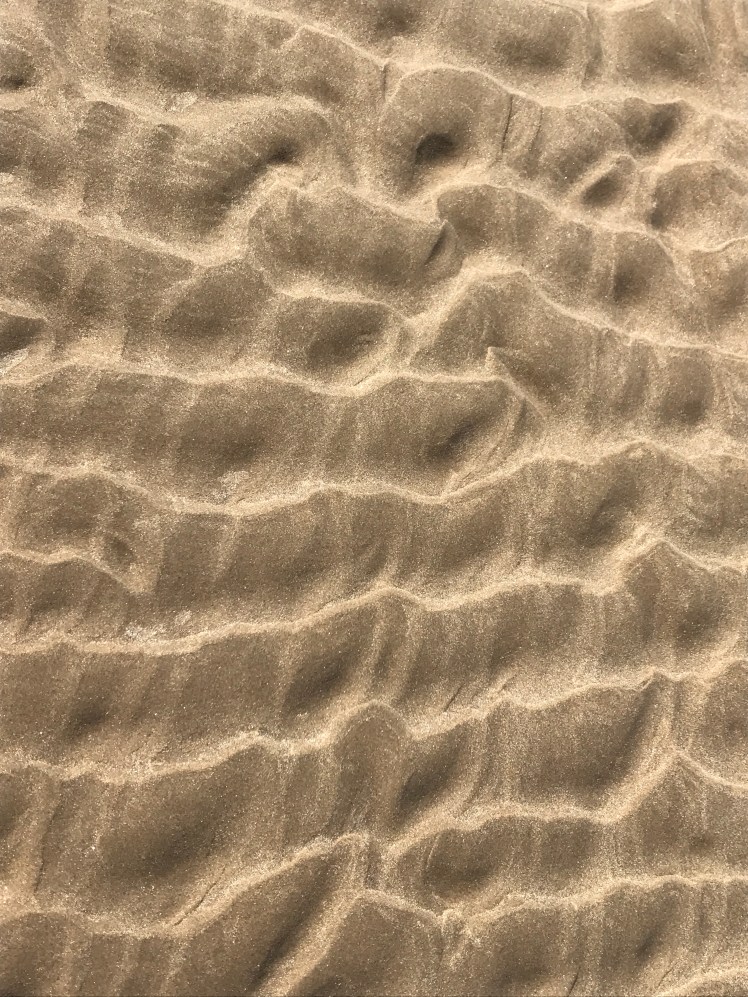
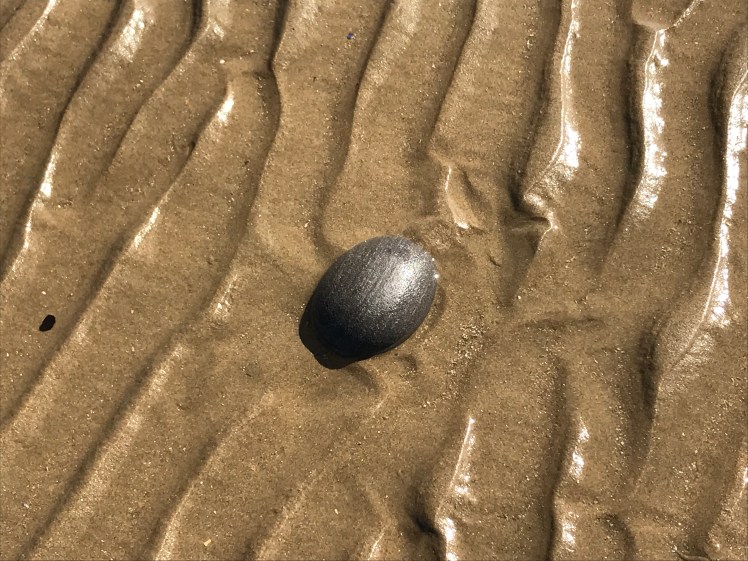
As you walk along the sand the ripples change from flat and soft to hard and relatively tall and then to areas of none at all. All the while at every step there are plenty of interesting thing to see. Pebbles of all sizes and rock types , crab shells , tiny shells and lots more.This is an egg case from a whelk blowing along rather like the tumble weed of the sandy shore.
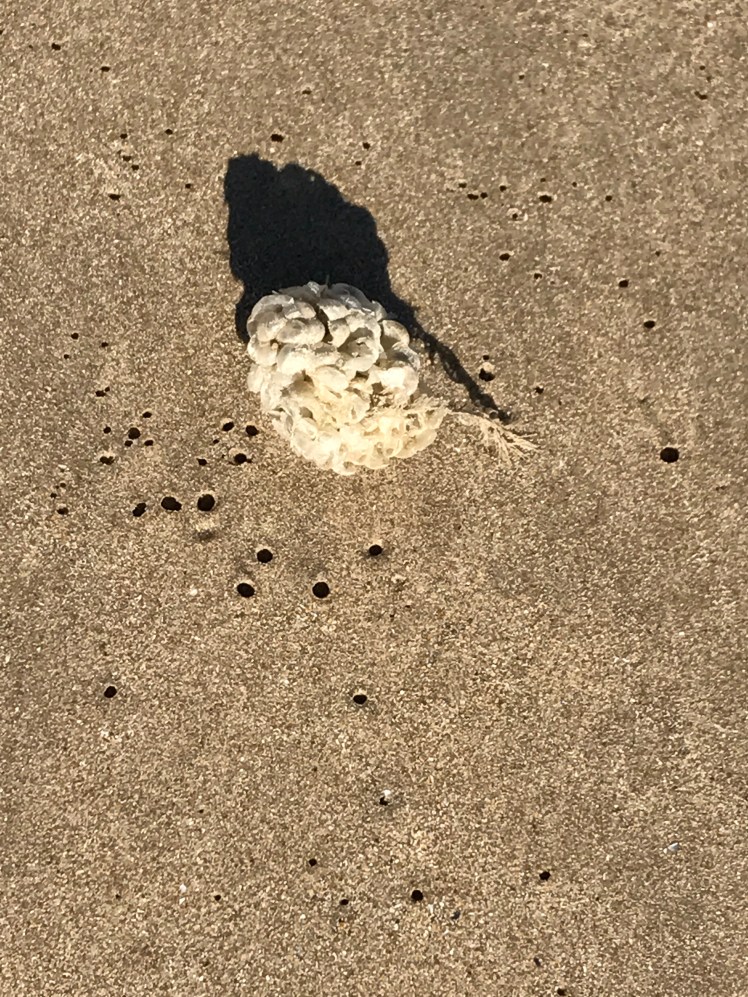
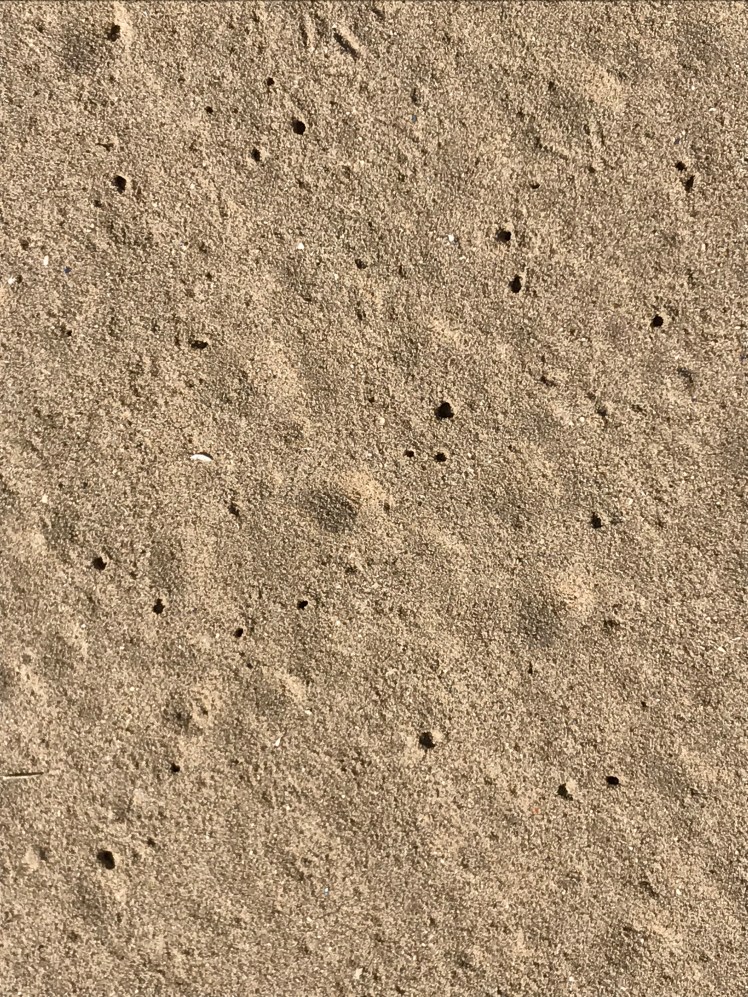
These tiny holes and mounds are evidence of worms in the sand , there are many animals living in the sand, worms, molluscs and sea urchins to list a few.We are walking above whole communities as we stroll across the sand.

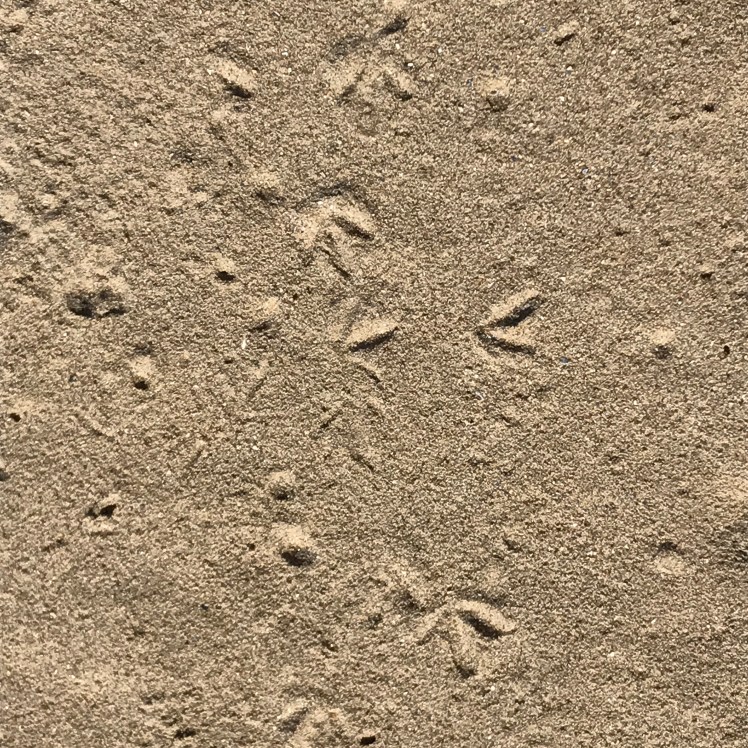
I loved the birds footprints in the slightly drier sand it gave the impression of a dance off!A few finds from the walk, a slipper limpet worn by the sea , interesting showing its internal structure. A lovely pure white quartz pebble, a dark pebble very smooth and a mother of Pearl Oyster, again very worn,the tiny gastropod shells are netted dog whelks whole and in section.
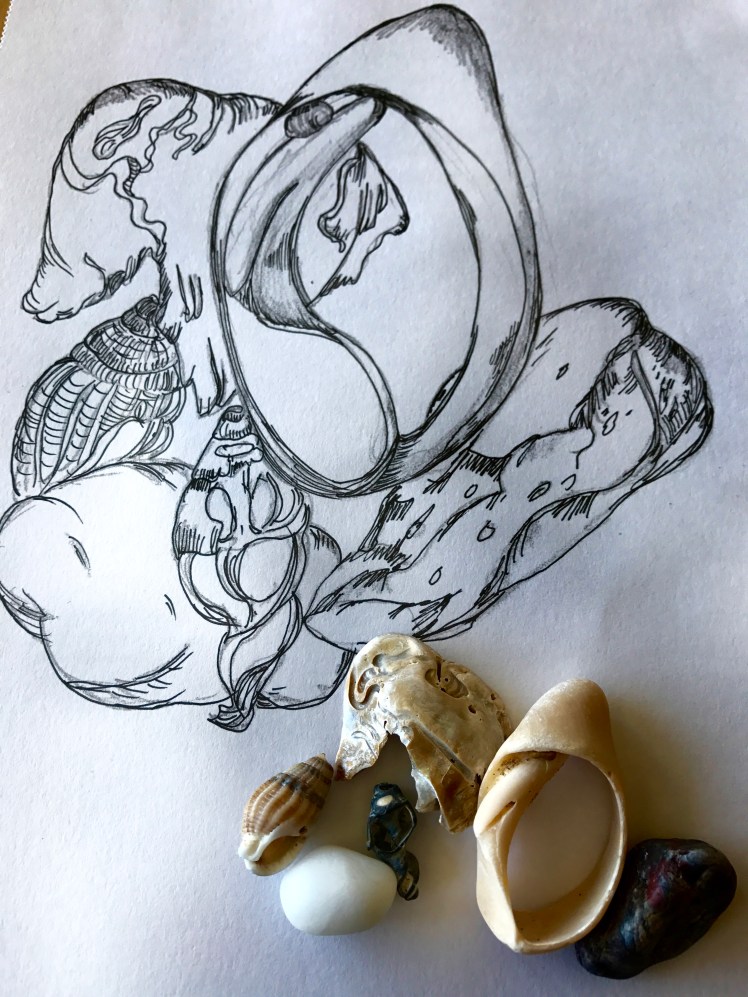
A walk along a long sandy beach is fantastic especially in bare feet moving in and out of the water, moving through soft squishy sand to firm mounds on your instep.

Not only is the walk bracing with the sea breeze and with your water cooled feet it is jammed packed of animals and plants and their habitats to explore. Brilliant!

Hampstead Magic

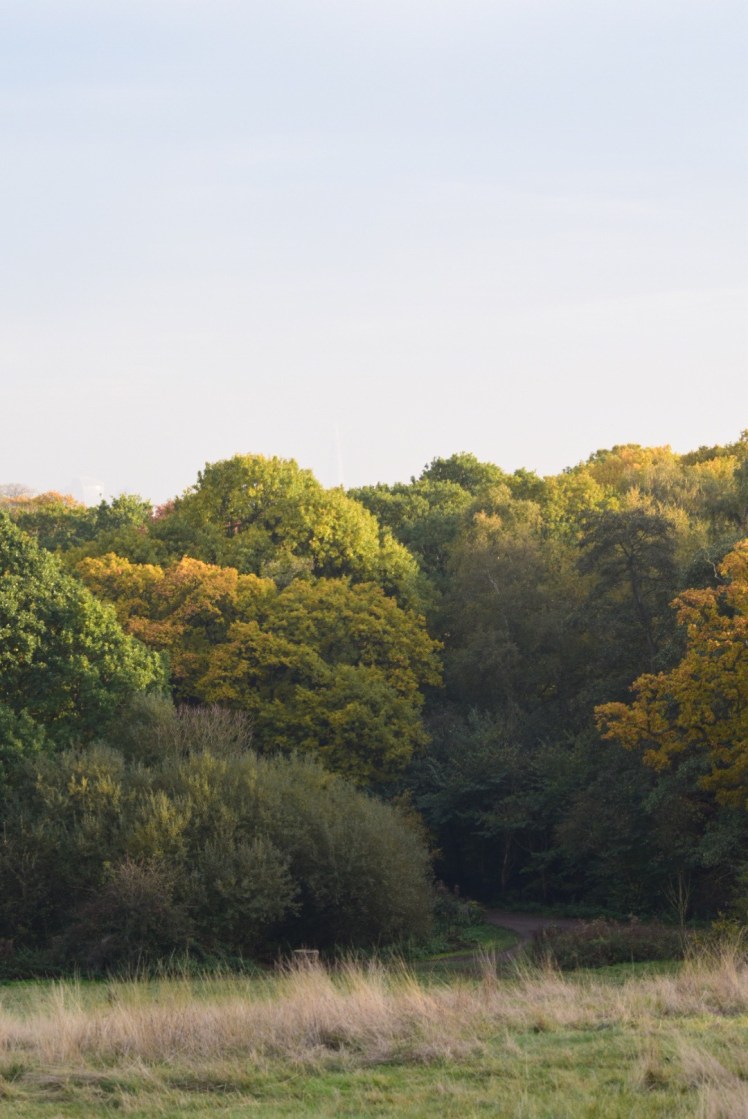
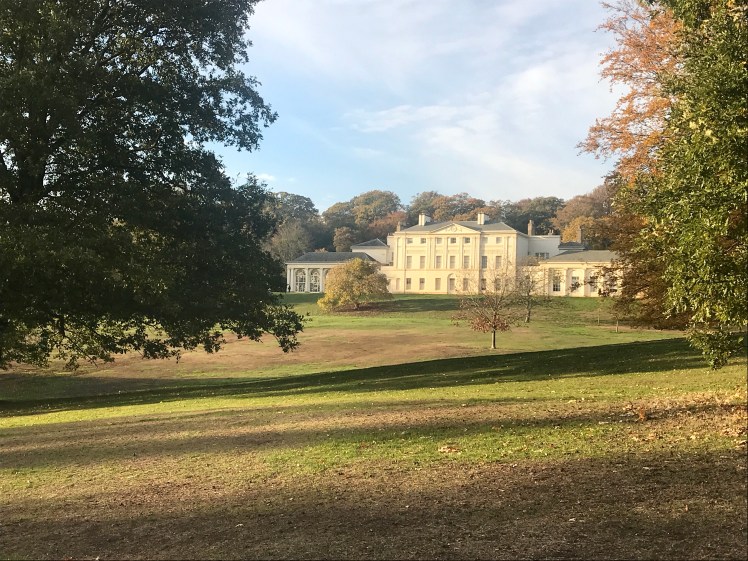
The story goes that C S Lewis was walking on Hampstead Heath in the snow , when he came back the experience had inspired him to write The Lion The Witch and the Wardrobe. This place with Kenwood house sitting at the top of the ridge and the grass sloping away to ponds surrounded by fantastic trees definitely had a feel of magic.

Kenwood house sits in a glorious position overlooking the heath and is itself full of wonders , beautiful works of art left to the nation free for everyone to see.

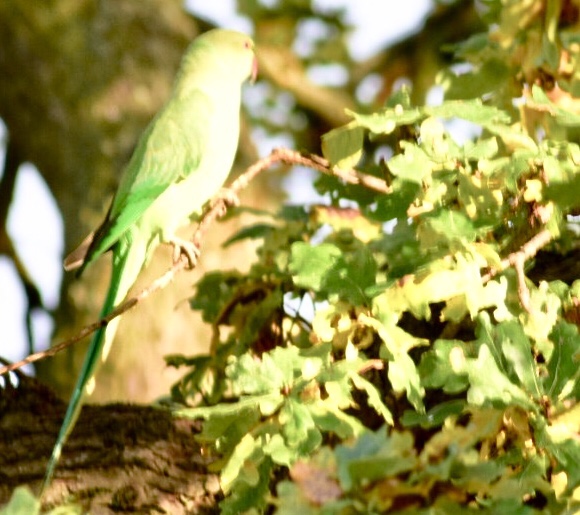
In the sun the sounds of birds were not altogether the norm, there was a flash of green as a ring collared parakeet flew by. I loved these chatty birds with their long tails and airplane shapes in flight. They were often together and seemed to favour the oak trees to sit in and chat to each other.

These parrots eat fruits, nuts, berries and seeds. They are the most northerly breeding parrot in the world. They nest in tree holes and roost on flocks that can be made up of hundreds of birds. The existence if these birds is shrouded in urban myths. First idea, they were kept by Henry VIII the cage fell from the palace window . Story number two, they were released by Jimi Hendrix, a third that they escaped from the film set of The African Queen. They were most probably released or escaped pets initially. There are two main strongholds the one in the SE roosting in Hither Green Cemetery and westward along the Thames at Richmond. They were first recorded in the wild in 1855. There are now approximately 8,500 breeding pairs.

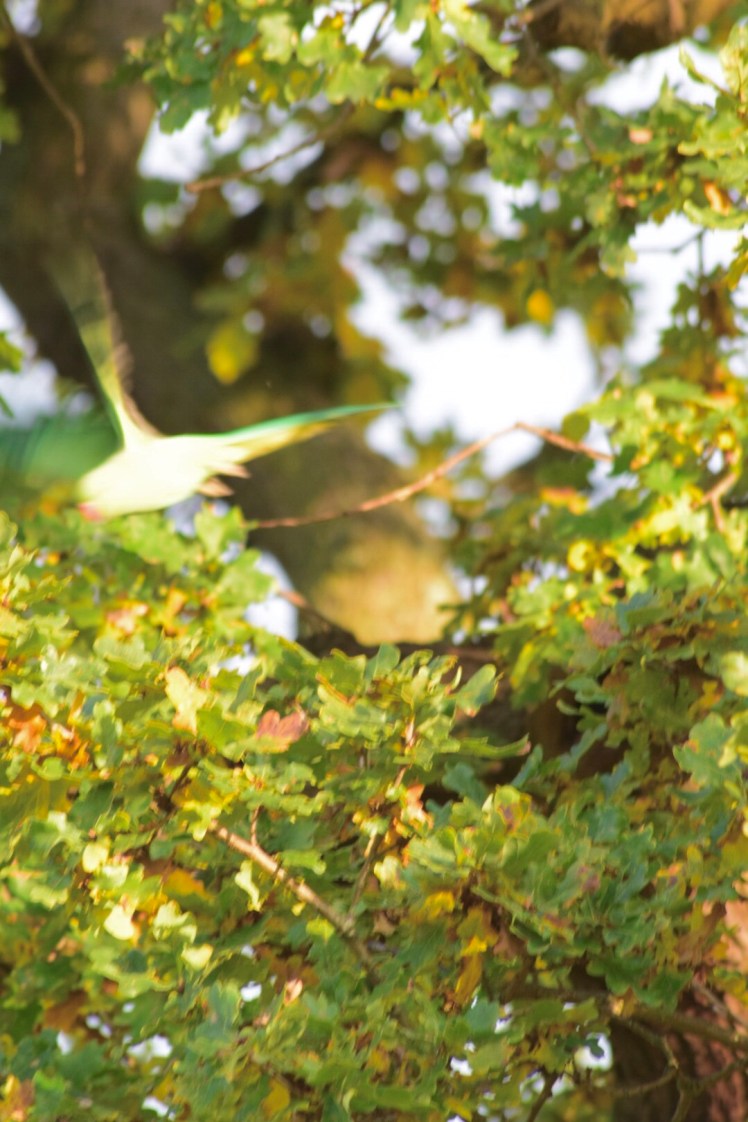
They are very fast, they are bubbly and exciting to watch . This one left the oak tree in a flash and that is all I managed to capture.

I scribbled down some interesting facts about Hampstead Heath .

  • It covers 791 acres, there are 25 main ponds.
  • There are areas of ancient woodland, bog , hedgerows and grassland.
  • The flag at Whitestove pond is 440 ft above sea level,it is inner Londons highest point.
  • This high point is the site of a beacon to warn of the approach of the Spanish Armada in 1588.
  • The Spaniards inn pub was visited by Dick Turpin.
  • 15 species of Dragonfly and 7 species of bat can be found on the heath.
  • Four of Londons rivers rise on the heath:- Eastbourne,Tyburn,Brent and Fleet.
  • There are 800 ancient trees on the heath some of them are over 500 years old.
  • A Saxon ditch mentioned by Ethelred The Unready can be walked along on the heath.
  • The sands on the summit are Bagshot sands and were laid down 40 million years ago.
  • On Hampstead West Heath there is a Mesolithic site 10,000-50,000 years old

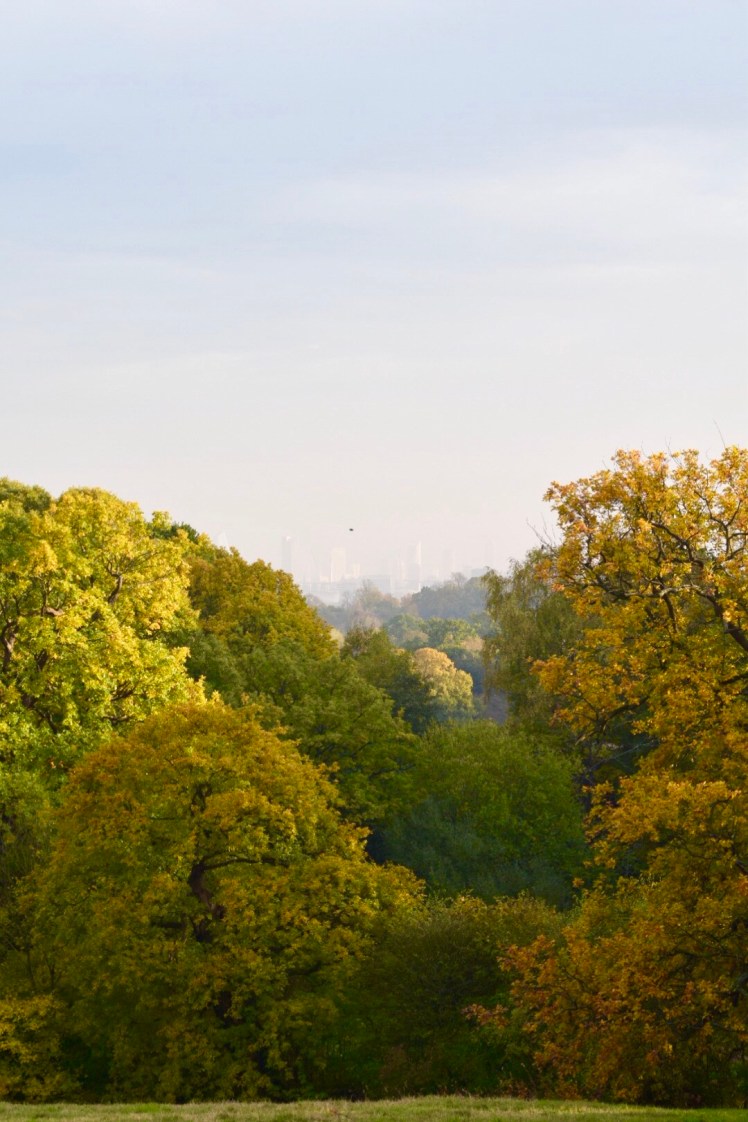
This is a fascinating place steeped in history with incredible views across modern London and full of natural wonders,

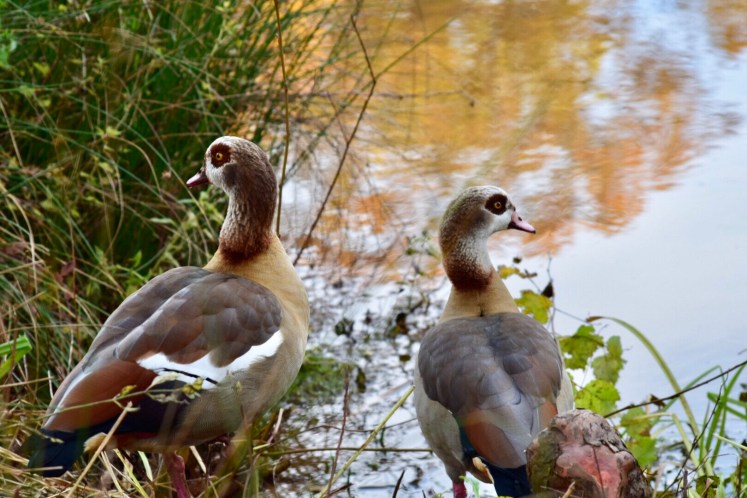
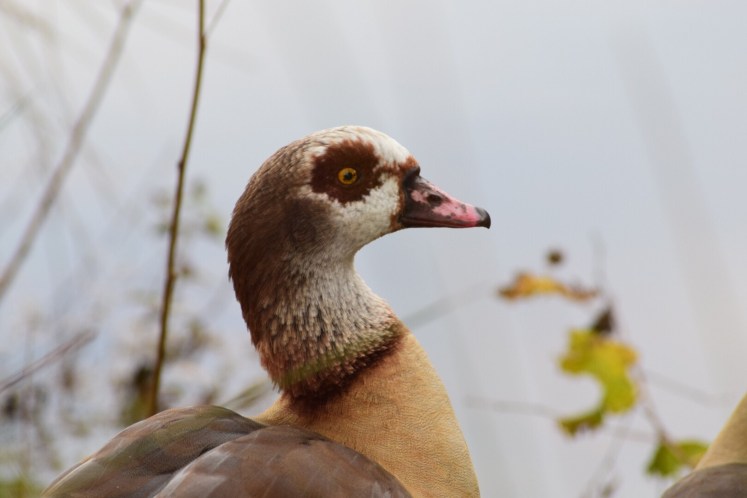
The birds continued to be really interesting with the Egyptian geese on the lake.

The Eygyptian Goose (Alopochen aegyptiaca) is an introduced species for ornamental ponds, it was first introduced in the seventeenth century. They are native to Africa south of the Sahara.They were considered sacred by the Eygyptians and appeared in their artwork. Forty years ago the numbers of these geese started to increase and over the last 15 years the population has risen even more. There are now 900 breeding pairs just in Norfolk.

They are unusual as they nest in winter and they can have up to 10 chicks. They are grass feeders and they prefer to nest in tree holes or rabbit burrows.

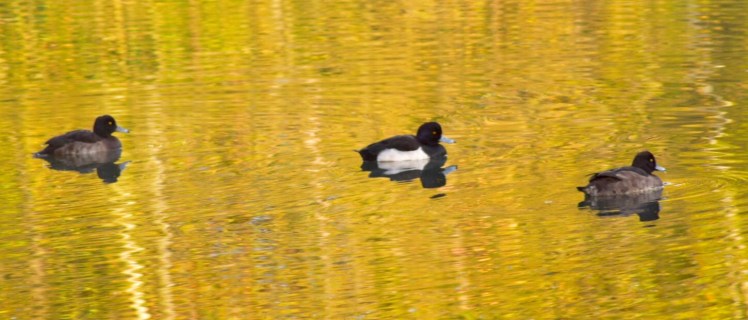
Another very attractive bird caught my eye on the lake , the tufted duck ( Aythya fuligula) there are 19,000 resident in the UK and 110,000 overwintering. They are a diving duck.

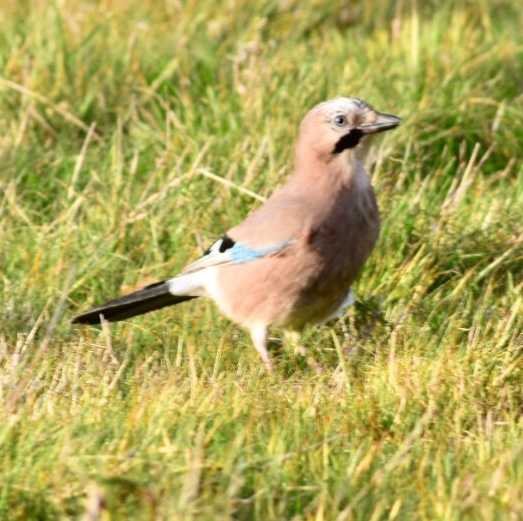
The bird life was full of super surprises on this trip, a Jay spent at least 15 minutes hoping about investigating grass for worms and didn’t mind an audience,

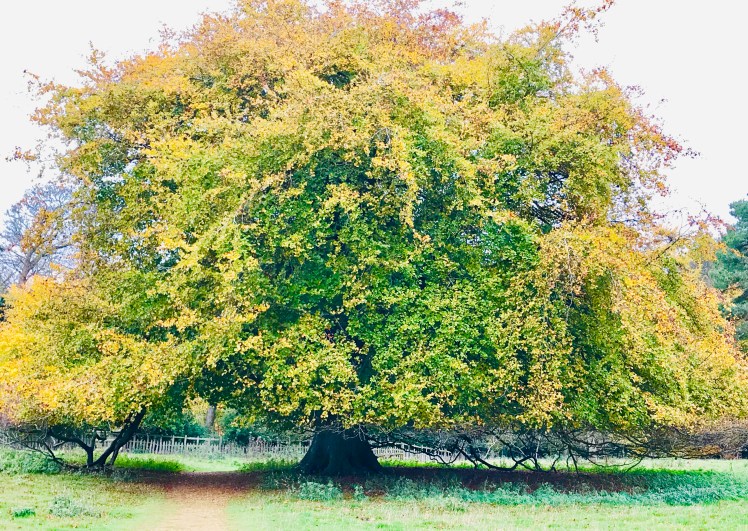
The chestnut tree i saw at Stowe gardens on the Sunday was super but this tree on the heath was magnificent.

Hampstead Heath was a new explore for me, I definitely want to visit more and explore the other areas . A magical trip !

A journey through Stowe Gardens.

Stowe landscaped gardens in Buckinghamshire contain 40 monuments, temples bridges and buildings. All of them placed for impact and beauty and have inspired writers and poets. The gardens are managed by the National Trust and with my card in hand we went for a afternoon explore through this picture perfect landscape.

My eyes were peeled for what a November afternoon had to offer for a nature table explorer. The weather was dull with light rain,not perfect.

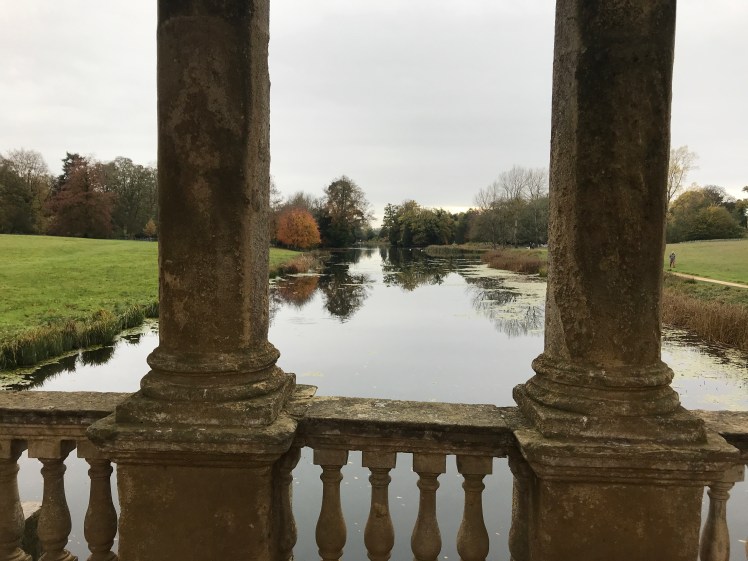
Despite the dullness of the day there was plenty to discover . The long man made lake was home to plenty of ducks , moorhens and coots but it was the sound of the rain which I enjoyed. Have a listen.

There are some very beautiful trees across the parkland.

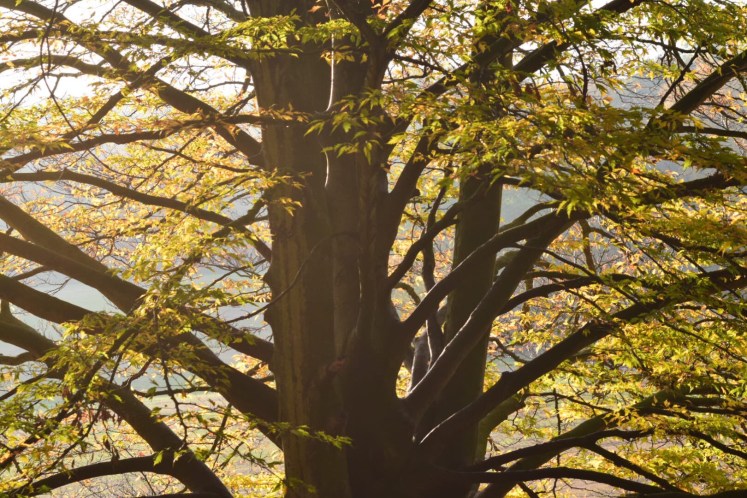
Beautiful Beech trees still with plenty of glowing leaves.

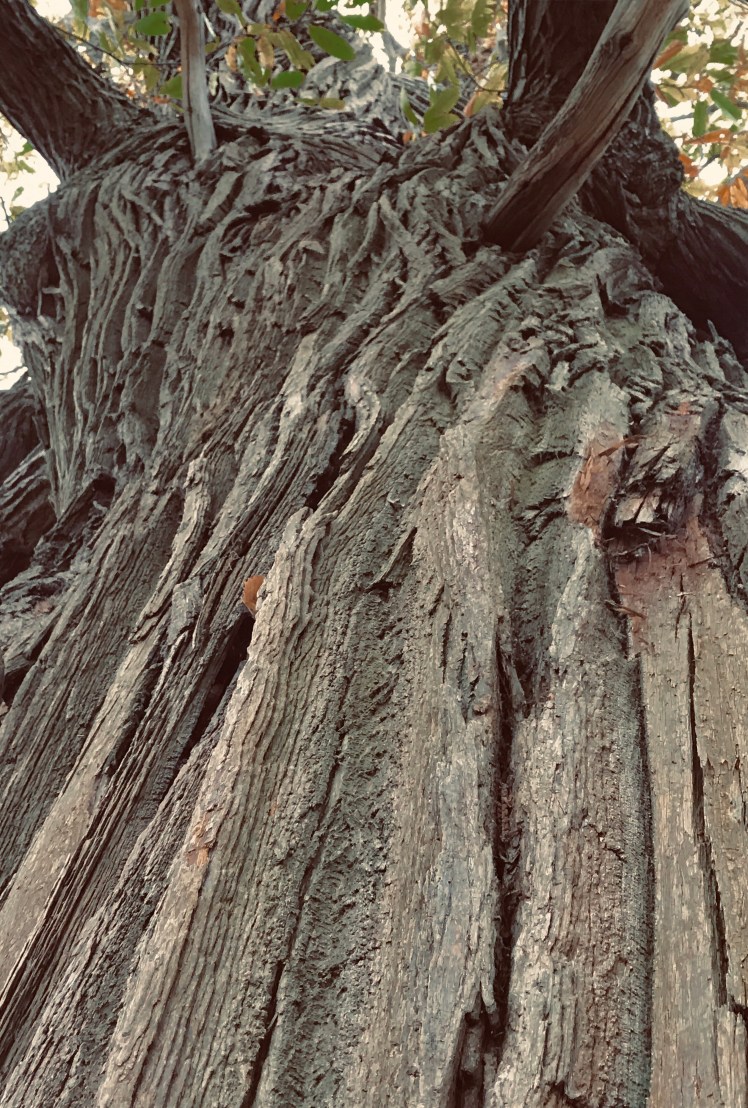
The Chestnuts were wonderful.I love the bark with deep fissures that seems to stretch and twist around the trunk.

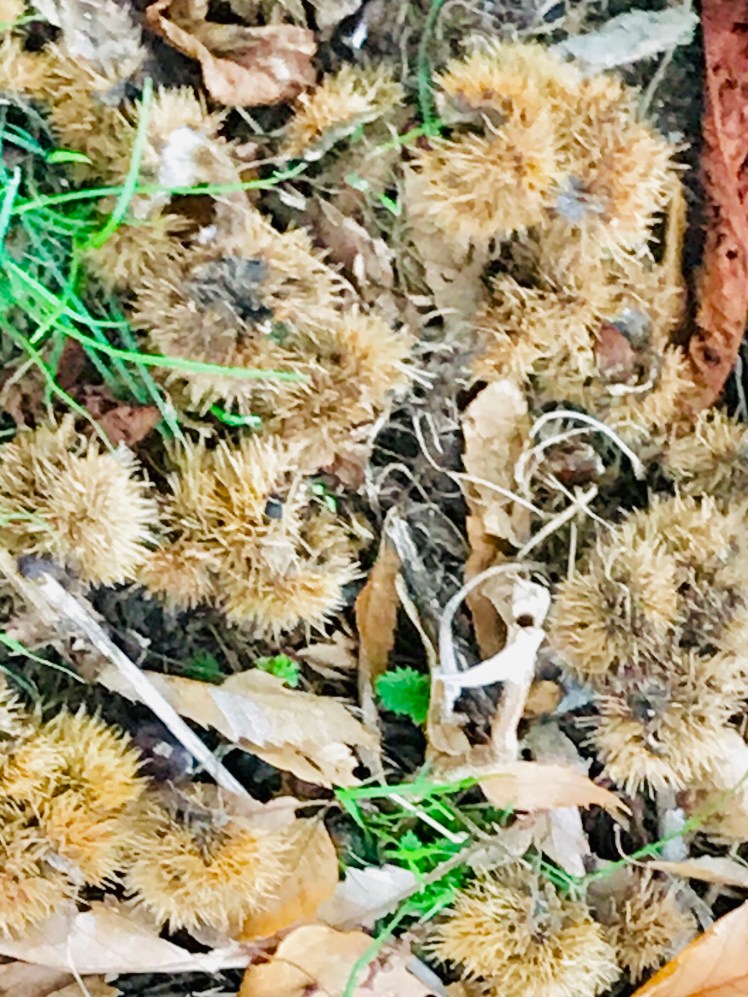
The Sweet Chestnut (Castanea sativa) can be a very long lived tree around 700 years, there are 52 Chestnuts that were planted in Greenwich park in the 1609’s. In Gloucestershire there is a 12th century Chestnut called the ‘Great Chestnut of Tortworth.’

The largest Sweet chestnut in the world is found in Sicily and is somewhere between 2000-4000 years old and is called Hundred Horse because of an historical legend of 100 soldiers and their horses sheltering under its branches.

This Chestnut at Stowe was smaller but no less beautiful , spreading and we were under it.

The Sweet Chestnut although part of our countryside was introduced to Britain by the Romans , they originate from Southern Europe and Asia. Roman shoulders are said to have eaten Chestnut porridge before battle. I love then roasted or just as they are crunchy and sweet on a walk in the rain.

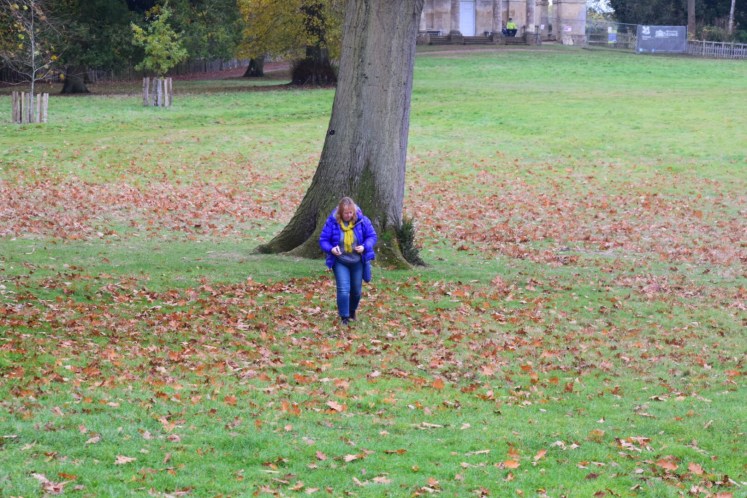
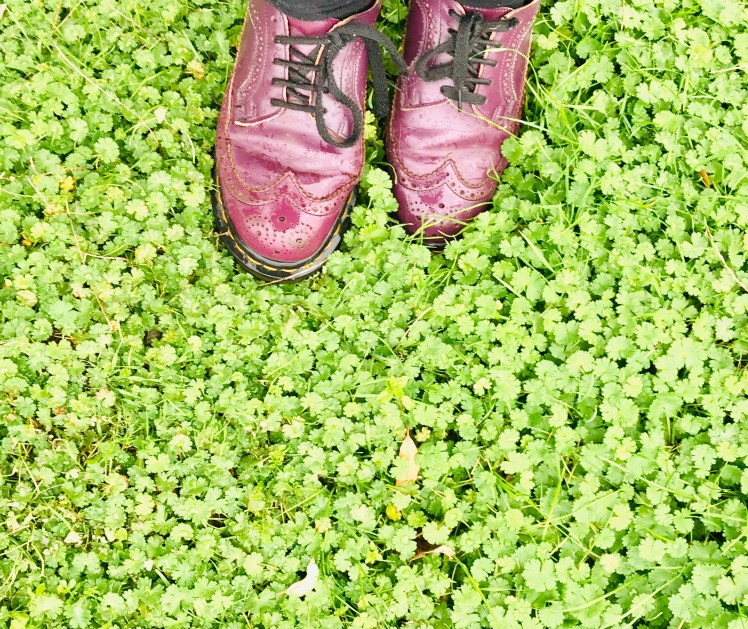
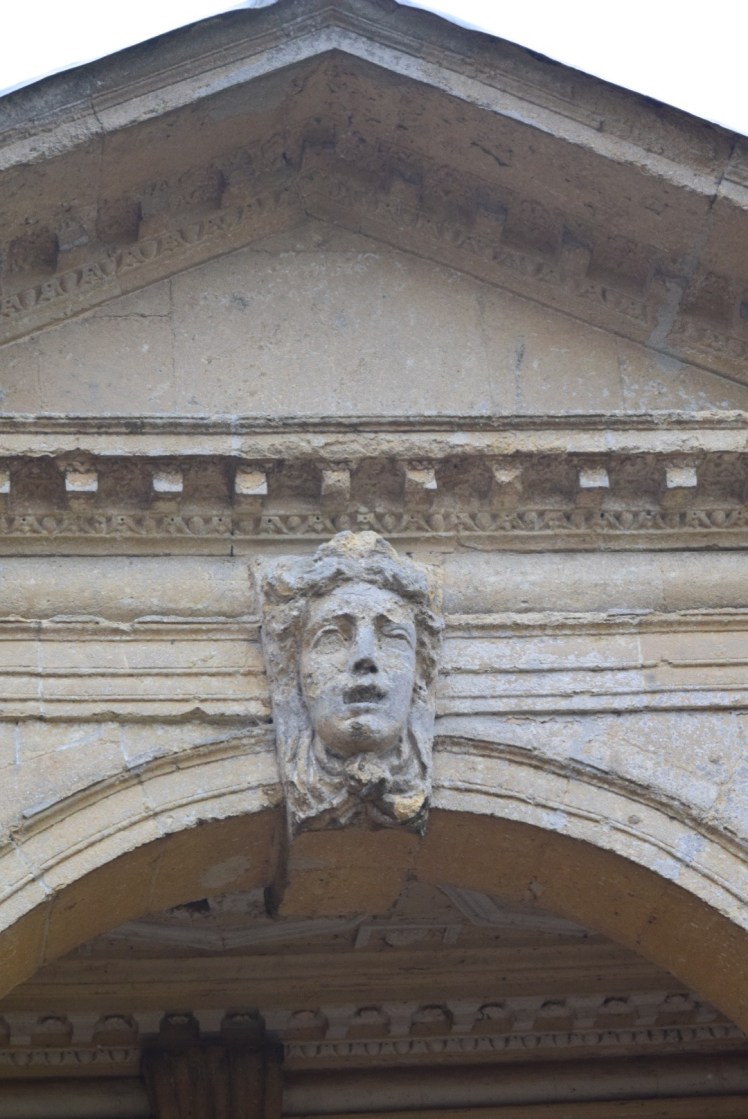
As you walk around these garden at Stowe the buildings tickle the imagination and it’s interesting to think of the poets,writers and walkers strolling around in their long skirts bonnets and tail coats and wonder how the park looked then and what they did. I’m stomping across the grass in doc martins and jeans looking at leaves , what would they have thought !!

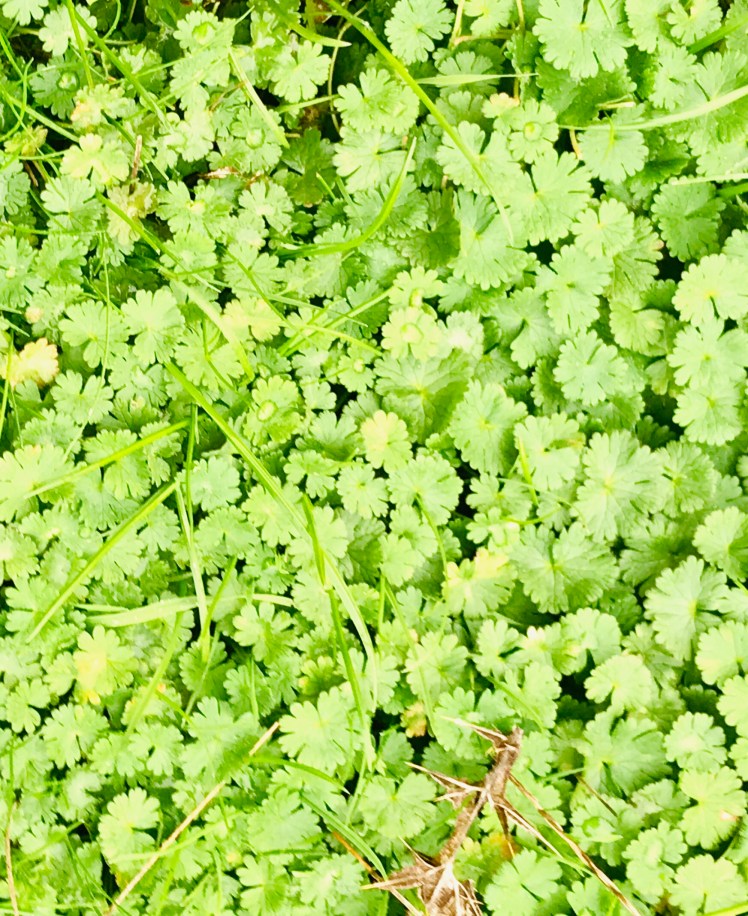
In the slopes leading up to the Gothic temple the grass gave way to whole carpets of soft geranium type leaves. Really soft to walk on , going back in the spring/ summer to see it flower.

Stowe gardens have so much to see,we only walked though a portion of it,lots to see on a revisit.

Cacti Safari

The garden centre provided a fantastic display of cacti and succulents.No need for a trip to a botanic garden glass house to travel across the botanical world . After a coffee and a cheese scone it was full of interesting finds.

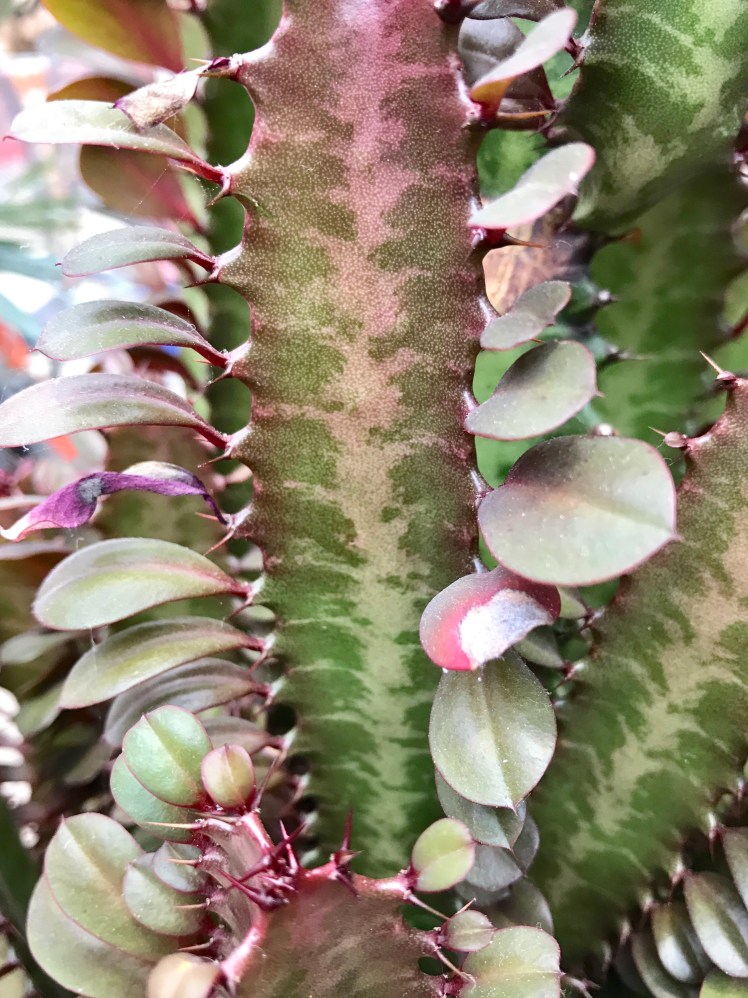
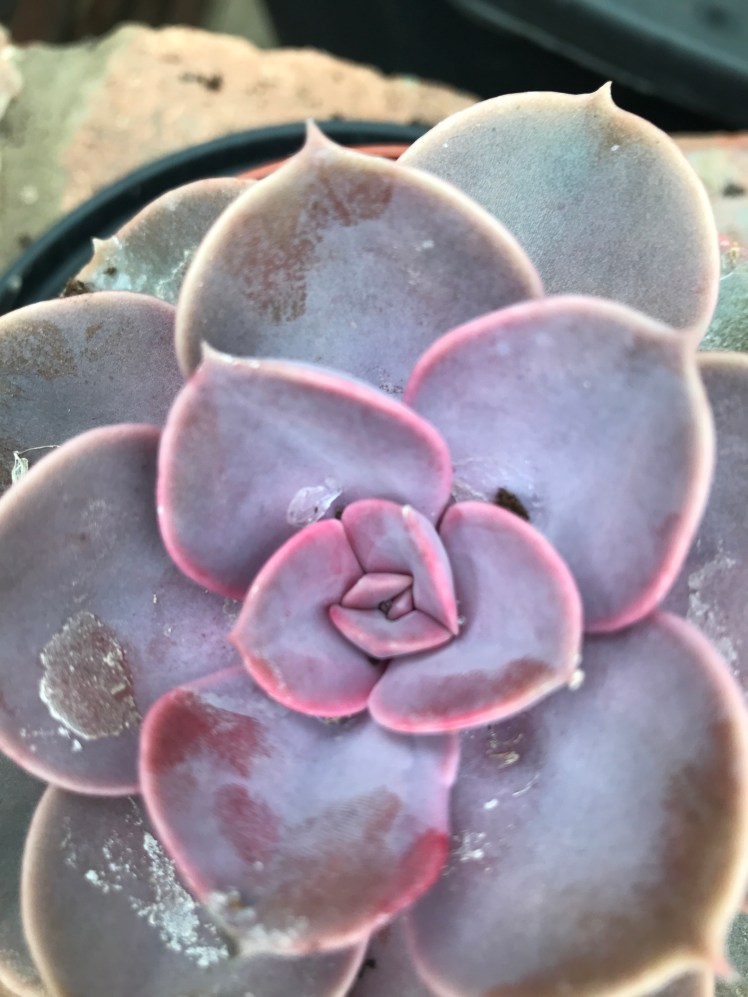
I love this unusual plant, a succulent with leaf like structures at the end of each spine.

This is a Red African Milk Tree (Euphobia trigonia red) unbelievably these are related to poinsettias.

The small area in the garden centre was crammed with some really stunning plants .

These tiny pots are great for a collection.
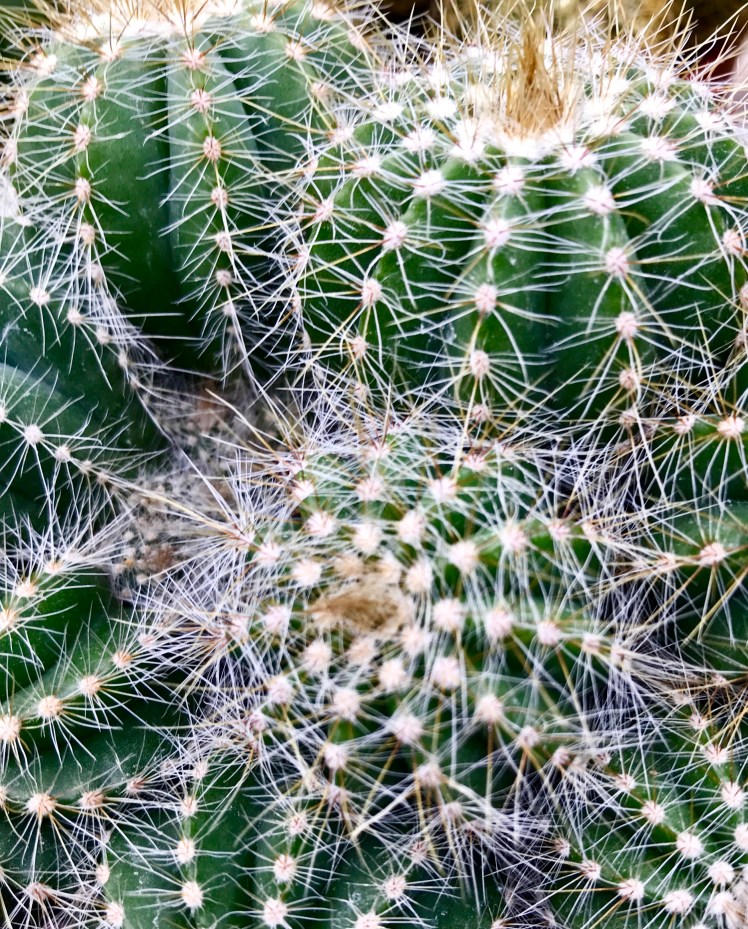
Old Man of the Mountain ( Oreocereus trollii)

The Golden barrel cactus (Echinocactus grusonii)

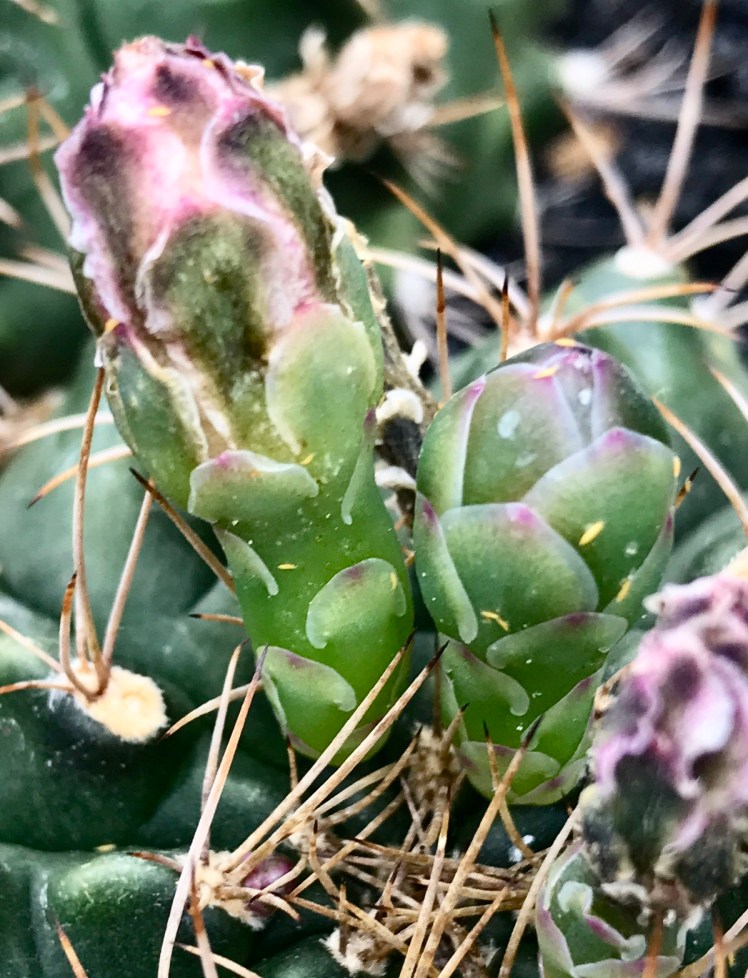
Cactus are really simple to look after in the house they really just need a warm bright spot , water every two to three weeks, so not too much to remember. They are generally slow growing not needing much fertiliser. I have been surprised by an amazing show of flowers on cacti I had overlooked for ages and by normal measures should be dead !

Here are a few more beauties from the garden centre trip.

Another group of plants the succulents including the living stones, lithops were also well represented.

The living stones above come from Southern Africa their shape prevents them from being eaten. The name Lithops comes from the Greek Lithos meaning stone and ops meaning face.

If none of these amazing plants are tempting to try growing at home there is always the ceramic option .. also available at the garden centre and no watering needed at all !!

Singapore Sling -Canon balls

Nature table explorers Pat and Steve have shared some incredible photos from Singapore, the plants and animals are fantastic.

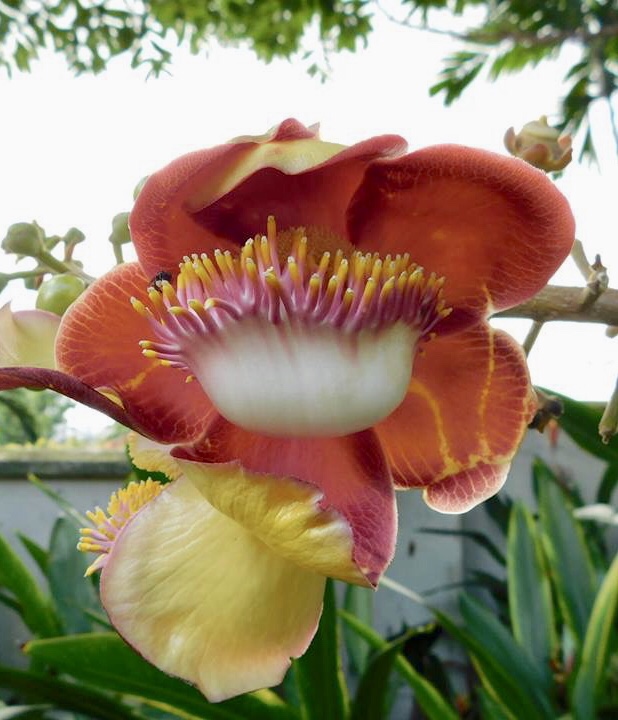
This tree,the canon ball tree (Couroupita guianensis) is another really interesting find.

They are native to Central and South America but are grown throughout tropical areas. In India they have spiritual significance and are often grown at shrines. In the Amazon they have many medicinal uses.

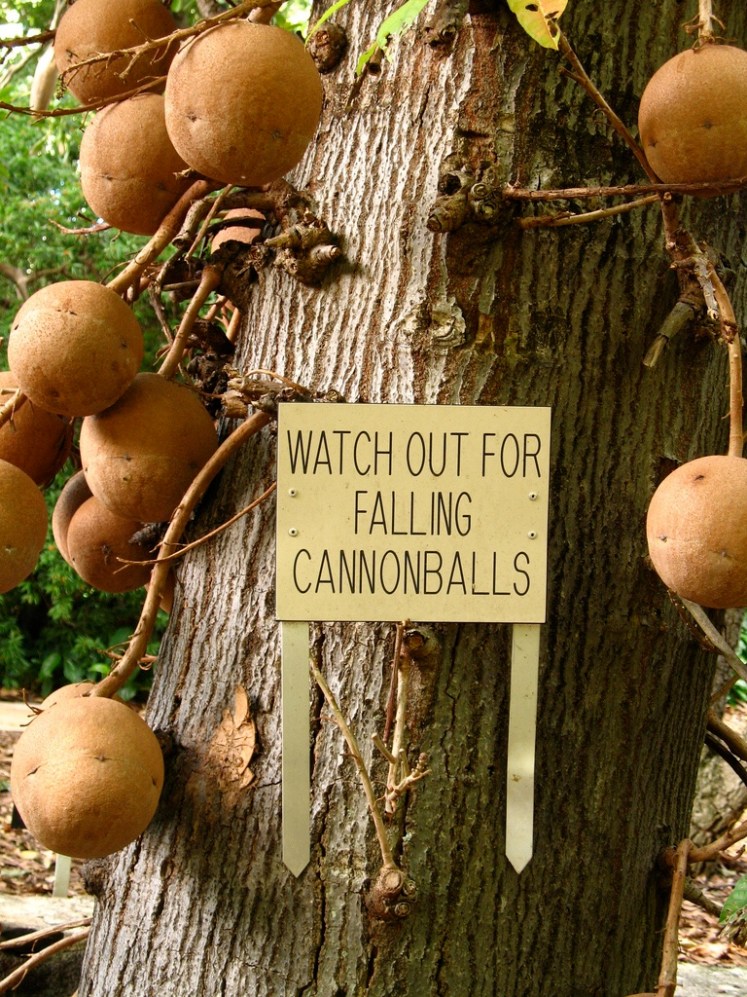
The tree gets its common name the canon ball tree from the hard spherical fruits that hang from racemes that grow directly out of the trunk. These can be 80 cm long and are loaded with beautiful scented flowers prior to the fruit. At any one time a single tree can have 1000 flowers.

The other reason the tree is called canon ball is that when these fruits fall the make a load crack or explosion . Inside the fruit is soft and pulpy and has an unpleasant smell. Within the pulp are seeds covered in irritant hairs. The pulp is eaten by animals, the seeds passing through the digestive system dispersing the trees.

The flowers are pollinated by bees, mainly carpenter bees. The flower produces no nectar but is highly scented. Interestingly it produces two types of pollen , one fertile and one sterile. The structure of the flower means that the bee has to brush past the fertile pollen to reach the sterile pollen that it has as a food source. The pollen laden bee travels to another flower repeating this process and pollination has occurred, amazing evolution.
Because of the canon balls falling from the trees they are not planted where people are walking , I found this picture which suggests otherwise.

A really big thanks to Pat and Steve for sharing the fantastic wildlife and flora of Singapore.

Misty morning stroll

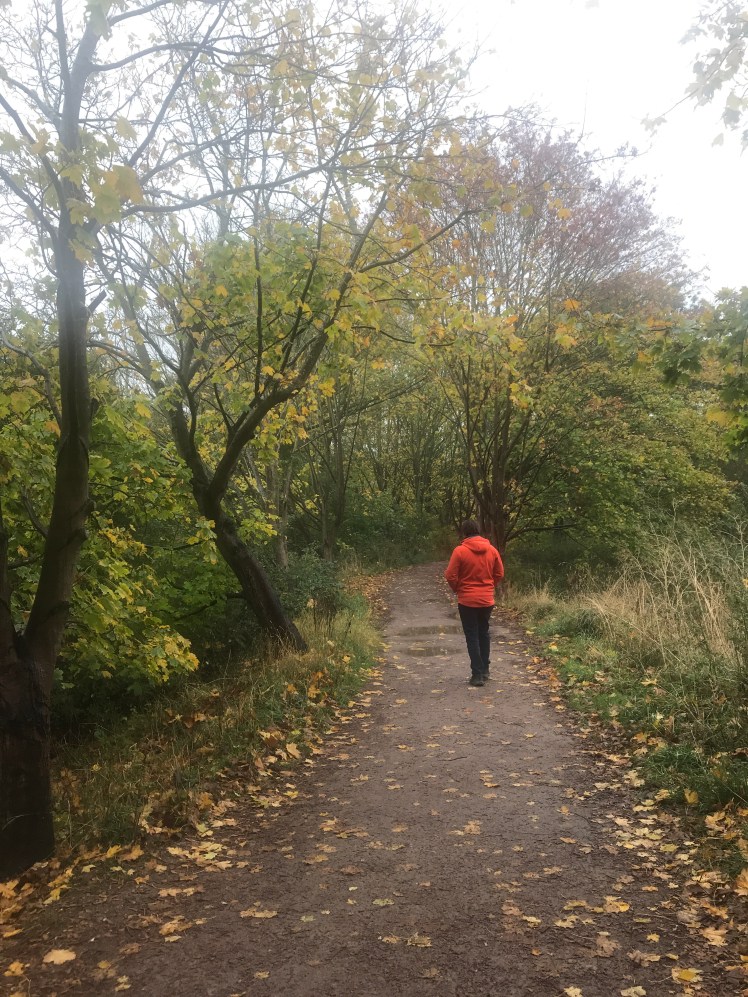
This morning is grey, damp and misty it’s a perfect November day .

The leaves are hanging on but so many have fallen the bare bones of the trees are appearing.

This stroll in the damp was full of birds; a heron taking off from the bank, diving cormorants and plenty of swans and ducks.

Flitting between the trees were coal tits, great tits and robins,they seemed unconcerned by the damp.

Nature table explorer Tim decided to wear a non camouflaged jacket to flush out the birds in front of us !!

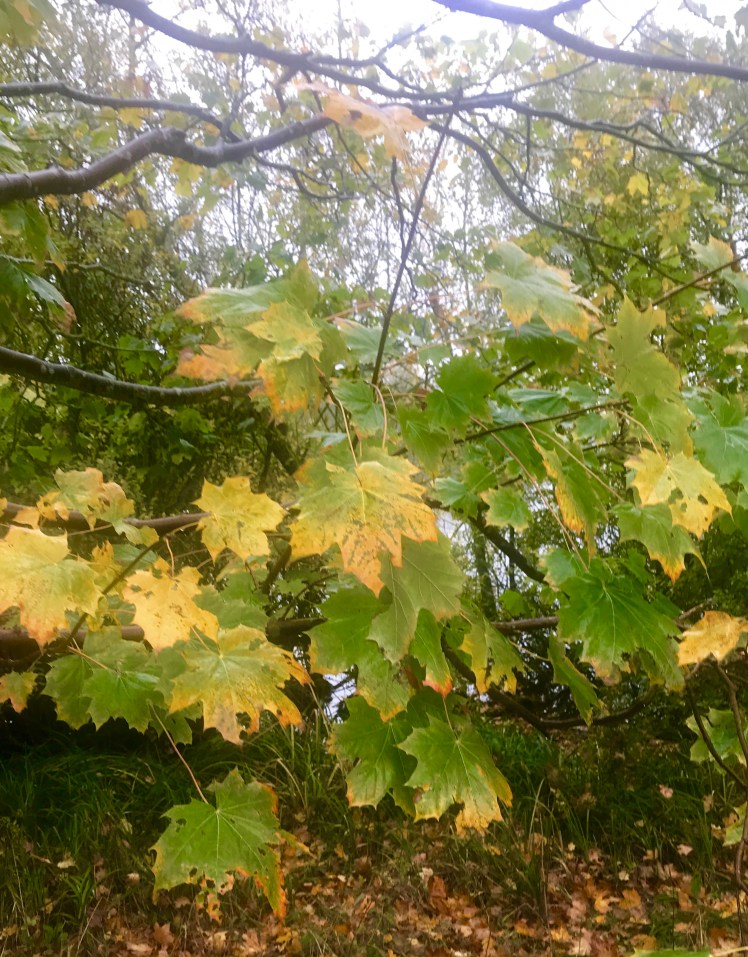
Some leaves are still gradually changing colour and holding on, looking great along the paths brightening up a decidedly dull day !

Fabulous Frampton

Today I ventured into the panoramic fens, the sky wrapped around as the car cut through the flat patchwork of cabbages, broccoli and sprouts.

I love the feeling of space that this landscape, shaped by man since the Romans brings.

The fens cover one million acres , they have been modified and drained over hundreds of years and are criss crossed with rivers and man made channels. They provide crops of all sorts , vegetables,salads even flowers . Today I followed a tractor full of cabbages, passed crates stacked high with pumpkins and loved the fields of curly broccoli.

This flat watery land butts up to the Wash, the longest estuary system in the UK , 20 KM wide and 30 KM long. The habitats this provides attracts 300,000 visiting birds in the winter, waders and wildfowl.

I visited the RSPB reserve at Frampton Marsh about 3 miles from Boston.

This is definitely a place to come back to when I have more time to explore. It is in a fantastic position , one path led straight to a long ridge that looked across the wash and the salt marshes. I hope to come back really soon to follow this track.

The reserve is a series of large open water areas and ditches and reed beds that attract many birds. There is also a wet meadow area with more summer interest.

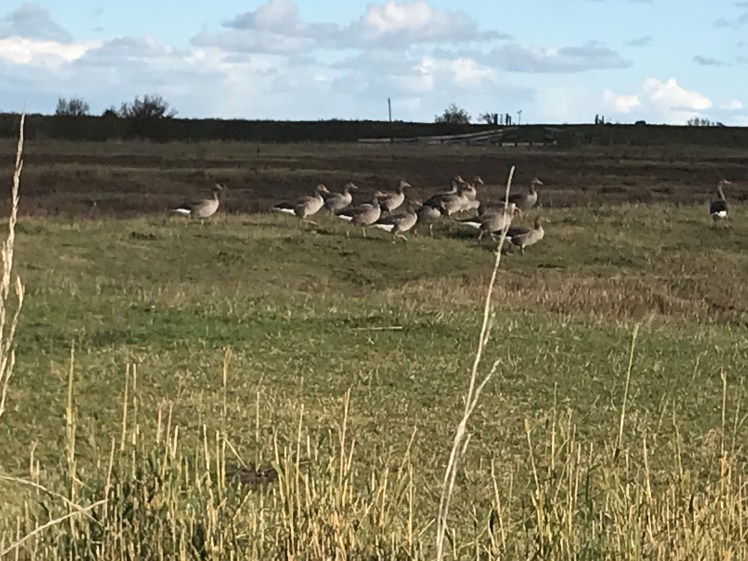
There were large numbers of birds , widgeon and Brent geese in high numbers. I was hoping to take some photos from the hides( there are three or four along the loop) unfortunately my camera was completely out of charge so had to rely on the phone.

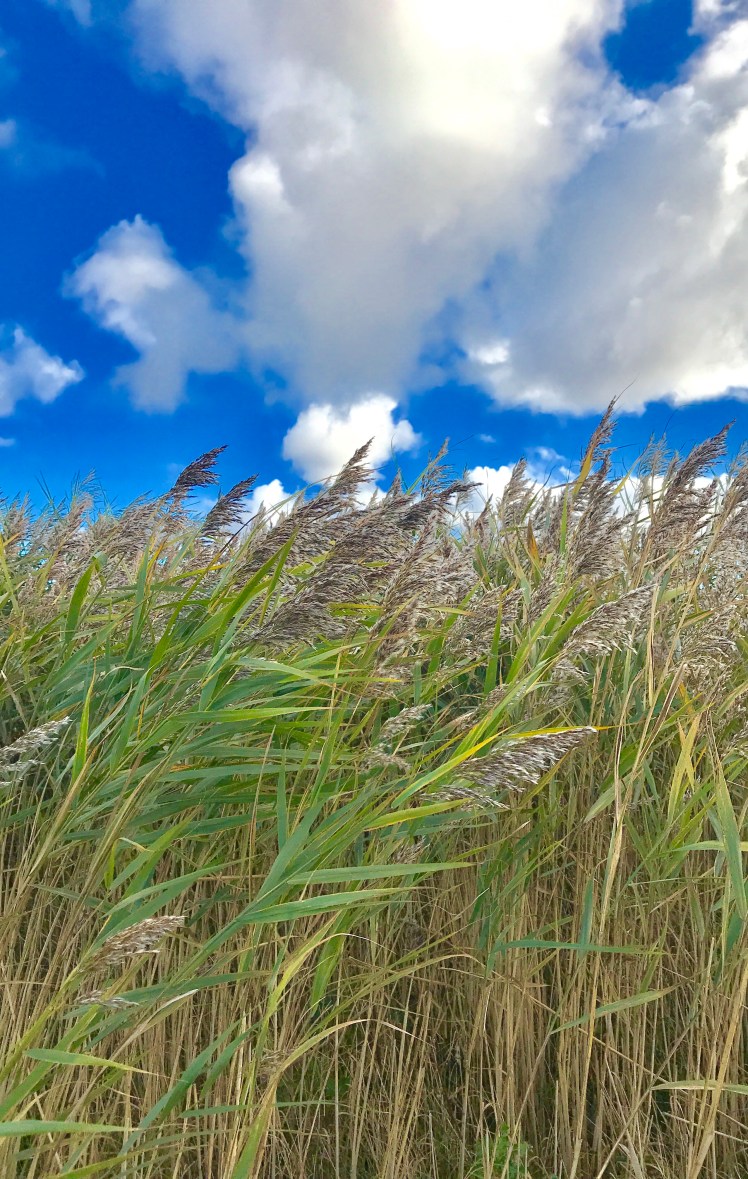
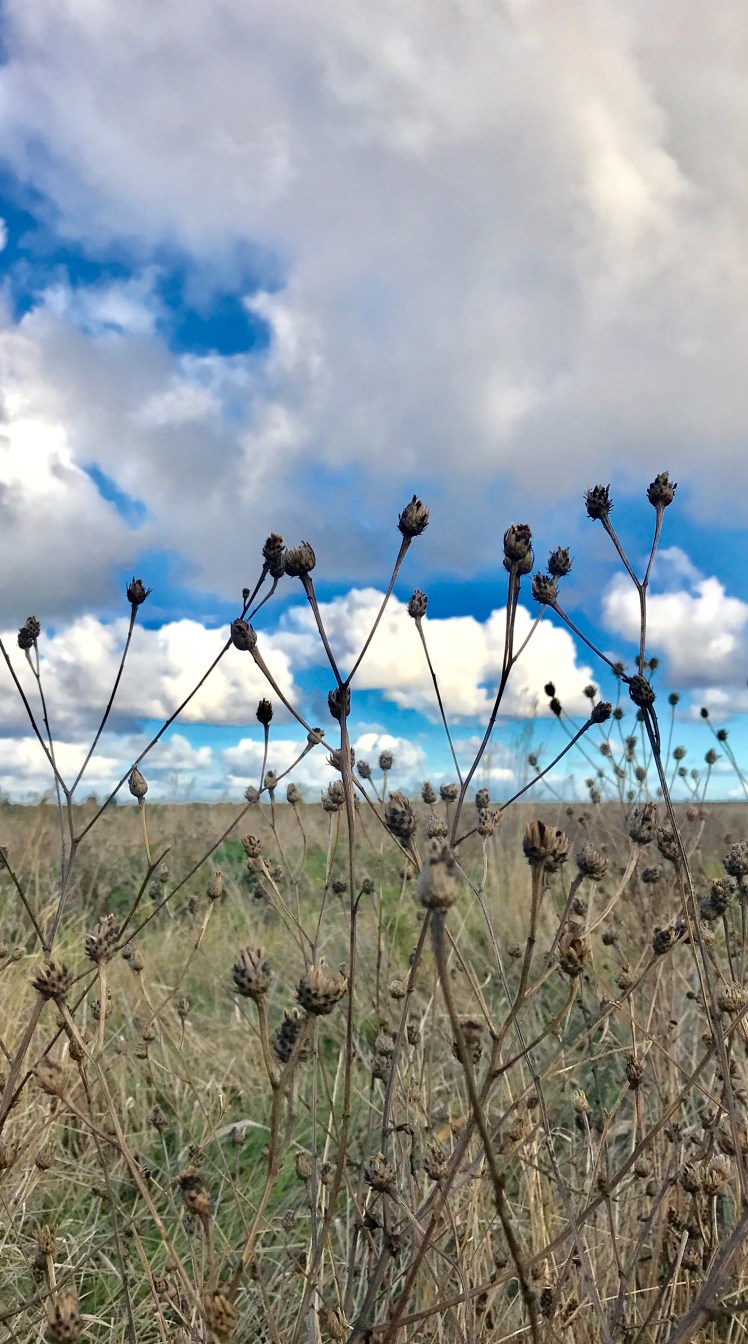
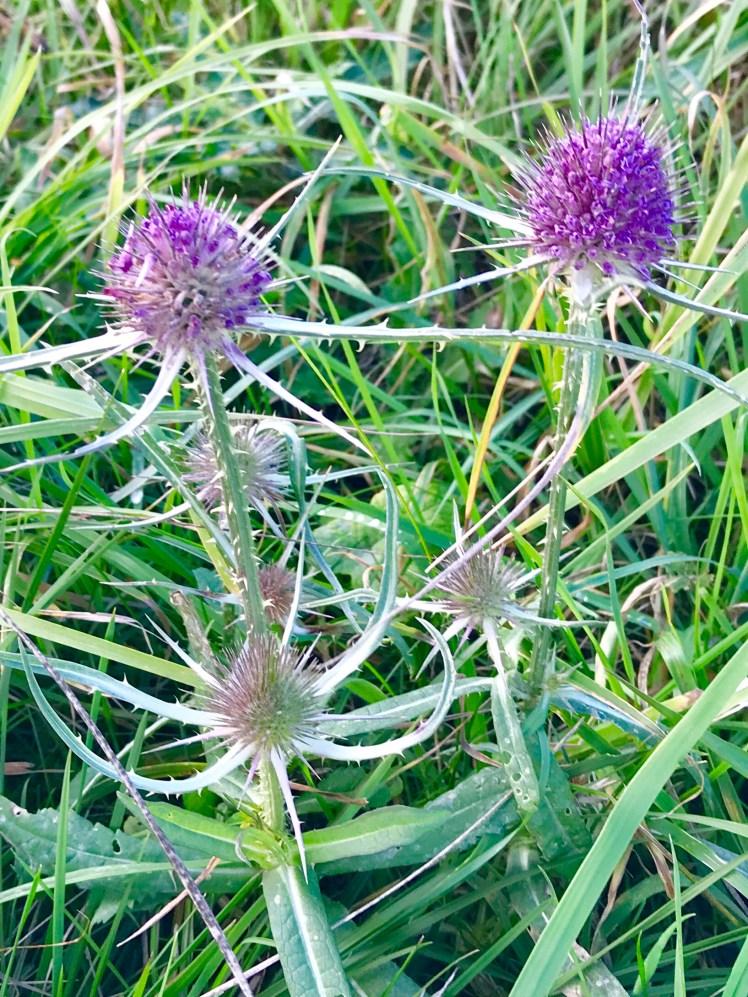
The clouds and reeds were very beautiful and there were a surprisingly large number of flowers still blooming and even a sun bathing dragonfly.

The sun was bright today but the chill wind was brisk and the clouds dramatically changed across the pools.

Flowers in late October

Two short videos the first of waddling and then swimming geese, the second to show the sounds of the birds in the wild space.

I am really looking forward to visiting again in he next couple of weeks with my camera fully charged ! A lovely wild walk .