Nature Table number Four Amazing Aust

As you drive from Chepstow over the Severn Bridge you will see very distinctive red cliffs with a white band at the top. These are the Aust cliffs.

This is the best site in Britain to collect Triassic fossils such as bones and teeth of reptiles along with other finds. These Triassic fossils are found in the top bed the ‘bone bed’ to find the fossils you need to search the beach.

An evening expedition with nature table explorers yesterday was full of great finds and even a bone fragment in the bone bed! Very exciting.
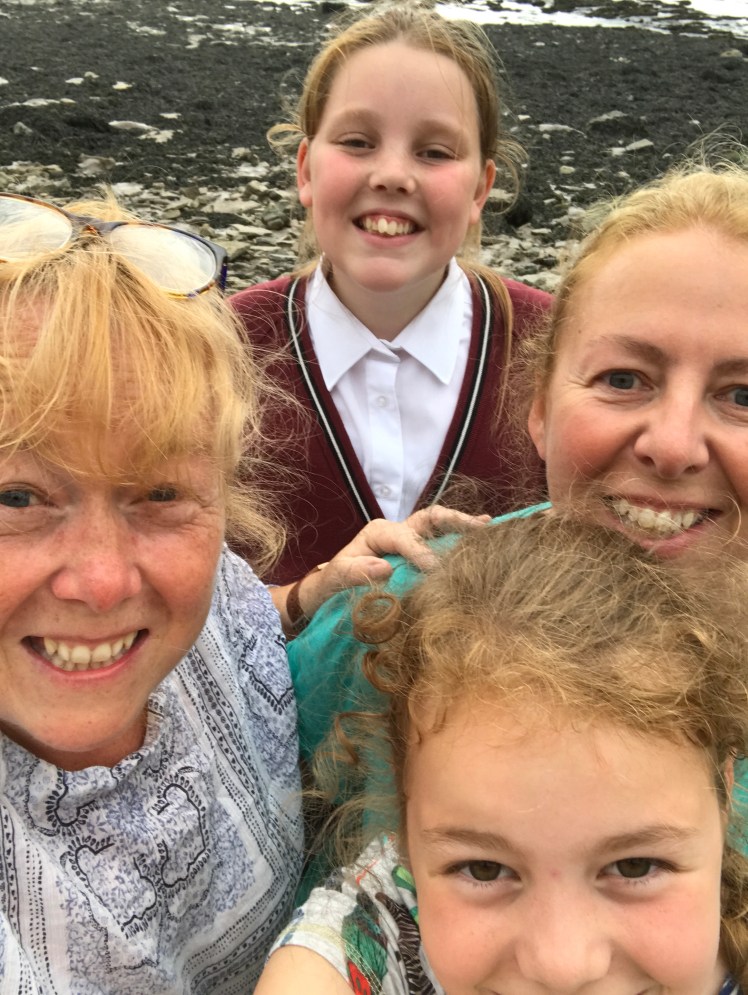
The team of explorers after some great finds.
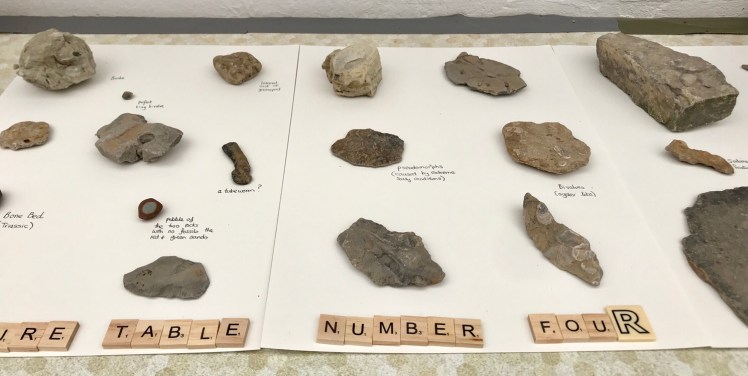
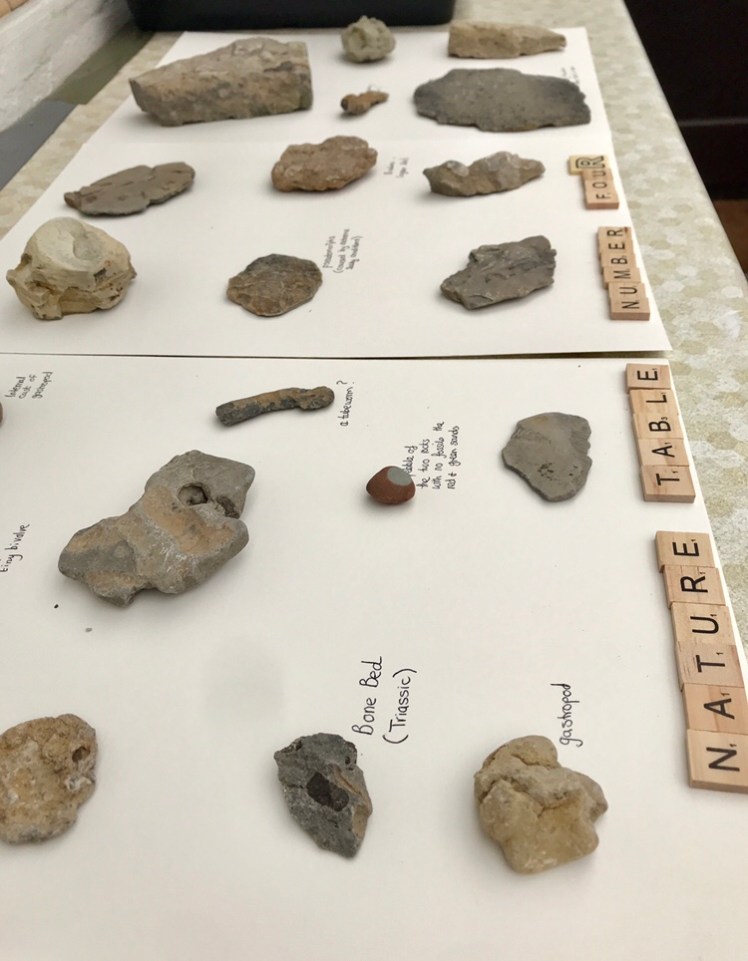
The nature table in a new site while staying at the Forest of Dean . Lots of interesting finds.
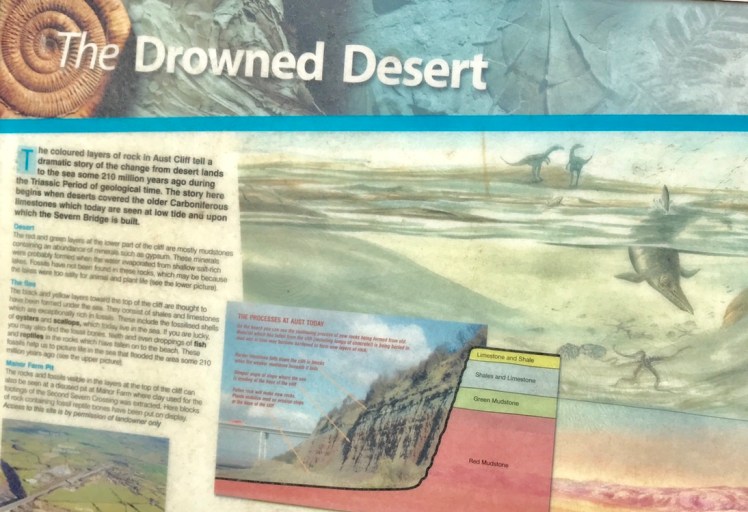
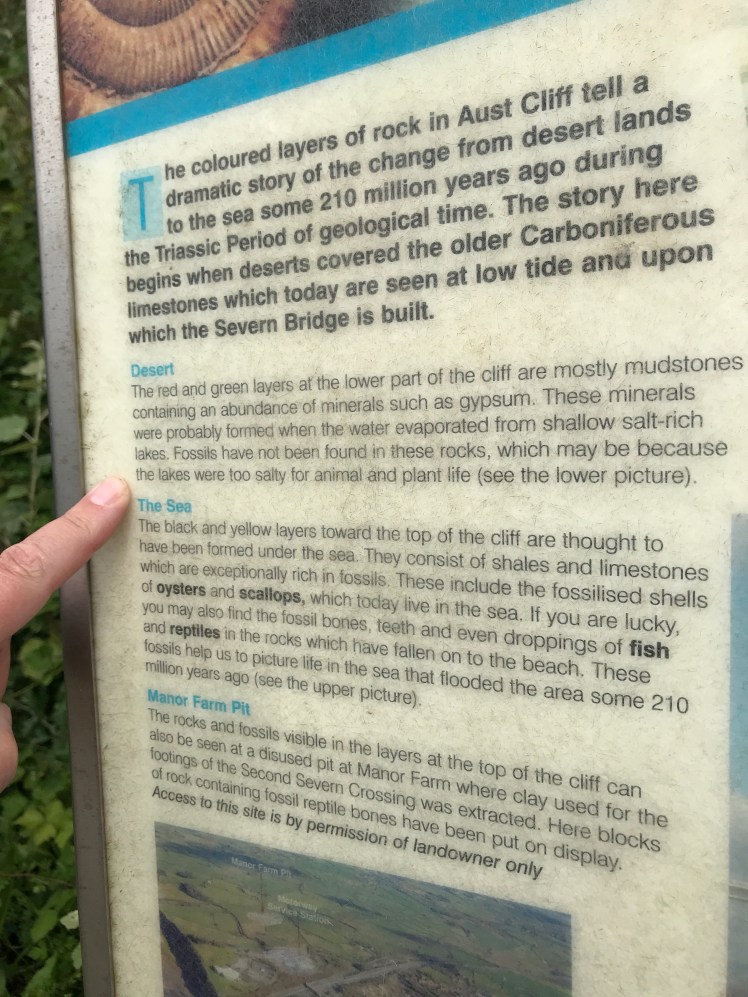
The distinctive cliffs no fossils are found in the red and green layers.

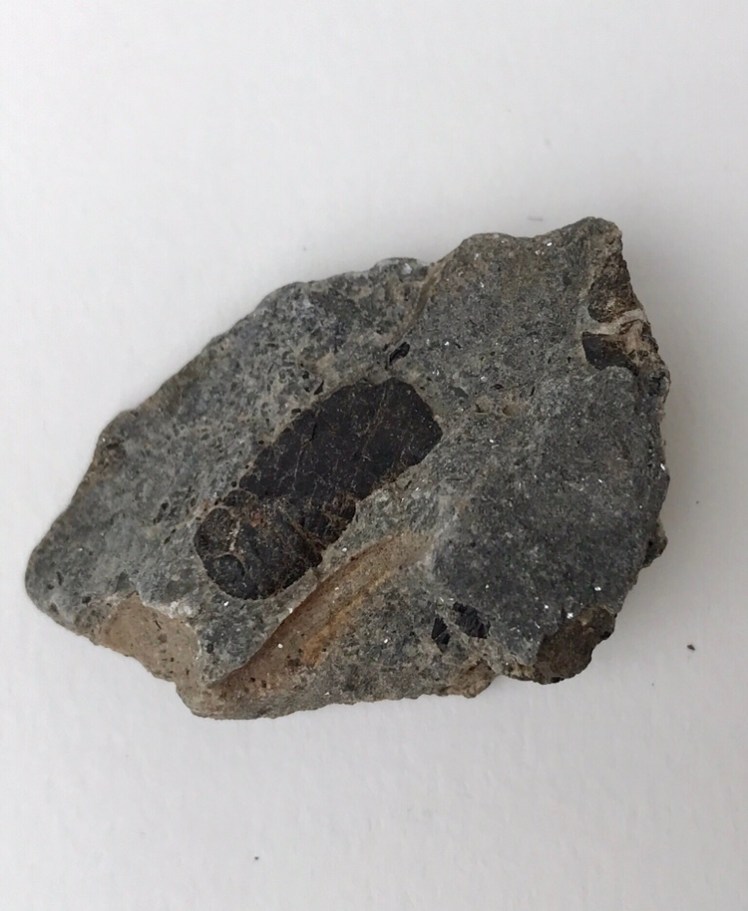
The bone bed with a bone fragment Triassic .
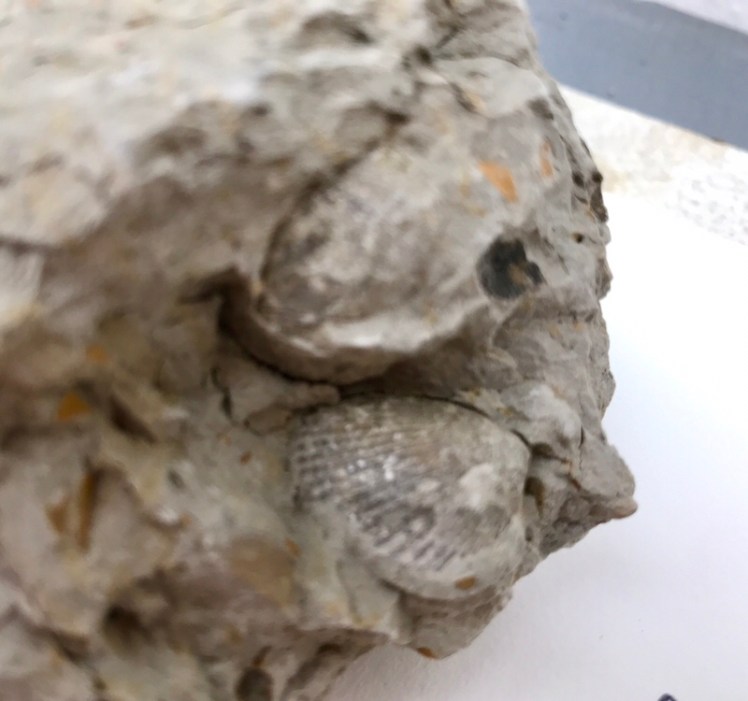
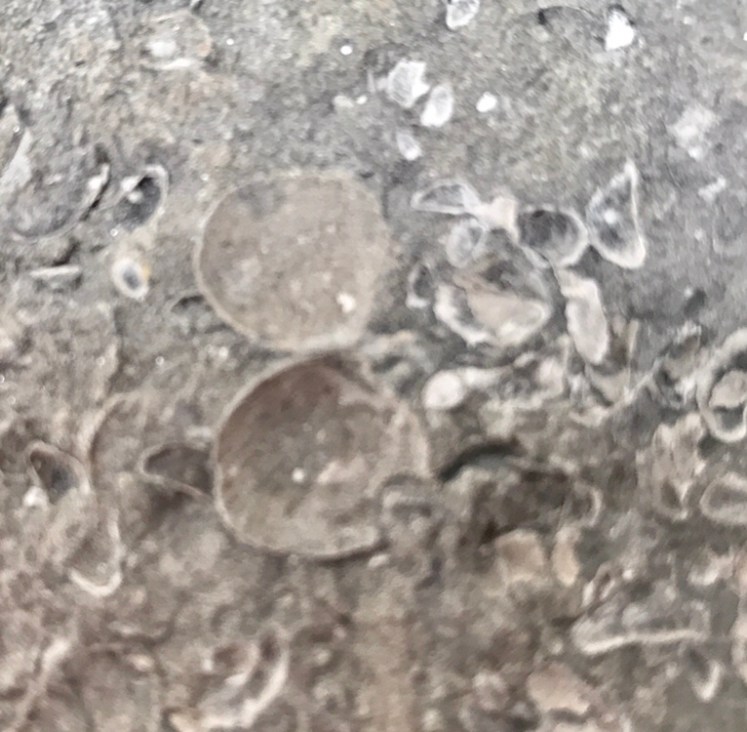
The bivalves in the first picture are still attached in their pairs in a layer of tiny shells.

Above is a perfect cockle like bivalve.
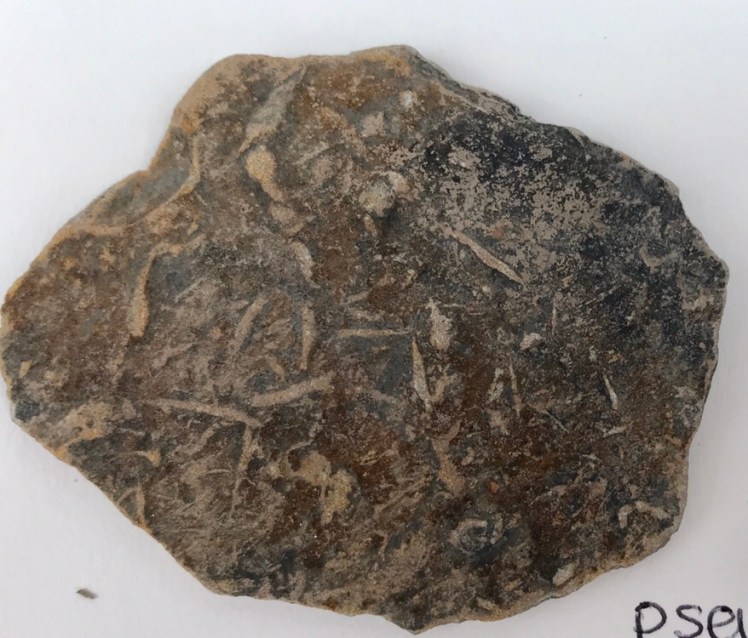
These strange structures and shapes are pseudomorphs caused by evaporating salt in hot conditions as lakes dried up .

The spectacular bridge lots of cars but surprisingly quiet on the beach more of a clunk as the cars and surface met.

A trip to Aust is fantastic ,great fossils , amazing views look left, the old Severn bridge look right, the New crossing, ahead of you is Wales to your back is England. Definitely worth an explore and many return visits .
Red Rocks in Ross

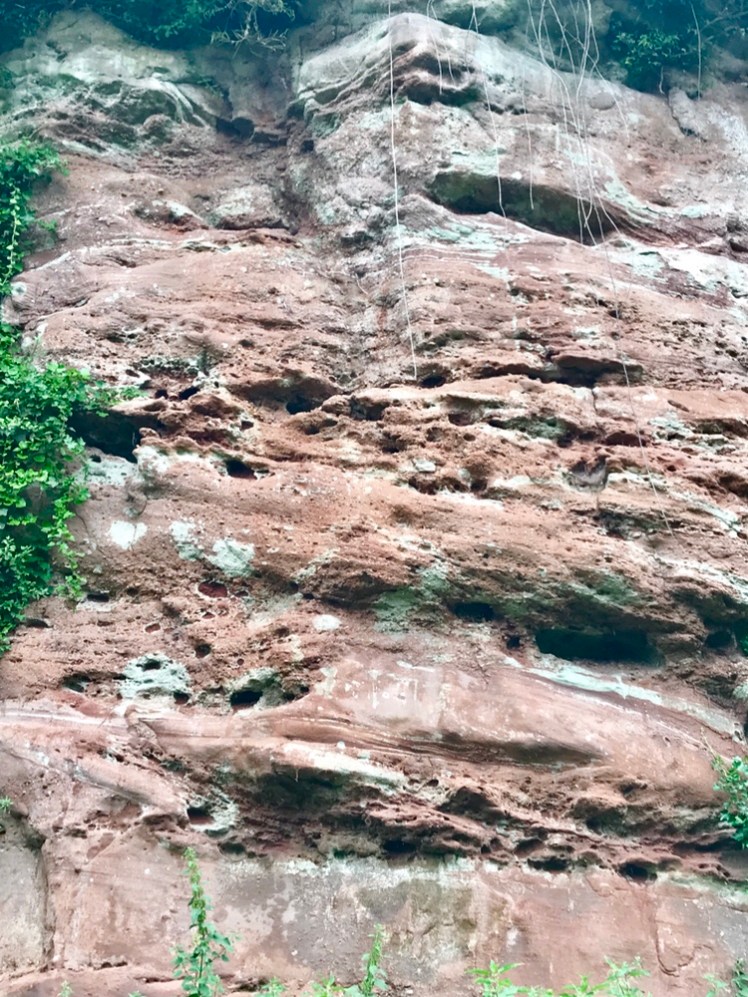
Along the road on the way to the river Wye in Riss on Wye are some brilliant red rock exposures.

This is Devonian old red sandstone , these sediments were laid down 400 million years ago.

There is a really informative board which explains the formation of the rocks and also says that there is a geology trail around Riss available at the tourist information office. I’m off there to see if I can find some more wonderful geology while down here.

Fir cones and foxgloves

In the Forest if Dean in an area called Wigpool.

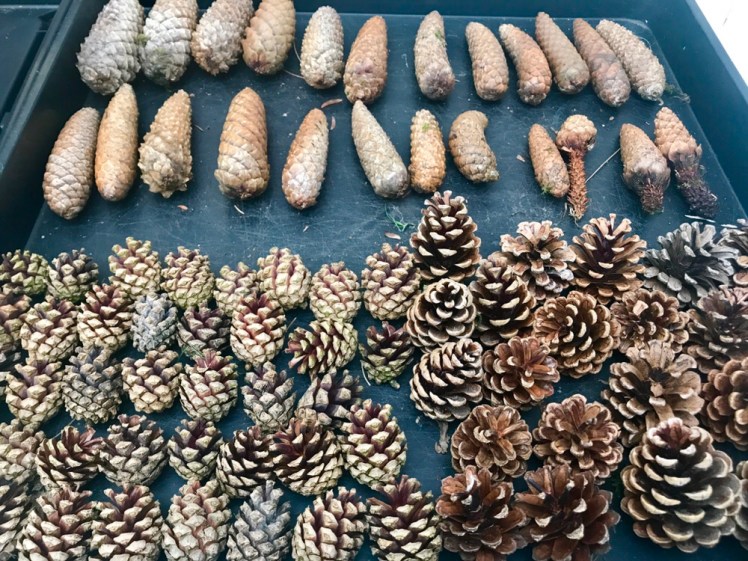
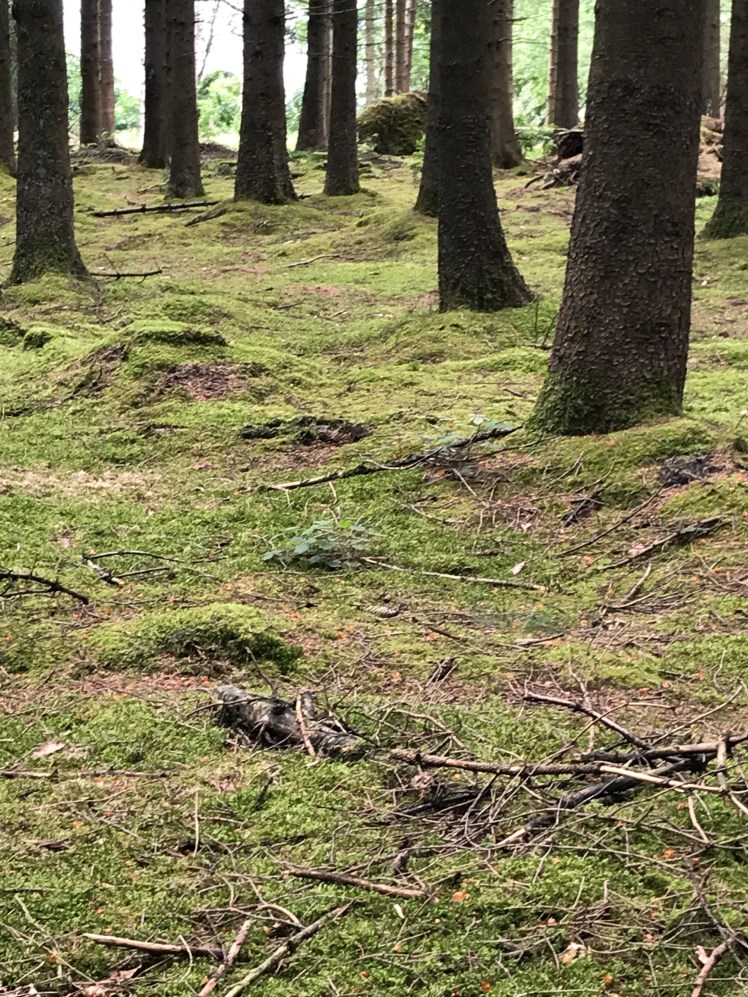
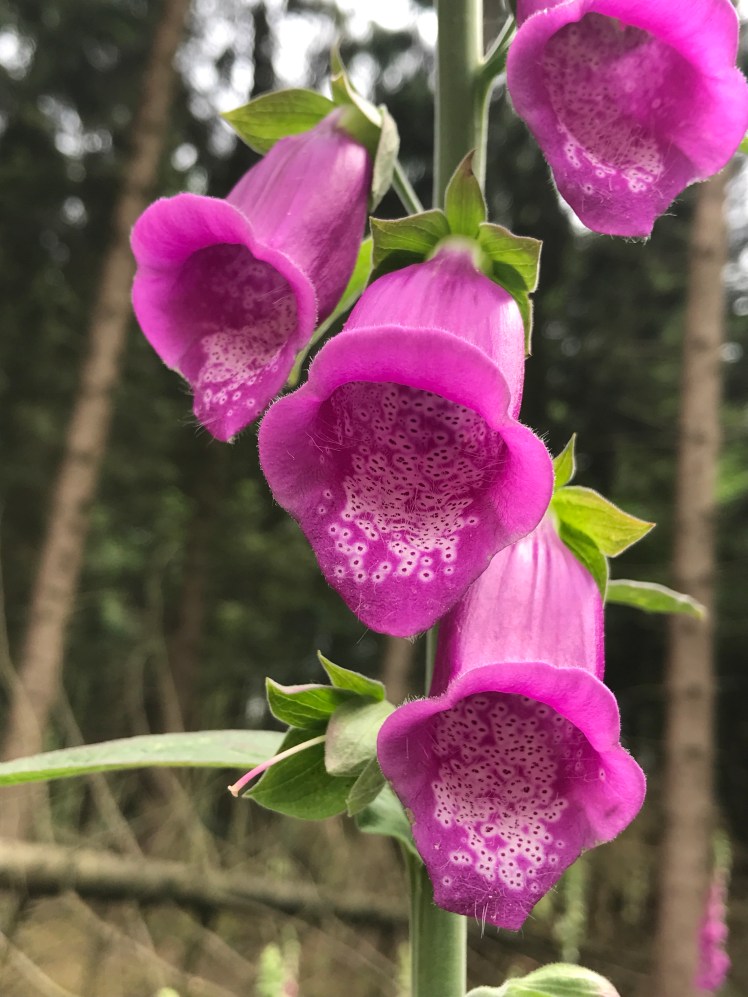
The fir cones were great littering the ground like confetti . Walking through mixed woods . The coniferous areas were carpeted in the softest moss rather like a posh carpet at the end of this corridor in the clearings were fantastic foxgloves.

Interestingly there are only three native conifers to Britain , Scots pine, yew and juniper the rest are either grown in plantations or as specimen trees in parks and gardens.

The long cones above are Norway Spruce some having been nibbled by squirrels.

The other two cones are a mixture of Scots pine and lodge pole pine.

Moss carpet through the woods was very springy. It was surprisingly dry.

The Victorian language of flowers lists foxgloves as meaning insincerity and moss as maternal love. This book of meanings makes very interesting reading !

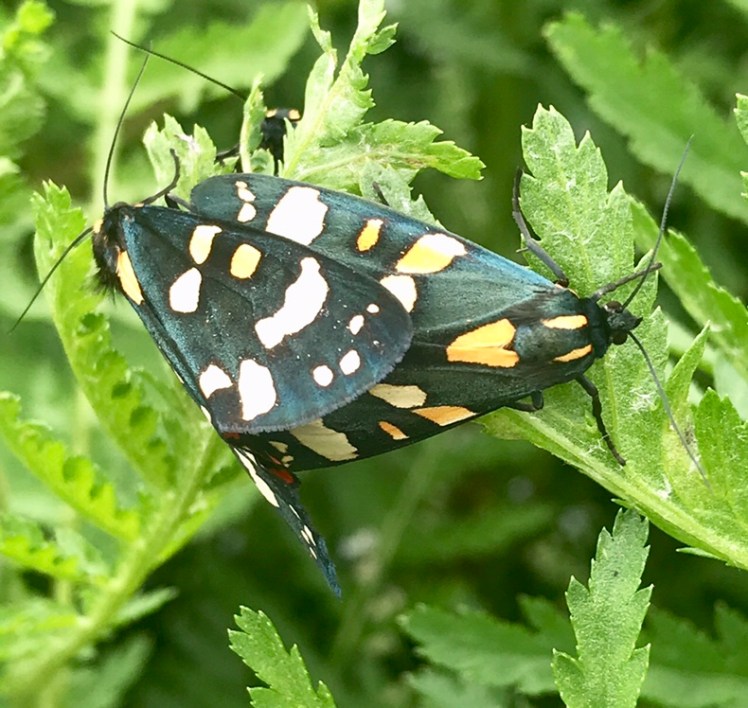
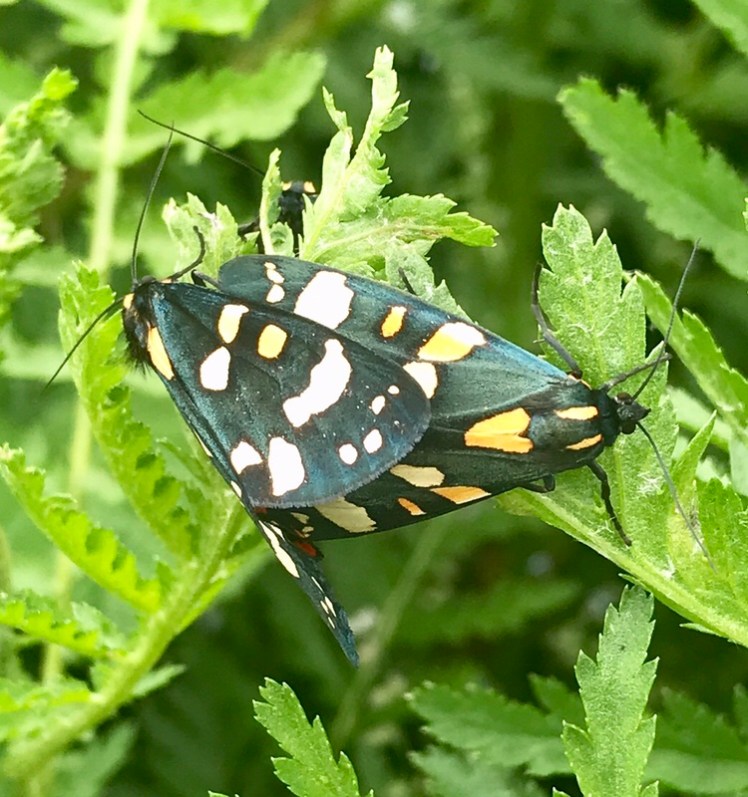
Scarlet Tiger Moth

Down in the Forest if Dean at the moment , noticed these really striking moths mating.

Looked them up, here are some interesting facts .

-classified by Linnaeus in 1758

– mouthparts to feed on nectar

-day flyers

-single generation flying in May and June

– Latin name Callimorpha Dominica

– lay eggs on nettles or comfrey

-eggs hatch in 7 days and caterpillars are hairy easily found on the underside of nettles.

Found in the south west and Wales so I’m in the right place !!

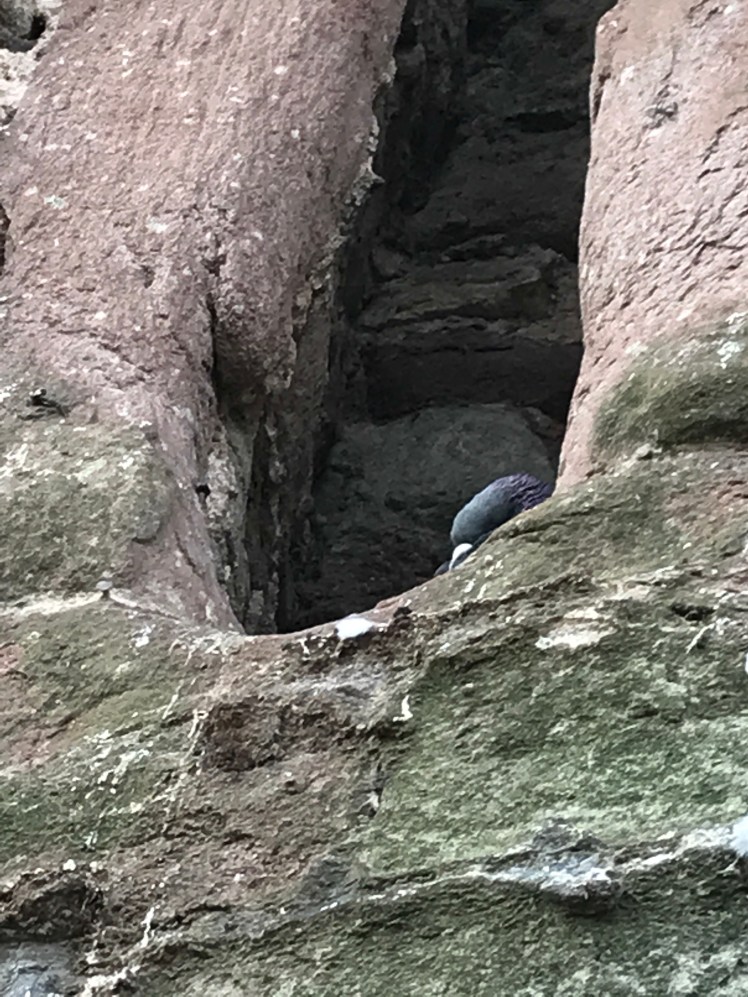
Pigeons on the ledges

Along the river at Ross on Wye there are some lovely red sandstone rock faces . These are Devonian Old Red Sandstone and have weathered with plenty of ledges and nooks and crannies ( a technical geological term !) All along this stretch of rocks wee very handsome pigeons which were nesting and socialising in an almost soap opera story.

This was a nest , there were several along the rocks this pigeon was fast asleep.

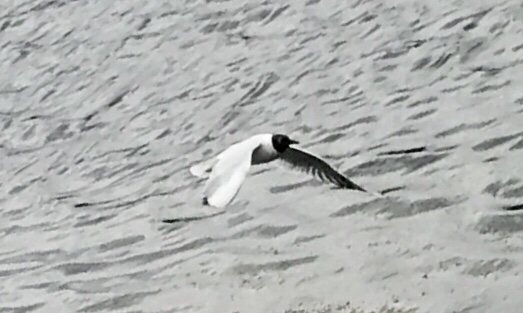
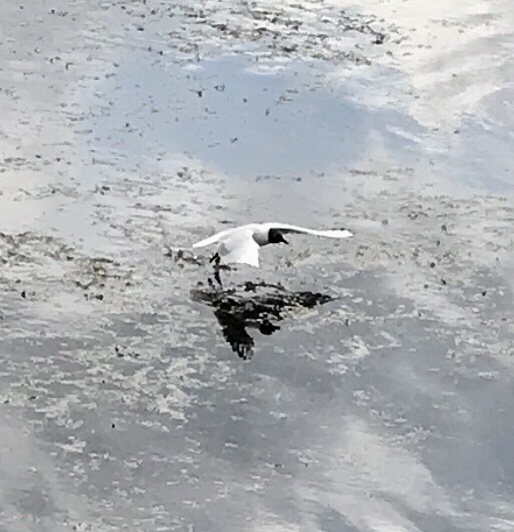
Terns and swallows skim the lake.

It’s a warm but rather dull day, Damselflies are sluggish but not the birds.

The lakes at Rushden are formed from old gravel workings the lake with the board walk had international water skiing championships in the past. Today it is a new shopping and leisure area with wildlife and nature trails , it is encouraging people to find out more about the wildlife around them.

On the lake is a raft area which has been especially put there for breeding common terns , there is a colony of them here.

At the lake today the terns were swooping and giving acrobatic displays while feeding, not to be outdone swallows were diving down and skimming the surface . All of this just metres away from wagamamas on the boardwalk .

Marvellous Marram

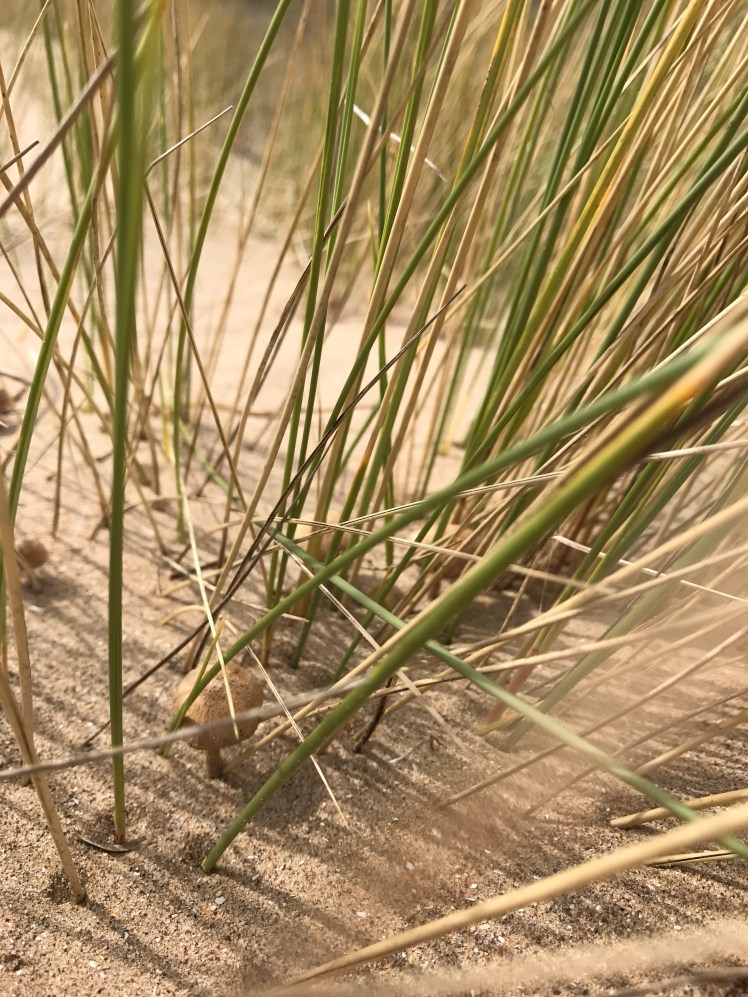
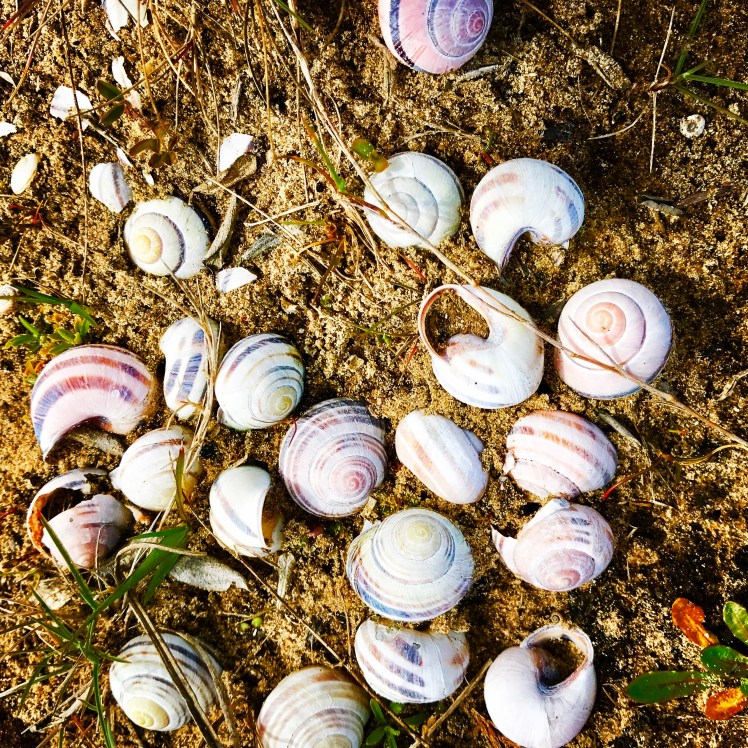
The sand dunes at Aberffraw on Anglesey are the site of many biology field trips looking at colour variation in the shells of the banded snail and the violas growing there. They are also a brilliant example of how the marram grass creates stable habitats. The roots of marram grass are fibrous and dense and form a stable place for other species to live.The tough leaves of marram are rolled so they do not lose water in the windy exposed conditions( classic o level biology stuff)

The dunes are well worth an good exploration at Aberffraw.

Thistle flower feeding

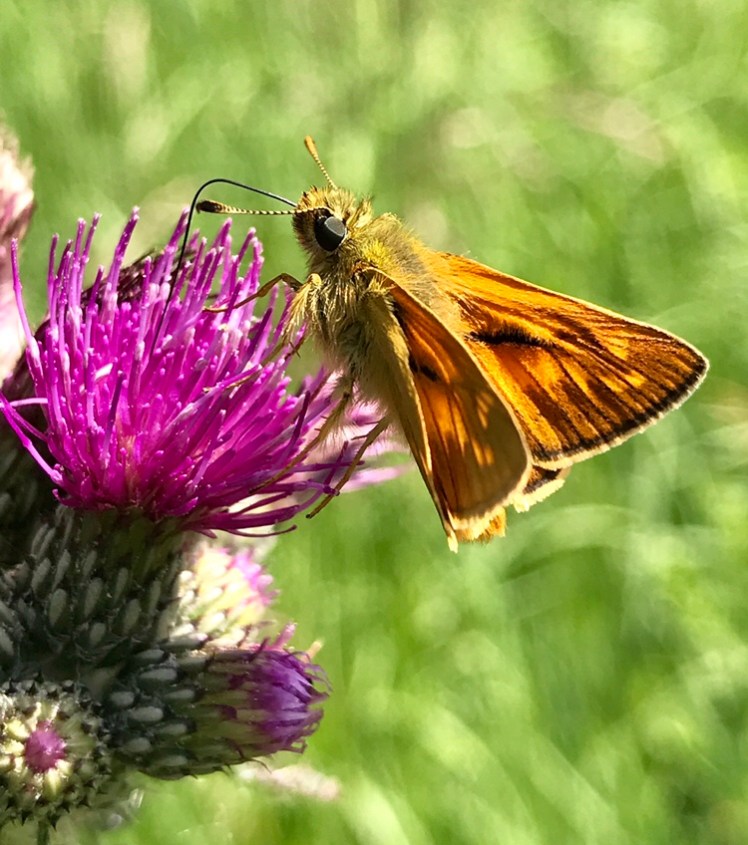
Back at Wicken Fen . The thistles are towering through the long grasses advertising their nectar to passing insects.

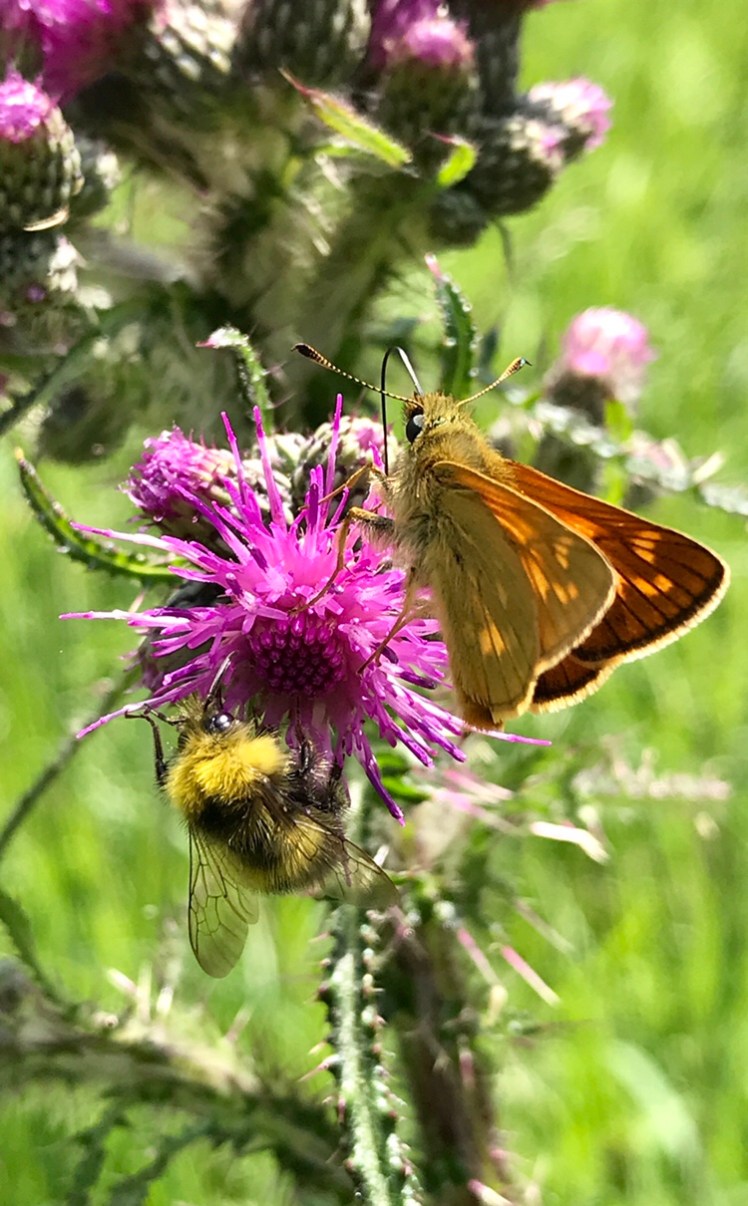
Today there were lots of butterflies at Wicken. This visitor to the thistles was particularly lovely it is a great skipper.

The thistles were often feeding stations to more than one customer . Bees and beetles were also visiting.

Pupa magic

Ladybirds have four stages to their life cycle similar to butterflies.

Egg

Larvae

Pupa

Adult

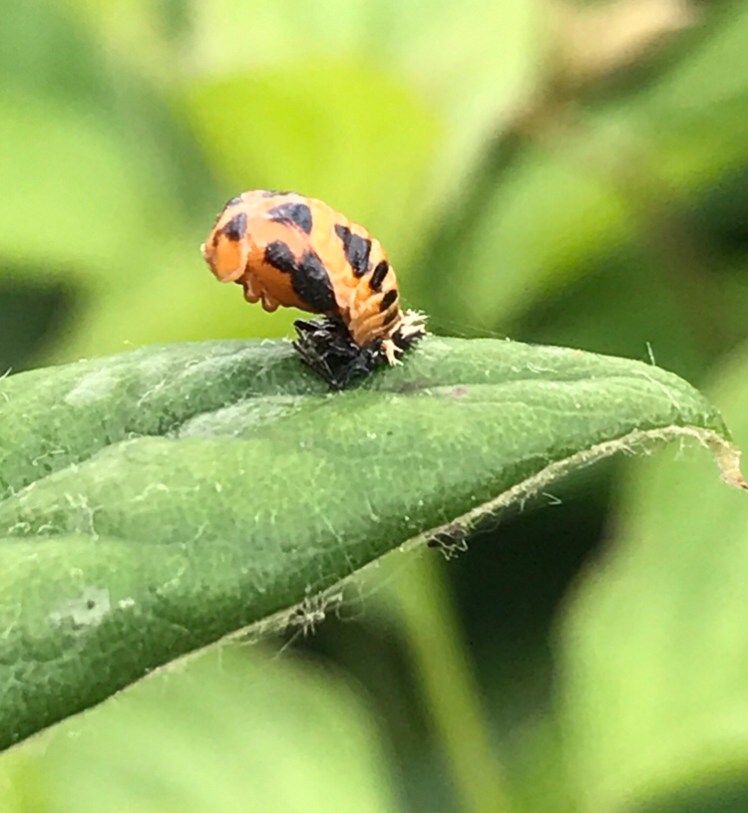
The Larvae often look different as they grow substantially. The pupa can be spotted attached to leaves.

Below is a picture of a pupa , I’m keeping my eyes peeled for larvae as well. The changes in the larvae take about a week sometimes two, it splits as the adult emerges.

Ladybird Invaders

In 2004 a type of ladybird was inadvertently introduced into the UK , probably carried on the wind This was the Harlequin Ladybird (Harmonia aryridis) often called the Asian Ladybird. This ladybird was introduced into North America in the 1980s as a method of pest control for crops.These are bigger than our native ladybirds and ferocious, they out compete our native ladybird species and will also prey on them.

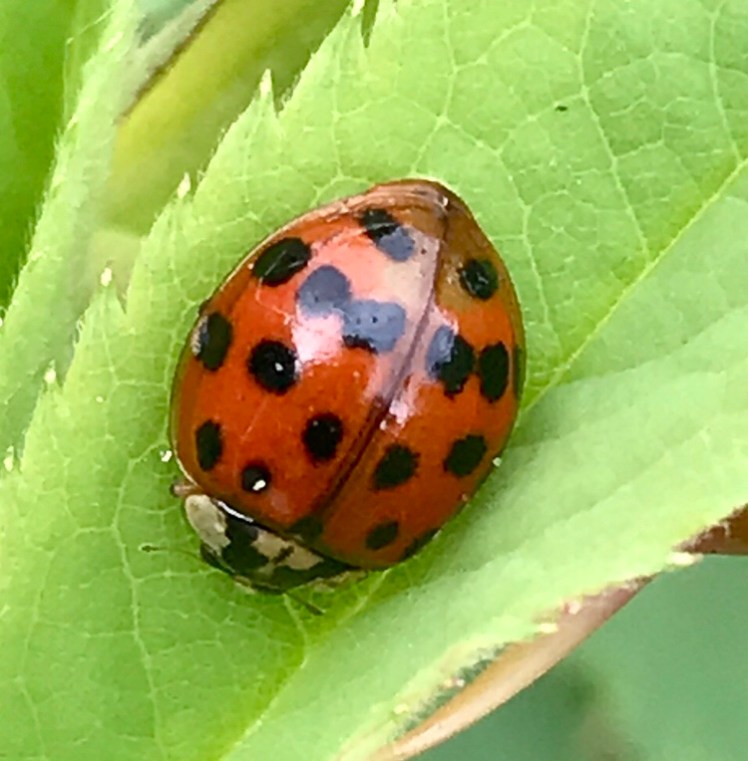
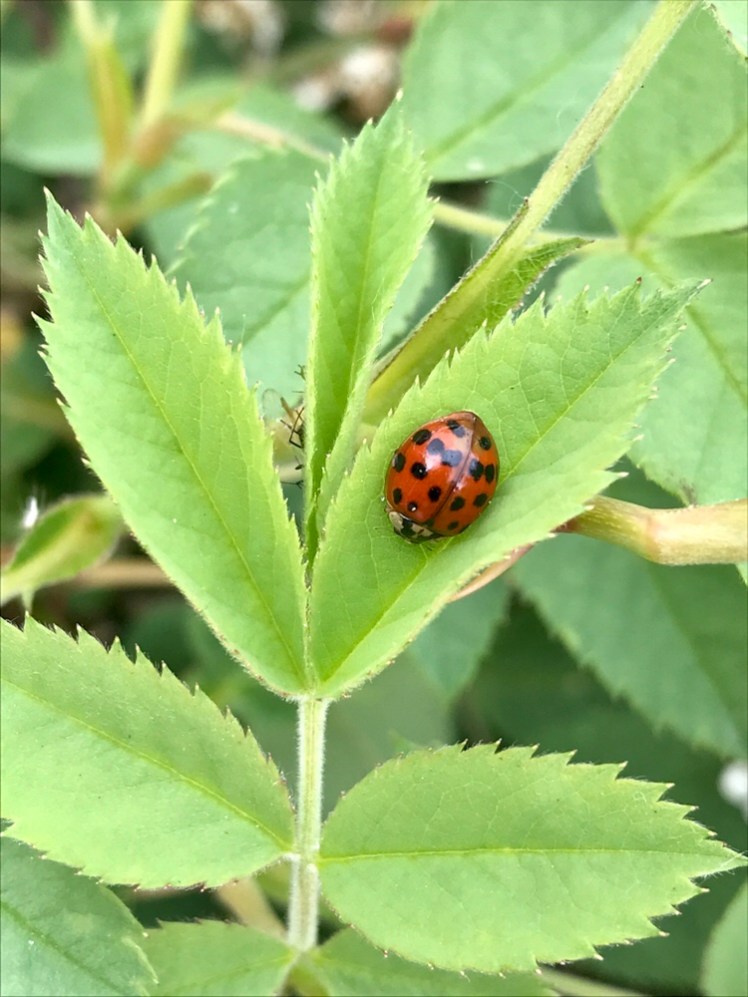
The Harlequin ladybird can have 100 different colour patterns they are larger and more domed than the native species.

This one was in some shrubs near the shops yesterday.

The spread of this ladybird has been incredibly quick,it took the grey squirrel 100 years to spread through the UK, it took these ladybirds only a decade. They are found in all parts of the UK originating from the Essex area. They are not as commonly found in Scotland.

The Harlequin invasion is held responsible for the decline of seven native species of ladybirds and a drop of 44% in the two spot populations.

They are not dangerous to humans but they do hibernate in houses and other buildings and very large numbers have been found sheltering in buildings.

On a positive note they do prey on smaller insects such as aphids that are pests to gardens and crops.There is evidence that native insects have adapted to prey on Harlequins.

Through the spread of this successful insect scientists have studied how they are spread and are developing their knowledge on invaders and the control of them in the environment.