Monarchs in Minnesota

Nature table explorer Tim has been in Minnesota . While in Minneapolis these Monarchs were feeding in a park.
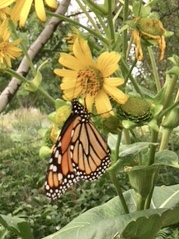
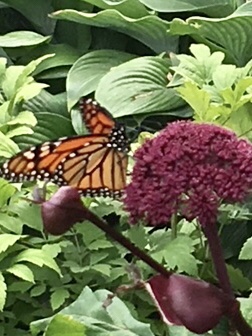
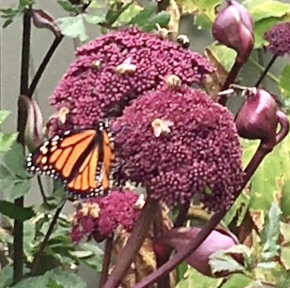
The Monarch butterfly is amazing,as one of the four generations it produces each year flies from Minnesota to Mexico to hibernate for the winter roosting in trees.

In March the Monarch leaves Mexico and flies North. It lays eggs and dies . The next generation completes the cycle again in the North. This is again repeated , this third generation lays eggs and butterflies develop , however this fourth generation is different and migrates South to Mexico and over winters roosting. When March returns they again fly North.

On a previous trip to Minnesota we came across whole flocks of Monarchs by the side of the road. These are fantastic butterflies very large and beautiful.

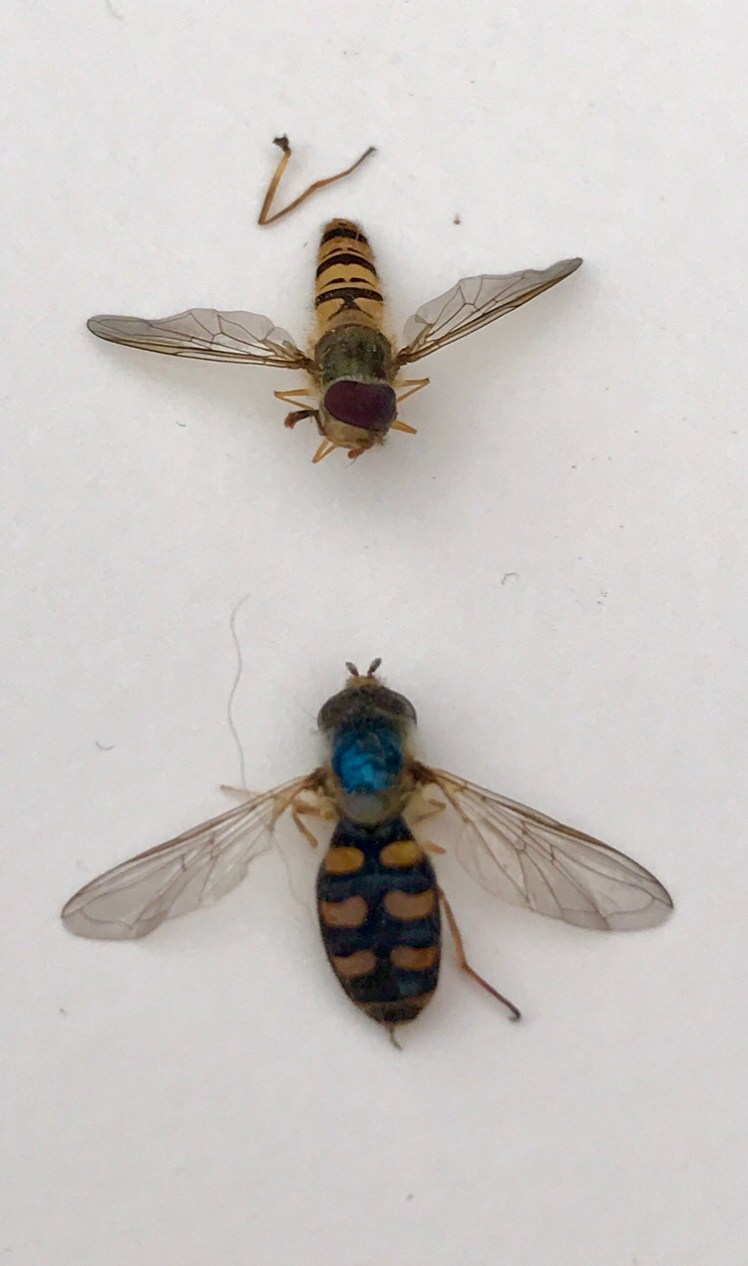
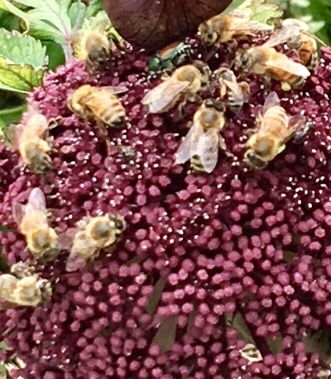
The bees were also out in force in the Minneapolis.
Summer Fruits at the Lake

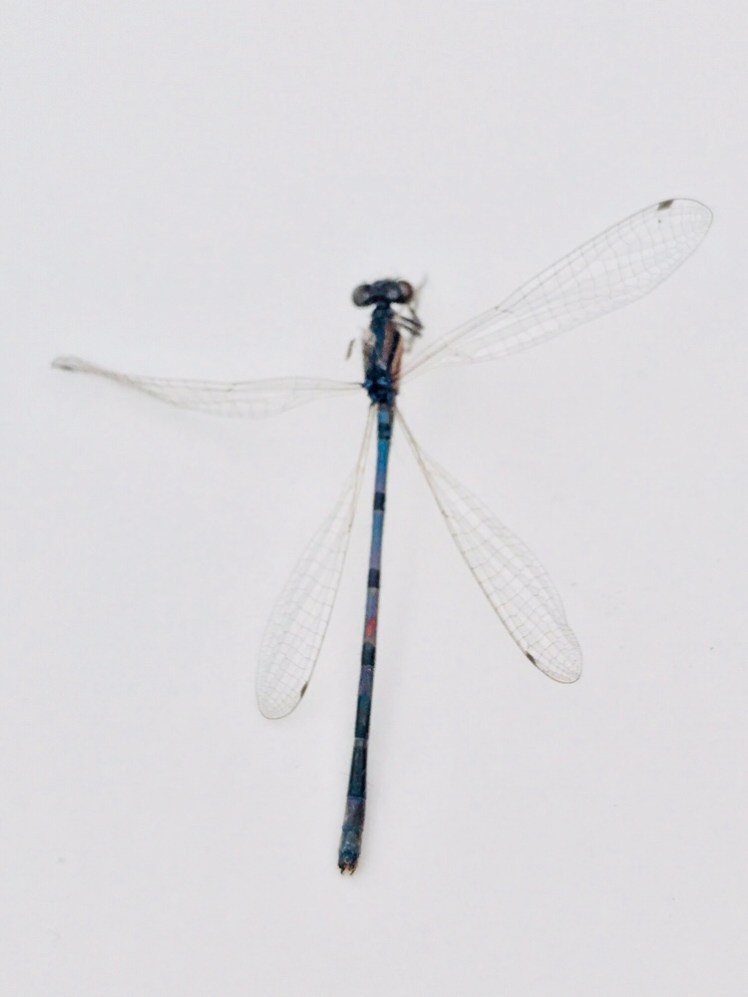
I decided to have a stroll around the lake today expecting the numbers of dragonflies and damsels to have dropped. To my surprise there were a large number of the blue damselflies hovering around as well as the ruddy and common darter dragonflies.

When we walk along a path through the woods or fields we tend to look directly in front of us and downwards. I tried something new this afternoon and looked right up above me and was rewarded with a freeway system of dragonflies really high up at tree level. I am definitely going to stop and look up more.

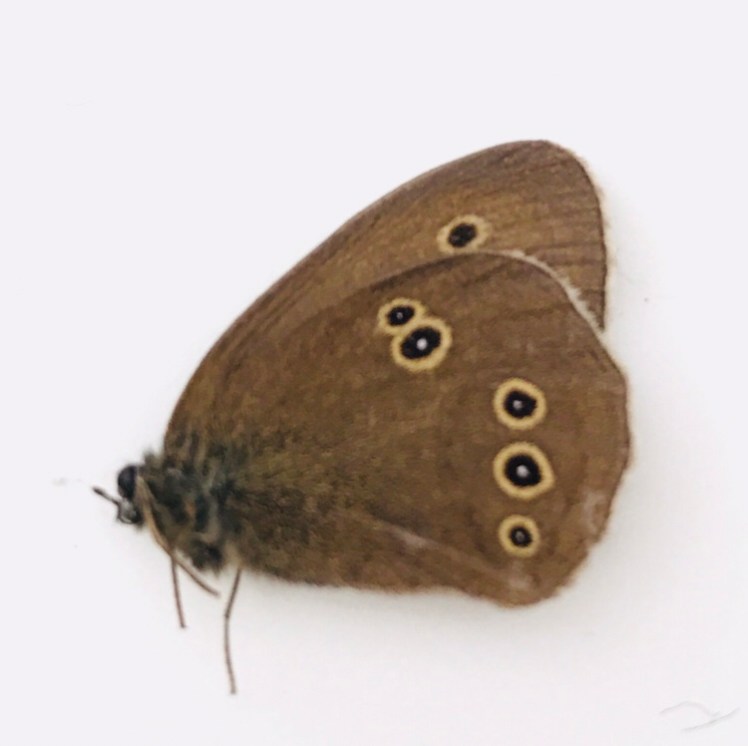
A list of other insects and invertebrates on the stroll round ; there were meadow browns, speckled woods, red admirals , small white butterflies as well as hoverflies, wasps, bees, snails 🐌 and slugs.

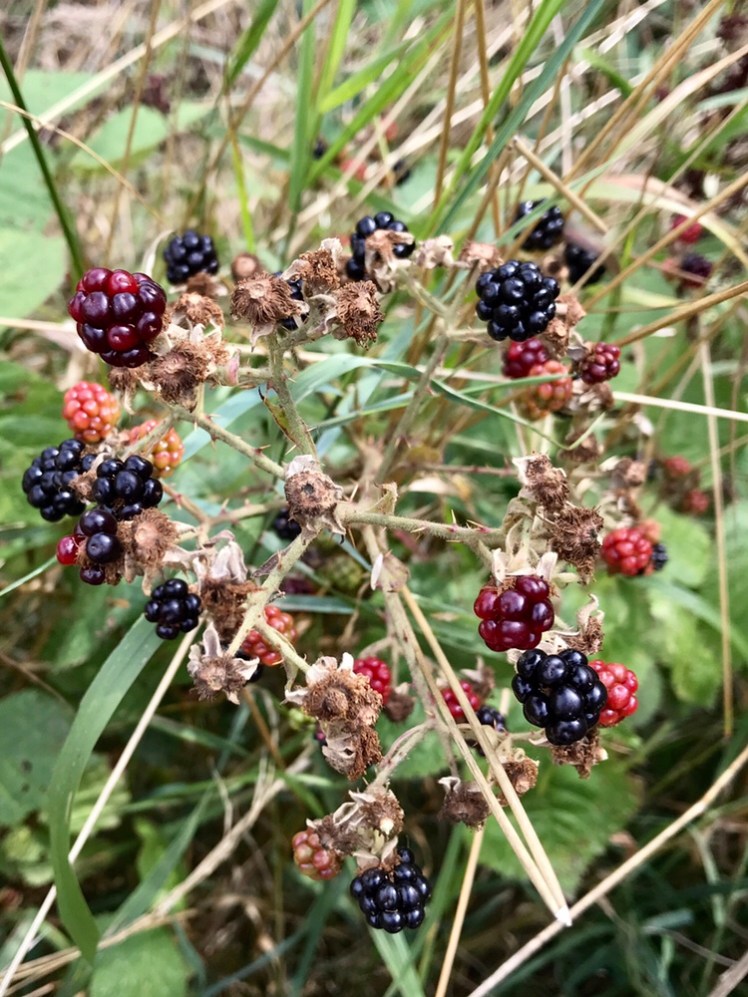
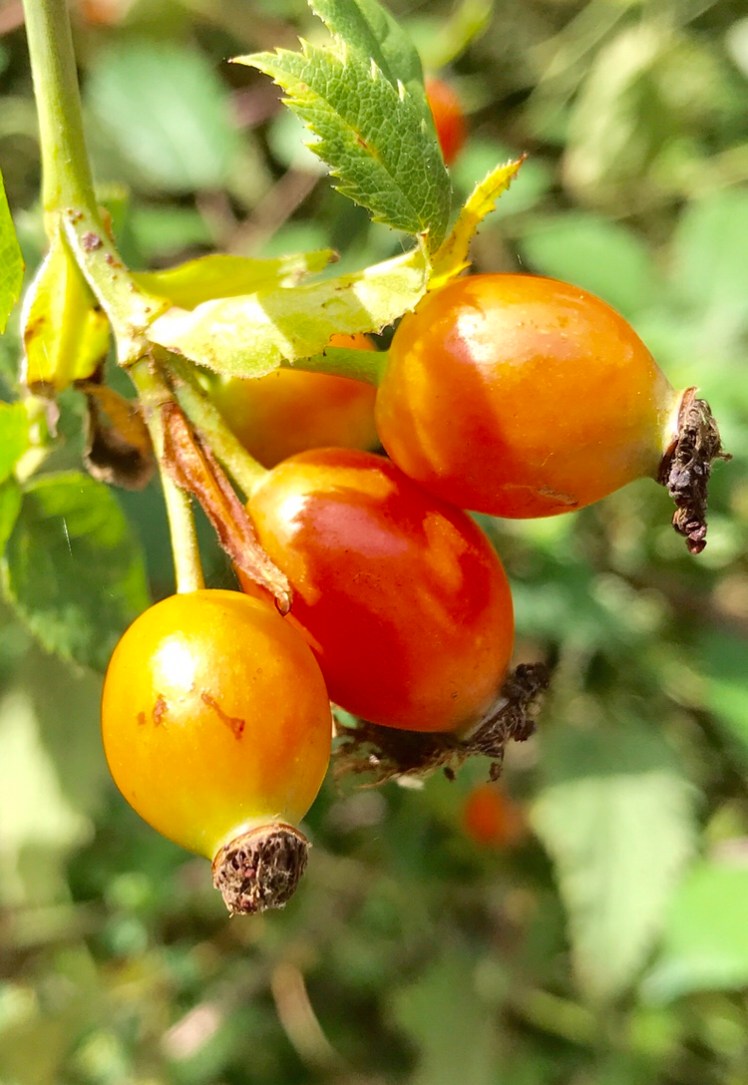
The main features of the walk today were the fruits of summer. Rose hips, blackberries and Elderberries.

On a recent walk in Drybrook at the field near my Mum and Dad’s house the harvest was amazing:- Damsons, sloes, Elderberries, Hazel nuts and blackberries as well as some crab apples.

My Dad checking out when the Damsons will be ready.

When they are they will make some damson cheese and plenty of crumbles !!

Batsford Reward

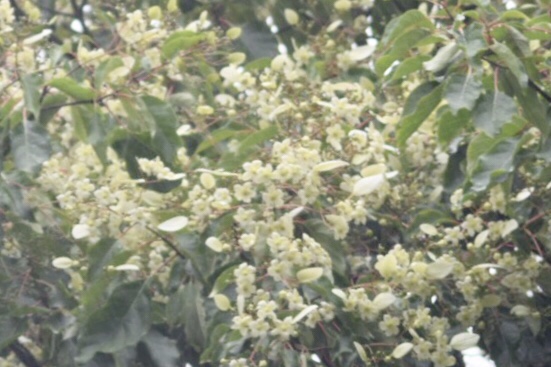
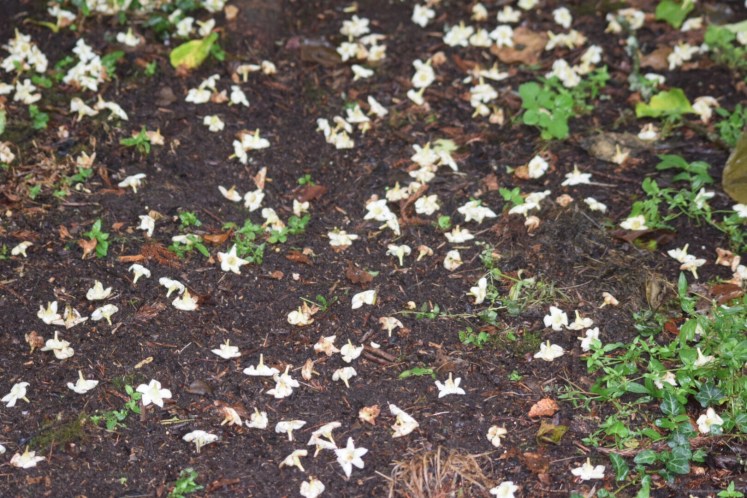
Another lovely visit to Batsford Arboretum, this time in the rain. I was drawn back to see how the rare Chinese tree Emmenopyerys henryri had changed since my last trip about two weeks ago,I was not disappointed. The flowers were out in full at the top of the tree canopy. It was laden with creamy white flowers. These were scattered under the tree, waxy and scented like jasmine.

Also saw a super Indian bean tree with very long skinny beans. As green is my favourite colour it was a treat .

Splashes of other colour appeared with these hydrangeas.

Batsford has something new to find on every visit, I will be back soon – looking forward to Autumn amongst the trees.

The Field Museum – Maximum and Mini.

The Field museum of Natural History is an amazing place to explore in Chicago.

Nature table explorer Tim has sent some brilliant pictures of two exhibits , one huge and one small and delicate.

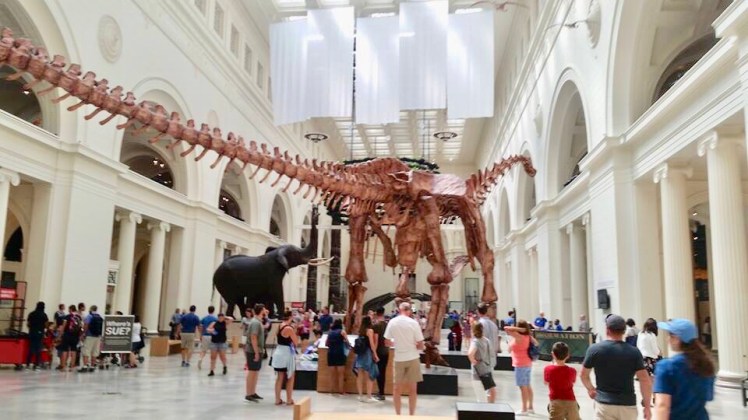
‘Maximo ‘ is the name given to this huge plant eating dinosaur, the largest ever to be discovered. It is a titanosaur called Patagotitan mayorum . It lived over 100 million years ago in Patagonian.it is 122 feet long and dominates the museum hall.

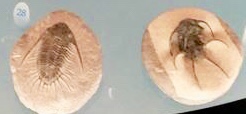
The next exhibit that caught his eye is a circle of trilobites. Trilobites are brilliant and so varied , these are displayed beautifully.

Thanks for these , the Field Museum is a fantastic place to visit.

Lyveden New Bield ,an Oasis.

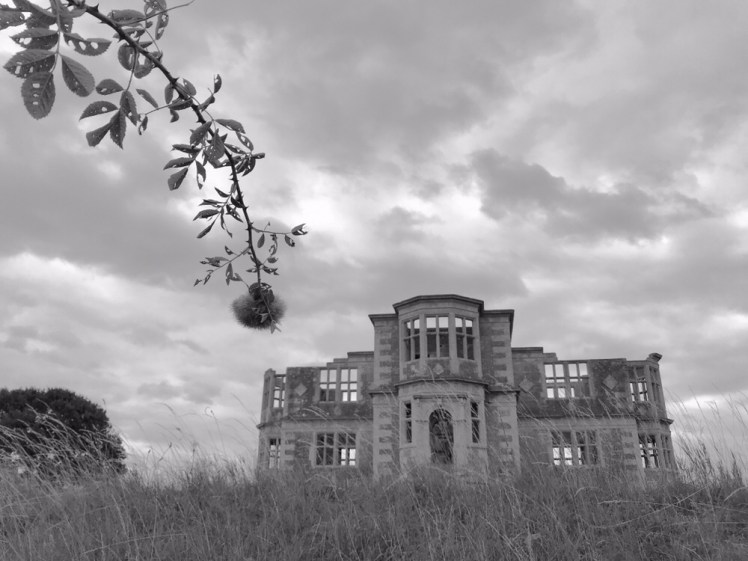
In the middle of rural Northamptonshire amongst fields of wheat turned golden and mellow stands an incredible Elizabethan building , never completed.

Lyveden New Bield was to be a pleasure garden and place of secret worship for Thomas Tresham who was a devout catholic. The house was started in 1595 and on his death in 1605 was never to be completed.

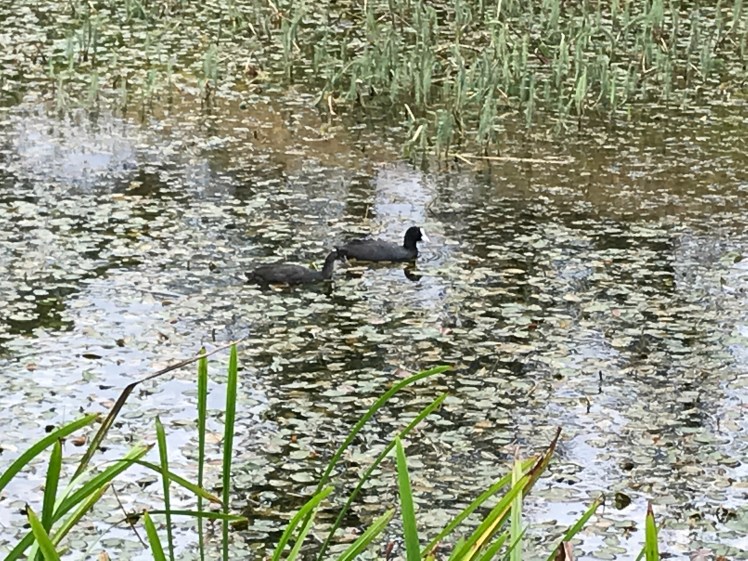
The grounds are wonderful,an oasis amid the fields . There are a series of man made mounds with trees , moats and canals full of plants and ducks and coots. A Heron swooped in front of us a Red kite fell almost to our feet to feed.
The stone is covered in lichens and also graffiti from 1745 .

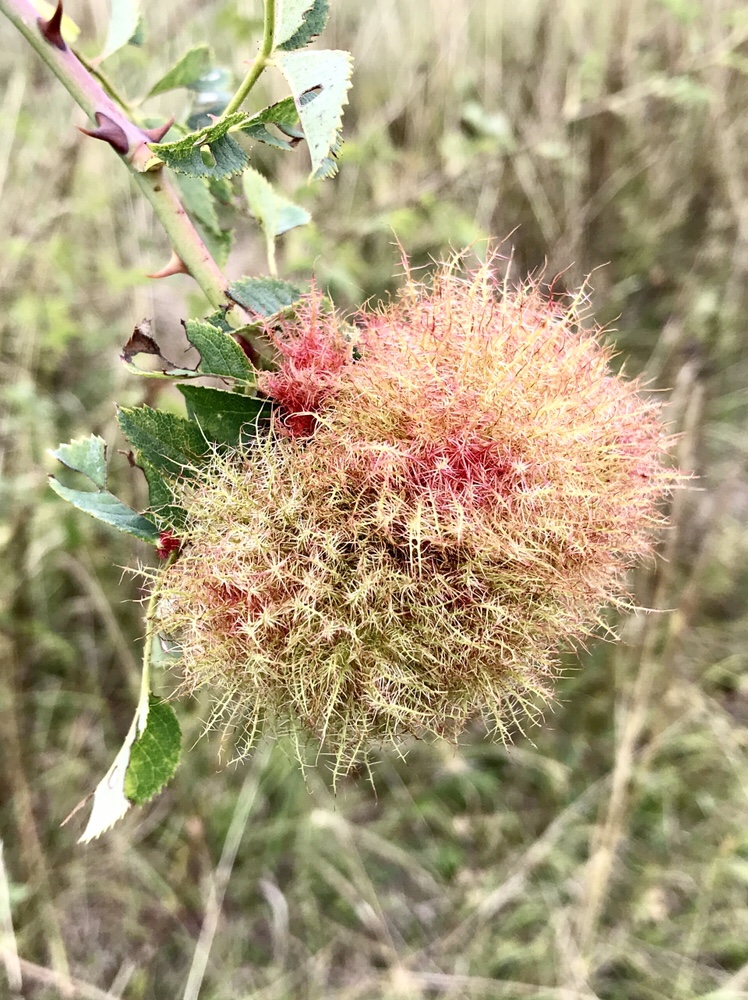
Robins pin cushion galls we’re decorating the roses.

This is a magical place,an oasis for plants and animals built 400 years ago.

These mounds gave brilliant views of the surrounding countryside and the moats.

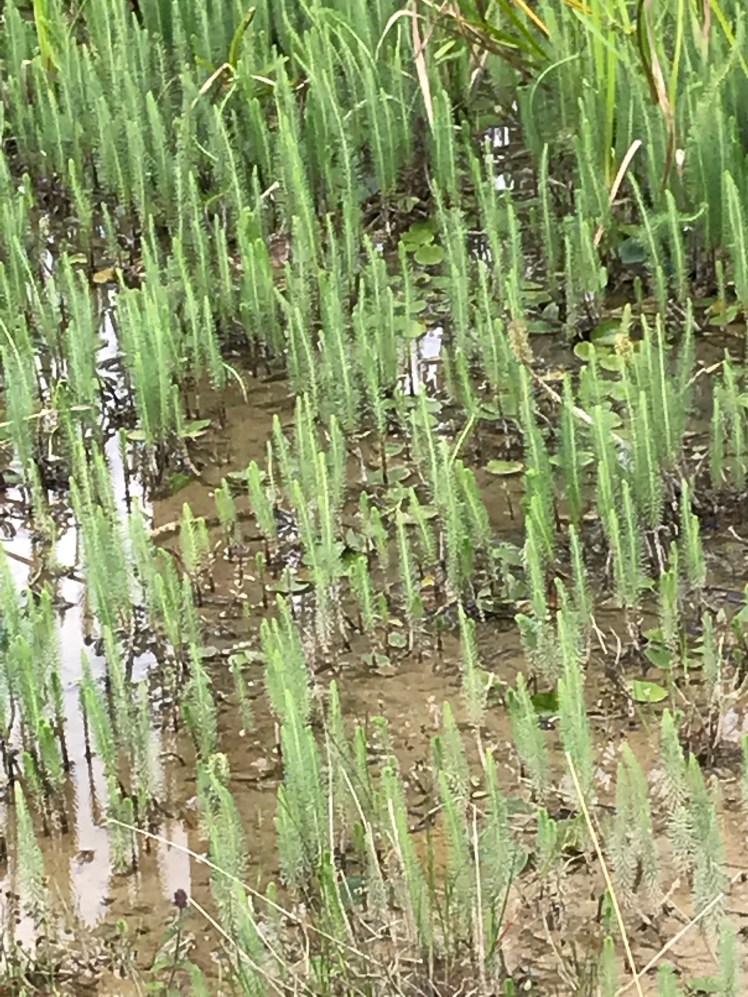
Mare’s tail

Robins pin cushion plant gall on roses.

Sedgewick Museum Marvels.

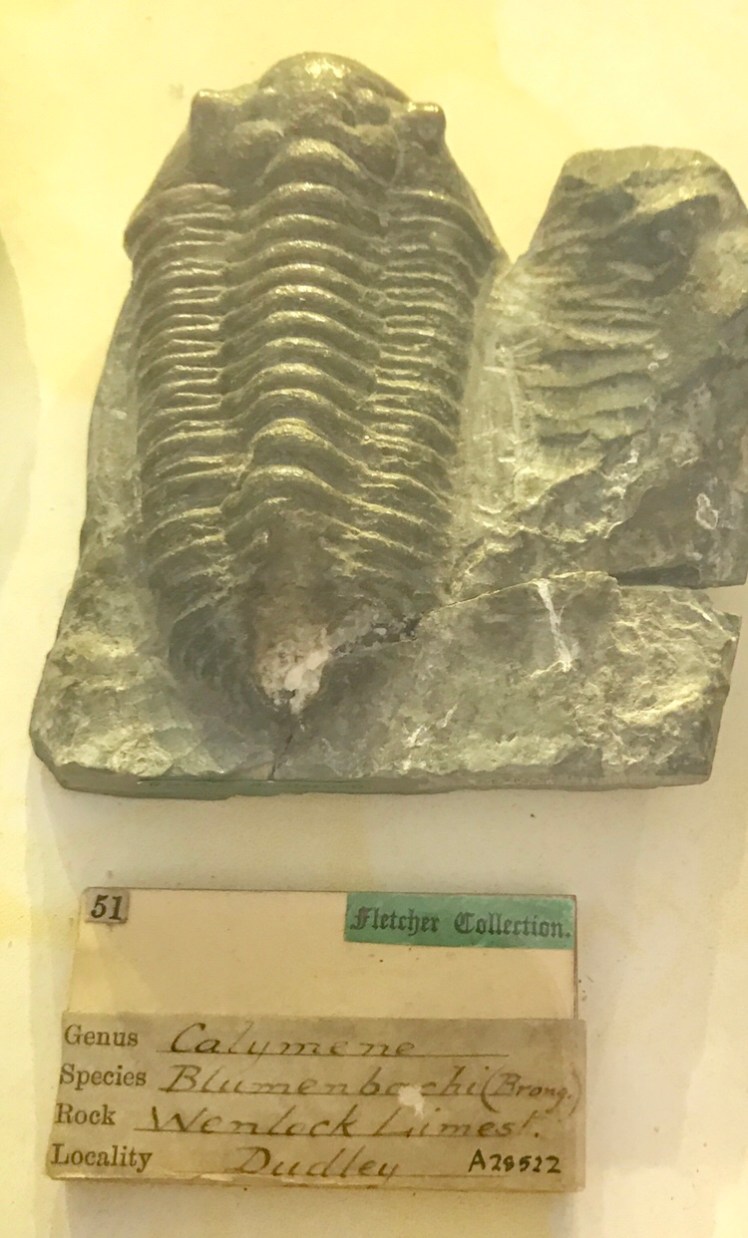
The Sedgwick Museum of Earth Sciences is the oldest of the University of Cambridge museums, having been established in 1728 as the Woodwardian Museum. Since then the collection has grown from about 10,000 fossils, minerals and rocks, to at least 2 million.

This is a great little museum literally jam packed with treasures . I love the first geological map of Britain drawn by William Smith. I also love the 1000’s of fossils organised through time periods.

There is so much to see it’s worth popping in whenever you visit Cambridge to look at something new .

Tiny Frog

It has been raining for a few days and some animals have reappeared. Tonight on a walk around the lakes slugs were definitely out in force,in large numbers they were happily sliding over the gravel paths.

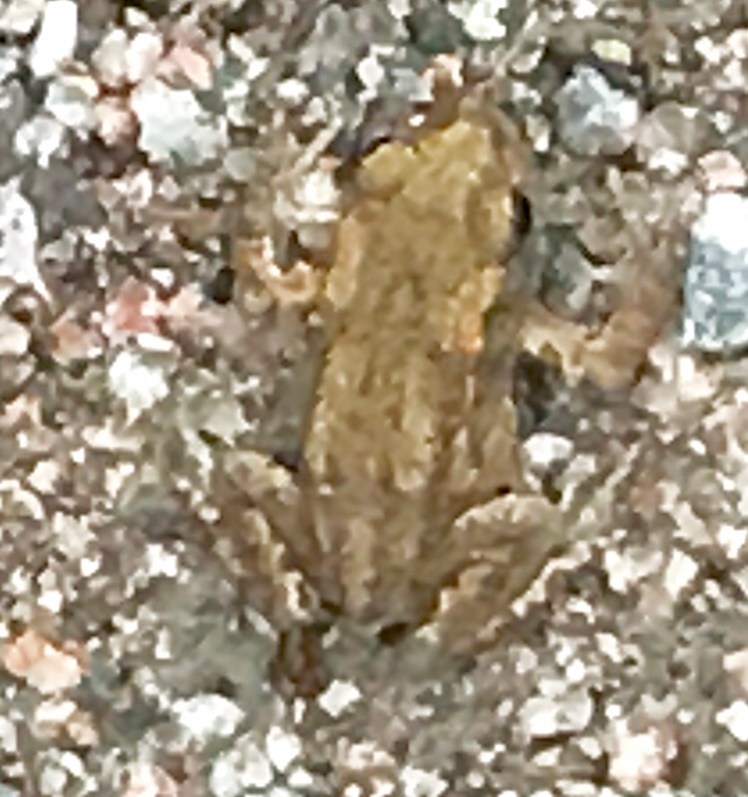
Another happy animal was a tiny frog , smaller than a 5p piece. It was so well camouflaged it caught my eye as it hopped at first I thought it was a grasshopper!! I did have my glasses on , on closer inspection it was a perfect extremely tiny frog.

Brilliant books

I’m off to explore Hay on Wye tomorrow,hoping to see some wildlife and flora by the river at the Warren.

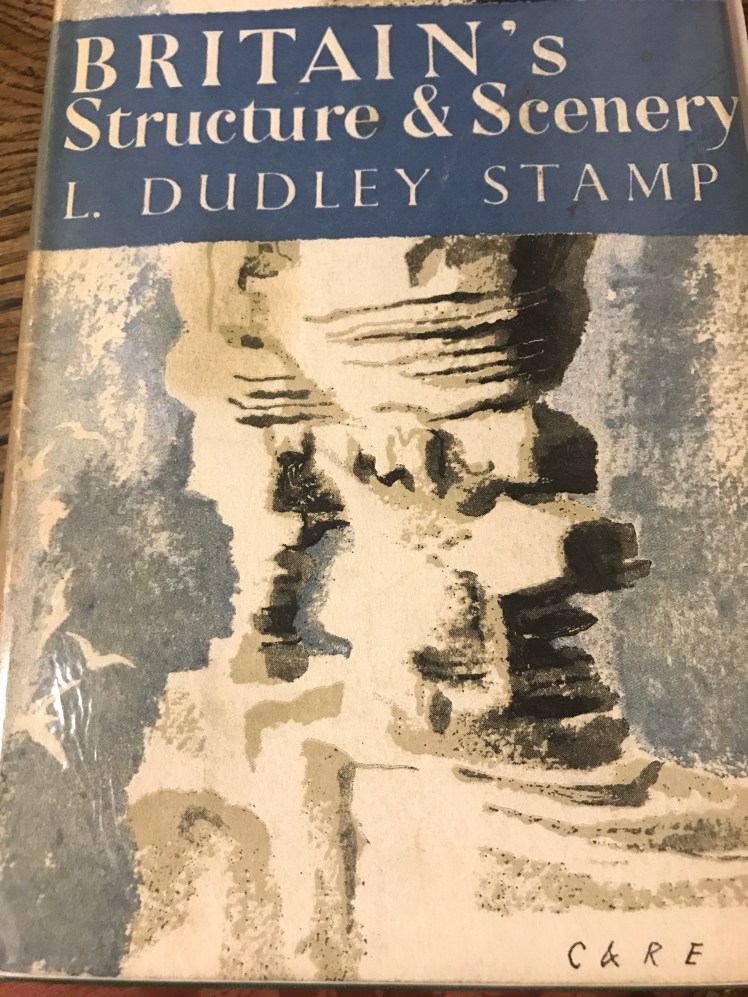
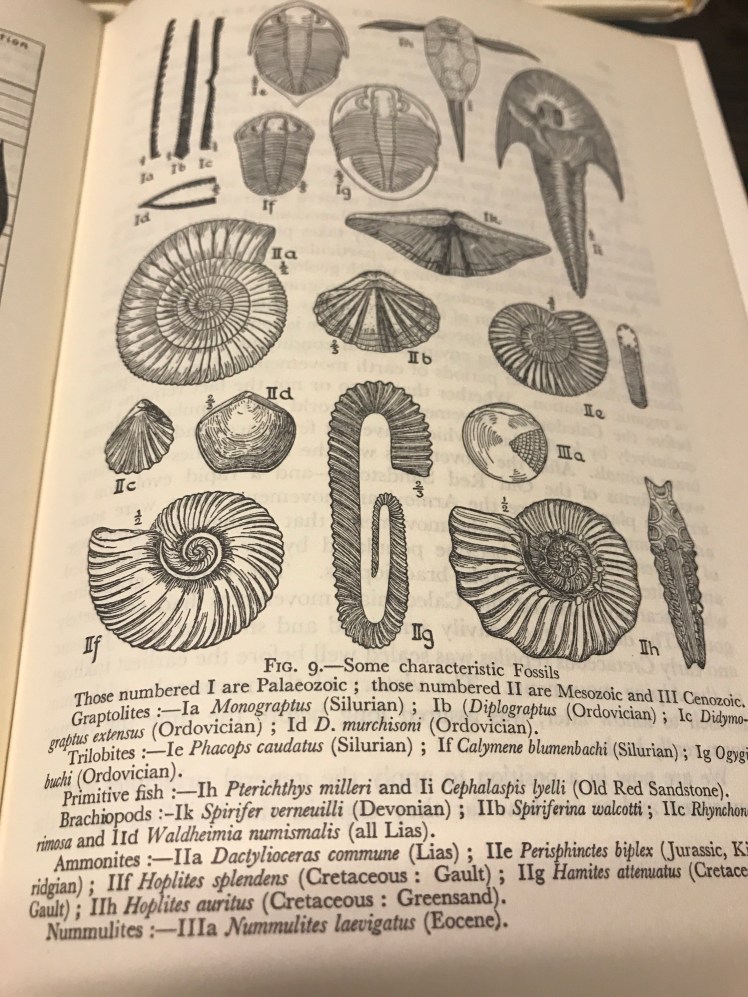
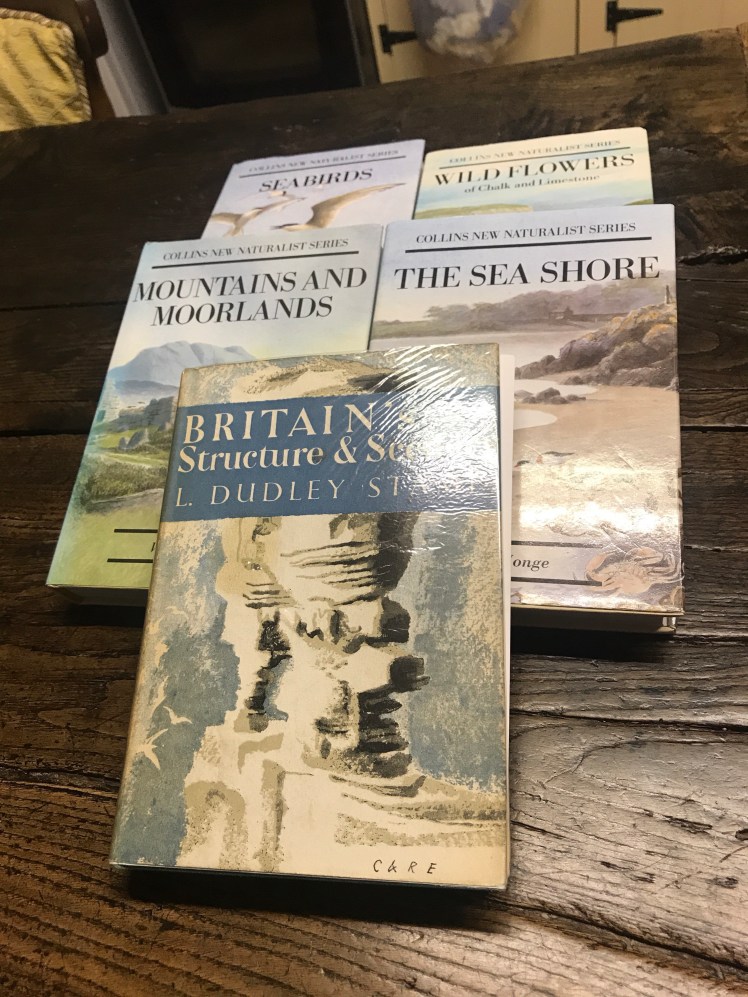
I’m also going to enjoy some book hunting. Actually started early today in Ross on Wye . Found 5 fantastic New Naturalist books. Can’t wait to read them , decided to start on the geology one , can’t resist the call of fossils !!!