Wonderful Road verges

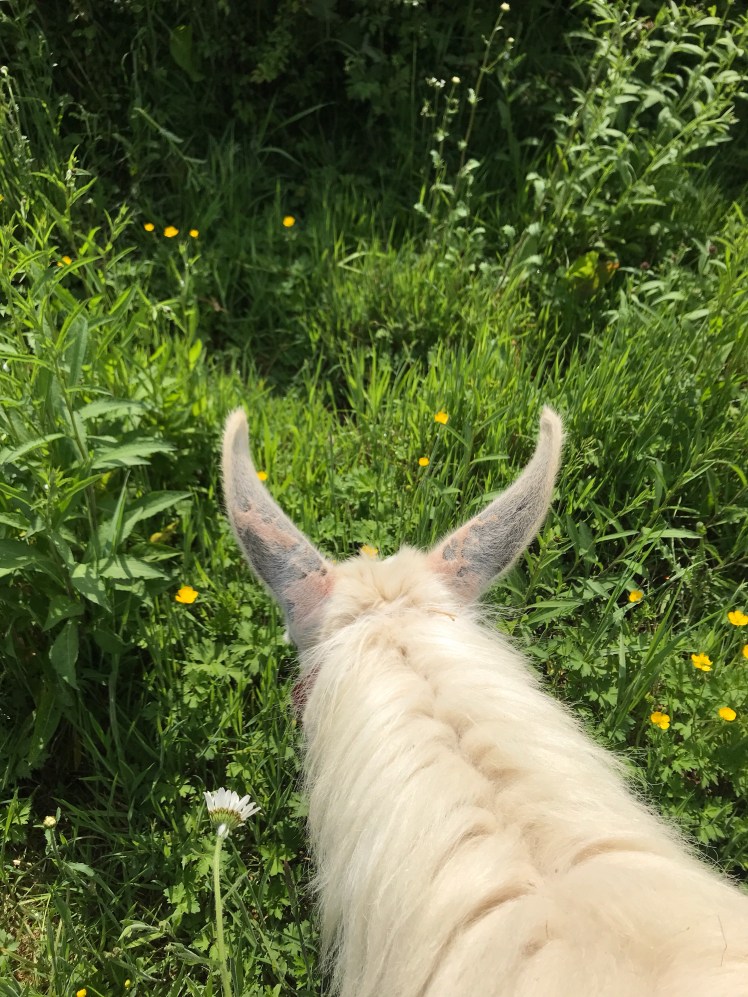
As you drive around you may notice that the verges are a riot of colour at the moment full of cow parsley,hogweed, red campion and dog Rose to name a few . A few weeks ago there were drifts of cowslips. These look beautiful but also provide corridors of habitats for insects birds and small mammals . Plantlife have a campaign to encourage the management of these verges to discourage constant mowing and habitat destruction. They have a petition to sign and is a great cause to support.

A good example of how these areas of land can surprise you with diversity is my experience last June. Coming down the slip road off the busy A45 something caught my eye. I even drove around the roundabout stopped in the kfc car park and made my way to the verges .

There were groups of beautiful bee orchids and other flowers . The area was alive with insects. This year it has been mowed to an extreme short cut and it is barren ! Which would you prefer?

Wonderful Wicken

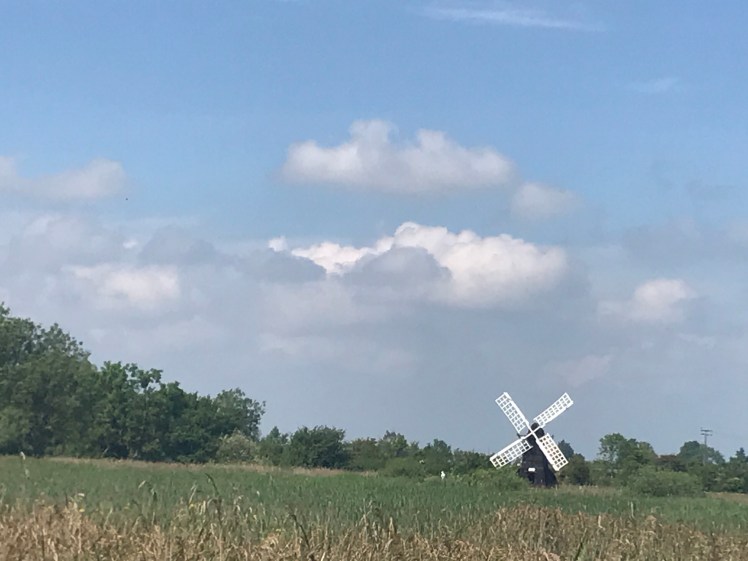
Wicken Fen is a national nature reserve and has been owned by the National trust from 1899. There have been 9000 species recorded at this amazing place,

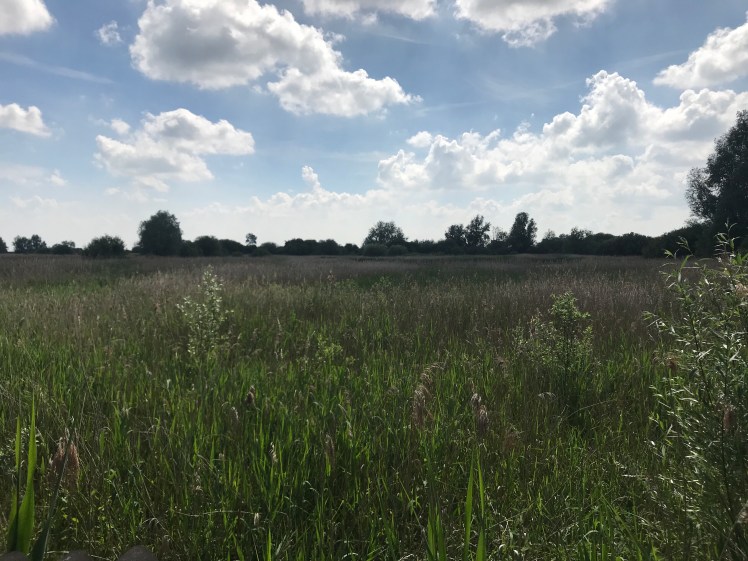
We visited in amazing Sunshine on Sunday afternoon and were treated to beautiful flowers , dragonflies, Damselflies and birds.

The wild flowers appeared in swaths as we walked through the boardwalks and mowed paths.

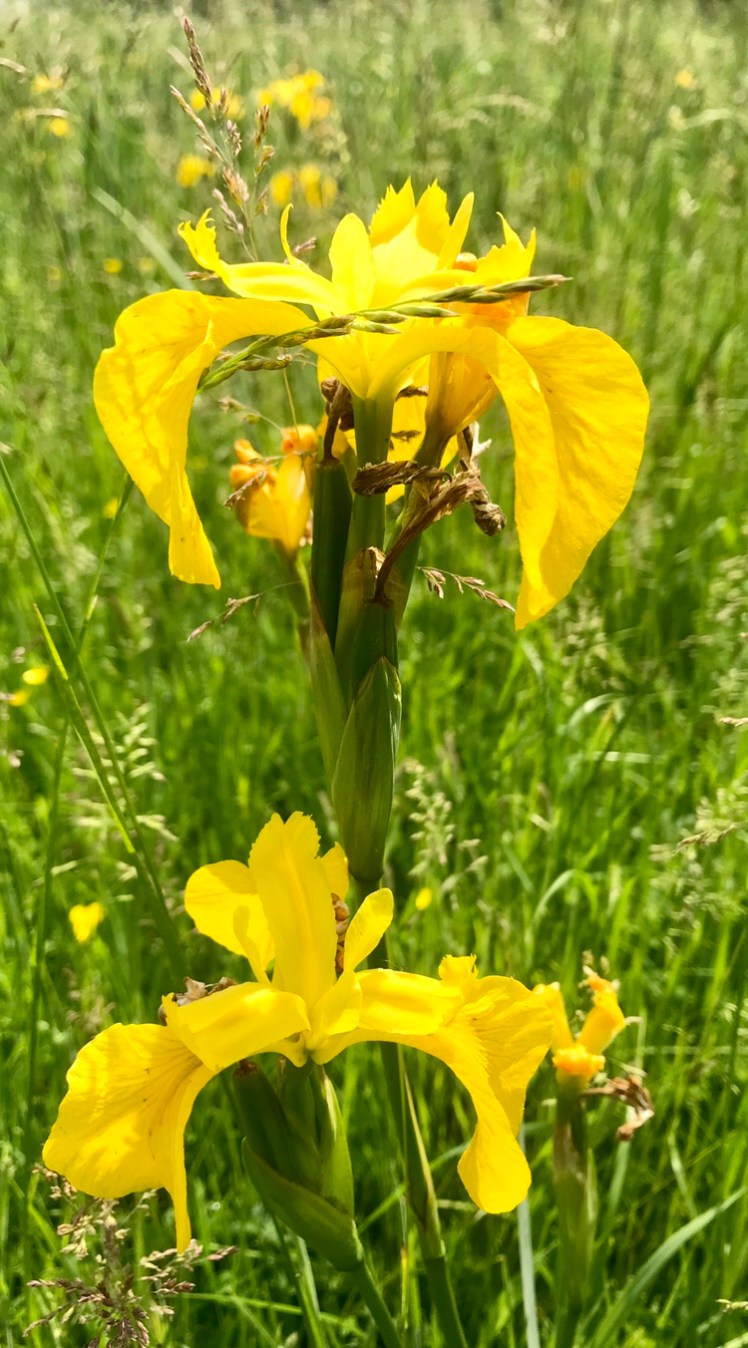
First yellow flags-

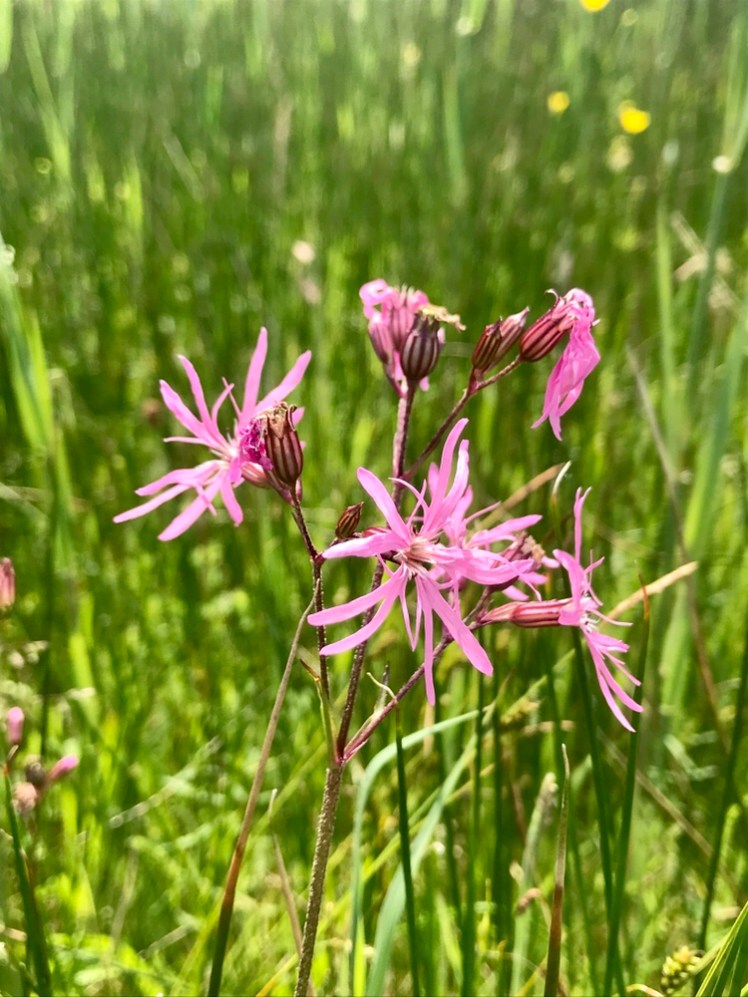
Next ragged robin in amongst short rushes –

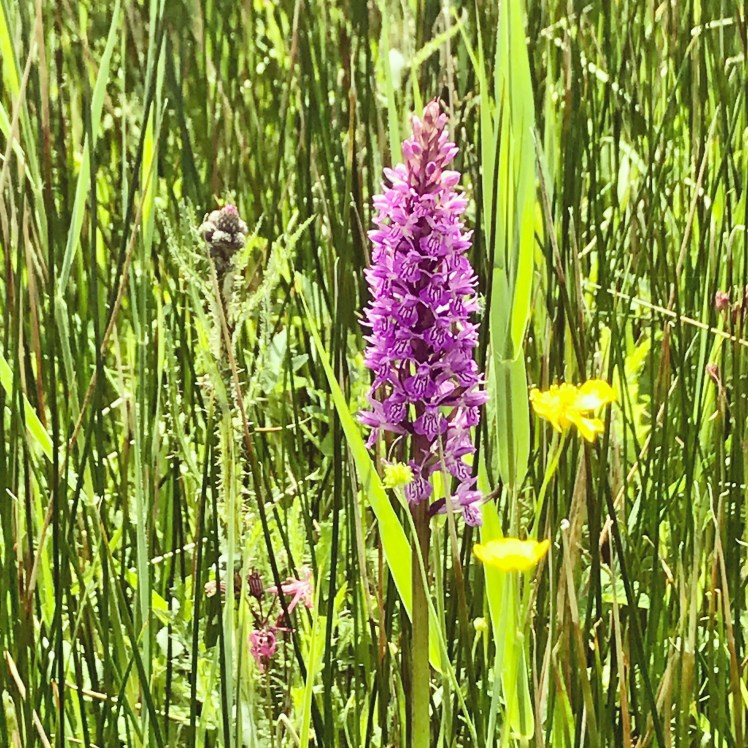
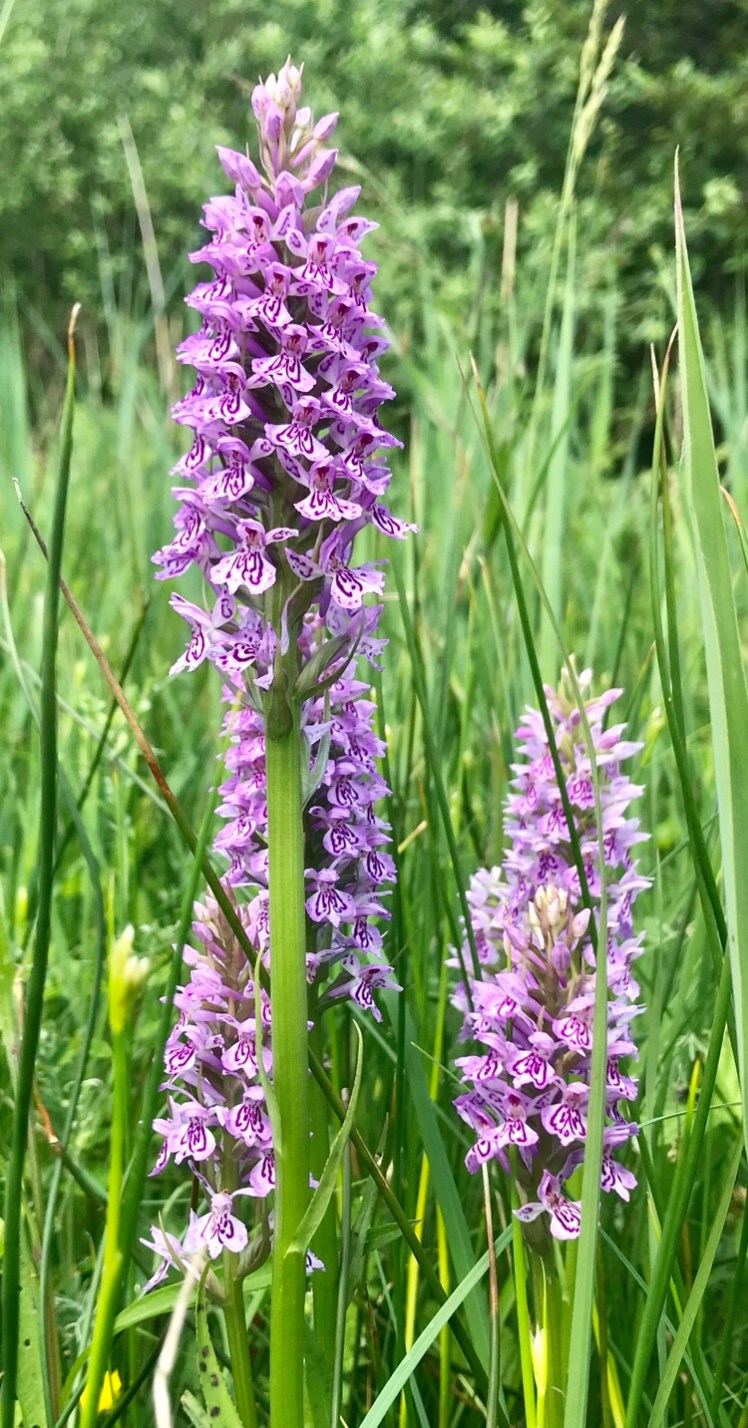
Orchids came next,first the odd one or two followed by beautiful drifts

The reeds, sedges and grasses create a wonderful landscape

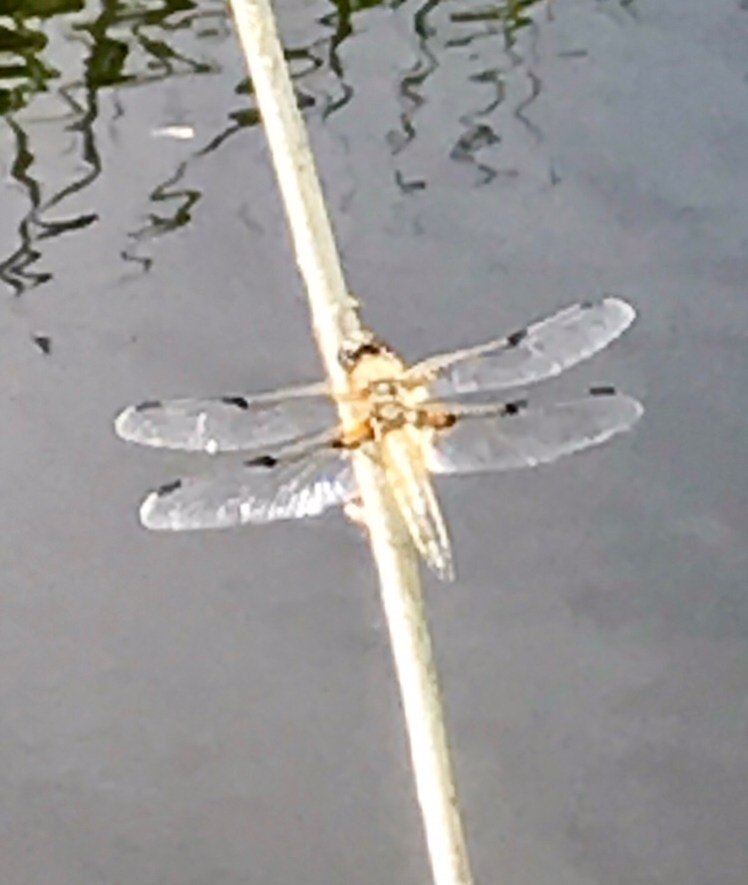
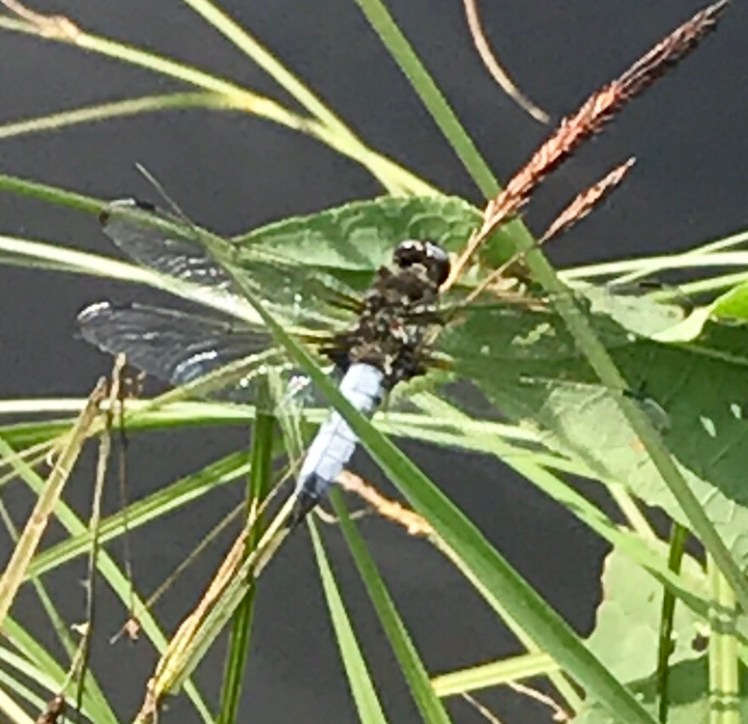
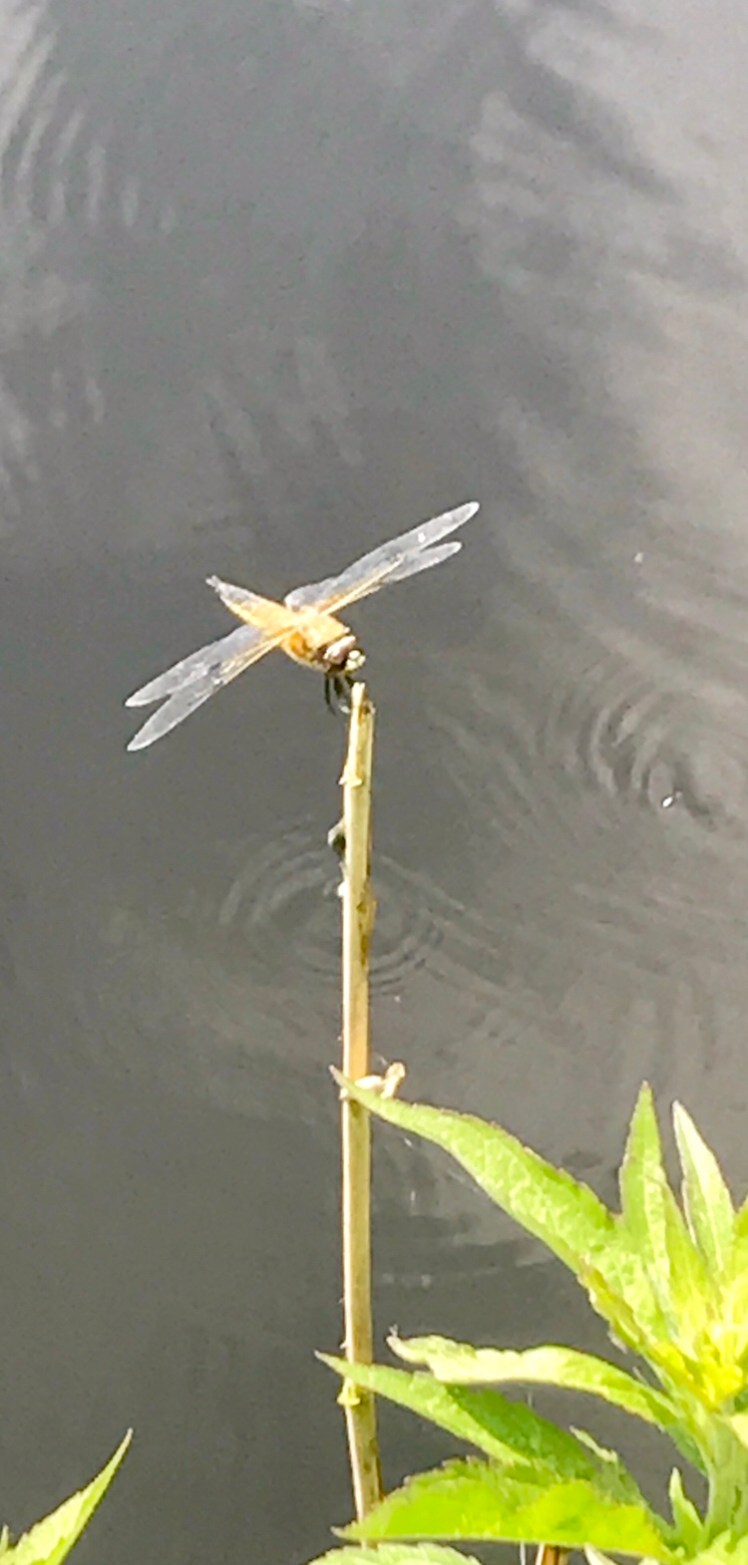
The dragonflies and damsels did not disappoint the photos are all on my phone so not as sharp as I hoped as they were so busy hunting ,flying or mating !

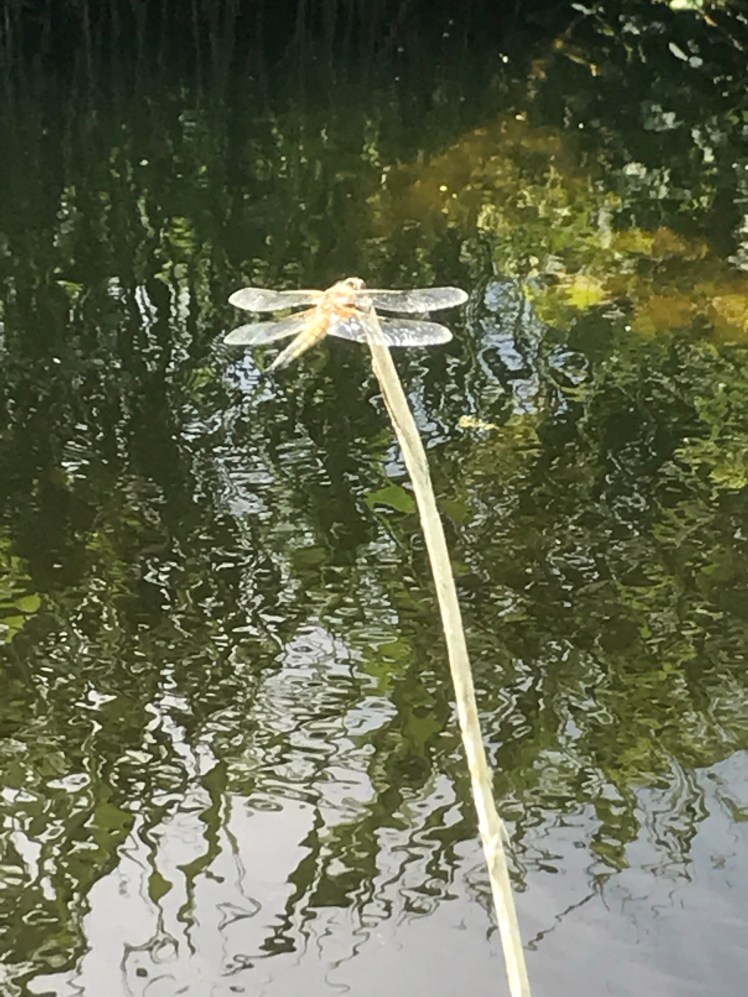
There were four spot chasers , blue bodied chasers,Emperor dragon flies, small red Damselfly, azure and blue tailed damselflies .

After watching and trying to photograph unsuccessfully we noticed that when the dragonflies rested they seemed to choose the same reed rather like a watch post ( as in the photo above)

Cuckoos were calling and we saw one fly which was unusual and the first time I had seen it. we saw warblers and learnt to distinguish by song the Cettis warbler.

The open water areas were literally teeming with fish , great identification boards around , there was a pike in the weeds very still either watching the shoals or too full up to bother!

Wicken Fen is a brilliant place to visit great trails wonderful wildlife and great local ice cream. Definitely will visit again this summer and Autumn.

Nature table number three

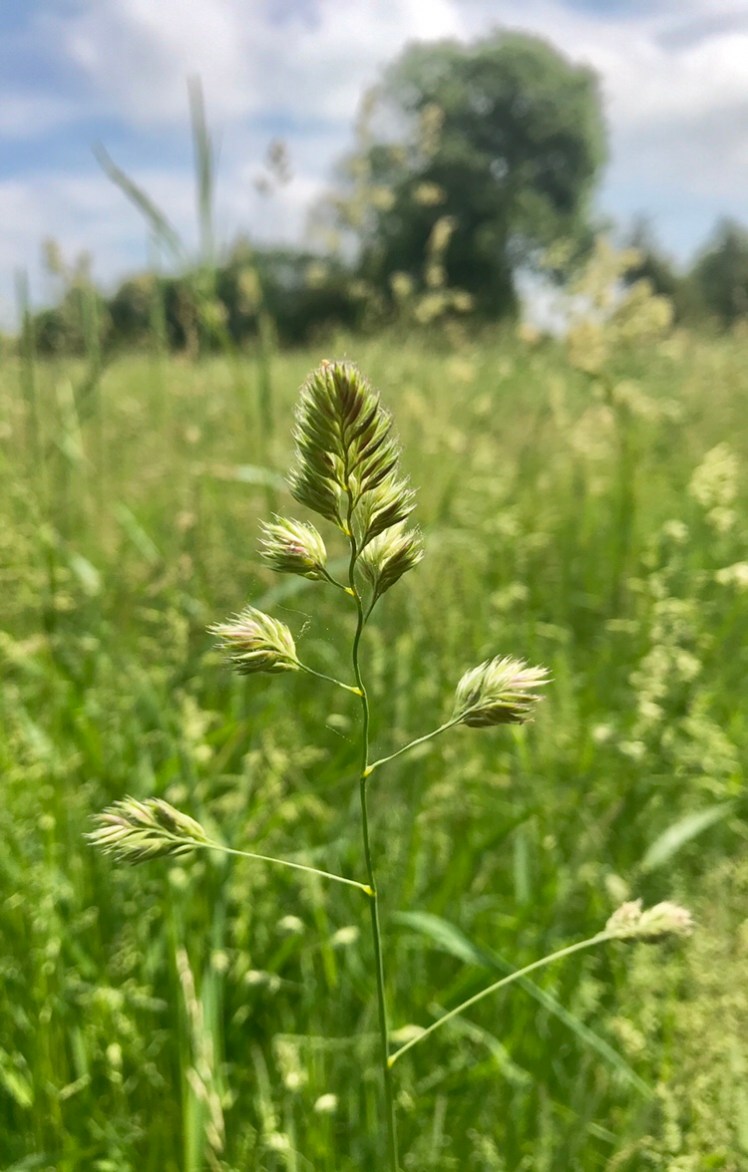
This table is all about plants , grasses, rushes and sedges. All of them are narrow stemmed and often over looked . They are often grouped rather than specifically identified when we talk about them. Grass flowers are very complex and to identify a species a hand lens is often needed. I am going to post some identified common grasses over the next few weeks,this is part of a ‘learn new things’ mission I’m on.

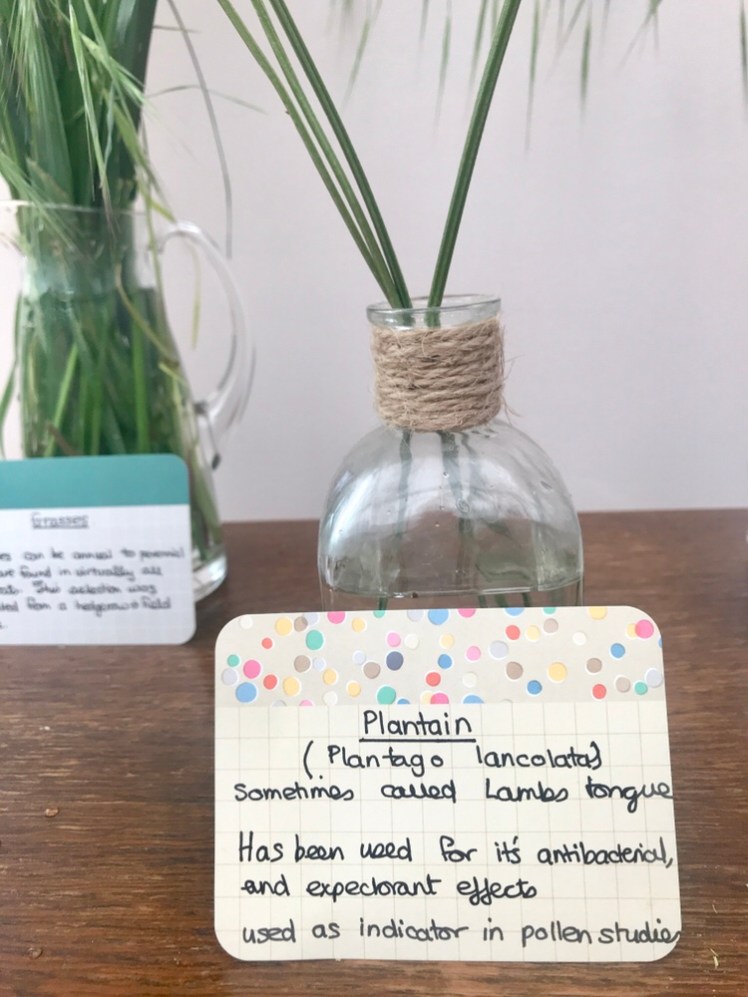
Also on the table is the plantain because it also has narrow leaves and a flower that might be confused as a sedge.

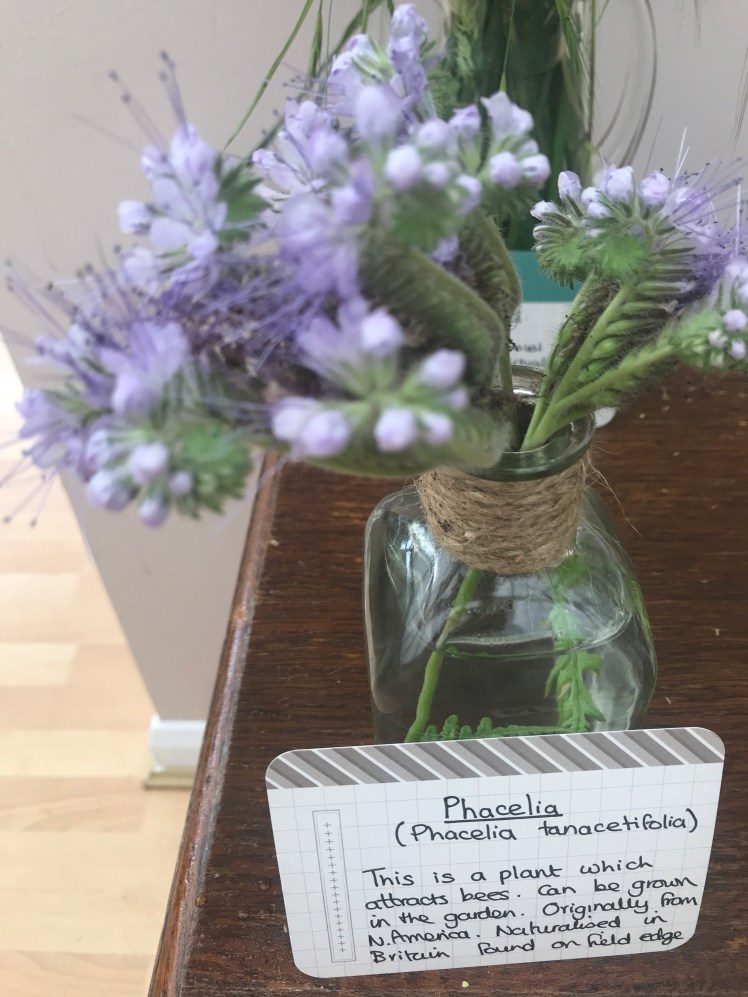
Finally the very pretty Phacelia which I found for the first time this year.

Keep an eye out for som grass identification over the next couple of weeks.

Hedgerow tables

The cow parsley and hogweed are busy places. There are bees , flies and beetles and many other animals using them for feeding, hunting and mating. Yesterday they were bustling with life.

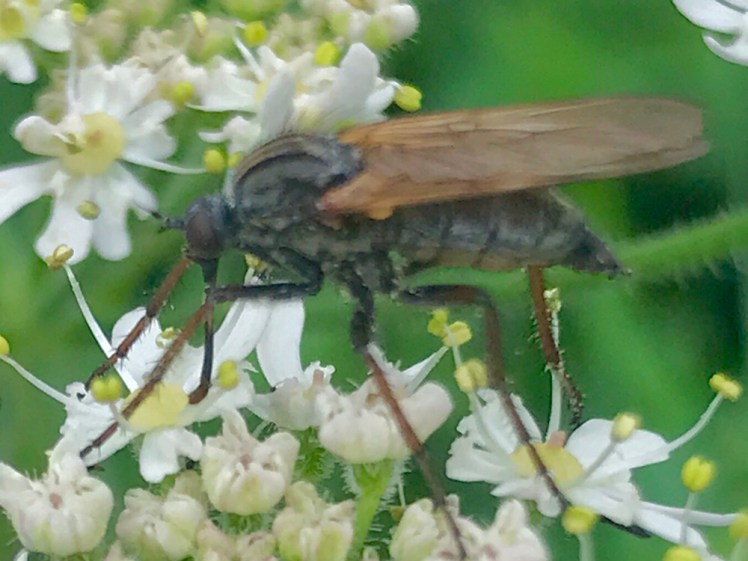
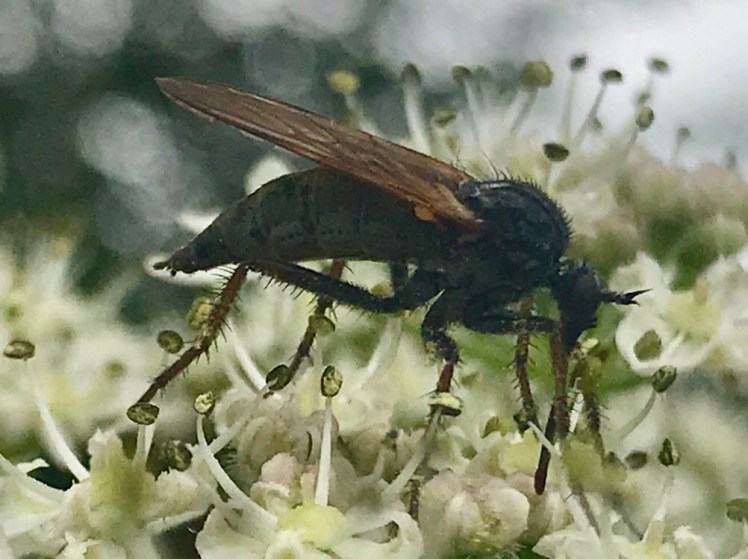
Daggerflies (Emis tessellata) we’re feeding in the hogweed umbels. They are nectar eaters but also predators that pierce their prey with their long probosis( hence the name) I thought their wings were great and their deadly profile.

Also on the dinner tables of umbelifers were Early mining bees (Andrena haemorrha) There are 60-80 in this genus found in Britain.

They are solitary bees, sometimes they live next door to other bees holes but they are not part of a colony. This is the most common species of mining bee. I like the colour of the thorax.

There were other bees and flies and beetles enjoying life in the flat tops of the hogweed. Honey bees and others.

It is definitely a place to watch as you walk down a hedgerow or the edge of a field , there is a lot going on !

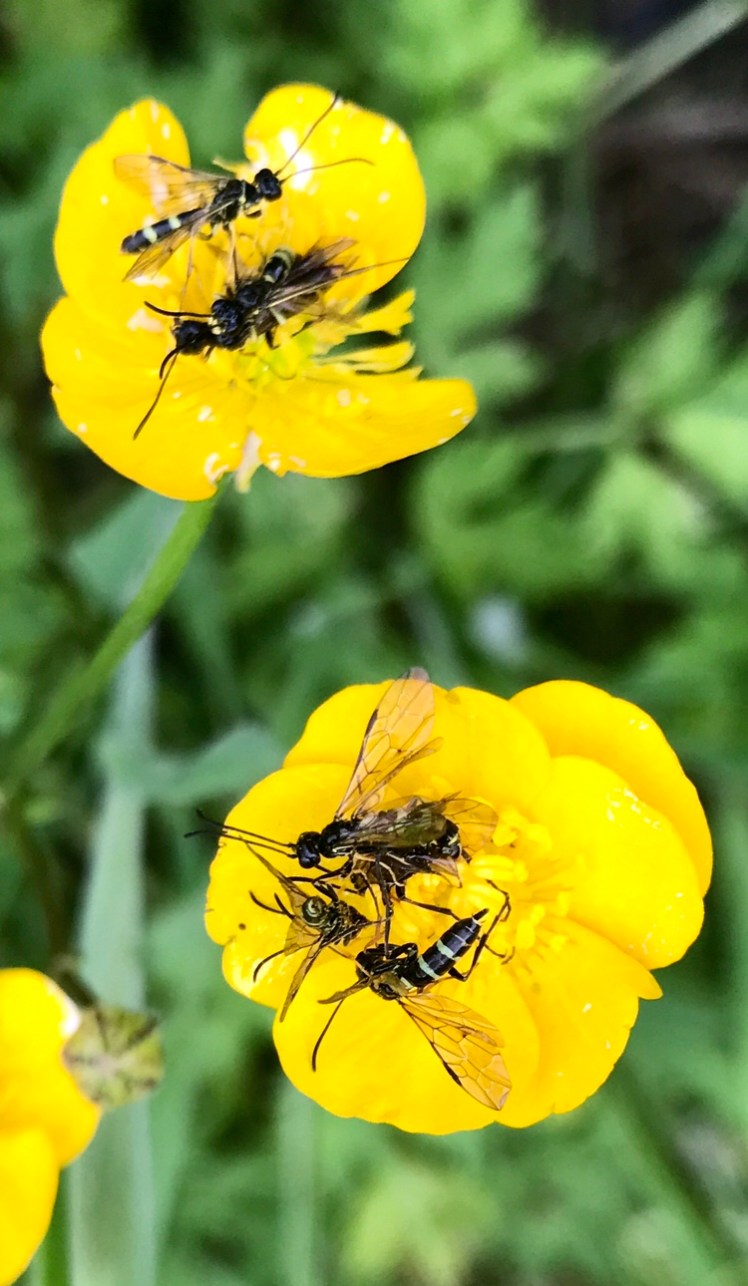
Sawflies amongst the buttercups.

Along the edge of a field of wheat there were lots of tiny flying insects seemingly attracted to the buttercups lots of them mating. They were very small less than a cm long and very slender.

Using the trusted insects of Britain guide and then searching on google for photographs they are Cepheus pygmaeus, common name European stem sawfly.

The larvae of this sawfly are stem borers and can do damage to crops. There are 12 species of the Cephidae in Britain.

Purple haze

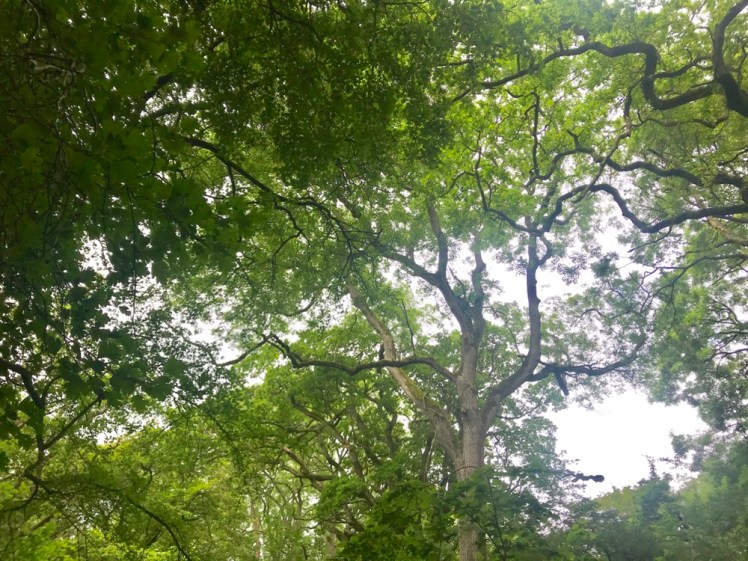
A walk at Swineshead through the ancient woodland, bluebells all finished. This is a very wet wood today it was still very muddy . There are some really huge oak trees here which are beautiful.

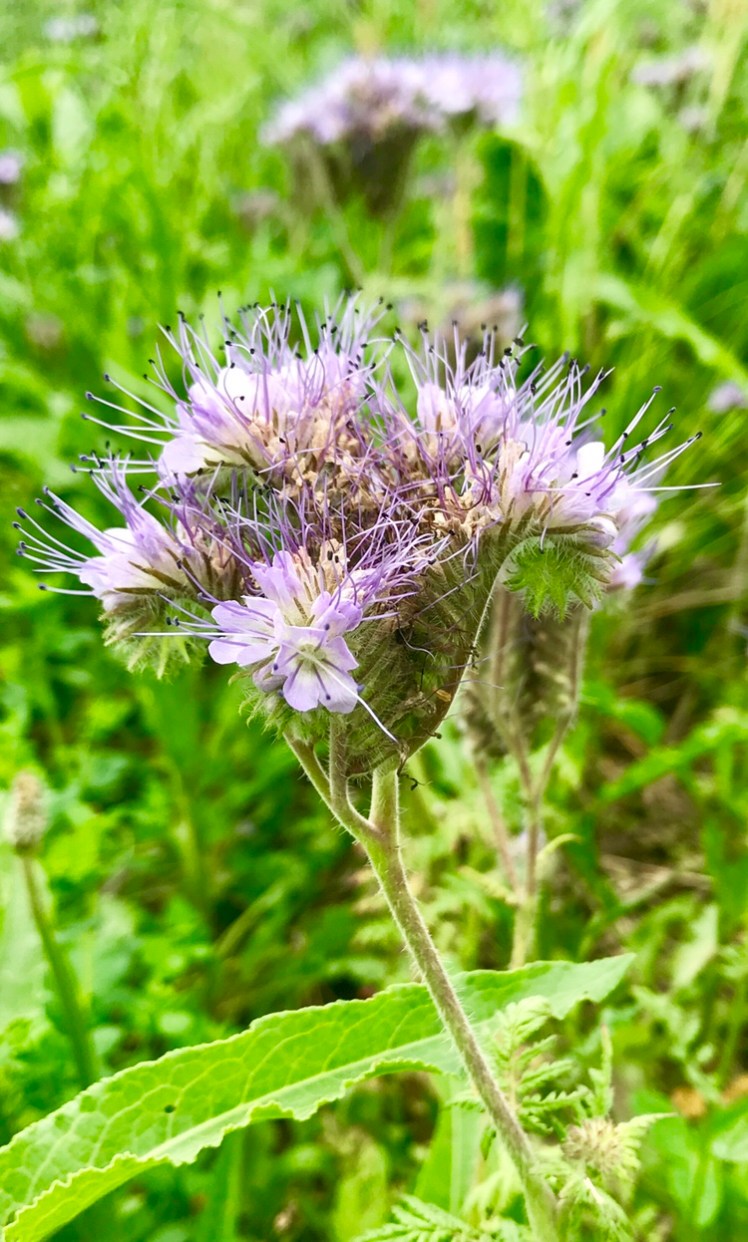
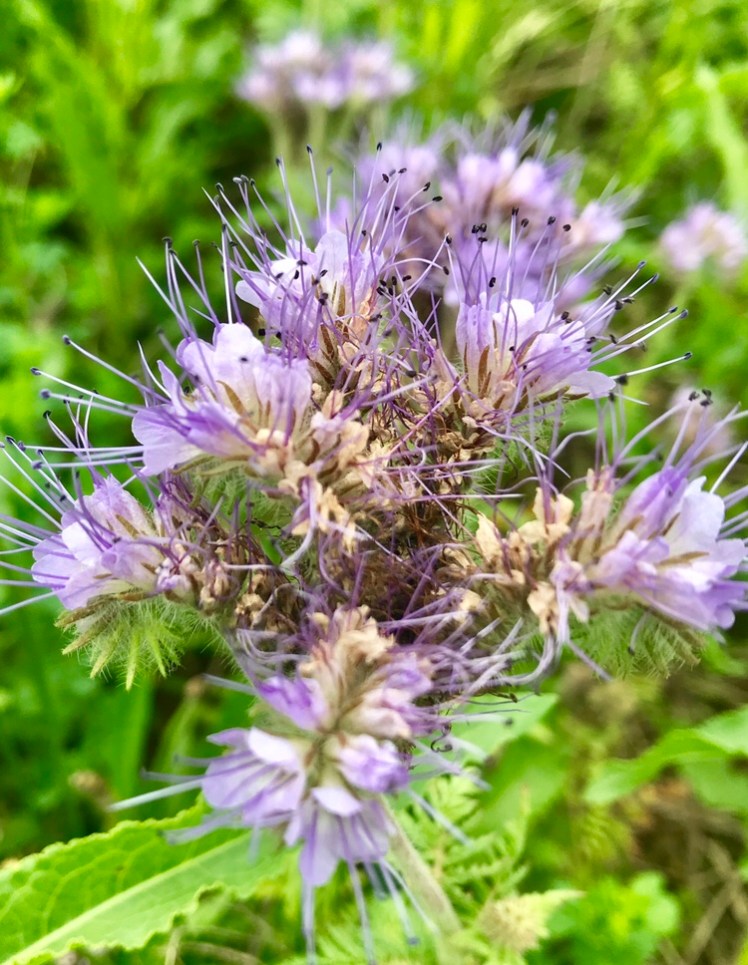
Coming out of the woods we walked along the field edge and came across a patch of purple haze . From a distance I thought they were thistles but in closer inspection they are Phacelia(Phacelia tanacetifolia)

This is an introduced plant a native of W Northern America which has naturalised over much of Europe.

Orange is the new yellow.

There are lots of beautiful yellow flowers in spring:- primroses, cowslips, rattle, buttercups to name a few.

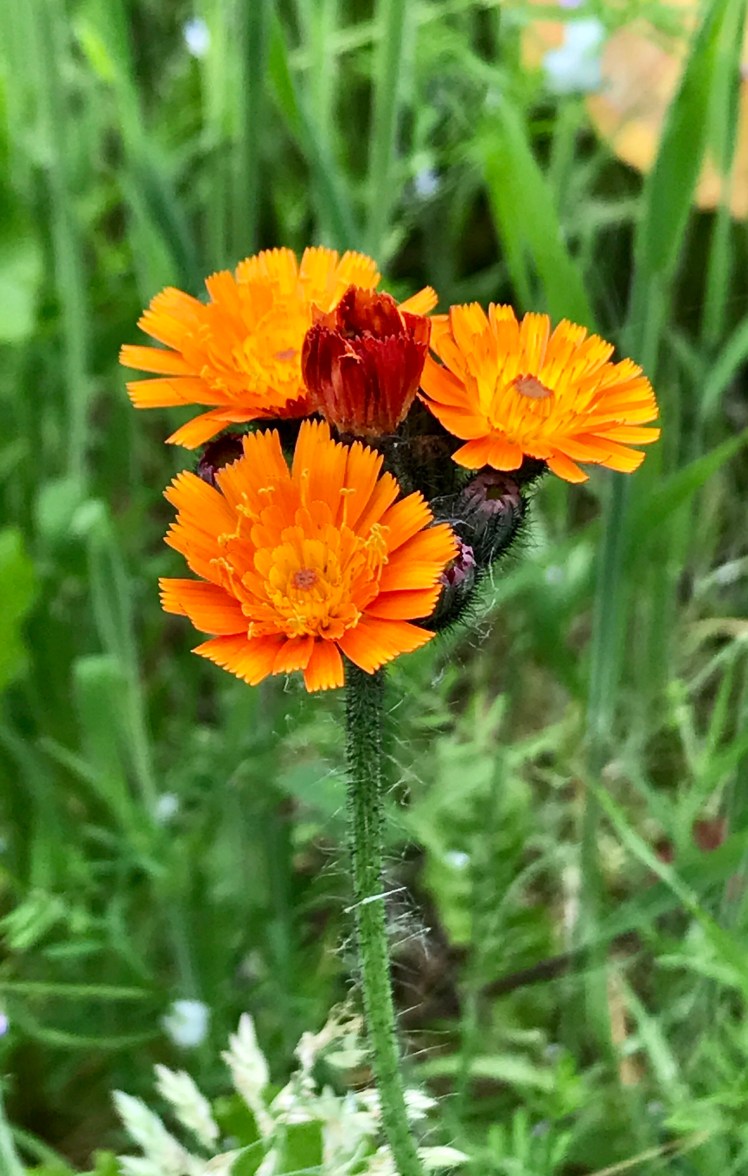
Orange definitely makes a statement -it’s the first of June summer is here. This bright orange beauty was blooming this morning.

The weather is close and muggy and keeps feeling like thunder , in the short episodes of bright sun this gorgeous flower was stunning.This is known as fox-and-cubs (Pilosella aurantiaca)

Overlooked beauty

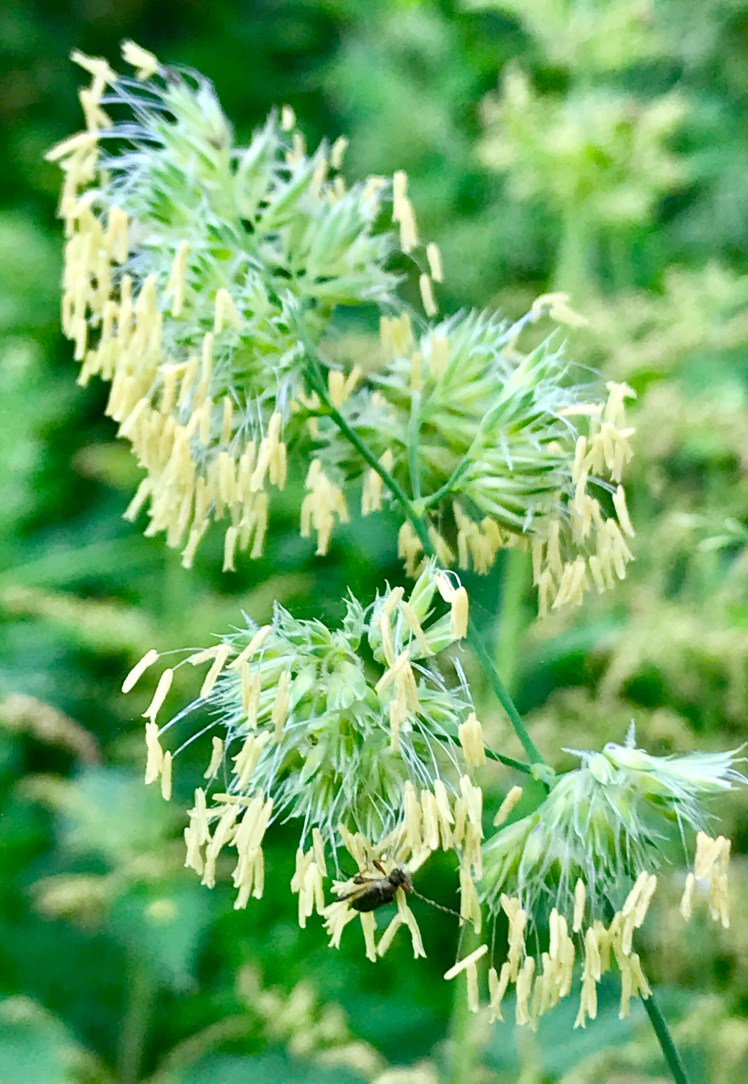
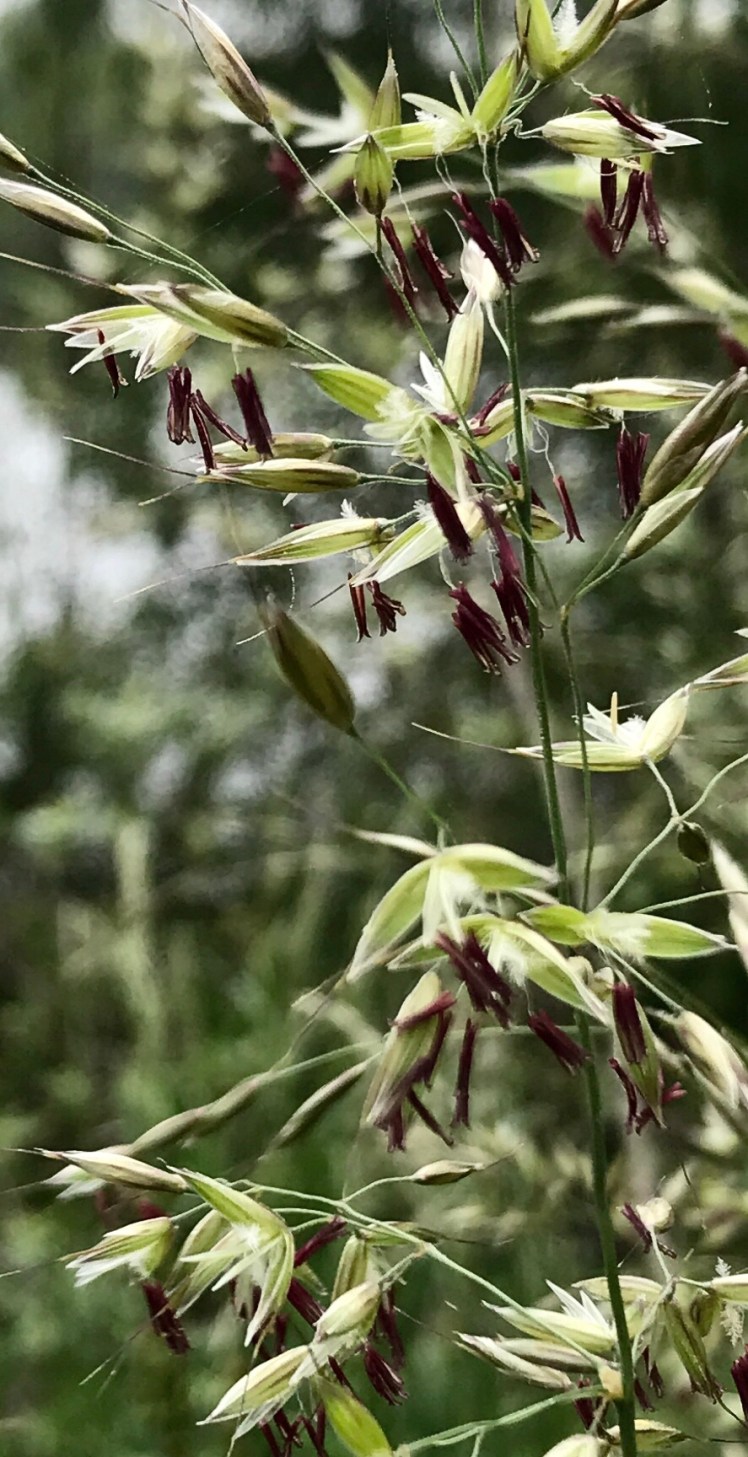
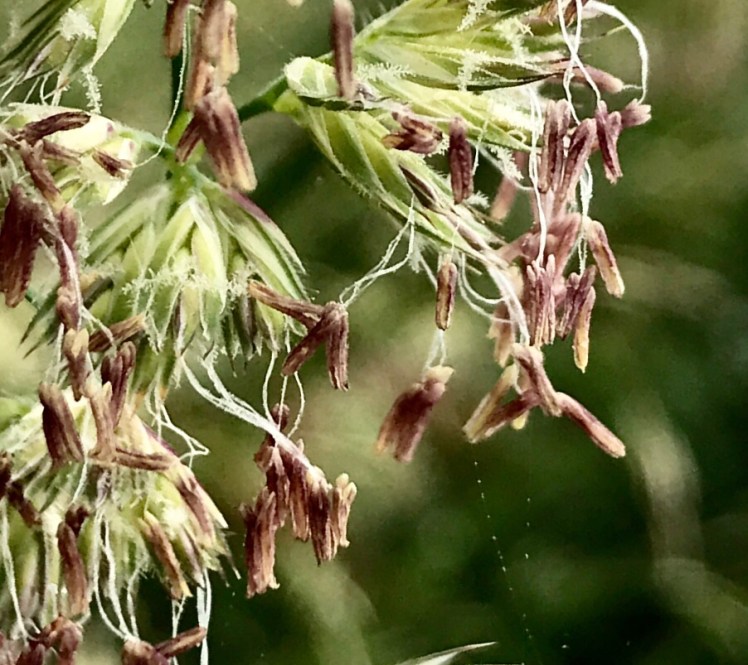
Grasses are doing their thing at the moment,they are flowering , producing pollen( people definitely noticing this) However we walk past these beautiful flowers everyday and don’t give them a second glance unlike the bright blooms Of buttercups oxeye daisies and their companions.

Over the next week I’m deliberately going to look closely at these shy quiet flowers and make nature table number three all about them. Here is a little taster of the beauty hiding in full sight.

I am dusting off the grasses key and attempting to identify the grasses I find this week .

Llama way of life

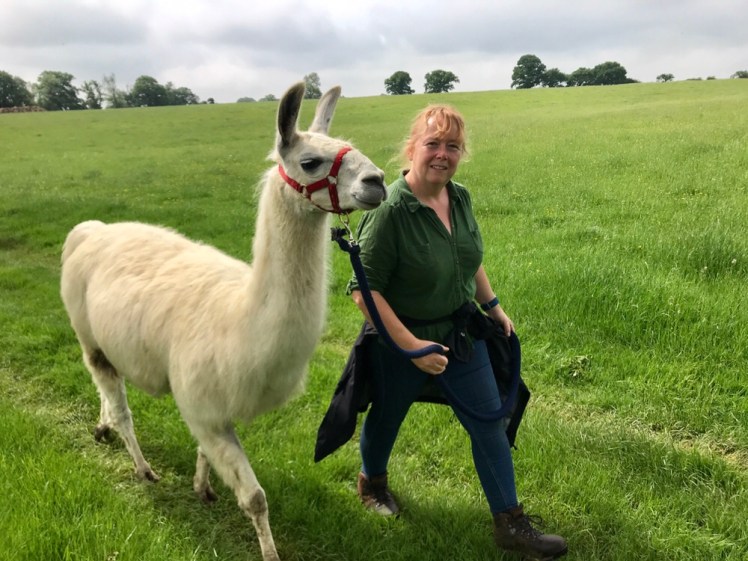
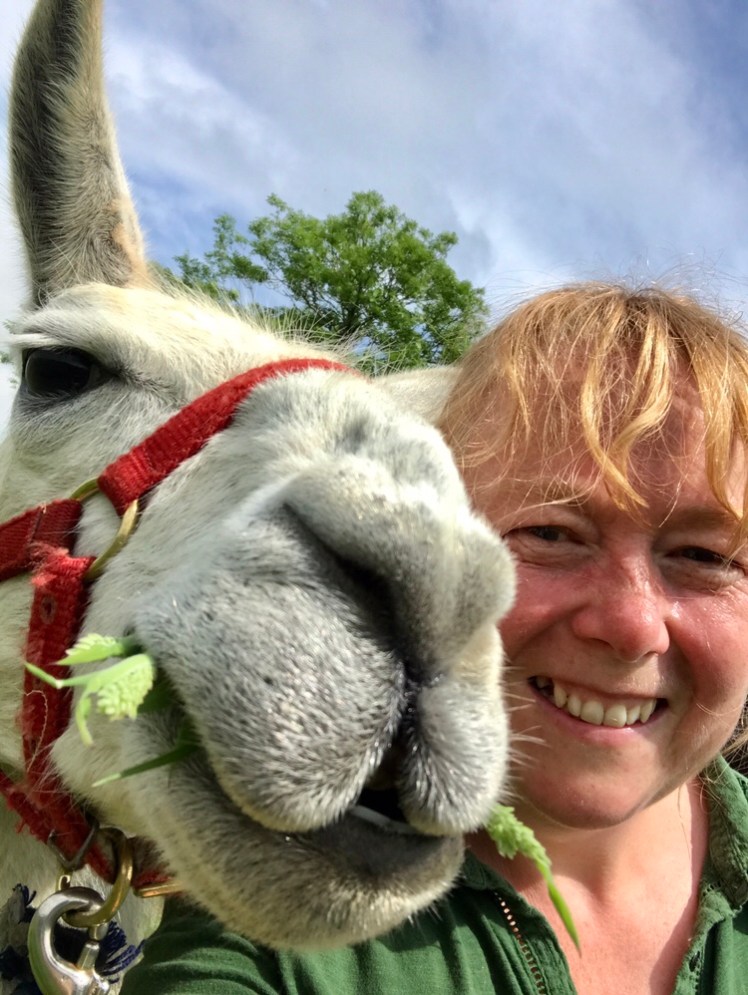
Today I went llama trekking for the first time,it was brilliant. Apart from the gorgeous gentle llama who shared the trek it was a walk full of wildlife and flowers.

The three and a half hour trek wandered through Northamptonshire fields and woods . The farm we walked through was very interested in conservation , wide field edges full of wild flowers ( llamas rather liked these as a snack) hares running over fields, there were areas left bare for lapwings to nest which was really interesting.

The butterflies were busy on the wide field edges as well as bees which was great to see.

The stars of the show today though were definitely the llamas !