
Into the beautiful blue
On a Sunny morning four nature table explorers , Paul,Lesley, Tim and me all set off on a bluebell adventure.

Leaving Northampton behind we drove west towards Daventry, the landscape changes and becomes more rolling.A left turn and we were soon at the village of Everdon but another left turn took us up the hill to the woods called Everdon Stubbs.
These broadleaf woods with areas of open glades , coppiced trees and large older trees is carpeted in beautiful bluebells ( Hyacinthoides non-scripta)
There is something almost magical about bluebell woods, the colour , the scent and the birds flying and singing in a paradise.
Here is a little taste of that paradise so you can hear the birds and imagine you are there.
At this wood I really love the open glade areas , the bluebells grow in the grasses.
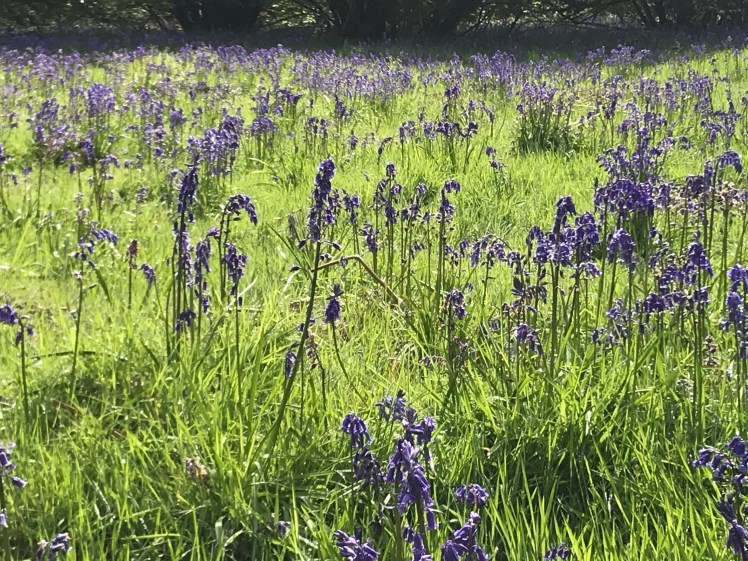
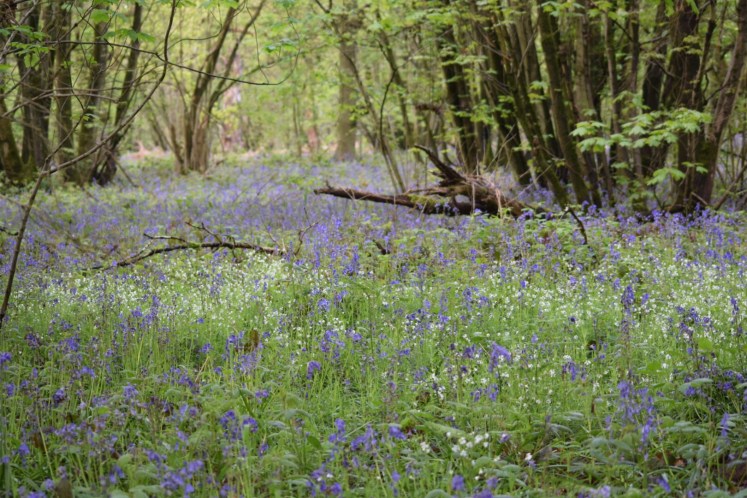
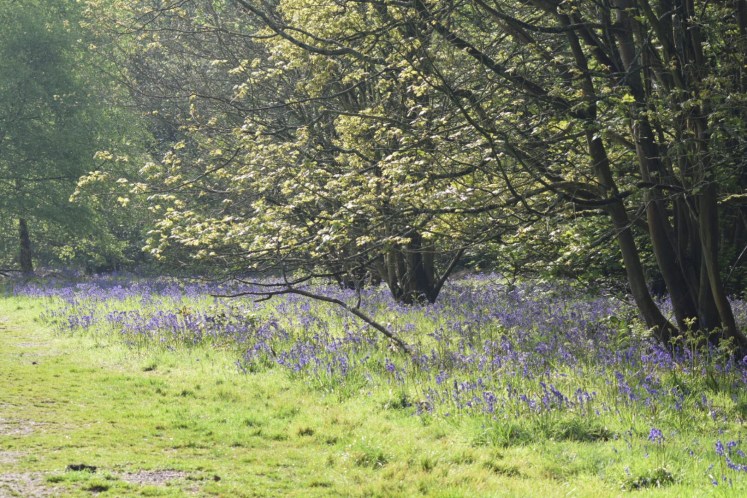
The team of four explorers enjoyed meandering through the scented paths and discovered other flowers amongst the bluebells.
There was a lot of large patches of Great Stitchwort (Stellaria holostea) these patches have a frothy appearance made up of white flowers. They have a lot of descriptive common names; wedding cakes and daddy’s shirt buttons are two I rather liked.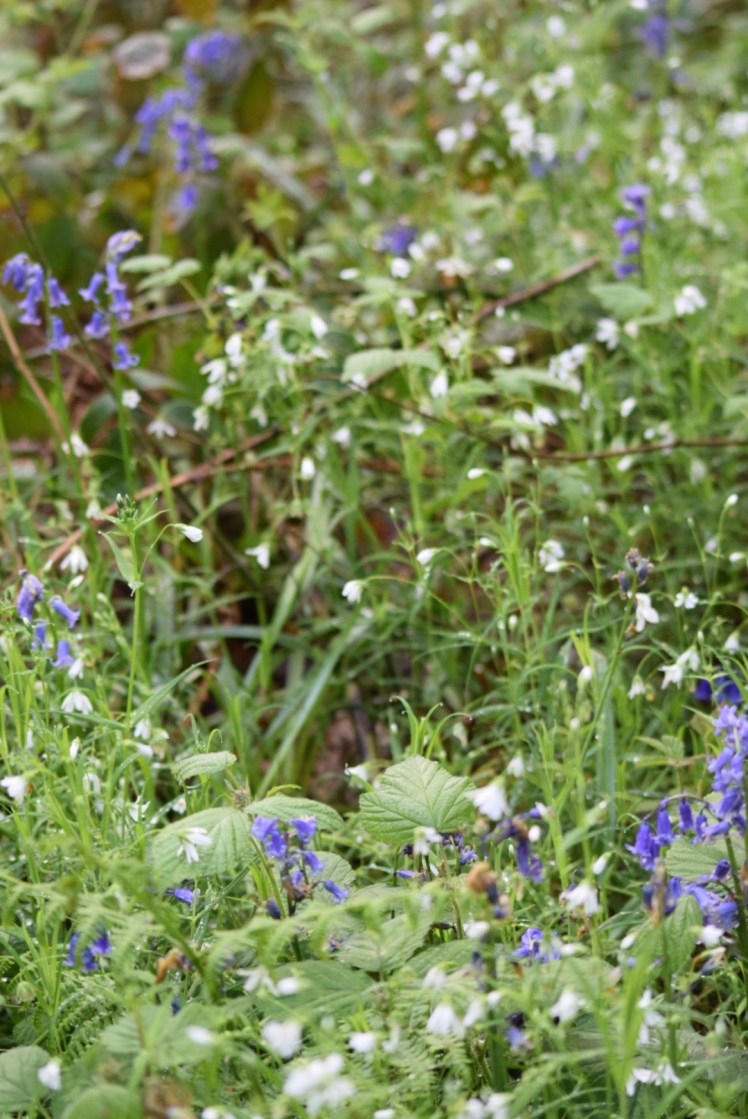
This is not a great photo but it does show how the Stitchwort grows amongst the bluebells.
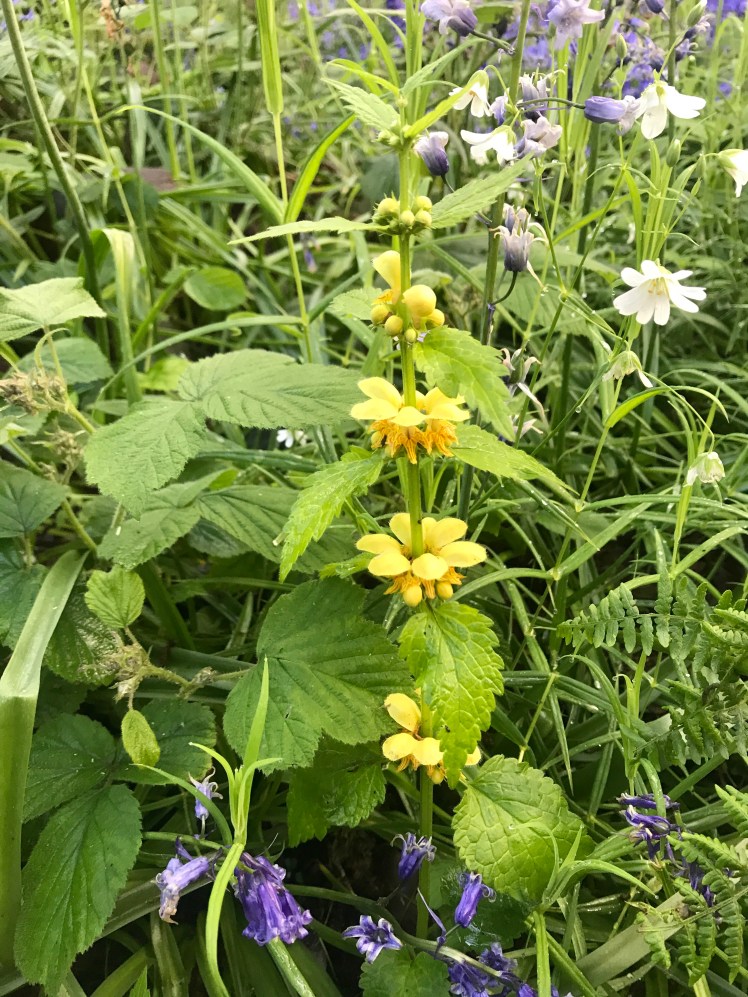
Another flower in large numbers through the wood is the Yellow Archangel (Latium galeobdolon) These flowers will continue to bloom as the bluebells fade. It has leaves similar in shape to a nettle but has no sting … it is angelic,

The next beauty in this pageant in the wood is red campion , we have always called it bachelors button (Silene dioica). An interesting fact about this plant is that it is dioecious, this means that there are Male plants and female plants.
There are some fantastic stands of red campion in the road verges as well as the woods at the moment. They are tall attractive perennials with flowers providing nectar for pollinators.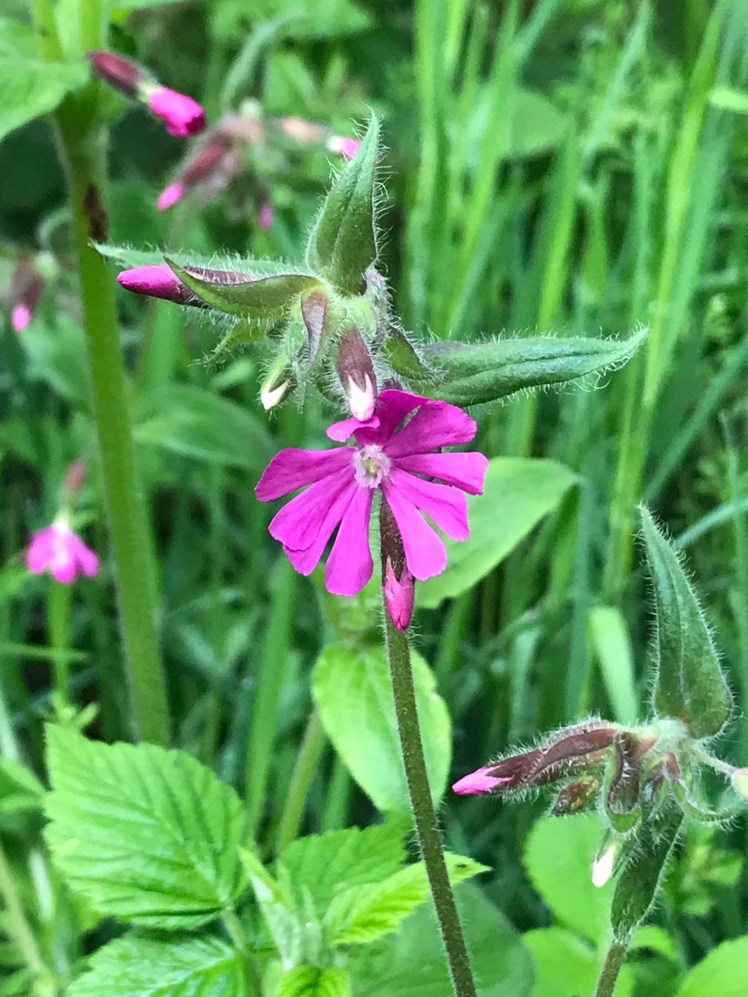

This was a kaleidoscope of a walk mainly blue but punctuated with white, yellow and pink all alongside the fantastic young greens of the trees like this young sweet chestnut.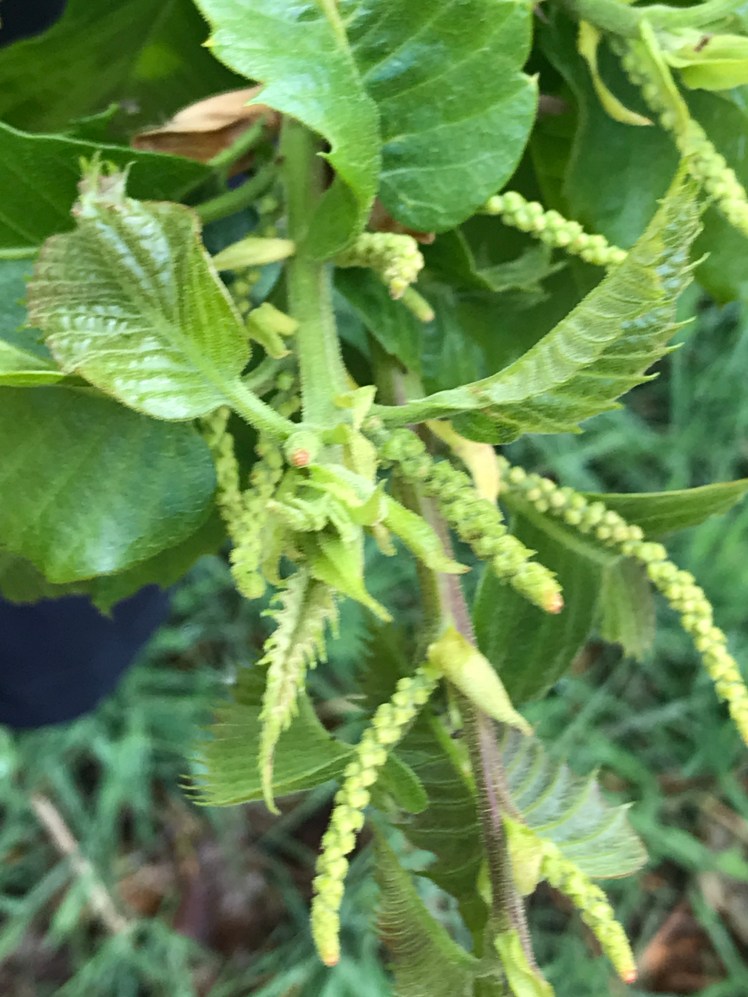
A great walk , these woods really lift your spirits. I say EXPLORE MORE !


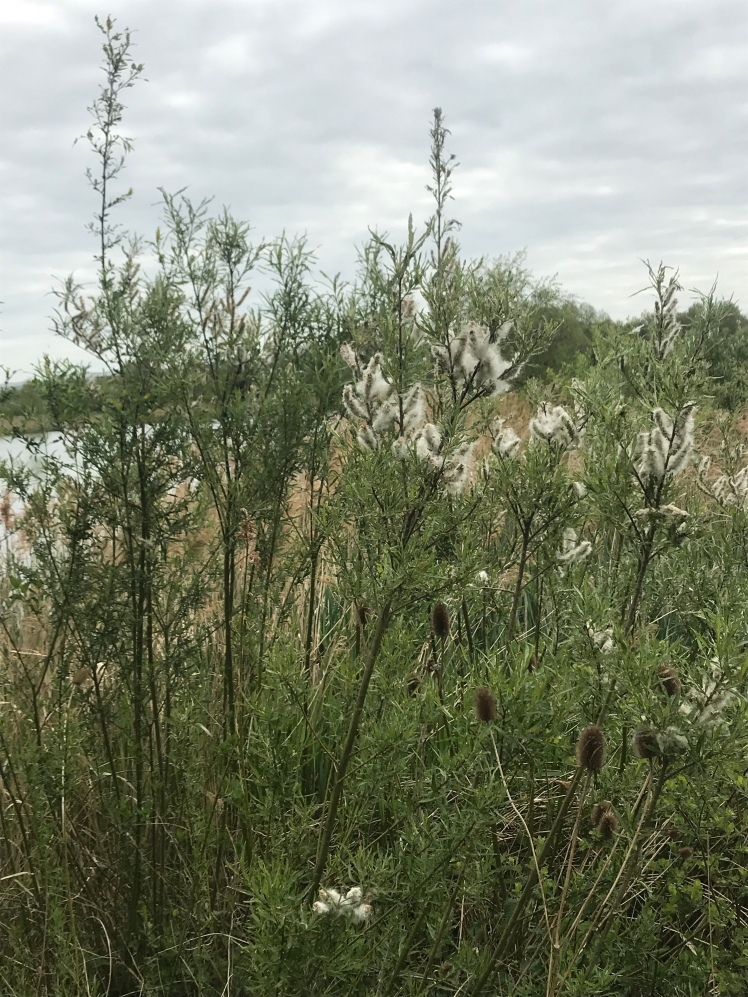


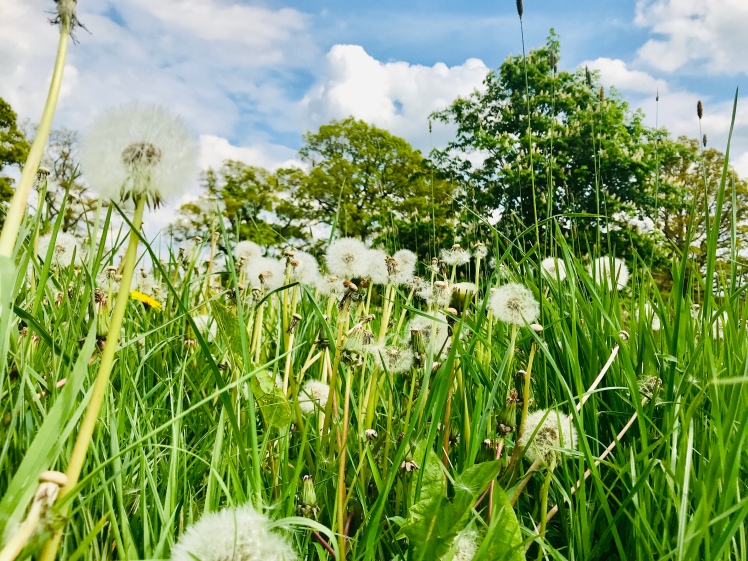


 Dandelion seeds are dispersed by the wind, each seed having a parachute structure.

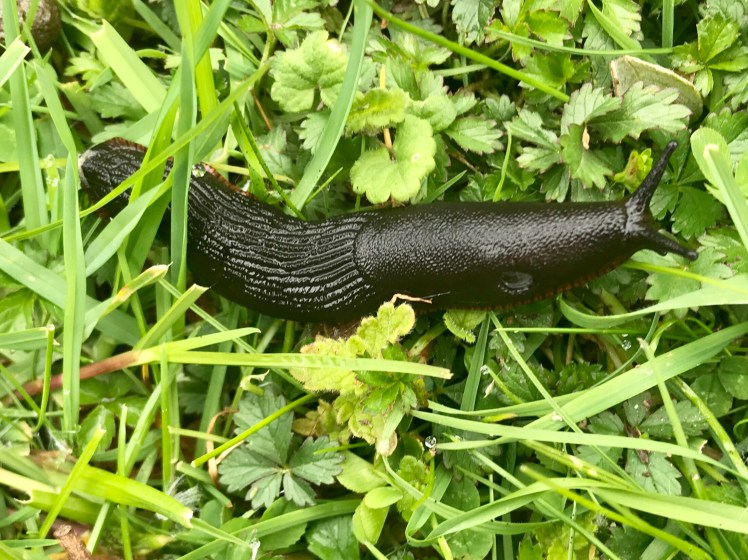
 This is the Large Black Slug (Arion ater) I love the orange colour along its edge. These slugs are mainly nocturnal, but they are often seen in the day on damp vegetation. They are omnivores eating, Carrion, dung and vegetation . They prefer rotting vegetation and are therefore not a real garden pest.They lay clusters of spherical eggs that can be seen sometimes when digging the garden.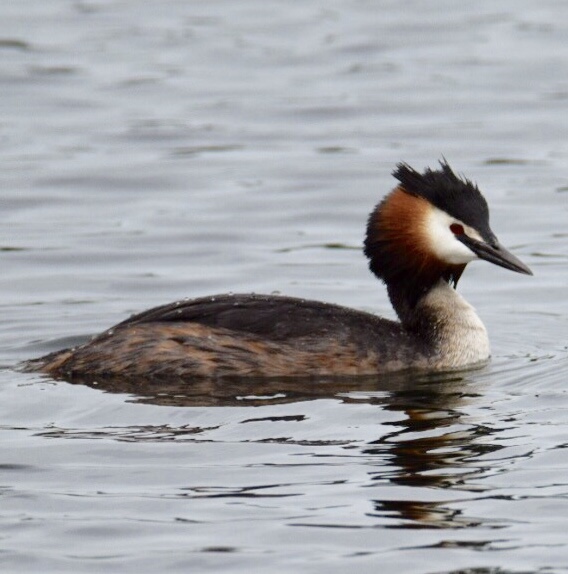
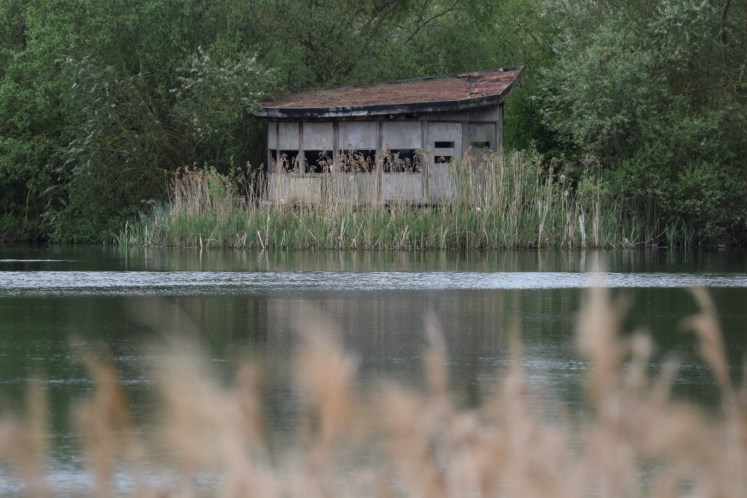

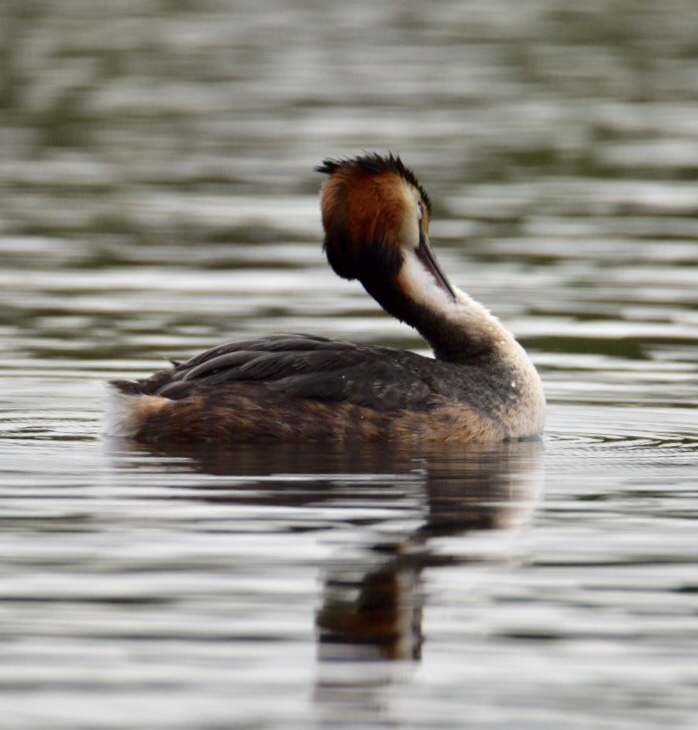
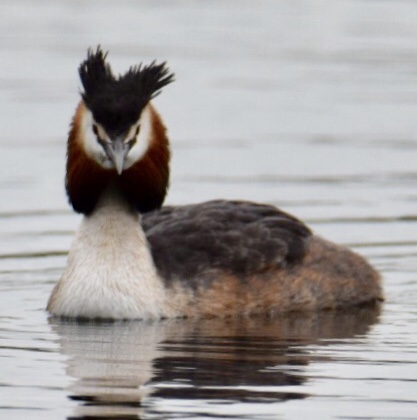
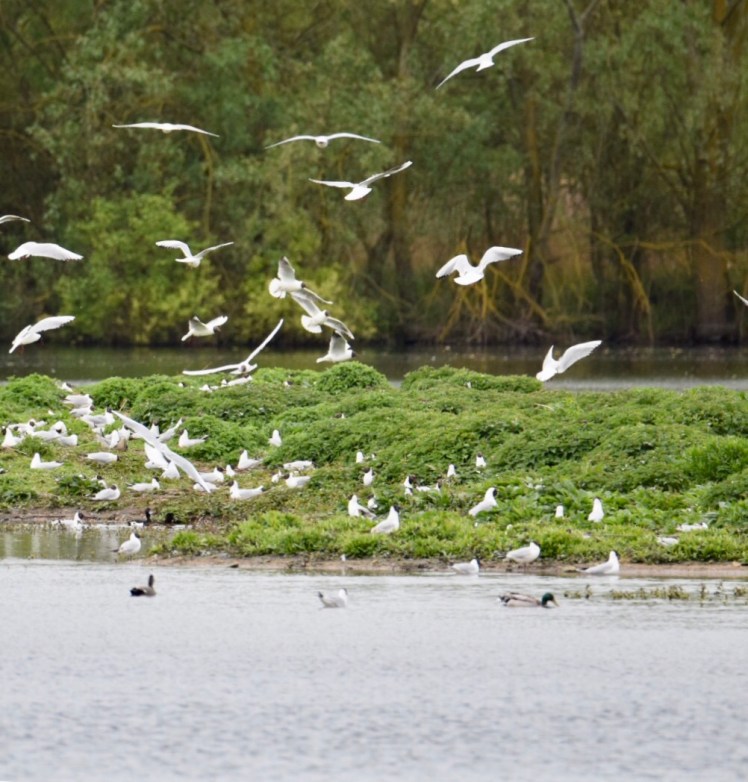
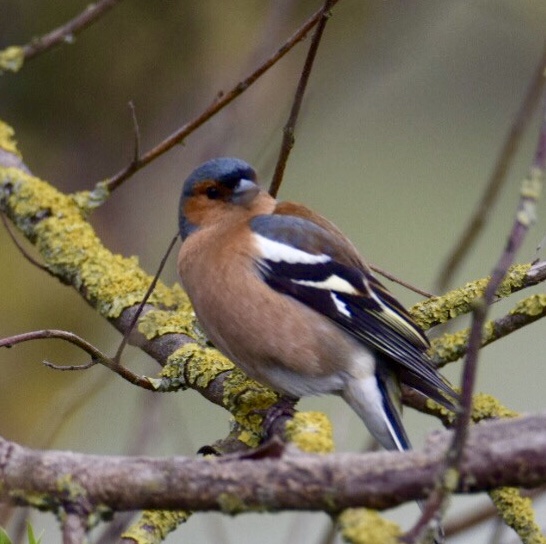
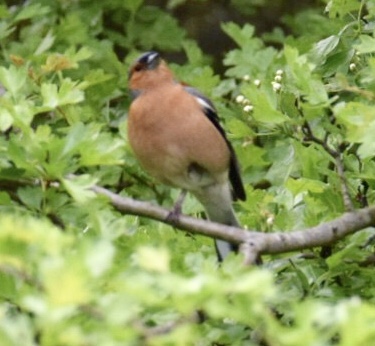
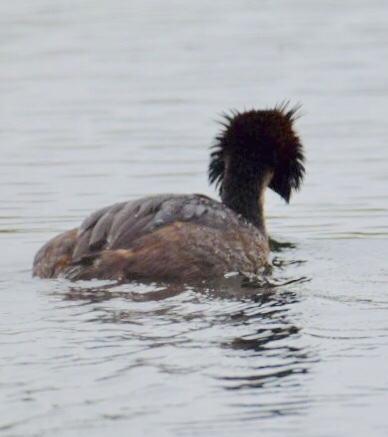 They are a very photogenic birds, looking forward to spotting some chicks.
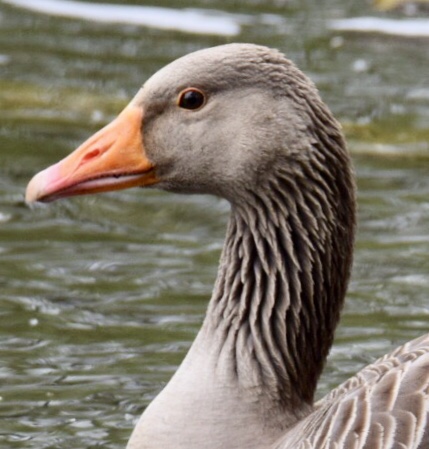





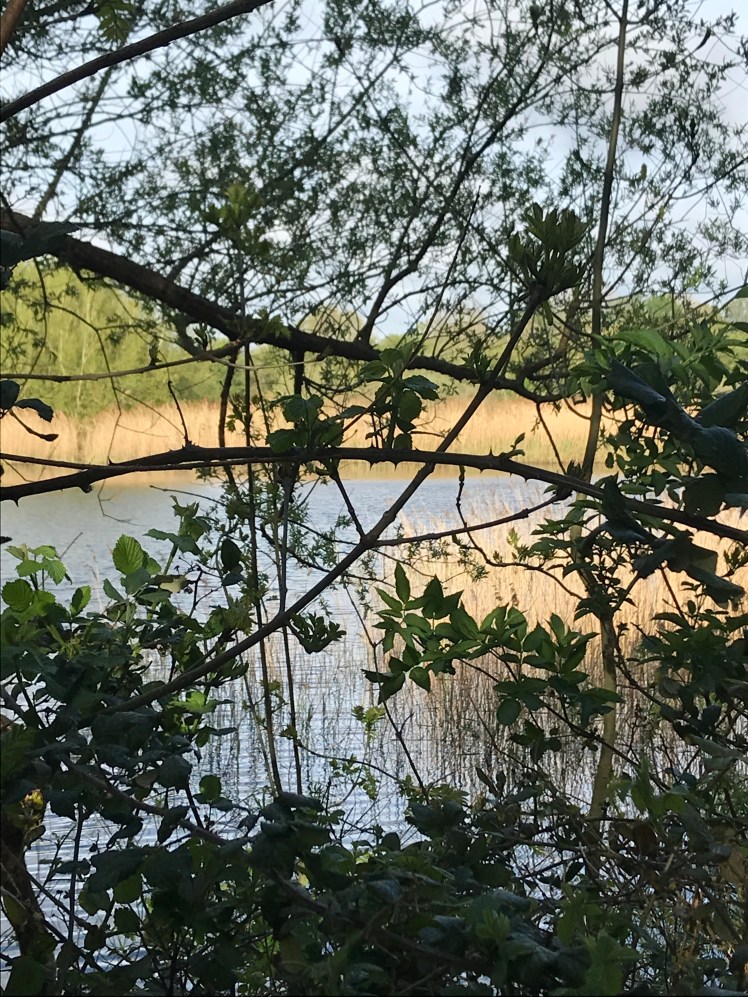
 Hawthorn ( Crataegus monogyna)this tree has a range of other local names, May, white thorn, Quickthorn and more.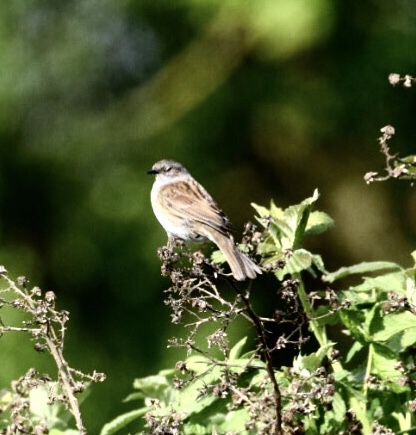

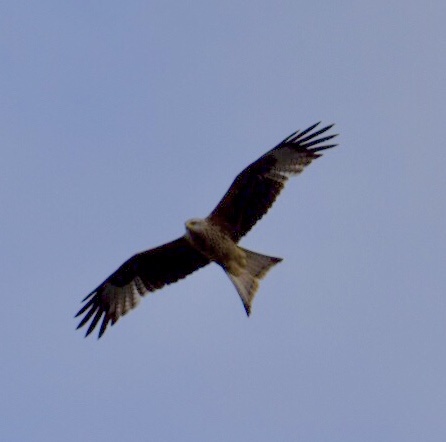


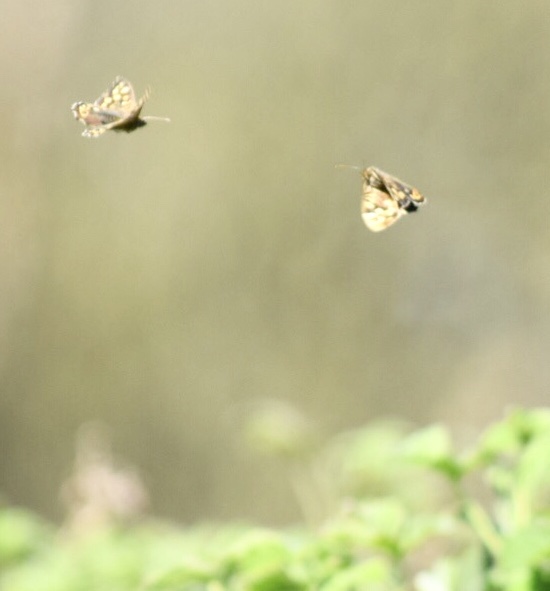
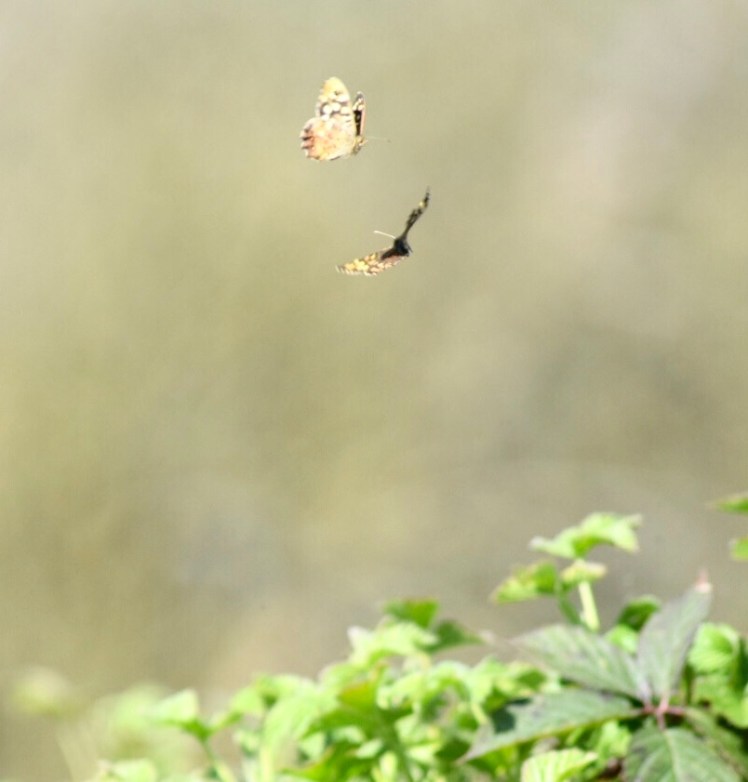
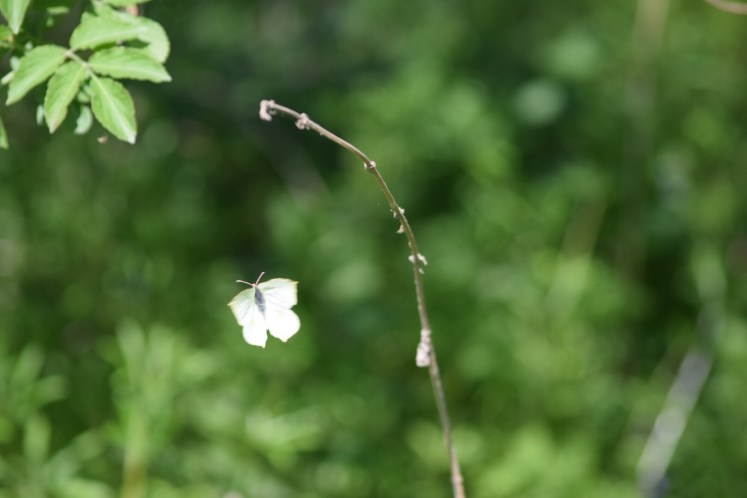 This picture shows the shape of the pale yellow wings , caught in mid flight by nature table explorer Tim who captured these flying shots.
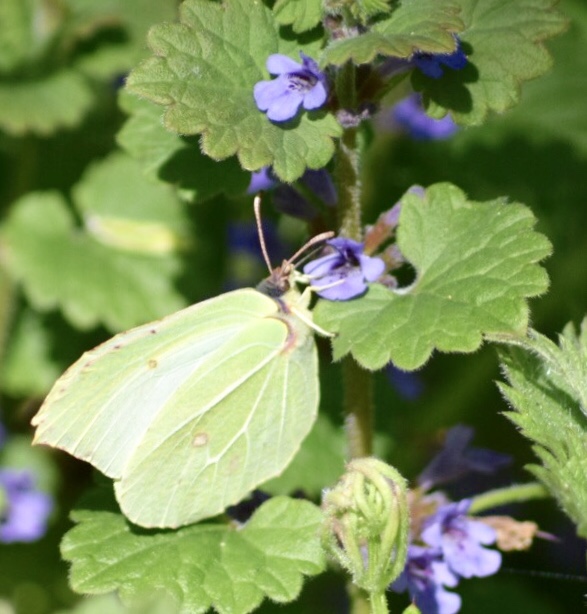 A great photo of the butterfly feeding , it’s wings looking quite leaf like.
 The photo shows a female on milk maid.

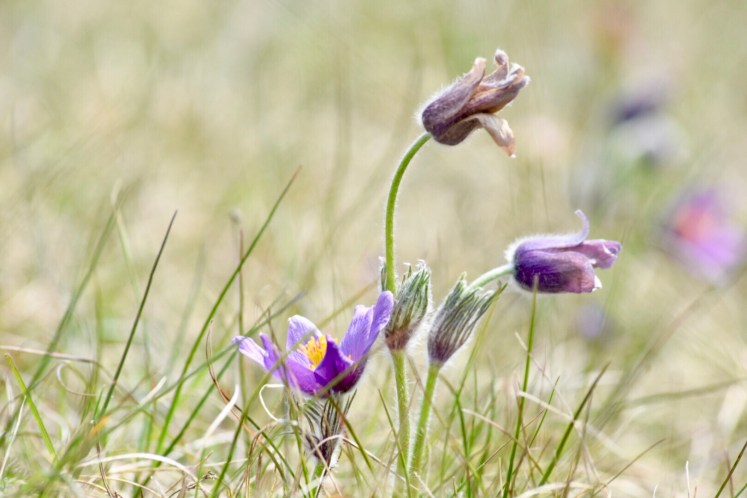

 Pasqueflowers are rare in the UK and they are classified as vulnerable on the vascular plant red data list.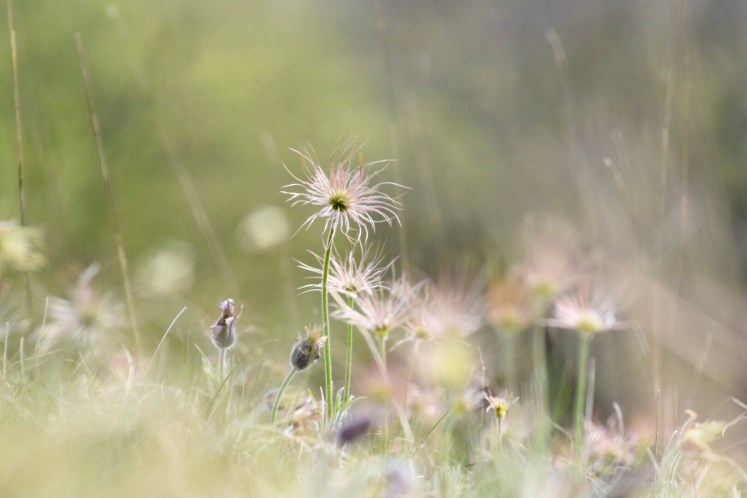

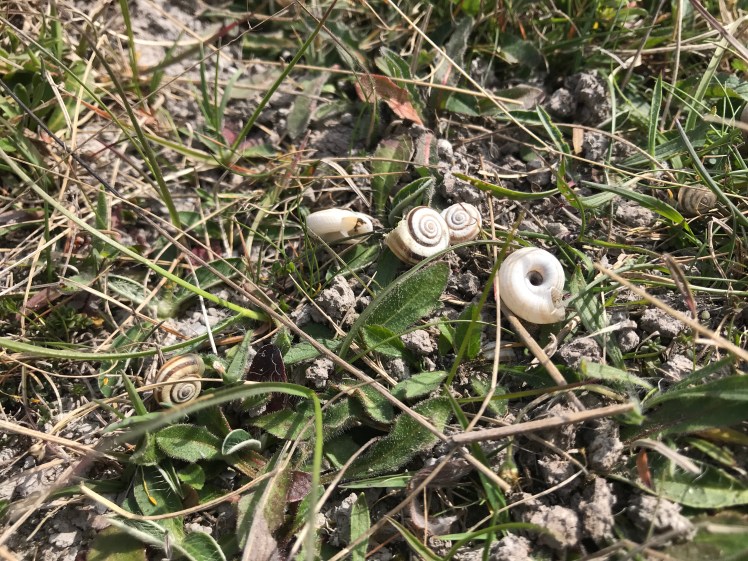
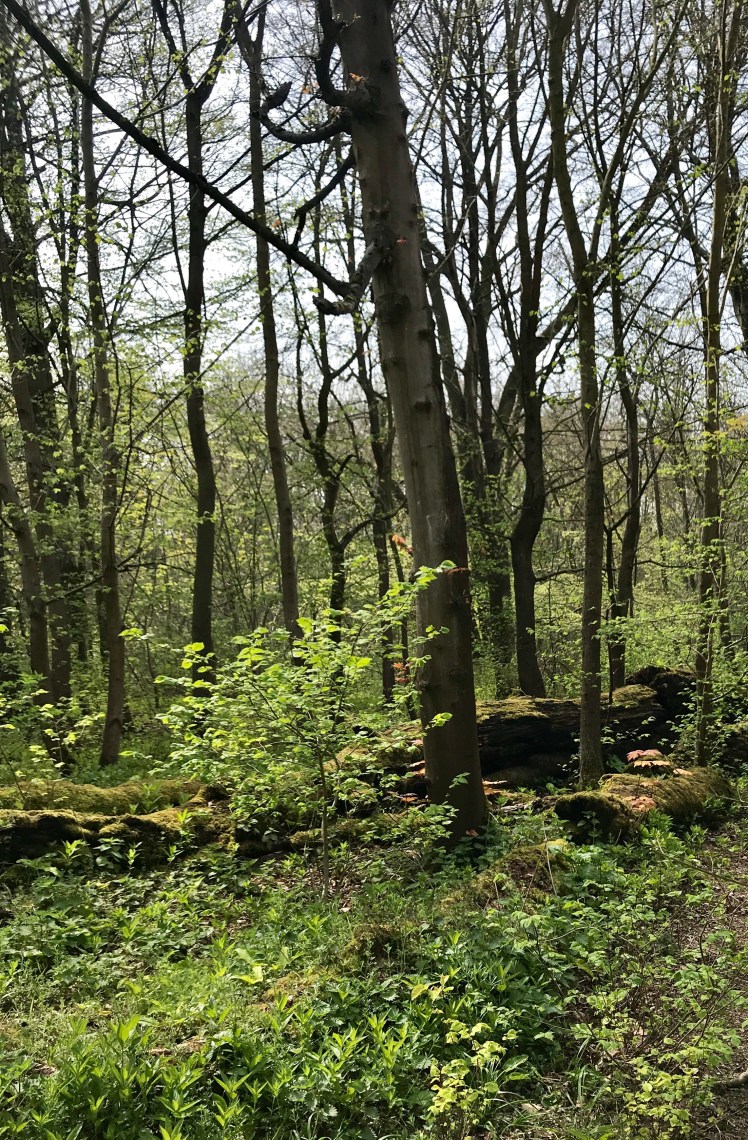

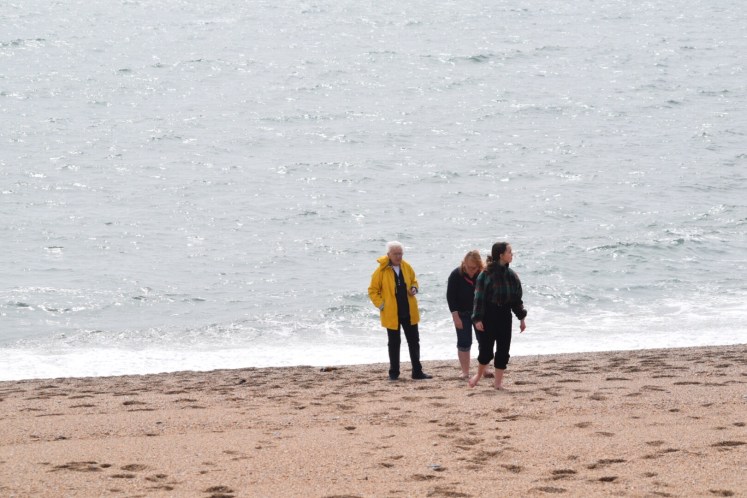
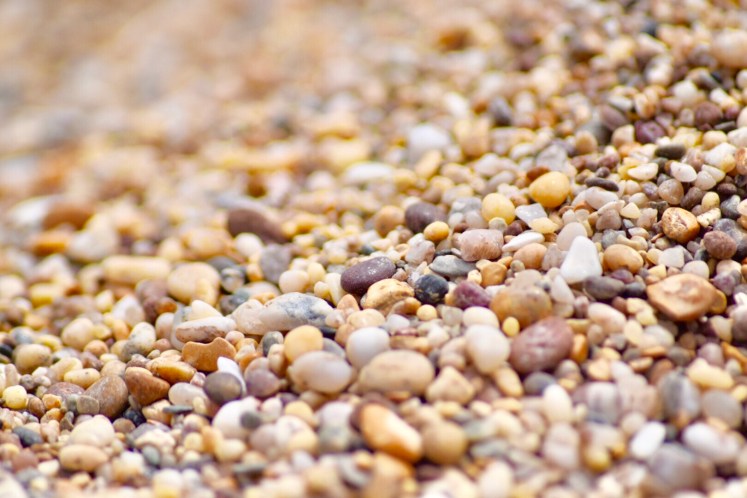
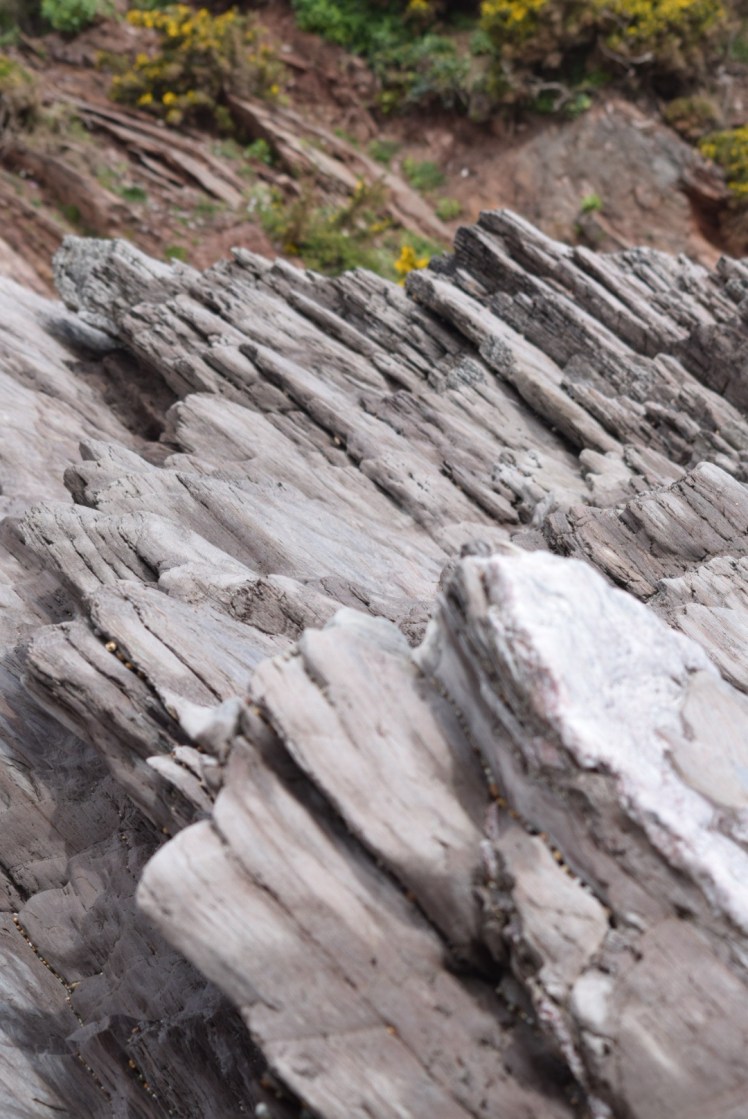
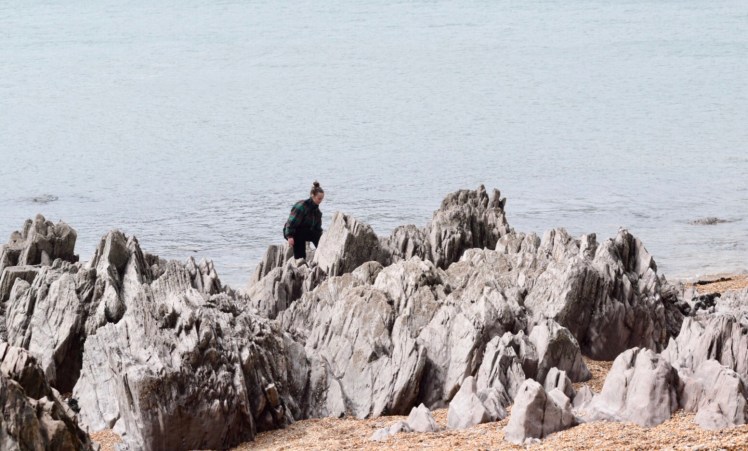

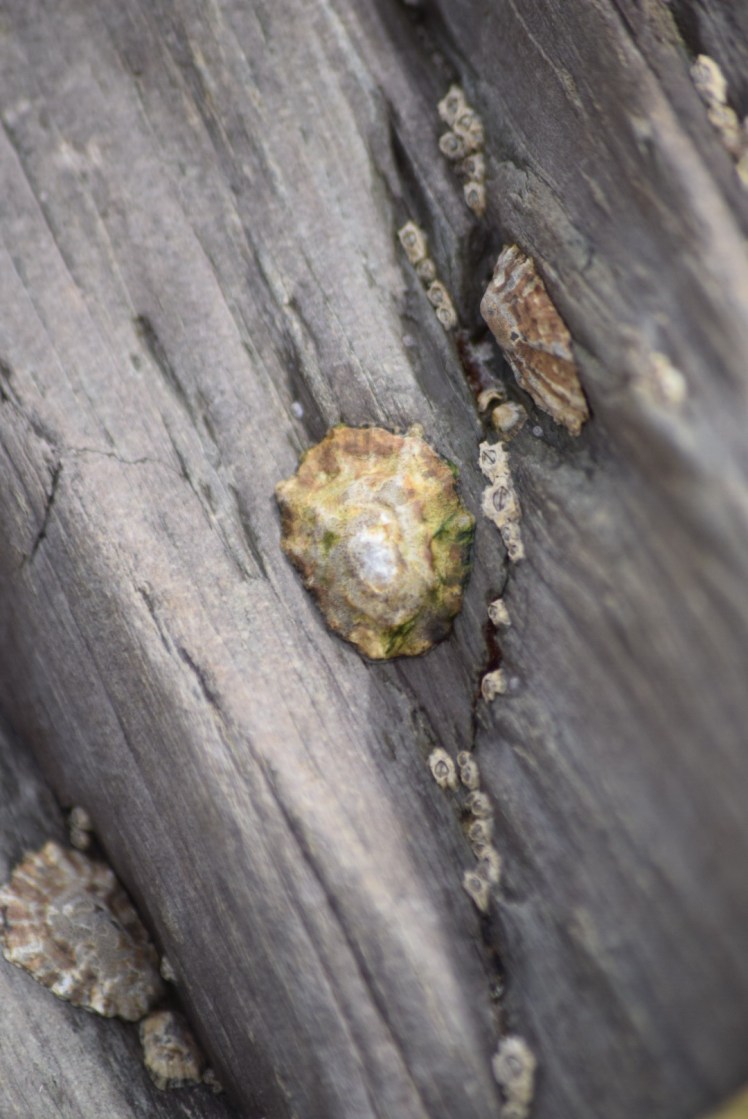
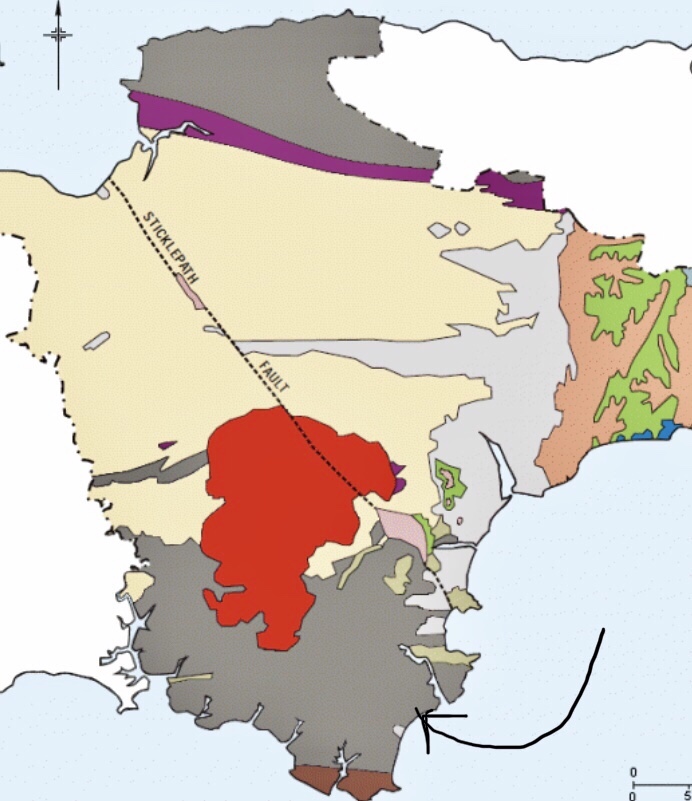
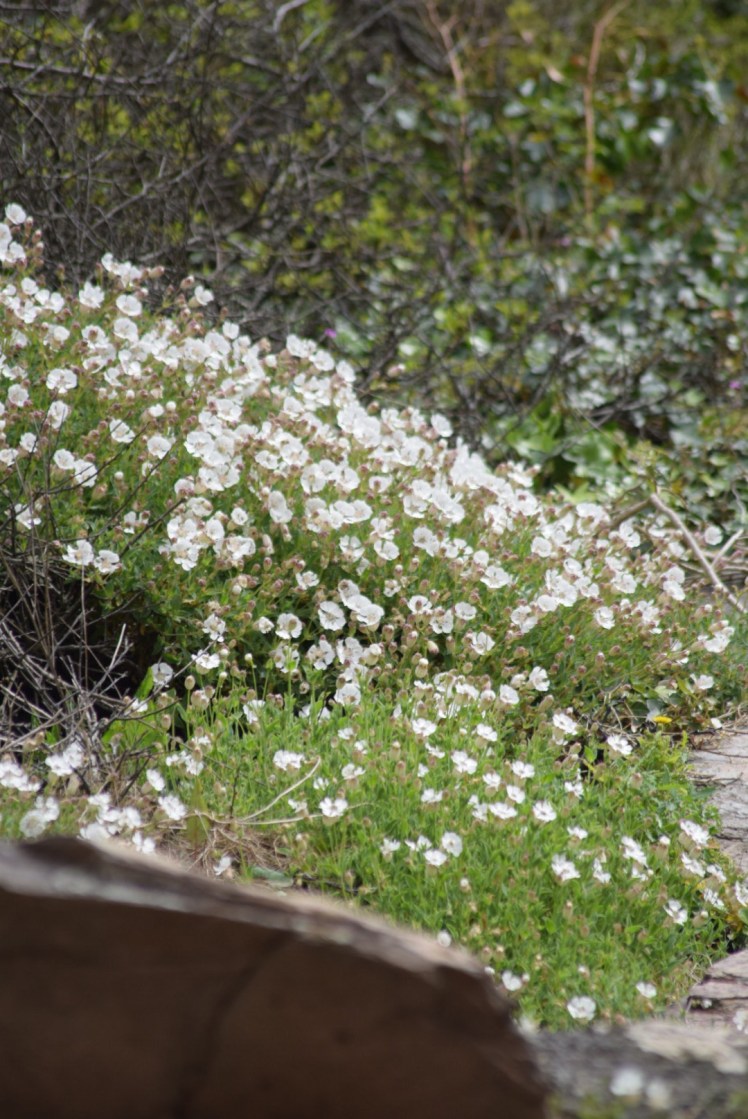
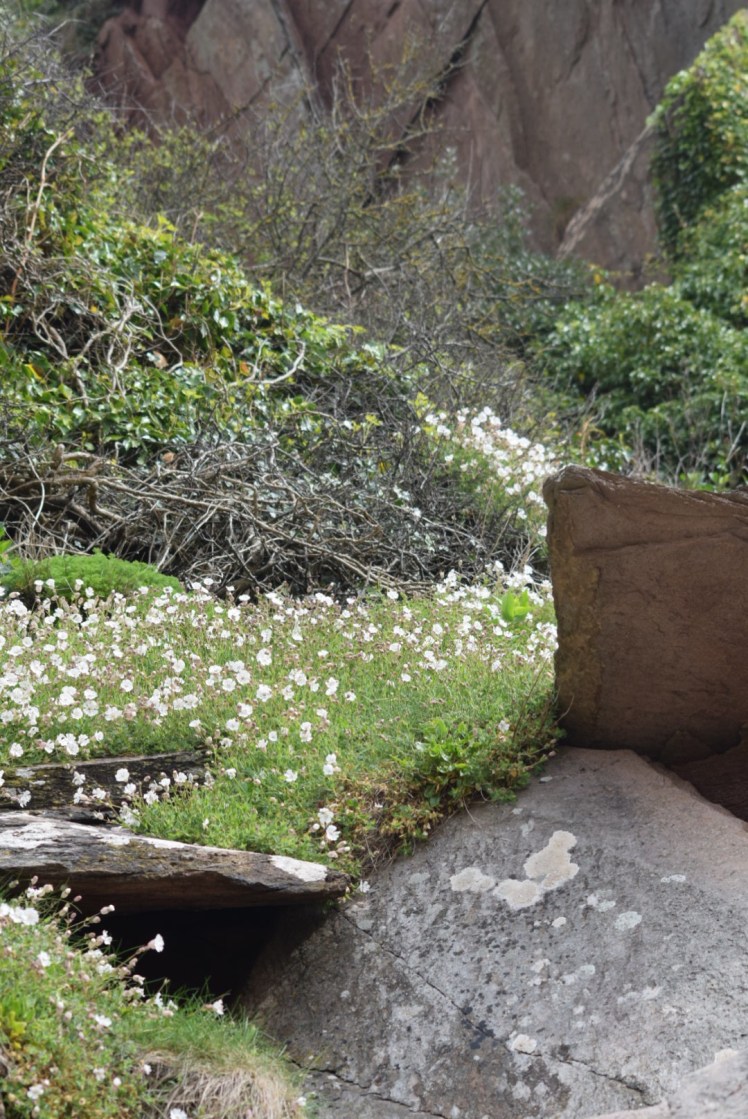


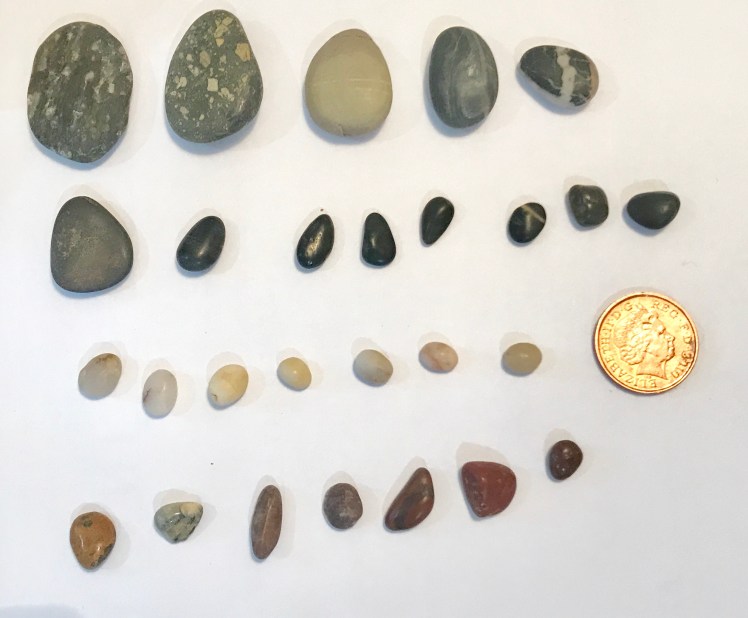 This is a super beach to visit and explore . It is £5 to park there are toilets and shower facilities. There is also a nice place to sit and have a coffee and enjoy the fantastic views.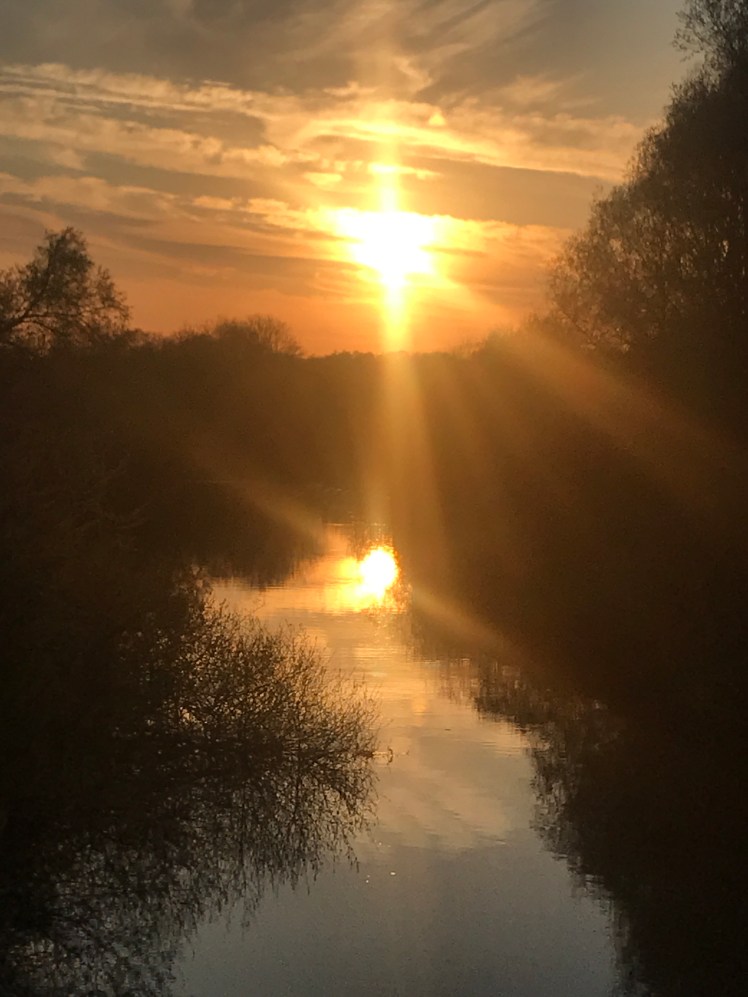


 Great Crested Grebes swam by. There was no sign of any otters.




 NATURE TABLE EXPLORER