Magical Mistletoe

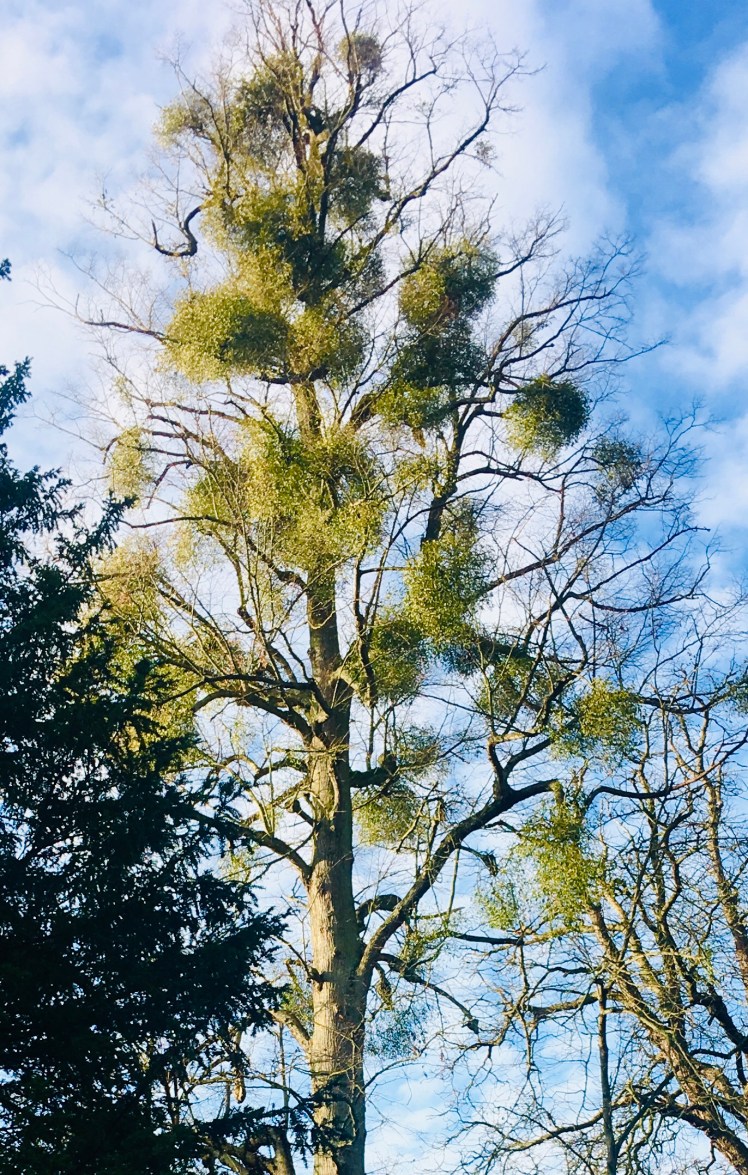
It is the last day of 2019 and a dull cloudy walk was brightened by some huge mistletoe plants in apple trees at Baddesley Clinton near Leamington Spa.

There is one species of mistletoe in the U.K. it is Viscum albums. There are approximately 900 Species worldwide.It is a plant that is found across the U.K. but the main population is centred in the SW Midlands. In recent years the range of mistletoe has expanded into more eastern areas. One explanation of this is the higher numbers of continental blackcaps from Germany that have started to overwinter in Britain and spread the seeds.

Birds such as blackcaps and mistle thrushes love eating mistletoe berries. The berries are sticky and the birds wipe their beaks on a tree branch and the new plants of mistletoe can grow.

Mistletoe is a semi parasite, it has sucker like roots that attach it to the tree where it can tap into water and nutrients from the host tree. It does photosynthesise and produces it’s own food.

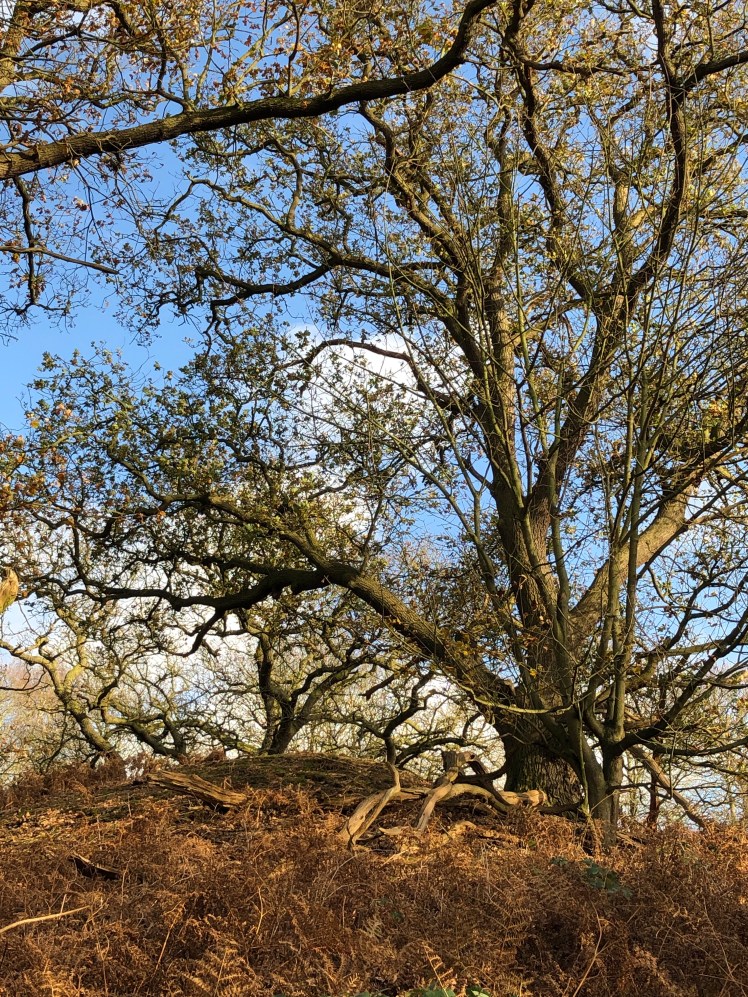
It is found in trees such as Apple, lime , sycamore ,ash ,poplar ,hawthorn but very rarely in oak.

Mistletoe is a dioecious plant which means that a plant is either male or female. Female plants have the creamy white berries that the birds love.

The mistletoe marble moth is a priority species for conservation and needs mistletoe to complete its lifecycle.It has declined in the six counties it is found in and this is thought to be because of the commercial collection of mistletoe in these areas.

A walk at Wrest Park a couple of days ago was full of trees covered in Mistletoe.

Mistletoe is at the centre of folklore and myths it is wrapped up with fertility, love, protection and Christmas .

It is a strange plant , it grows between the sky and the soil it is neither a tree or a shrub , it is a semi parasite . There are many tales to explore about this mysterious magical evergreen in the trees.

Happy exploring in 2020 !
Winter Illuminations

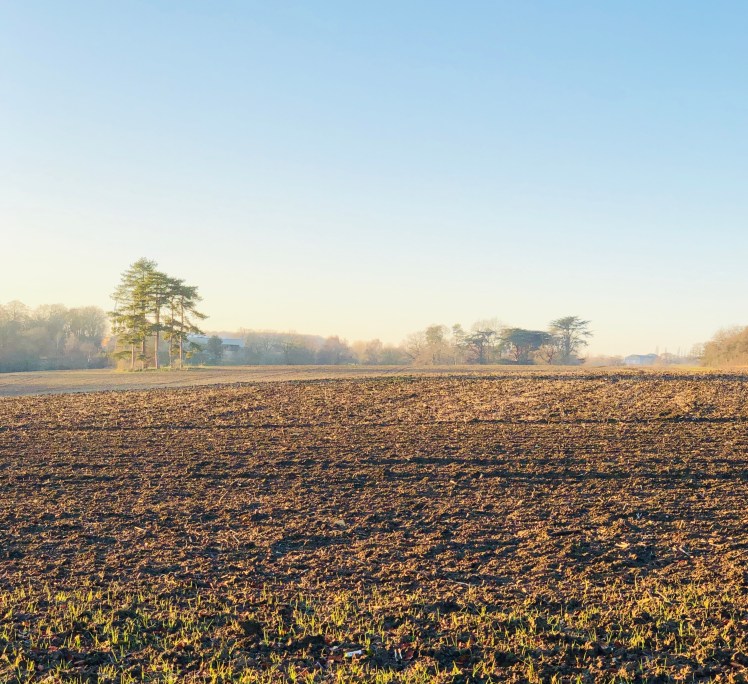
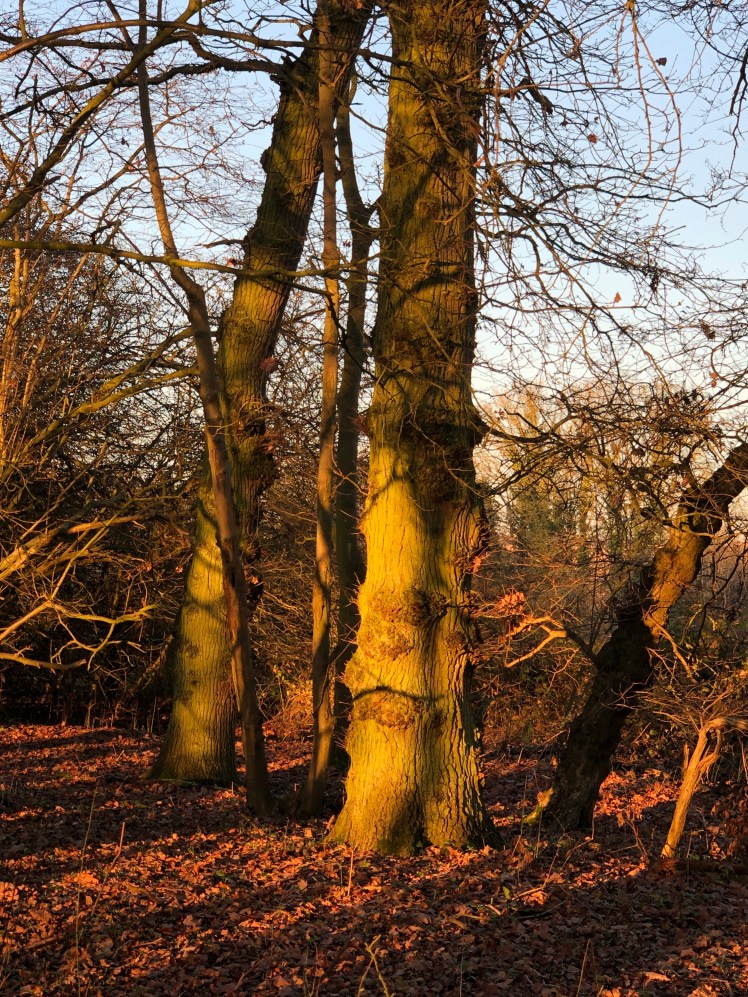
It has been a bright, blue sky day today. At 2pm we set off with the dog for a walk across local fields and through some woods. The sun was low making driving painful at times. This low winter sun transformed the trees and landscapes making marvellous shadows and colours against the bare branches and skeletons of last summers flowers.

Shadows and light drew attention to the structures in the woods and the shape of skylines and fields.

This walk follows the edge of a very large undulating field that has large stones scattered all through it . At the top of the hill a woodland follows the ridge. In the spring this wood is full of bluebells, today the floor was carpeted in oak leaves and muntjac deer were trotting through.

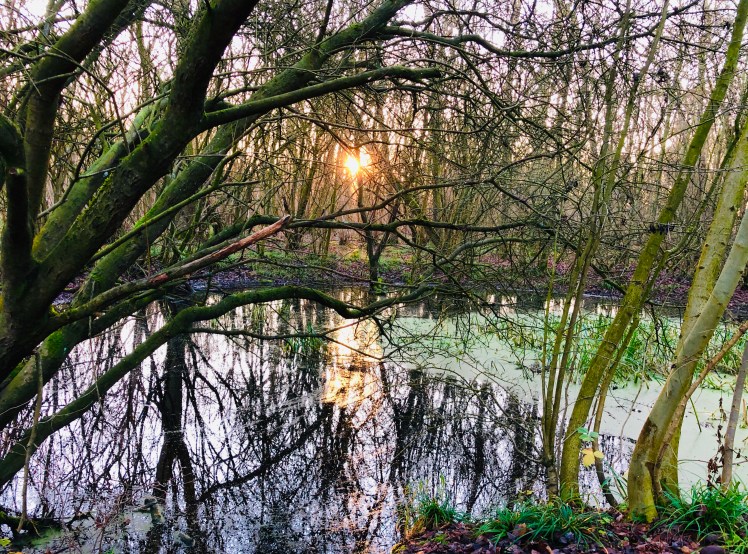
There is a large pond in the centre of the wood that was very full and illuminated with winter light making it mystical .

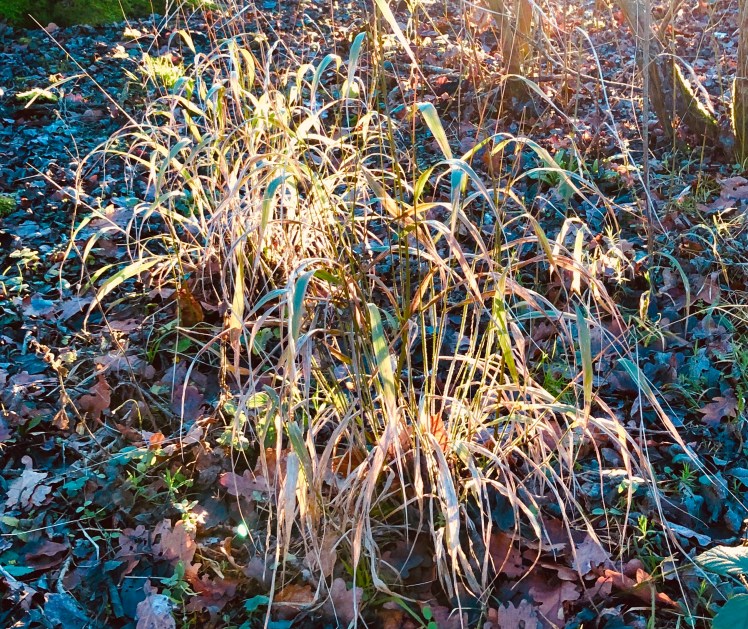
The light adds interest to even collapsed sedges creating a picture .

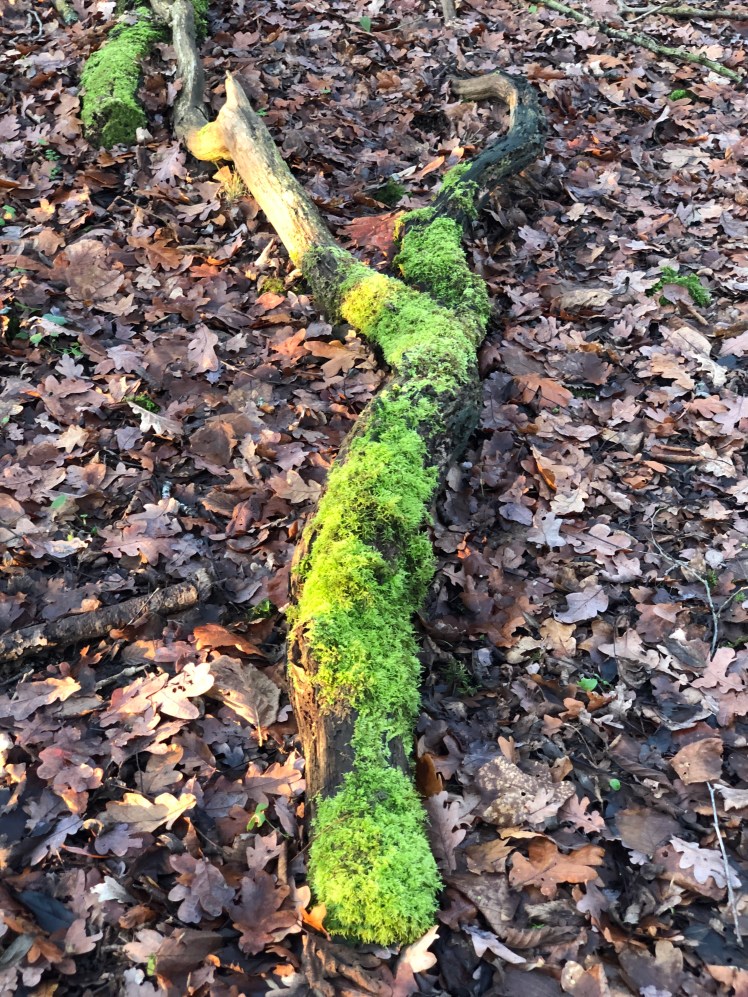
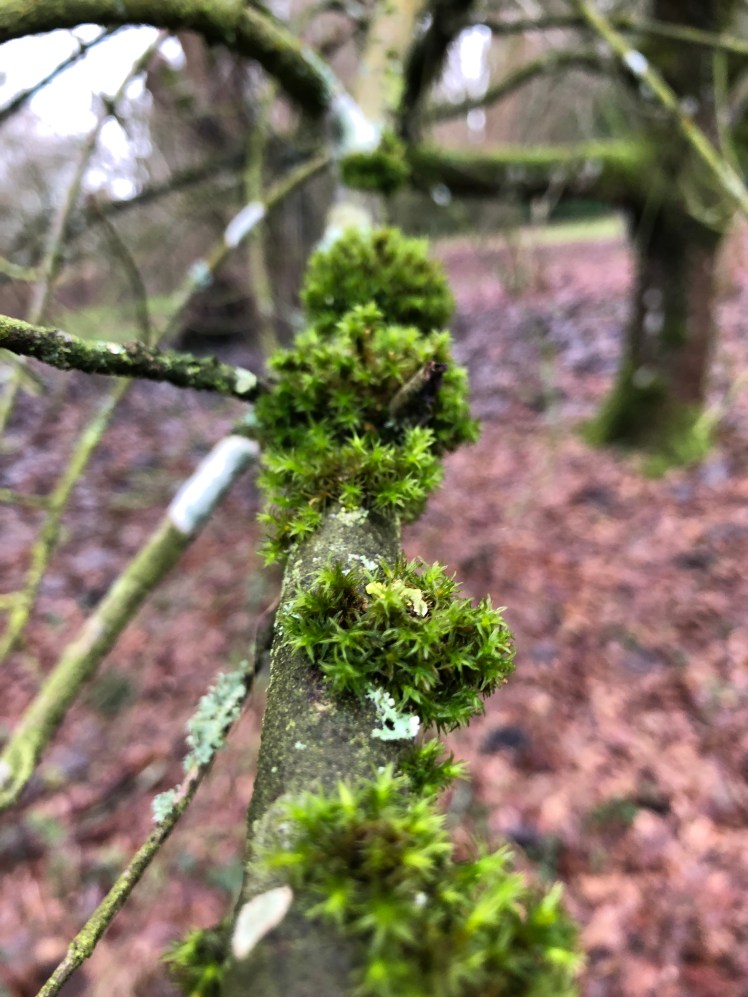
Moss glowed emerald green against the browns and greys of the wood especially when caught in the sun.

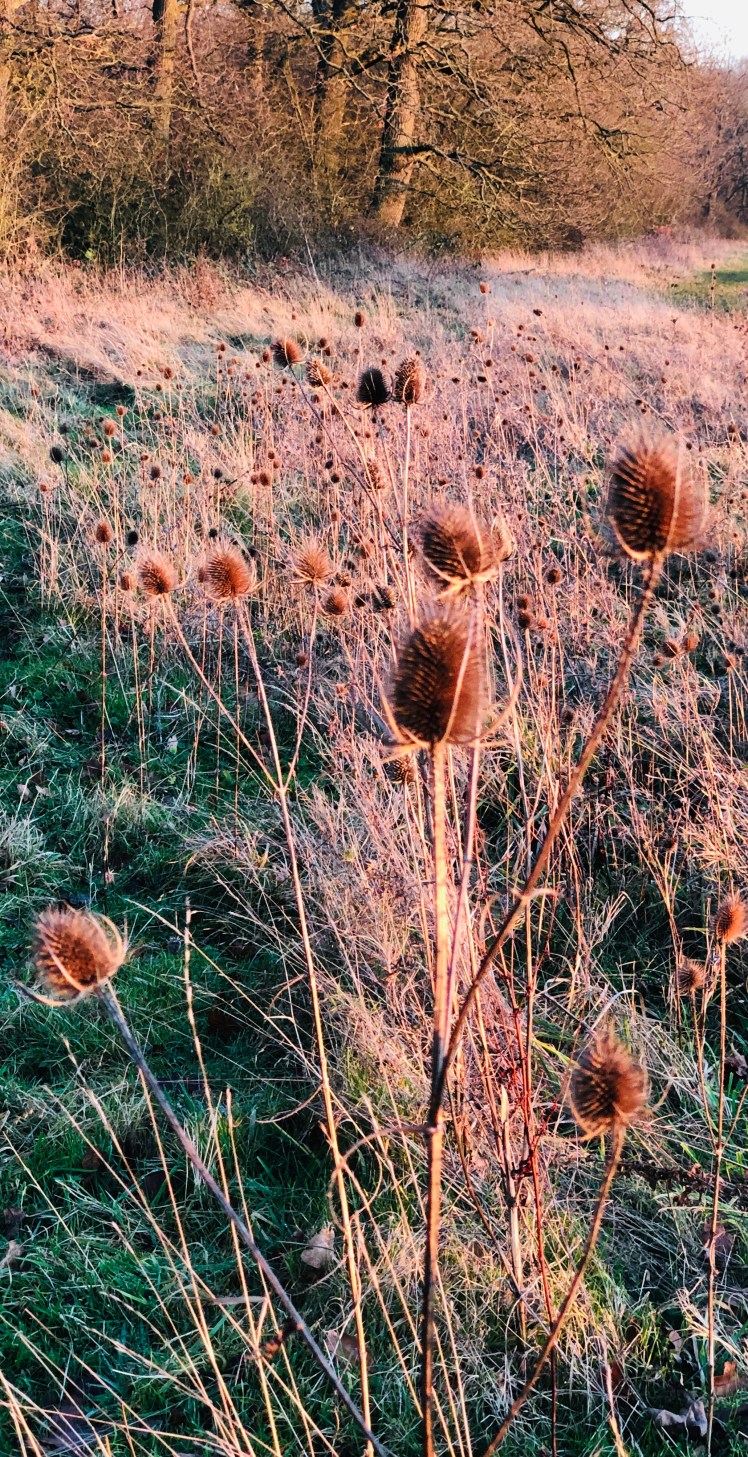
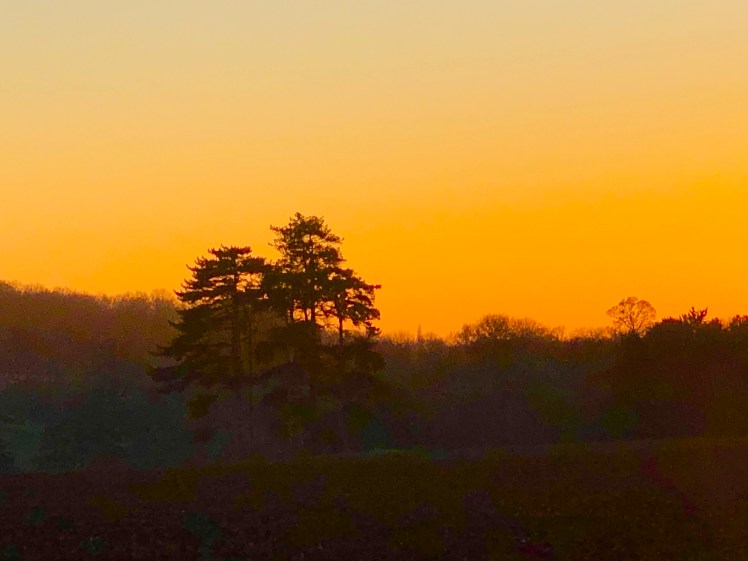
Teasles looked colourful as we walked back through the field as the sun dropped lower and the sky became a beautiful colour.

A lovely walk on an amazing Winter day .

2019 in Photos

As Christmas draws to a close and we start to focus on the start of 2020 I thought it would be fun to post one photo from exploring in 2019 one for each month. A calendar of discovery !

January – chilly skies at Pitsford reservoir

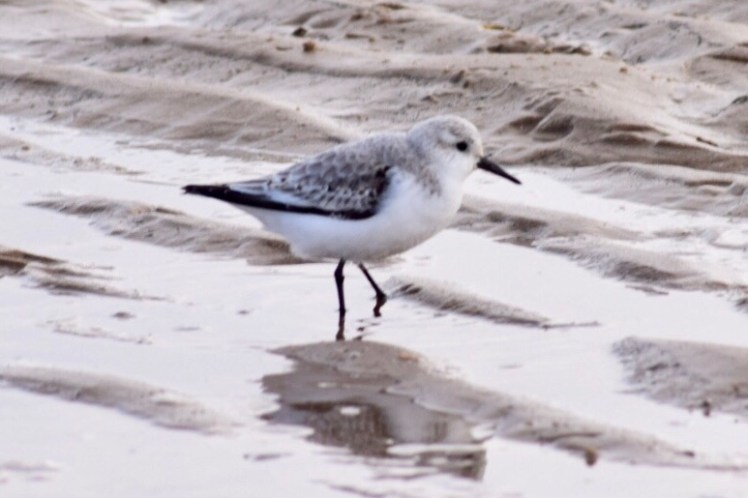
February – waders at Holkham beach

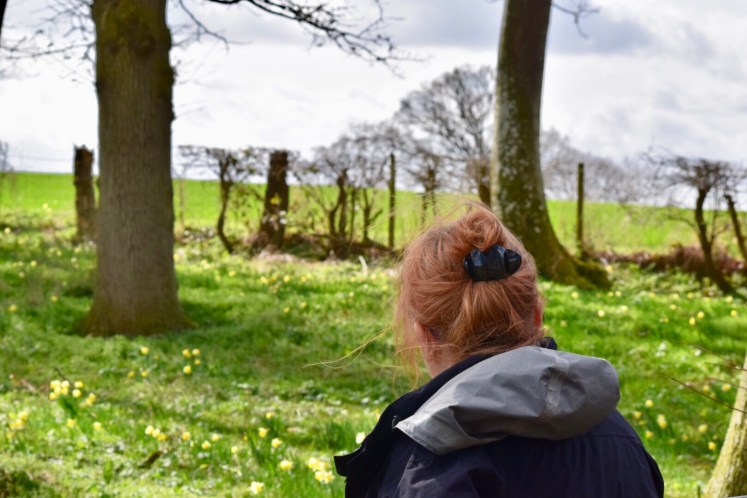
March– Daffodils in the Forest of DeanApril– coming in to land at Harlestone Firs.

MayExploring bluebells at Everton Stubbs

June Insects galore , thistle tables

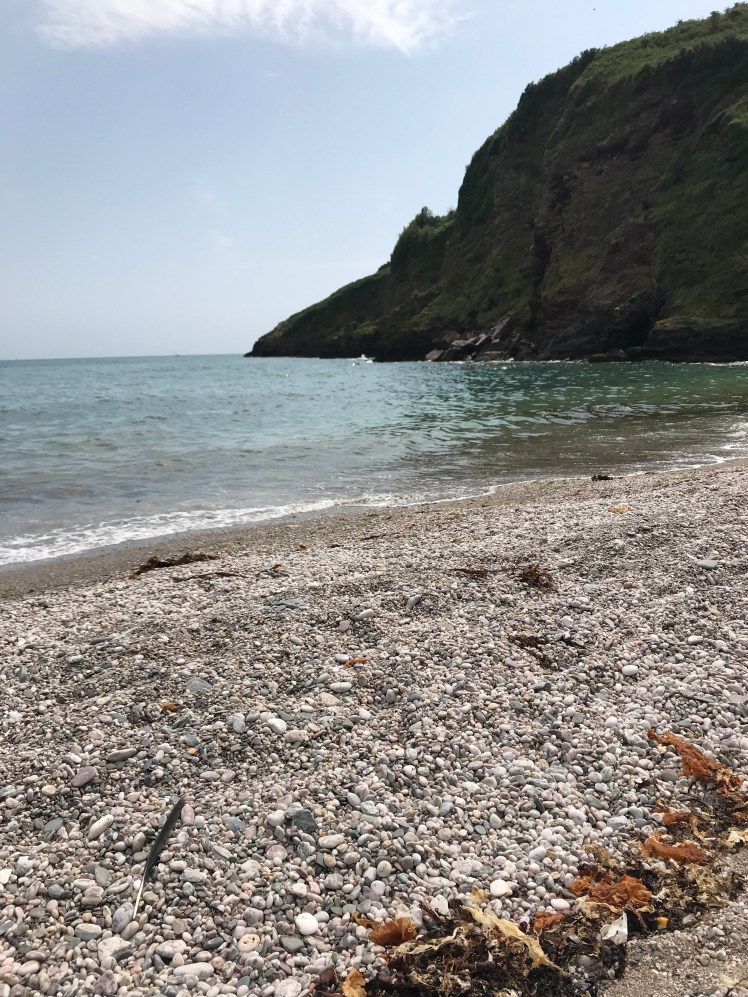
July Beautiful Devon Coast

August wonderful West Runton in Norfolk

September Cambridge Botanic gardens

October Fungi at Batsford

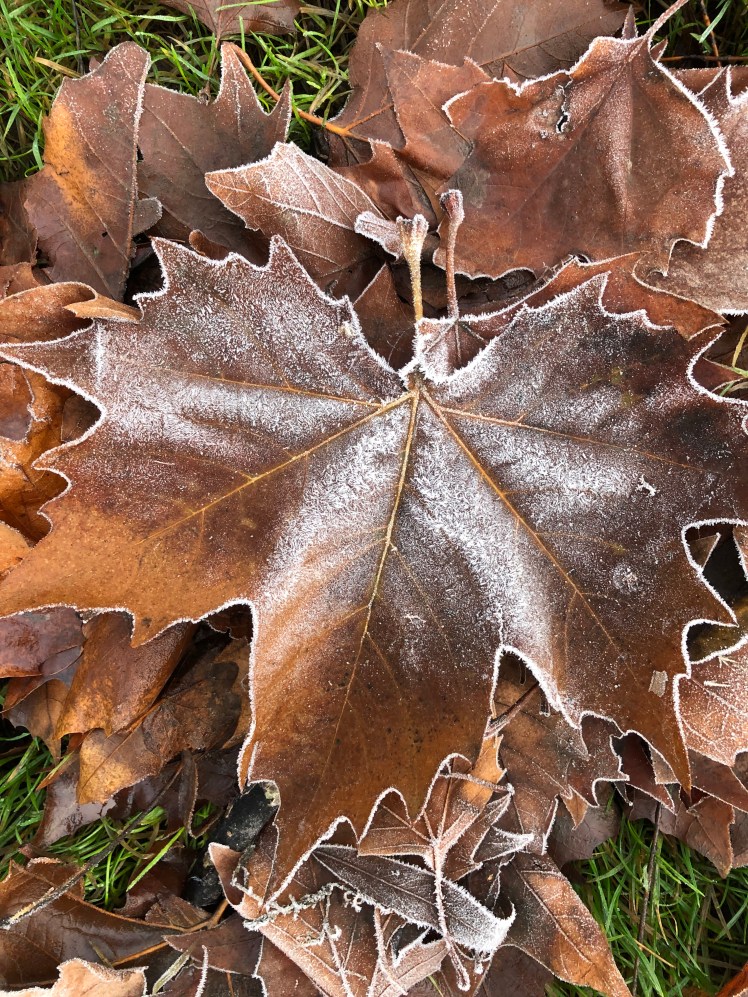
November first Ice

December moss covered trees

Looking forward to exploring more in 2020!

Merry Christmas Eve

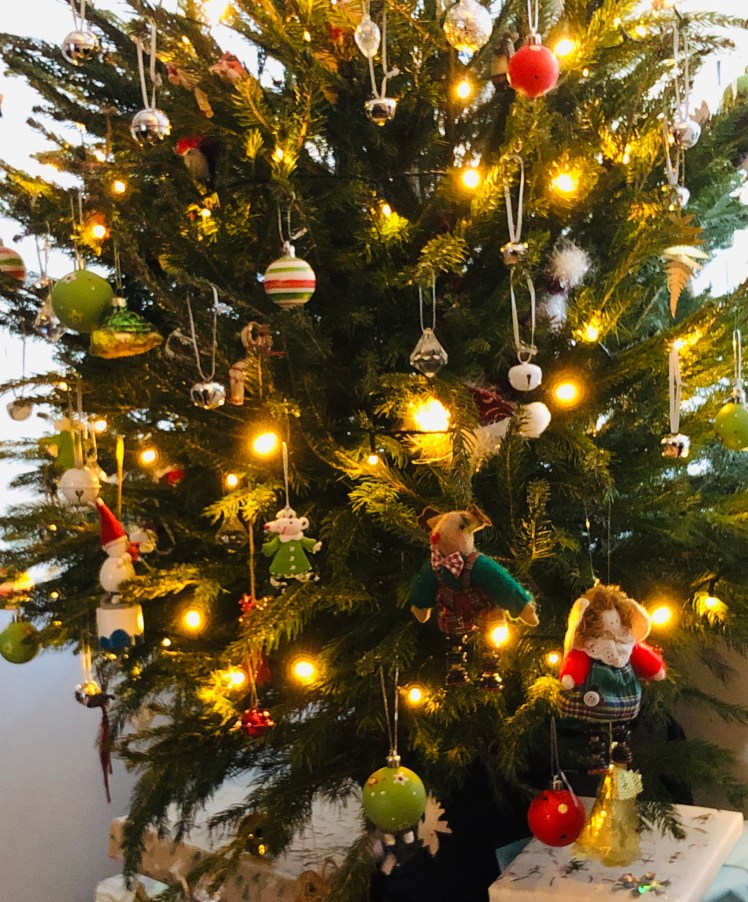
Merry Christmas Eve , I’m sitting in the lounge looking at the Christmas tree. It is a rooted tree and is going in the garden in a big pot after Christmas.

In the front garden we have a very tall Norwegian spruce that started life as one of our Christmas trees years ago. It is visited by so many birds. Pigeons nest in it as do blackbirds. Goldcrests hop about its branches eating insects, often with blue tits , great tits and others.

Collared dives coo coo in it and robins sing the arrival of morning from the top of it.Recently a squirrel has discovered it.

When this years tree loses its decorations and moves outside I’m Sure it will become a frequently visited part of the garden. Merry Christmas and Happy Exploring !

Midwinter moments

On the shortest day of the year we ventured to Anglesey Abbey close to Cambridge. This National Trust property has a house , a working flour mill and a large winter garden.

It did not feel very wintery today it was very mild and there were plenty of small insects in clouds.

The winter garden is full of colour with amazing stems in colours you wouldn’t believe. They have been pruned to make dramatic shapes and lots of impact as you follow the winding path.
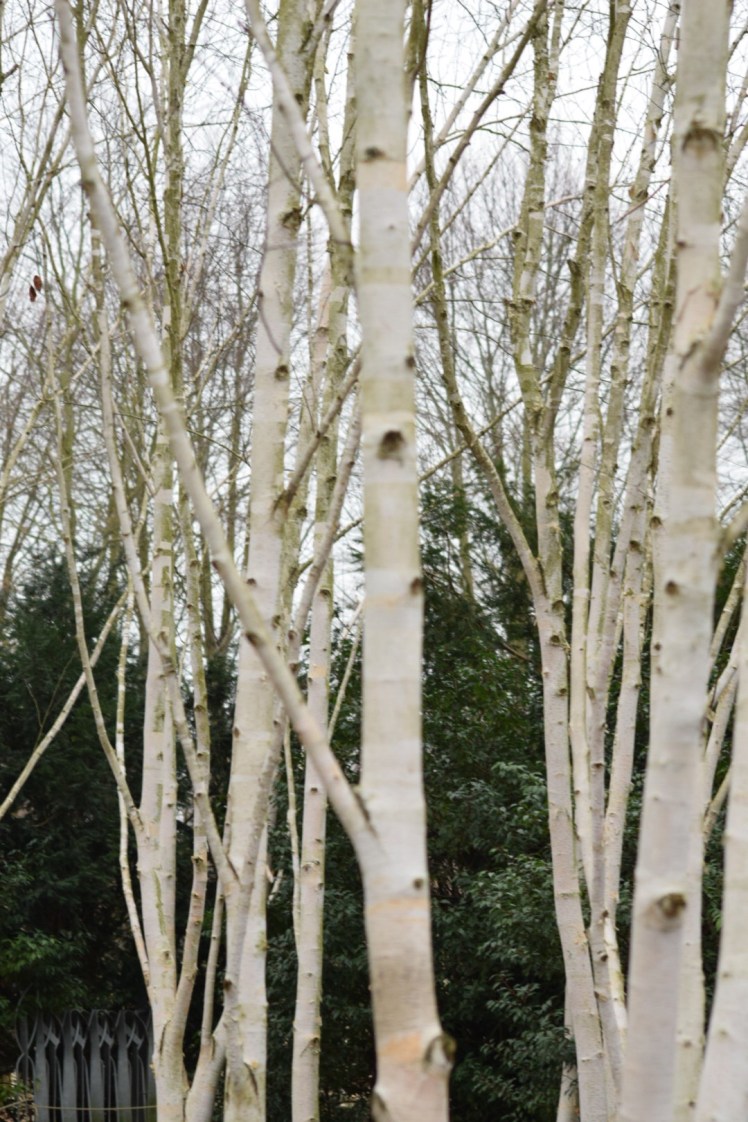
The path takes you into a glade of silver birch with their striking white bark.

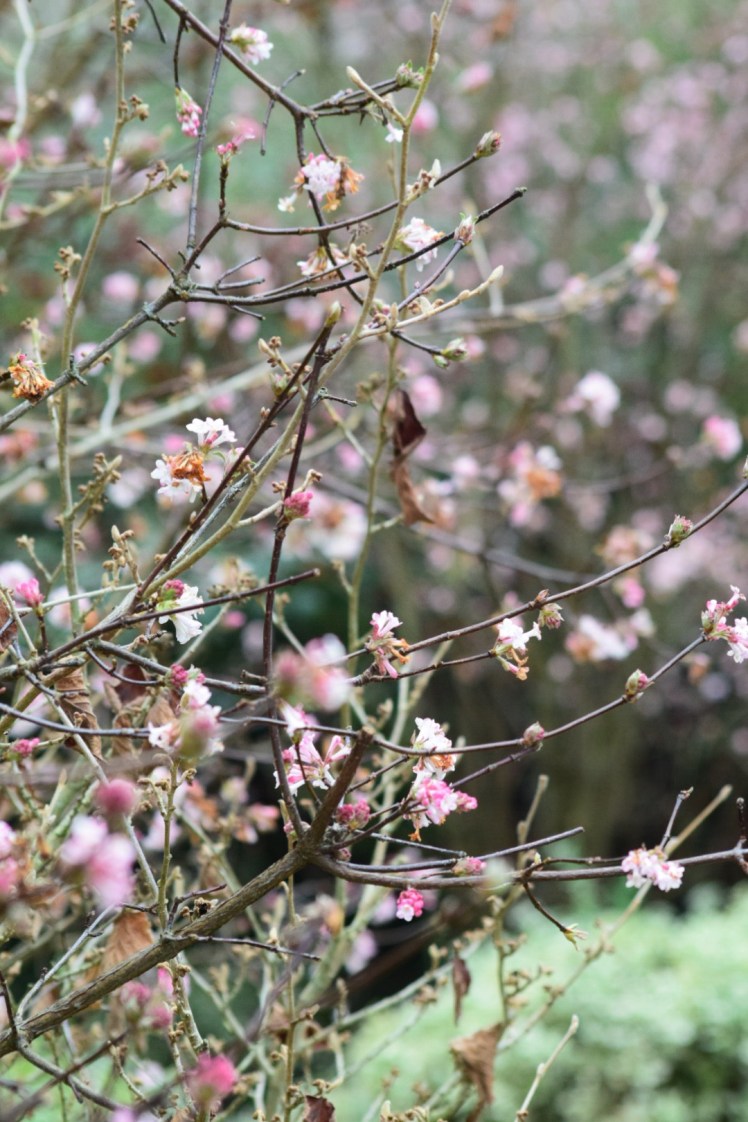
As you follow the path the scent of these Daphne follows you, the mahonias are bright yellow and also heavily scented.

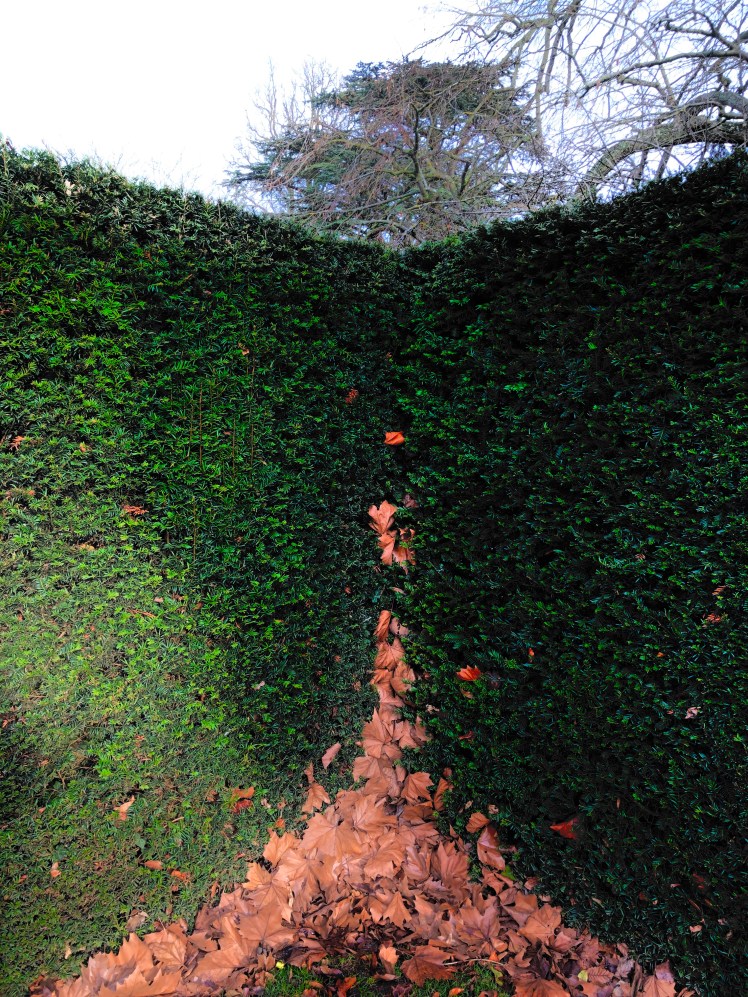
There is lots of yew planted around the grounds creating small enclosed areas with statues and lawns. I loved this corner where the wind had arranged the leaves perfectly.

As we wandered along there are snowdrops pushing through , Anglesey Abbey is famous for the snowdrop displays and has snowdrop days in February.There are also hundreds of hellebores just opening up their flowers.

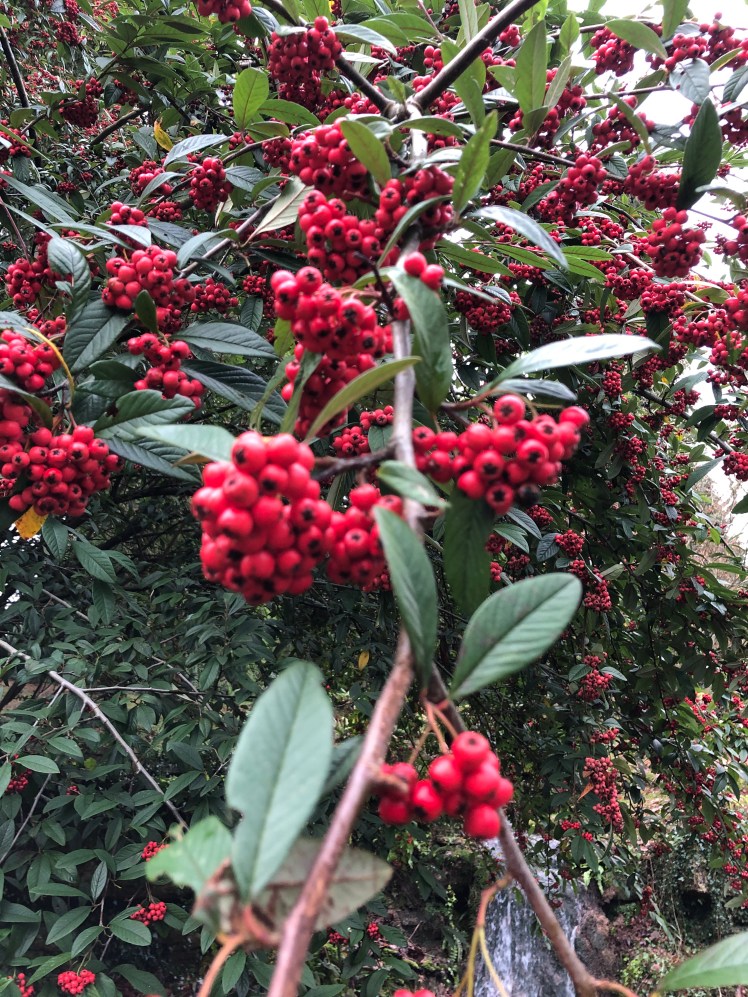
A walk through the woodland paths was full of butchers broom. Butchers broom is sometimes called knee holly because of its hight and the prickly leaves and it also has red berries. Bunches of this stiff evergreen were used to brush down butchers blocks. It can live well in dense shade beneath trees and is good at competing with tree roots for water and nutrients.It is a plant found in ancient woodlands, it forms clumps and can be older than the trees around it.

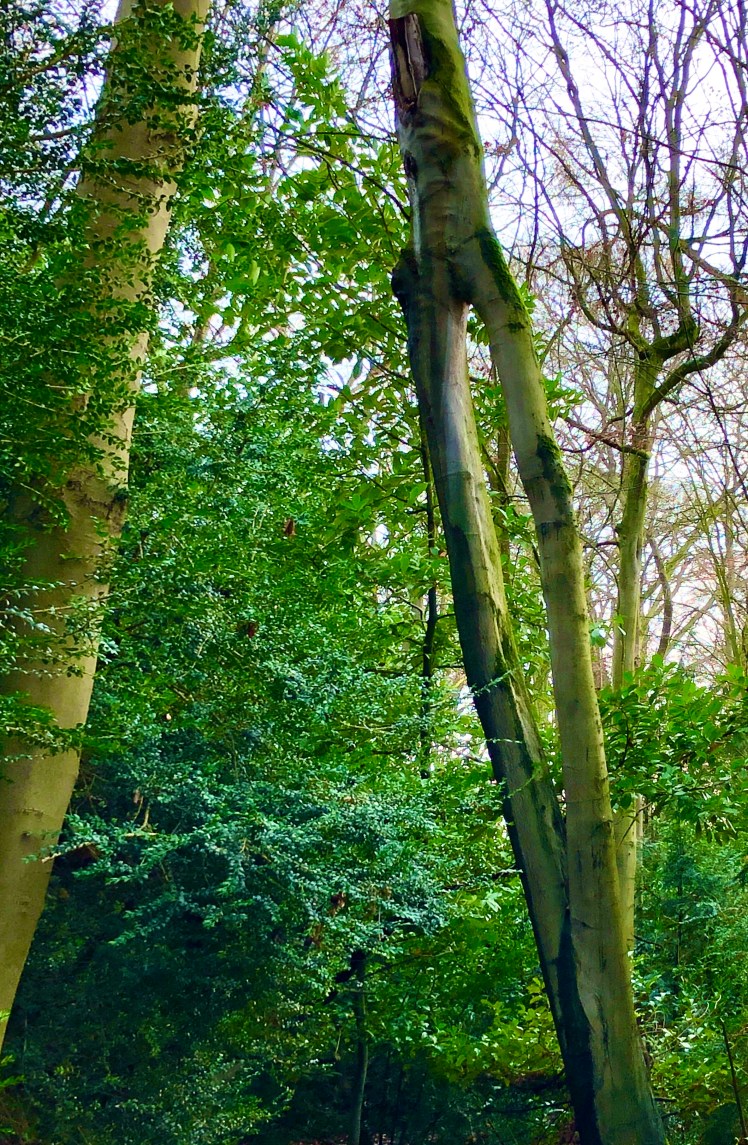
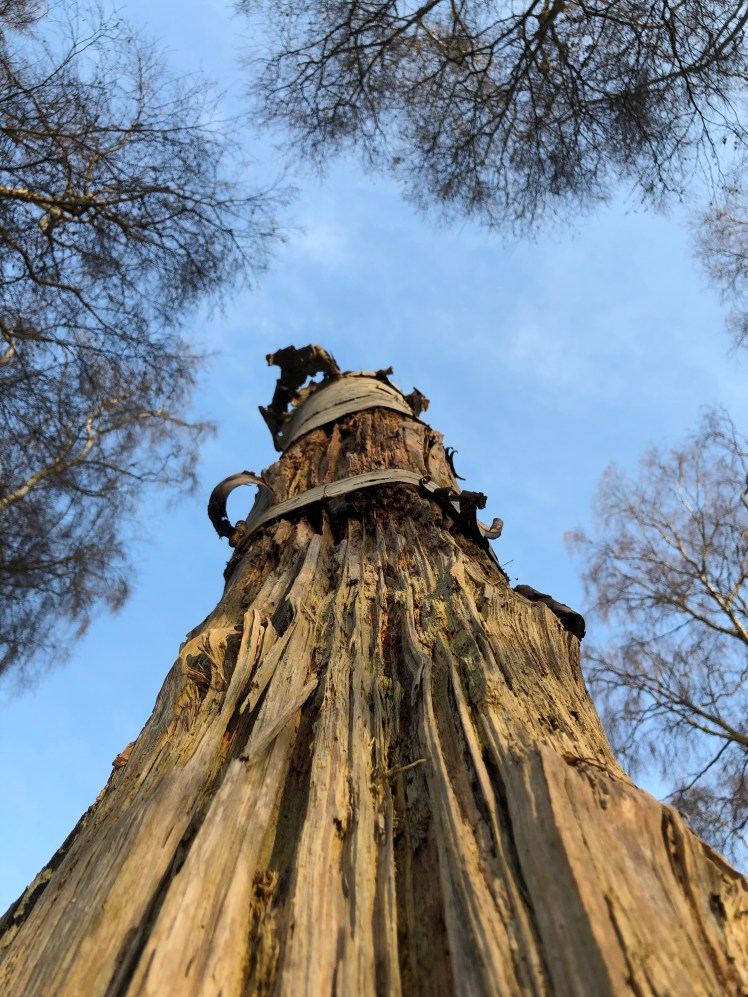
In this woodland walk we spied a strange tree , almost Ent like. It has split and grown back together in the main trunk. It looks like either the pair of Ent legs or the eye of a needle, very unusual !

A good walk on the shortest day , looking forward to longer days and more exploring.

21st December Batsford

The day before the winter solstice, the shortest day.This year the shortest day will be December 22nd and then we will begin the climb back into more light and longer days.

Strangely it wasn’t raining, it was mild and I didn’t even need my coat for a walk at Batsford Arboretum.

I was expecting to see some great berries and seed heads but was surprised to find flowers as well.

The hydrangea at the top was one of a few in each patch which looked bright and fresh, most had turned brown and wilted. The bright yellow water marigold was in the middle of the big pool and seems to have its clock wrong!

Water was rushing down the stream and waterfalls today, there has been so much rain.

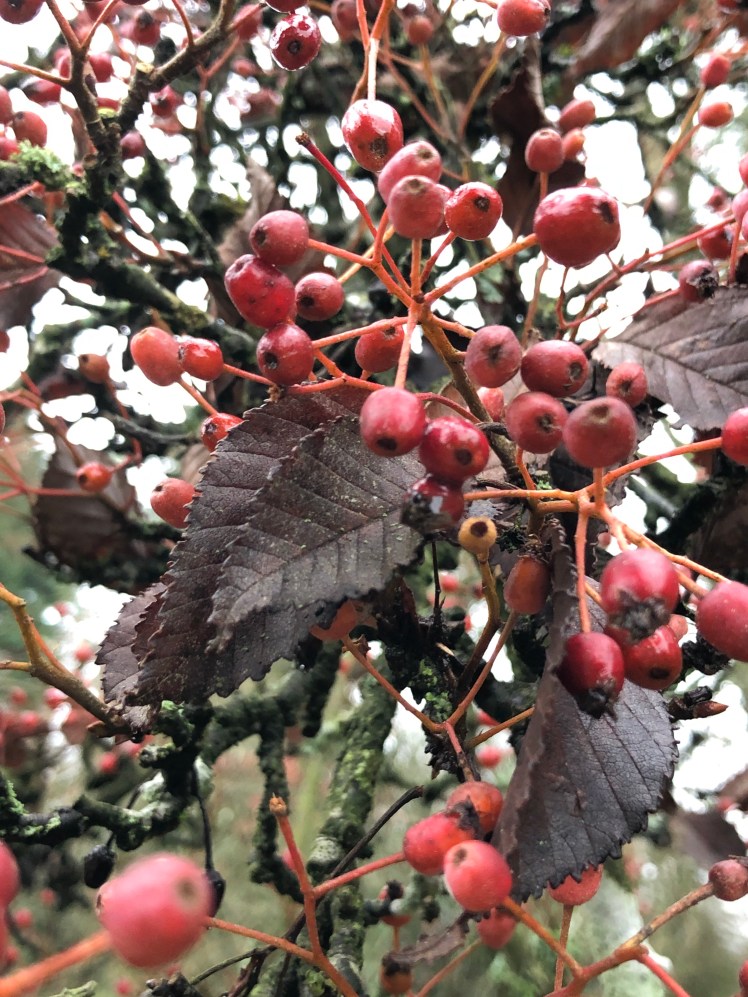
Berries were certainly out in force and in all shades.

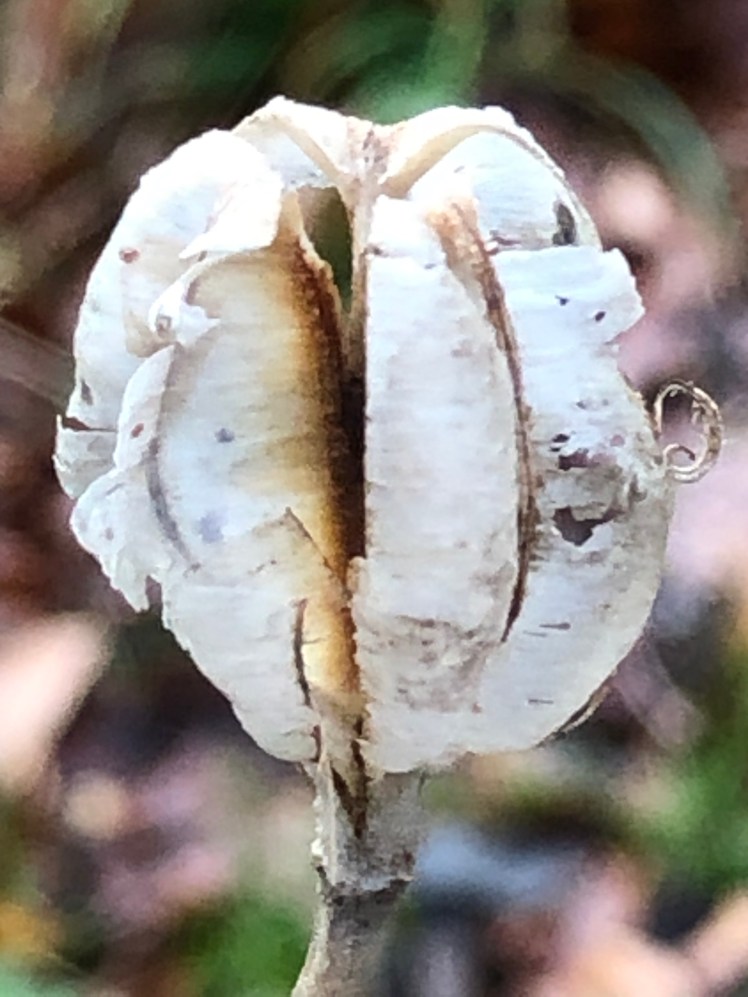
I loved the dried shells of seed heads. The structure of these seed shakers is fascinating.

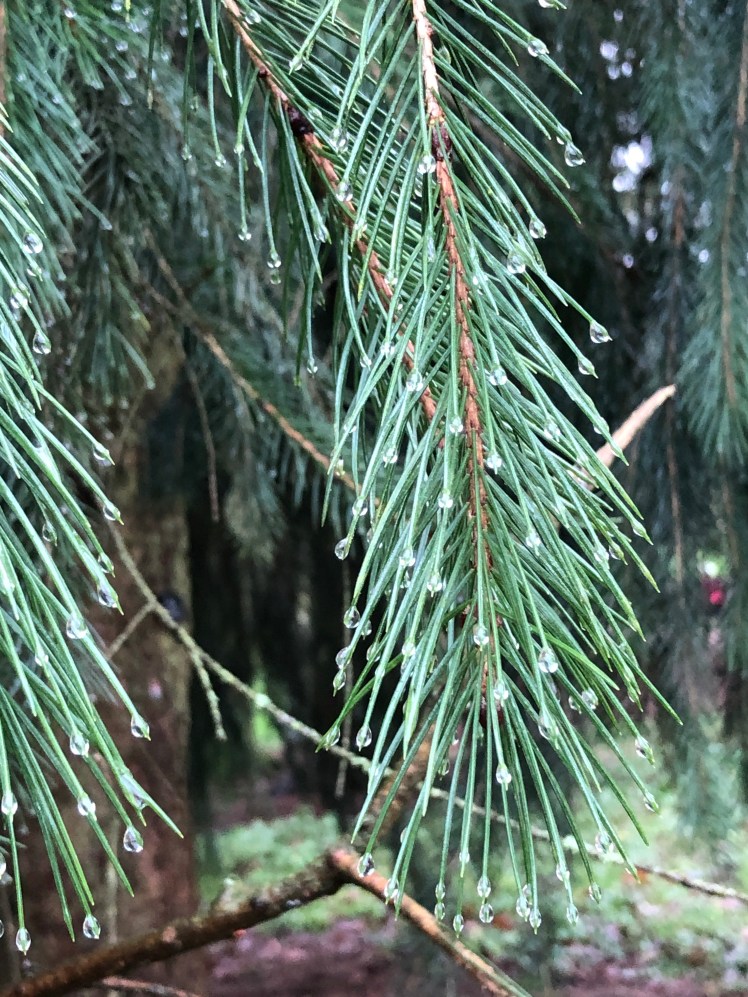
Water was not only rushing down the hillside it was also clinging to some of the trees and leaves.

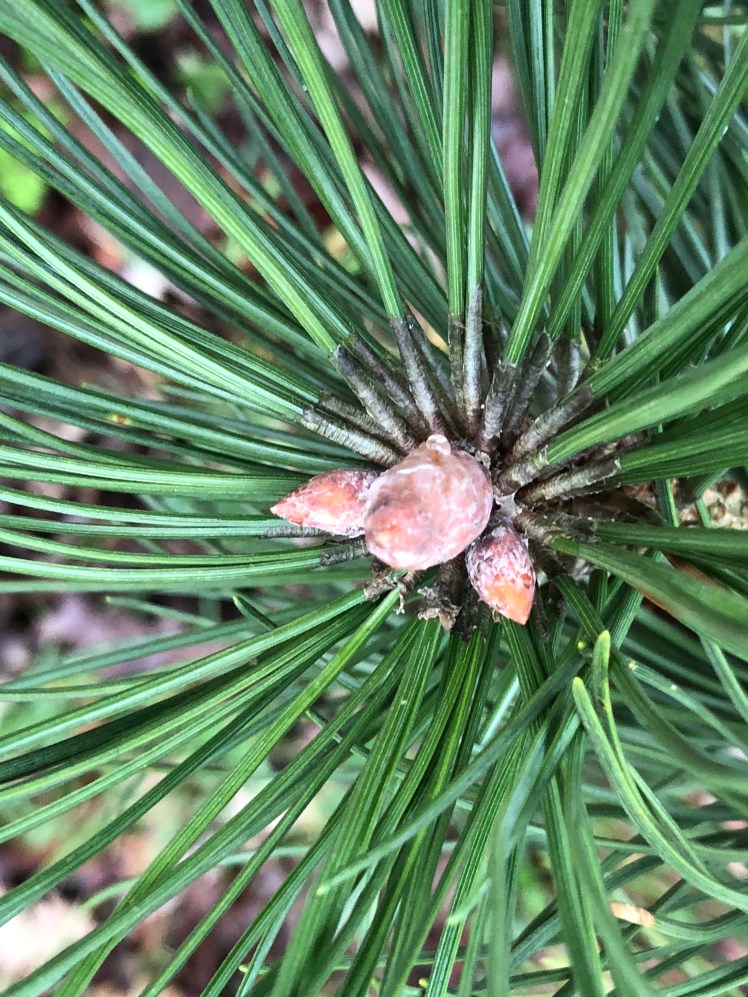
At the end of each pine needle there was a perfect drop of water, decorating the tree.

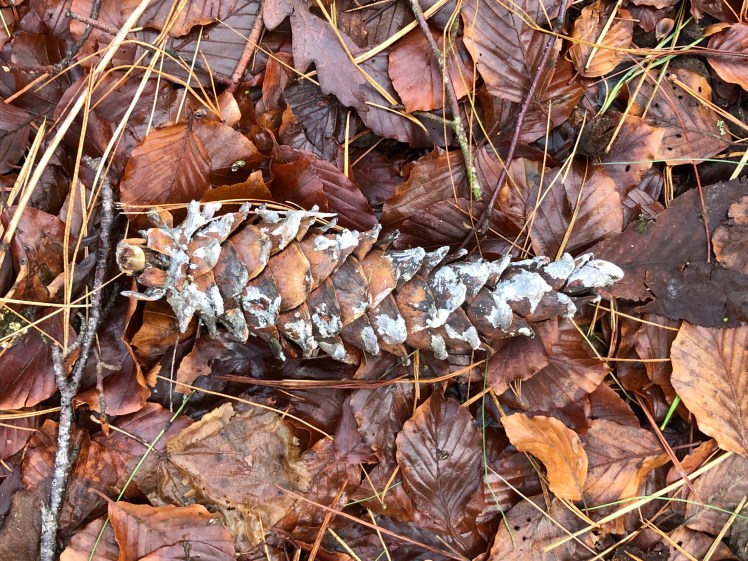
Most of the autumn leaves carpeting the ground are losing their colours and starting to break down. It’s always worth looking under trees, this beautiful cone was lying in a carpet of leaves.

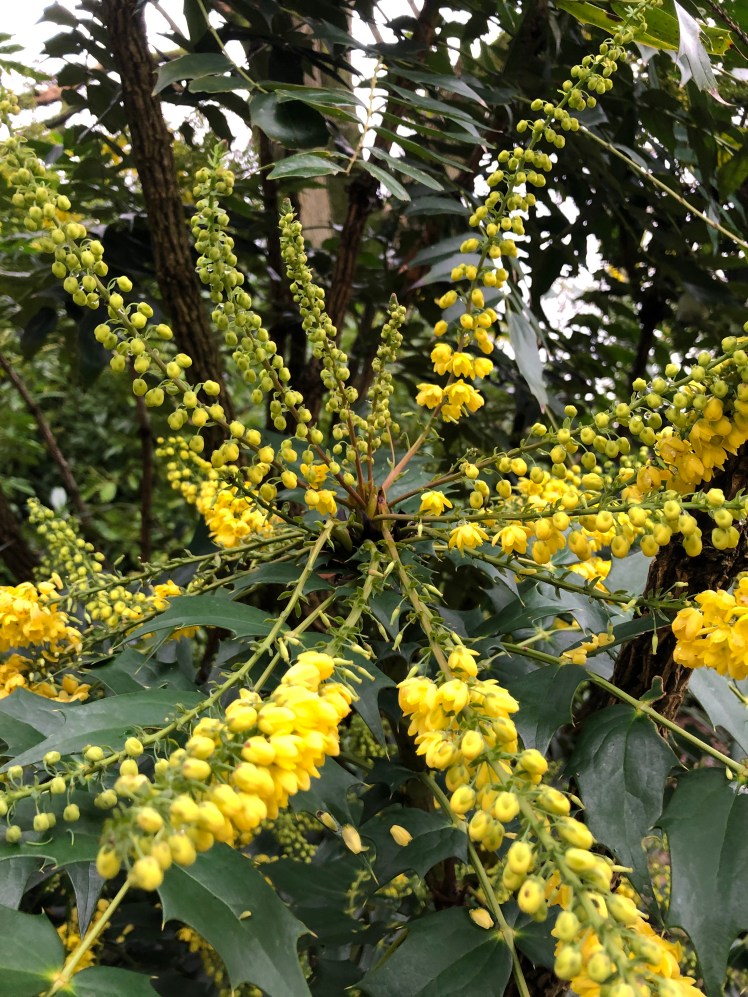
Mahonia was in flower and also had some stunning leaf colours.

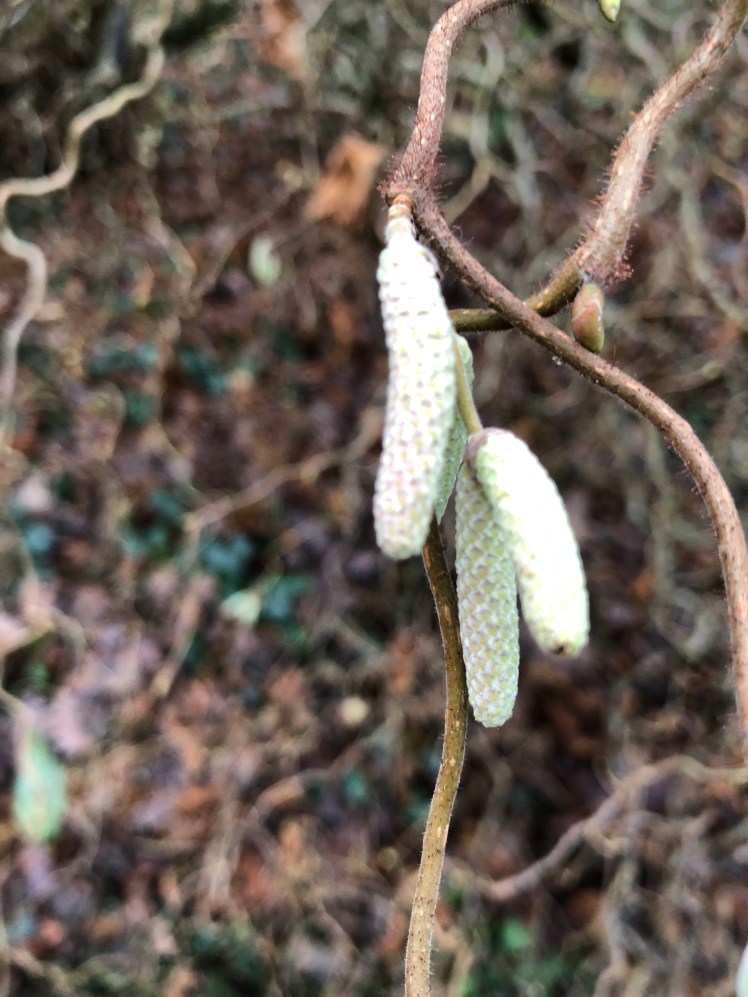
Not a typical December day, it was very mild and damp. Trees at the arboretum are covered in buds ready for spring, there are sharp leaves of bulbs pushing though ready for the change of the season. Catkins are tightly packed and ready for action as the old year ends and we move into a new decade!

Every visit to Batsford is full of new discoveries.

Windy walk on the edge

We ventured out to Potton in Bedfordshire to walk on a Sandy ridge ( just outside if Sandy infact)

This is the HQ if the RSPB and is a super place to explore with pines and birches along undulating paths. Because the soil is so sandy the paths are non muddy.

NTX’s John and Michelle has been here a couple of weeks ago and there were lots of fungi and slime moulds around. There were some today but not so many.

A winter walk focuses the eyes on different colours and sights. This tree stump caught my eye because the lichen was such an interesting blue green.

There were plenty of lichens to discover , whole floor areas we’re covered in this grey green species forming a carpet.

As you stroll through areas in the winter you start to notice lichen and moss more and the numbers of plants and the variety of species is huge.

Today has been very blustery but the skies have been bright blue and the temperature very mild. The trees look spectacular against the blue backdrop even the stumps.

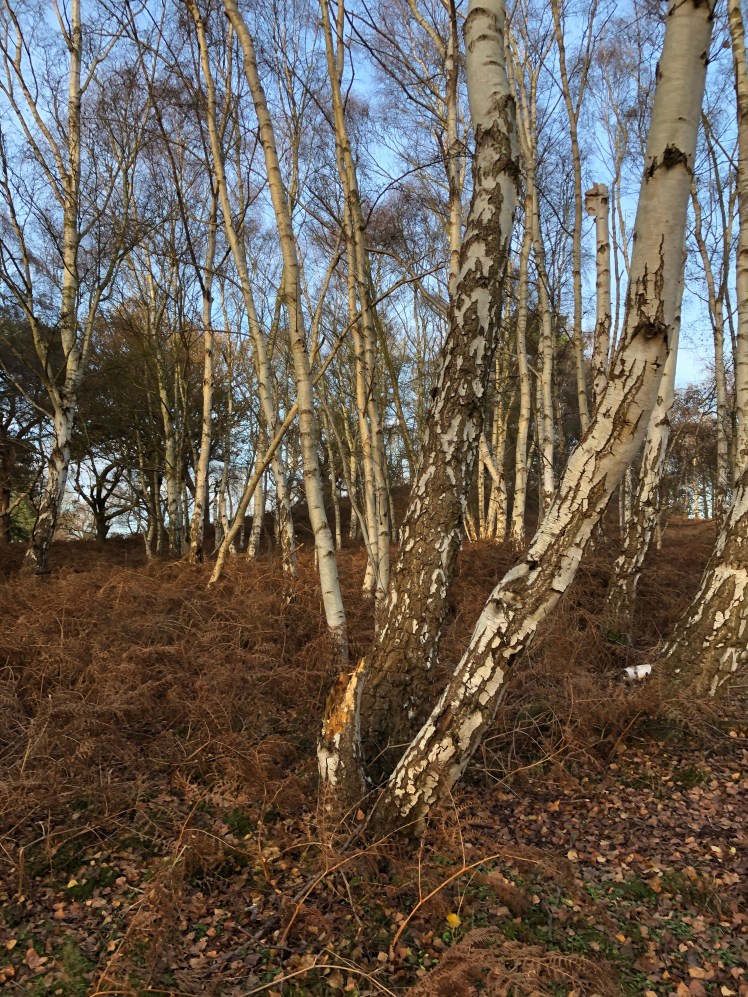
This area of birch was very attractive with braken dying down beneath them.

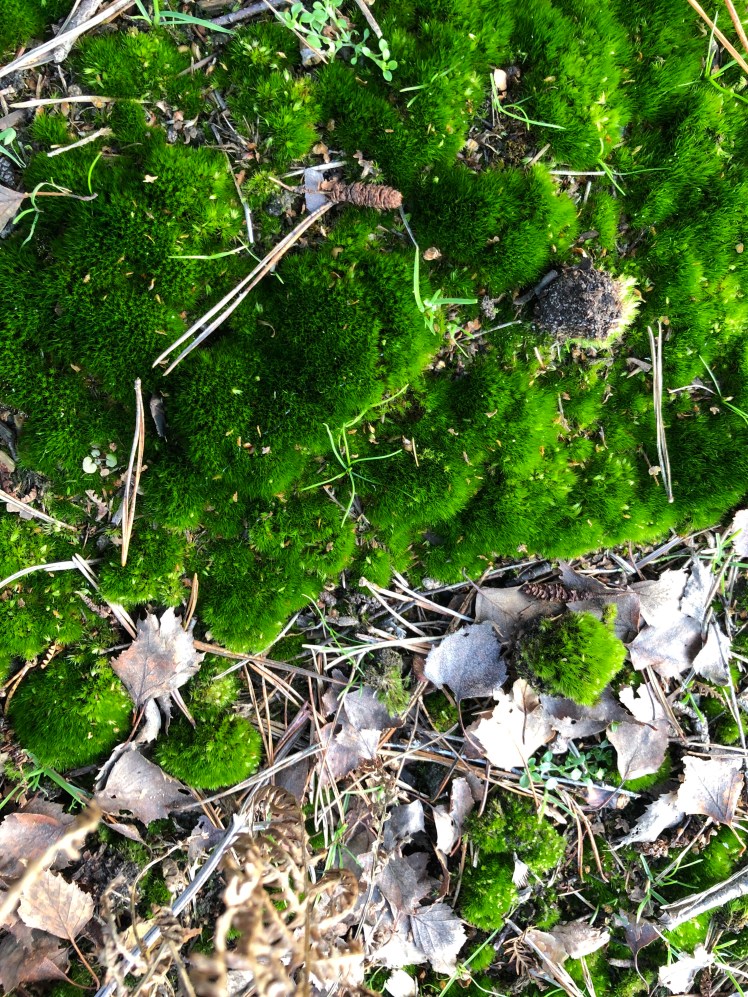
Colour wise some of the mosses were amazingly emerald and striking.

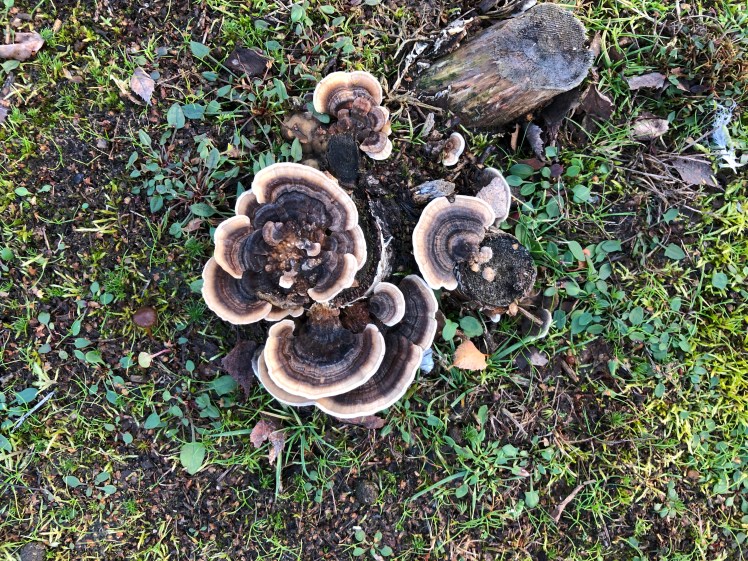
Back to the fungi , here’s a few we saw today;

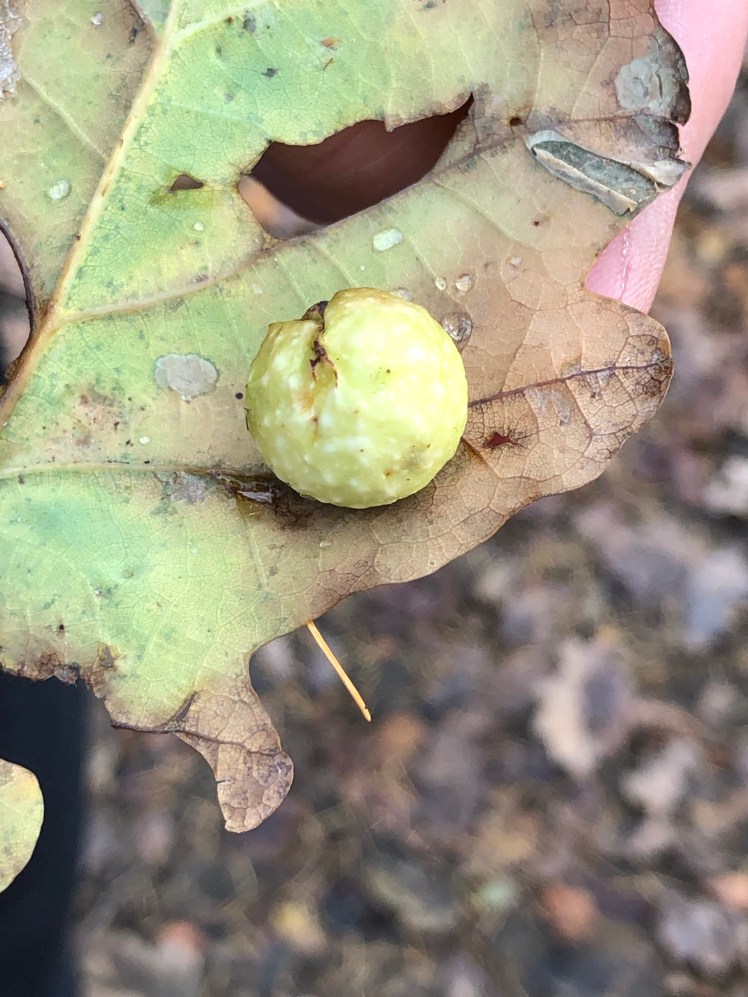
Other discoveries included plenty of galls on the oak leaves.

This is a super place to walk, there are fantastic trees, cliffs and plenty of bird life . In the summer the wildflowers and insects add to the visit.

Magazine Number 2

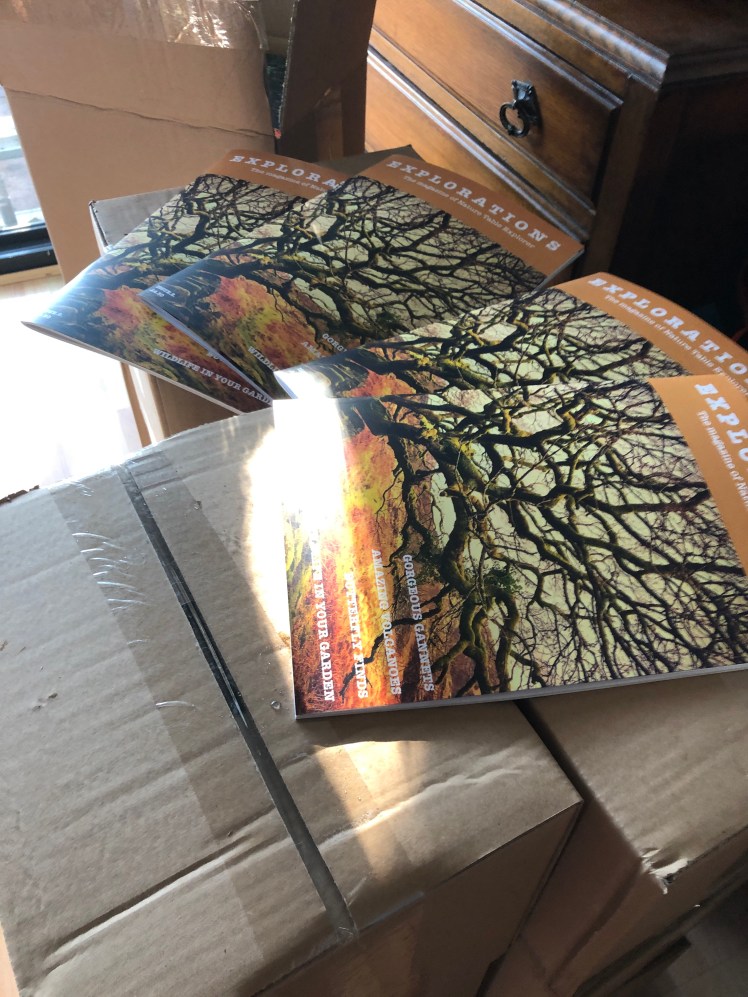
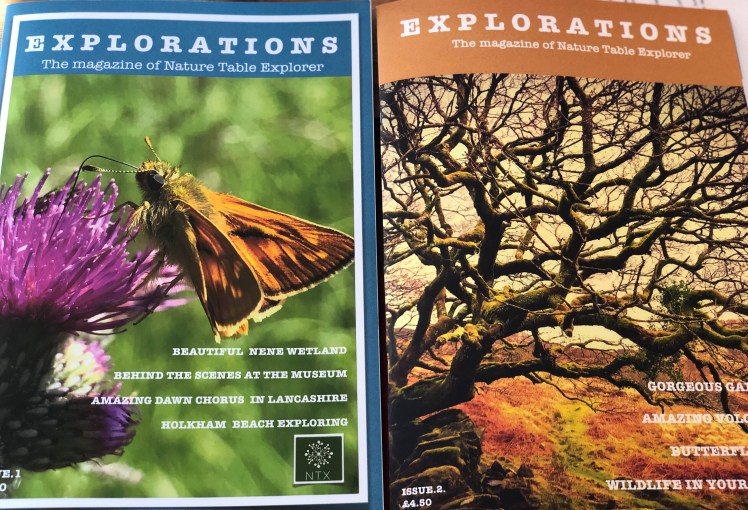
Today is the launch of issue two of Explorations, the magazine if naturetableexplorer.com. It is full of fantastic articles covering all areas of the natural world. New features including, poetry page, readers page and book reviews make this a brilliant read which is packed with beautiful photos and amazing facts.

A huge thank you to all the contributors to this issue. If you would like to contribute an article, idea or photo to issue three please contact me through naturetableexplorer@yahoo.com

Above are the two front covers of the magazine, launching today at 6-8 at magazine heaven in Rushden, Northants.

If you would like a copy of the magazine it is available through PayPal at naturetableexplorer@yahoo.com

£5 for one issue ( this includes p and p)

£16 for years subscription of three issues and 3 newsletters . ( includes p and p )

You can also send a cheque , email for the address and I will post out the issue 😀

This is a non profit making project which is aiming to engage and interest more people in nature and the environment . Please become part of the project by contributing to issue three or by purchasing a magazine and spreading the message about the brilliant world around us .

Thanks