Birds From America

Nature Table Explorer Barbara ( American Corespondent!) has sent some brilliant pictures of two species of fantastic birds.

Firstly the Trumpeter Swan (Cygnus buccinator)
These birds are the largest of the American native waterfowl . They are also one of the heaviest flying birds in North America.

A male swan is called a Cob. The female is called a Pen and the young of the year are called cygnets. While male Trumpeters (21-38 pounds) are generally larger, weigh more than female Trumpeters (20-25 pounds)

The second bird is the Black Vulture. The photo shows a group sitting on the barn roof.
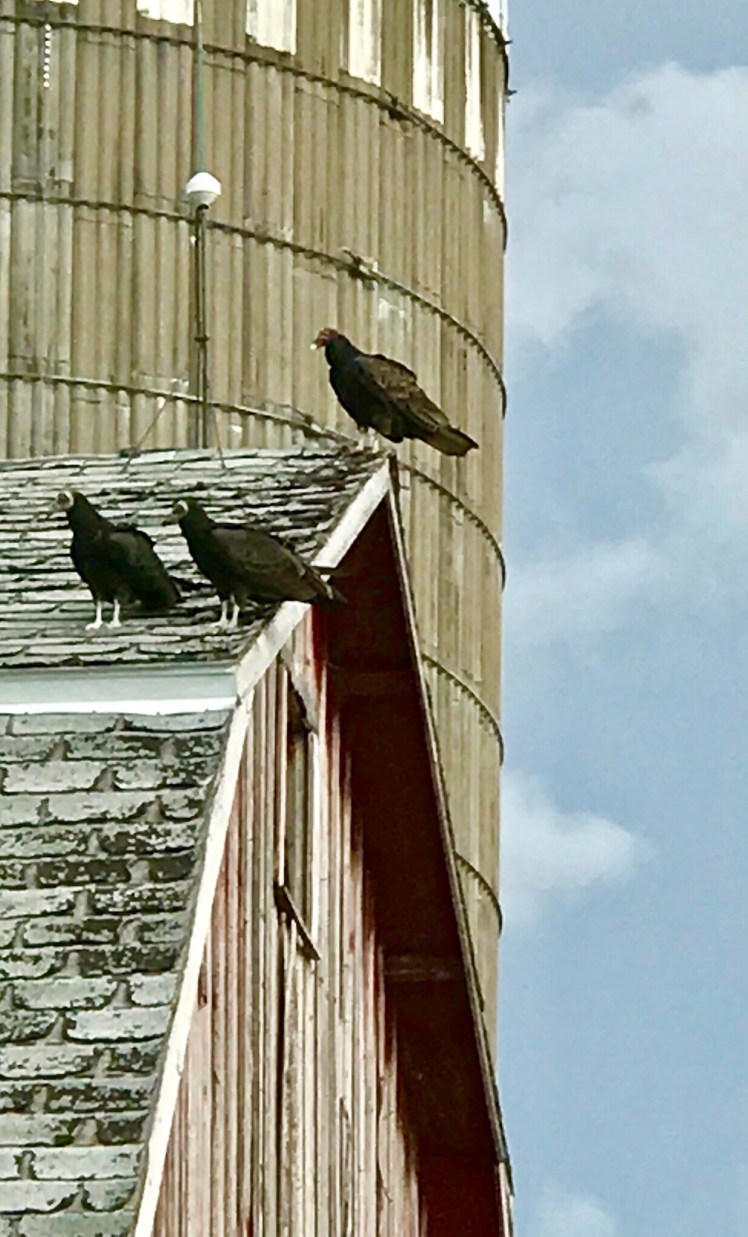
Coragyps atratus
These birds are usually seen in flocks,as on the barn and their range is increasing northwards.

Interesting facts about Black Vultures –

  • They lack a voice box and so their vocal abilities are limited to making raspy hisses and grunts.
  • Although Black Vultures and their relatives live only in North and South America, the oldest fossils from this group—at least 34 million years old—were found in Europe.
  • Highly social birds with fierce family loyalty, Black Vultures share food with relatives, feeding young for months after they’ve fledged.

Thanks Barbara for sharing these brilliant birds looking forward to more American nature.

A Nature Table Explorer badge will be winging its way over the Atlantic for you !
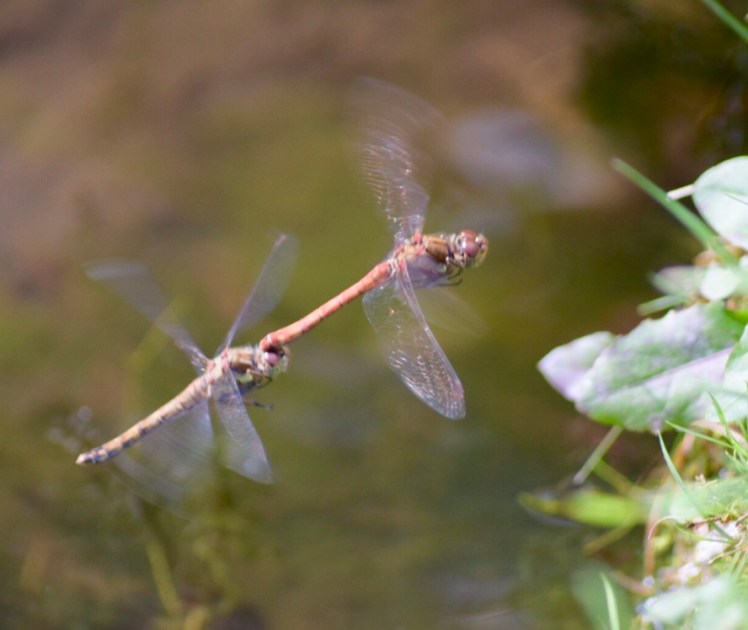
Still flying

It is near the end of September now and although the sun was out today for some of the afternoon it was getting chilly.

There were still dragonflies flitting over the streams and ponds. There were a large number still mating and laying eggs.

This year I have been amazed by dragonflies and Damselflies and have enjoyed learning more about them

The pools and ponds at the botanical gardens in Cambridge have some fantastic trees and plants along their banks.

Huge weeping willows creating green canopies over the water.

There are interesting trees at every turn.

I love Indian bean trees , look closely and you can see the long thin purple beans.

Glasshouse Wonders.

Cambridge Botanic Garden has some brilliant glasshouses that allow you to stroll through different parts of the world and experience the flora.

There are beautiful flowers , wonderful leaves as well as peculiar and weird structures to find.

Here is a short tour of some fantastic specimens today.

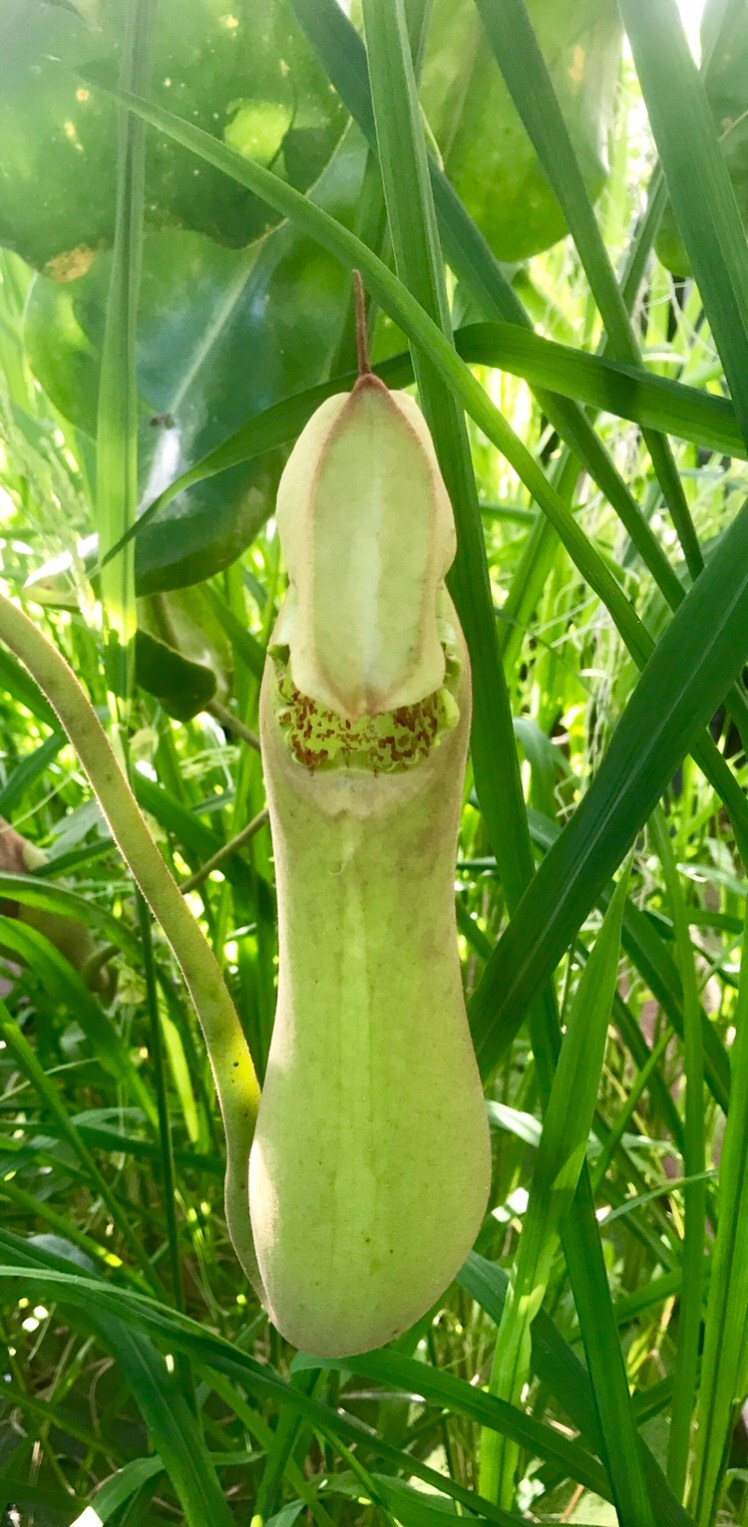
A pitcher plant , destined to trap insects in order to digest their bodies for nutrients.

Tiny beautiful flowers in the very centre of this bromeliad in a pool of water. All it was missing was a tiny frog to live there.

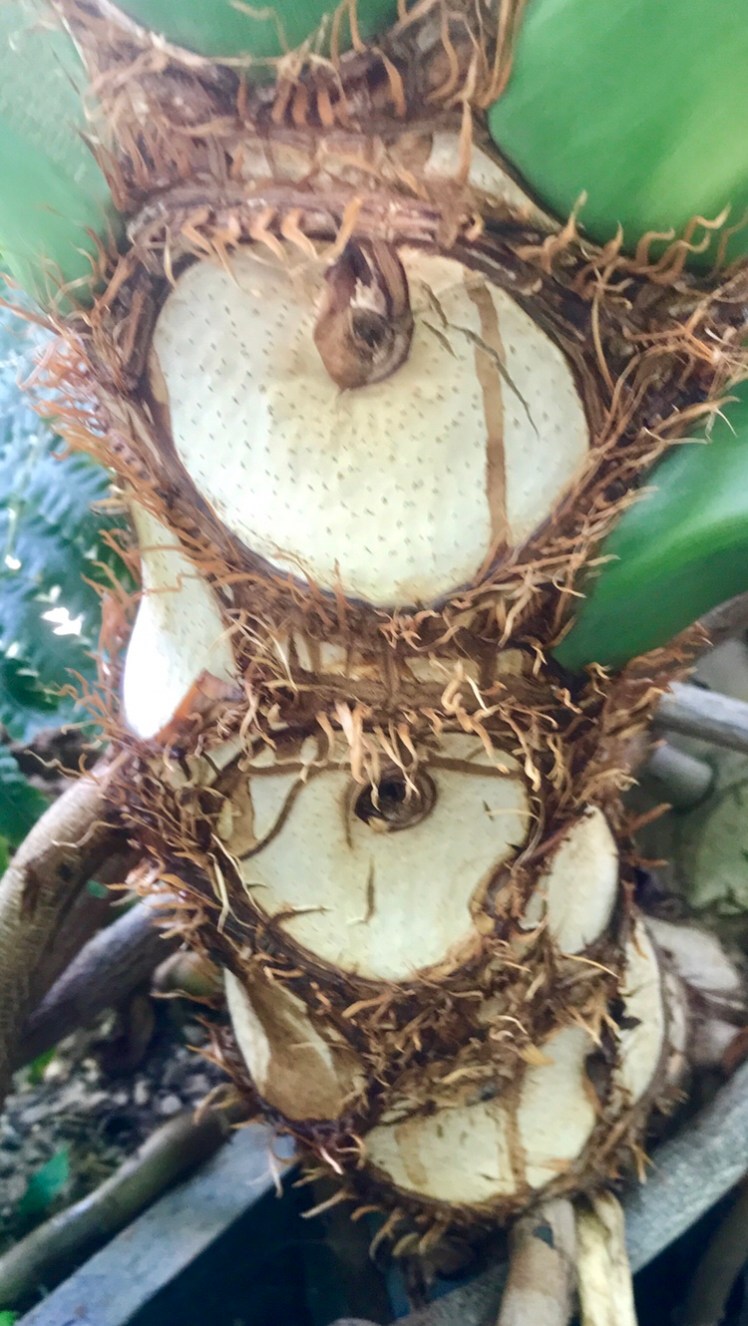
Leaf scars up the stem of a palm .

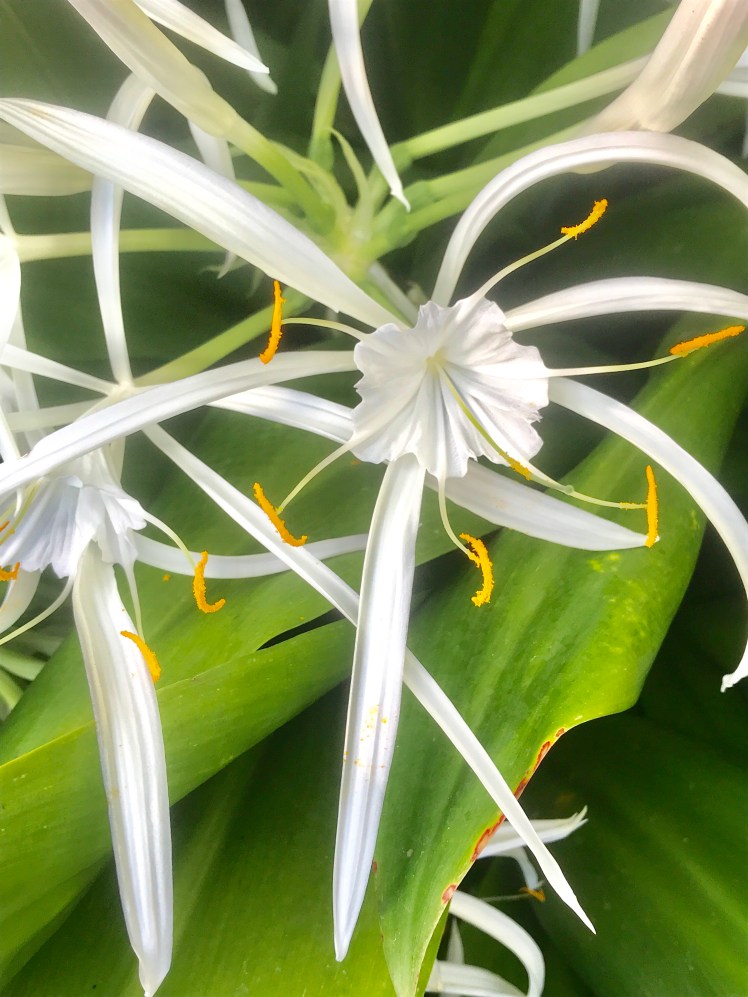
Gorgeous heavily scented flowers with amazing stamens , unusual petals.

Scarlet Passion flowers.

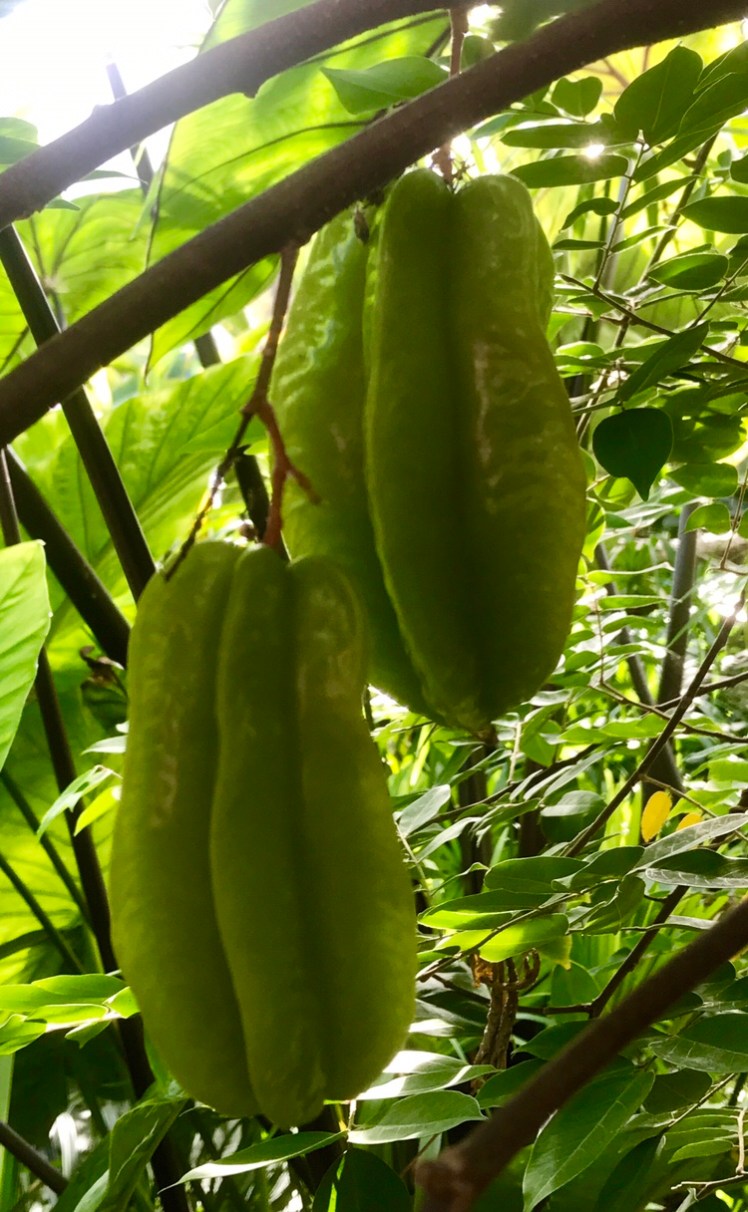
Star fruit, they look amazing , they are disappointing to eat ,rather bland .

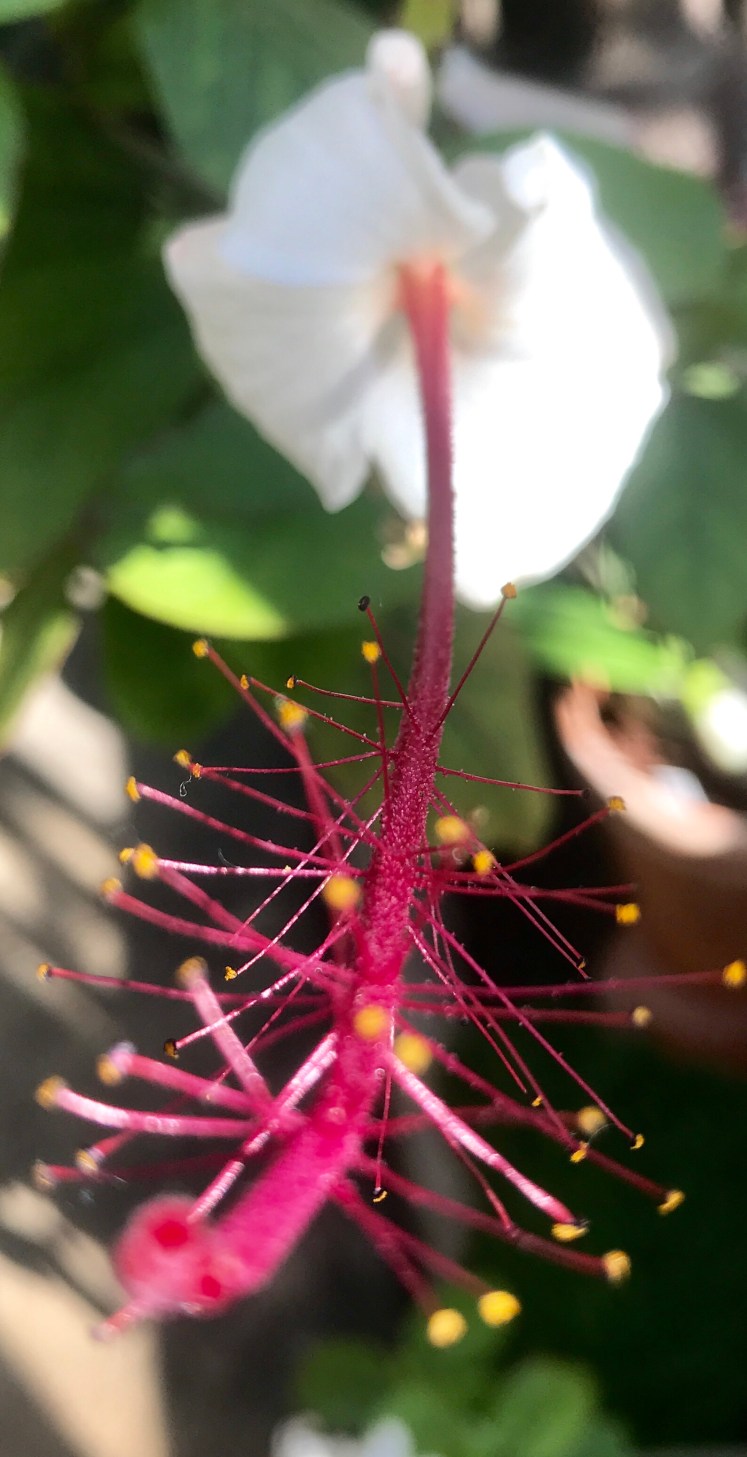
I loved this amazingly long stigma on this flower almost like a trunk!

A trip to the glasshouses is full of discoveries. There is a cacti house an alpine house. Oceanic Island, tropical, temperate house and more.

It’s £6 for adults and definitely a great place to explore.

Osage Orange …an amazing tree

Today a visit to the brilliant Cambridge Botanic gardens .

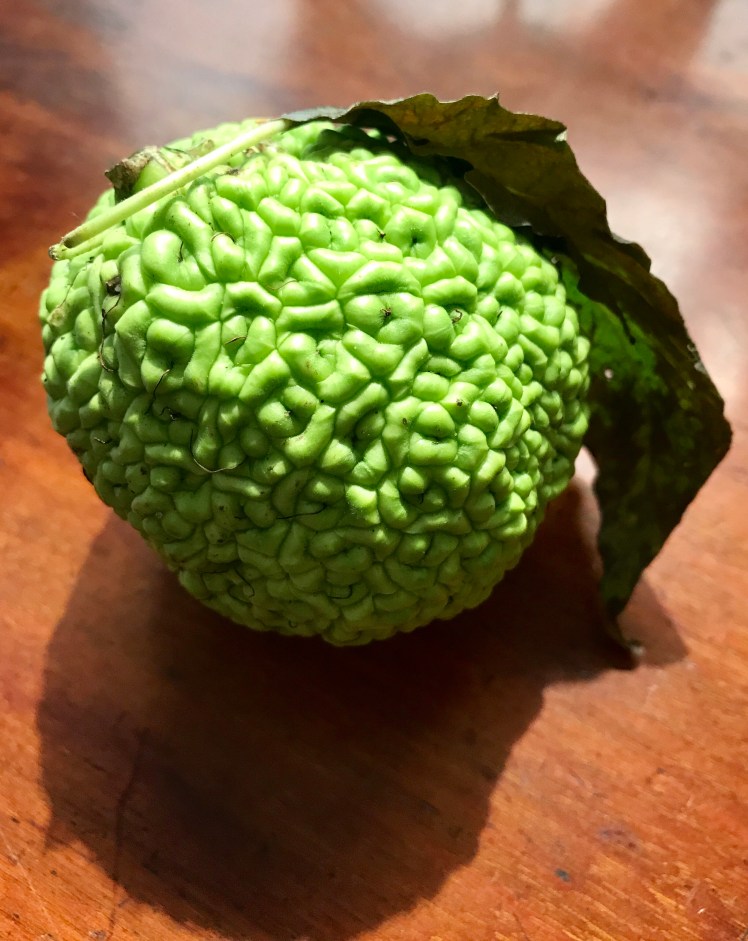
Out of the corner of my eye I noticed weird fruits scattered on the ground in large numbers.They were very odd with odd bumpy surfaces.

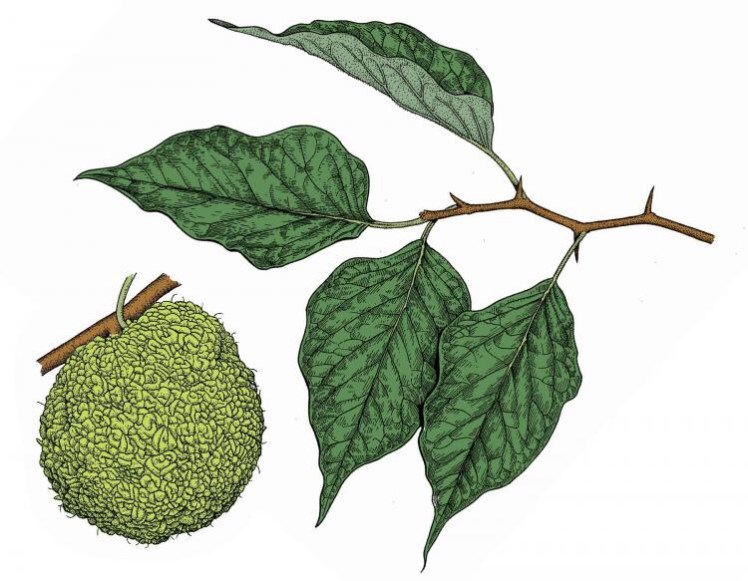
Here are some on the tree , an Osage Orange tree.

Here is one of the strange fruits .

This tree has some amazing historical tales to tell.

Osage Orange was used in the last century as hedging in America and was often they called the prairie hedge, hedge apple, horse apple, bowwood or yellow-wood.

Osage (Maclura pomifera) is the only surviving member of the genus Maclura — of its many relatives from past geologic eras, it is part of the same family of trees that include figs and mulberries.

This fruit is inedible and when broken open can exude a substance that is an irritant to some people . This does not make it a tree with no uses.

The Osage Indians used the wood of the Osage Orange tree as the wood for their bows because of its hard nature.

The strength of this wood made it useful for wheels of wagons and for many other uses .It had an ability to avoid rotting and so became harvested on a huge scale for fence posts and uses on the railways. Huge areas were cleared for these uses. It did not become rare because it could be grown as hedges,they are easy to propagate and grow quickly.

Because of this, thousands of miles of Osage hedges were planted in the Midwest, East and South, far beyond the original range of the species.

An interesting find , might try to grow a seed .

Wind in the Willows ..

A change in the weather , the first named storm of the year (Ali) arrived , we didn’t have the terrible 80mph winds but it was definitely WINDY !

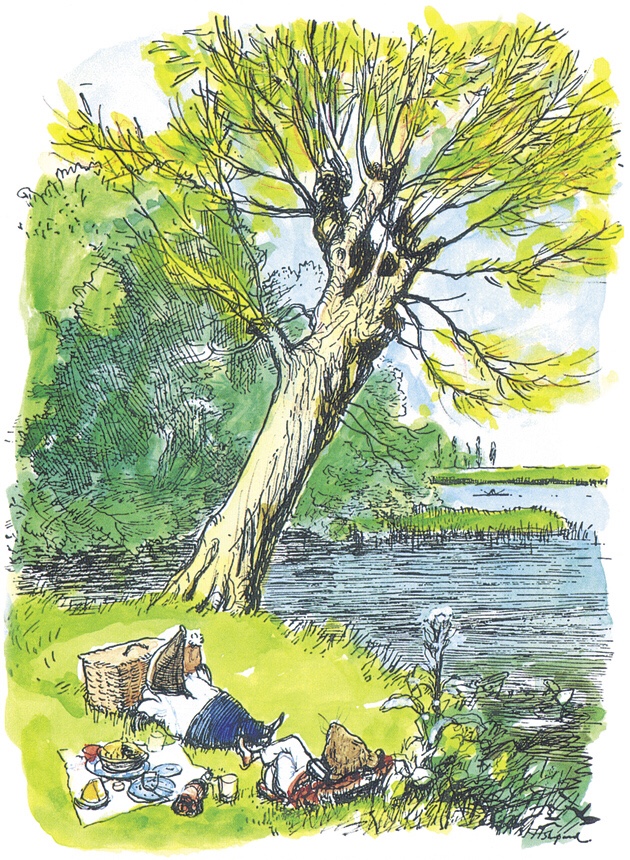
The Willow trees certainly didn’t look like this picture of Ratty and Mole happily picnicking and resting today.

They were being smashed about by the wind and were making a real noise.

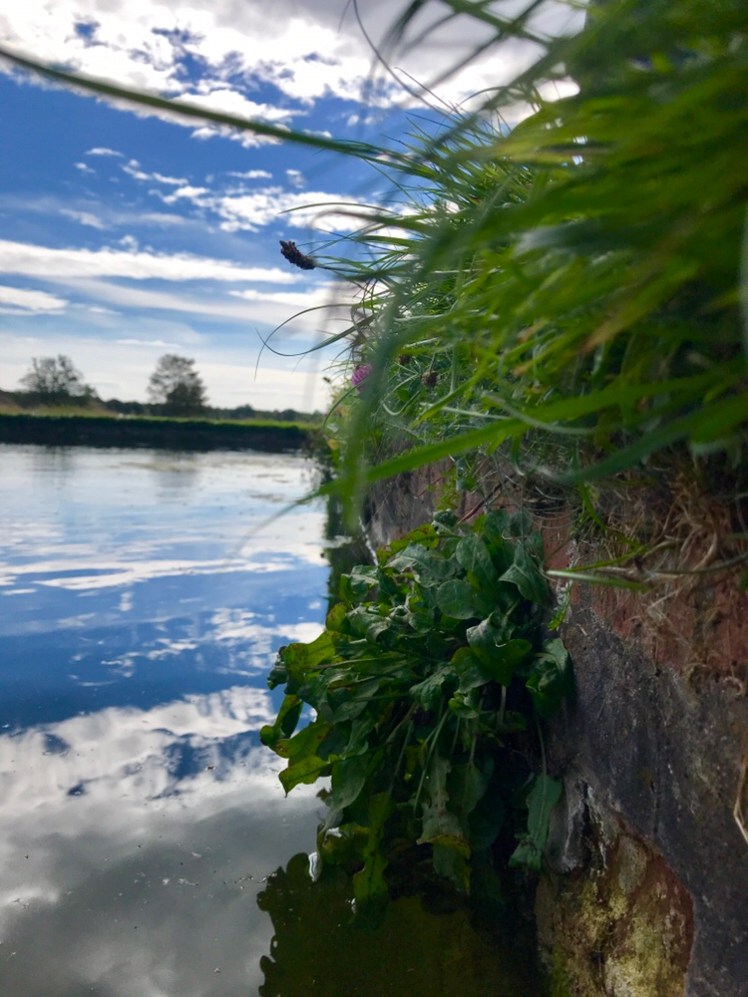
Willow trees are very common around rivers , lakes and meadows. There are approximately 400 species of willow tree.

Willows are also known as Sallows or Osiers and belong to the genus Salix.

They are mainly found in the Northern hemisphere on moist soils in cold and temperate climates.

The two common willows along the lakes and rivers locally are the white willow (Salix Alba)and the crack willow (Salix fragilis.)Willows freely hybridise so they can be difficult to identify.

White willow has been used in the past to make baskets and the cribs for animal feed. It has even been used to make small sailing boats.

Crack willow is named after the sound made when the branches and twigs fall, which they often do and today there were twigs and branches strewn across paths. There was also a large willow that had split and fallen. Interestingly the fallen branches can easily grow and are a way for the trees to spread.

The cricket bat willow is a hybrid of the white and crack willows.

These trees are often managed by poldering ( as in ratty and moles picture) this encourages new straight growths of stems for use in making baskets etc but also prevents splitting and prolongs the life of the tree. At Westonbirt arboretum there is a willow that is coppiced in a 20 year cycle and is hundreds of years old.

Willows have early flowers , catkins.These are a good source of nectar and pollen for bees and insects in the early part of the year. They are a food source for caterpillars :- Puss moth, Willow Ermine, Eyed Hawk Moth and Red Underline. It provides roosting and nest sites and is eaten by deer and rabbits.

It seems that this common tree provides food , shelter, building materials and beauty along the river bank.

According to Ratty the best place to see them is probably from a boat !

Lichen-not what it seems

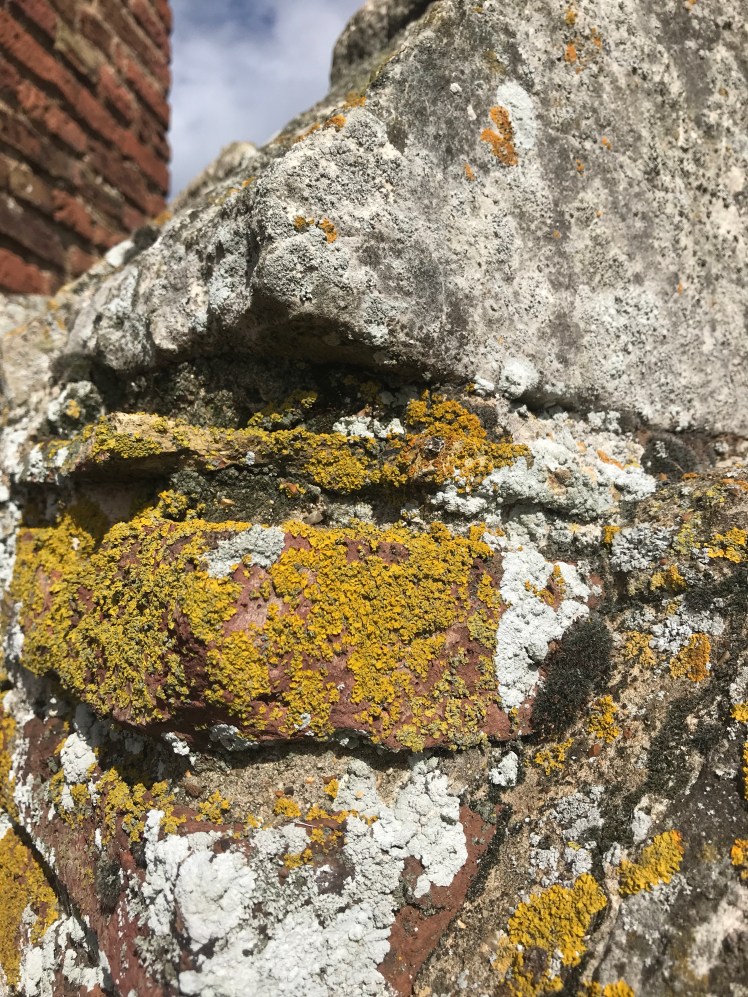
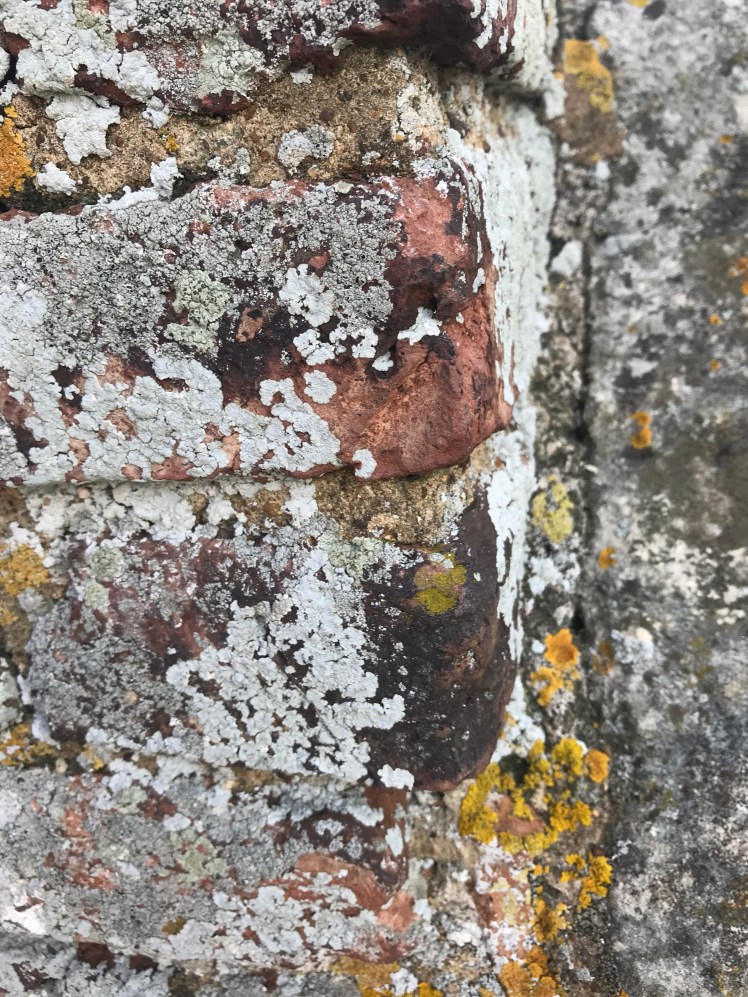
These Lichens were growing on the old bricks high up on the roof of Oxburgh Hall.

There was a group of historical re-enactors at the hall and earlier I had spoken to the brick maker. All the bricks were made on site and the hall took 20 years to build. These bricks were a perfect habitat for some crustose lichens.

Lichens are literally everywhere, they can be found on high mountain rocks , they grow on trees , they can even be found in the Arctic. Once you key into them you notice them everywhere, on the seat at the park , by the bus stop, anywhere.

They are good indicators of pollution and only certain species can tolerate different levels of pollutants.

Some Quick Facts:-

  • There are 1,700 species of lichen in Britain
  • 18,000 species have been identified worldwide
  • Some colonies are 9000 years old !

Interestingly lichens are not one single organism. They are actually a close partnership between a fungus and an alga . They are so closely interwoven they appear as one organism. Here are some great diagrams to explain that structure and also how lichen can be different shapes.

The algae that are part of lichens can be found on their own as free living species. The fungal partners of British lichens are recognisable but can only survive with an algae partner.

There are 1,500 genera if algae in the world but only three genera make suitable lichen partners.

  • Trebouxia
  • Trentepohlia
  • Nostoc

These are common , the same algae can combine with different fungi to produce entirely different lichens.Most lichens contain only one type of algae.

How about identifying these lichens from Oxburgh- they are definitely crustose in form these cannot be removed from the substrate ( the rocks)

The yellow ones could be Caloplaca aurantia/flavescens. I need to take closer photos and more observations next time to make a better identification.

The white pale grey – Ochrolechia parella?

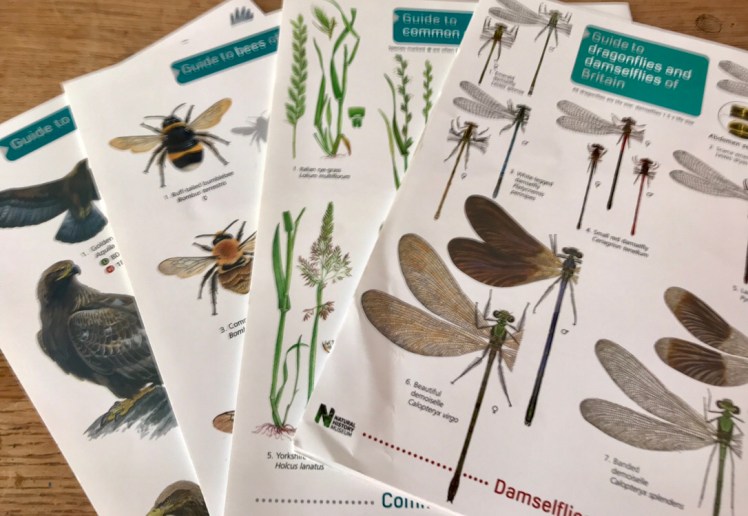
I am fascinated by these organisms and will be out and about learning to identify them with a new field studies councils guide.I’m off to buy one to add to my collection. These are brilliant , only £3 and they fit in a coat pocket or rucksack.

Happy lichen hunting !

Hollyhock Seed Engineering.

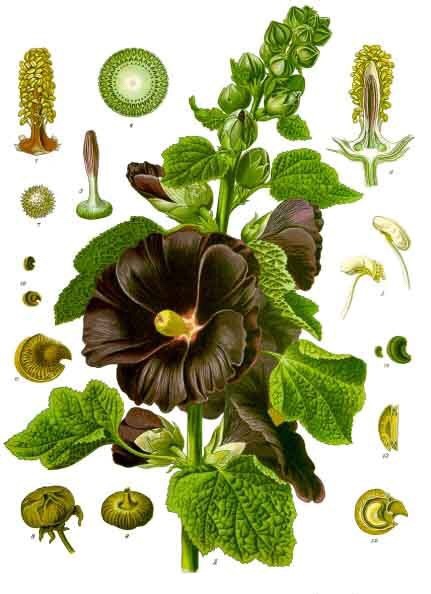
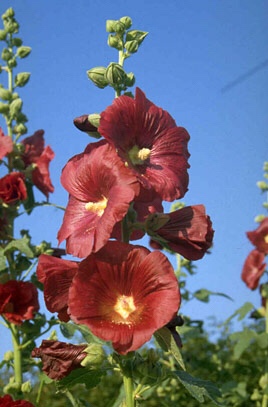
NTX John sent photos of the seed heads of Hollyhocks.

These towering cottage garden plants are a food source for painted lady caterpillars , attract bees and other pollinators in the summer.

Left behind now are neatly packaged seed pods rather like a filo pastry bag.

Inside these papery exteriors the disc like seeds are packed perfectly.

The seeds are papery and light , birds may eat them but also they will be carried by the wind, not large distances but extending hollyhock patches.

The individual seeds in black and white to emphasise their shape.

The Hollyhock is a biennial plant and was imported to Europe via Southwestern China around the 15th Century, where it used as an ornamental, but was also thought to help with relieving constipation and as an anti-inflammatory, primarily being used as a mouthwash for bleeding gums.

We love Hollyhocks because they are part of a ‘cottage garden’ look. They also are great for insects particularly butterflies and bees and my favourite this year hoverflies.

The colour of Hollyhocks is very varied and often different each generation. I have had dark red almost black that have produced pink and white seedlings.

The seed heads are brilliant pieces of botanical design and engineering .
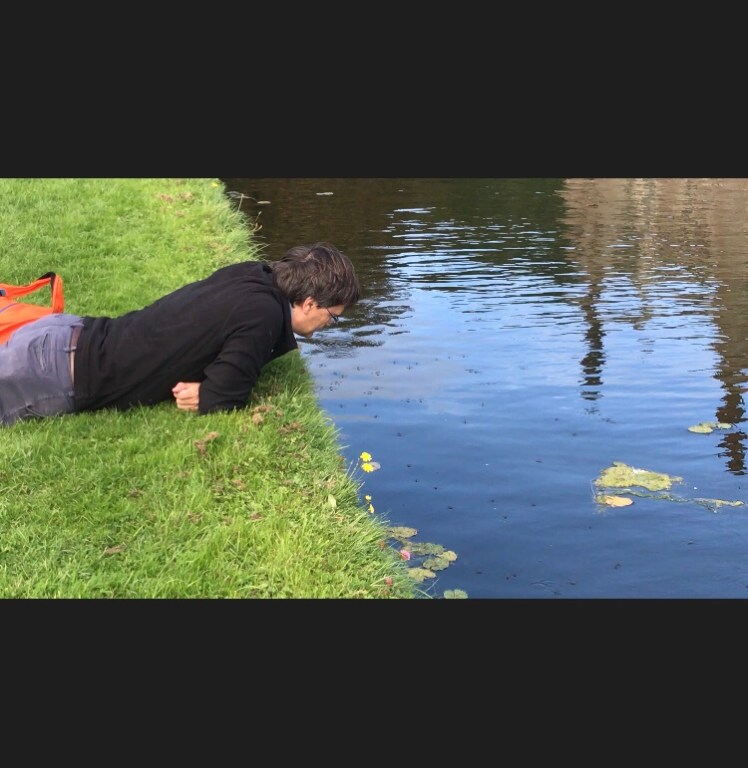
A NTX badge is on its way to John , thanks for the photos and observations.

Skating on the Moat

A visit to Oxburgh Hall in Norfolk included a skating display by hundreds of pond skaters on the surface of the square moat.

Nature table explorer Tim had a close look at them.There were literally in flotillas of skaters moving really fast.

They were difficult to photograph with the phone but it shows how they sit on the water.

The common pond skater(Gerris lacustris) is covered in a layer of silvery hair that makes it water repellent. They use their middle and rear legs to move around mainly running sometimes hopping. The back legs act as a rudder.

They are insectivores and sense insects through vibrations in the water and use their front legs to catch and then hold their prey.

They feed by using sharp piercing mouthparts called a rostrum or beak to suck the juices from its prey !!

The moat at this Elizabethan Hall was full of fish and pond snails and Ramshorn snails as well as the sensational skaters.

Goose Bedtime

This is post 200 , there are a lot of geese in this post (not quite 200)

It is the honking and flapping that came first and then the sweeping Vs of Canada geese as the sun was going down . They flew over in two waves followed by two stragglers who missed the leaving time.

I was in an awkward spot in the trees but managed to catch the second group.

Canada Geese actually sleep in the water a sentinel looks out for predators. In the morning they fly to their feeding grounds where they eat and feed in the morning and afternoon and then fly to their roosting area again in the evening.

Canada Geese facts –

Lifespan: 10 – 24 years (In the wild)

Scientific name: Branta canadensis

Mass: Male: 3.2 – 6.5 kg (Adult), Female: 2.5 – 5.5 kg (Adult)

Britain has a resident population of Canada geese these are added to by migrating Scandinavian birds.

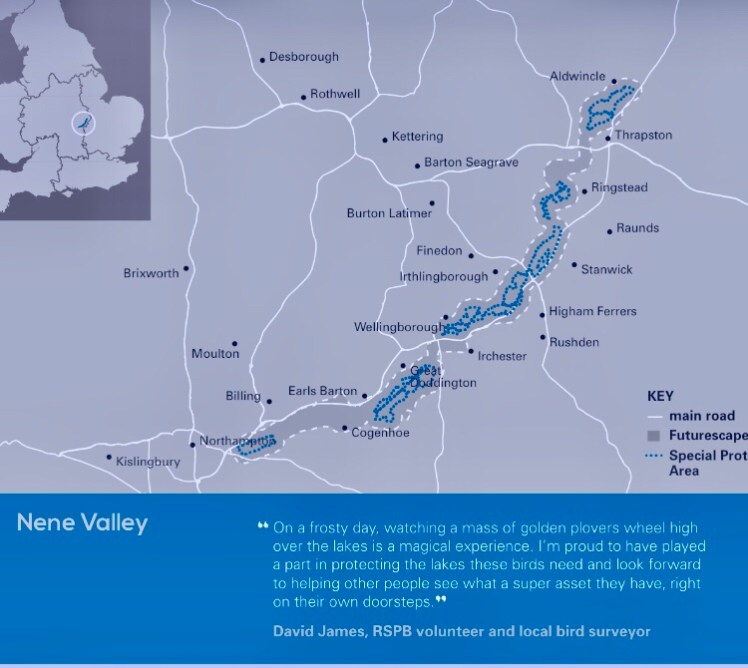
These lakes at Rushden are part of the Nene valley wetlands a SSSI ( site of special scientific interest) they were once gravel pits but have become a series of lakes which attract twenty thousand migratory birds and other wildlife such as dragonflies, hobbies, otters and even Bitterns.

I am looking forward to the arrival of these visiting birds and dusting off the binoculars !

Hoverfly feast

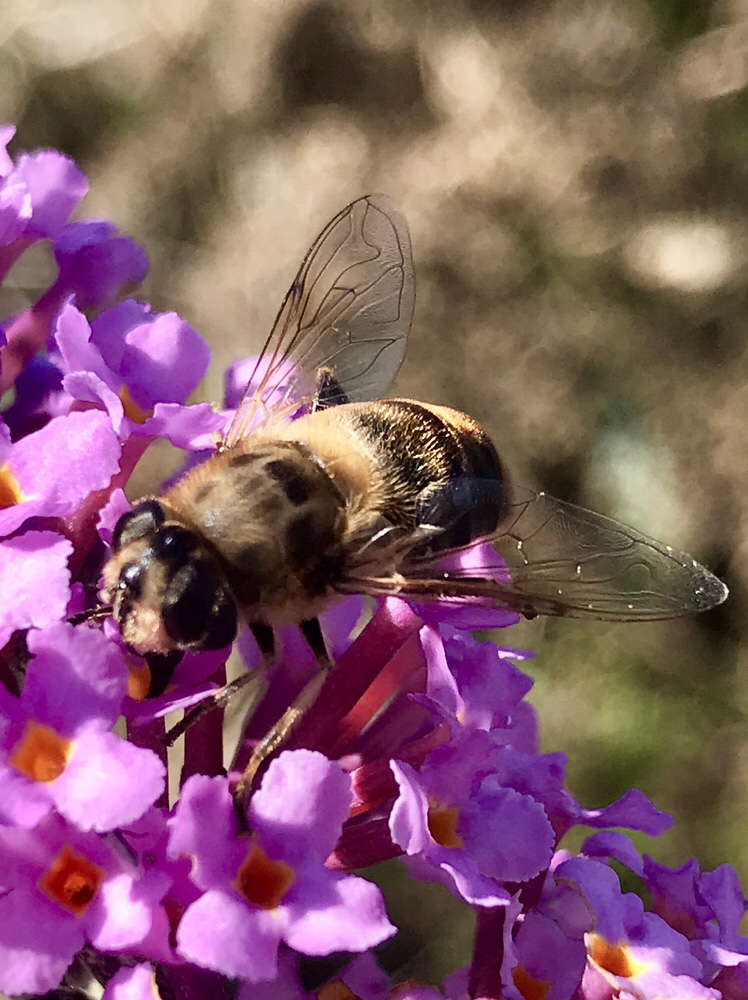
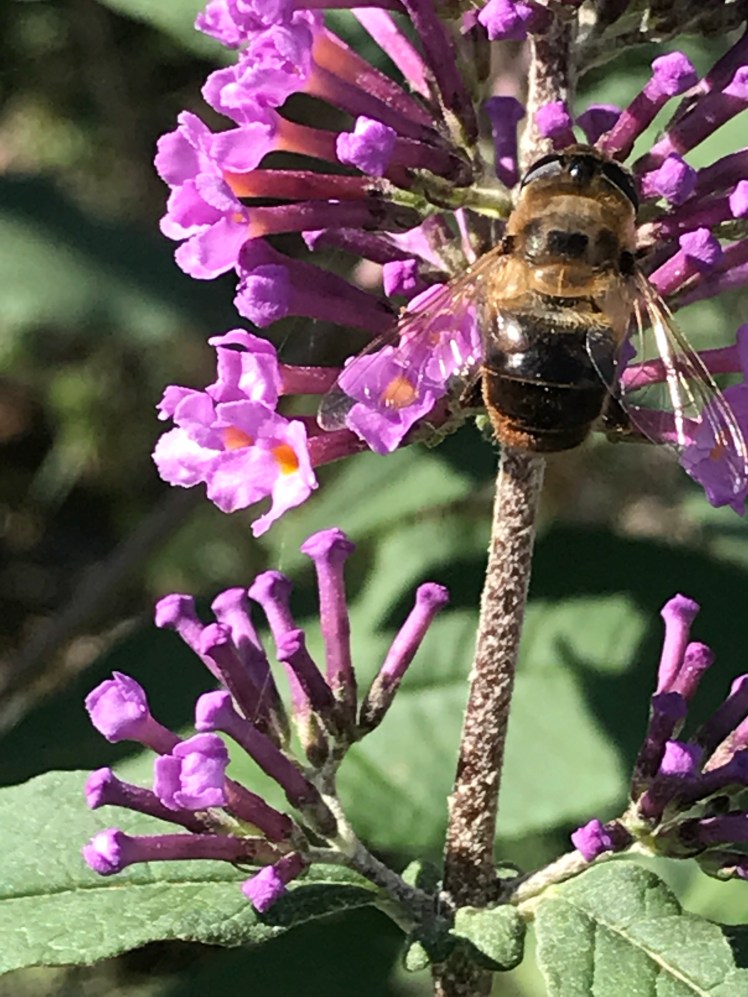
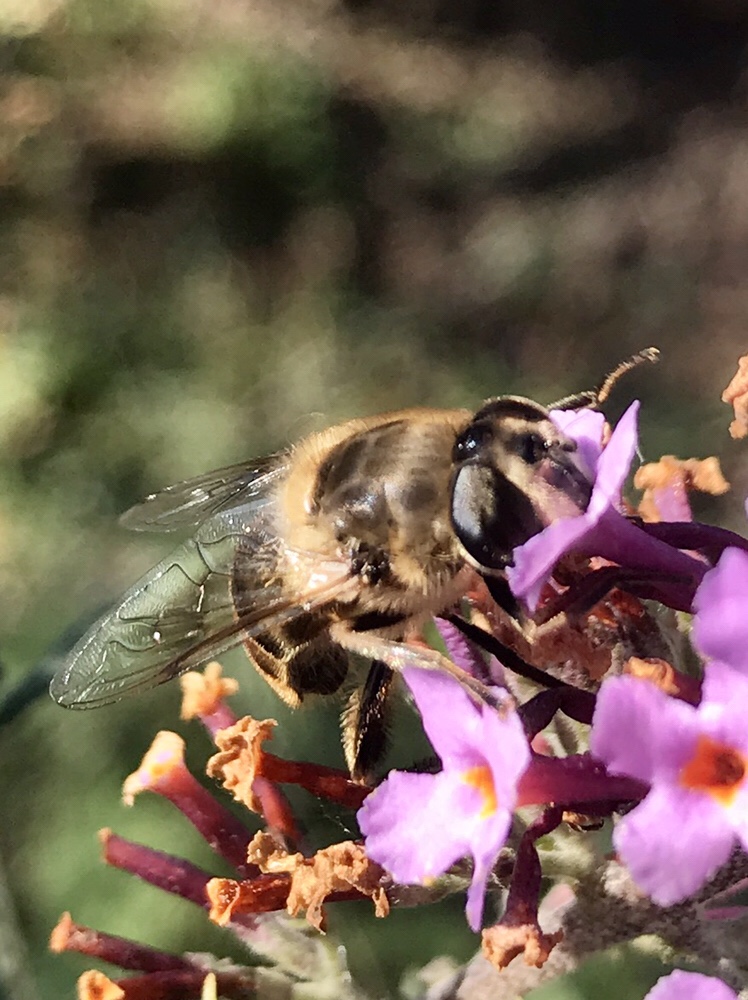
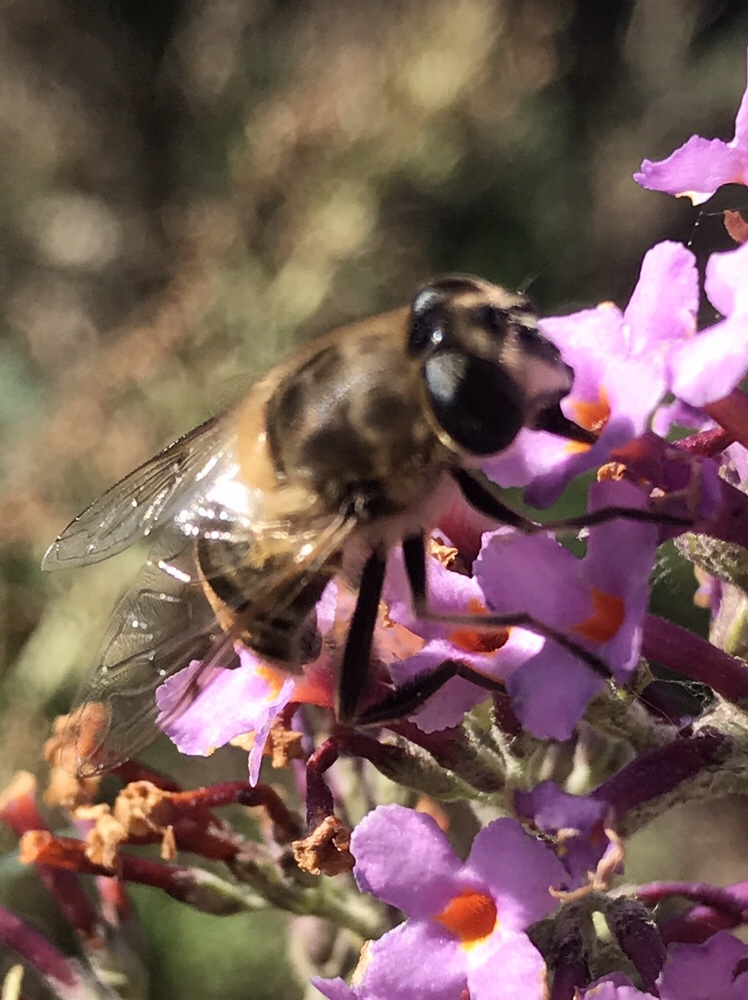
The Hoverflies were feeding in the sun yesterday . After looking in the field guide from the photos and where they were feeding I think this is Eristalis nemorum they mimic bees.

The first photo helped to identify it because of its face shape..

They visit a wide variety of flowers and have a long flight period stretching into September.This hoverfly was definitely enjoying the flower.

I have added two short videos which really show how like a bee they look at first glance.