Shells on the Beach

Lots of shells on the white sands.
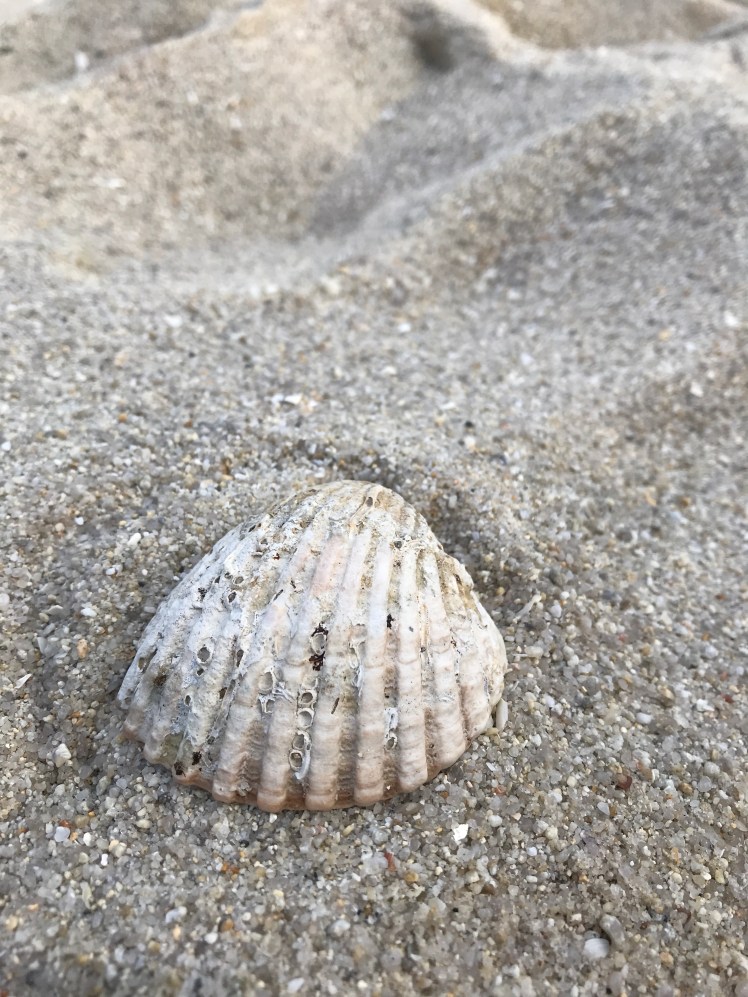
The shells from this beach were lovely, lots of cockles, some really large.

Interestingly a lot of the shells were anchor points for seaweeds and bryozoans. This may indicate a sheltered area and the shells being relatively old.

This pinkish razor shell is a good example , and the shells below.

There are over two hundred species of cockle throughout the world. I was surprised by this. Cockles are bivalves , they have two parts to their shell and in the case of cockles they are the same size. Other bivalves can have different sized shells.
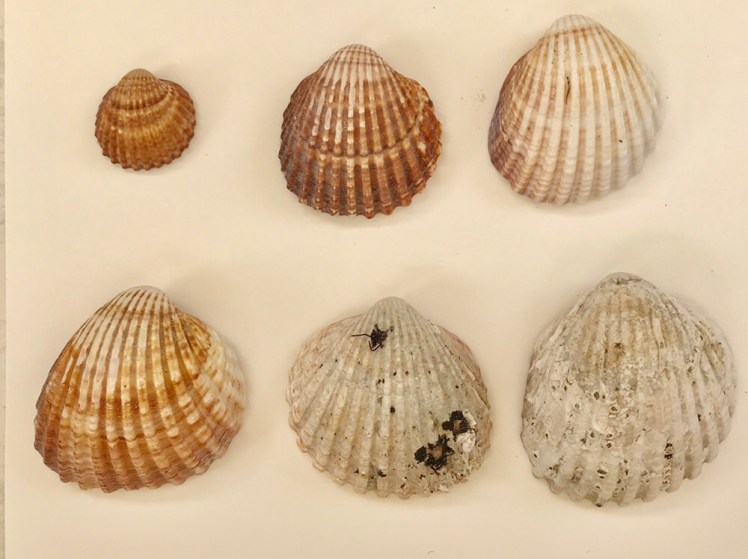
These above are Rough Cockles ( Anthocardia tuberculata) the common cockle (Cerastoderma edule) is very common and widespread.

Cockles live in the top few inches of sand and feed through their siphons filtering out plankton. They are quite mobile and can push themselves around with their ‘foot’.

Strong winds and storms can dislodge whole beds of cockles scattering them along a beach.
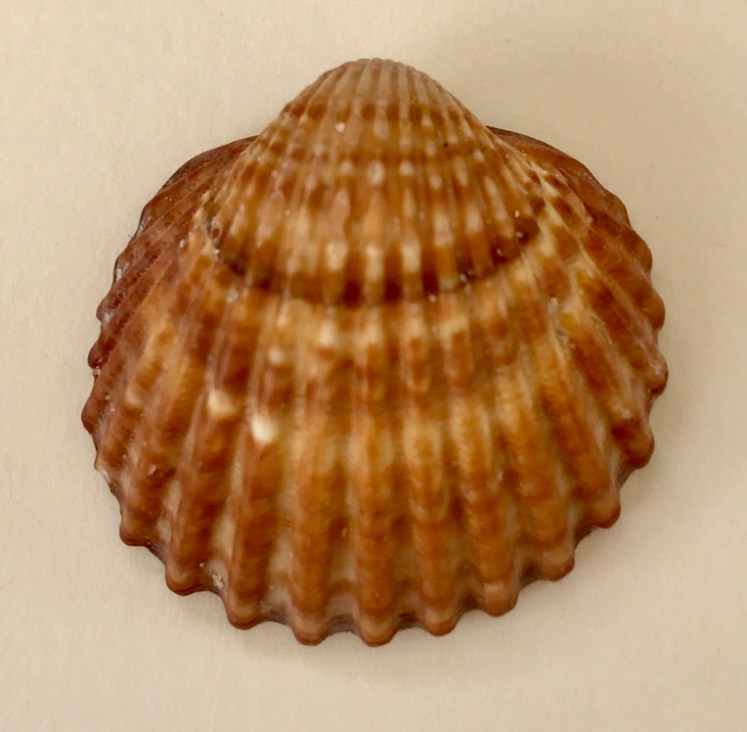
Below is a fossil cockle like bivalve I found in Dorset in the Greensand, it is almost identical to the modern shell above.

Other shells on this beach:-

The shell below is a pale Venus (Venus casina)

If you look carefully at some shells they have perfect hole in them . This has an interesting origin.

This is Venerupis decussata commonly called the cross cut carpet shell. It has a perfect small circular hole on the left.

This hole is drilled by a predatory Gastropod Natica . It feeds on the bivalve with its proboscis through the hole ! Interestingly this characteristic hole can also be found on fossil bivalves.
Rocks and More Rocks

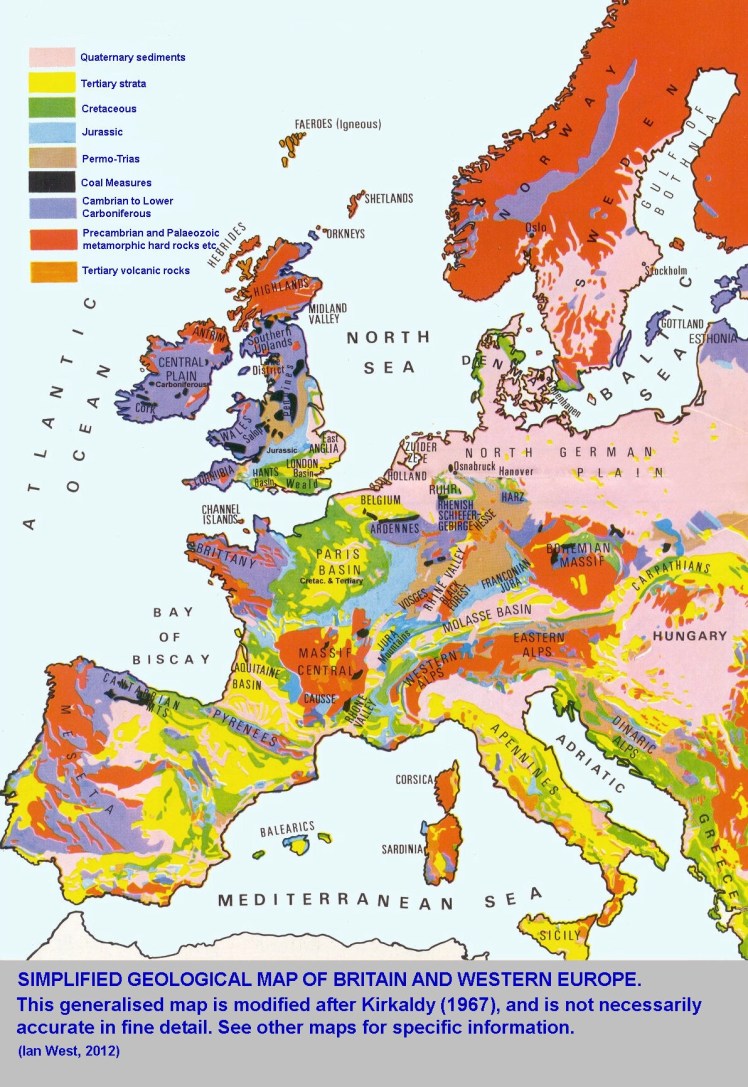
A brilliant geological map of Europe , interesting on its own but zoom in to holiday destination , Brittany.

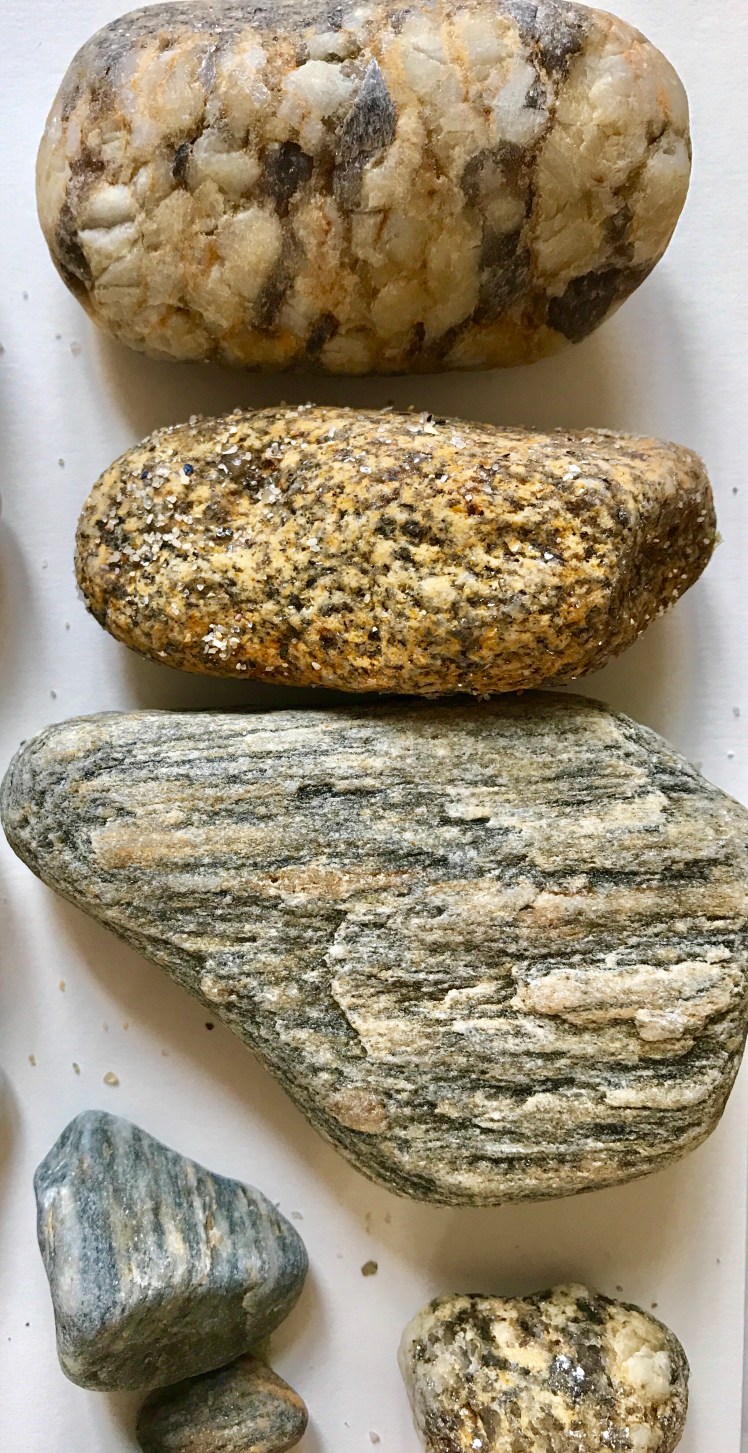
Brittany has amazing granites , these are pink on the famous rose granite coast on the North . These granites become fantastic crystalline pebbles and pure quartz pebbles littered some beaches.

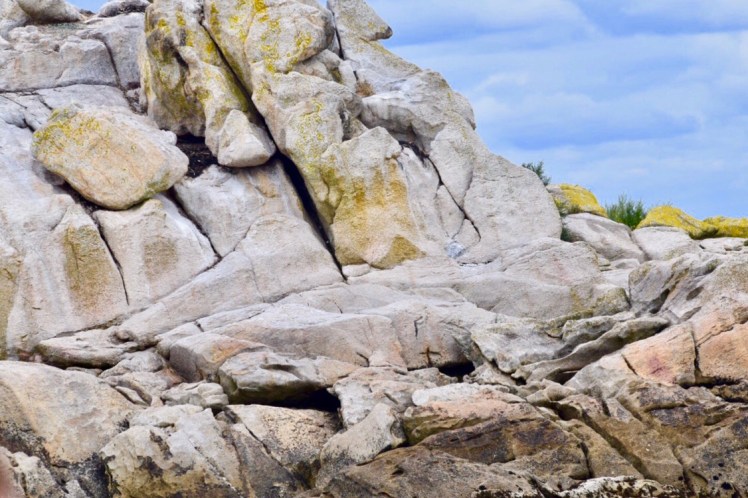
The colour of the rocks in the pointe st Gilles beach were often golden or honey like.

Out travelling around the Glénan Islands rocks appear poking out of the sea often topped of with cormorants.

At Nevez the rocks are metamorphic schists the sand sparkles and so does the breaking water.

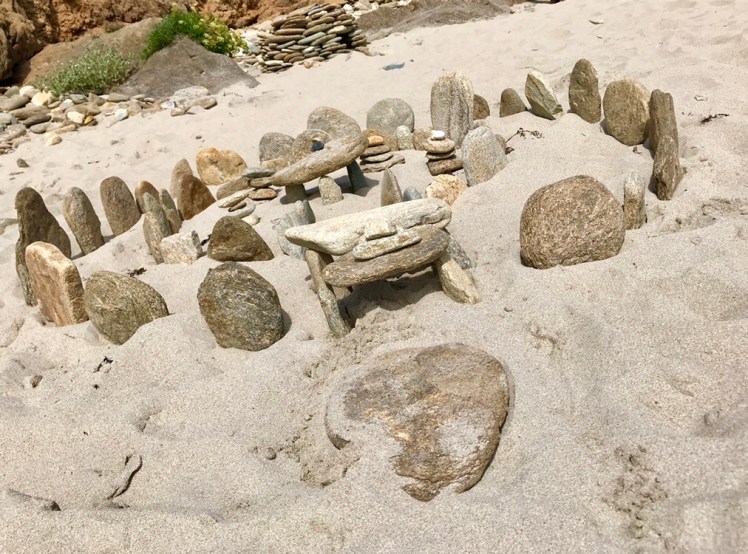
The pebbles here are flat and sparkling and are often used to build for fun on the beach.

Crabs and Hermit Crabs

It’s always great fun hunting through rock pools , exploring and hoping to see something exciting.

Crabs are interesting and perfect feats of engineering.

The crabs came in all colours and sizes, sadly most were dead. We did have an encounter with a number of large crabs being released from capture in a bucket they seemed very lively and were feasting on ham !

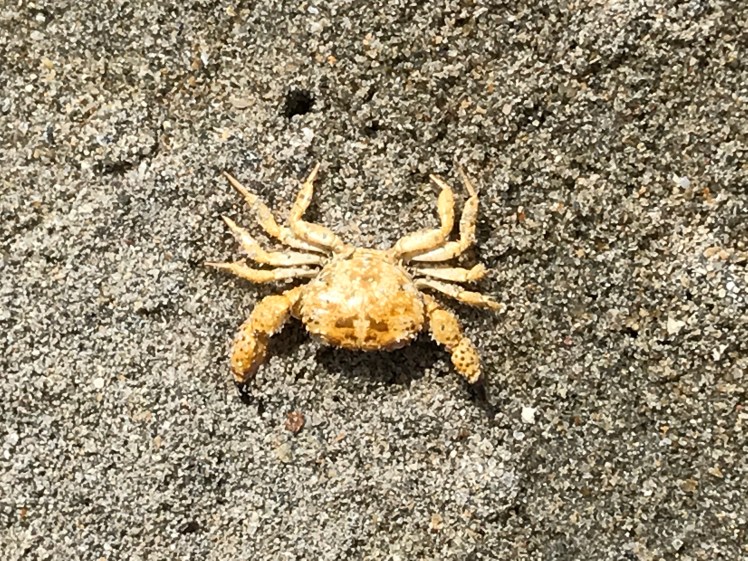
This little crab below was rather lovely I especially like the colour.

At the same beach at Nevez there were also a large number of hermit crabs which were very active. They were small but very fast.

Egrets Galore

We do see Egrets here in Rushden, at the lakes. They are always a white smudge , annoyingly just out of range for detail. Brittany has proved to be a perfect spot for Egret watching.

These are Little Egrets which have the most lovely Latin name – Egretta garzetta , sound like the start of a poem !

They have been frequent visitors along the rock pools. This has allowed time to watch their behaviour and movements. Their yellow feet are obvious as they carefully lift and place them down hunting for fish.

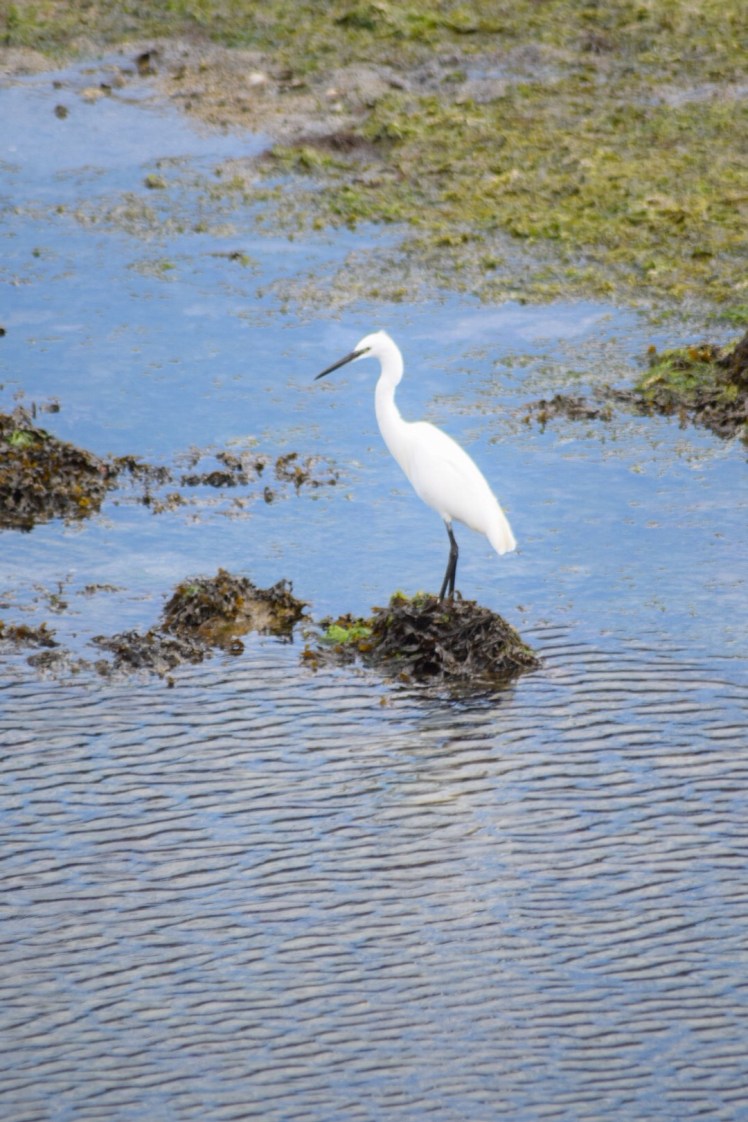
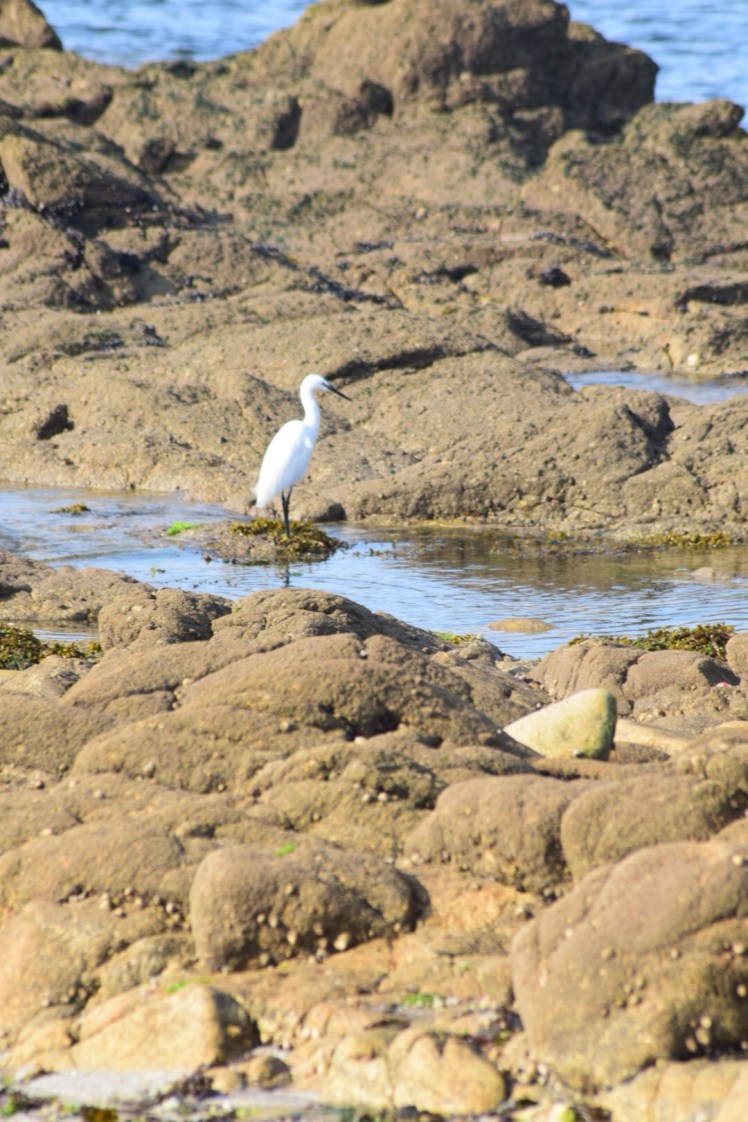
This Egret was standing next to the fortified walls in Concarneau at low tide and seemed to tiptoe through the weed and feast on small fish.

Using these mounds of seaweed as vantage points proved very successful.

On the rocks along the beach the Egrets were exploring rock pools.

On the return ferry trip sitting on deck a Egret flew along the waters surface almost skimming it back towards France and landed and bobbed about. These graceful birds definitely made an impression this holiday.

The RSPB website has some good images to identify this Little Egret (Egretta garzetta)

Here are the key facts about the Little Egret in Britain:-

Key information

The little egret is a small white heron with attractive white plumes on crest, back and chest, black legs and bill and yellow feet. It first appeared in the UK in significant numbers in 1989 and first bred in Dorset in 1996. Its colonization followed naturally from a range expansion into western and northern France in previous decades. It is now at home on numerous south coast sites, both as a breeding species and as a winter visitor.

Read more at https://www.rspb.org.uk/birds-and-wildlife/wildlife-guides/bird-a-z/little-egret/#spuYv0AfIOxVxOw5.99

Glorious Glénan Islands

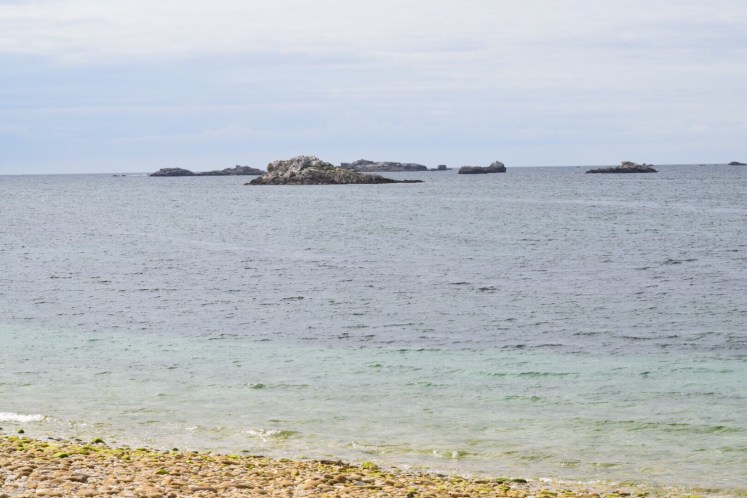
Ten miles out into the Atlantic from the Brittany coast are the glorious Glénan Islands. We took a guided tour of the circular archipelago of islands and were amazed . Officially this archipelago is made up of 22 islands, 7 of the main islands have a building on them. There are as many rock outcrops as days in the year poking their heads above the waves.
The area inside the circle of islands is a lagoon called la Chambre. The waters surrounding the islands are exceptionally transparent.

This map shows the positions of the main islands.

Human stories related to these islands are interesting and include famous sailing schools, pirates, lighthouse keepers and seaweed burning. However it is the natural wonders and beauty that speak volumes.

The islands were classified as a site of natural beauty in 1973.

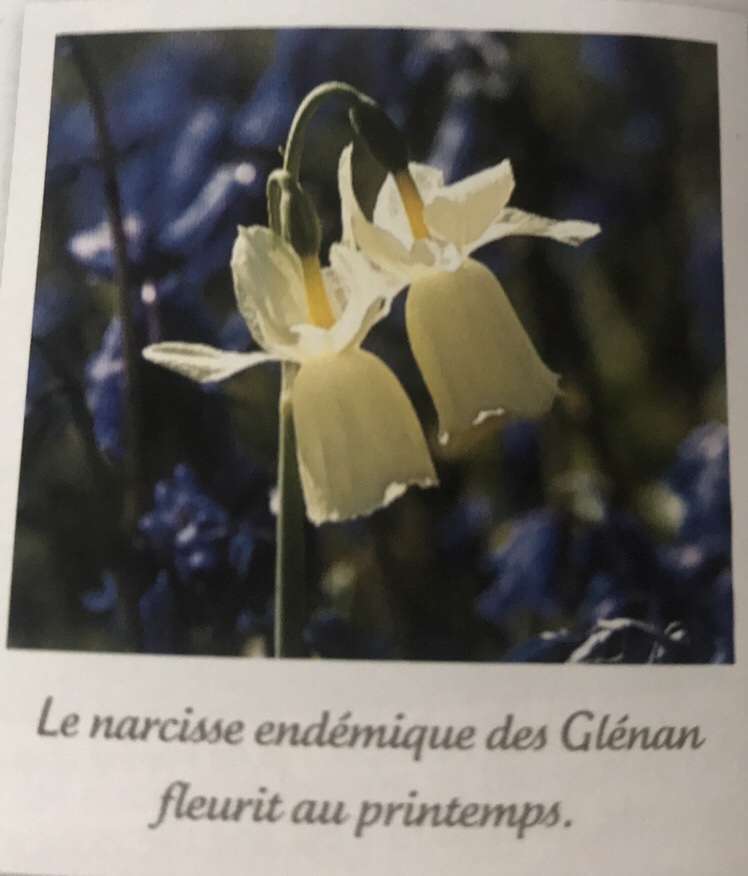
In 1974 part of the island of St Nicholas became a nature reserve because of the discovery of the small place yellow narsissi des Glénan . This was first discovered in 1803 by a chemist from Quimper. This protection has meant that the number of plants has increased from 1000 in 1980 to 150,000 in 2010.

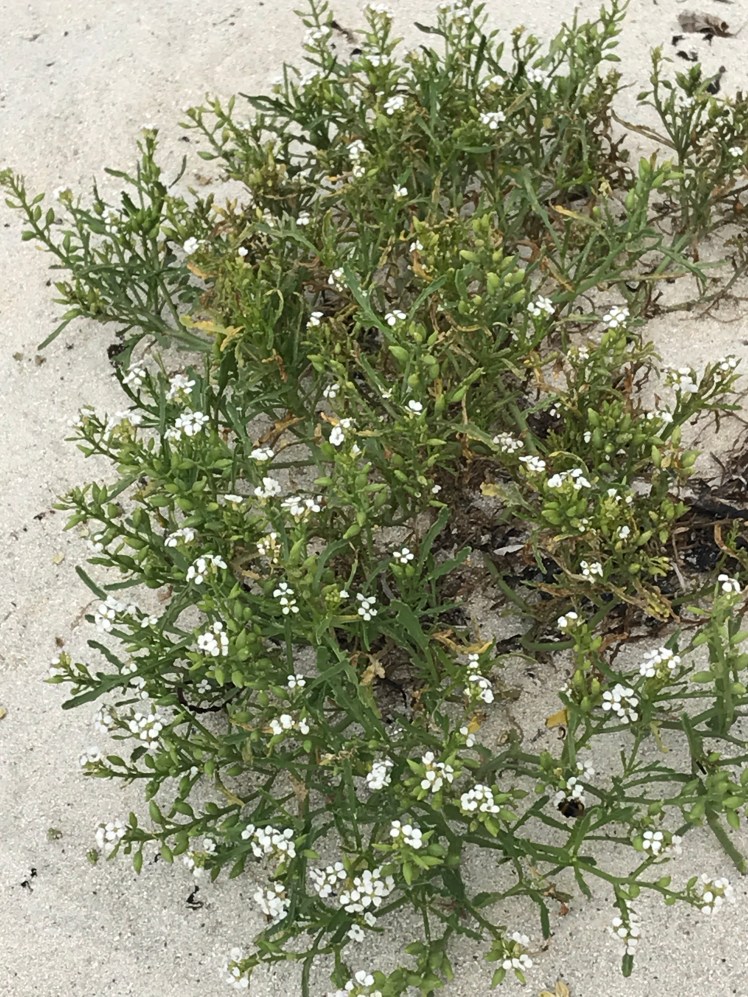
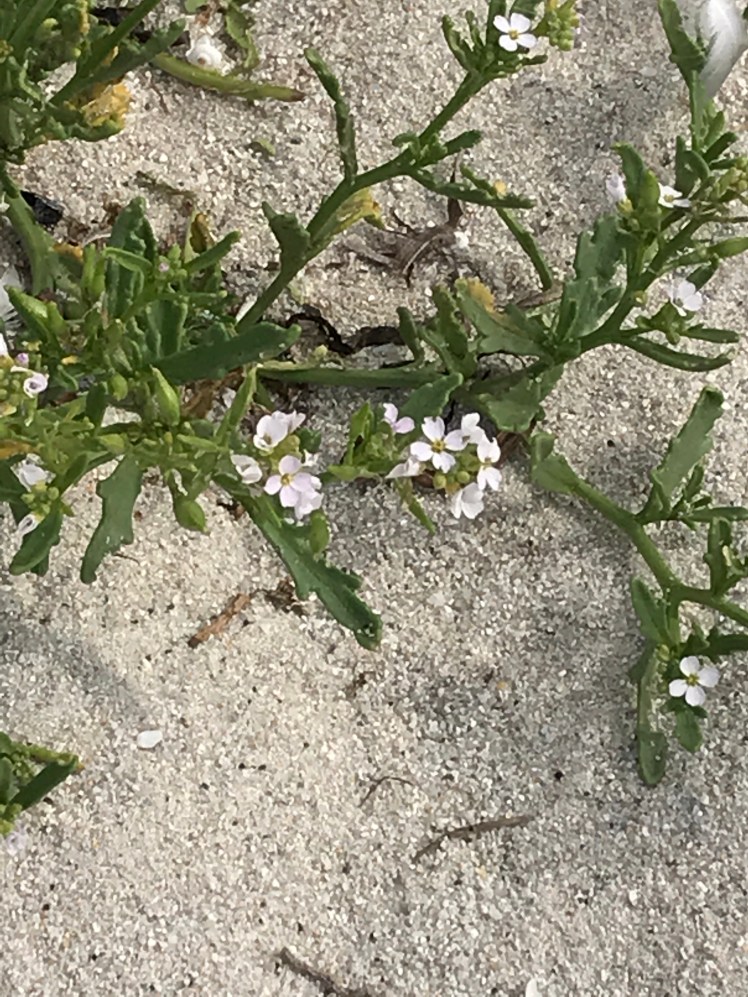
The plants along the sand dunes were brilliant-

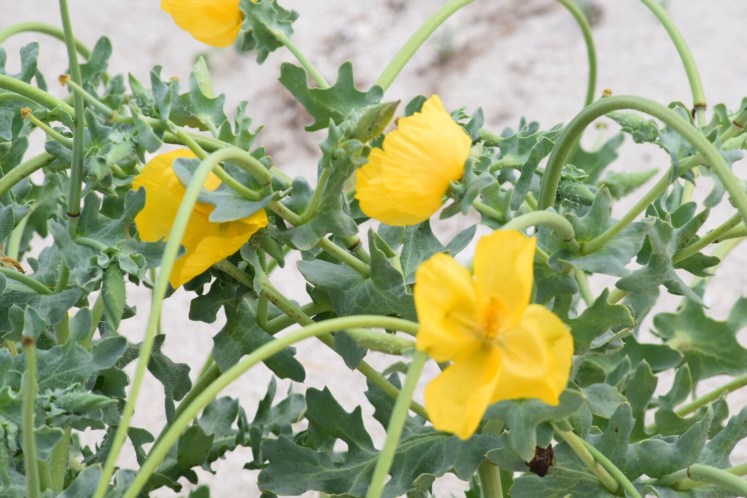
The horned poppy (Glaucium flavum), named after its long curling seed pods. When snapped the stem exudes a yellow sap which is poisonous.
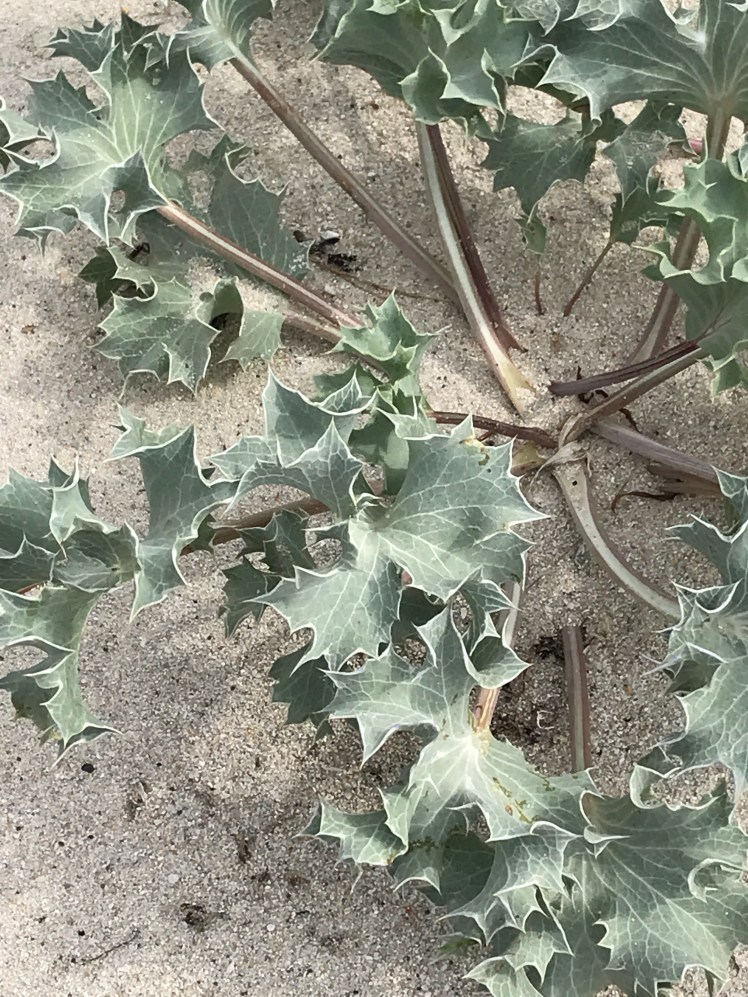
Brilliant sea holly (Eryngium maritimum)

This plant is closely related to carrots , I found this interesting nugget of information about it:-

Did you know?

In Elizabethan times, the flowers of Sea-holly were used as an aphrodisiac and were even mentioned by Shakespeare as such. The deep roots were also once sold as sweets, having been pulped and sugared first.

Sea Alysum (Lobularia maritima)

These islands need time to really explore and I definitely will go back to walk around St Nicholas and it would be amazing to sail and land on the sand bars.

In France in the supermarket they sell these brilliant books for 5 euros, I have bought two and they are excellent. Next trip I will add to collection and in the meantime improve my French !!

I will add some more posts about the birds and rocks over the next few weeks, there was so much to see and be amazed at. Looking forward to next time !

A morning stroll on the beach.

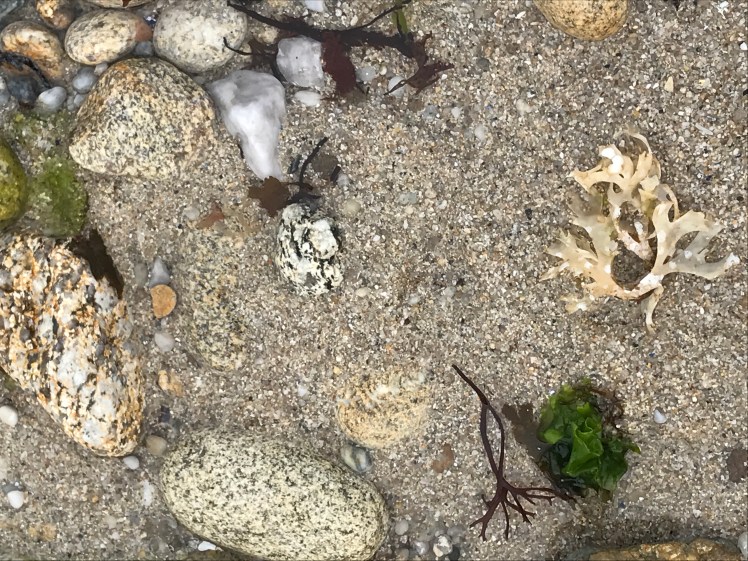
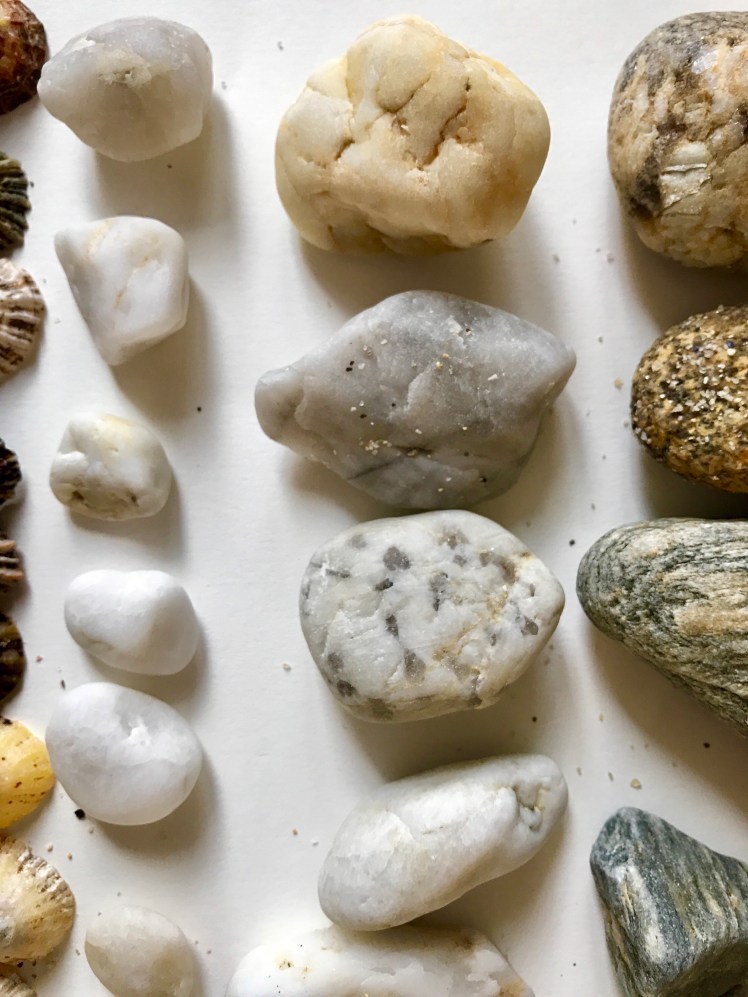
This lovely little beach at Pointe St Gilles in Benodet,Brittany is brilliant. Each walk along it has something new to find. I love the pebbles , lots of granites and quartz and loads of seaweeds and interesting parts of seaweeds and bryozoans.

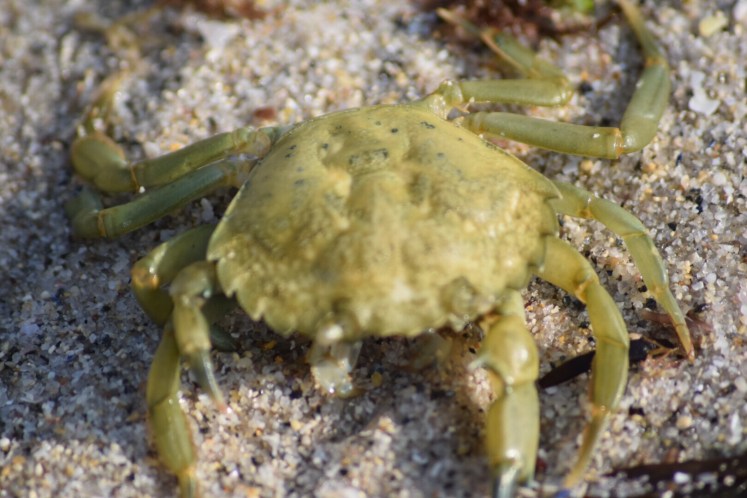
This green crab was arranged in the sand rather like a portrait.

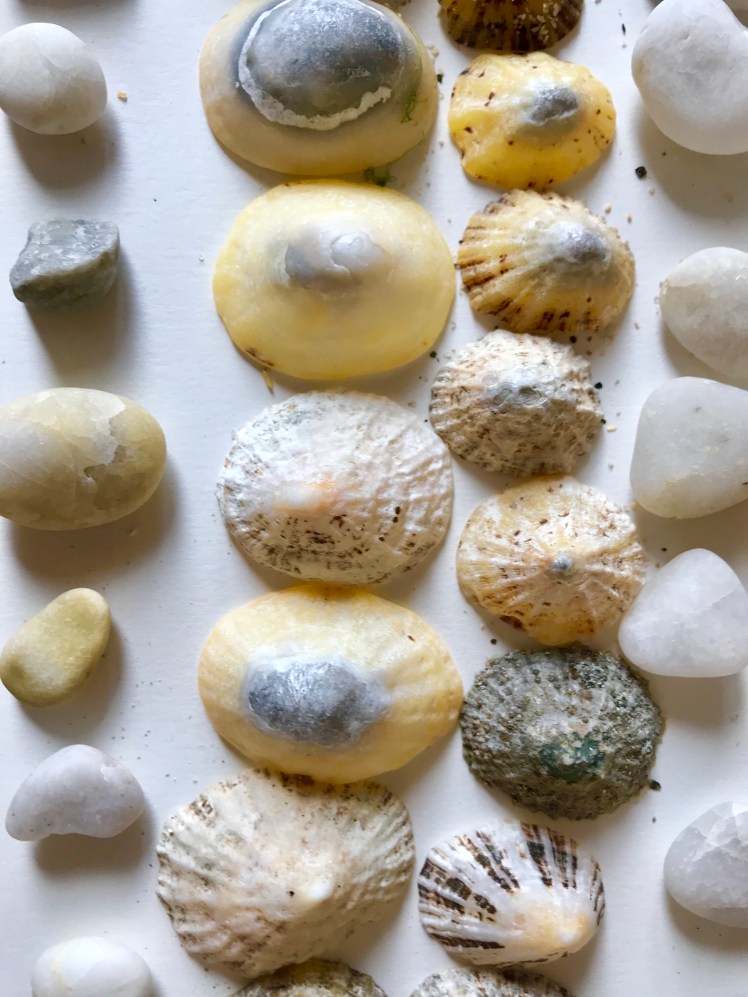
Limpets cover the faults in the honey coloured rocks . These rocks are very rough to walk on , nearly impossible .

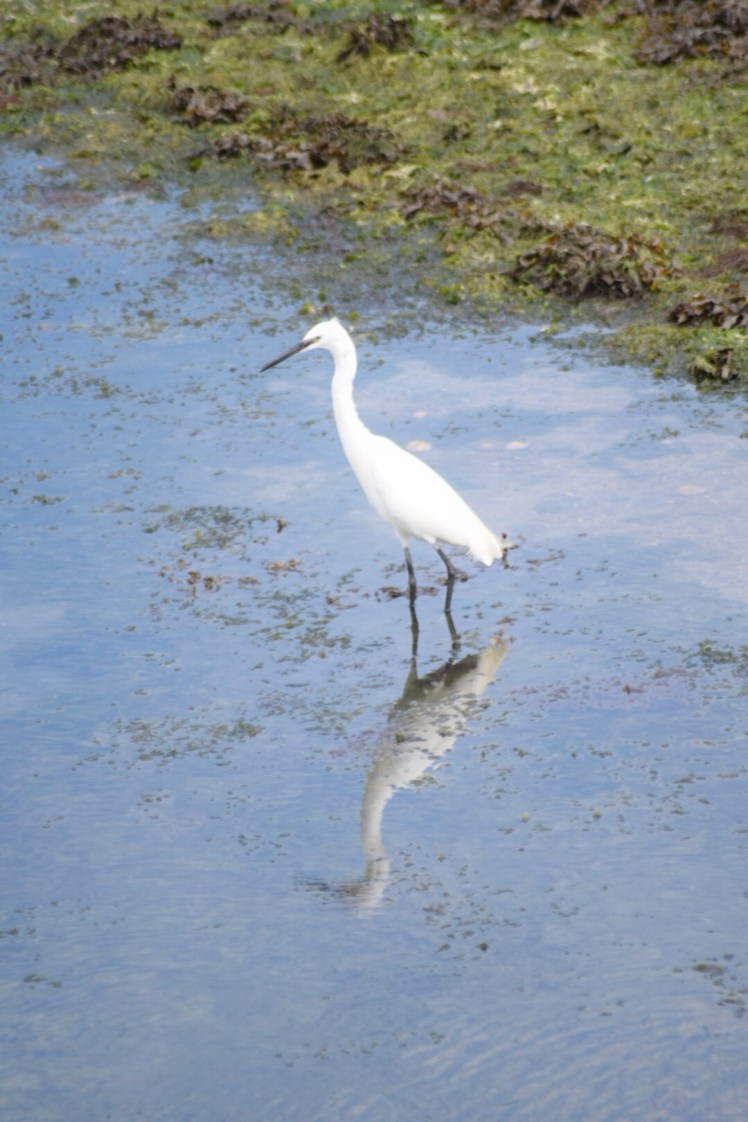
Just as I was leaving the beach this Egret caught my eye, it was fishing in the rock pools.

I noticed from this next photo that the Egret has yellow feet! I really like these birds, I first saw them when we were living in Minnesota. Recently I have seen one in Portsmouth and several at home in Rushden , reading about them it seems That they have been in Britain for the last ten years .

Nature Table Number 6

A snapshot of the Beach at Benodet Point St Gilles in Brittany.

A walk with Nature table explorers Joan, Barrie and Rowan was full of finds .

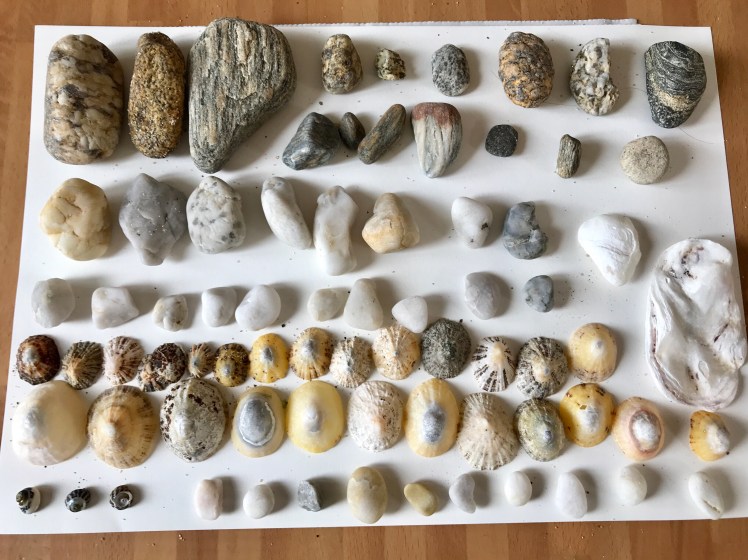
The rocks on this shore are granite and the pebbles are a mixture of colours and patterns or glassy smooth quartz ranging from pure white through to mustard or grey.

Because of the rock type there are large rock pools on the beaches and plenty of limpets and winkles. The limpets also range in size and colour and weathering .

Oyster catchers were flying across the surface of the water and sand martens were swooping. A lovely beach.

Seaside plants a plenty

This attractive plant is growing in swaths along the rocks in Brittany . It has interesting succulent leaves, it is rock Samphire (Crithmum matitimum)

Identified using trusty guide-

Walking back along the coast tonight the sky was full of thunder and looked brilliant.

The pine trees on the dunes and cliffs are fantastic with huge cones that seem to stay on the tree when they look as if they should have fallen .

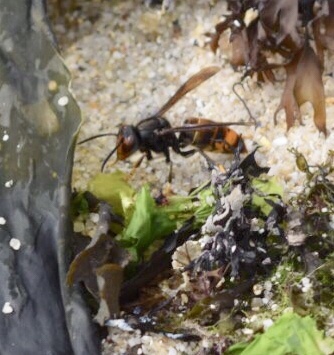
Asian Hornet on Seaweed

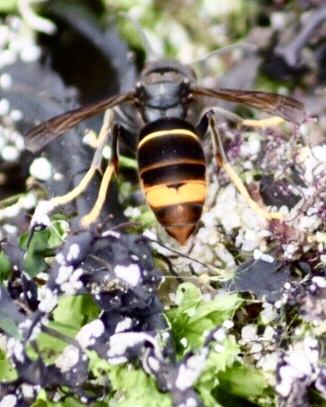
This huge hornet was spotted by Nature Table Explorer Rowan on a line of seaweed on a beach in Brittany. It is an Asian Hornet ( Vespa volutina)

The seaweed obviously attracted it as it spent its whole time patrolling the drifts .

This photo shows its distinctive yellow legs.

The Asian Hornet arrived in France in 2004 through imported pot plants. It has been sighted in the UK and is listed as an invasive species and is a danger to bees as they are predators of other insects.

The DEFRA website has information about these insects.

The Great British Non-native Species Website, affiliated with Defra, has issued a ‘species alert’.

It said: “Vespa velutina, also known as the Asian hornet is an invasive non-native species from Asia. It arrived in France in 2004 where it spread rapidly. As a highly effective predator of insects, including honey bees and other beneficial species, it can cause significant losses to bee colonies, and potentially other native species.

If you see one of these in the UK it is reportable so that the spread can be monitored and hopefully halted.

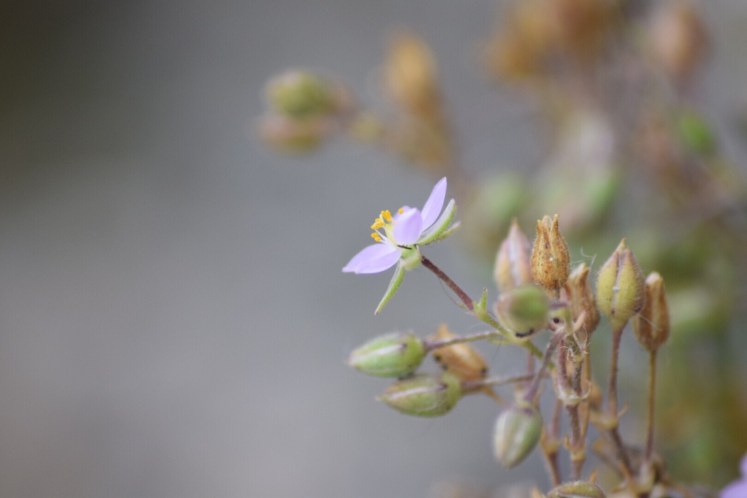
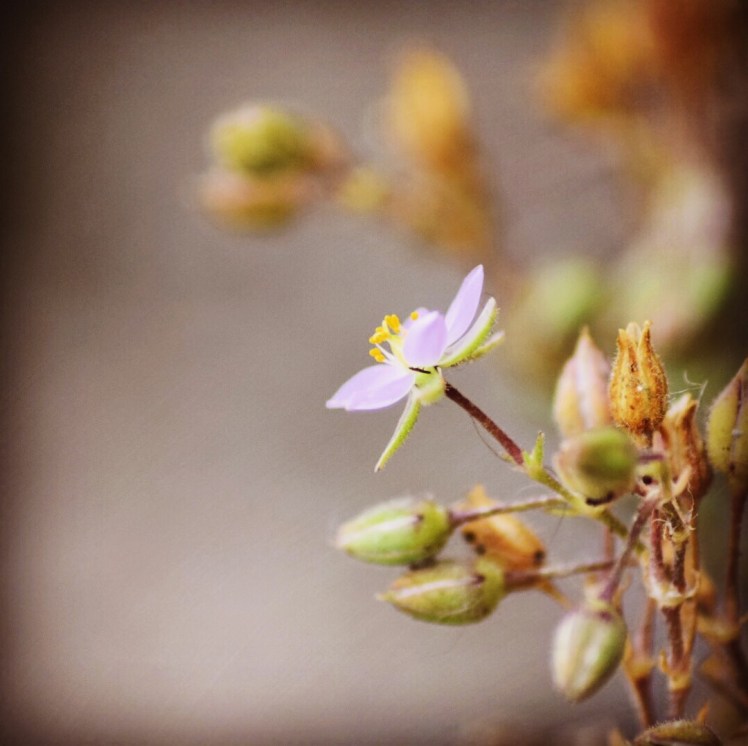
Rock Sea-Spurrey

A new flower find for me , growing on a rock face by the sea in Brittany. Small and very pretty.

This is Rock Sea Spurrey (Spergularia rupicola)

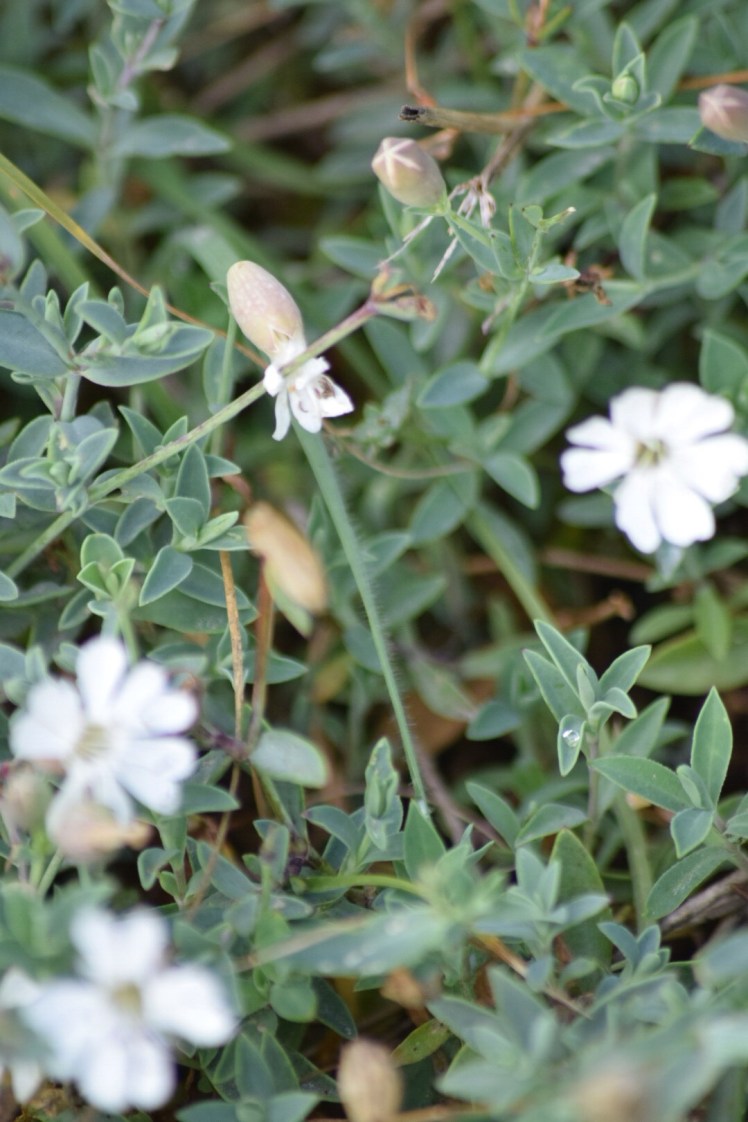
Along this path there were also other interesting coastal plants such as Sea Campion (Silene latifolia)

A walk along the footpath above the beach was full of things to see.