Down to earth with a bump !

The rain was lashing down this afternoon and the car pinged to say the temperature was less than 4 degrees, a walk a Ferry Meadows in Peterborough lost its appeal.

We had a couple of hours to spend in Peterborough so we headed into the cathedral to see an amazing piece of exploring kit.
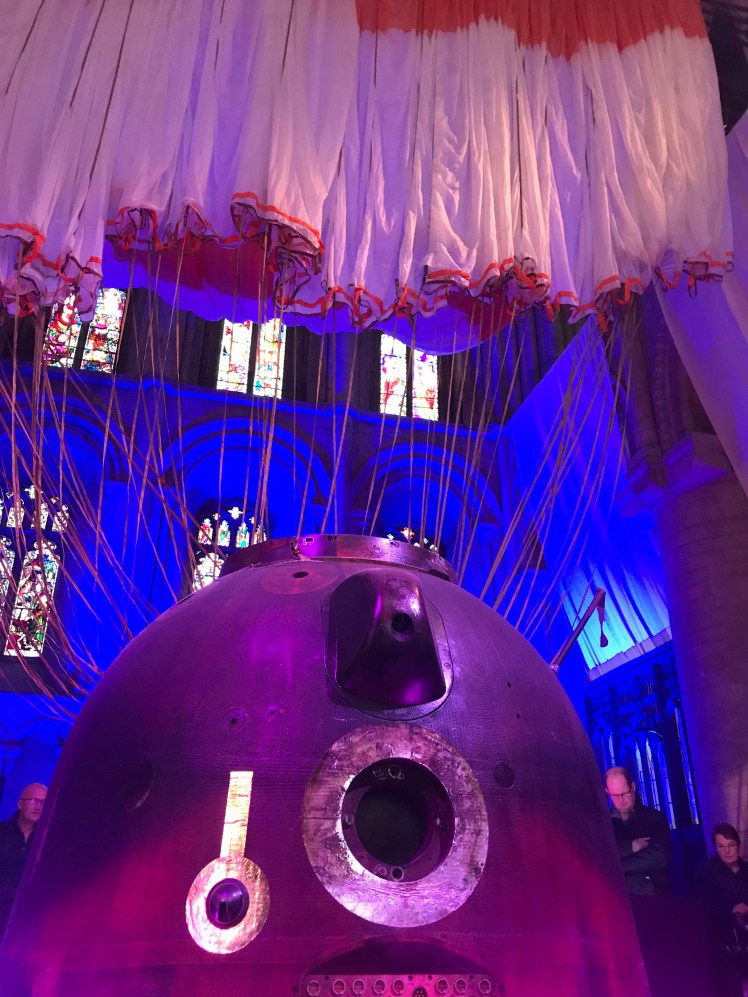
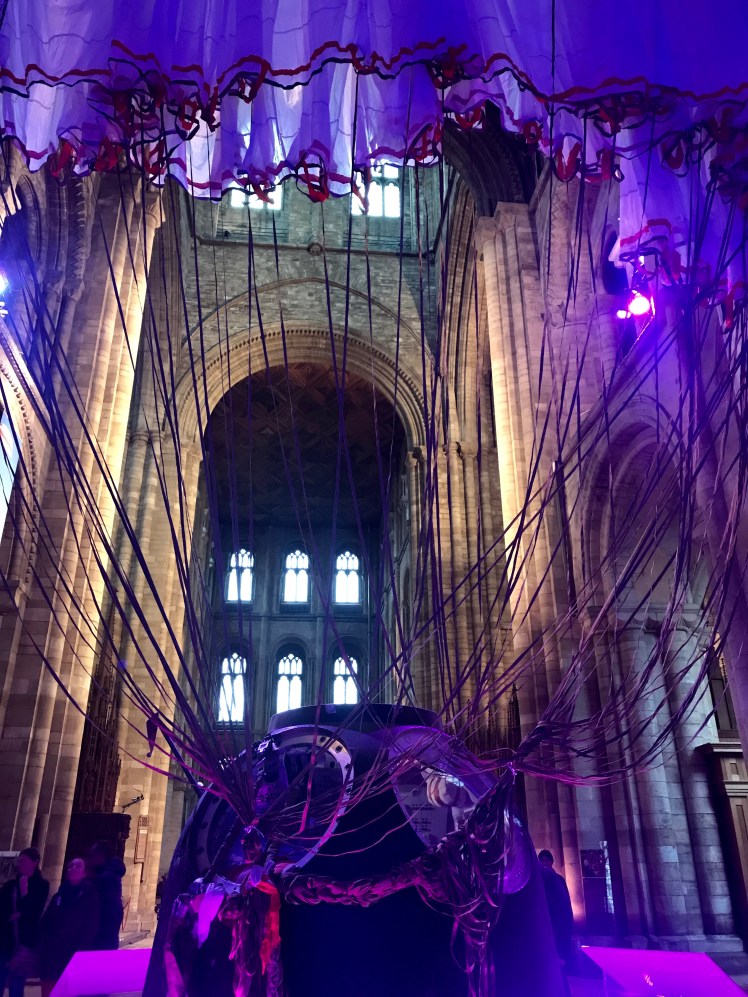
This is the descent module from Tim Peake’s descent back to earth in 2015.
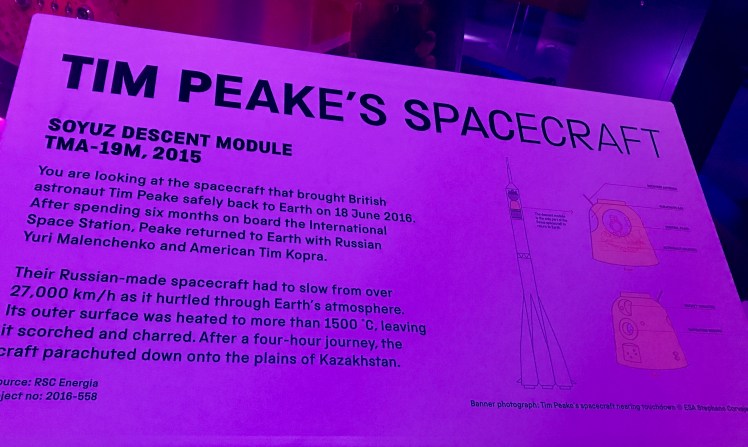
The module was surprisingly non hi-tech , it was rather like a lump of iron with a parachute!!

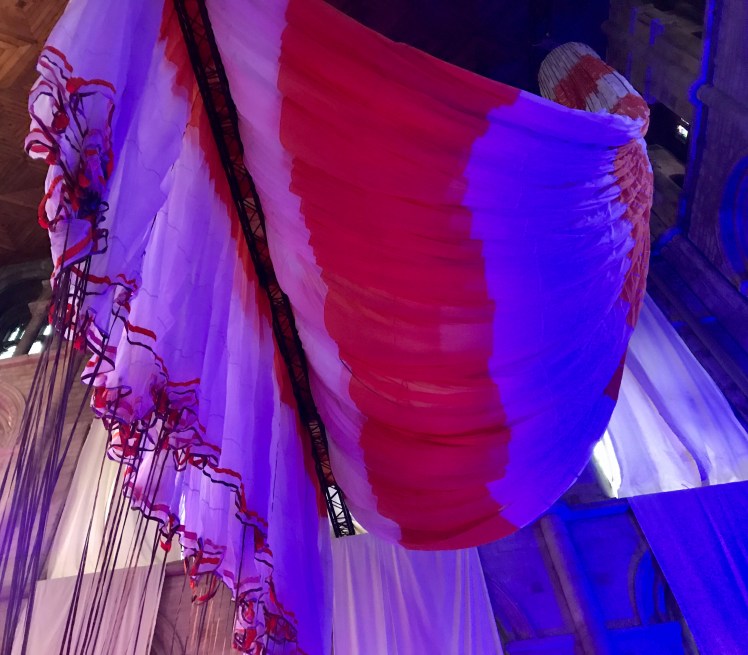
The parachute is the size of 2 tennis courts, it slowed the module from 287 to 22km an hour. This slowed the module to land with a bump rather than a bang !
Space exploring needs special clothing

Rather like our walk this afternoon.!
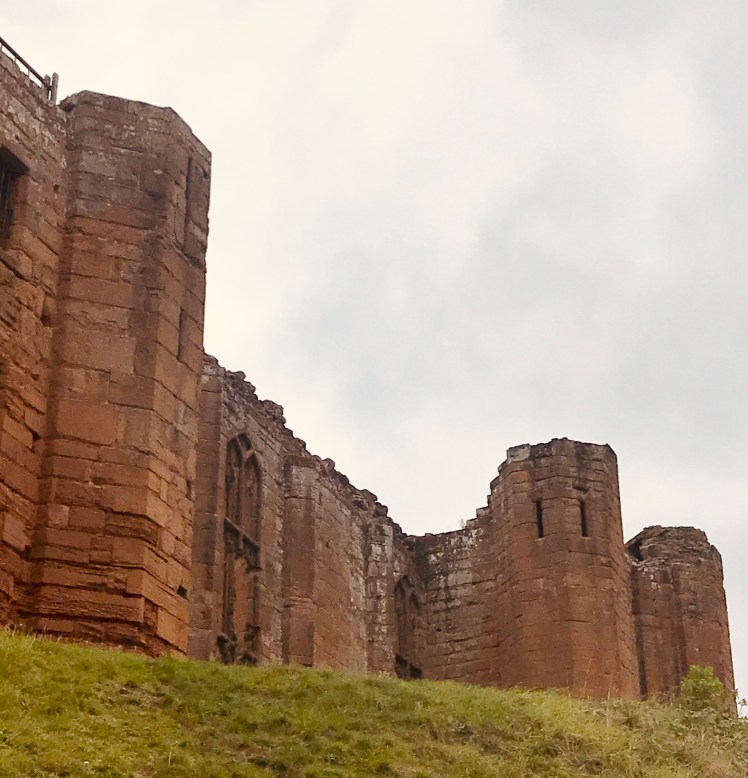
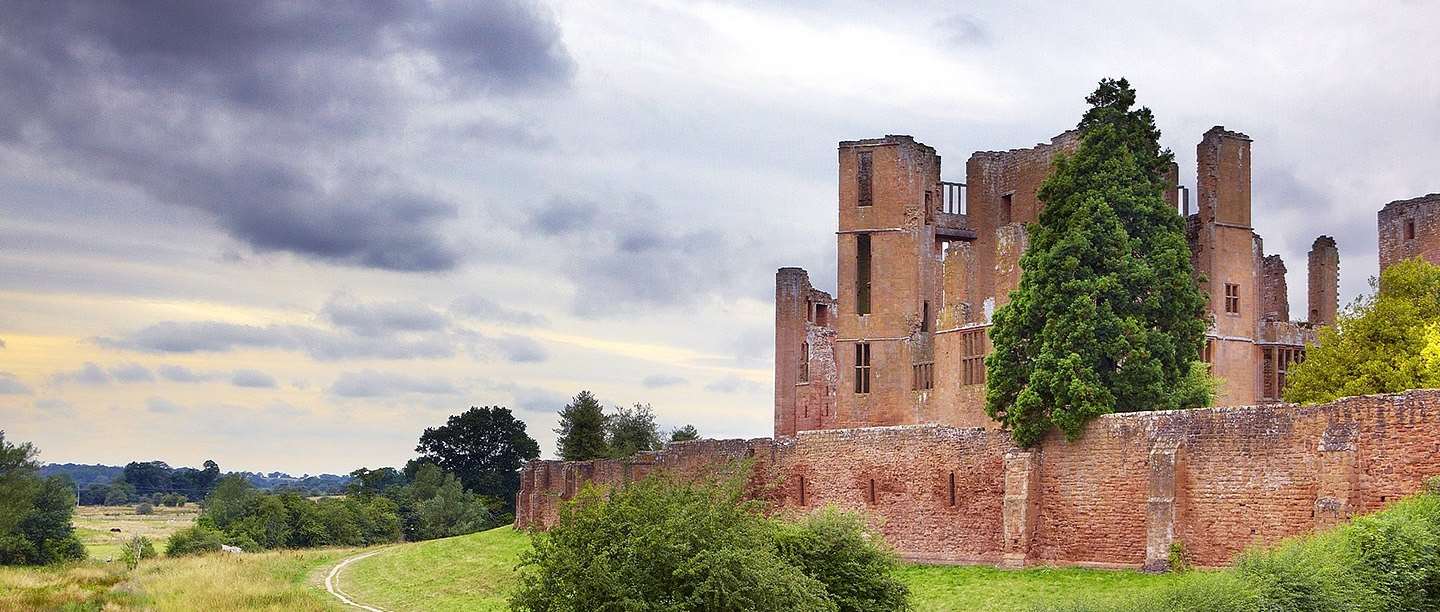
Red rocks of Kenilworth.

Kenilworth Castle in Warwickshire is built from a warm red sandstone called the Kenilworth Sandstone. The stone used to build this towering castle was quarried 400 metres from the building at castle quarry, you can still see this today . Interestingly Warwick castle that is not far away was built from a different rock called Bromsgrove Sandstone, mined at Coten End Quarry.

Geological maps show bed rocks throughout the country .

The Kenilworth sandstones were laid down in the Permian period, 280 million years ago.

A detailed geological map of Warwickshire.

The sandstone originated as river sand, deposited on river floodplains at a time when what is now Warwickshire was much closer to the equator, and enjoyed a hot, semi-arid climate.

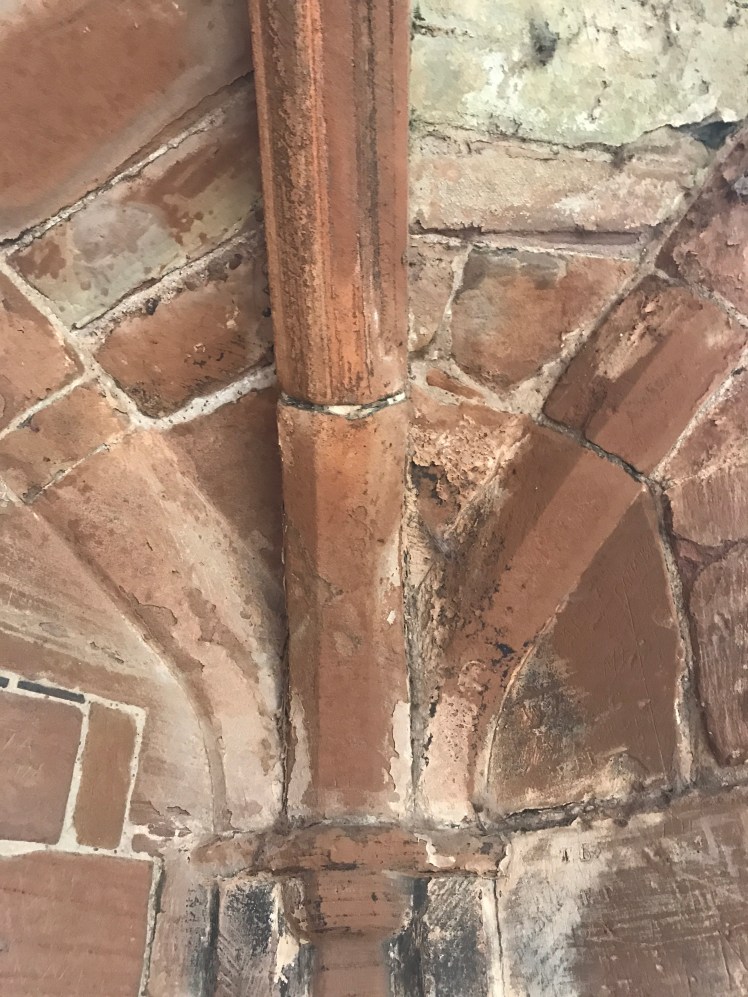
Over hundreds of years as castle walls exposed to the elements this sandstone has weathered into amazing shapes and structures.

Certain areas of the castle have weathered far more than others.

A brief history of this fabulous castle from English heritage page.

Kenilworth Castle, Warwickshire

HISTORY OF KENILWORTH CASTLE

Kenilworth is one of England’s most magnificent castles. First built in the 1120s and a royal castle for most of its history, it was expanded by King John, John of Gaunt and Henry V. In 1563 Elizabeth I granted it to Robert Dudley, Earl of Leicester, who converted Kenilworth into a lavish palace. The castle’s fortifications were dismantled in 1650, and the ruins later became famous thanks in part to Walter Scott’s 1821 romance Kenilworth.

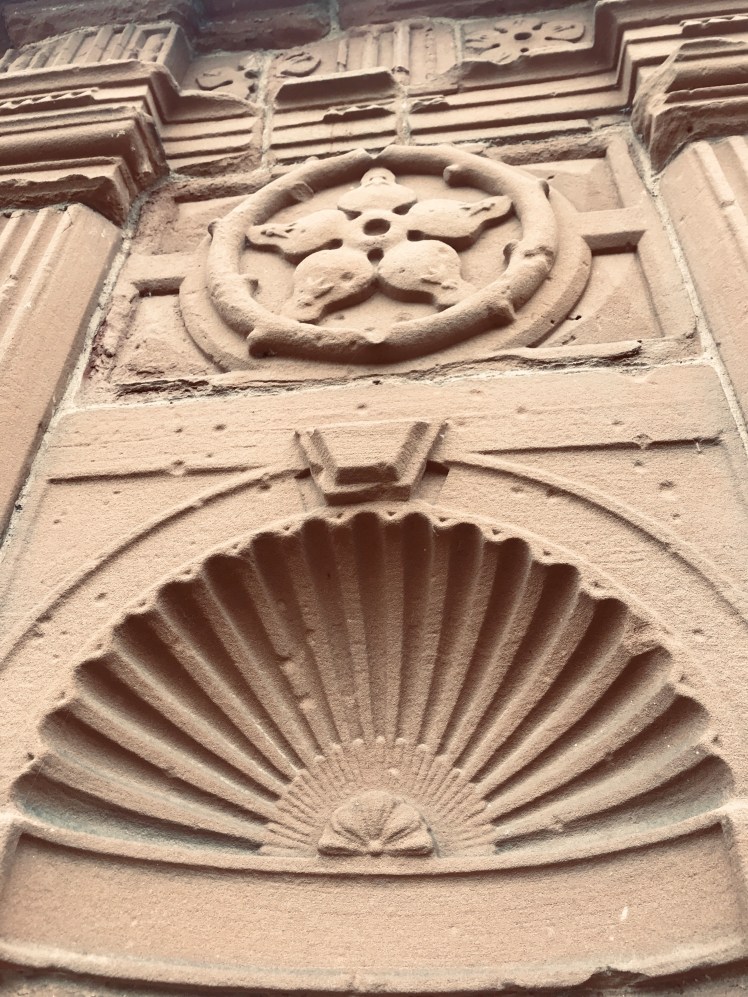
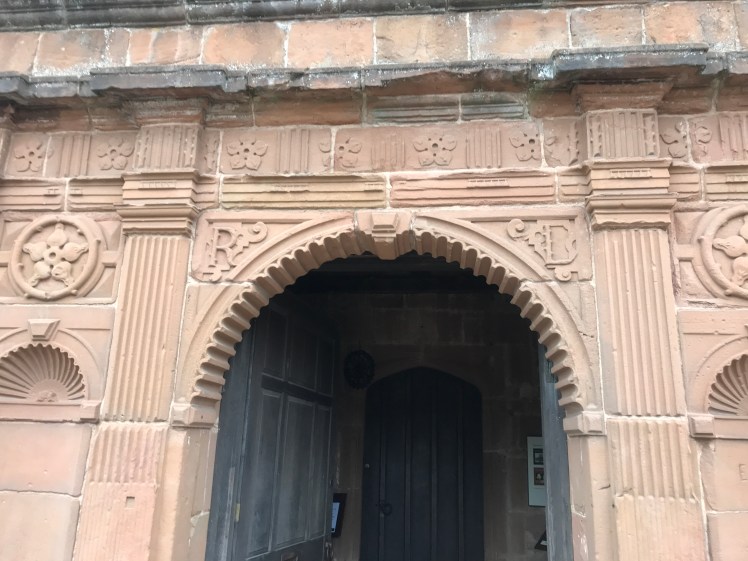
The stone has been carved to make super doors and windows.

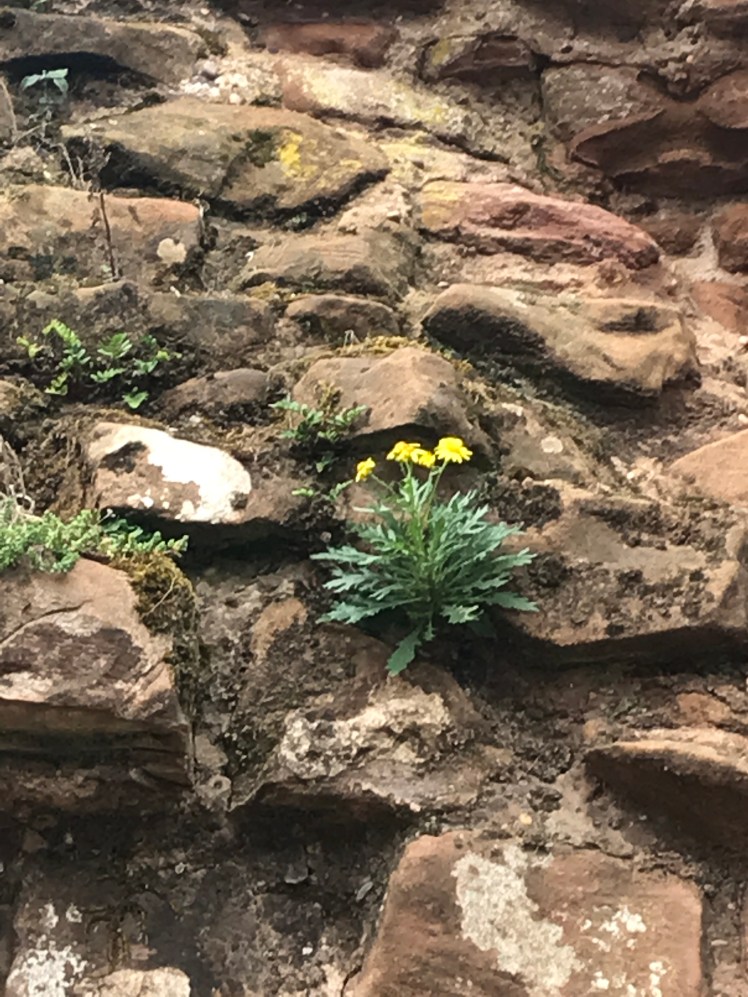
When walking round and exploring castles I love to keep a look out for plants growing in the walls.there are often plenty of them growing in the tiniest almost non-existent soil.

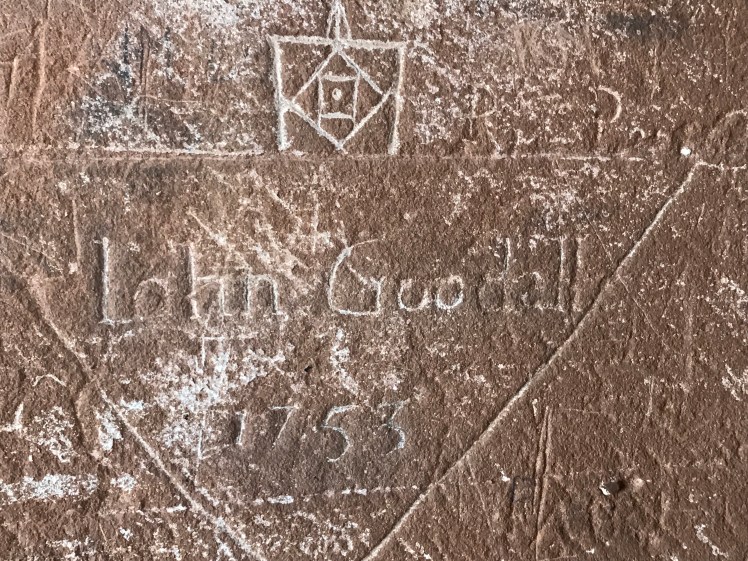
In this castle there was some really well written graffiti from 1700’s and 1800’s we were very impressed by the high standard of handwriting skills.

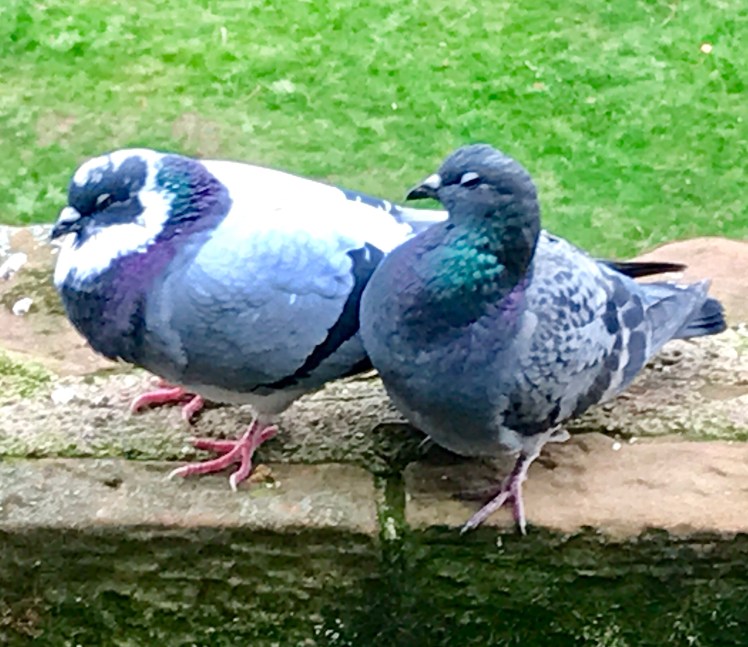
Even the pigeons cooing in the towers seemed regal , the royal connections must have rubbed off on them .

Singapore Safari

Yesterday we definitely needed our coats and we even resorted to wearing woolly hats. Nature Table Explorers Pat and Steve needed no such attire in tropical Singapore.

The photos they have posted have been so amazing I thought it would be great to take a Singapore Safari through some of them.

Singapore is a city Island state off southern Malaysia.The land area of Singapore is not one island but 63 !
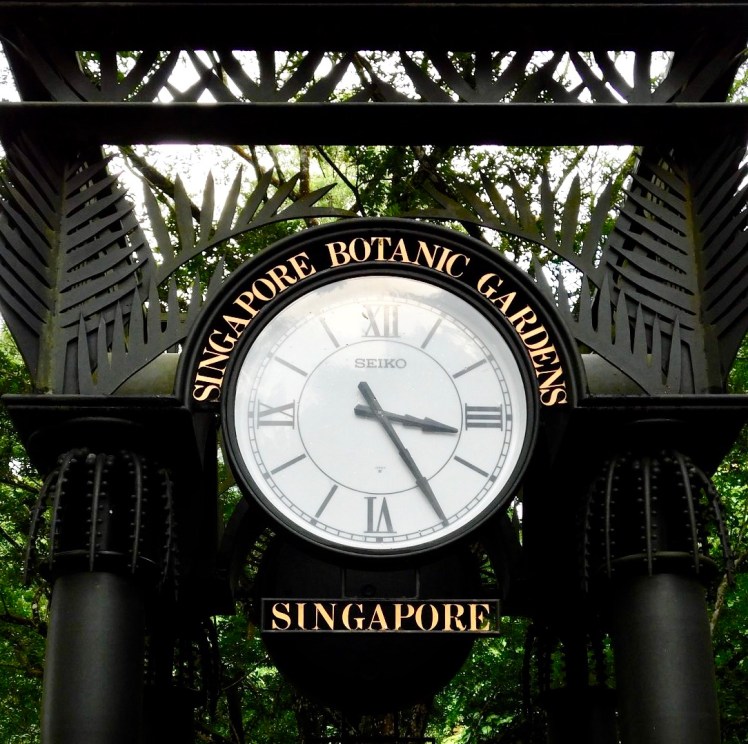
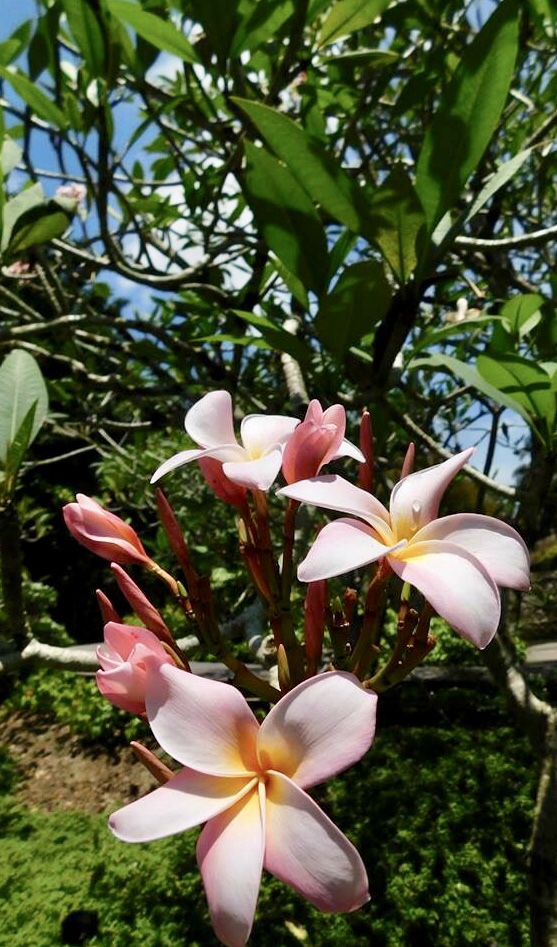
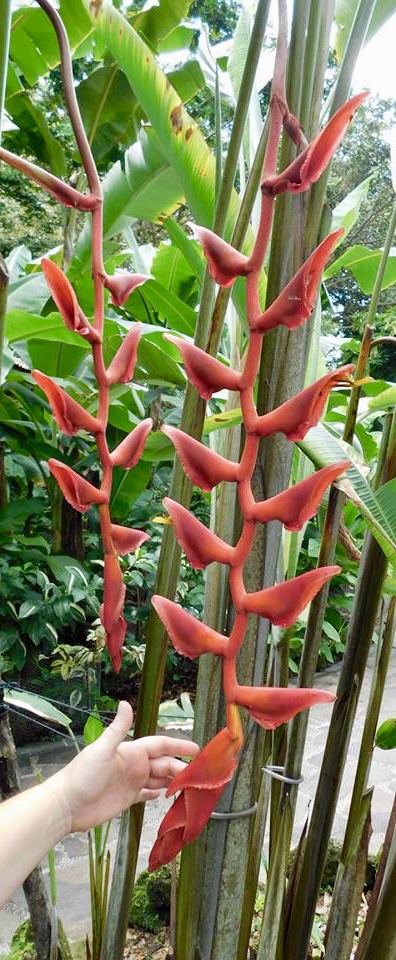
The safari starts at the Singapore Botanic garden.

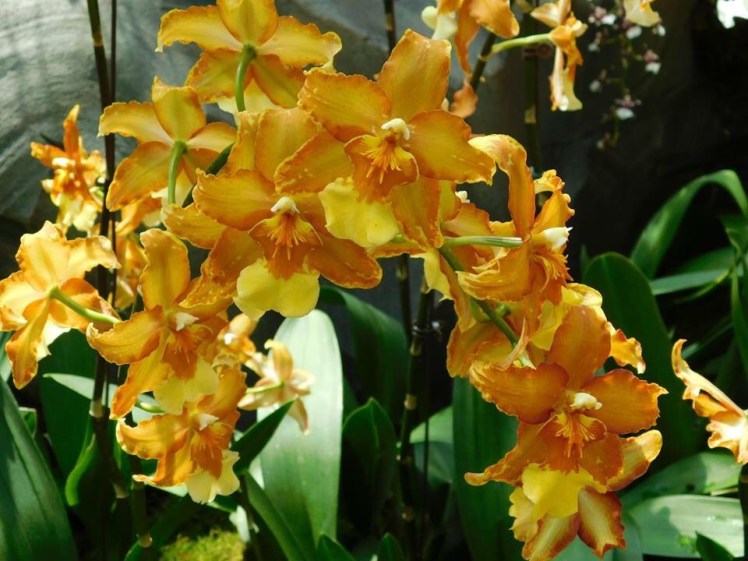
Opened in 1859 the botanic gardens house the national orchid garden which contains 1000’s of orchid species as well as thousands of other amazing plants.

Singapore is one of the worlds greenest cities. Half of Singapore’s land area 700 sq Km is under green cover. There are 2,100 species of vascular plant species in this area.

Amazing fact

Bukit Timah nature reserve contains more tree species in one hectare than the total number of tree species found in North America.

There are 300 species of birds.

The heron below seems to be dealing well with the large fish. It’s eyes are not bigger than its stomach !

The number of species are amazing :-

80 species of mammals

110 species of reptiles/amphibians

600 species of fresh water fish.

Back to the safari…

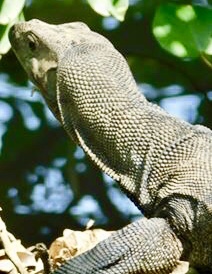
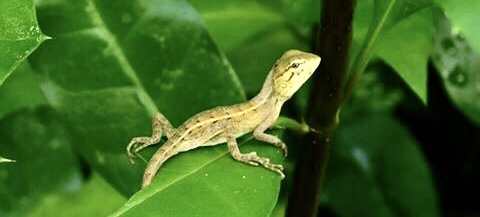
Crocodiles and lizards

And amphibians

This small safari is a glimpse of the flora and fauna of this amazing place.

Thanks to nature table explorers Pat and Steve for sharing these brilliant photos.

Hark Hark the trees have bark !

A trip to Kenilworth castle in the cold wind today, the season definitely feels Autumn now, no more confusion with summer , it was nippy.

As the leaves are disappearing the tree architecture and structure comes to the fore. On this chilly day the trunks and their bark caught my attention.

The bark is so variable in texture , colour , and structure. Here is a tour of the castle grounds from the viewpoint of bark !

Here we go:-

Oak

Lots of crevices and cracks , rough and thick.

Beech

Smooth, grey very few cracks , lots of lichen.

Lime

Knobbly, softer than oak dusted with pale green lichen.

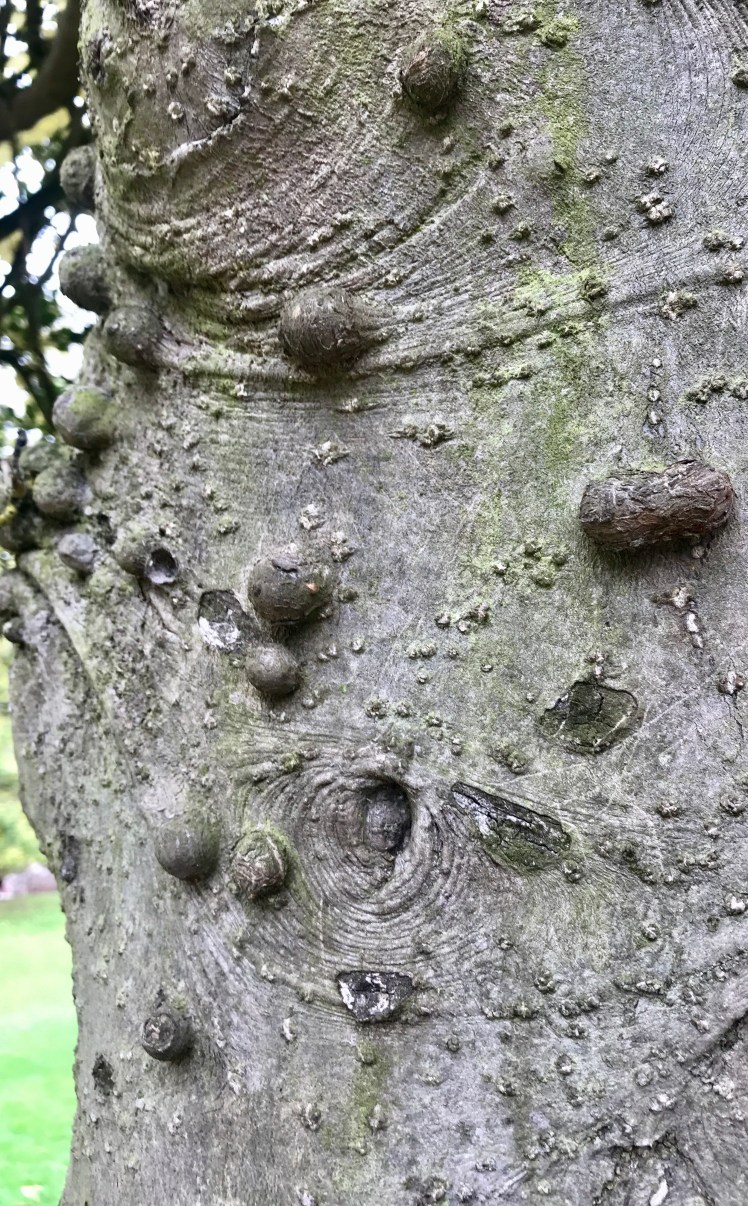
Holly

Grey semi smooth with very odd warty growths. This was a beautiful variegated holly.

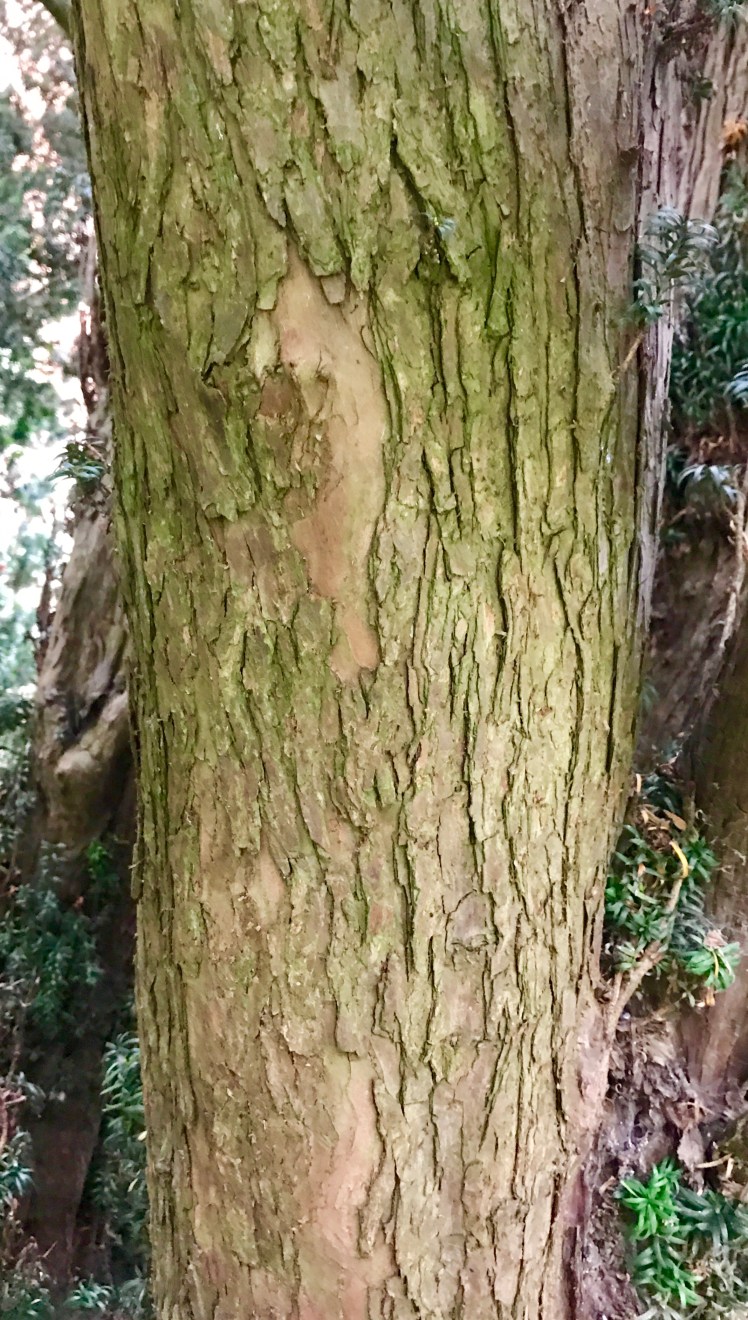
Yew

Rough layered almost in scale , pinkish with green lichens.

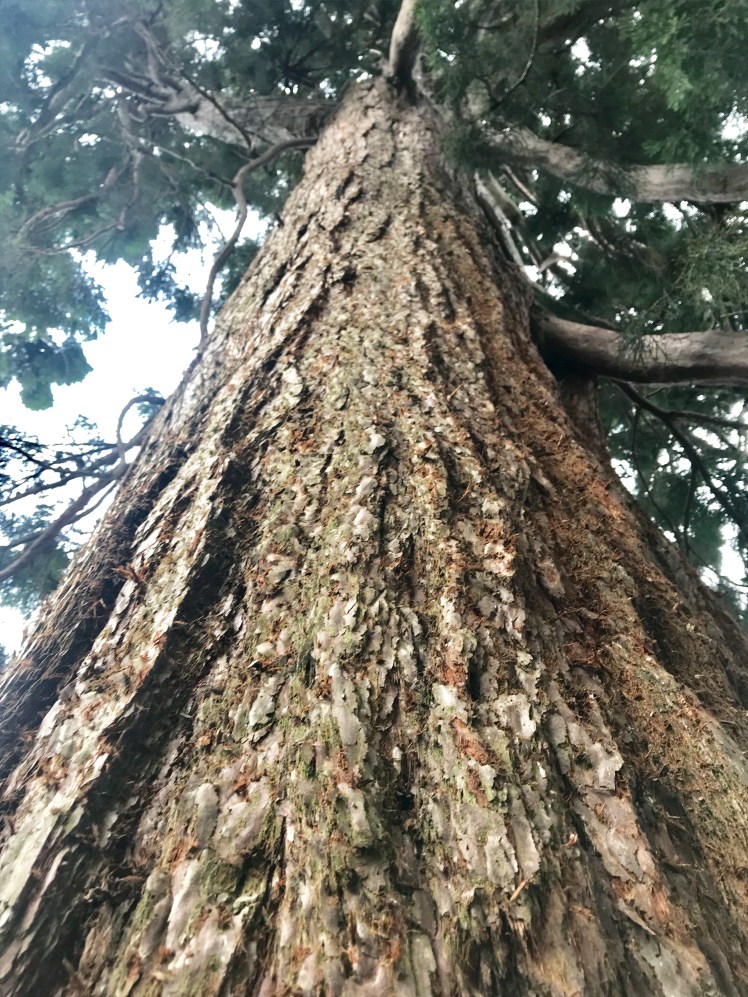
Fir

Rough , softer almost ridged and channelled.

With a focus on one thing ( bark today) it’s amazing how much you begin to notice.

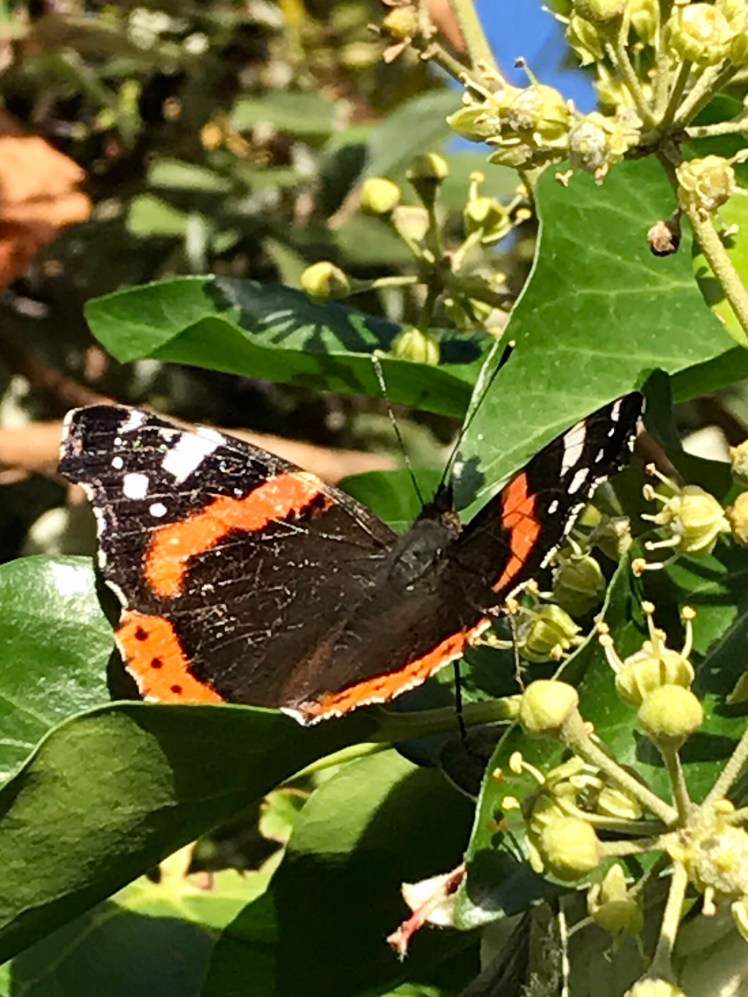
Ivy Attraction

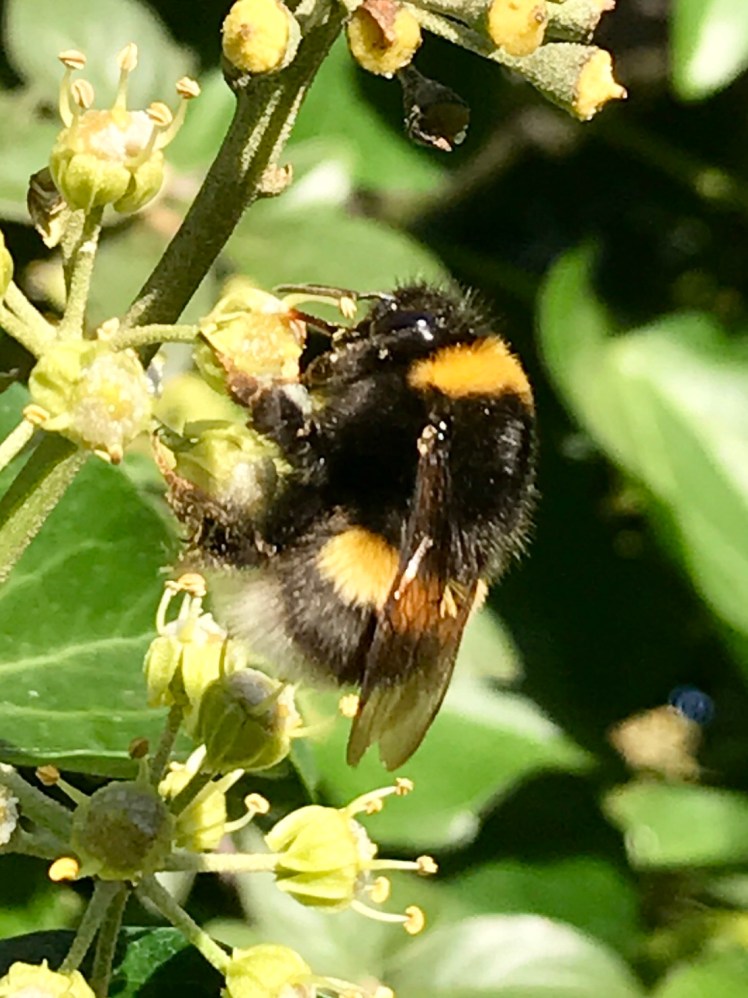
Ivy flowers provide a really late source of food for insects. They are a feeding station of very understated creamy flower heads.

Wasps were patrolling from flower to flower.

Large bumble bees almost climbed through the greenery to find the next feeding station.

I climbed on the step ladders to be at eye level with this Ivy flower community. It was busy and noisy with a lot of buzzing .

I was surprised to find a red admiral visiting.

These flowers really provide a feeding source late into November , the ivy then provides ideal cover for hibernating insects . This Ivy is growing up a fence , it provides screening for us , it is a multitasking plant !

Naval fungal finds

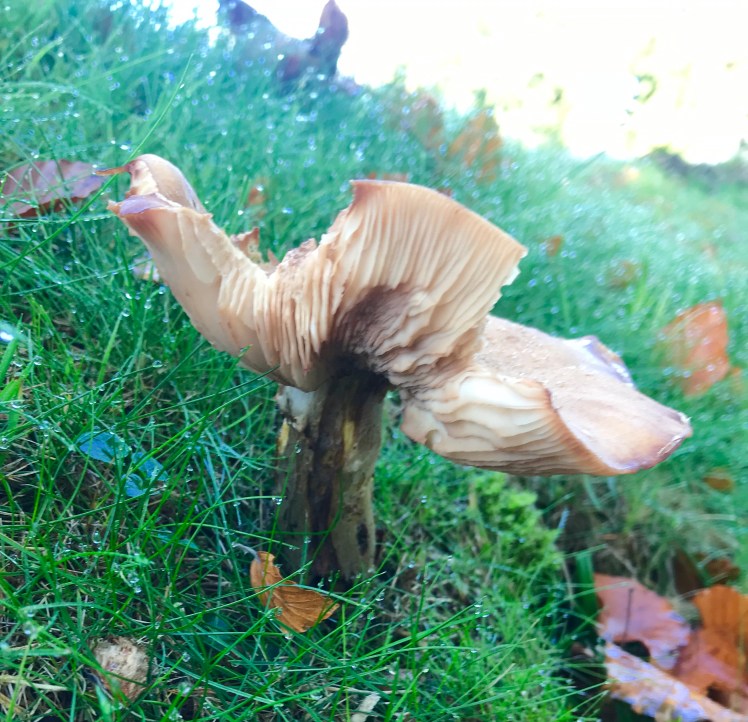
In the grounds of the Naval college at Dartmouth in Devon the sun shone , the leaves glowed and the fungi gave a brilliant display.

These formed dense clumps in a ring, maybe in the outline of a now gone tree stump.

Lots of the fungi had been eaten by slugs and snails but the clump above were perfect.

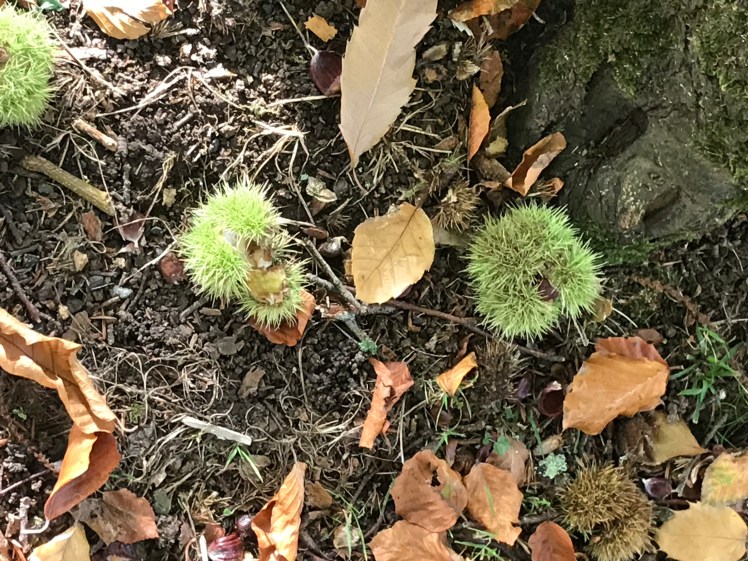
Along with the fungi there was an amazing crop of sweet chestnuts which were littering the grass.

A really interesting slice from a fallen tree was labelled up in the grounds with key events and dated back to the Irish potato famine in 1845.

The weather was perfect in Dartmouth, the trees beautiful and the fungi fruiting !

Devon wall

A 10 minute stop by a wall in Devon proved Interesting .

The wall was running around the churchyard of a red stoned ( old red sandstone) church in Dartmouth.

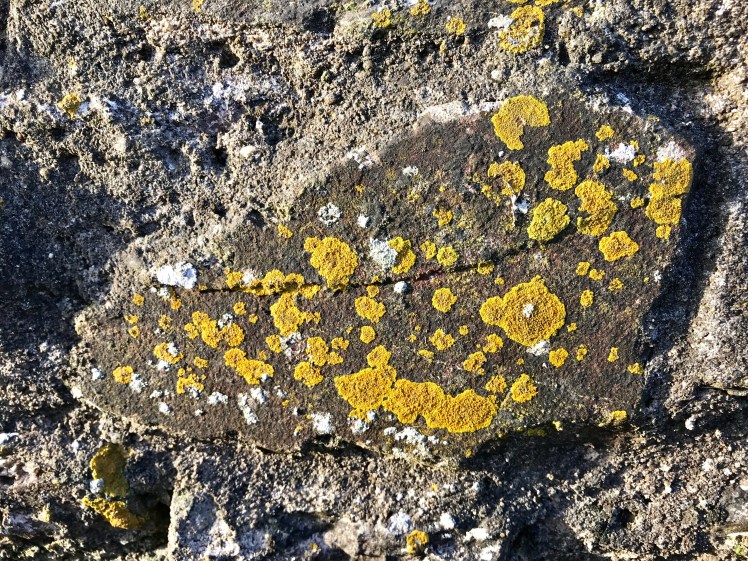
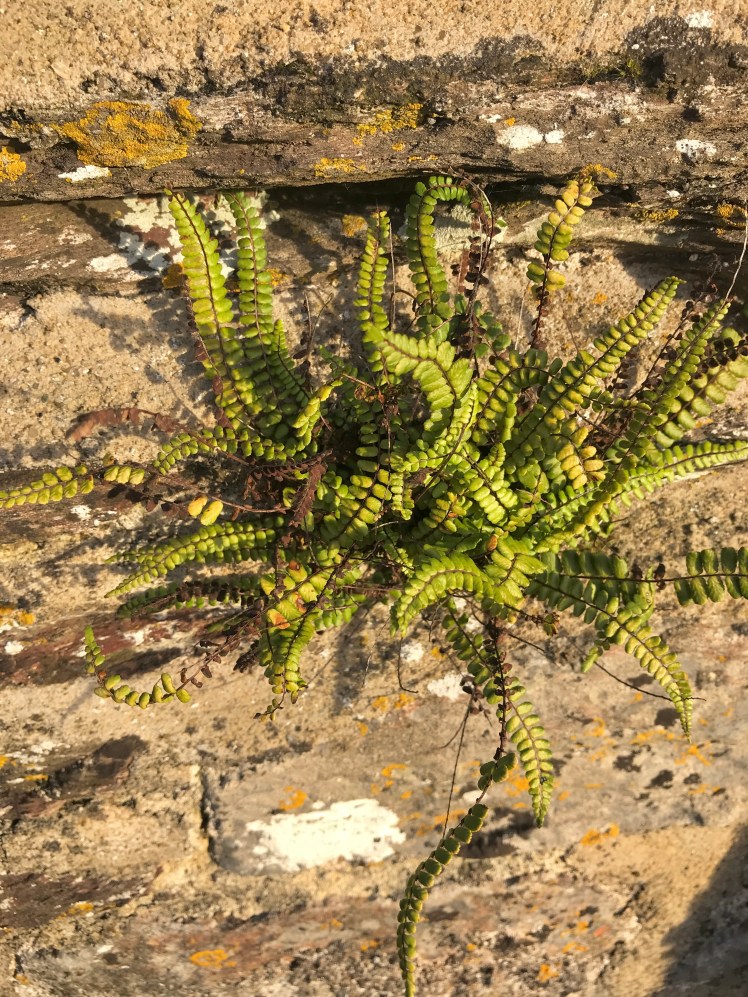
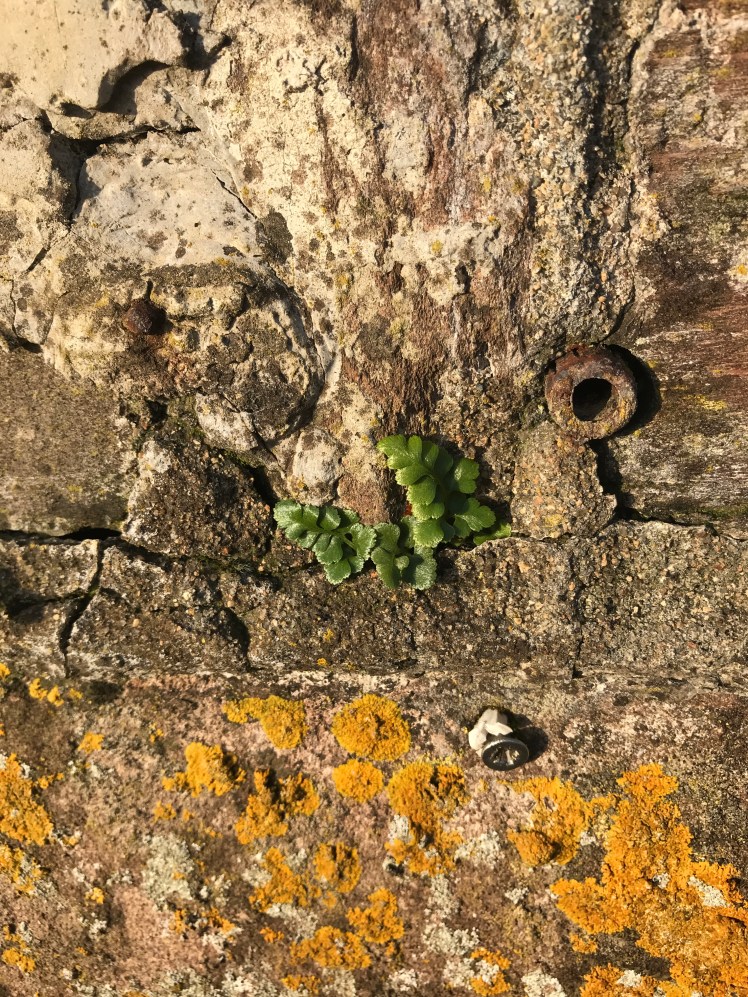
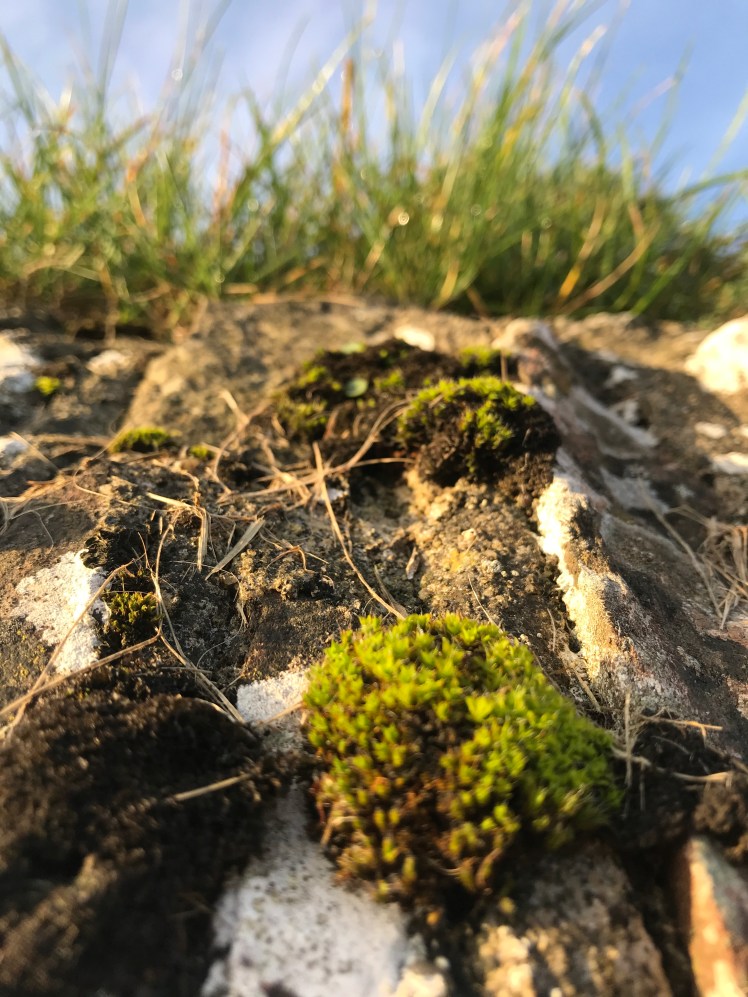
The surface was a patchwork of lichens, mosses, ferns, ivy leafed toadflax and more.

Ferns of all sizes found a footing on the wall some really tiny newbies as well as long established plants.

Beautiful pin cushions of emerald moss.

Ivy leaves toadflax using a pipe .

An interesting 10 mins !

Happy Cows

Cattle are used around the meadows at Rushden lakes as part of the conservation plan . They are very beautiful and calm and often can be found at the lake edge enjoying a snack.

These creamy cattle have lovely faces, and especially good eyelashes !

This was another sunny day walk and the birds were great : red kites, swans,Canada geese, coots, moorhens, great crested grebe, ducks of all sorts, robins, wrens,rooks and lots more. I am planning on spending time trying to photograph birds well but here are some snaps from another super day.

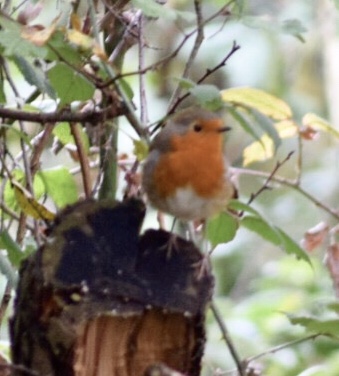
This robin was with another , there were two in the garden yesterday as well, I wonder if they are young males still together not quite mature.

Canada geese, I have noticed that the Canada geese have been gathering in the parks and grassy areas in Northampton over the last two weeks in really large numbers.

A terrible picture of a great created geese as it turned away from me , they are always just too far out to get a great photo.

Lastly there is still

A little flower colour left but not much , here is a patch of mauve to brighten up the day.

Spider Hammocks

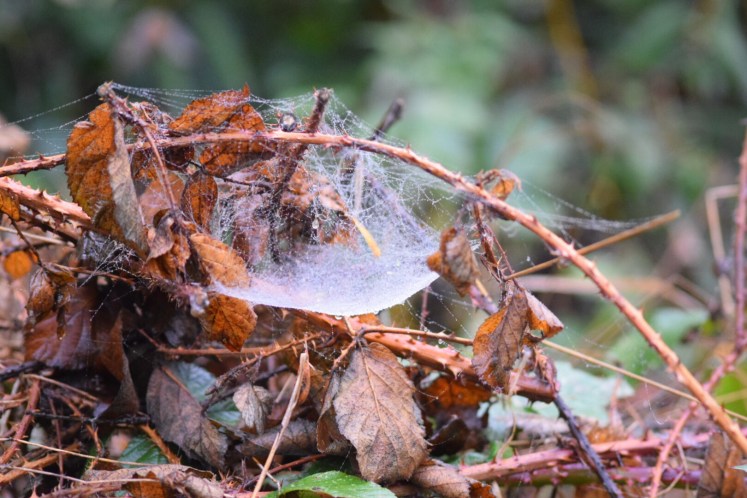
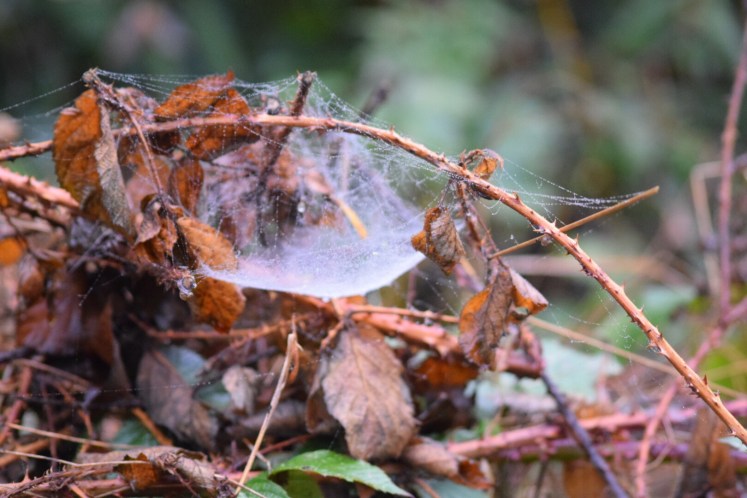
The Autumn mornings bejewel spiders silk creations with dew droplets making them obvious amid the vegetation.

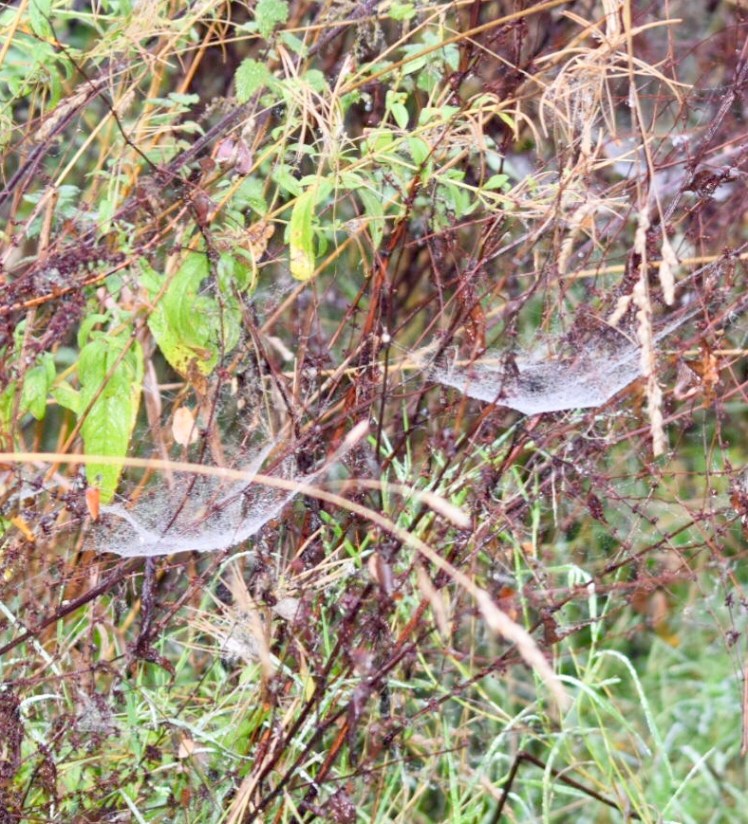
Hammock webs hung between the tall stems and in the brambles this morning.

These webs belong to the common Hammock weaver spider (Linyphia triangularis) This is a small spider growing up to 6mm long which sits under the hammock waiting for prey. The prey is caught on the “barrage lines” above the hammock. They fall down onto the platform where they are killed but not wrapped in silk. The family of spiders they belong to is the Linyphiidae which has more than 4,300 species worldwide.

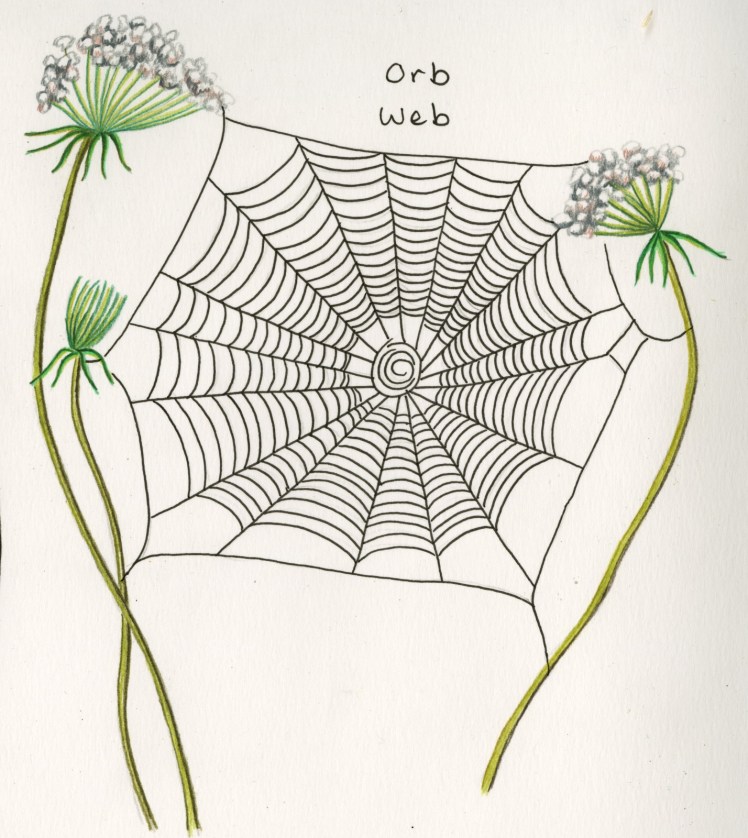
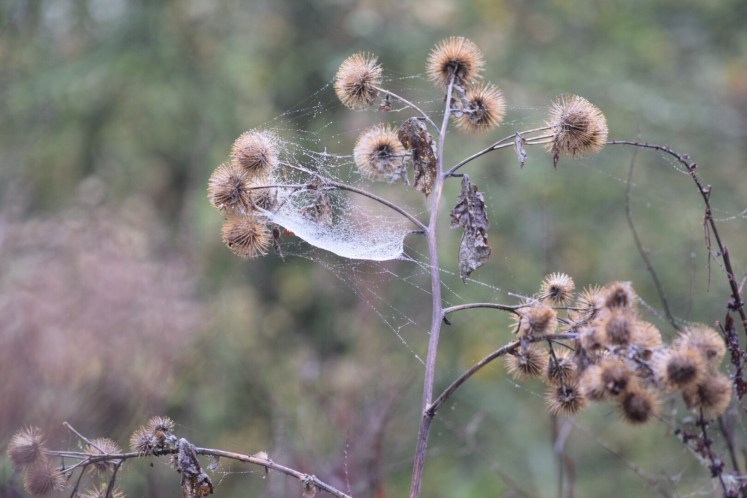
Spider webs Come in different designs and are specific to species so can aid identification . Here are some nice diagrams I found that show the differences and some photos from this mornings walk as examples for some.

The classic ‘web’ everyone thinks of where the word spider is mentioned.

Sheet webs like the hammocks I saw this morning.

I didn’t see any funnel webs this morning but there were plenty in the summer months amongst the brambles.

The teasels seemed to give a perfect anchor point for webs but also attracted the wonderful snails.

A great Autumn walk .

Rock Art

Pebbles and rocks can tell stories of time and how they formed and the story of earths changing environments. We pick up these time capsules to skim them across the water without considering their story.

Rocks that flash by as we drive across the country change colour with soils and reflect the past climates and environments. We look for our junction and give them no thought.

I enjoy the stories that rocks and pebbles capture.

This polished slice of hydrothermal vent full of large minerals and ore was formed by the slow cooling and crystallisation of minerals from a hot mineral laden solution . These solutions arise mainly from deeply circulating water heated by magma.

This slice in the NHM London is spectacular.

A rock I have never seen before was in the same display at the museum.

It is called Gogotte it is from the Oligocene time period( 33-28 million years ago) deposited in the Paris basin.

It is an amazing structure-

Here is how it was formed ;

Millions of years ago in Northern France sand dunes deposited pure sand, over time this became a very special type of sandstone.

The structure of the Gogotte with its contours and creases is the result of processes that caused silica rich water to gradually filter through the sand and cement the grains together.

These Gogettes are prized as rare pieces of natural art, this one was donated to the NHM in honour of Sir David Attenborough’s 90th Birthday.

A rather good gift and very unusual ,a great new exhibit.