Misty morning snails

Autumn is the season of mists and this morning was a perfect example of damp moisture laden air. The conditions were perfect for snails . They were active, moving, eating and contorting themselves on the Hemlock stems to reach the seeds which they were eating.

This tiny snail seemed to almost reach and stretch out of its shell in search of a tasty snack. The video is lovely to watch,turn the sound down and you will enjoy it without passer-by footsteps.

The number of snails on trees and plant stems was really large, unusually they were nearly all active. Interestingly there were a huge number on the Hemlock plants of all sizes some really tiny almost specks.
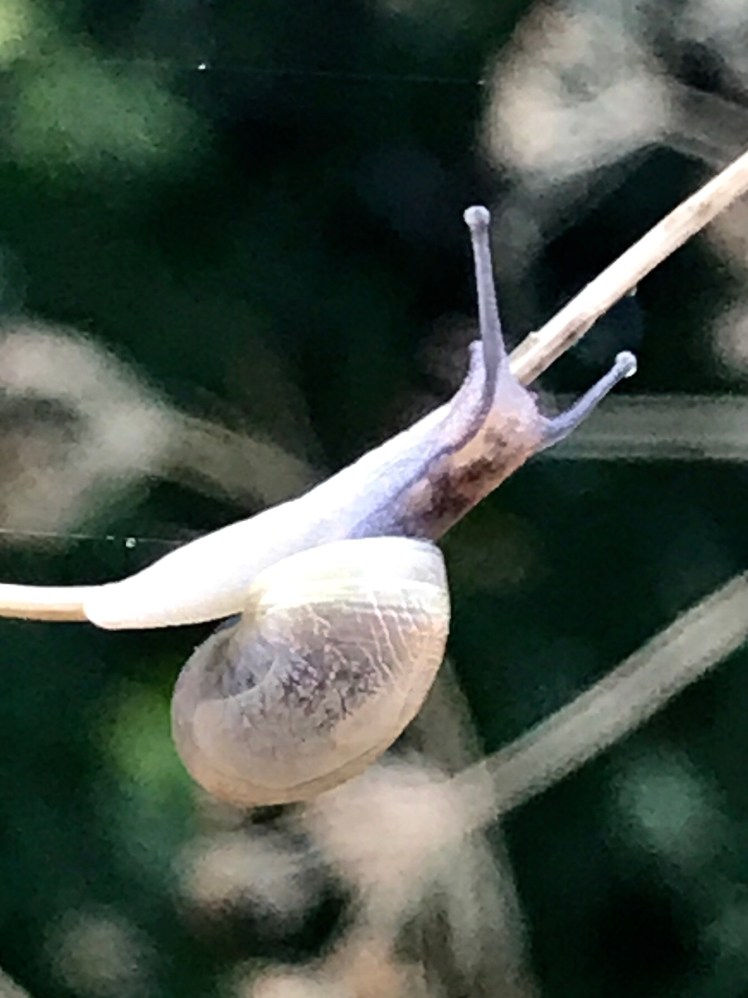
This snail was so small it’s shell was transparent and fragile.

The snails below were all congregated on this broken stem , maybe going to eat the end part.

The short video below is of a snail eating if you look really carefully you can see the movement of its rasping tongue the radula.

I love seeing the range of snails at Rushden lakes , today the behaviours were great to watch. Some of them were strangely contorted hanging on the plants.

A great walk in the damp misty morning , fantastic snails 🐌
Eyes Down

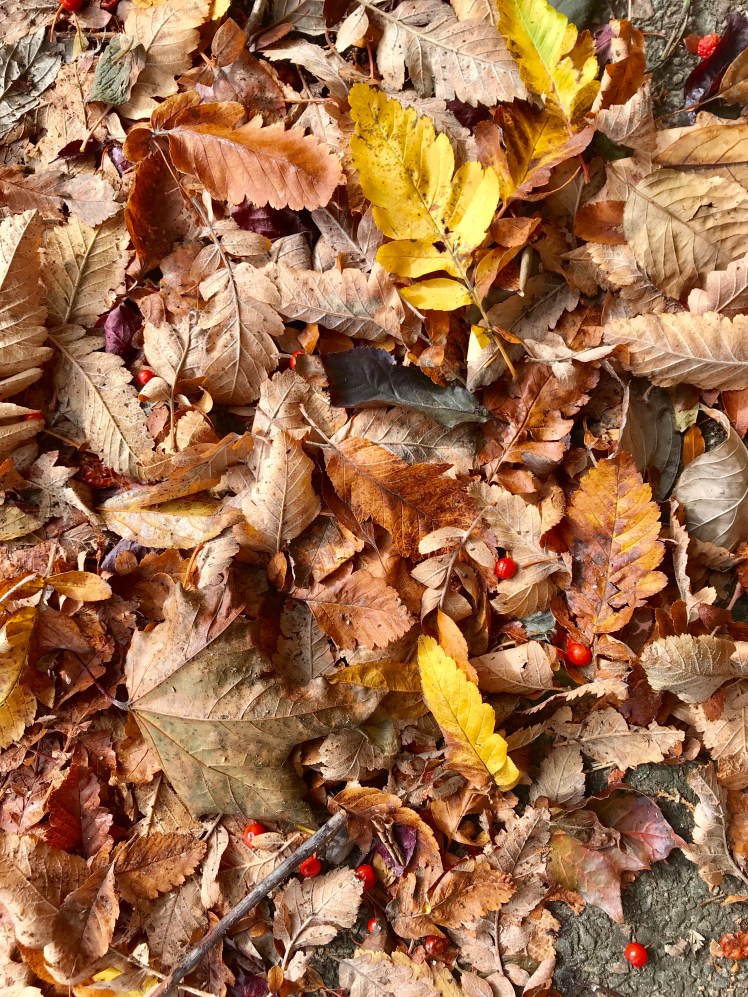
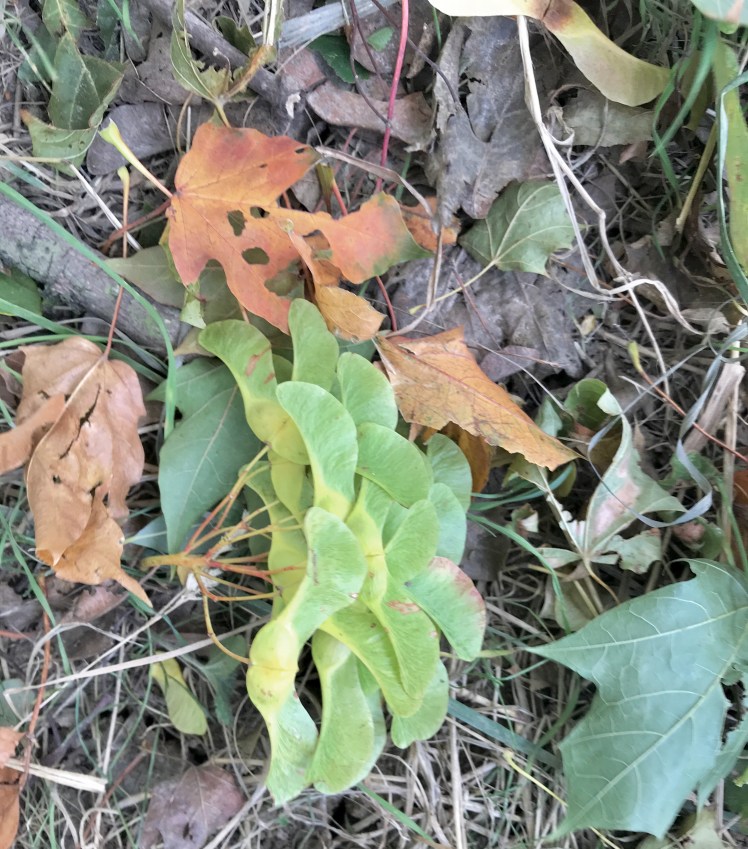
Eyes down looking at where you are treading is full of interest. In Autumn the weather populates the ground with casualties of high winds and storms.

Sycamore seeds were torn of branches and fell in complete bunches.

The Ash keys below were scattered across the paths .

A walk with eyes down through coniferous areas at Batsford offered up a different menu of finds.

Cones

Eggs

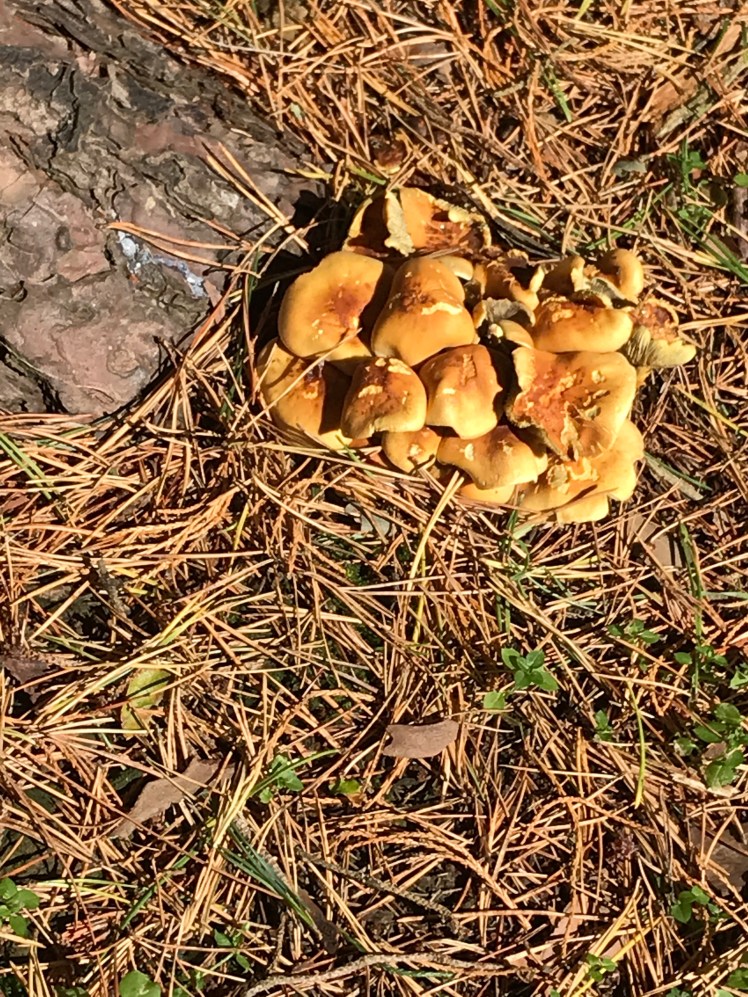
Fungi

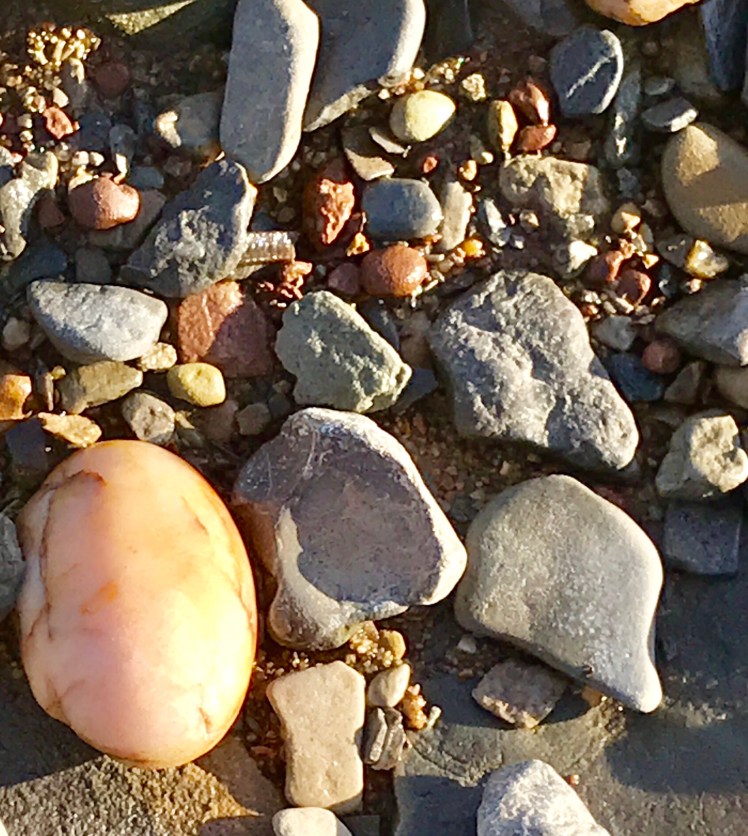
A walk along the beach is a feast for the eyes, looking out for pebbles , fossils and shells and the unexpected. I found an acorn on the beach changed by sea water dark like ebony , you never know what you might find.

Even a walk around the corner on the way to the corner shop has something to see, Autumn pavements.

There is always something interesting to discover . I’m really enjoying Autumn.

Jump to it

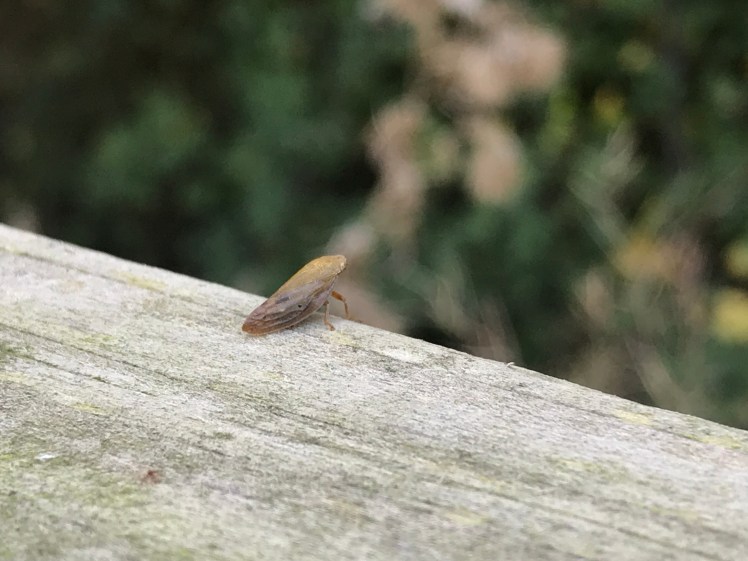
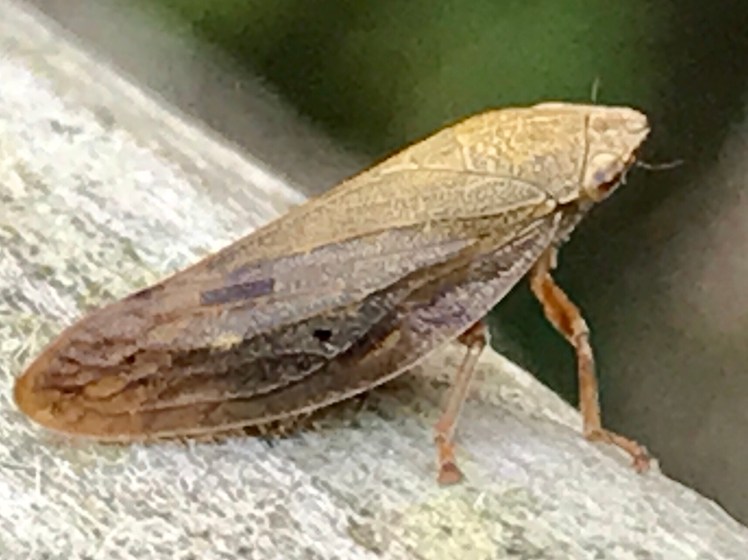
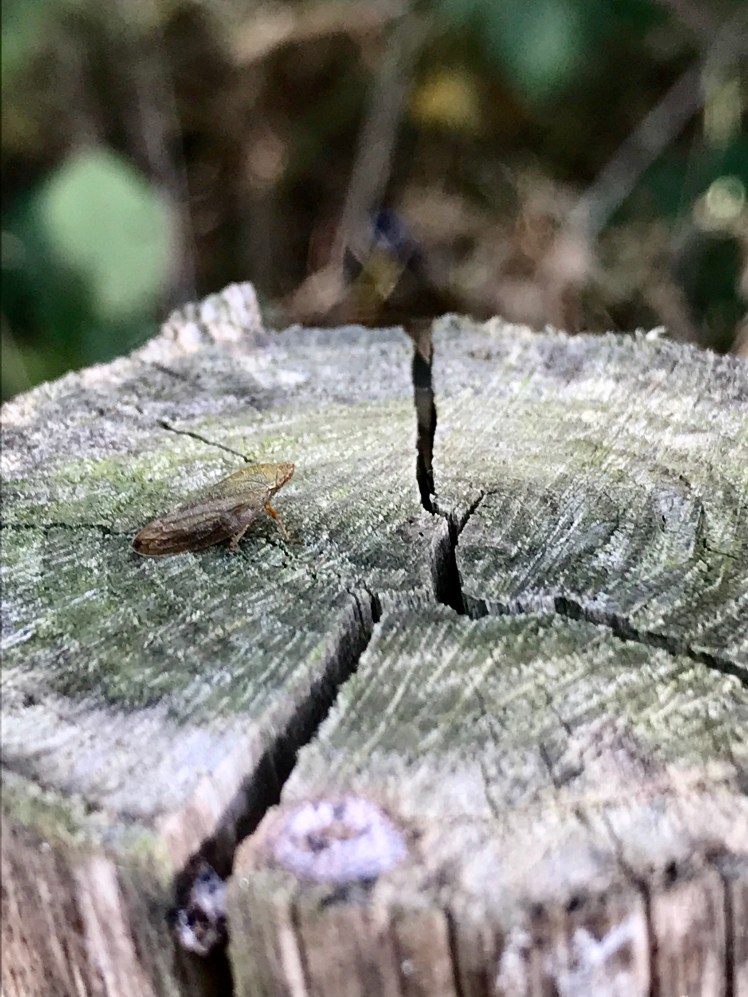
Perfectly formed , sitting on the edge waiting to jump, camouflaged froghoppers sat on top of fences and posts in the sunshine today. It’s easy to see why it’s called a froghopper from its profile. They are amazing jumpers springing out of sight in a blink of an eye.

The photo below of another froghopper gives a good idea of scale, they are small and perfectly formed.

This froghopper is the spittle bug named (Neophilaneus lineatus)The eggs of froghoppers are laid in the foam we call cuckoo spit attached to plants in the spring and the first of three nymph stages hatches from here.

Froghoppers are bugs and belong to the order Hemiptera ( two pairs of wings and sucking mouthparts) the froghoppers are part of the sub order Auchenorrhyncha (forewings uniform and not overlapping with short terminal bristled antennae)

For fun here is the entire classification of this little jumper !

Classification
Kingdom Animalia (Animals)
Phylum Arthropoda (Arthropods)
Subphylum Hexapoda (Hexapods)
Class Insecta (Insects)
Order Hemiptera (True Bugs, Cicadas, Hoppers, Aphids and Allies)
Suborder Auchenorrhyncha (Free-living Hemipterans)
Superfamily Cercopoidea (Spittlebugs)
Family Aphrophoridae (Spittlebugs)
Genus Neophilaenus
Species lineatus (Lined Spittlebug)
I love a little bit of classification!
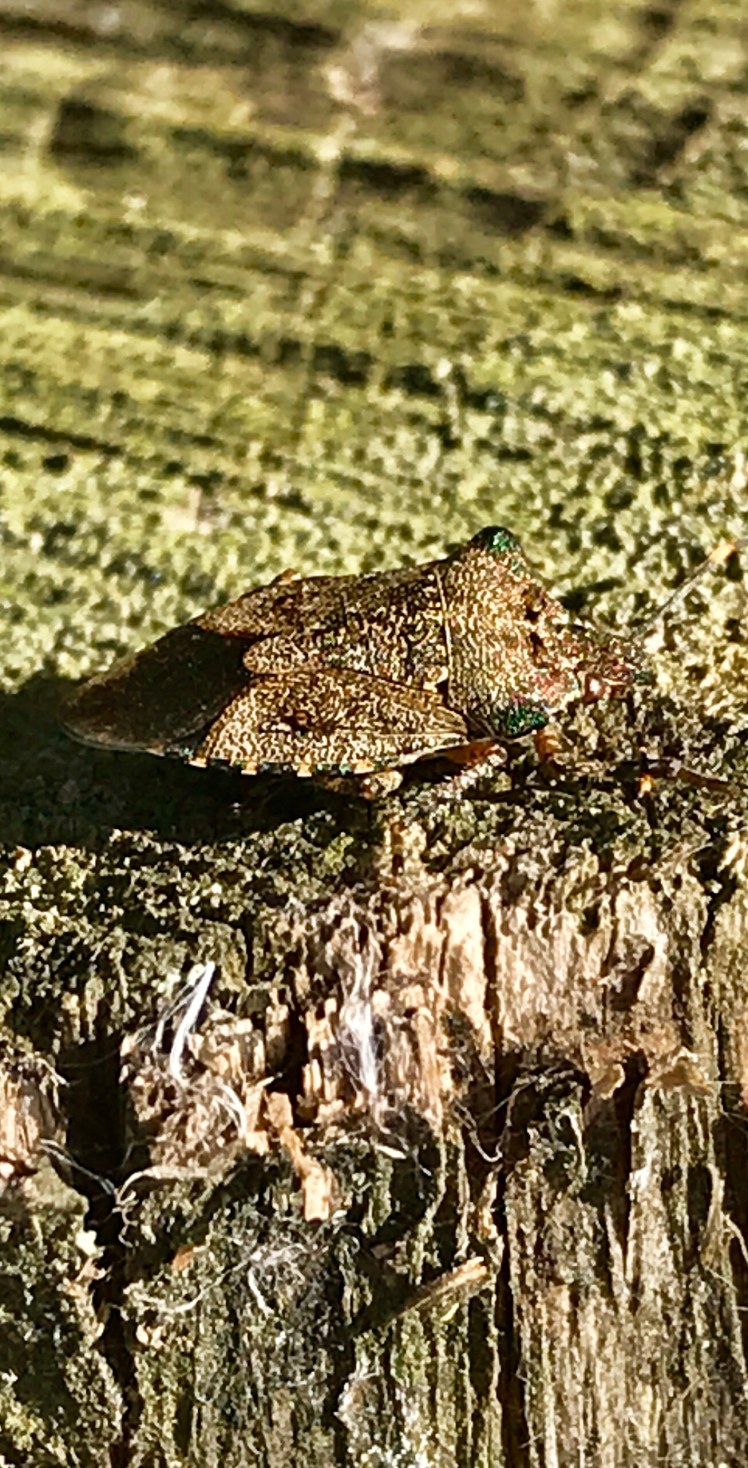
Another interesting find on this October stroll was on top of the posts extremely well camouflaged , it was this fantastic shield bug.This is the bronze shield bug (Troilus luridus).It is a predatory shield bug whose nymphs feed on plants and other insects particularly caterpillars. There is one generation per year.
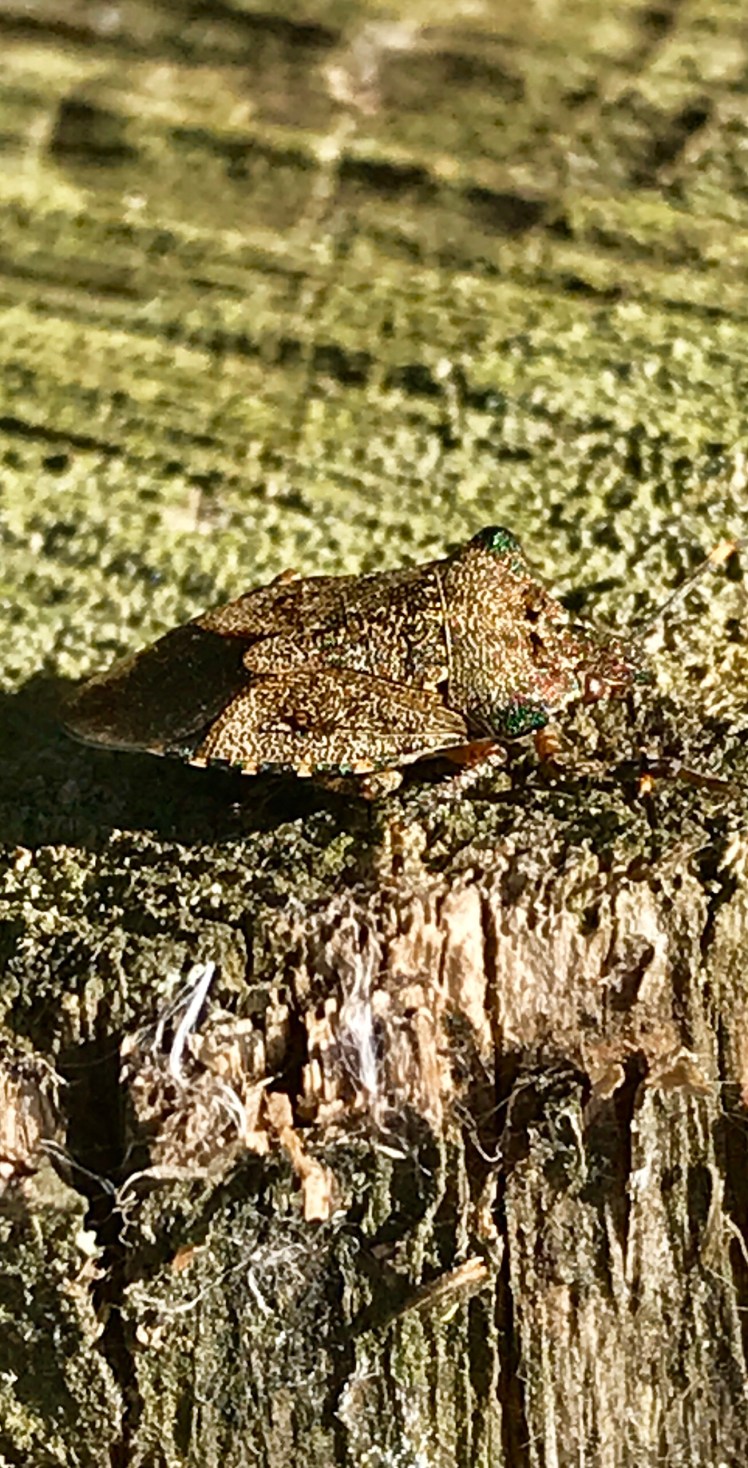
Interestingly, through the lifecycle stages the nymphs look quite different.
Sheildbugs belong to the Order Hemiptera like the froghoppers but they belong to the suborder Heteroptera (true bugs)
This walk was a real bug safari !

Hornets Nuptial flight

Today is another blue sky day, everything is beautiful against the stunning backdrop of the perfect sky.

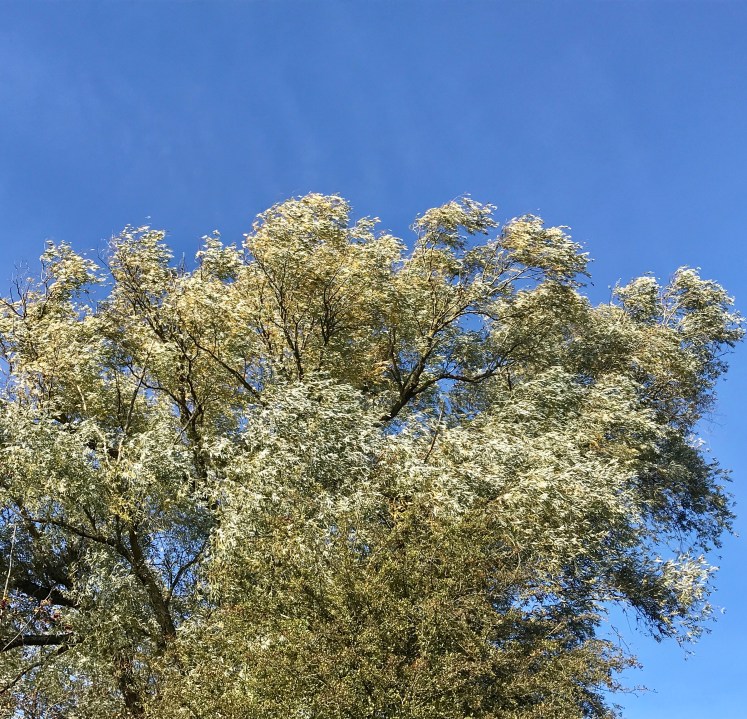
The willow trees were swaying across the blue looking like a painting.

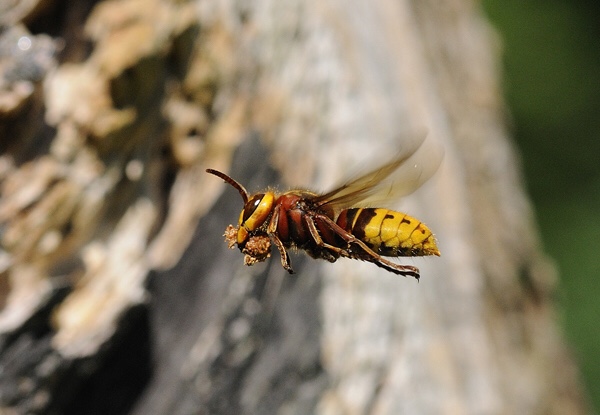
Patrolling and flitting across the sun filled scrubby areas were large numbers of hornets. These are members of the wasp family Vespa crabro . They are 25 to 35 mm in length. The hornet is an impressive insect and is Britain’s largest social wasp. Queens (reproductive females) are larger than the males and workers (non-reproductive females).

What we saw today was probably a nuptial flight,the emerging queens that are mating with drones . These males will die and the Queens will hibernate over the winter.

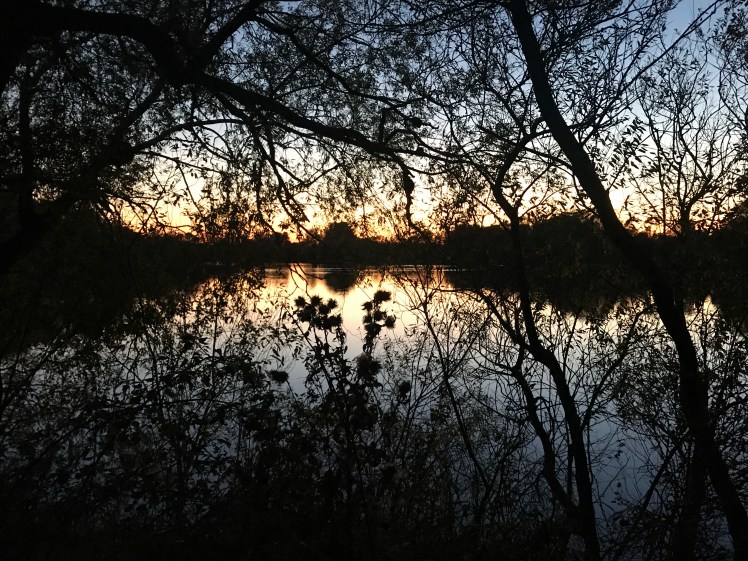
The sun out meant that there was plenty of activity on this short walk around the lake. Red dragonflies were still flying in good numbers. There were birds of prey , buzzards and red kites overhead. The numbers of waterbirds on the lakes has gradually increased as migratory species begin to arrive. It’s definitely time to take binoculars out on a walk.

Emerald Jumper

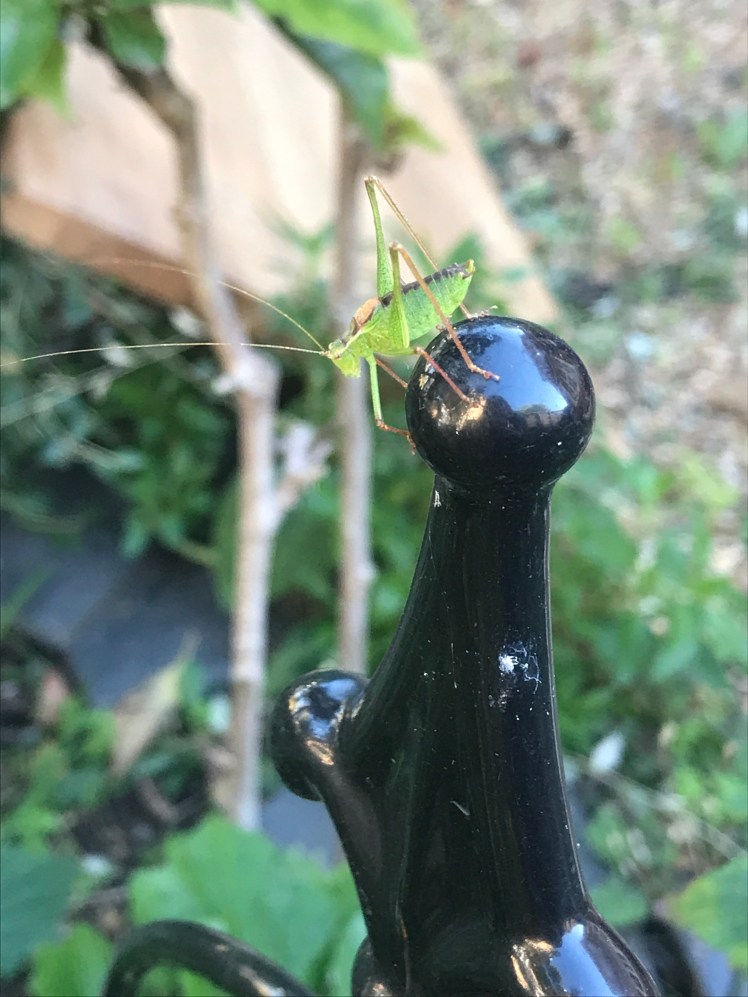
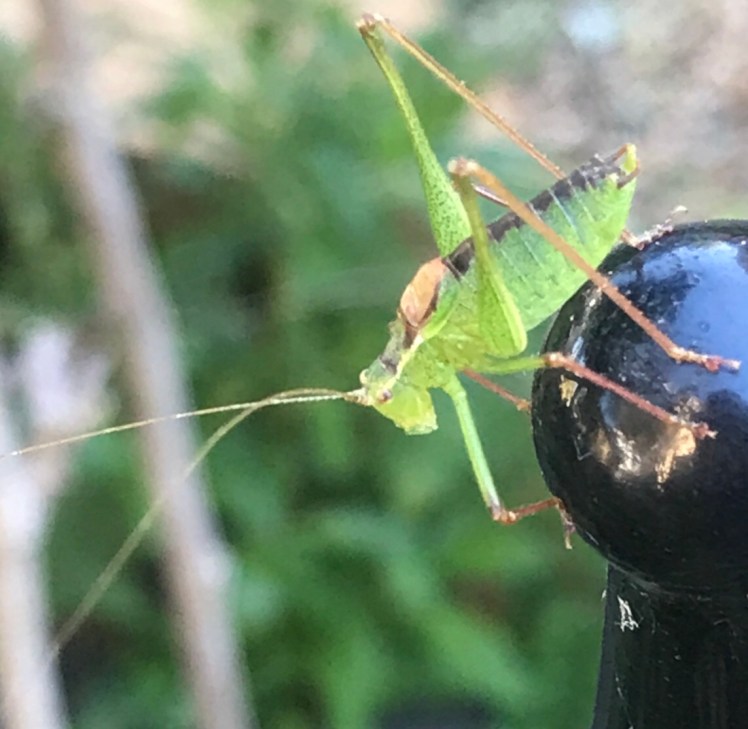
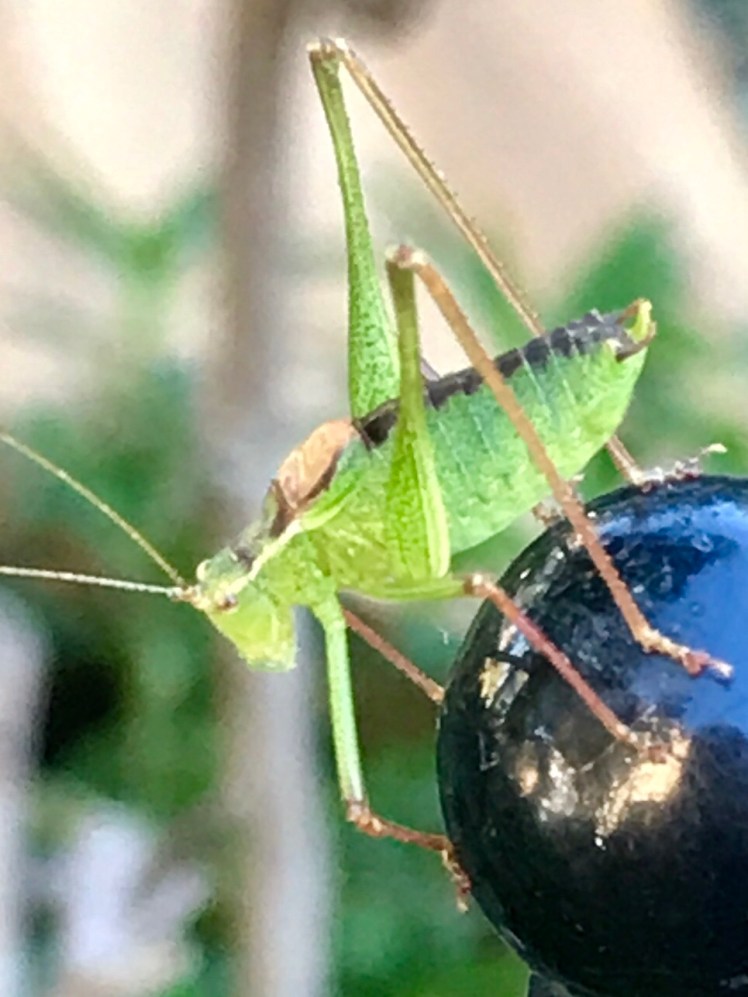
Sitting on top of the obelisk in the garden as I was weeding was a beautiful emerald cricket.

Looking at identification guides I think this is the speckled bush cricket.

The speckled bush cricket (Leptophyes punctatissima) is completely flightless and has vestigial wings. It has a weak song and is found in vegetation.

Their eggs are laid in tree bark or plant stems, females have a sabre shaped ovipositor.They eat leaves and flowers.

Crickets belong to a group of insects called the Orthoptera. There are four families in this group:-

  • Grasshoppers
  • Ground hoppers
  • Bush crickets
  • True crickets
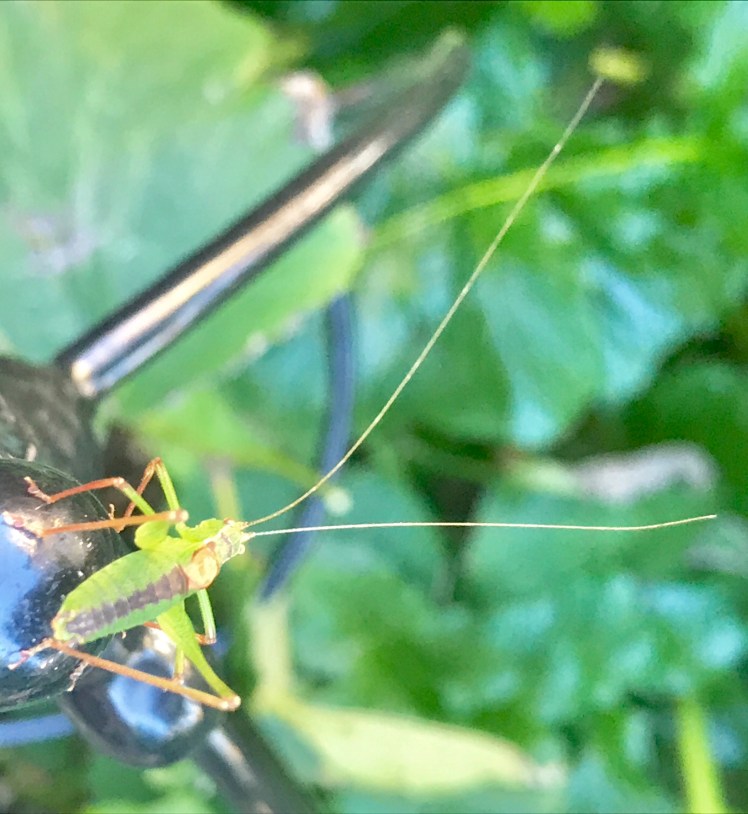
  • Leptophyes punctatissima is a bush cricket. Bush crickets typically have very long antennae that can be longer than their bodies.
  • The photos below show the speckles clearly .
  • Nature Table No.8. Amazing Ammonites

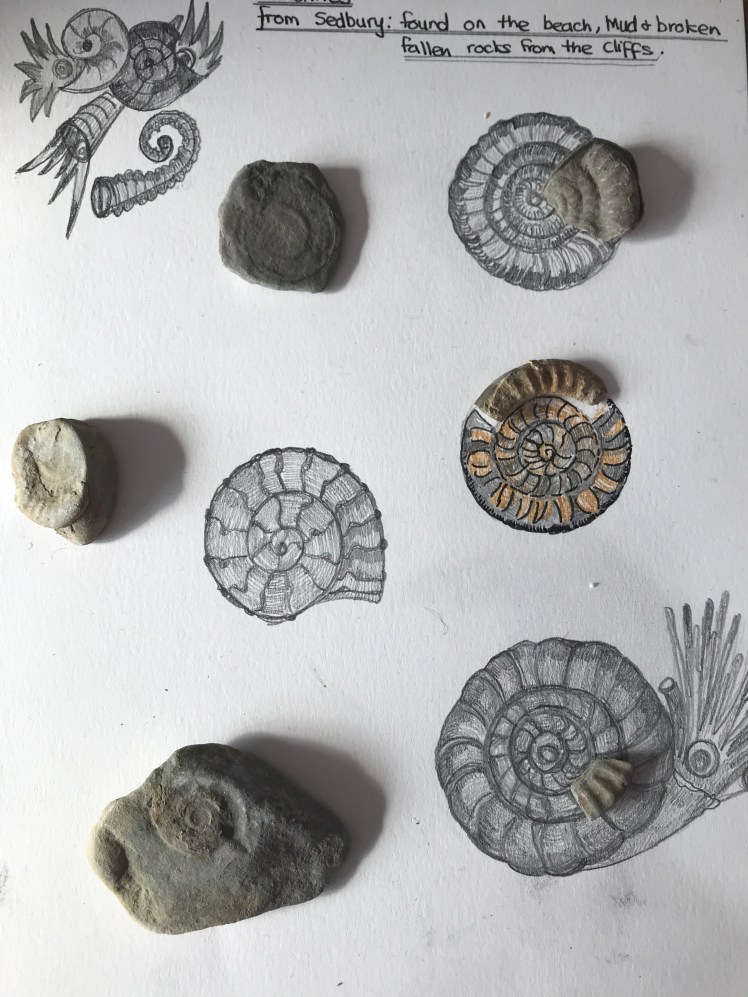
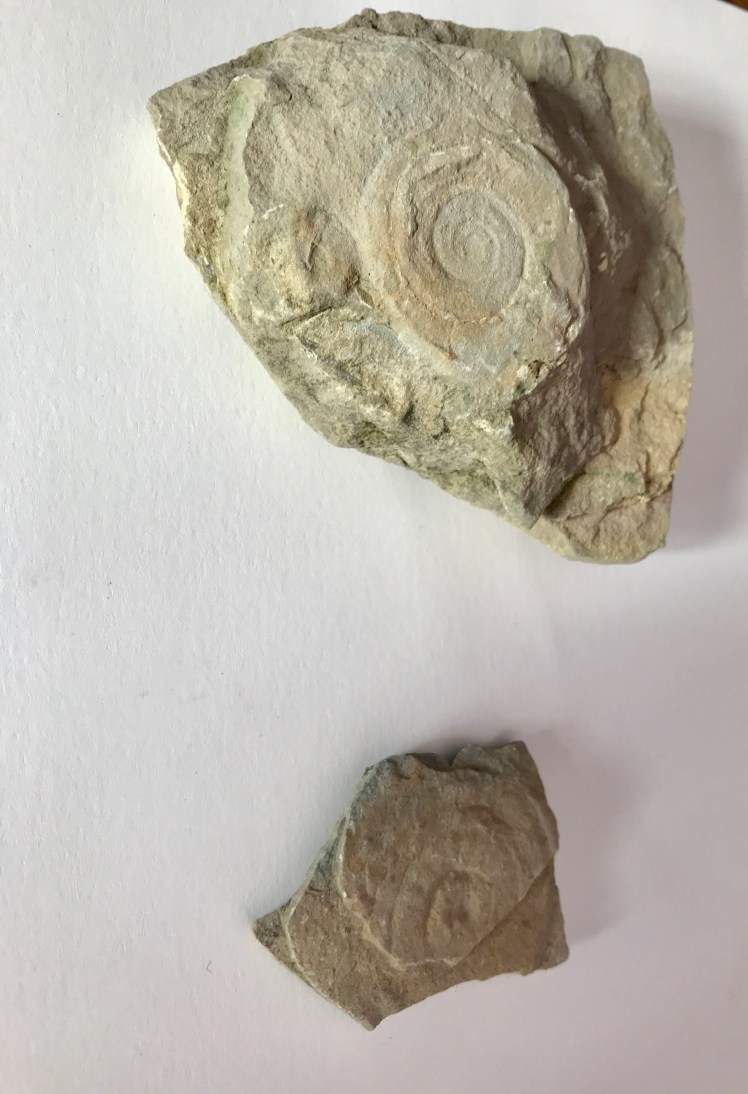
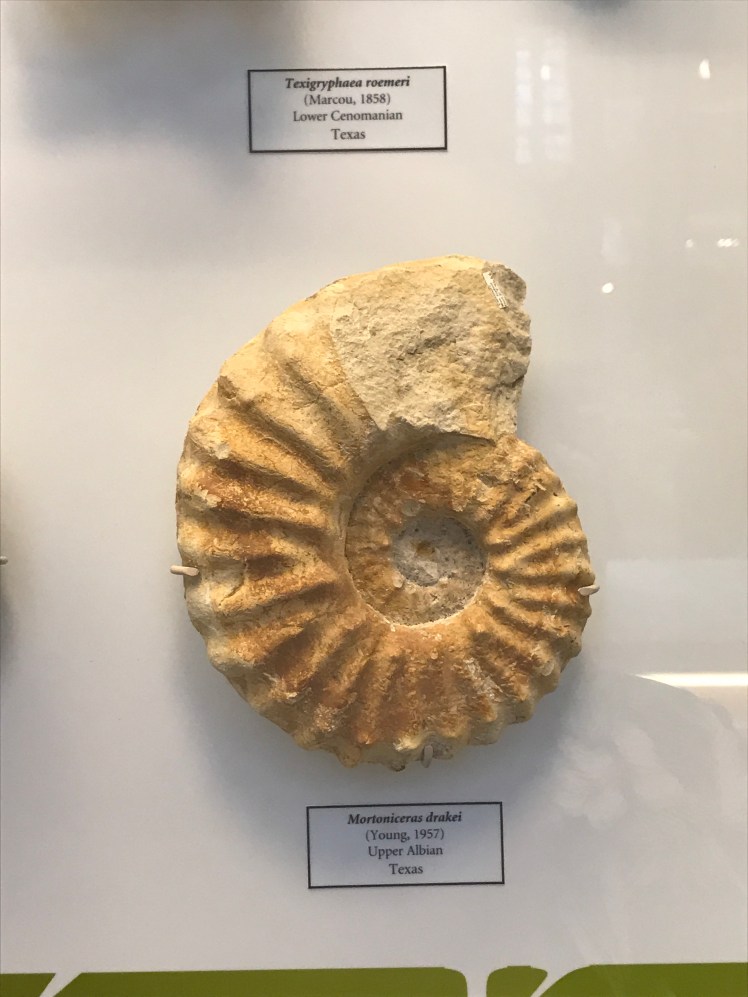
    Nature Table number 8 is a table full of Ammonites collected at Sedbury cliffs. Ammonites are a fossil everyone knows and their image is often used in design and art. They are incredible extinct organisms well worth a closer look.

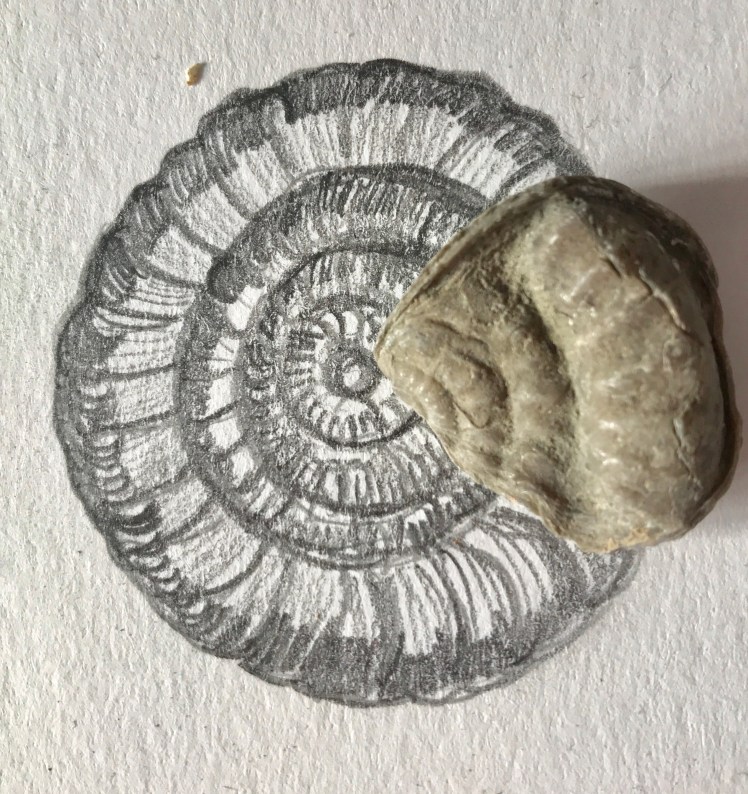
    I have drawn the outlines of the missing shells to try and show where the pieces are from.

    There were a couple of large pieces below.

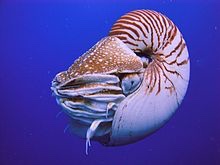
    Ammonites are extinct , the closest living organism alive today is the nautilus.

    Ammonites are molluscs and part of the group called the cephalopods, this includes octopus, squid, cuttlefish and the nautilus.

    Ammonite facts

    • Ammonites were living for 140 million years during the Jurassic- Cretaceous which spans 201-66 million years ago. They became extinct around the same time as the dinosaurs.
    • They could live in water to depths of 100M the coiled shell is separated into chambers divided by septa. These structures strengthened the shell.
    • The shell is made of three layers of Aragonite the middle layer being nacerous ( mother of Pearl) this nautilus shell at the natural history museum in London has been decorated and carved in the mother of Pearl layer.
  • The animal itself lived in the last chamber . The other chambers contained gas and controlled buoyancy and movement.
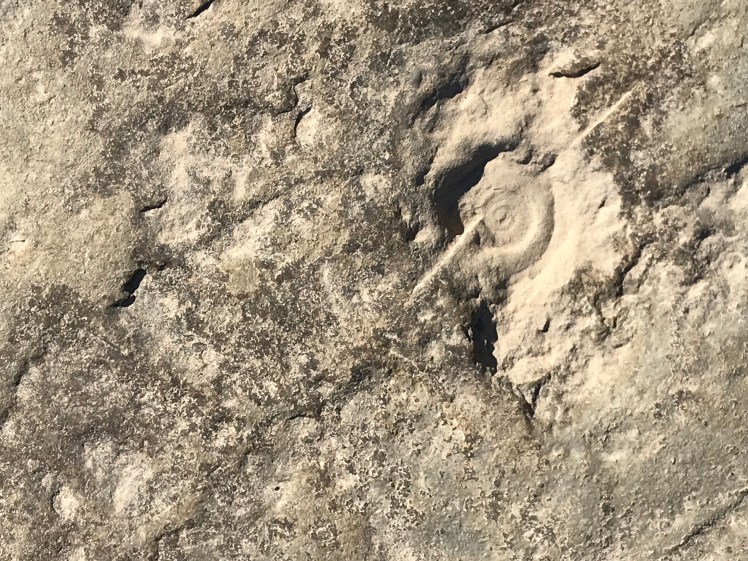
  • The rocks at Sedbury cliffs were rich in Ammonites. There were many that were in large blocks along the shoreline.
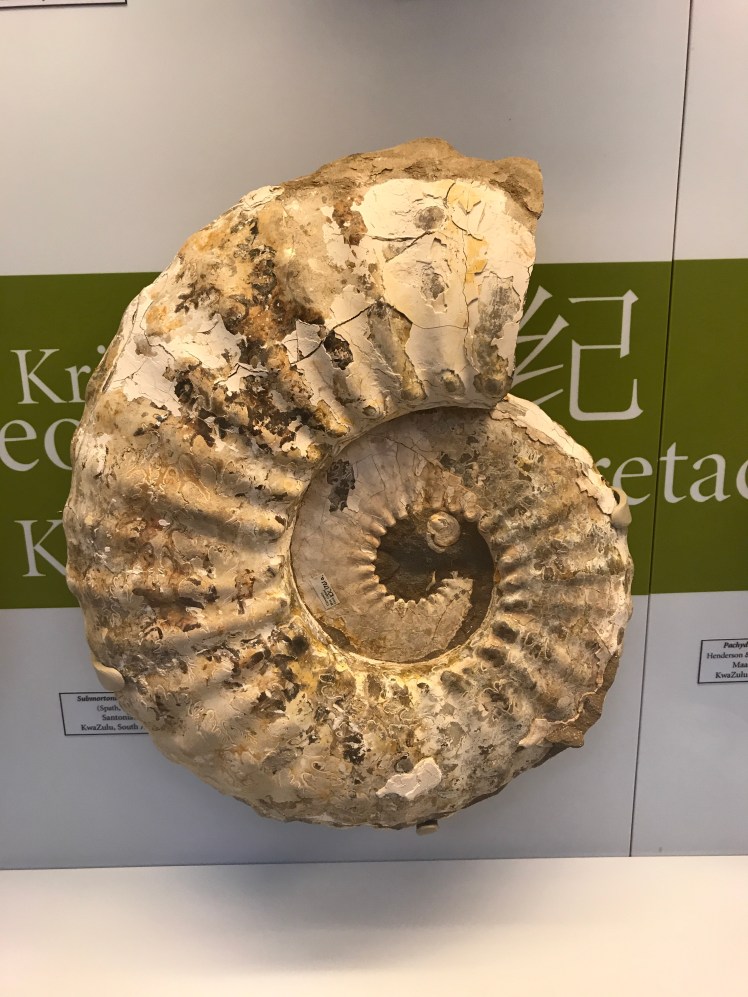
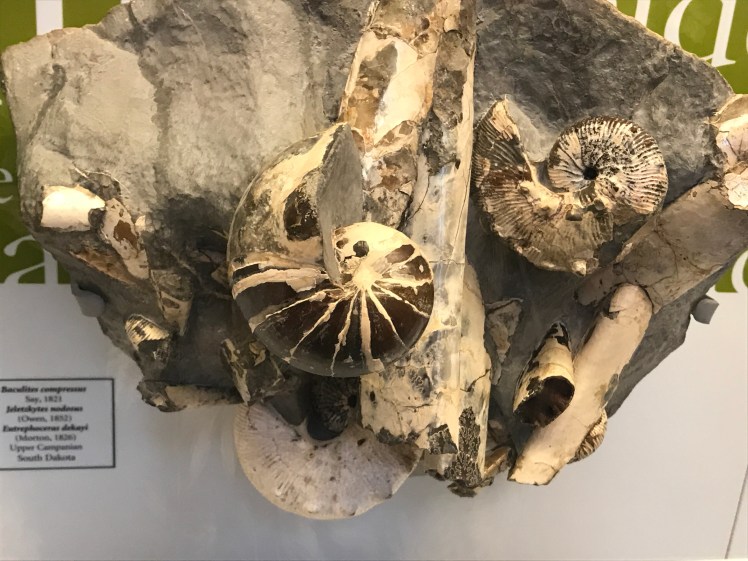
  • The Oxford Natural History Museum has a brilliant display of British fossils along the ground floor galleries. I have added a few that caught my eye.
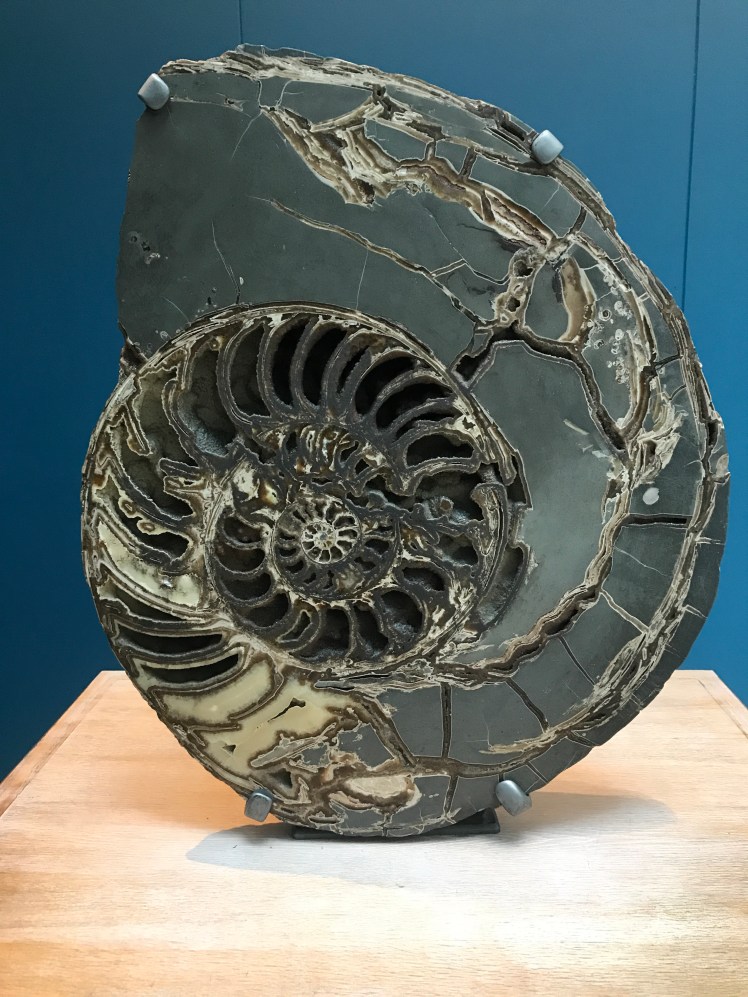
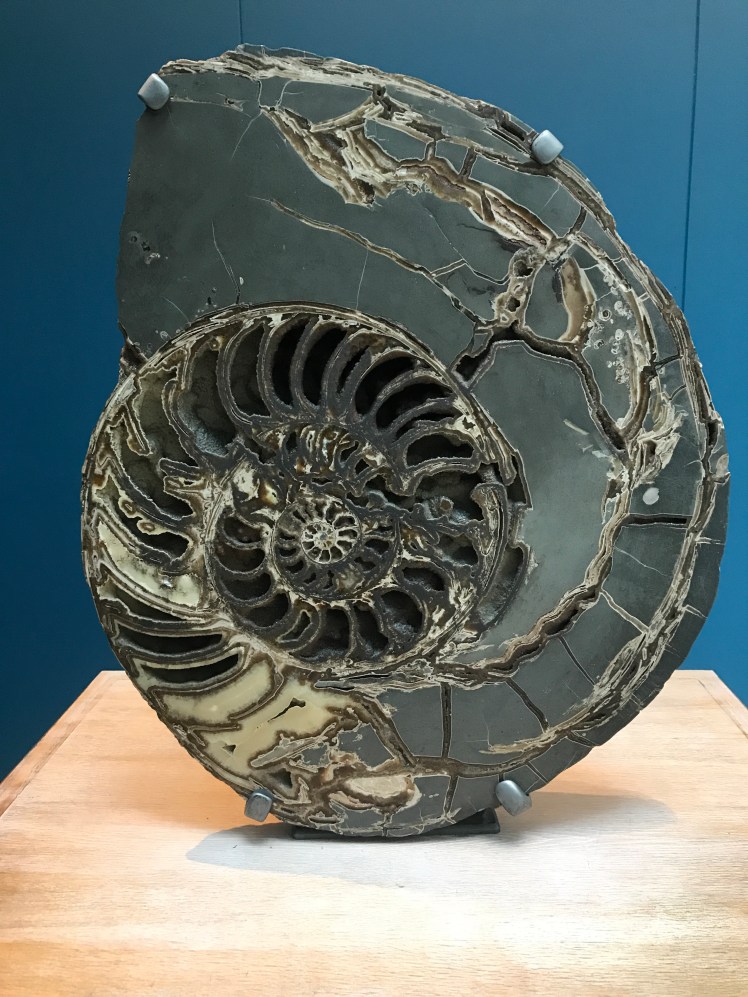
  • TheNatural History Museum in London has a favourite huge ammonite that I always visit ( as I did yesterday) this is sliced and polished and shows preservation with iron pyrites.
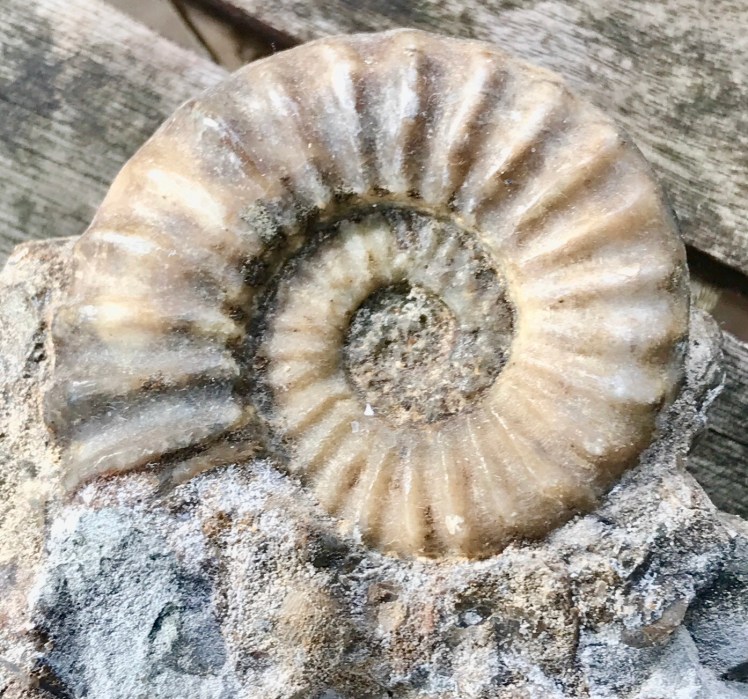
  • Finally for this post this is an Ammonite that I found in a Victorian box of rocks and fossils I bought years ago in a junk shop , it’s rather nice .
  • It’s brilliant to see Ammonites and fossils at museums and discover someone else’s collection but the real fun and excitement is discovering your own. You may be the first person to see something that lived 200 million years ago !!
  • Happy hunting 😀
  • Flying visit to NHM London

    On a busy day to London we made a flying visit to the NHM in South Kensington. The weather was amazing, sunshine, blue skies and warmth on October the 10th !

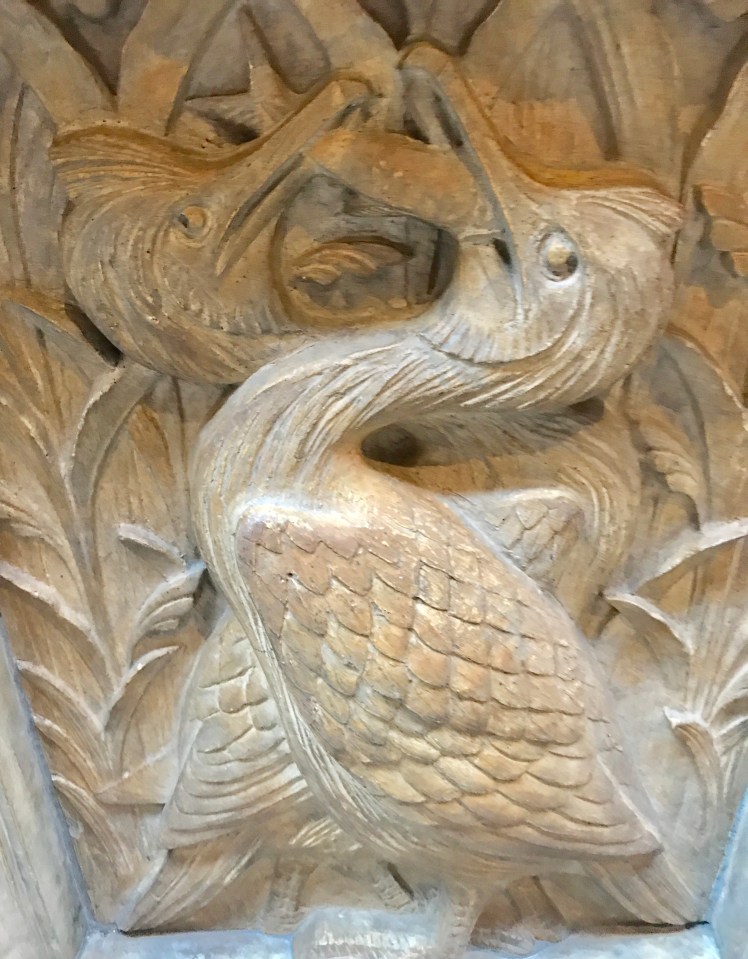
    This is an incredible building , a temple to nature. The carvings and mouldings are fantastic as are the grey and cream bricks.

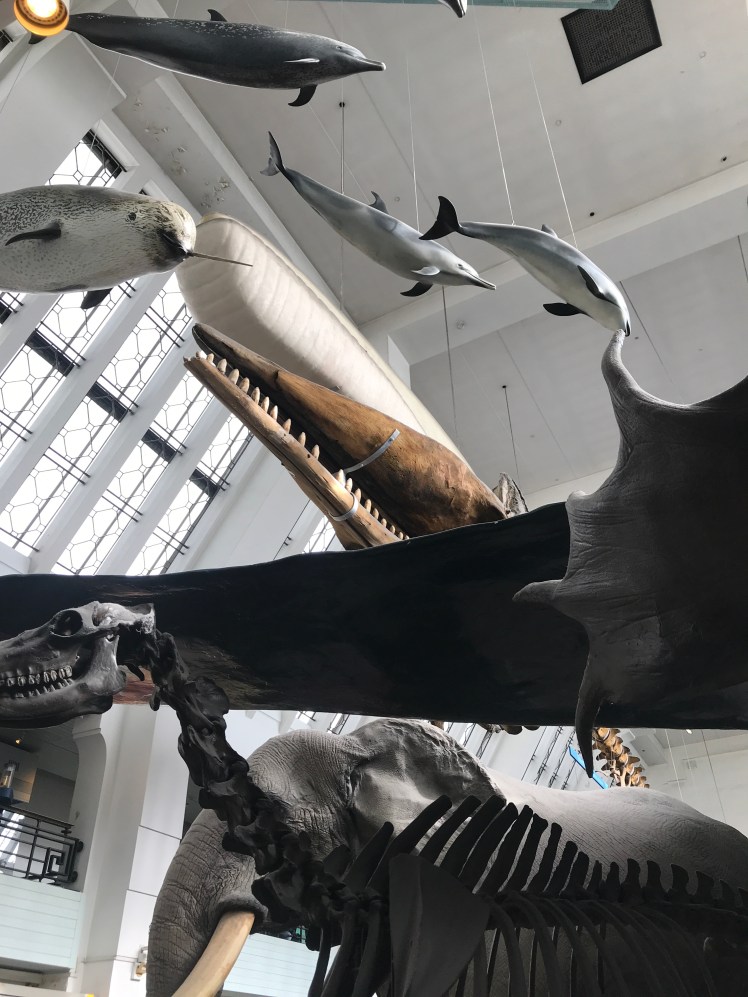
    Here are a few glimpses inside.

    Enormous pyratised ammonite.

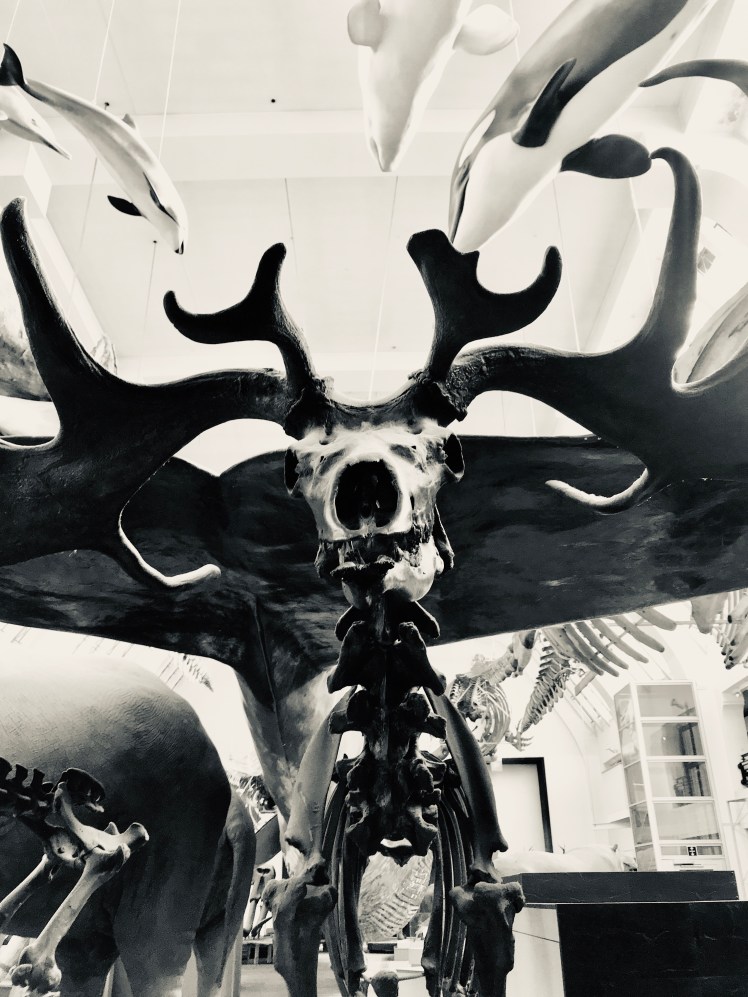
    An extinct giant Irish Deer.

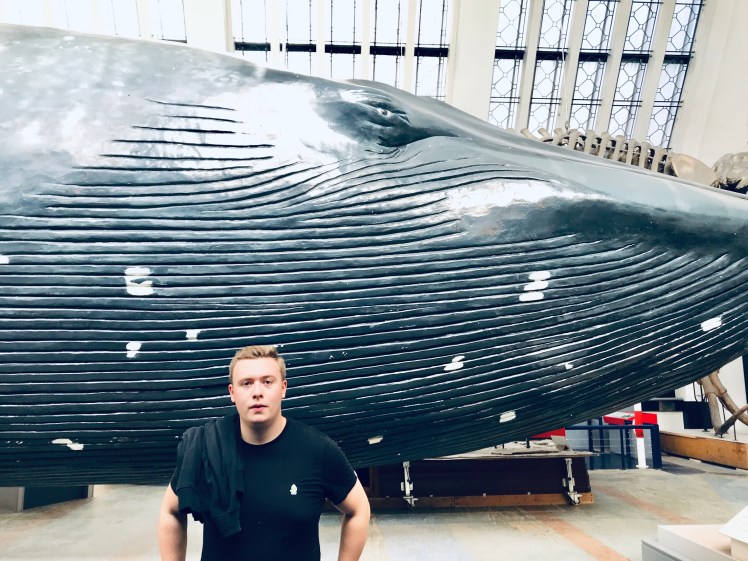
    Exploring the mammal hall and being amazed again at the size of the blue whale.

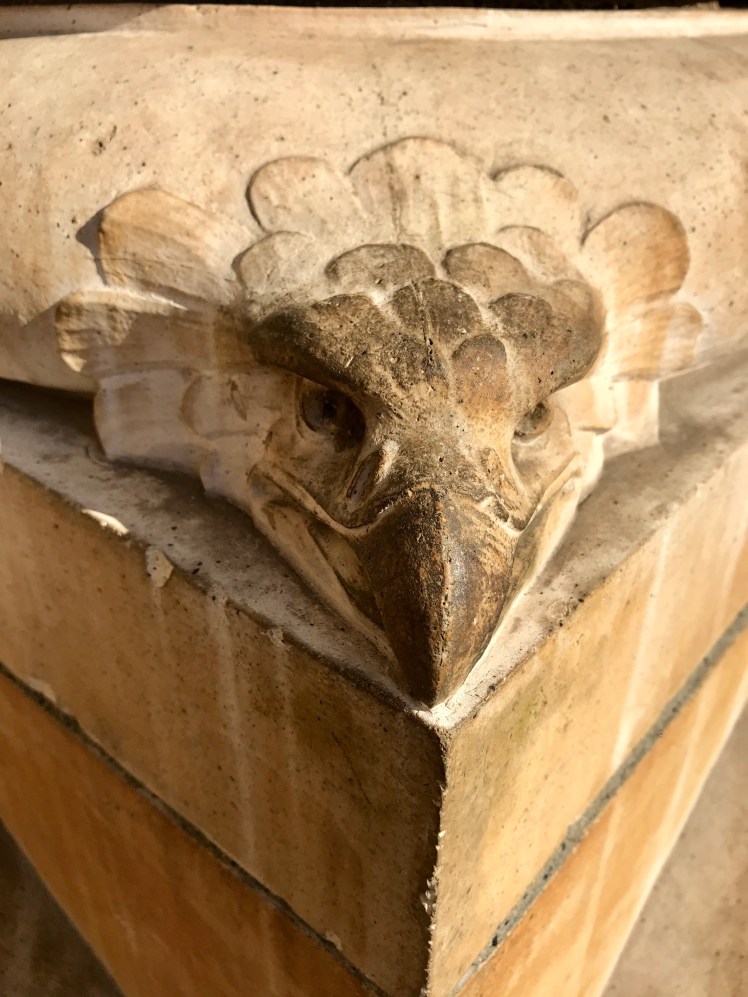
    The birds above are at a column base and the eagle head is in the outside of the building.

    The entrance hall now has a blue whale skeleton hanging in it which is very dramatic. There are lots of new displays plus some old favourites that really need to be seen over and over. Today we particularly loved the cabinet if hummingbirds and their nests , they were unbelievable. The dinosaurs collected by Mary Anning in the 1800’s were impressive as was the skeleton of the giant ground sloth ( an old favourite)

    This was a flying visit but brilliant as always.

    A clamour of Rooks

    The collective nouns listed for Rooks are ; a parliament, a building or a clamour. After watching the evening spectacle of roosting gathering I think clamour is the most descriptive.

    The Rook (Corvus frugilegus) is a member of the crow family. They are very sociable birds, they often fly in pairs or large groups.

    They feed on the ground eating earthworms, flies beetles small mammals caterpillars and a lot more.

    They build their nests high up in big groups called rookerys, these can have up to a 1000 nests. They have one clutch of 3-5 green blue eggs. These nests are lined with soft materials such as sheep’s wool , moss and even deer hair.

    The large groups of rooks like the noisy one I saw tonight can be 100’s or 1000’s strong. The rooks can travel up to 50 miles to return to the winter roosting site. These are really interesting and definitely vocal birds.It was a beautiful evening only needing a jumper for a 7pm walk .

    Waterproof Leaves!

    Forget Gortex, stitch together some leaves for a waterproof jacket this Autumn.

    This Oak leaf may be finished with by the tree but it still retains its waterproof qualities.

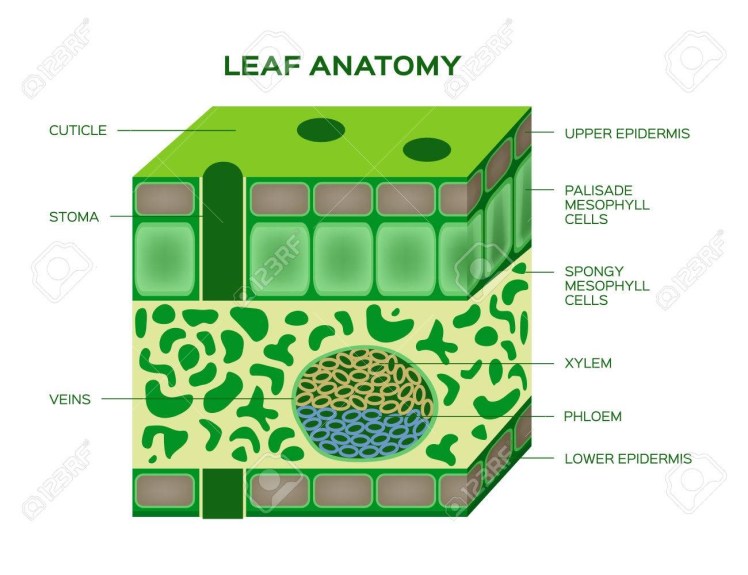
    Leaves are amazing organs of food production, photosynthesis factories . The internal structure of a leaf is organised and interesting .

    The surfaces of the leaf has waxy cuticles , this is to prevent water loss but also makes the leaf ‘ waterproof ‘ ideal for that rain coat , hat, umbrella or even the roof of a shelter.

    The leaves of the lotus flower are superhydrophobic. The water rolls off in droplets but also carries with it any particles of dust or dirt and is self cleaning.

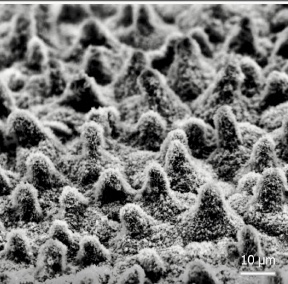
    The reason why it is so water repellant is that the upper surface is covered in wax tubules this structure makes it superhydrophobic

    .

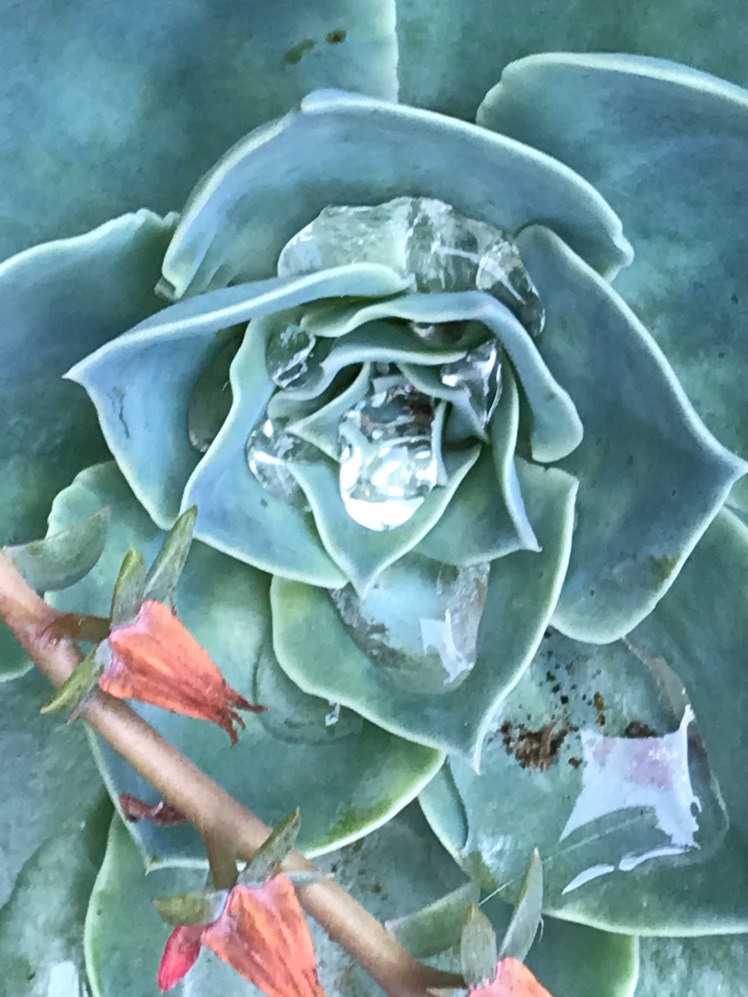
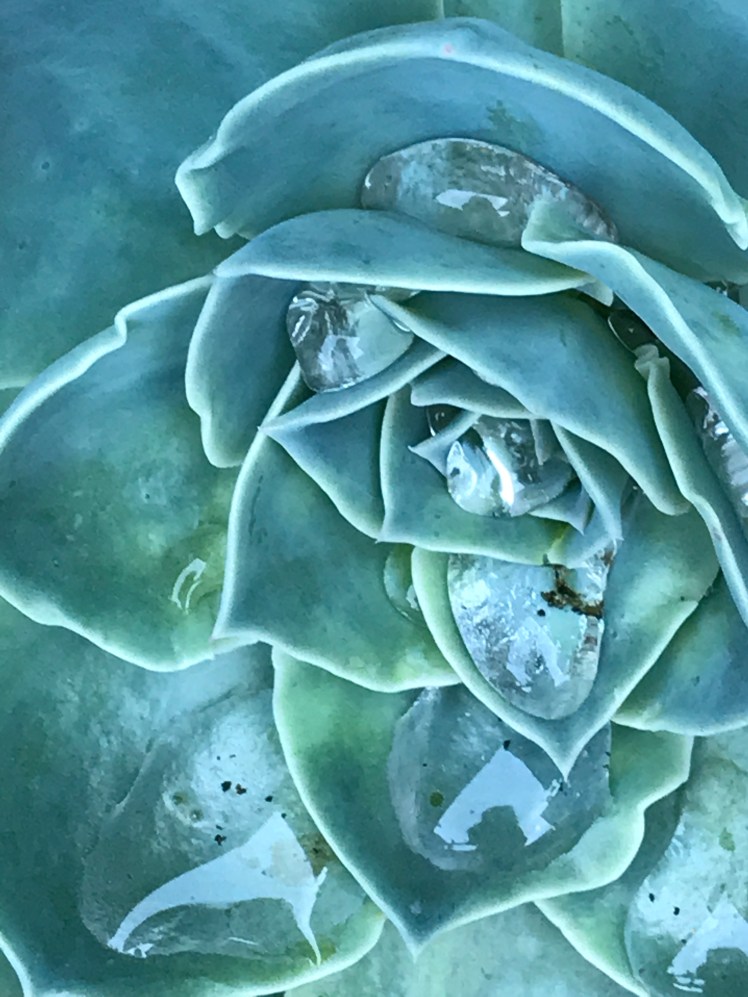
    These succulents at Canons Ashby yesterday looked really super with their miniature swimming pools in the leaf whorls.

    Leaves are worth a closer look , they are around us everywhere,usually we don’t give them a second thought. They will be making a colourful statement over the next few weeks so let’s enjoy them .

    French Bat

    Bats have been flying around for 50 million years. In Europe there are 52 species . Twenty nine of these can be found in France.

    A bat is une chauve-souris (lit. bald mouse) in French.

    Nature Table Explorer Karen sent this photo of a bat from France.

    Interesting Bat facts

    • Bats are the only mammal that actually fly.
    • Bats use echolocation to find their food.
    • Bats mate in the autumn but store the sperm and only become pregnant in the spring.
    • Bats do not make nests, they have places to roost.
    • A tiny pipistrelle bat can eat 3000 tiny insects in one night !