On the Bullfinch trail

After the close encounter with the pair of Bullfinches with no camera I decided to return , with camera ( just phone) in full working order.

The weather was heavy with the feel and sounds of spring and no coat was needed ( I love these days)

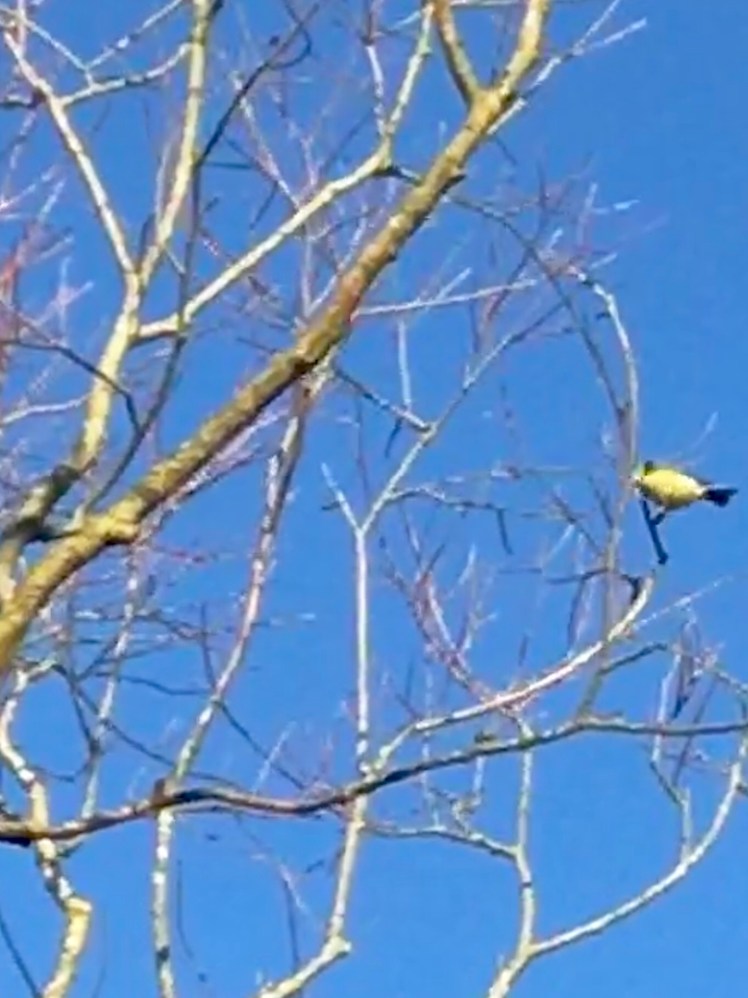
Within 10 minutes I couldn’t believe it I had spotted a pair of Bullfinches , they were flitting along the small trees on the lake shore line. Phone at the ready , hiding behind a tree took the shot . A lesson to learn – these birds are small , fast and change direction quickly !!

The photo shows no Bullfinch but believe me they were there ! Next lesson bring proper camera on walk looking for Bullfinches.

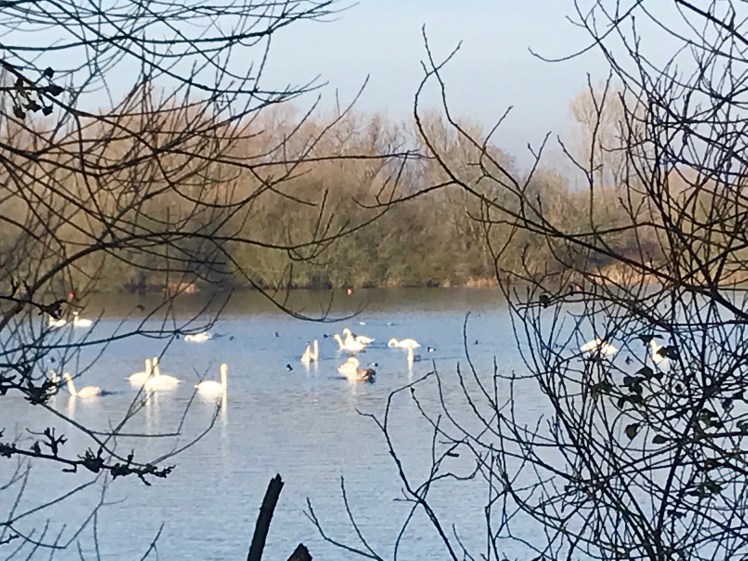
Birds that are much easier to capture on a phone are the swans and today there were a huge number on the first lake .
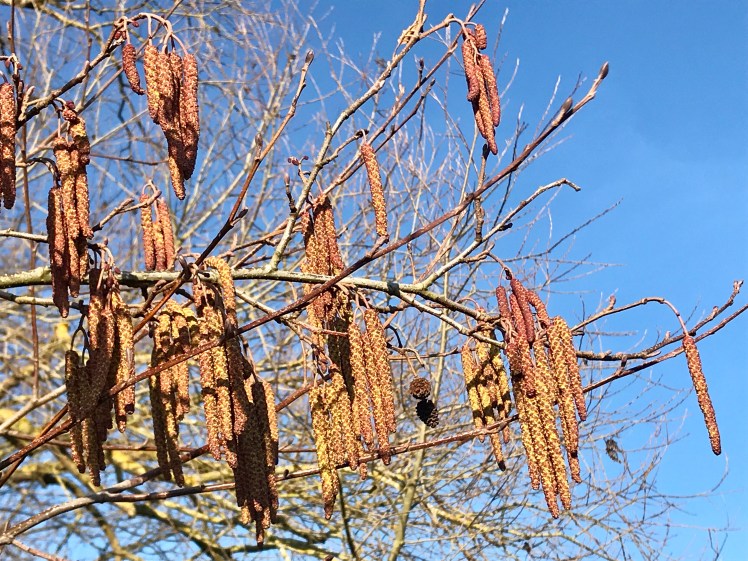
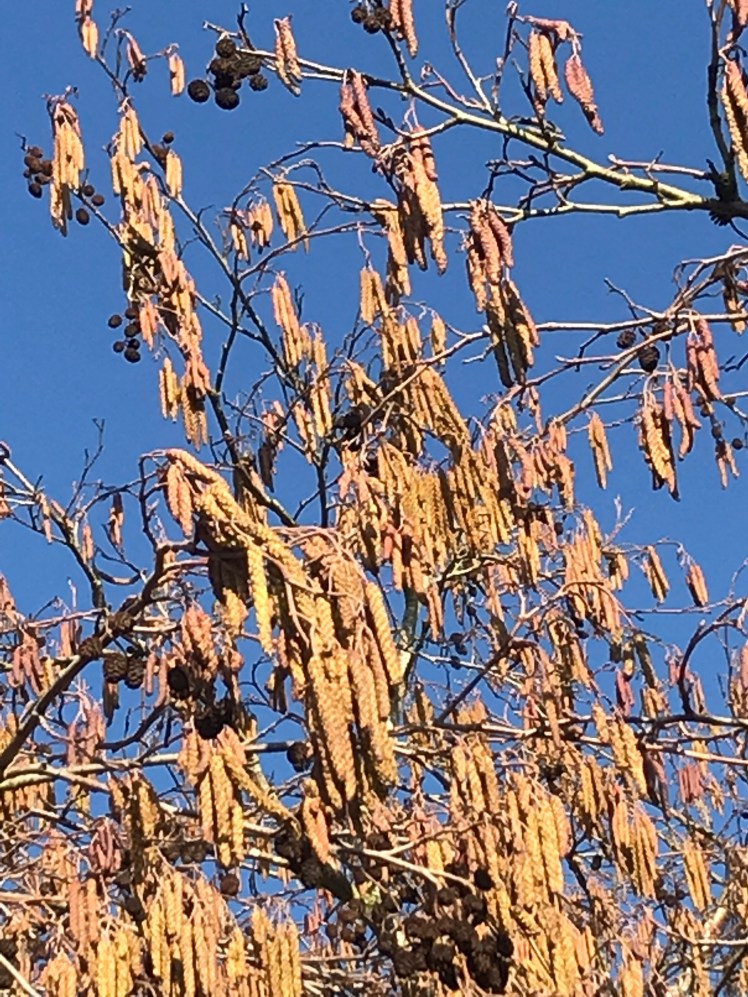
The trees are beginning to break bud , pussy willow was looking glossy against the blue sky and Alder catkins were looking beautiful with a golden glow to them in the sun.
There are some really interesting habitats at Rushden lakes , I particularly like the meadows which in the summer were full of flowers, insects including butterflies and clouds of damsel and dragonflies. This is a wet meadow area . If you walk here the new cinema complex is looming over you but with it to your back it’s as if the development isn’t there. The meadows are fantastic and at the moment very wet. The photos show that the habitat could be in a wild place but is in fact right next to people’s activities. It’s good to see two things working along side each other.
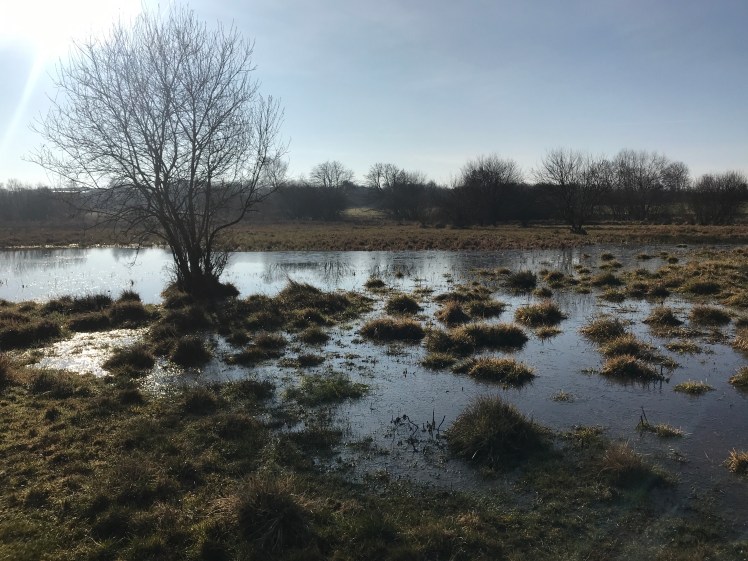
This is a place I will visit throughout the year, nearly daily and each time I visit I find something new to enjoy.

Snowdrop carpets

It has been a couple of days decorated by snowdrops. Yesterday I was in Lincoln , the sky was an unbelievable blue . I sat down in the shadow of Lincoln Cathedral drinking coffee from a flask surrounded by snowdrops.(Galanthus)

Today the weather was more changeable but driving through the lanes of North Norfolk was full of snowdrop carpets through the woods and along verges.

Nature table explorers Joan and Barrie have sent photos of the wonderful snowdrops carpeting the floors of the woods in the Forest of Dean.

These are naturalised, although they look native snowdrops were introduced to Britain.

Here is the information about their status from a great website ‘ plantlife’

Although formally considered “native”, snowdrops are actually recent arrivals. It’s first known cultivation was in 1597 and was first recorded in the wild in 1778. It is widely naturalised with little change thought to be occurring.

There are many places to see collections of snowdrops, near to us Anglesey Abbey , a national trust property and a local church at Chelveston has a snowdrop weekend this weekend.

Avid collectors of snowdrops are known as galanthophiles.

This tiny variety caught my eye in Lincoln.

There seems to be some discussion as to the numbers of varieties/ cultivars of snowdrops , numbers of 1000 and 2500 are quoted. There are 19 wild species in the genus Galanthus, found from Spain to the Caucasus. Most are found in Turkey. Gardeners have selected over 1000 distinct cultivars, with the number increasing every year.

We have managed to grow some snowdrops for the first time in our garden after planting them ‘ in the green’ last year , I’m am looking forward to the tiny patch becoming a beautiful carpet , fingers crossed.

Bullfinch matinee

It was gorgeous weather today ,I went for a lovely walk this afternoon with no coat. It felt like Spring, the birds were positively noisy!!

My phone had died which is typical because I saw a pair of wonderful bullfinches busy eating buds, apparently they prefer flower buds to leaf buds as they are more nutritious.

Sorry there are no photos , here are some pictures. I’m going back tomorrow with proper camera hopefully the pair will be performing in the treetops again.

The Male is very striking with the bright pink breast but I rather liked the black capped female.

Reading about Bullfinches I have found out that they have an interesting adaptation. To collect and store food for their chicks they have a food sac , they are the only finch to have this.

The number of Bullfinches is 36% lower than in 1967 the numbers took a steep decline between 1977-1982 due to farming practises. The numbers have taken an upturn but are still down.

Facts and figures for the Bullfinch:

Length: 16cm 
Wingspan: 26cm 
Weight: 21g 
Average lifespan: 2 years

Interesting fact

Bullfinches were once considered a serious pest in orchards, so much so that in the 16th century, Henry VIII condemned their ‘criminal attacks’ on fruit trees, and an Act of Parliament declared that one penny would be paid for every bird killed.

This pair of Bullfinches were so busy eating that I was able to stand very close and watch them for ages which was really lovely.

This walk with no camera continued to deliver great sights. A little Egret sitting in a tree with two herons sitting in the tree behind …. no camera !!

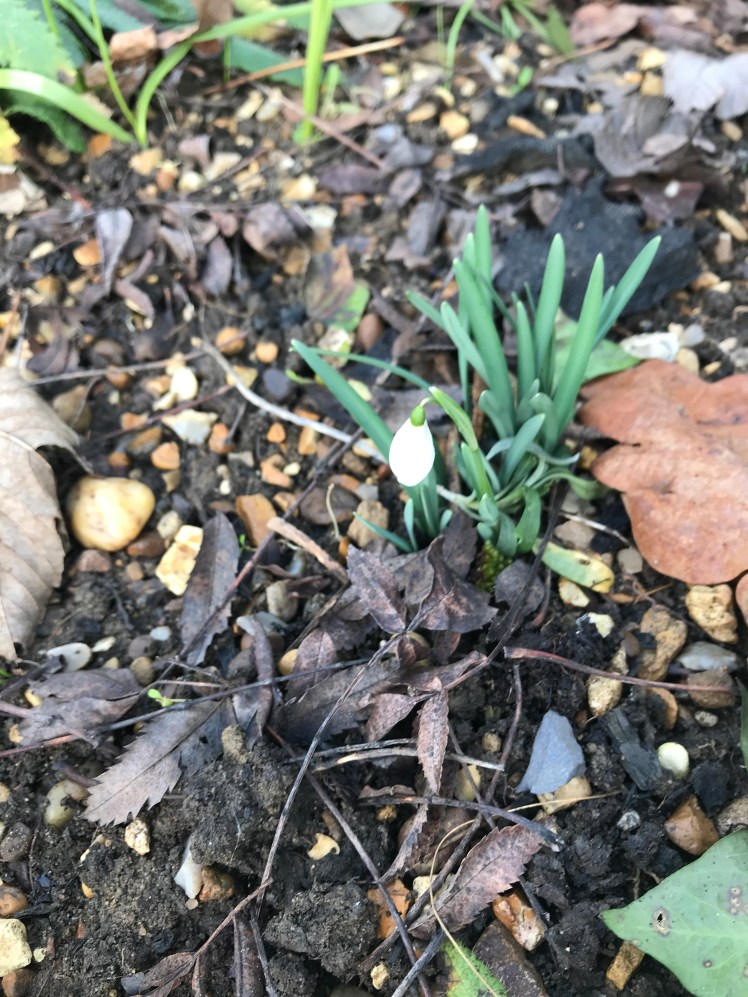
On a garden note , for the first time ever we have snowdrops flowering in our garden , although there is only one flower at the moment it made my day ( along with the Bullfinches )

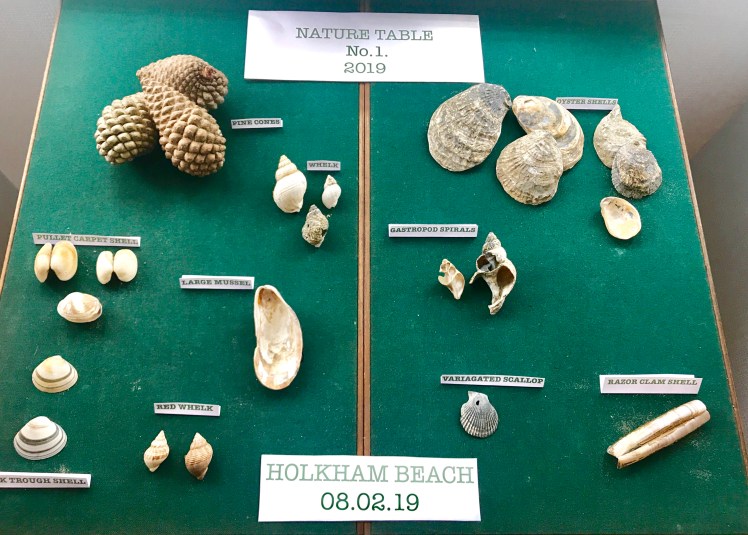
Nature Table Number.1. 2019-Holkham Beach 8.2.19

I loved the visit to Holkham beach on Friday it was wonderful. This is the first nature table of the year. There was a lovely crab shell somewhere in my pocket but it disappeared!

I am using an old card table for the first nature table of the year , looks great.

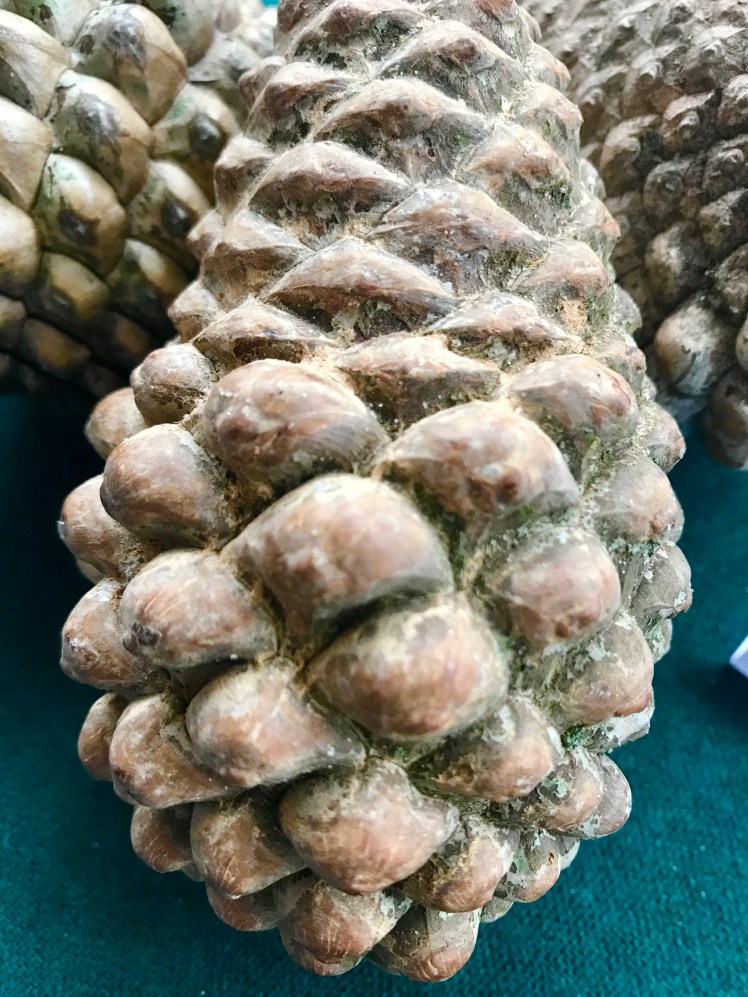
The table starts with a walk through the pine woods along a board walk, it was very windy. The wind had detached some large cones, the trees were heavily laden with cones.

Other trees as you enter the dune area are the evergreen Holm Oak. These were planted in the eighteenth century by the third Earl of Leceister

There are three species of pine tree in the dune areas , Scots,Corsican and Maritime.

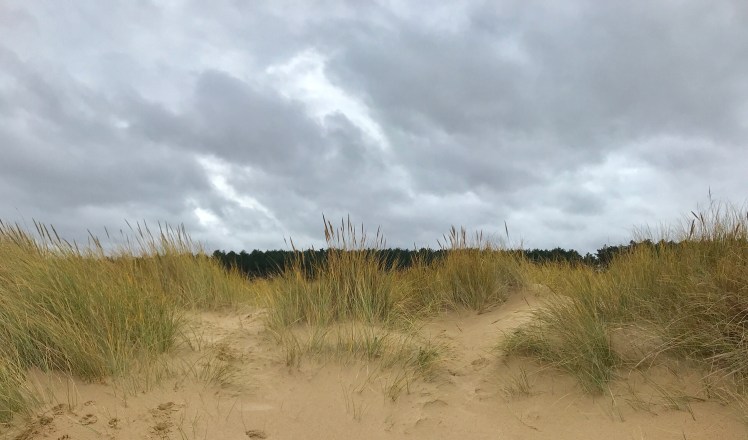
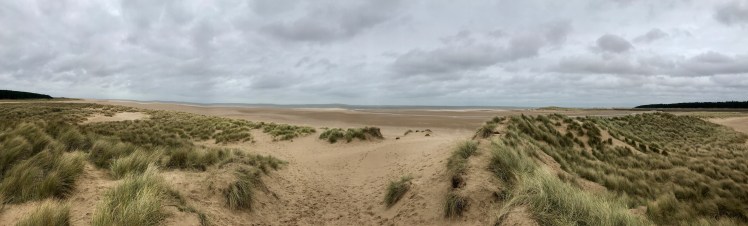
As you leave the board walk you walk into a panoramic seascape of dunes ,sand and maritime plants/marsh.

The walk towards the sea is full of changing habitats and finds.

Sand dunes with tough maram grassesgully’s gut into the tough plant areas.
Walking out towards the sea negotiating inlets , water and squishy spots was great fun .The sand itself is interesting, smooth areas, deep rippled areas and banks of areas littered with shells. All the while the wind was whipping up the dry sand .

On the nature table some of the shell finds :-

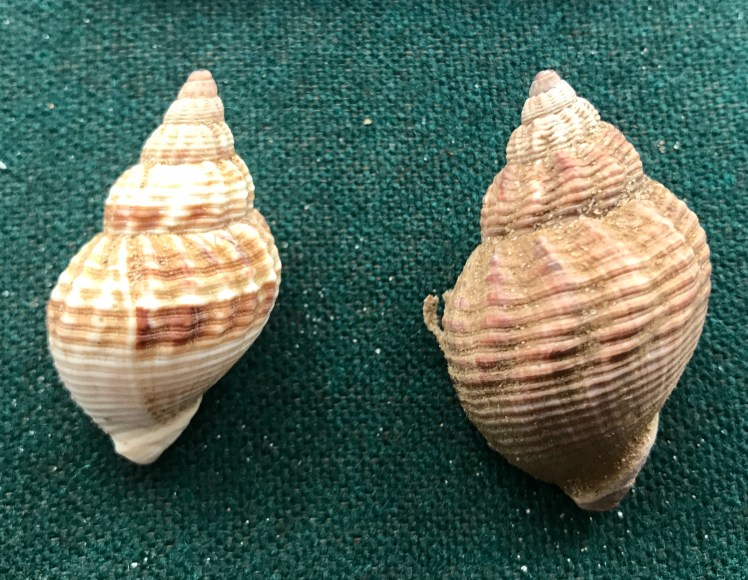
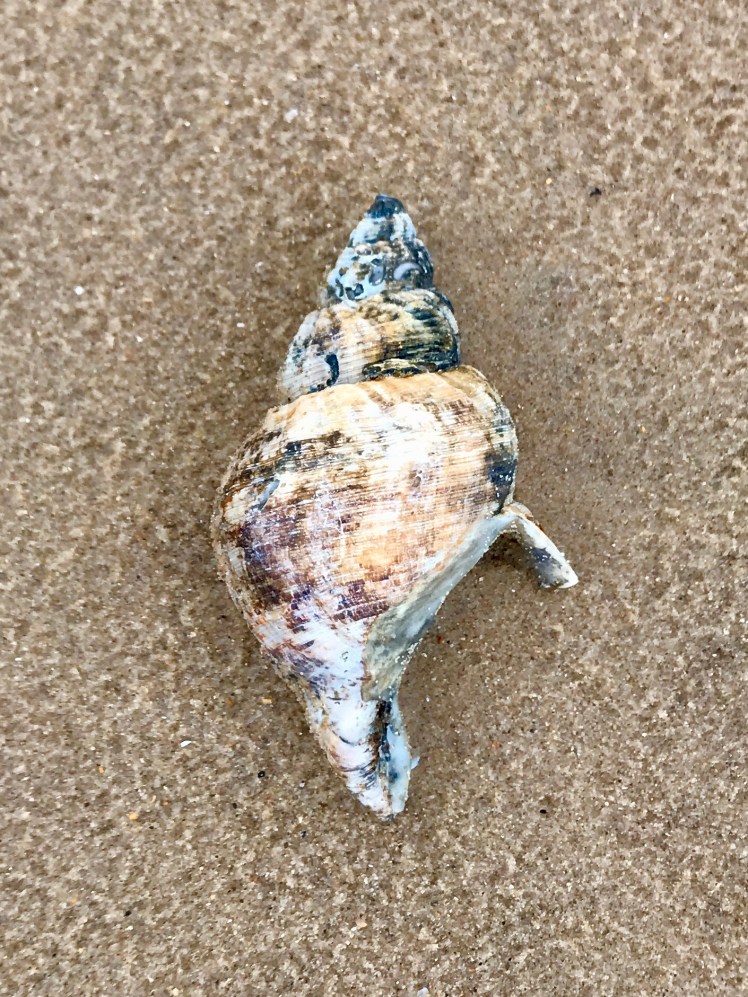
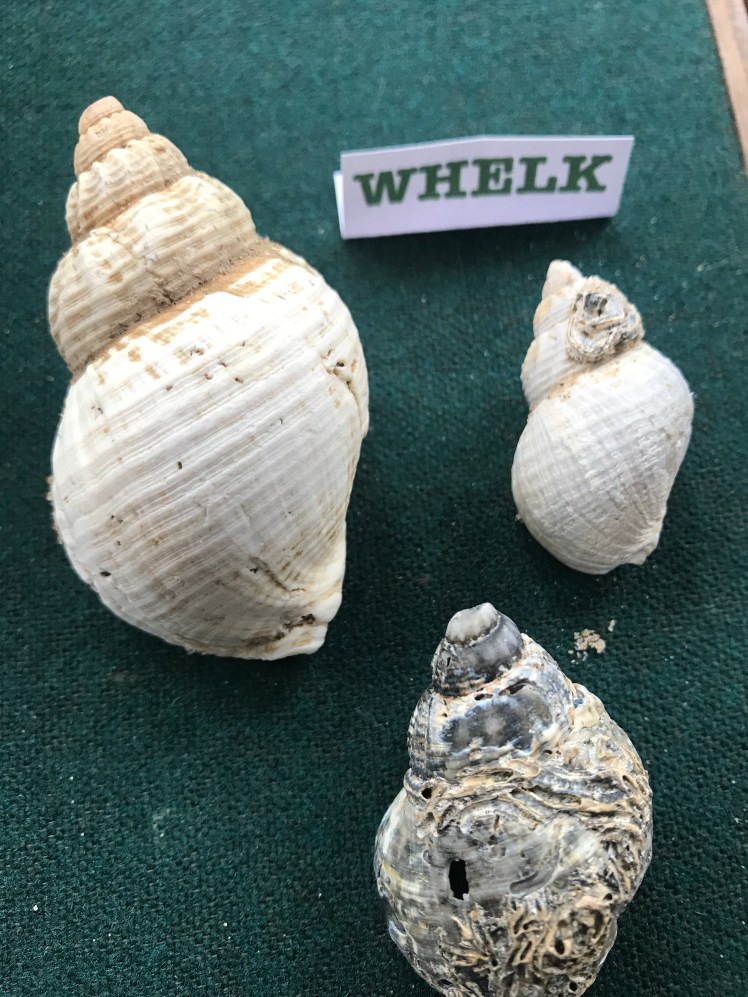
Whelks , the smaller one at the bottom of the picture was a surface for tube worms.

Below are red whelks.

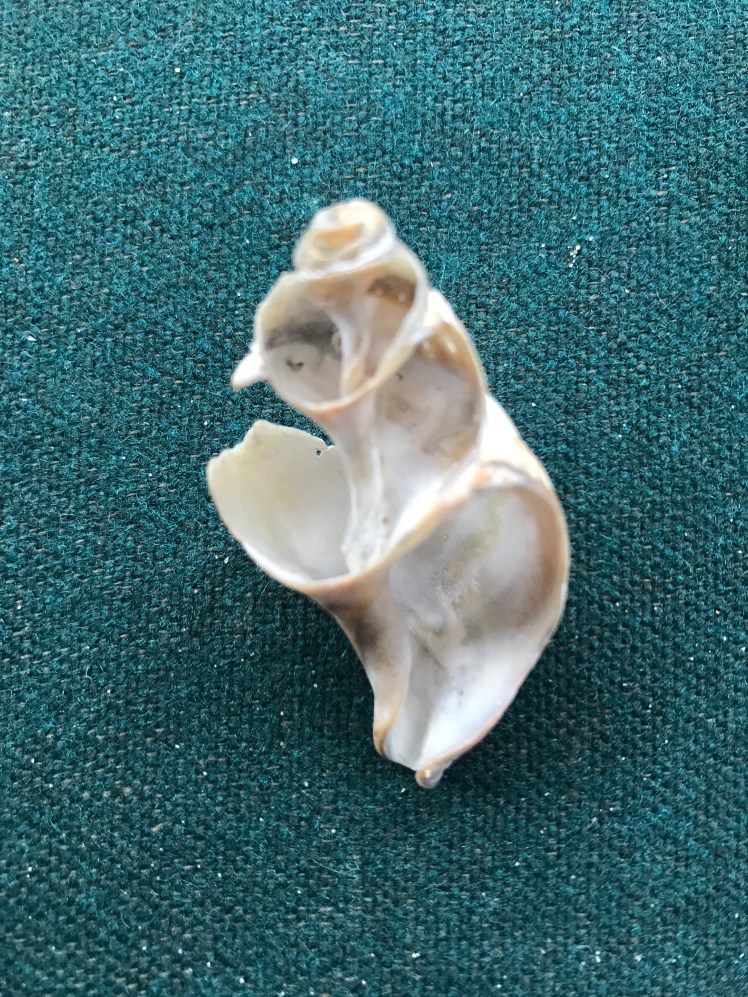
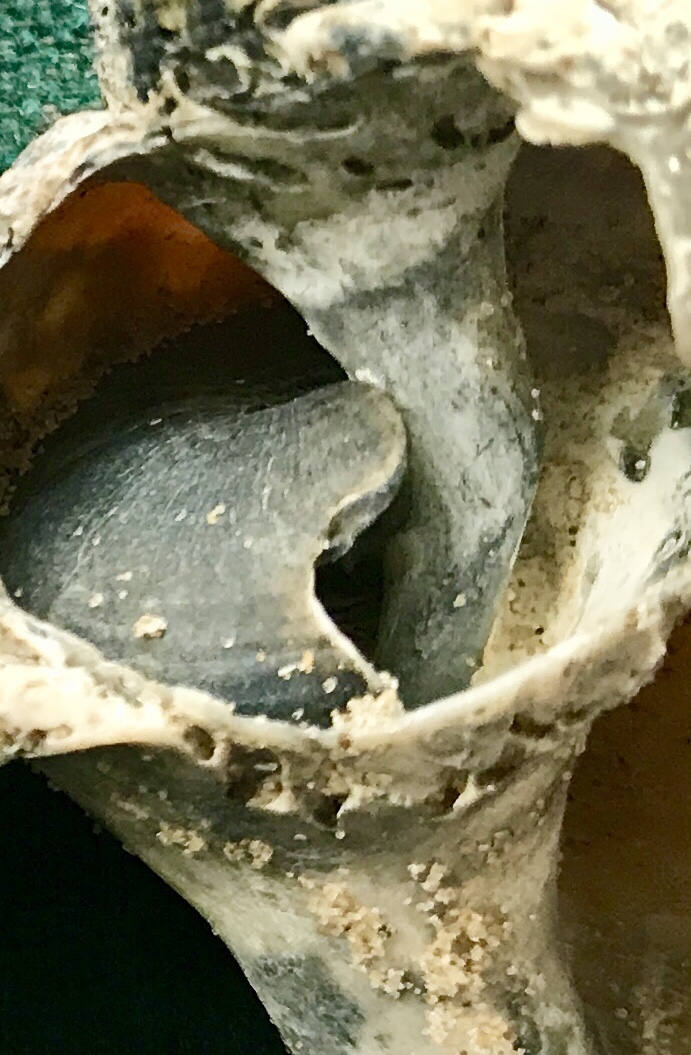
These spiral shells of marine molluscs are very beautiful but the weathered and broken shells revealing the internal structure are even more interesting.

Other shell finds-

Very large mussel with mother of Pearl inside . The shell is very thick , survived till old.

Oysters- some of them very large.In the UK, we have three species of oyster: the Pacific Oyster, the Native Oyster, and the Kumamoto Oyster

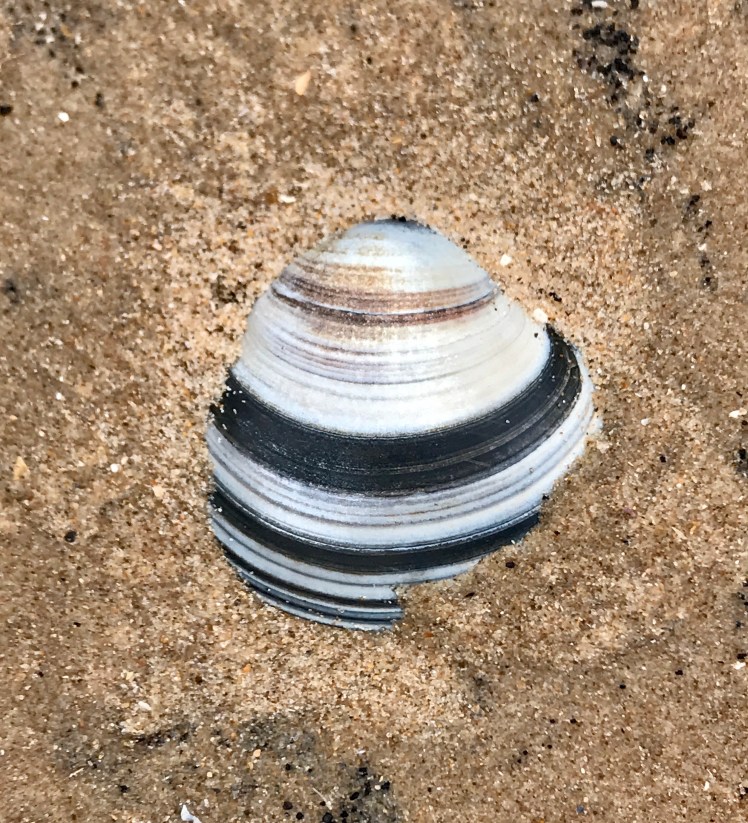
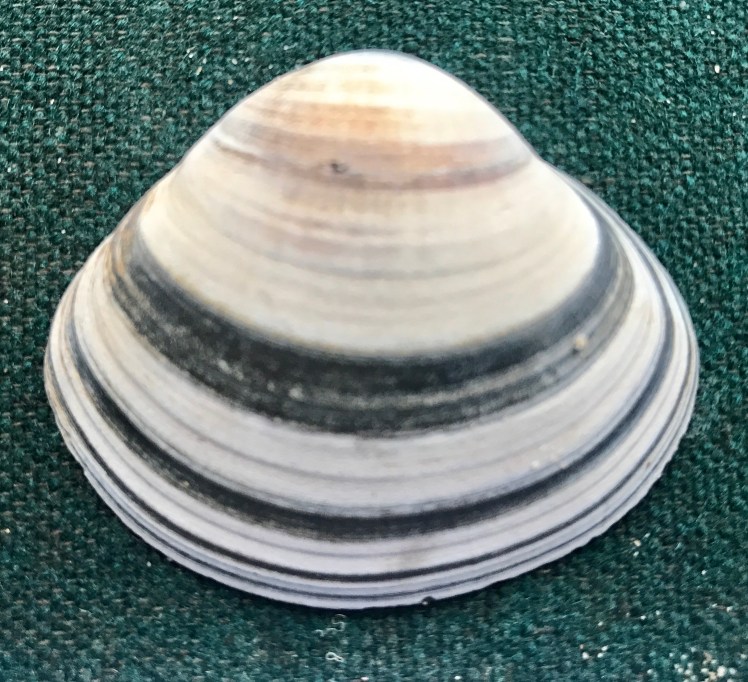
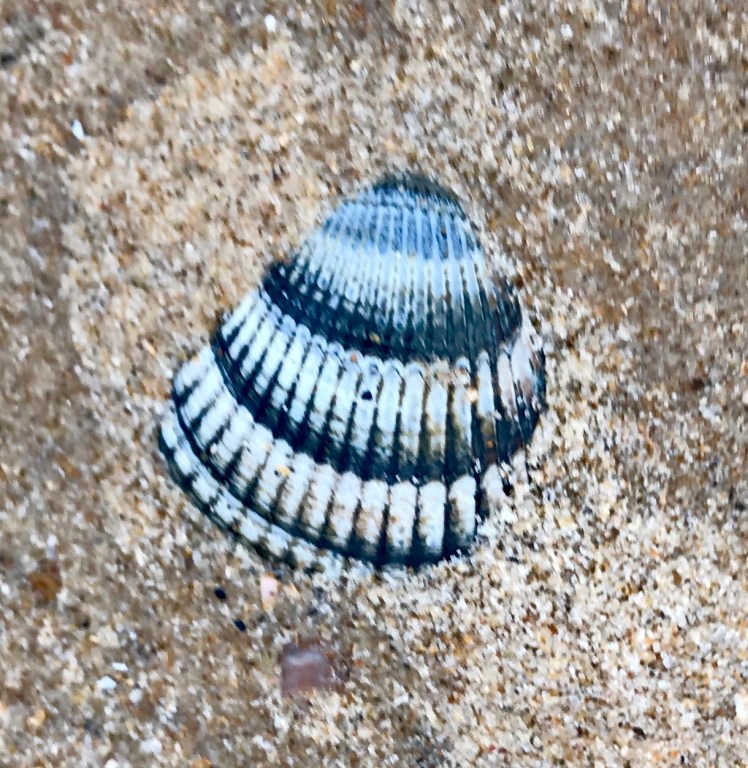
Variegated scallop,razor shells , pullet carpet shells and the super striped thick trough shell.

Across the sand the areas of shells were like carpets .

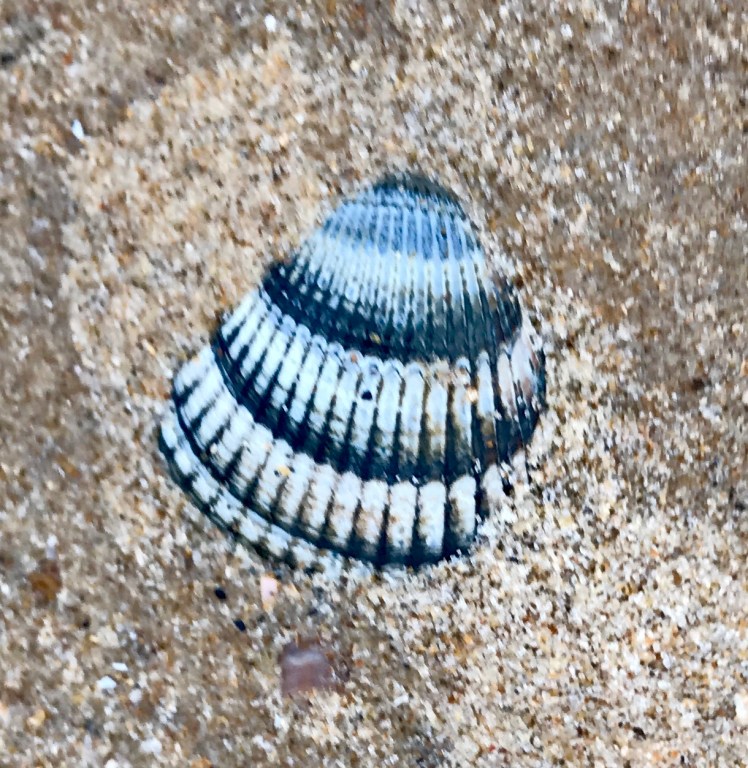
Other finds not on the table: cockles and bryozoans attached to pebbles.

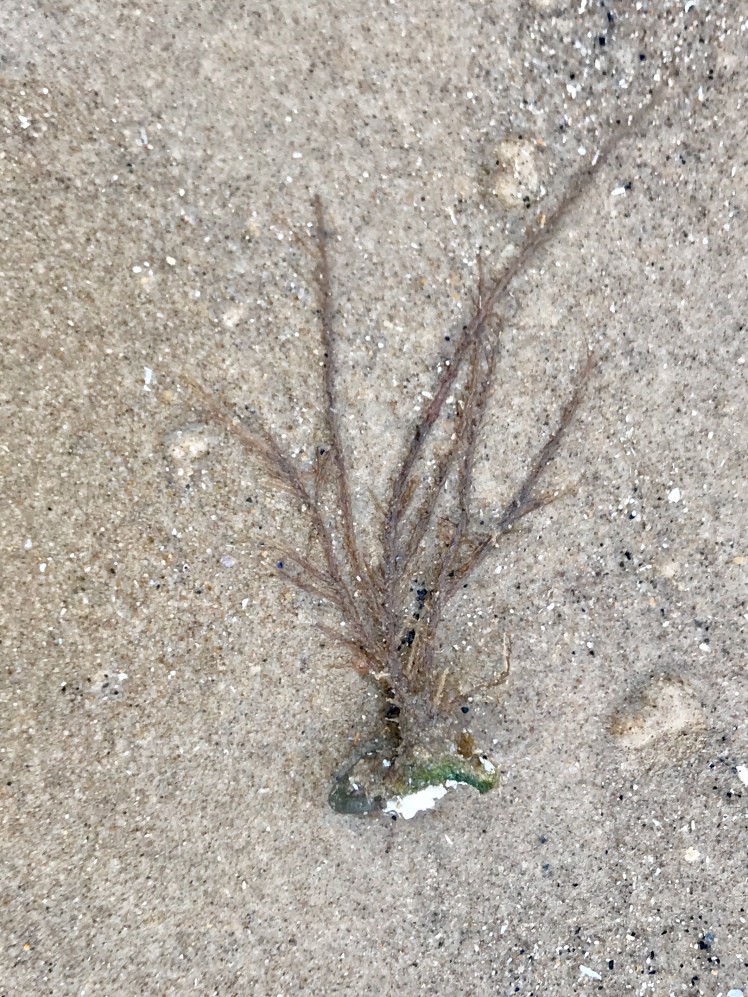
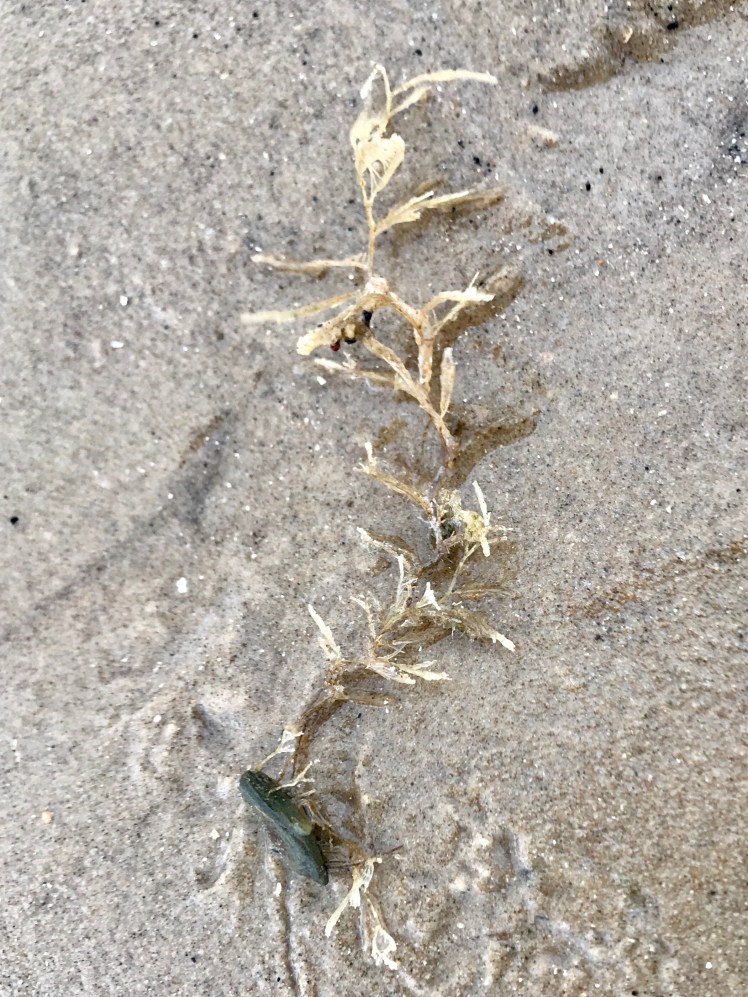
There were almost no seaweeds on the beach we saw a few holdfasts only.

This is a beach area that needs to be visited time and again through the year . It was fantastic.

A super nature table of the visit.

Holkham Beach Hike

On advice from friends I ventured to Norfolk today and explored a wonderful beach at Holkham.

This beach is on the north Norfolk coast not far fromWells-Next-To-Sea. The beach is part of a National nature reserve. This reserve covers 9158 acres and is made up of some rare habitats:- salt marsh,sand dunes,pine woodland and grazing marshes.

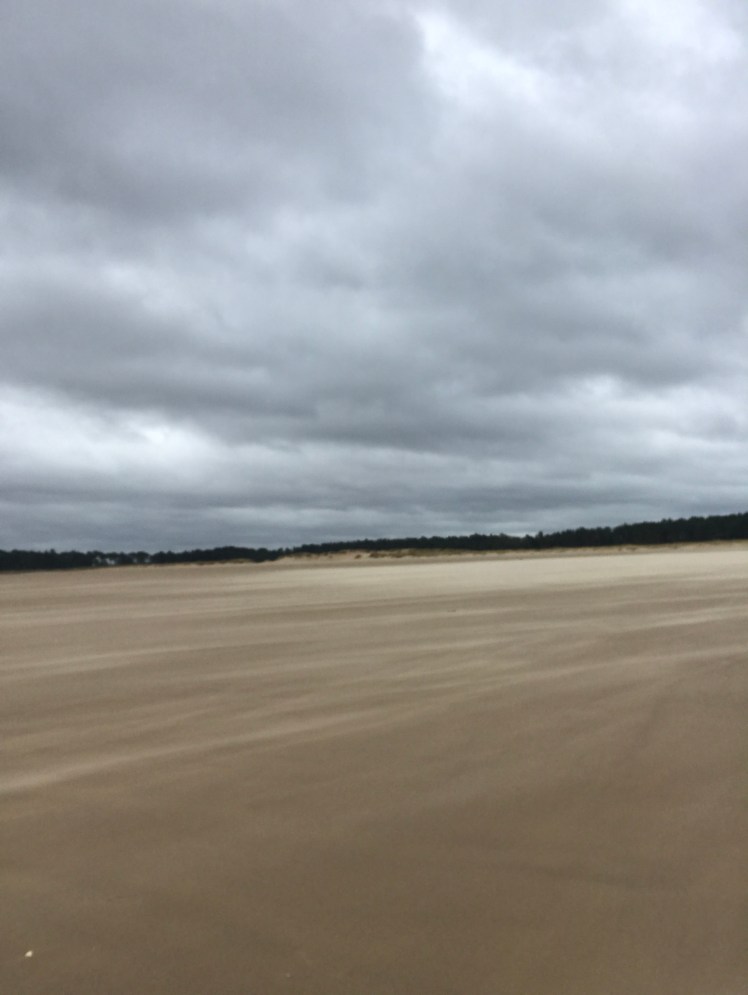
The beach is enormous and today was very windy , the sand from the dunes was racing across the damp sand and was at times quite painful !

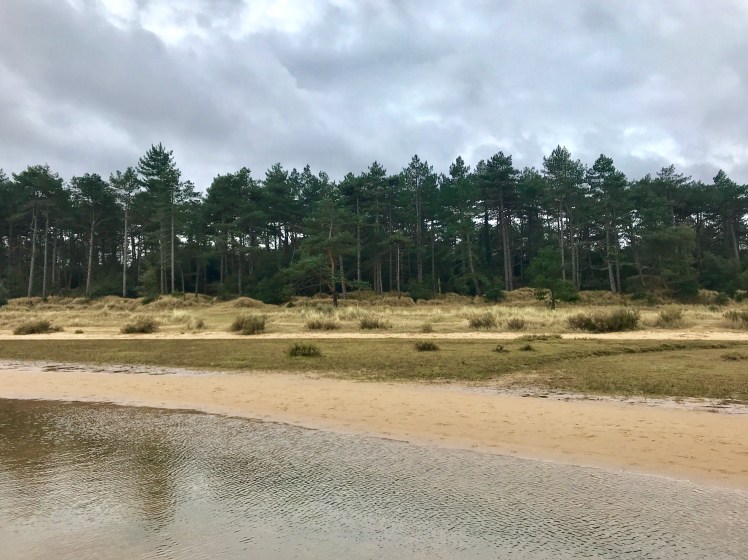
Looking back the dunes and pine woods look fantastic.

Areas of the sand are carpeted in shells whole and broken . There are large numbers of razor shells.

The Sand dunes are covered in flowers later in the year , I will definitely be visiting again.

Nature table explorer Henry was enjoying the beach and all its habitats today.

Tomorrow I am putting together nature table number one for 2019 , it will be full of fantastic finds from Holkham Beach !

Minnesota on my mind

I was walking past the lakes yesterday morning looking at the patches of ice . I started to think … where are all the fish?

These lakes along the Nene valley are full of fish and through the summer we have spent a lot of time being amazed by the numbers and variety. We have seen fully grown and young pike. Had encounters with anglers with huge carp . These lakes have carp of up to 45lb

This small amount of ice made me think about the amazing lakes in Minnesota. We lived there for 18 months and experienced two winters. The ice on the lakes is incredible. They drive trucks onto it !. They cut holes in it to go ice fishing. The fish of choice is Walleye.

Walleye is a member of the Perch family. It has a large mouth with sharp teeth.They have low light vision , they are named after their pearlescent eyes. It hunts its prey at night, eating small fish and invertebrates.These fish can be 0.75-0.90M in length and can weigh 4.5/9kg. They live for about 10’years, spawning in spring/summer in gravel bed rivers.

The Walleye is native to most of Minnesota and is a popular game fish and a food fish. It occupies 2 million acres of lakes , warm water streams totalling 3000 miles !

Walleye is the state fish of Minnesota.

Ice fishing is certainly a very popular pass time in this amazing state.

Minnesota is known as the land of 10,000 lakes there are 11,842 . If all the lake basins over 2.5 acres were counted there would be 21,871 !!

These lakes were formed by the glaciers that until 12,000 years ago covered the state. They gouged out the lake basins.

Back to the question where are all the fish?

Obviously they are still there in the lake, they have gone to the bottom of the lake. Most fish slow down in the winter months, their heart rate slows therefore they need less food and oxygen.The fish often gather together to stay warmer at the bottom of the lake.

In fresh water lakes a temperature inversion takes place as autumn turns to winter. Warm water sinks, at 4 degrees Celsius water is denser and sinks, colder water moves to the surface and ice forms .

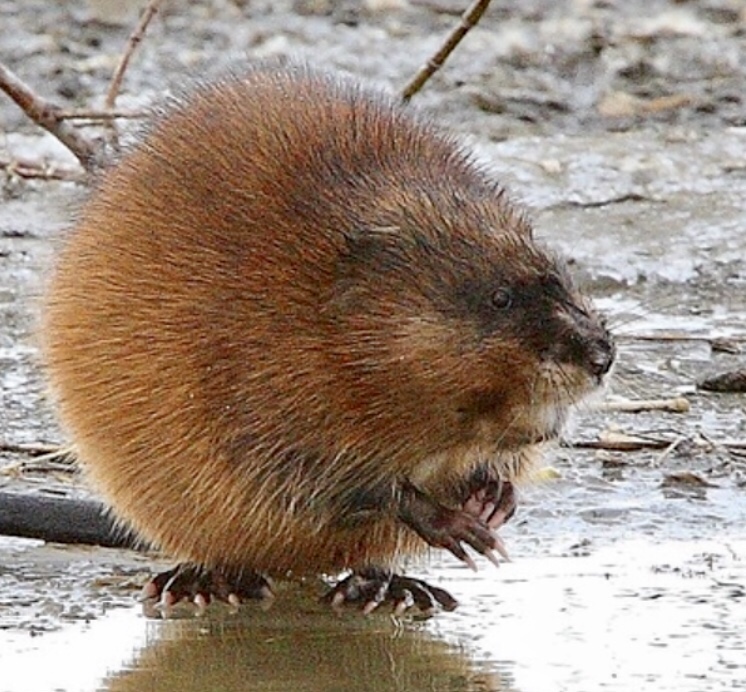
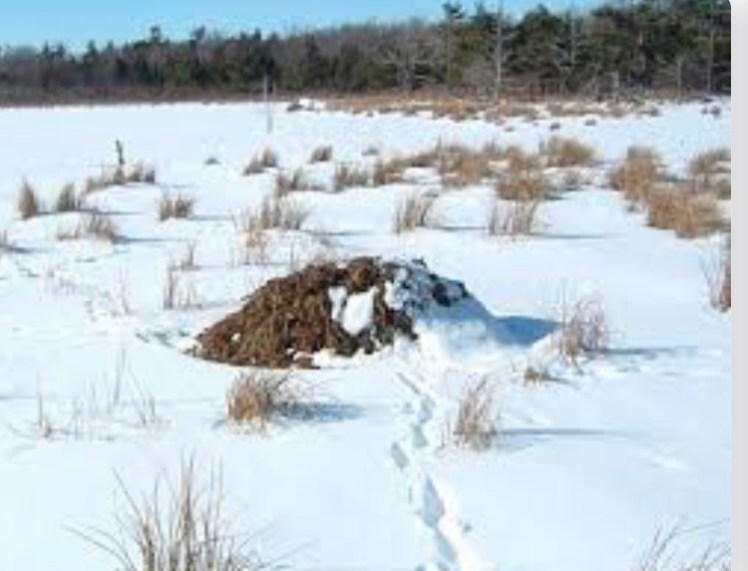
In Minnesota we also loved to watch the muskrats who would sit on top of the ice , we spent a lot of time watching them at Lake Elmo.

All this thinking about fish , lakes and glaciation brought me back to my everyday lake at Rushden, part of a system of lakes along the Nene valley, a large area which is very important for wildlife and designated SSSIs.

These lakes along the valley have been created by the extraction of gravel and sand. The river Nene flows along a broad valley from Northampton. This valley was formed by enormous quantities of water from melting ice during the ice age towards the east coast.

These gravel pit lakes contain carp 30-45 lb in weight. Reading more about fish and gravel pit lakes I was amazed to read about one near Leighton Buzzard called Tidenfoot Pit. This is an older pit next to the Grand Union Canal. It has a range of depths but goes down to 20ft. It contains up to 40lb carp and amazingly catfish weighing 80 lb measuring 6ft. These sound more like monsters of the deep.

A great connection between Minnesota and Rushden, fish, glaciation and lakes!

Minnesota – always somewhere on my mind .

An Oxford Treasure Trove

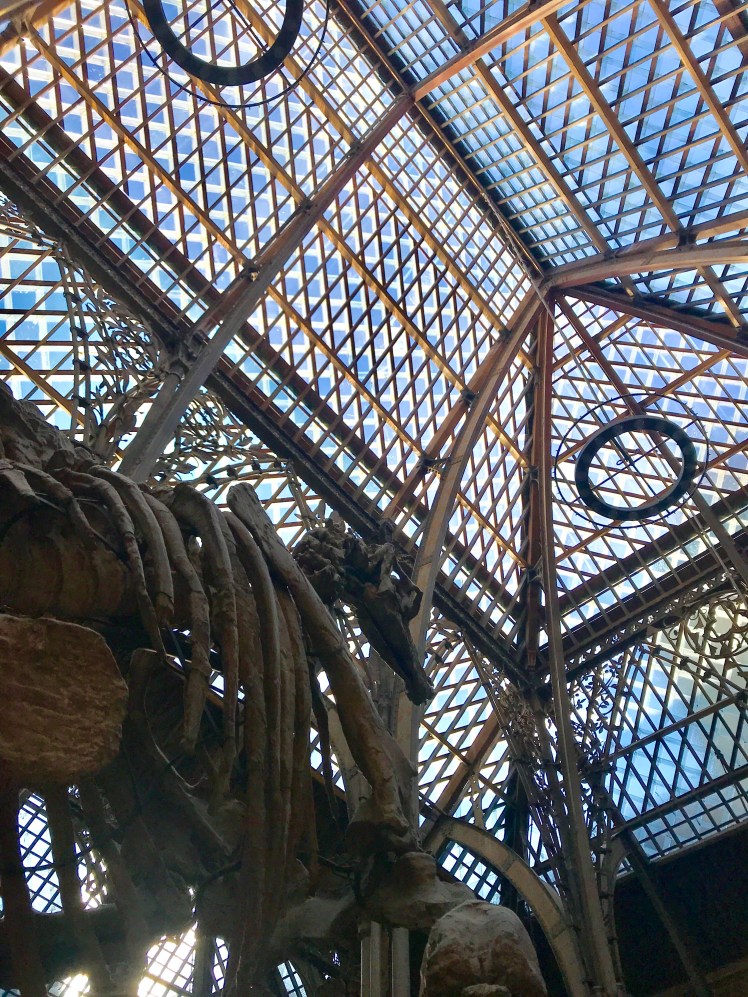
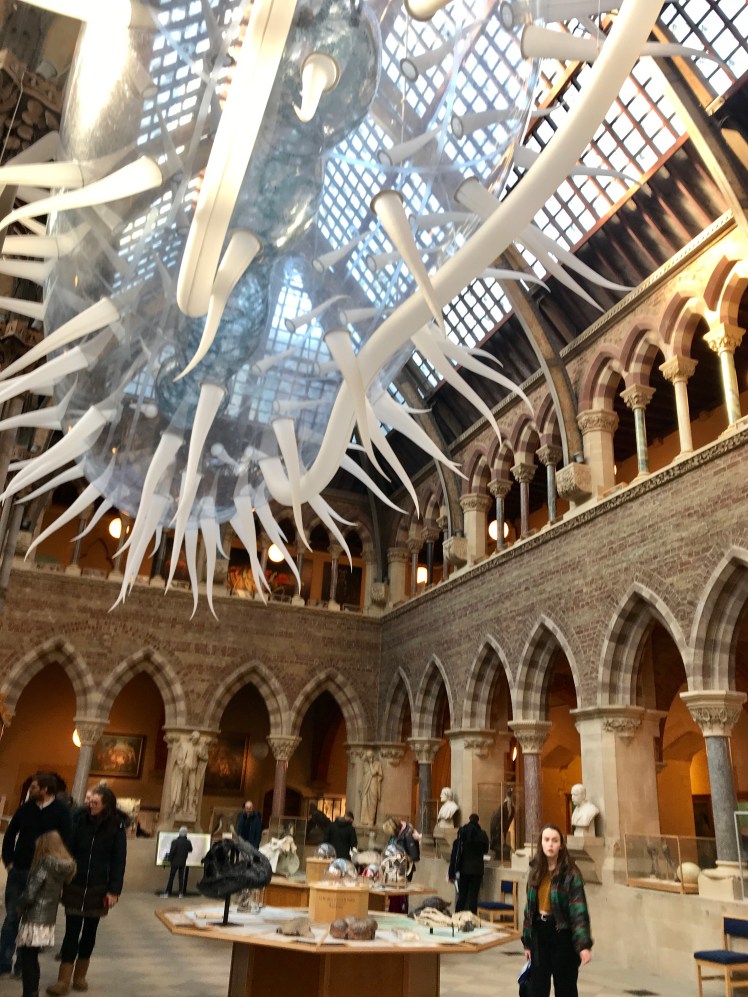
The Oxford university museum of natural history is an amazing treasure trove. It was opened in 1860 and is packed full of wonders.

The building itself is incredible , wrought iron and glass, a thing of beauty displaying incredible specimens.

Highlights in the collections include the world’s first scientifically described dinosaur – Megalosaurus bucklandii  and the world-famous Oxford Dodo, the only soft tissue remains of the extinct dodo.

Today there is also a fascinating exhibition about bacteria. The sculpture hanging in the museum is actually an inflatable and really captures the imagination. It is an enormous E. coli.

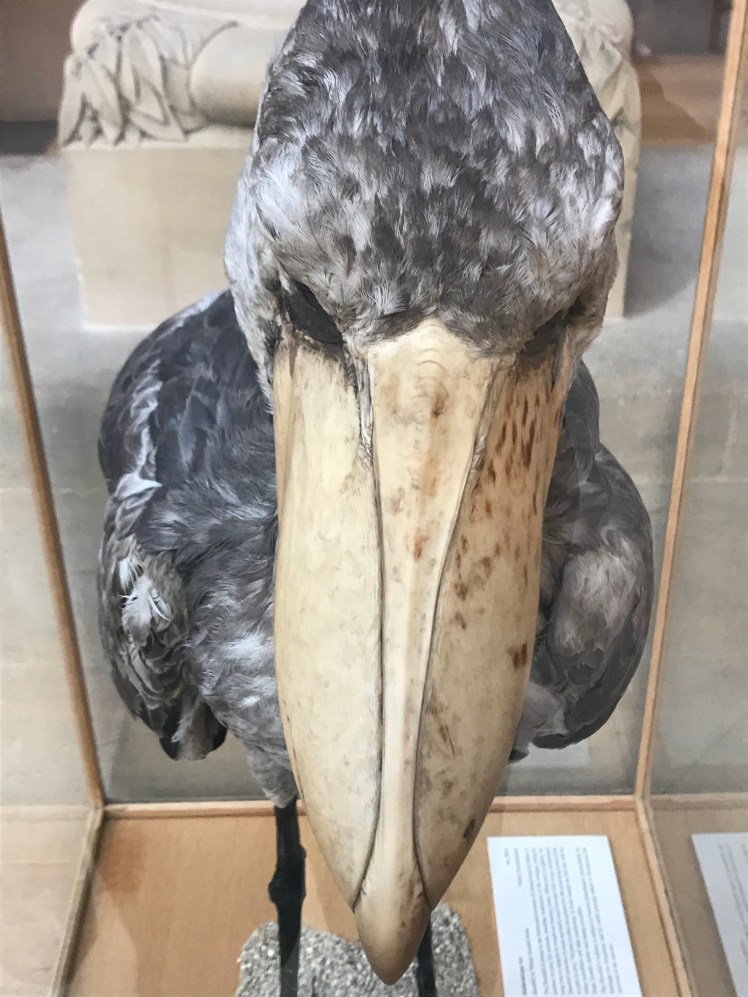
Highlights of today’s visit were the shoebill a bird that looks thoughtful !

The bee hive upstairs , the bees were moving about , on a summers day they are fantastic coming in and out and constantly busy. The hive is upstairs with access out for the bees across the roof.

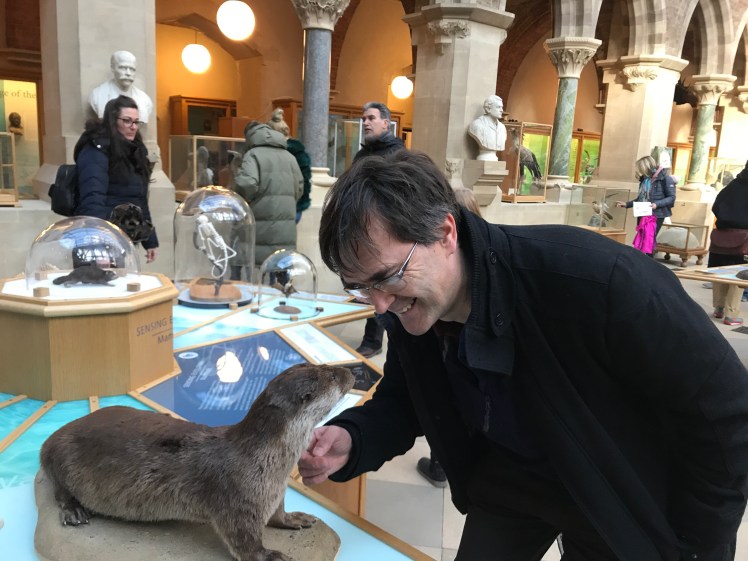
A great feature of the museum is the areas of specimens to touch and get up close to. Nature table explorer Tim finally had an otter encounter.

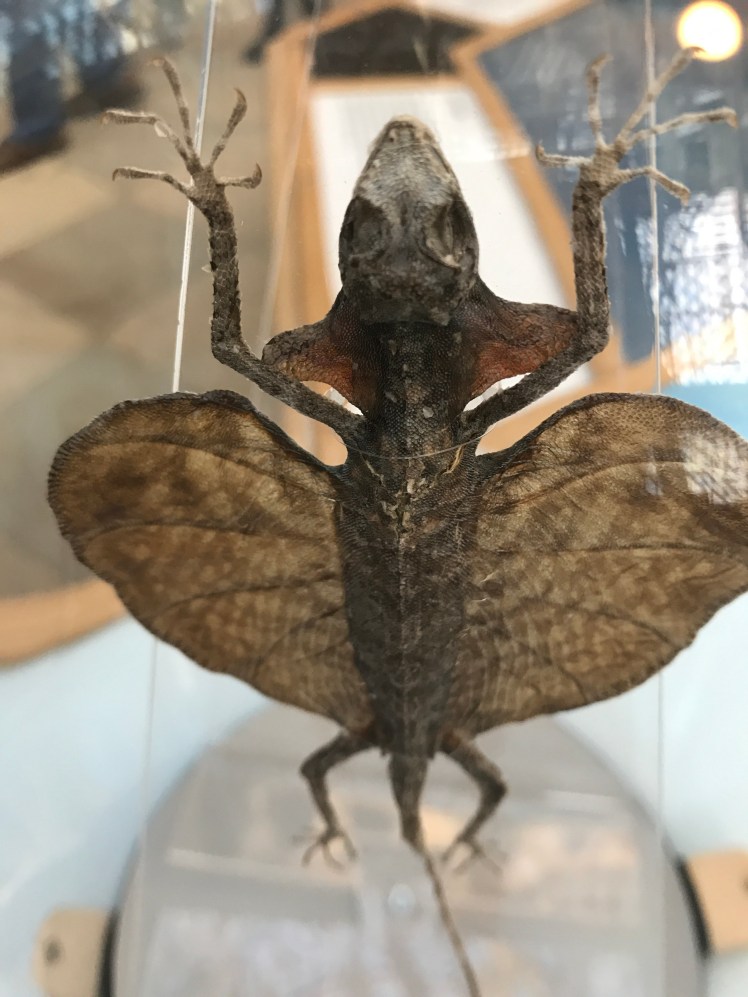
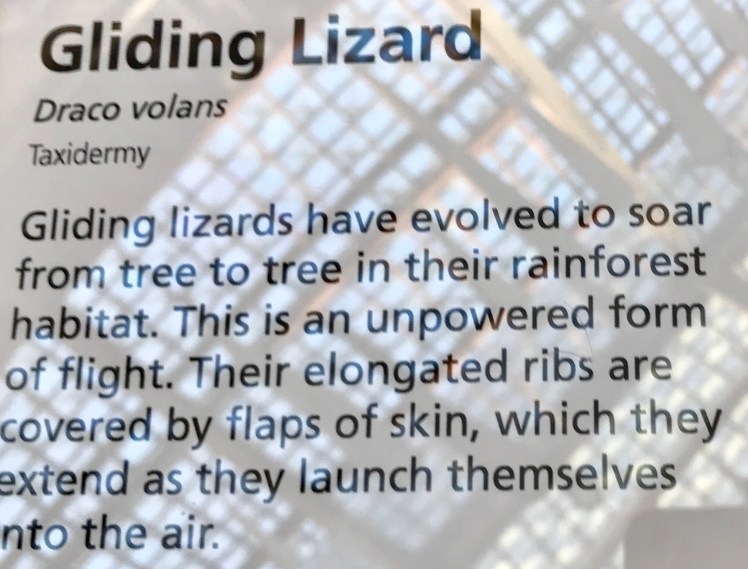
We stroked a black bear , stared into the eyes of a Nile crocodile and were astounded by a Gliding lizard.

I love to keep coming back to this treasure trove there is so much to see and learn.

Ashdown Forest strollers

Nature table explorers Edmund and Reccy are our strolling in Ashdown Forest in Sussex.

Ashdown Forest is an area of open heath and woodland in Sussex. It is the setting of A A Milnes Winnie the Pooh .

As children we went to pooh bridge in the forest to play pooh sticks.

How to get to the Poohsticks Bridge 

Drive through the village of Hartfield and turn left at the signpost towards the B2026 and Maresfield. This is the road that goes through the Ashdown Forest. After a mile and a half you’ll come to Chuck Hatch. Turn right at the sign for Marsh Green and Newbridge. The Pooh Car Park is a bit further down on your right.

Ashdown Forest is a beautiful place to explore all through the year and to get in touch with your inner pooh.

Here are some Winnie the Pooh’s classic quotes:-

‘Sometimes the smallest things take up the most room in your heart ‘

‘A day without a friend is like a pot without a single drop of honey left inside’

A trip to the hundred acre wood ( Ashdown Forest) is full of great finds and views .

Cold circuit

They have been promising snow for at least a week, none has arrived as yet. It has been chilly and icy . Yesterday an icy circuit of the lake was full of interest.

The teasels looked crystalline and sugar dusted. The day was cold the sky was very blue and it was very bright.

Along the wooded side of the lake I was accompanied by great tits flitting from branch to branch and a small flock of long tail tits.

These birds were busy finding food and singing the whole time.

These lovely long tailed tits flew along the path with me in a small flock , in and out if branches singing and feeding .

The ice turns lasts years growth into refurbished beauties.

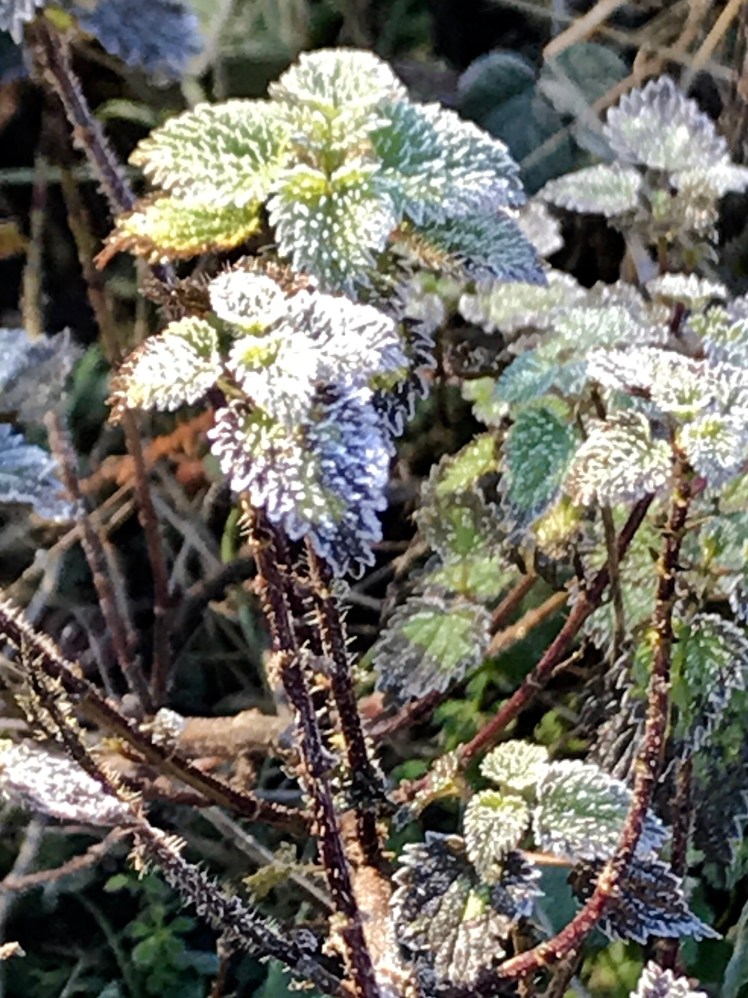
Stinging nettles with an icy makeover.

Brambles and grasses.

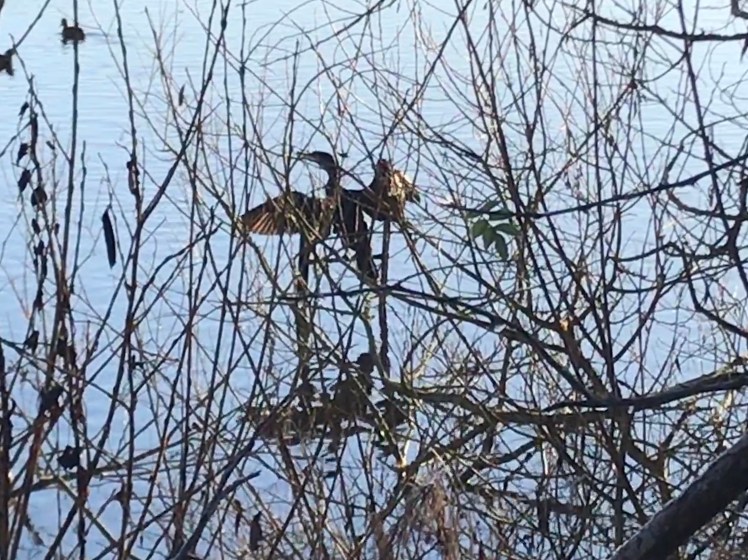
Further round the walk onto the next large lake I caught a cormorant drying its wings in the corner of my eye quite close to the path. I quietly moved to catch a photo. Really pleased I didn’t noticed the heron literally by me that flew off with a chorus of duck quacking alarms and perched in a tree.

The cormorant was great , here’s a photo and then two videos the heron flies off and then- ‘how to dry your wings.’

The other things of interest on this walk were the puddles, frozen pieces of abstract art.

A chilly but eventful stroll.

Wagging tails

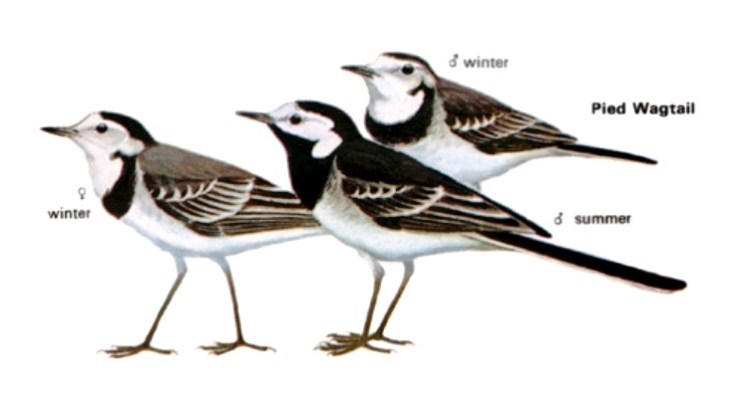
The Pied wagtail ( Motacilla alba) is a charming bird always moving and wagging its tail up and down. I have been engrossed in their evening behaviour at Rushden Lakes shopping area.

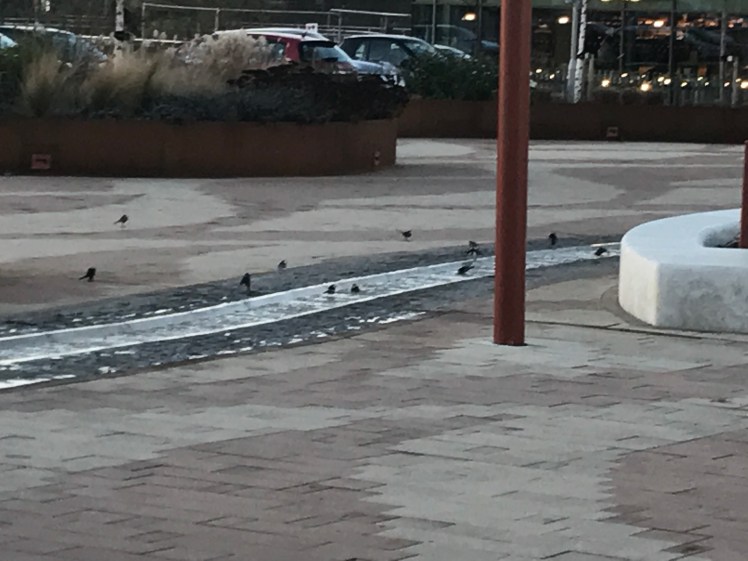
Here is one of the at least 40 that were busy there today.

He is standing in a man made stream which is a feature of the development along with another 20 birds in constant motion in and out of the water splashing and bathing. It was absolutely freezing tonight.

At the slightest movement they flit off into nearby trees and seem impossible to catch on the phone camera.

They roost in flocks partly to keep warm and use manmade structures as roost sights. Their natural environment is reed beds and there are also plenty of these down at Rushden Lakes and along the River Nene which runs behind the main lake areas.

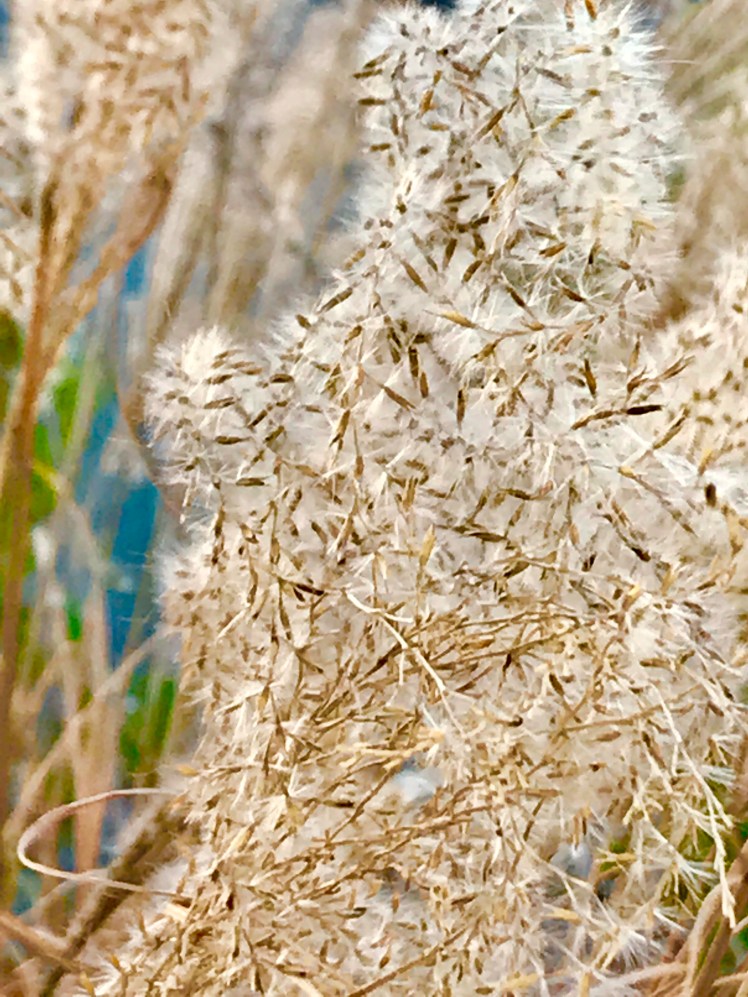
There is some lovely planting in this shopping area and a lot of it is looking beautiful even in this frosty January weather.

Interesting facts about the Pied wagtail

  • In winter the number in an urban roost can reach 4000.
  • They probably wag their tails as a sign of vigilance.
  • They eat insects.
  • Their preferred nesting site is a hole but have been found nesting in abandoned machinery and log piles.
  • The males can become territorial when food is scarce in cold weather.
  • In the winter birds from colder northern parts of the UK can move south. They are a resident bird but can migrate to North Africa.
  • There was a 11% decline in pied wagtails between 1995 and 2010.

These little energetic birds are great to sit and watch , never a dull moment.