Cambridge Botanic Gardens in the rain.

The question this morning was will we or won’t we?

Visit the botanic gardens , shall we risk it or not ?

We did, getting out of the car we felt rather smug , no rain what was all the fuss about. As I walked back from the ticket machine the heavens opened!!

Well we are here now so off we went exploring boots on, waterproofs zipped up.

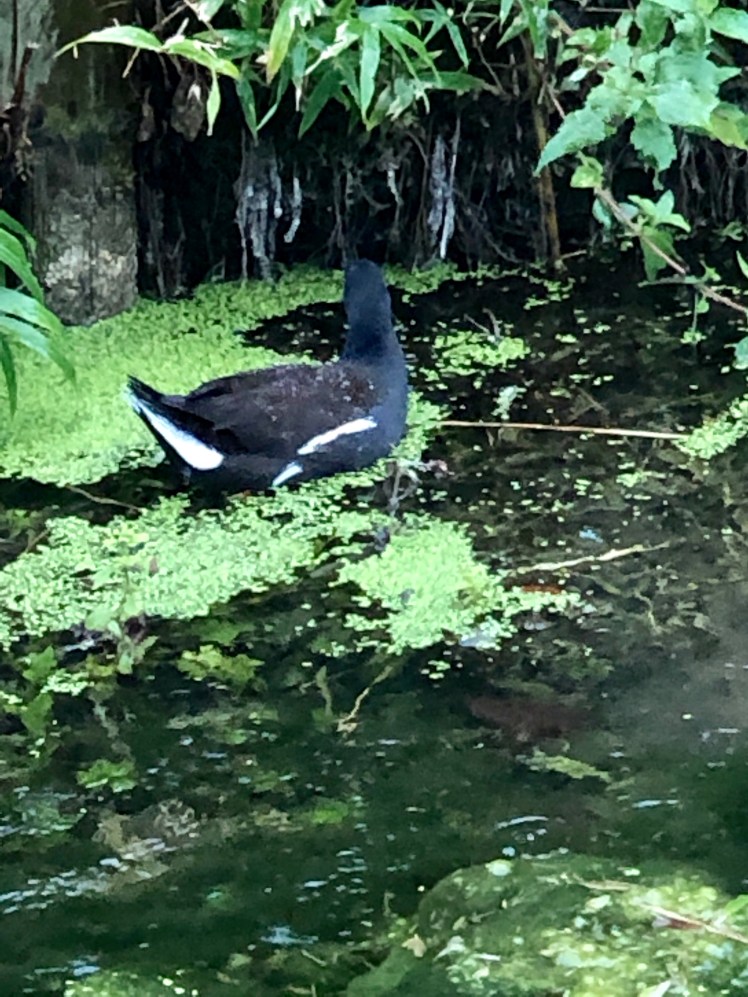
The first encounter was with this lovely moorhen, at first the rain seemed of no consequence but as it got heavier it headed for a cave of plants in the stream bank.

Cambridge Botanic Gardens are a fantastic place to explore with brilliant planting and habitats and a range of glasshouses.

In issue two of EXPLORATIONS there will be a feature about travelling the world in these glasshouses.

Today the weather gave the gardens a fresh green hue and it was surprising how many flowers were still in full bloom especially in the bee borders .
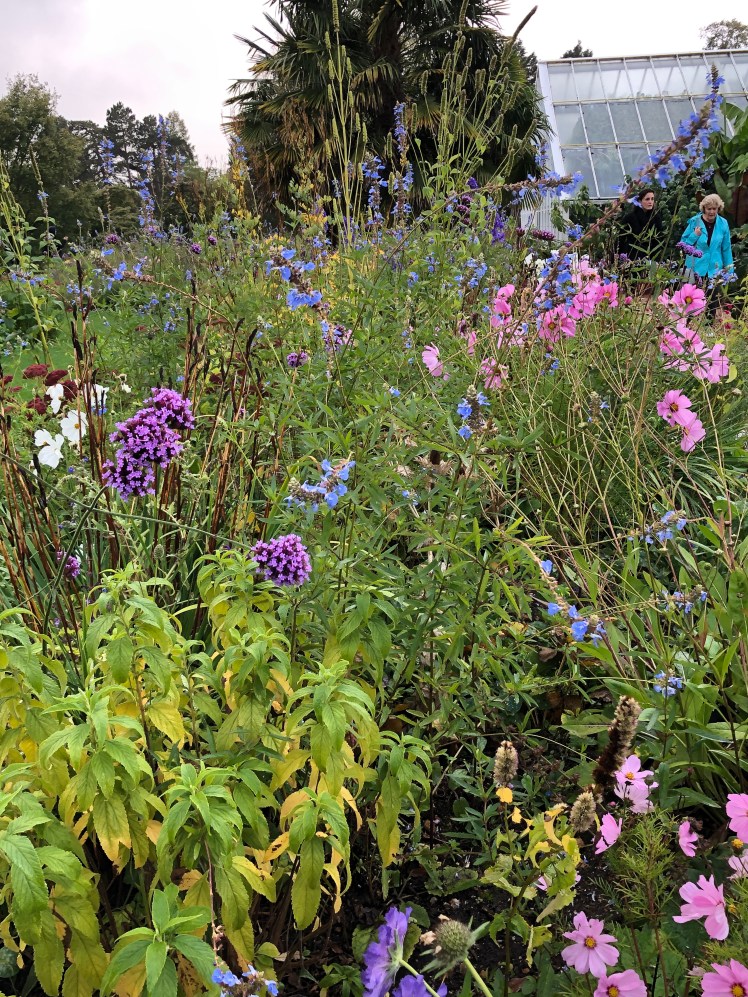
These geraniums were even more beautiful in the rain.

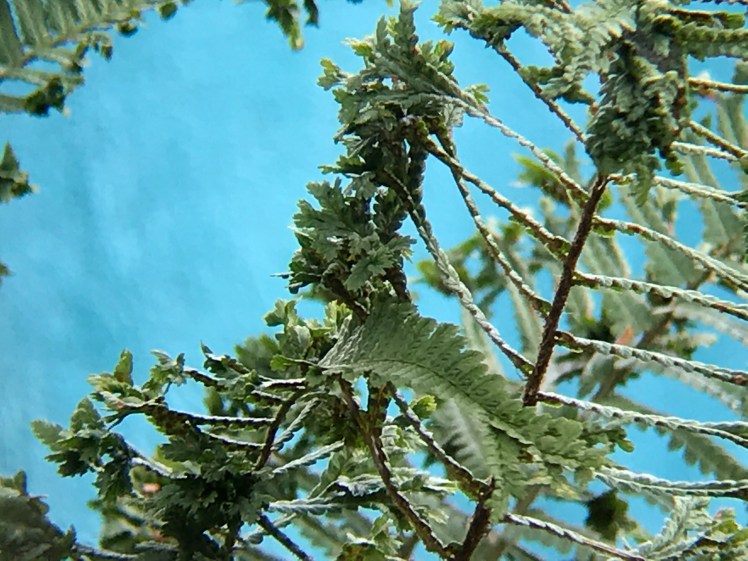
At the end of the glasshouses there is a shady area full of ferns , tree ferns and two wonderful cork oaks.

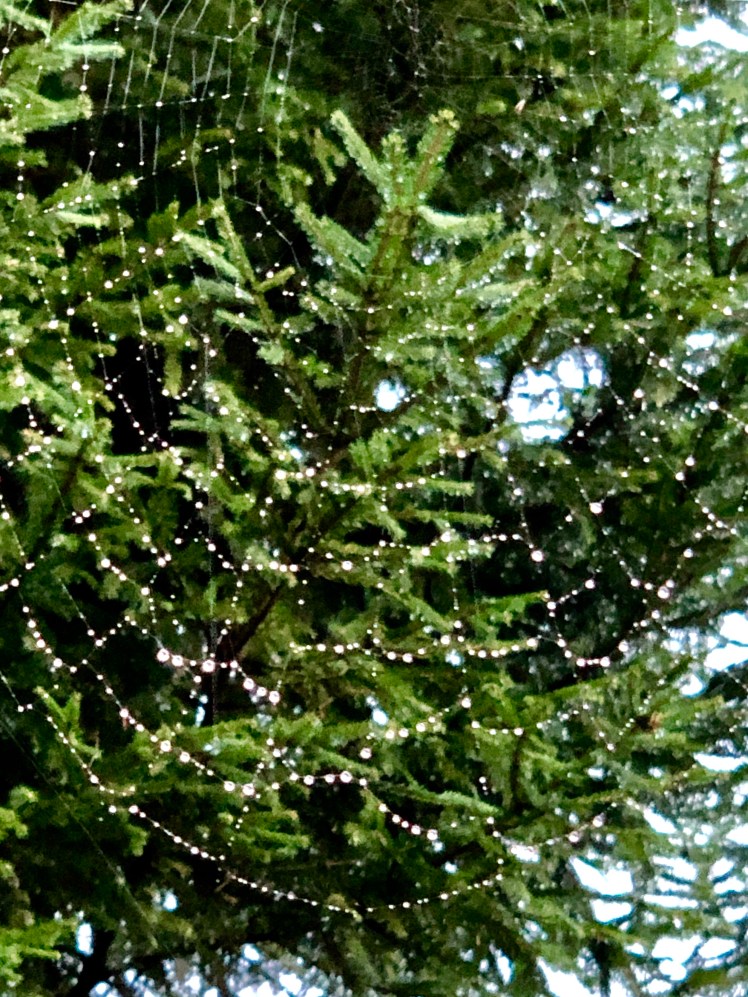
Another feature of the rain is that it identified some wonderful spiders webs all horizontal sheet webs in a large area of plants. The delicate spiders were hanging under the centre of each web.
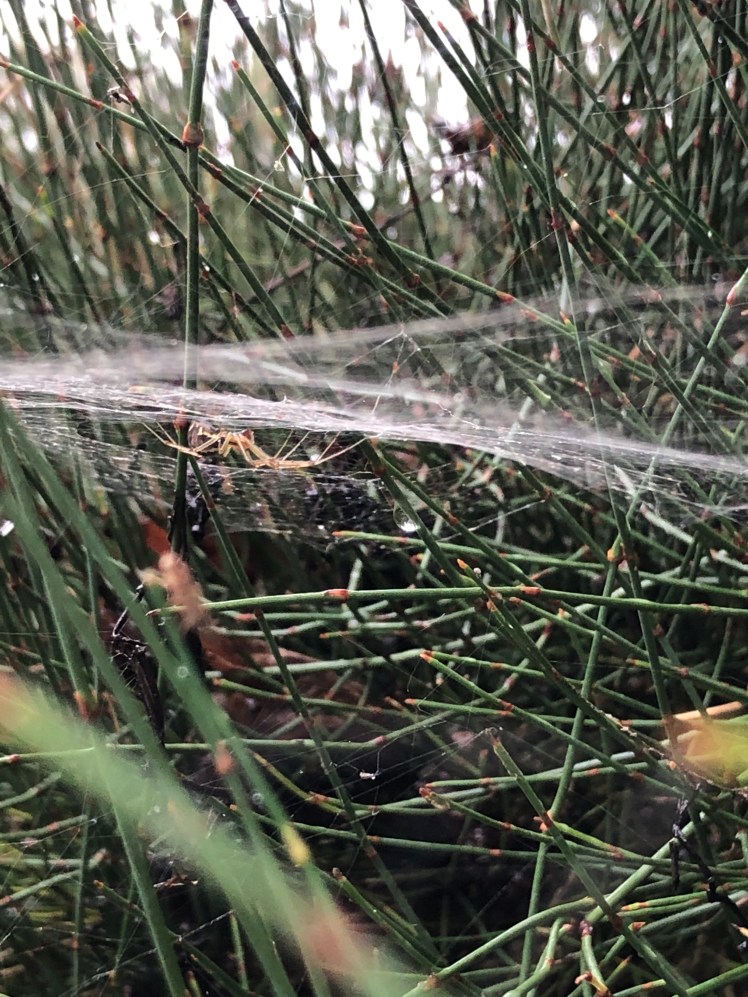
They were very difficult to photograph as the webs were across these pointy stems.

After a warm up cup of coffee we headed back to the car , passing a perfect weeping willow , like a painting.
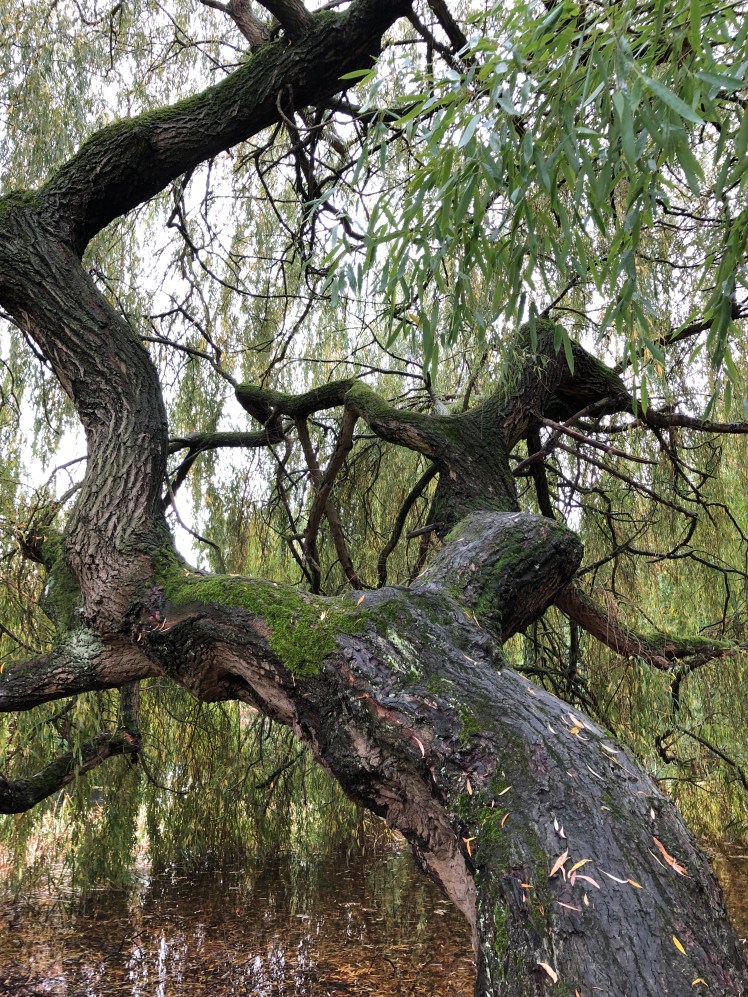
Explore more … even in the rain !
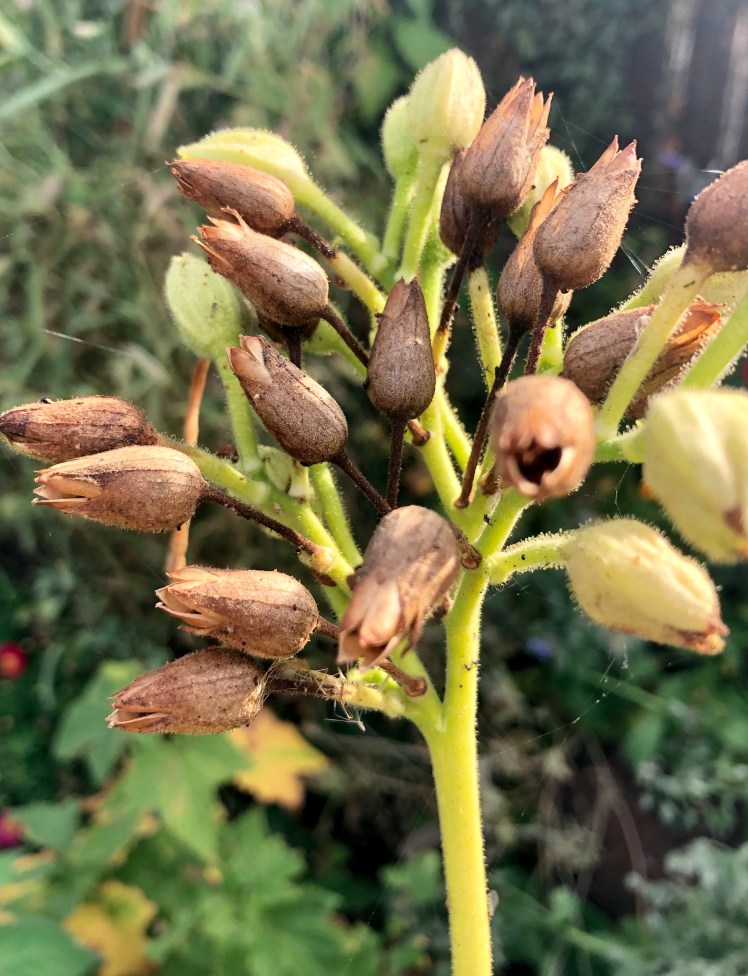
Seed harvest

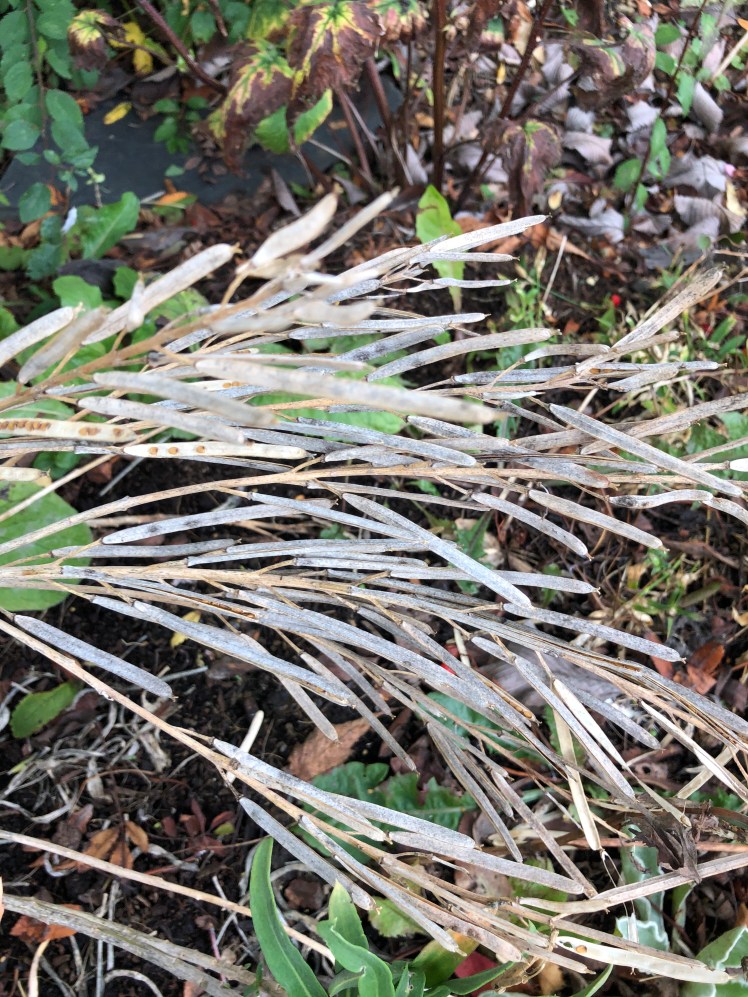
This is a great time of year to harvest seeds for next year.

A packet of seeds is expensive and often contains very few seeds. If you have grown plants this year collect the seeds and grow your own collected seeds.

A few simple steps to ensure success

  • Wait until the seed heads are ready and ripe.
  • Choose a day when it is really dry.
  • Tap the seeds into an envelope
  • Seal and label
  • Store in a dry cool Place until spring.

If you have a larger seed head you can put a paper bag over the whole flower head tie a rubber band around and then hang up in a dry place.

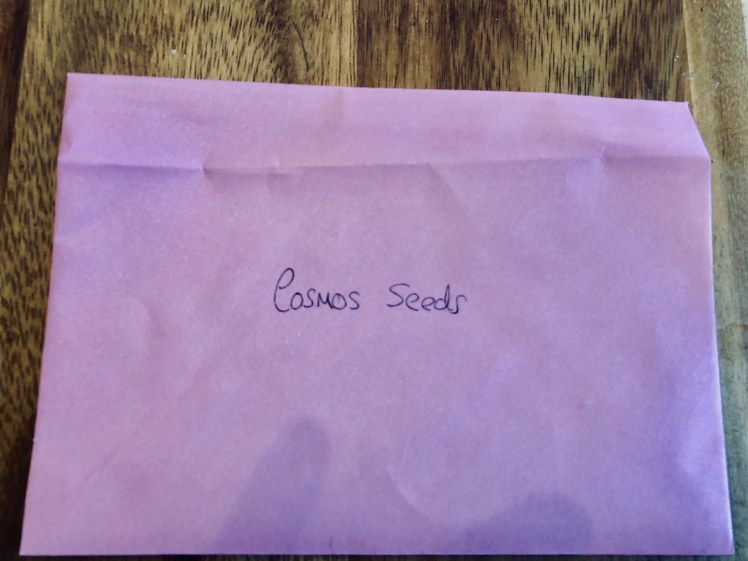
Cosmos seeds are really easy to collect and the flowers are great all summer attracting insects.

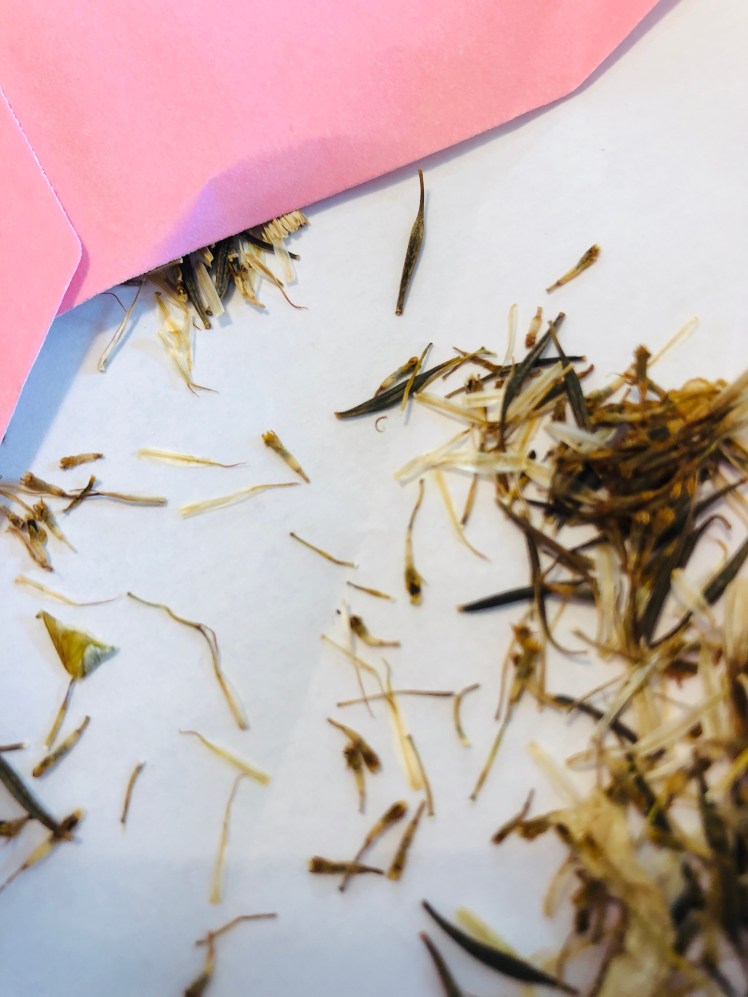
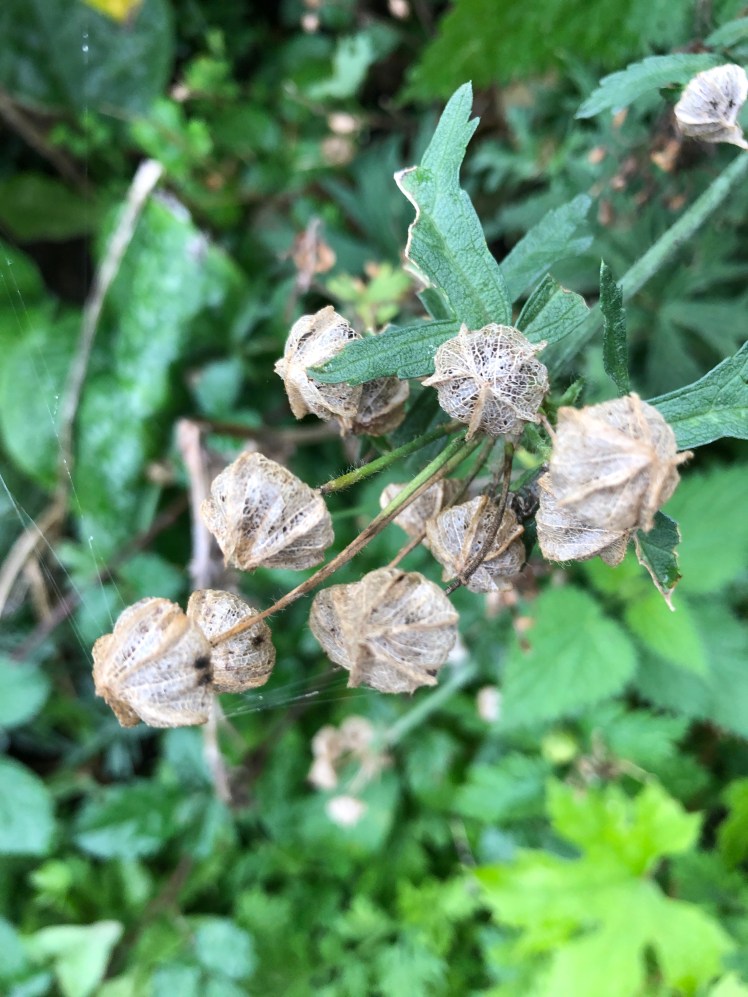
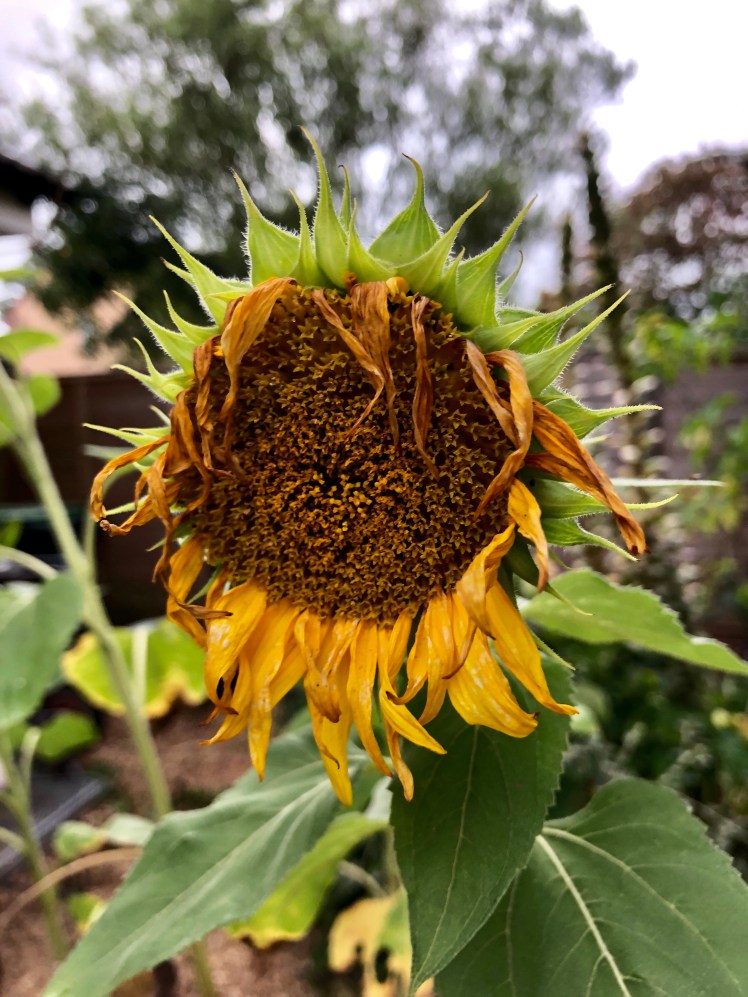
The seed heads at the top of the article are from Nicotiana sylvestris each little brown pot shaped seed pot contains hundreds of seeds .

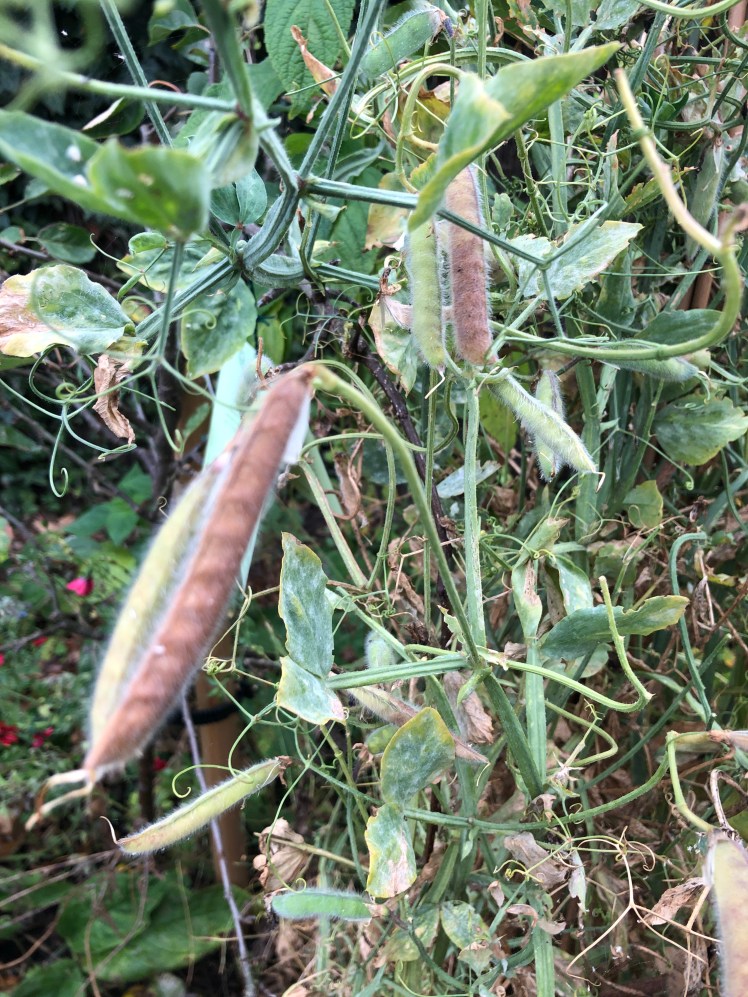
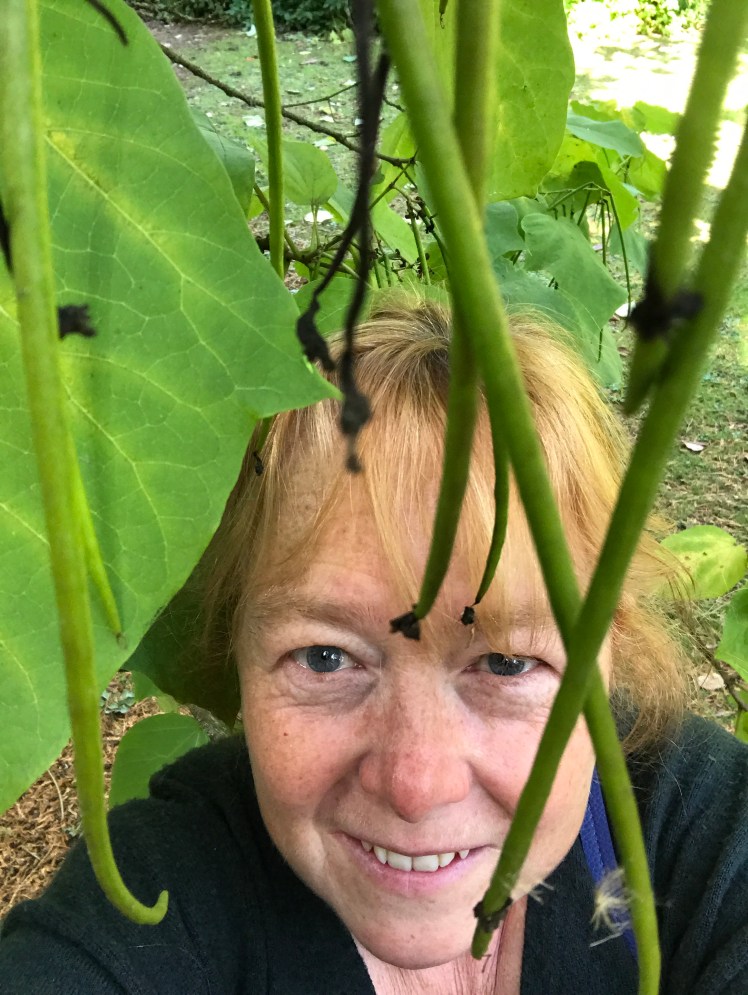
I am waiting to harvest sweet peas seeds and purple french beans.

A quick walk around the garden shows lots of seed collecting targets.

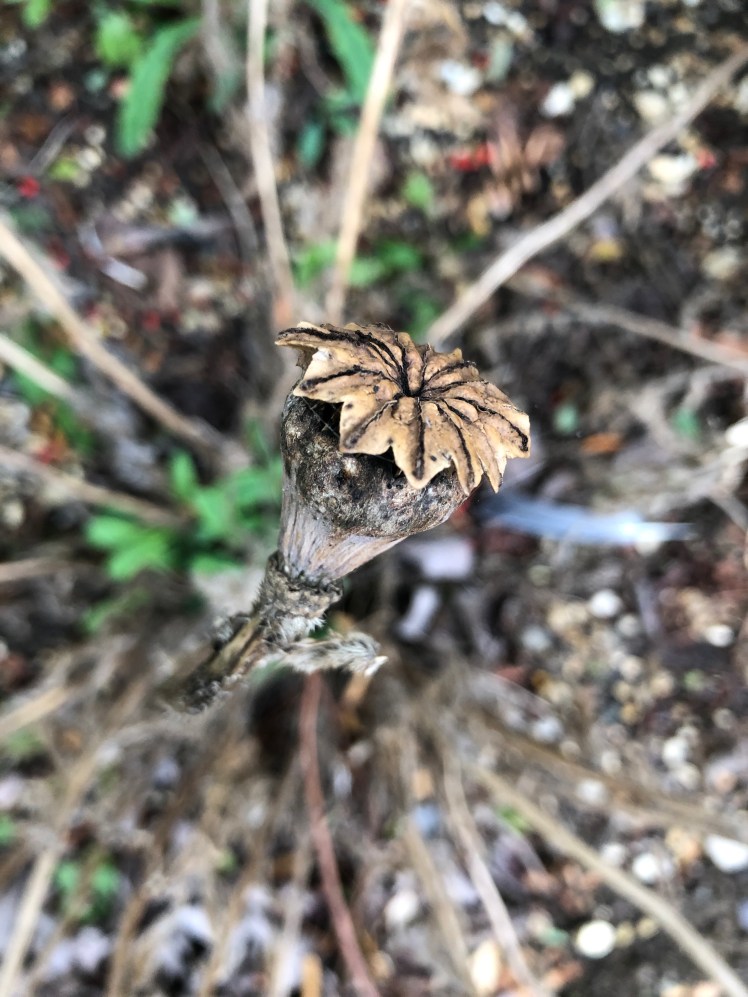
Poppy

Wallflower

Campanula

Mallow

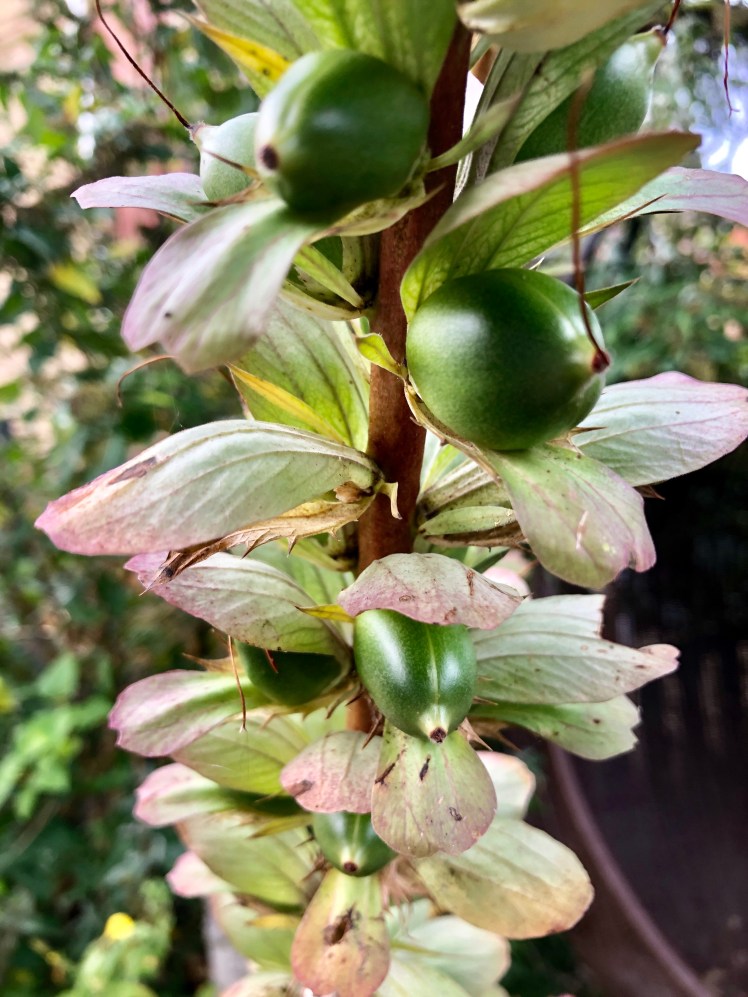
Acanthus

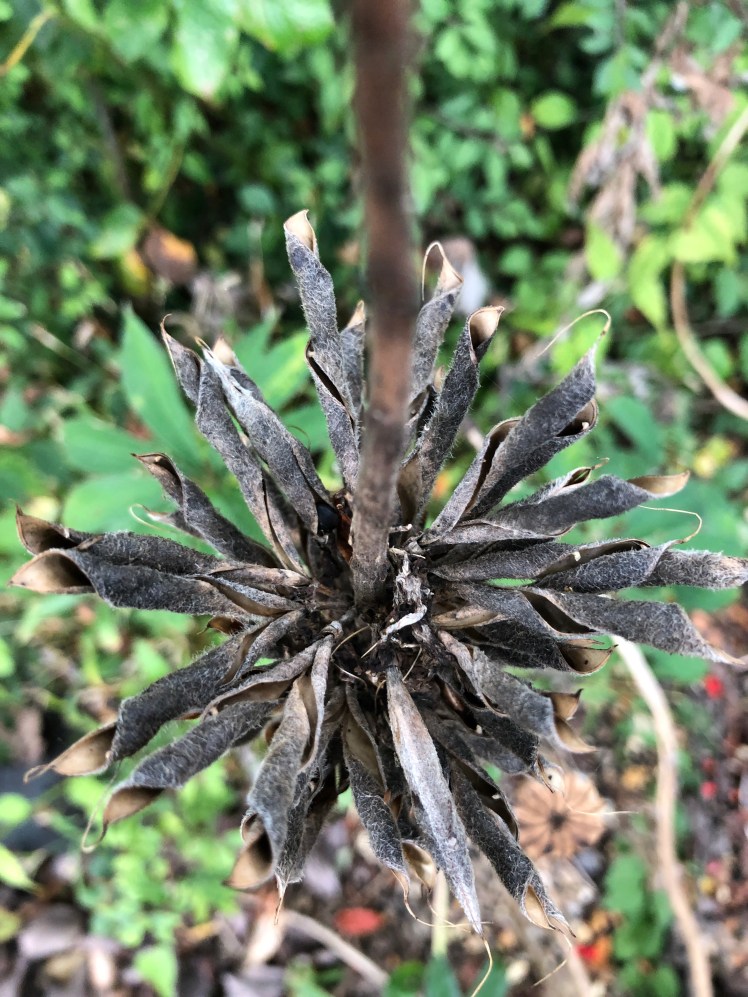
Lupin

Sunflower

I have already collected marigolds and others so hopefully there will be plenty of colour next year with no expense !
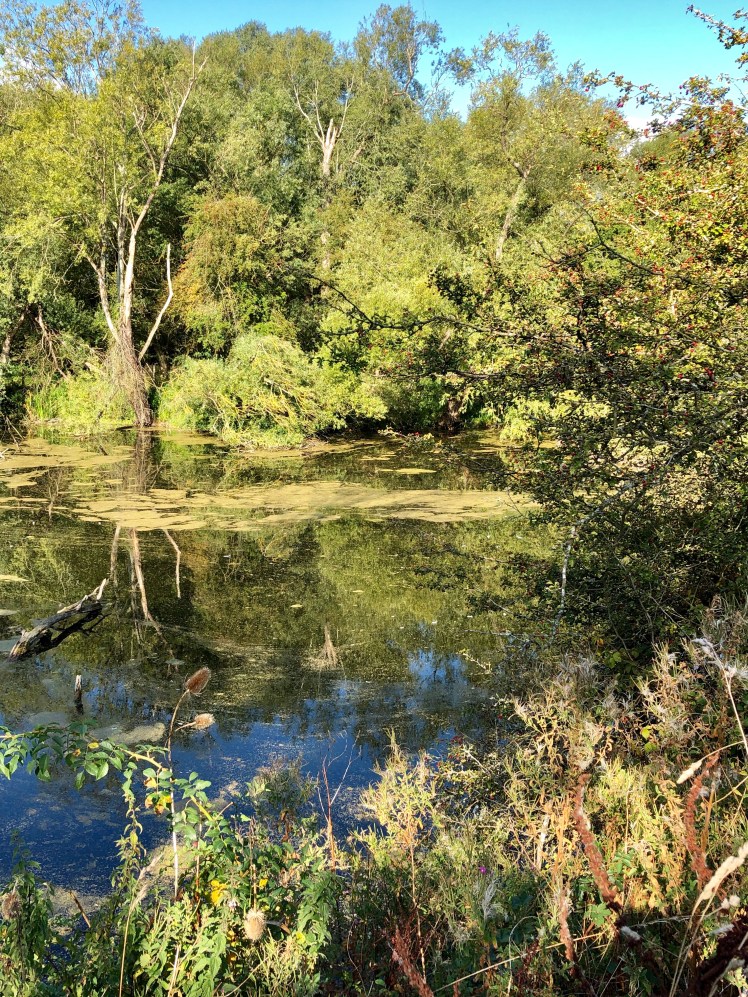
Bean tree beauty

I love Indian bean trees , I am always pleased to see one . Yesterday after a short walk from Baker Street underground station I came across a fantastic specimen.

Feeling very lucky I found two trees last week in a garden centre reduced from £60 to £5.49 . I have one and my Mum has one. We are both looking forward to when they spread their branches , flower and produce their beans !
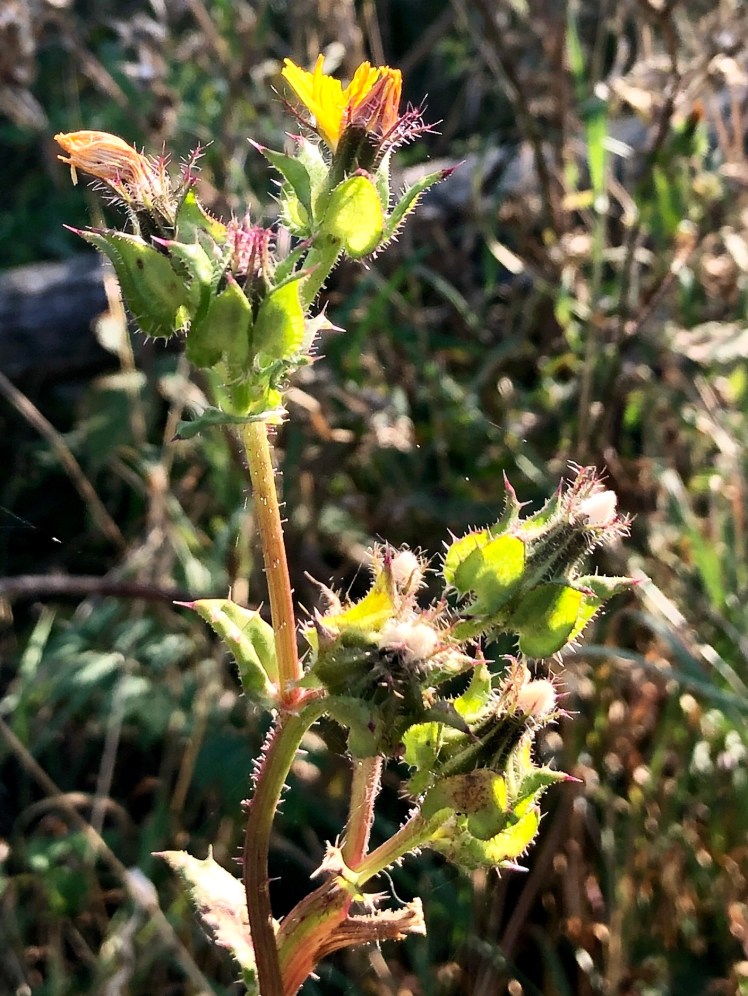
These are the heart shaped leave of the young tree in my garden glossed up by the rain.

The Indian bean tree ( Catalpa bignonoides) originates from North America. This is the southern bean tree from Alabama, Georgia,Louisiana and Florida. The Northern bean tree (Catalpa speciosa) originates from the mid west. Here are some bean tree facts:

  • Heartwood of catalpa was used in the manufacture of railroad ties in the past. Today, catalpa is used for the manufacture of fence posts, beams, furniture and millwork in North America.
  • Catalpa is also known as cigarette tree.
  • Catalpa is sometimes used as tonewood in guitars.
  • It is planted to stabilise soil as it has an extensive root system.
  • The roots are poisonous.

This tree is always a delight, great leaves, beautiful flowers and interesting seed pods. I am going to collect some seeds next time I see one and try and germinate them.

Rain and more rain

It has felt unusual to put on my waterproof, I can’t remember the last time it had a trip out!

Some of the rain over the last few days has been spectacular, noisy and refreshing. The garden has a new lease of life and has re-greened at the end of it’s growing year.

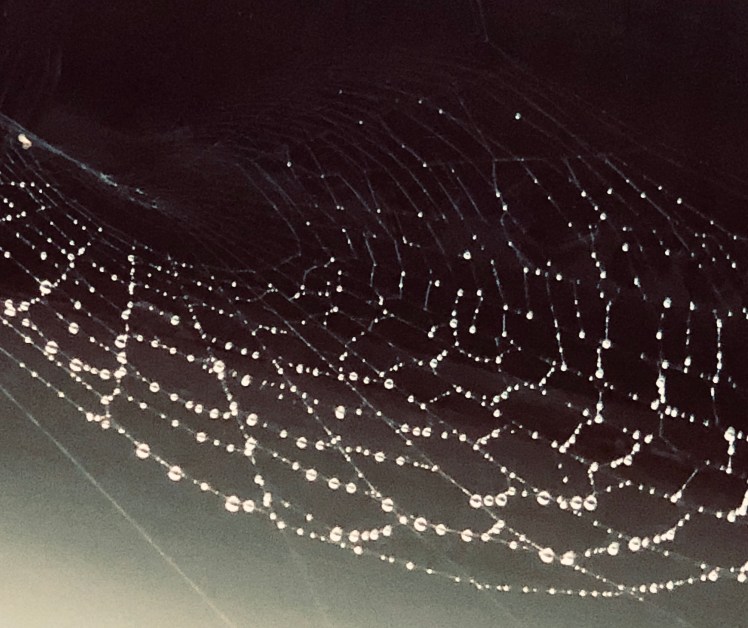
The spiders webs were hung with jewels and weighed down by these water gems.

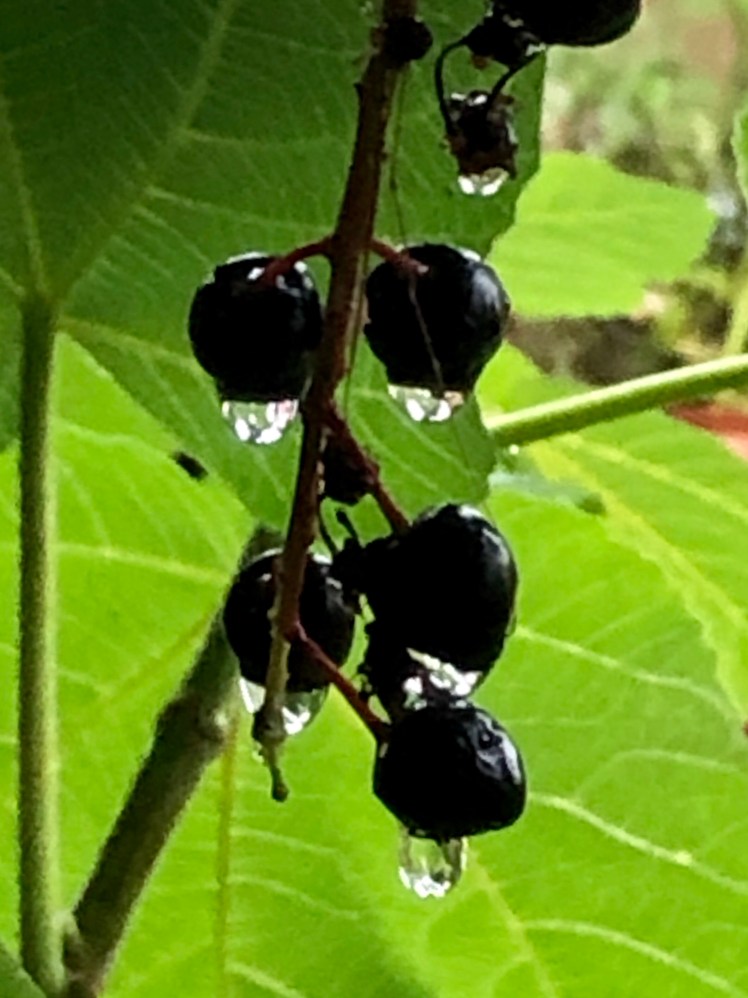
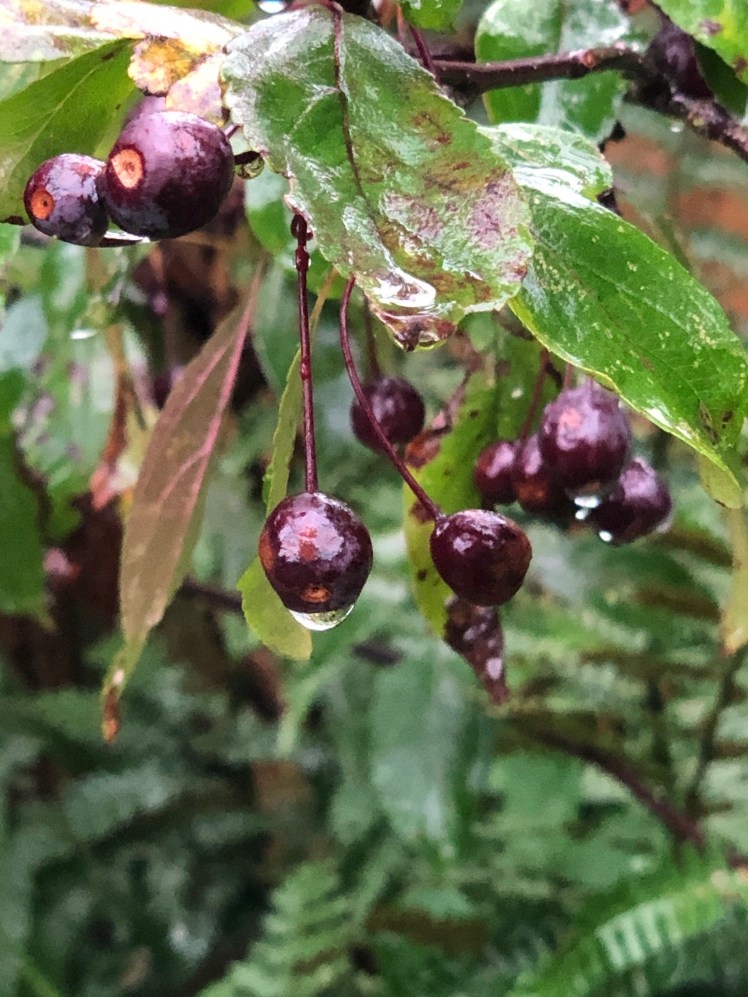
In the garden berries became elongated and varnished with the downpours , making them shine and catch the eye.

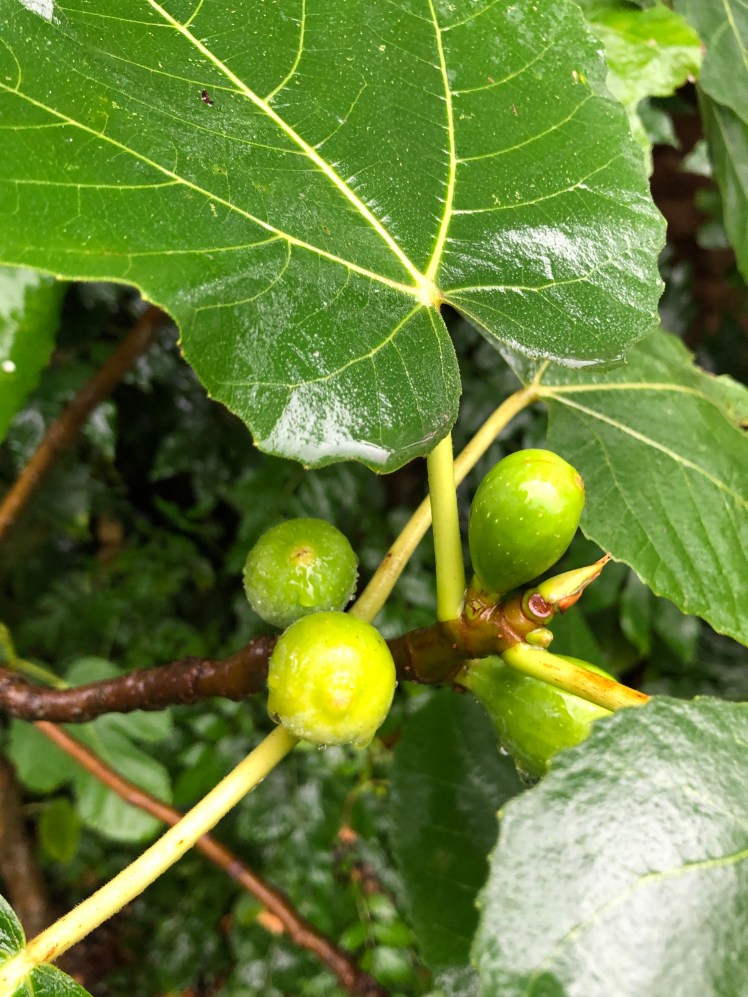
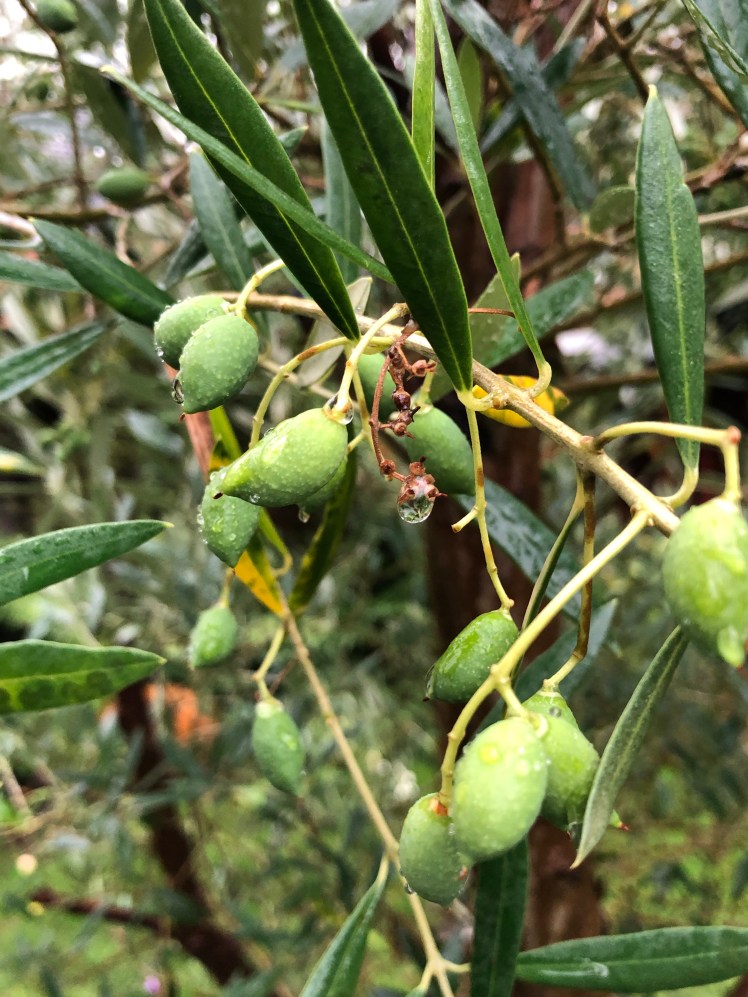
The fig tree seemed to soak up the moisture and it perked up the olives.

The olive tree is covered in a huge crop this year but alas we don’t get enough sun for them to ripen.

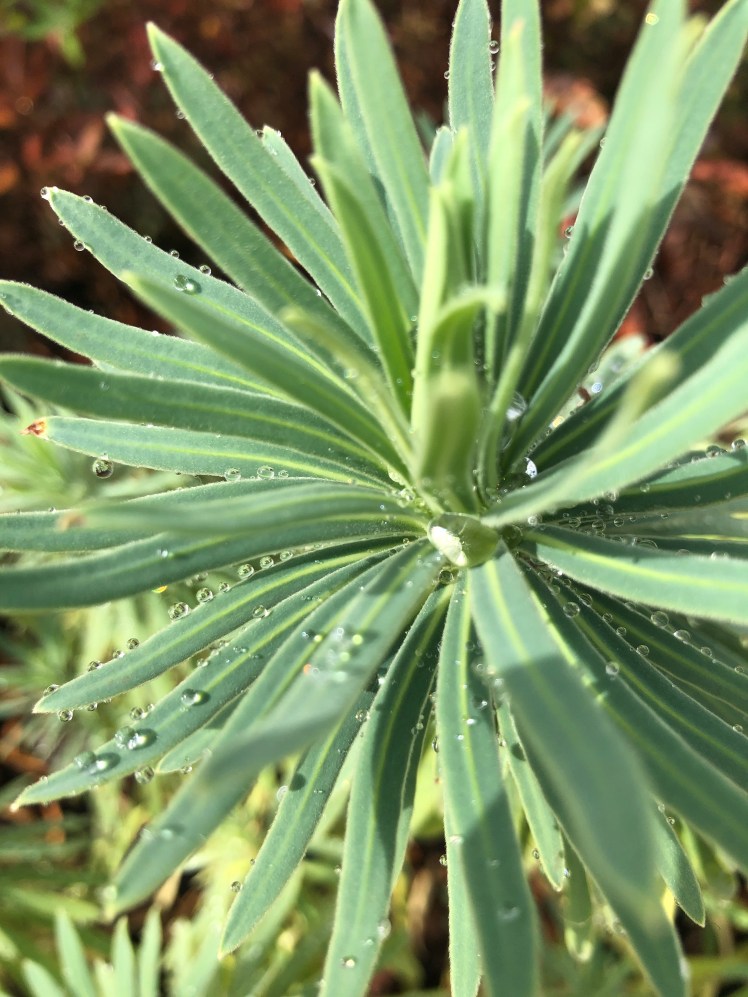
Water sits on the surface of leaves and plants in different ways, the waxy or sometimes hairy stem and leaf surfaces hold the water in droplets.

This spider web was attached to the gutter by the front door, amazingly it was stabilised by two long silk threads rather like guy ropes which were about three metres long. They are amazing engineers, the rain certainly doesn’t stop play for them.

Robin encounter

I had an up close and personal encounter yesterday with a robin.

As I was sat having a cup of coffee the robin came to investigate what I was doing( hoping I expect for some crumbs)

I only had coffee but the bird remained for five minutes gradually closing in. I think if I had offered crumbs it would have happily hopped on my hand.

The average lifespan of the robin is only 13 months , if they survive past this they can live a lot longer.

Robins hold a special place , they seem so tame especially when digging in the garden or as yesterday when there may be some crumbs in offer. Their song is often the first heard in the morning and late in the afternoon. It is easy to imagine that these friendly birds as characters , I loved the blackberry farm series as a child and postman Joe was a robin who I loved!

Magazine stories

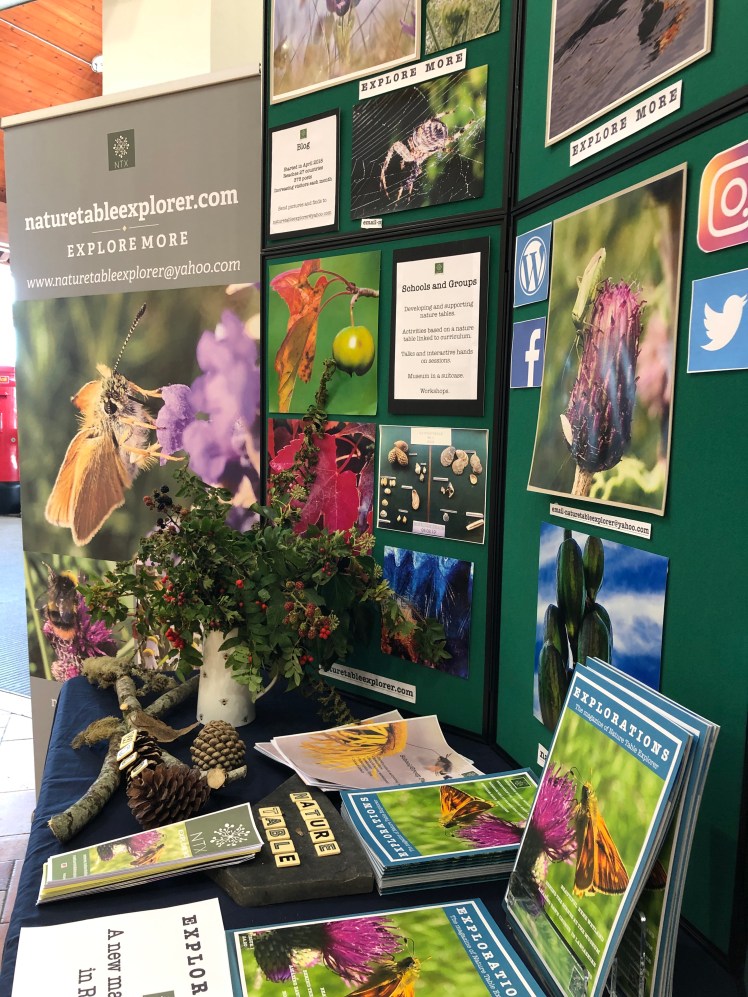
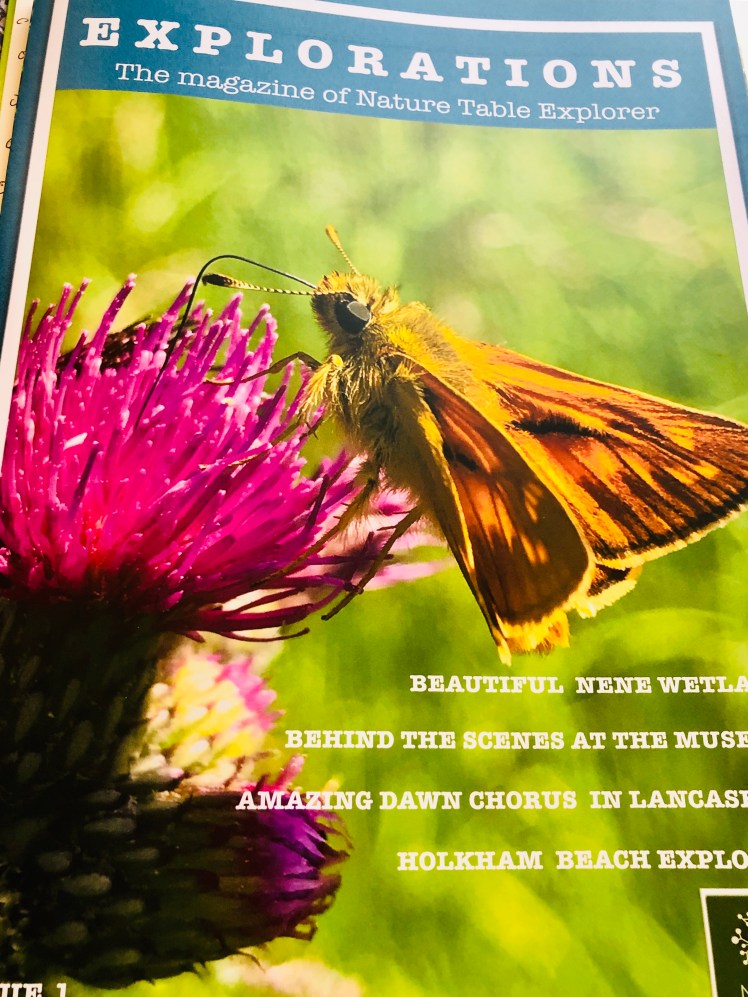
I have had a great two weeks promoting Issue 1 of Explorations the magazine of Nature Table Explorer.Firstly through a talk to the inner wheel which was really enjoyable . The second event was a stand at a local Waitrose which helped to make lots of connections and give me new ideas. I was helped on this stand by two enthusiastic friends who were great.

If you would like to purchase a copy of Explorations it is available via PayPal at naturetableexplorer@yahoo.com for £5.20 which includes postage in the UK,email for charges further afield .

I am gathering articles for issue 2 at the moment and I am always looking for articles, photos or ideas. Please send any of these to naturetableexplorer@yahoo.com.

In Issue 2 there will be a new feature of a readers page for letters, questions and finds. Please become part of the project, spread the word about our wonderful world and remember ….EXPLORE MORE !

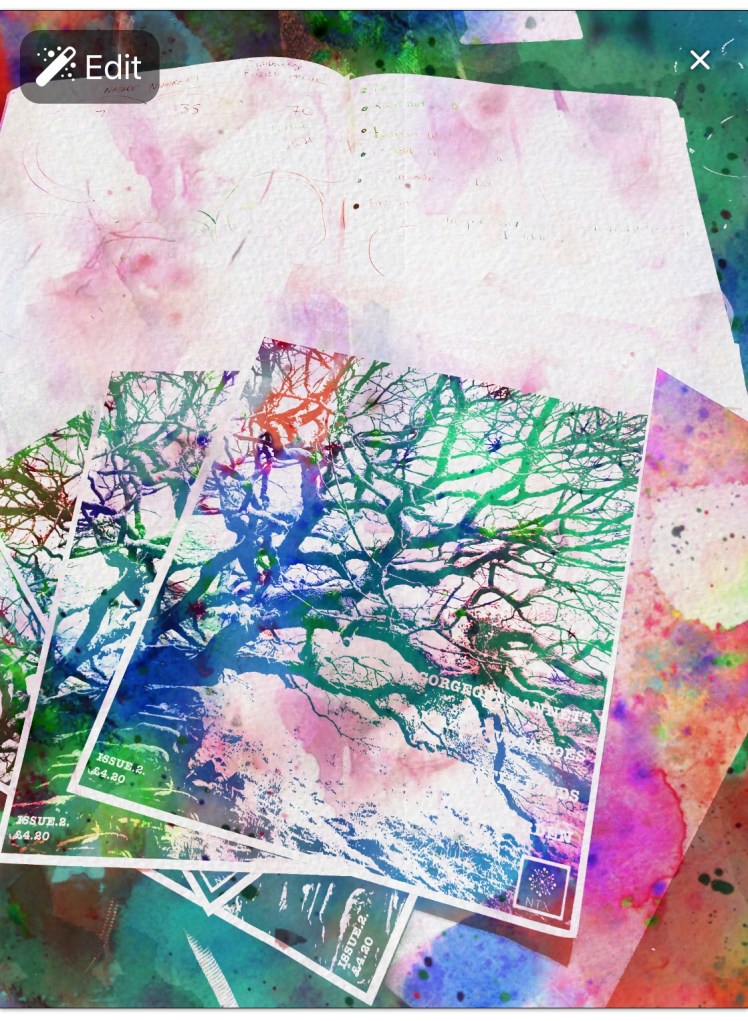
A sneak peek of Issue two in its early stages

Caving wasps

We had a walk followed by an ice cream today at a super garden nursery that specialises in olive trees called the Olive Grove near Barnwell Northants. It is a great place to visit.

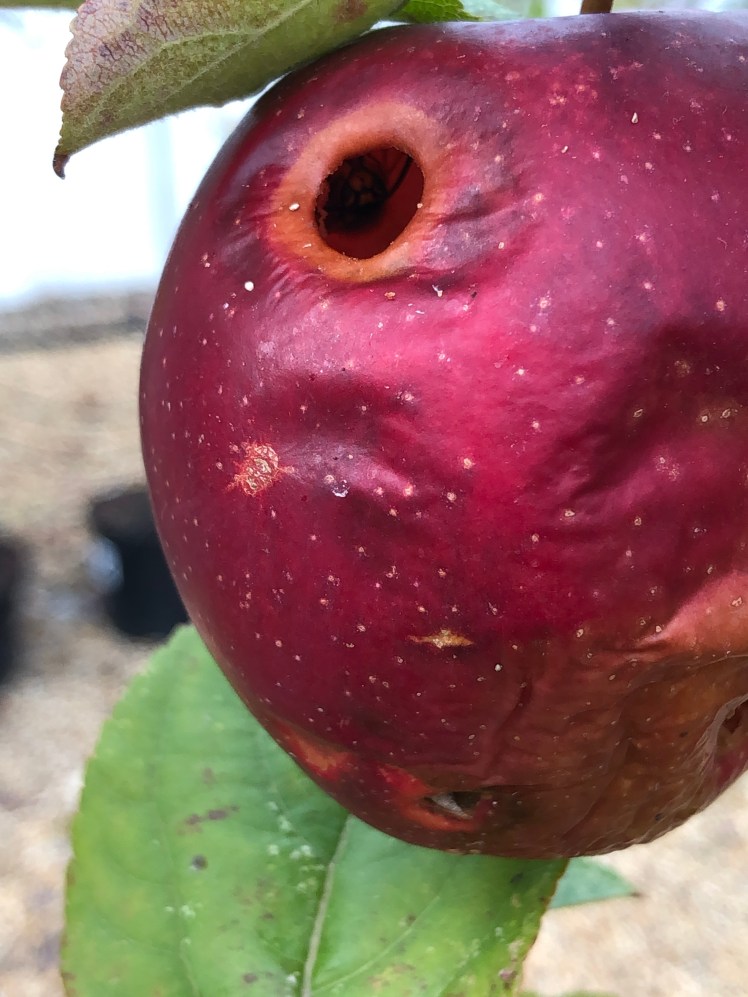
They have some lovely apple trees which were loaded with fantastic crops.

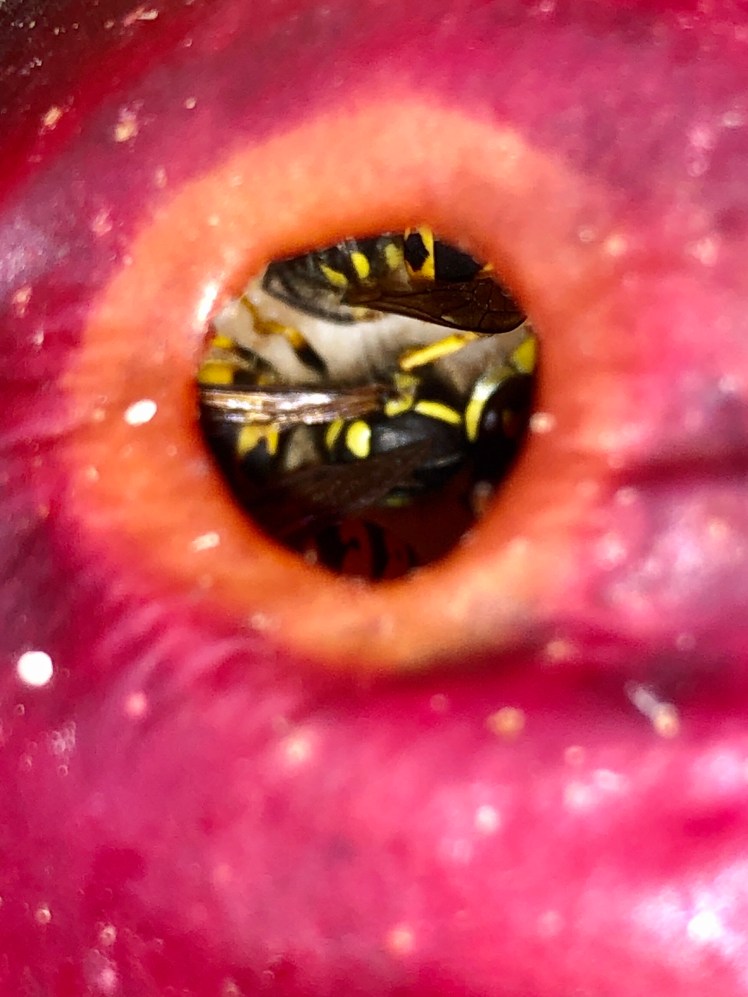
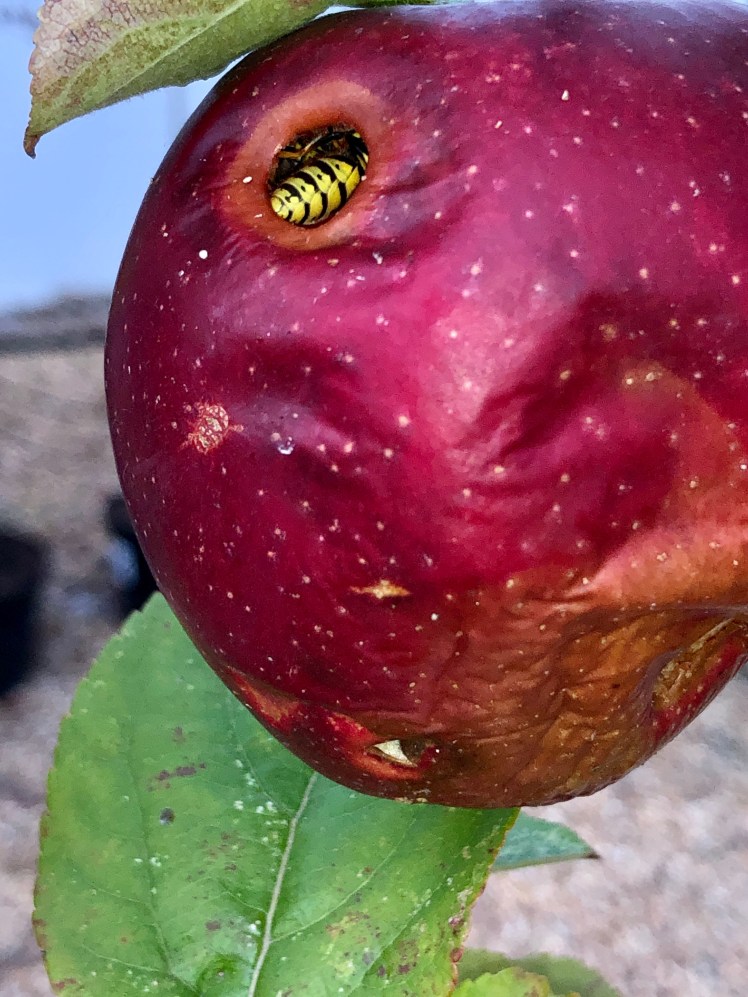
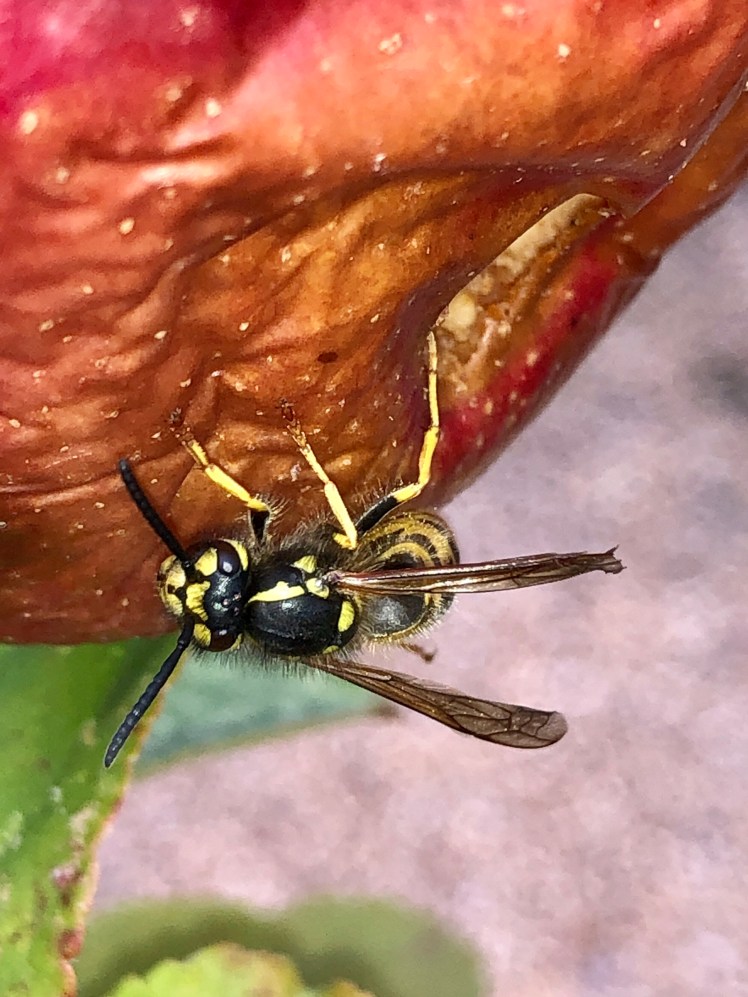
The wasps had taken advantage and had formed an ‘apple cave ‘ with in and out doorways. They were feasting on the sweet pulp. We could actually here them eating.

There were several wasps inside coming and going through the front and back doors they had created.

It was a fascinating activity to spend time watching.

September change

There is a different feel in the air this morning as September arrives. A walk early had a chill . The plants and trees are finished with their growth and seeds are set .

The pinks of willow herb and faded thistles alongside white trumpets of bindweed are the main flowers left.

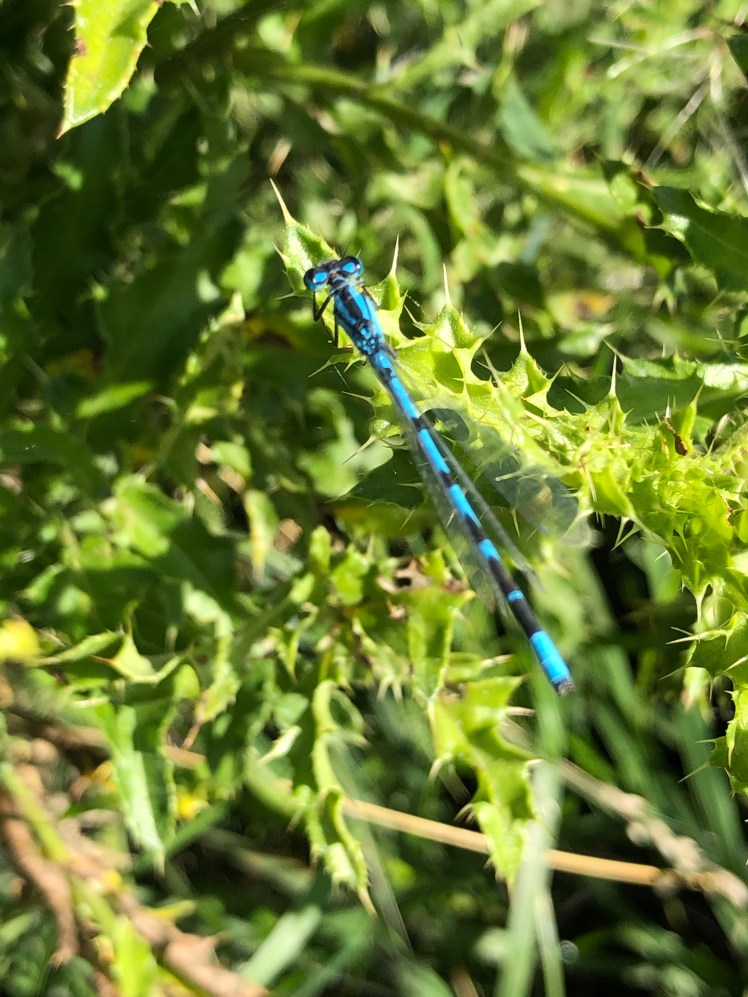
Damselflies were still flitting about in the undergrowth around the lake edges.

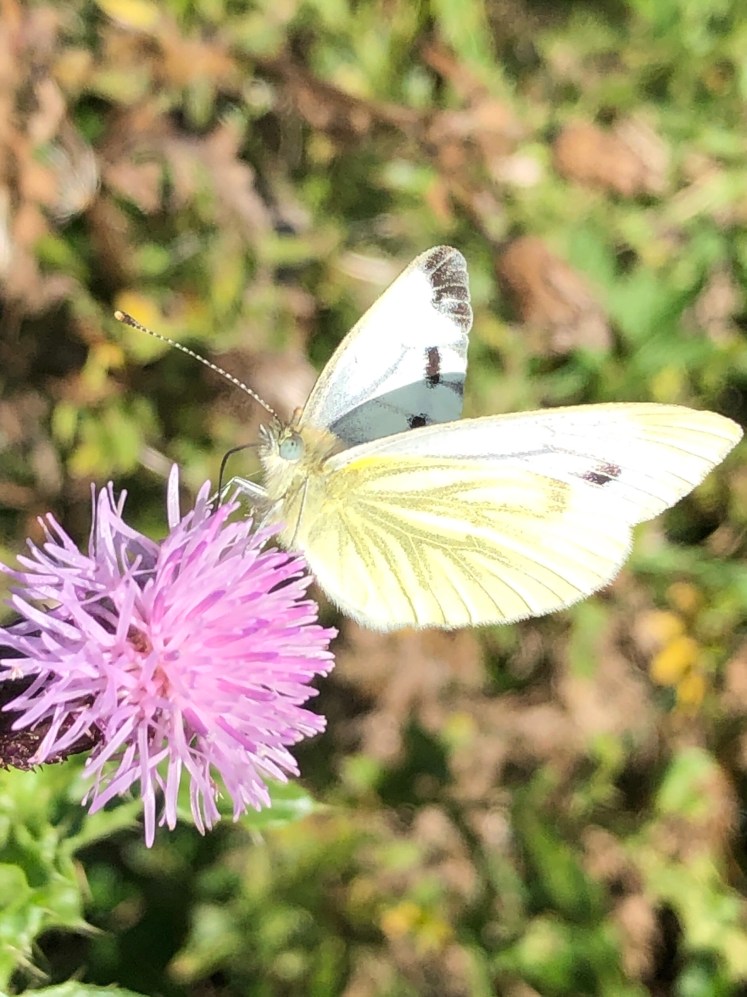
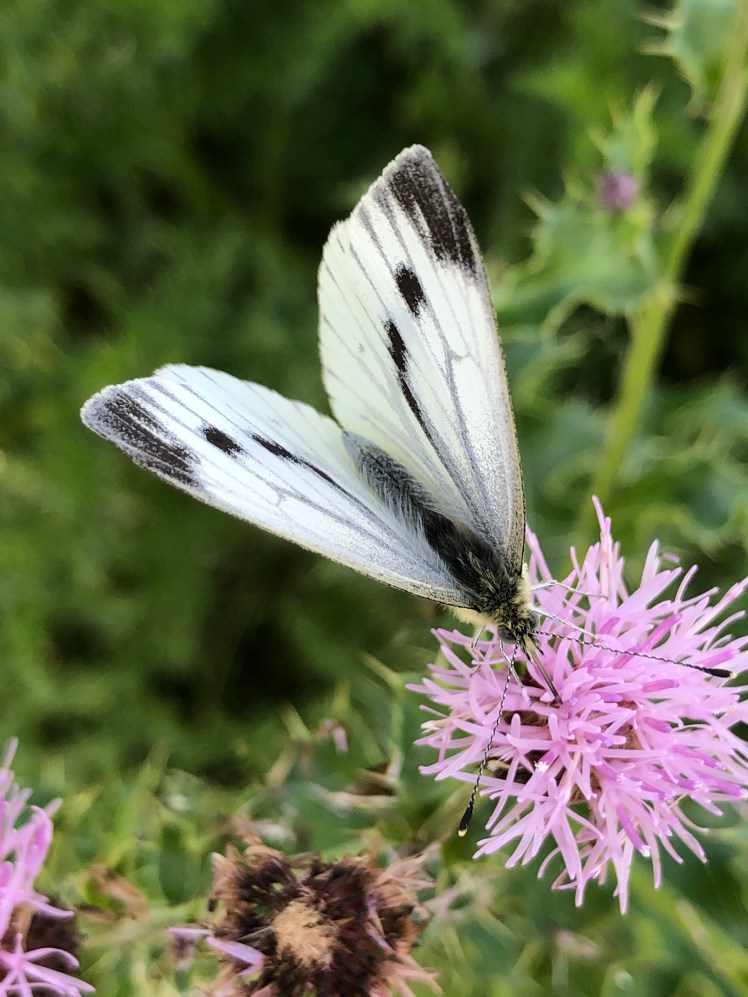
Butterflies are flying , red admirals are still in high numbers and large whites .

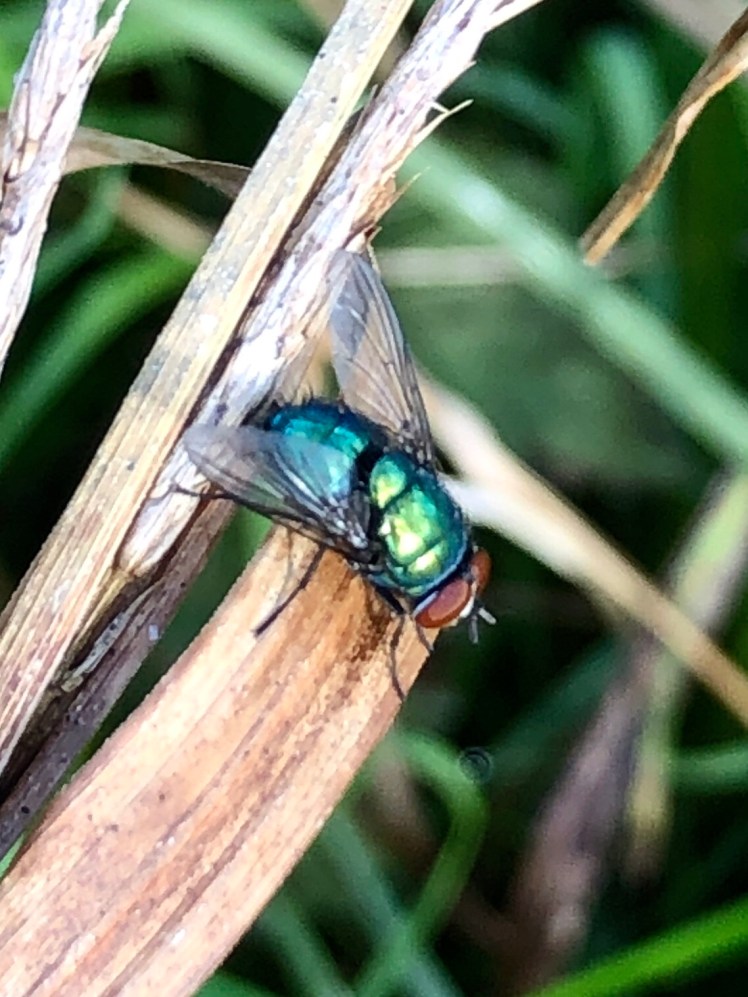
The flies were emerald like in the sun.

There is a constant noise of grasshoppers and crickets but they were too well hidden.

Looking forward to Autumn as the season moves on .

Great Egret and Heron

We are learning how to film using a smart phone through a spotter scope. It is amazing watching birds from across a lake , they just go about their business . It’s wonderful.

The first film is a great Egret at Summer Leys near Wellingborough in a breeze.

I had watched this beautiful bird walk through the shallows and do a spot of fishing before it sat in this flowery bank to preen.

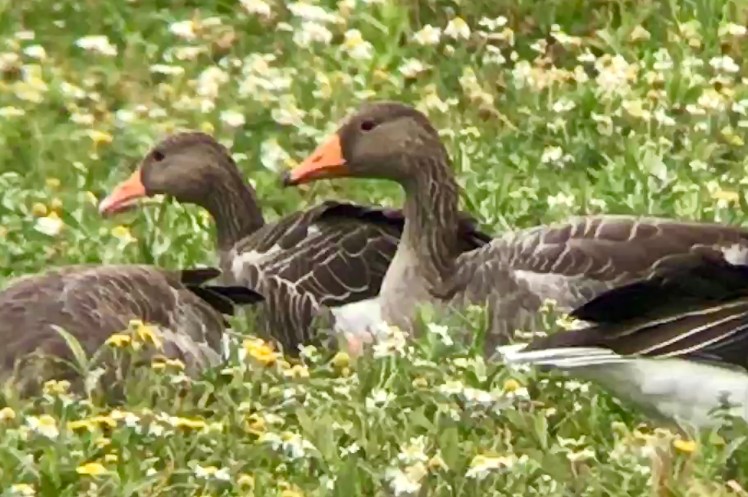
It wasn’t alone in this flowery area, there were plenty of geese .

There were also lots of lapwings ,these are a favourite of mine. Summer Leys reserve is interesting with a number of habitats to explore.

Today at Rushden Lakes not far from Summer Leys we filmed a heron . From the lake shore it was only just visible , through the spotter scope we could watch it’s leg stretching antics with ease.

With practice the spotter scope will open up new finds.

Norfolk finds

We did not find many fossils on this trip but there were plenty of things to see. The flints alone are varied interesting and at times bizarre.

We were hoping to find mammoth teeth and deer antlers as well as sea urchins . A trip after winter storms is needed to have some wow finds I think.

Here are the tables – West Runton

And East Runton

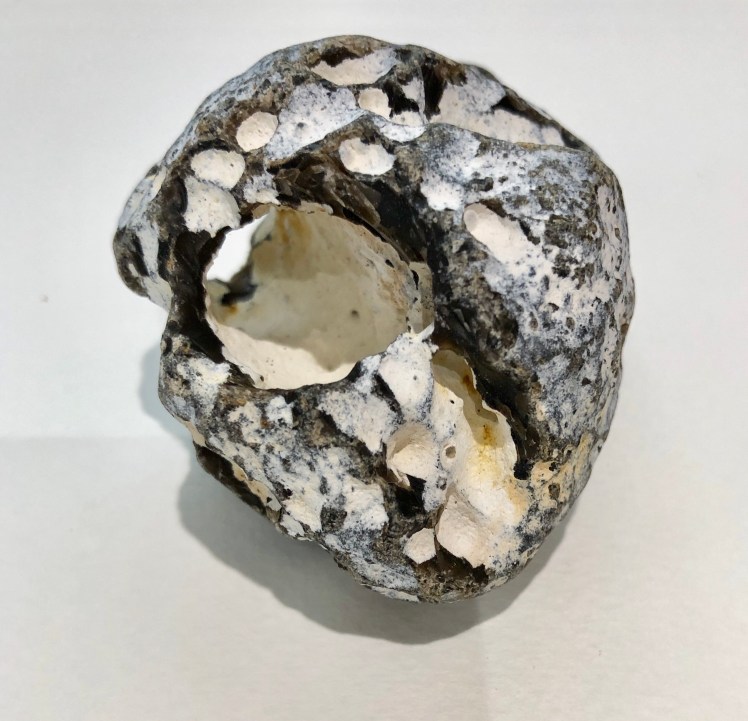
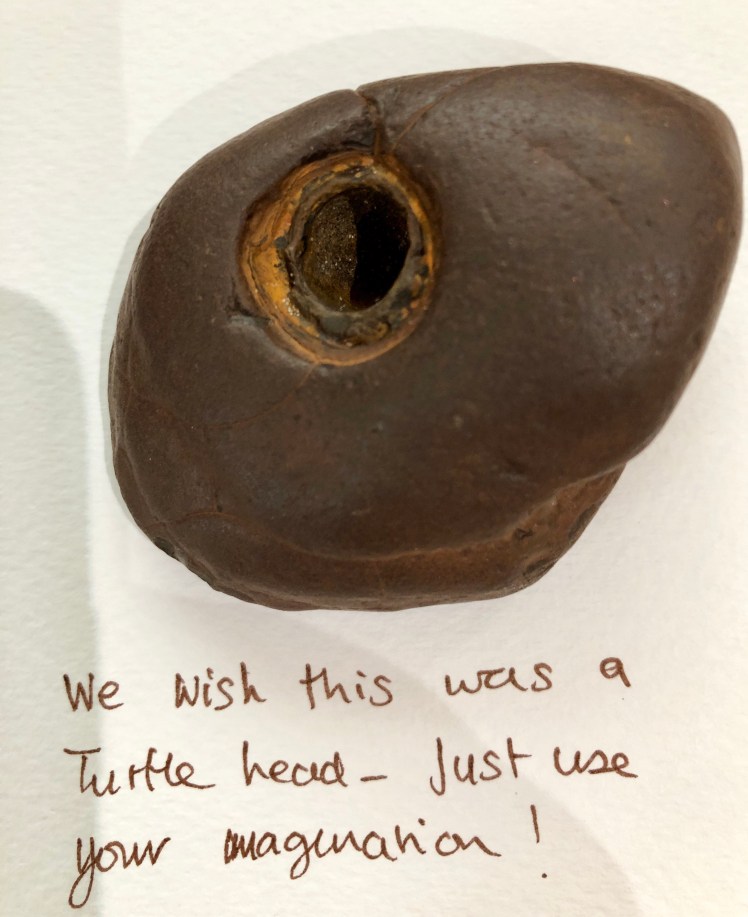
We had some fun imagining that this interesting stone was actually a fossilised turtle head , always good to keep the imagination going !

The colours on these beaches were amazing either in the flints or the decaying bolts and sea defences.