Strumpshaw Fen Exploring

Close to Norwich , Strumpshaw Fen is an area definitely worth exploring. It is an RSPB reserve and has lots to see.

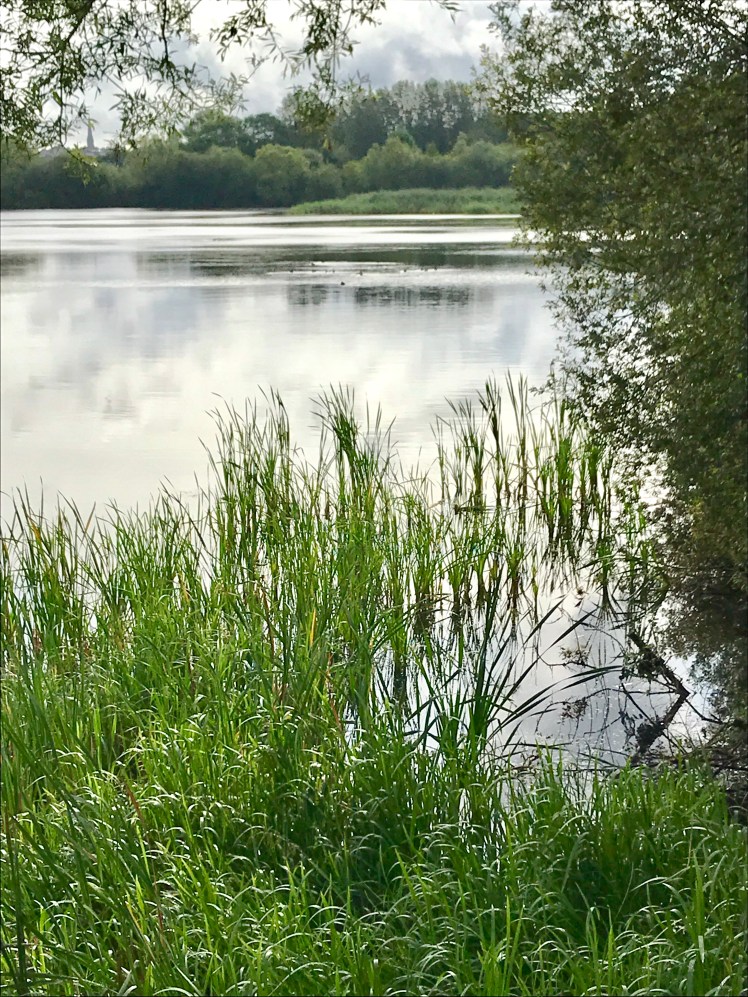
There are marked trails,woodland,meadow and fen with a wide variety of habitats. There is obviously plenty of open water again varied, large pools and lakes surrounded by reeds, small ditches and ponds and the river Yare runs along one side.

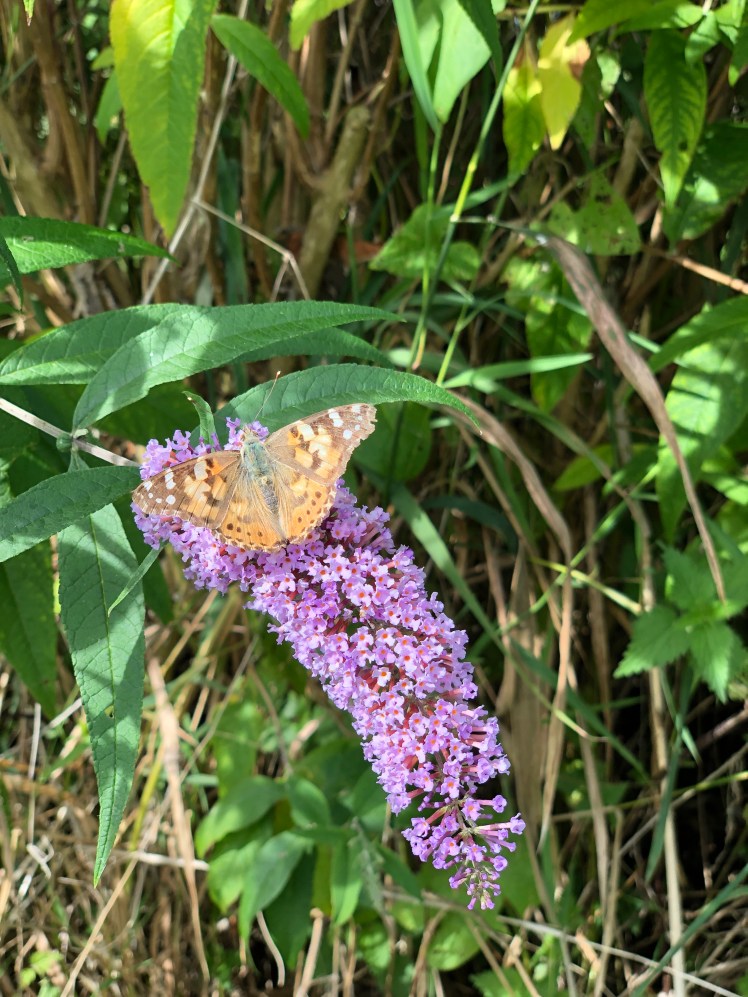
We went today in hope of glimpsing a swallowtail butterfly knowing it was late in the year. We were rewarded with one sighting but it was too quick to photograph. We only had the phone with us.There were plenty if other butterflies especially red admirals and painted ladies. It was sunny and they were enjoying the nectar in the buddleias.
We had a number of lovely encounters on this fenland walk . We saw a tiny lizard, the man at reception told us that on the sandy walk which was marked on the useful map we were given , on a sunny day up to sixteen lizards had been seen sunning themselves together. He recommended June for the swallowtails and mentioned that they had been all over the wild flower garden at the reserve entrance. We also enjoyed watching a perfect swan rest in a tiny watery inlet.

There are fantastic birds to be seen at this reserve and we will definitely be back with the proper kit to photograph them. We climbed up into the tower hide and watched a great egret and numerous herons on a large area of open water.

Dragonflies and damselflies were everywhere, there were some very large dragonflies , earlier in the year I’m sure there would have been huge numbers . Another reason to visit again !

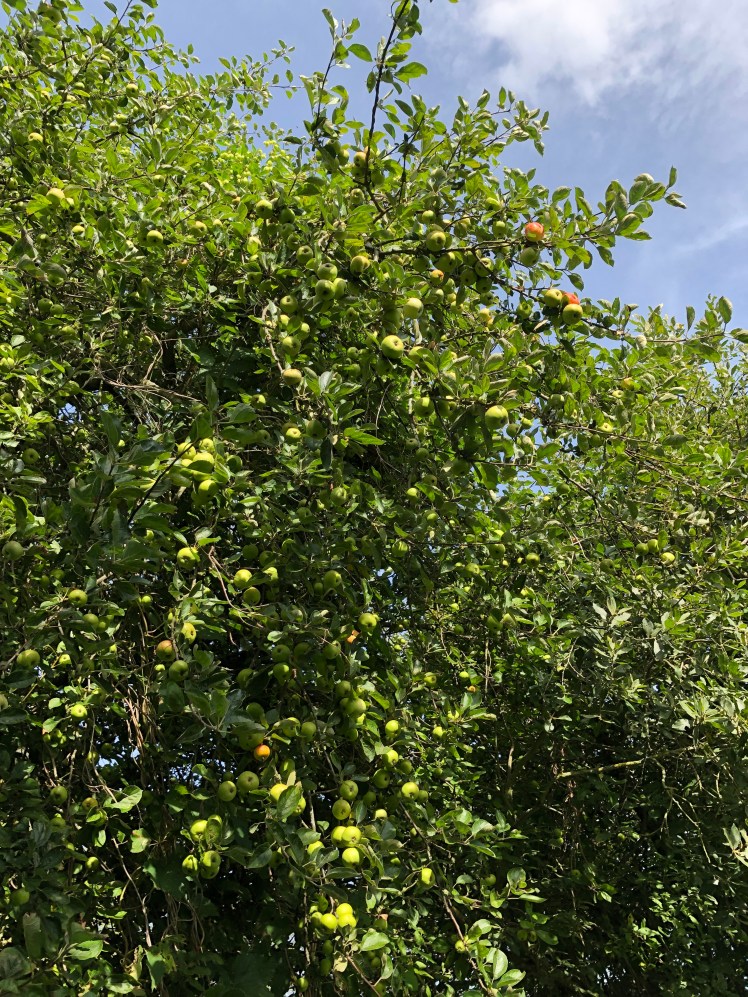
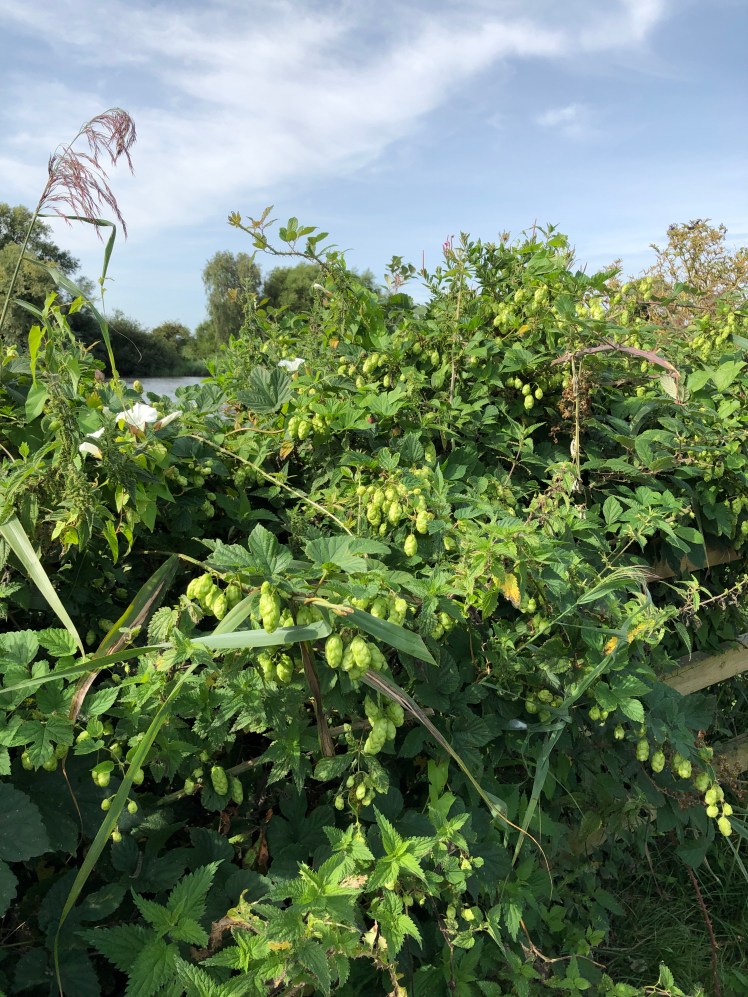
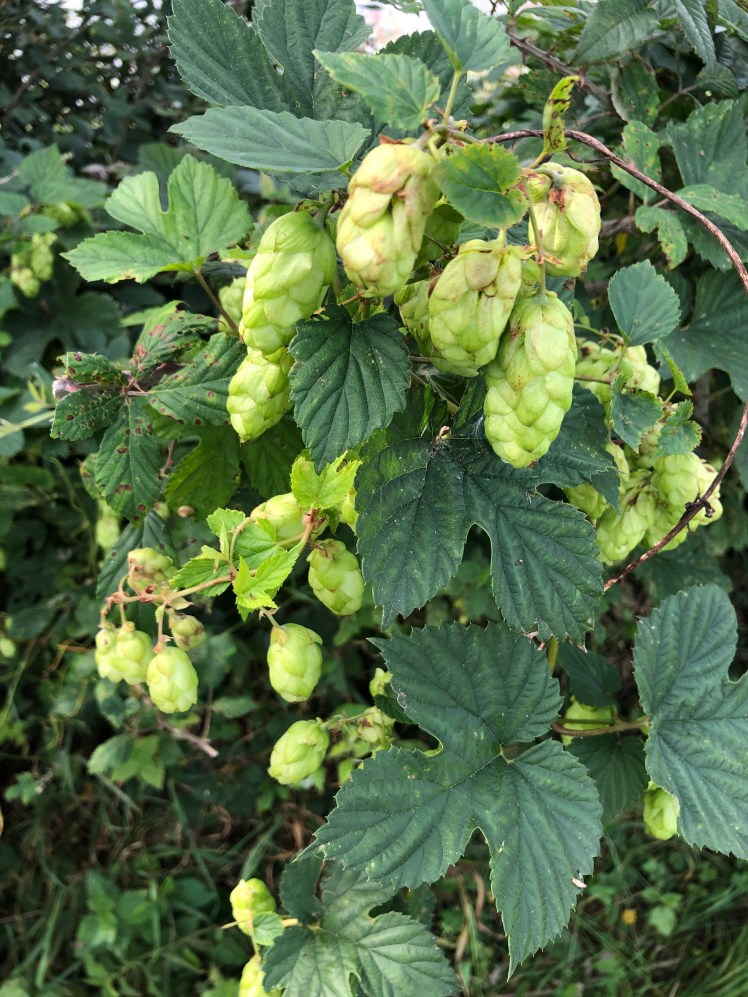
Walking with the River Yare on our right it was amazing to see trees laden with apples, crab apples, hazel nuts, elderberries , rowan berries as well as blackberries and wonderful hops everywhere climbing through bushes and up trees . It was a wild larder.
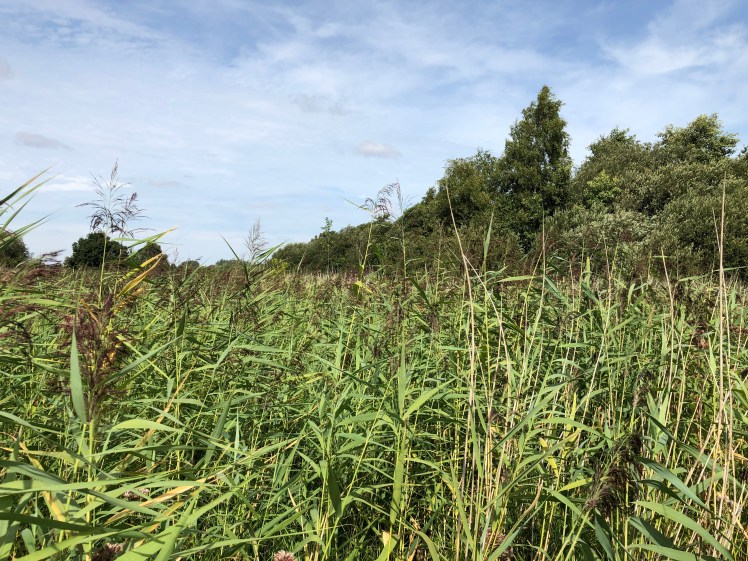
A walk on the boardwalk gave us a great experience of the fen and the reeds.

This was a fascinating area to explore and one to come back to at different times of the year and equipped with a great camera .
Fossil Hunting in Norfolk

A day of fossil hunting, on the look out for mammoth teeth and deer antlers as well as Sea urchins and other treasures. Alas we did not find these but had a fantastic time exploring West Runton and East Runton.

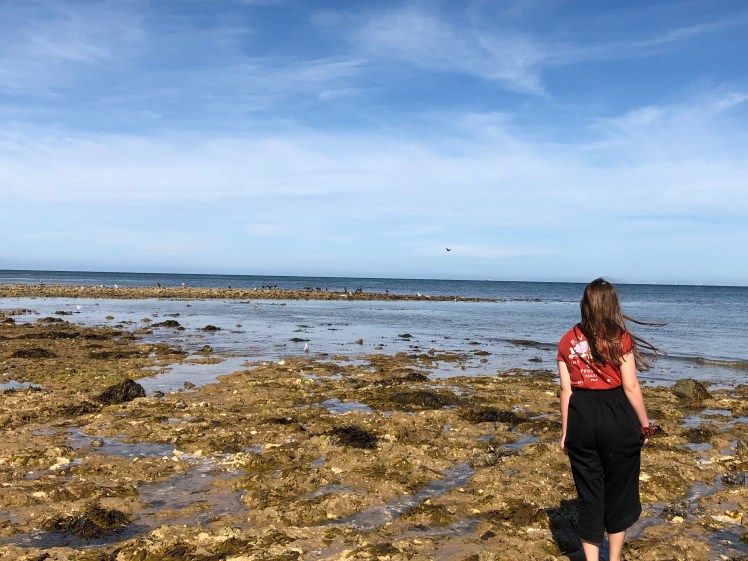
We did find some fossils, belemnites , shells and sponges along with some fantastic ‘lucky stones’! The flints on the beaches are wonderful and in the rock pools home to winkles and limpets.

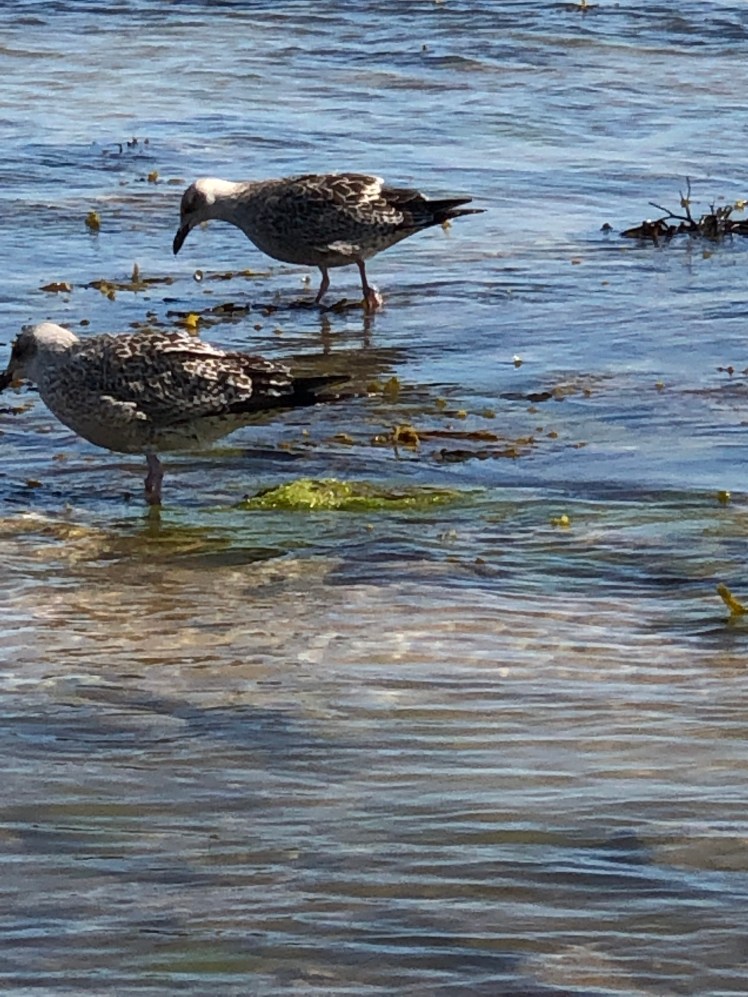
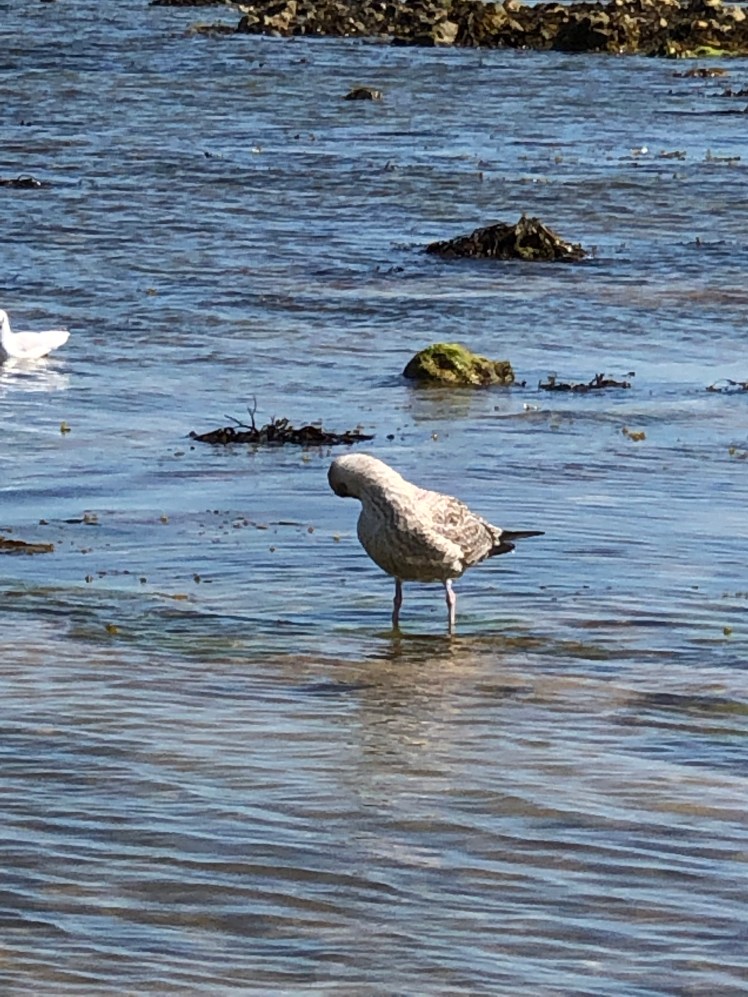
At West Runton we swam in the sea which was clear , our only company were the young gulls and the cormorants sitting in a stone bank.

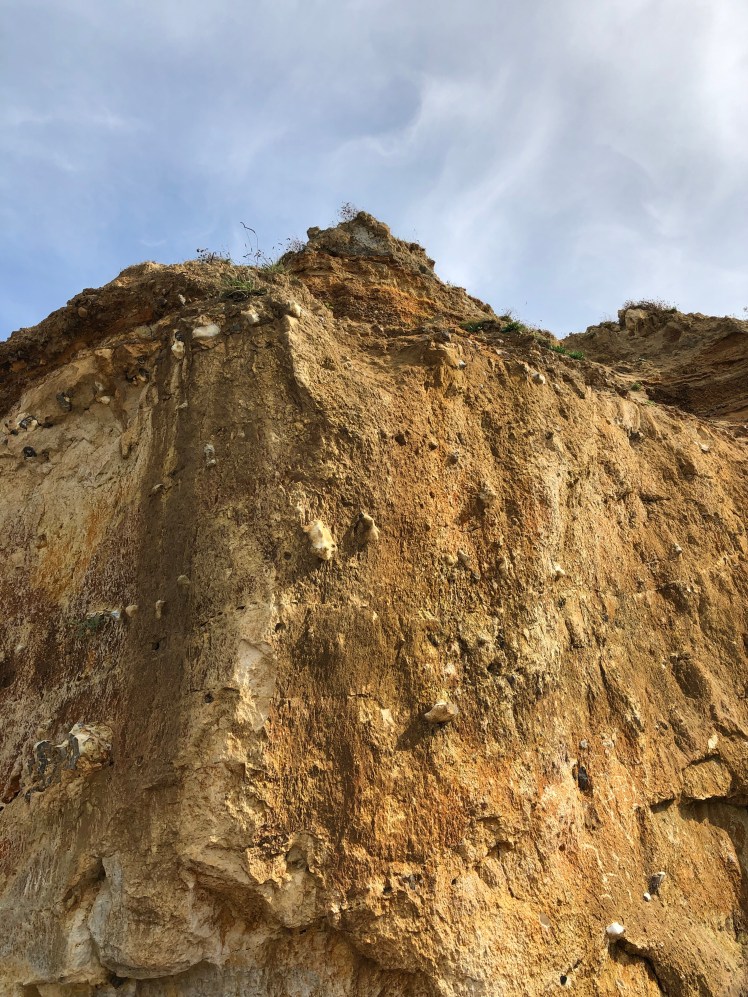
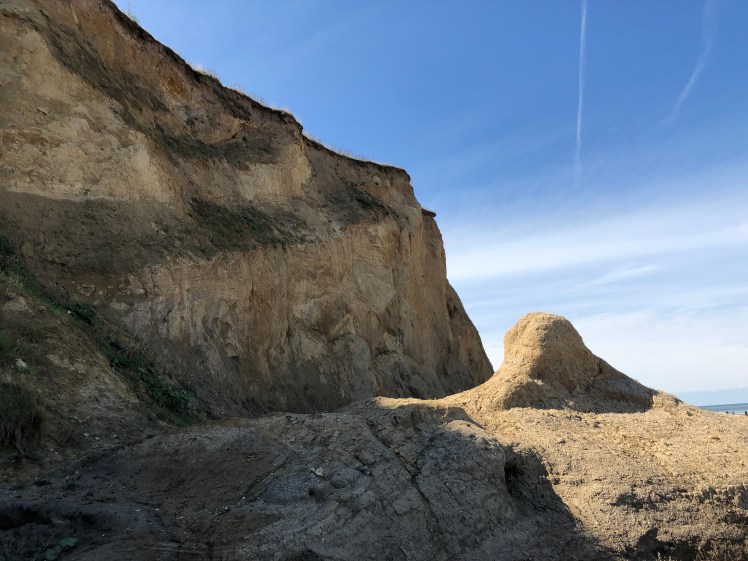
The cliffs are very soft and in East Runton the chalk can be seen but unfortunately no mammoth teeth.

Cromer is just up the coast with it’s Victorian pier which can be seen stretching out into the sea. There are rows of wind turbines far out to sea. Huge container ships were travelling in front of the white sails of the turbines.

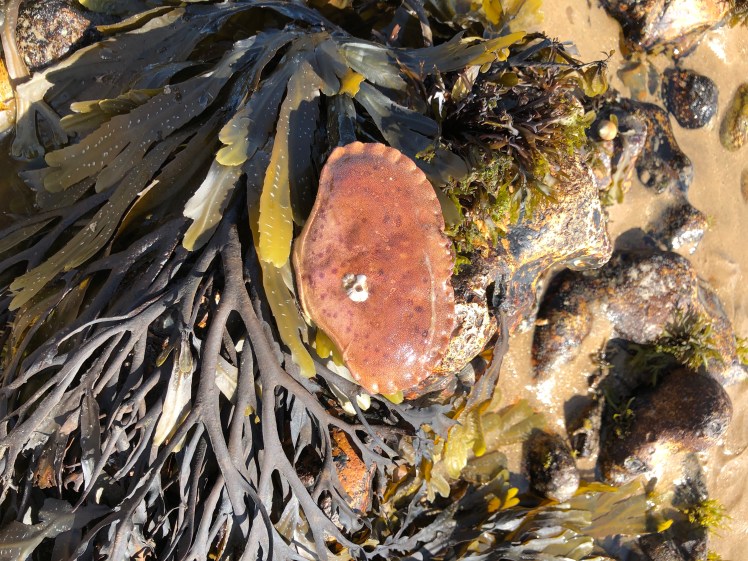
Cromer is famous for its crab, we discovered lots of hermit crabs in the rock pools and plenty of crab evidence along the beach.A brilliant day exploring more !

August Garden show

I have been planning and thinking hard this year to plant more flowers and plants for insects especially bees and butterflies and moths. My garden has always been full of flowers but has been very green in August with its floral peak being June.

I am really pleased that at the end of August the colour and flowers along with the insects and wildlife are really going for it !

Here is a guided tour of flowery delight on offer to the wildlife !

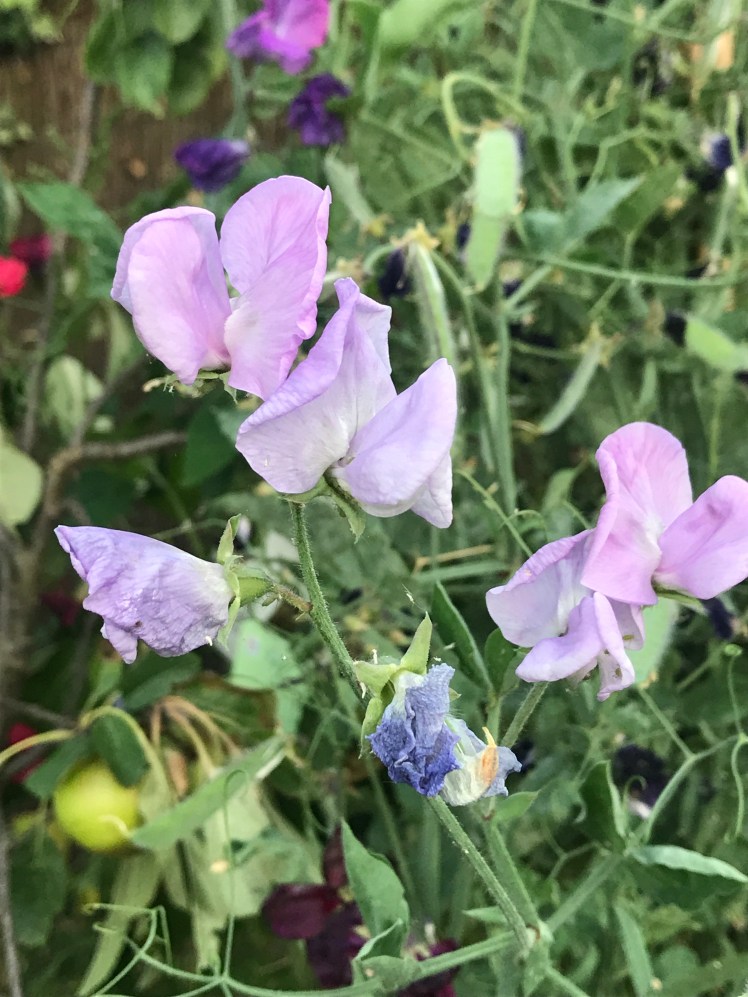
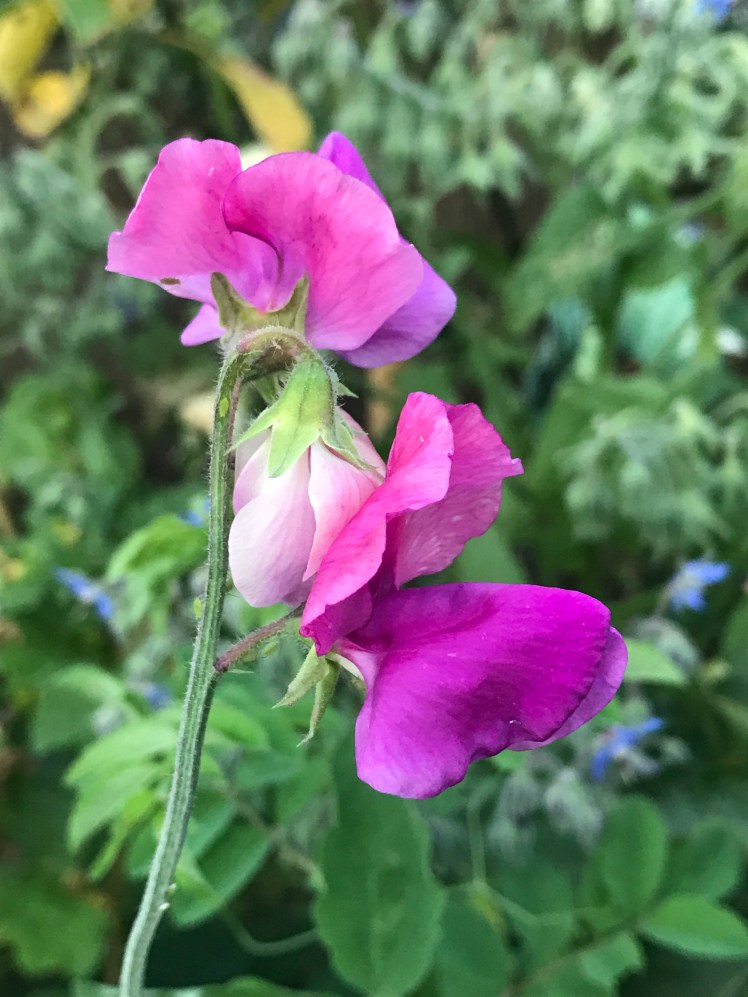
Sweet peas, this year a huge success I am collecting the seed for next year. The scent is fantastic.

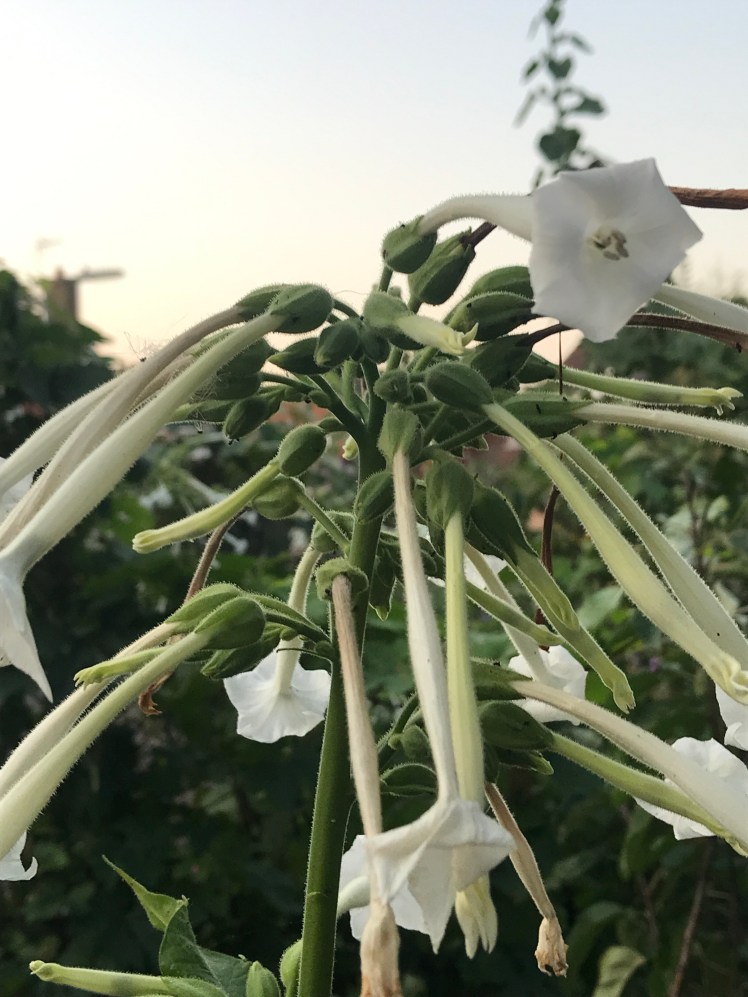
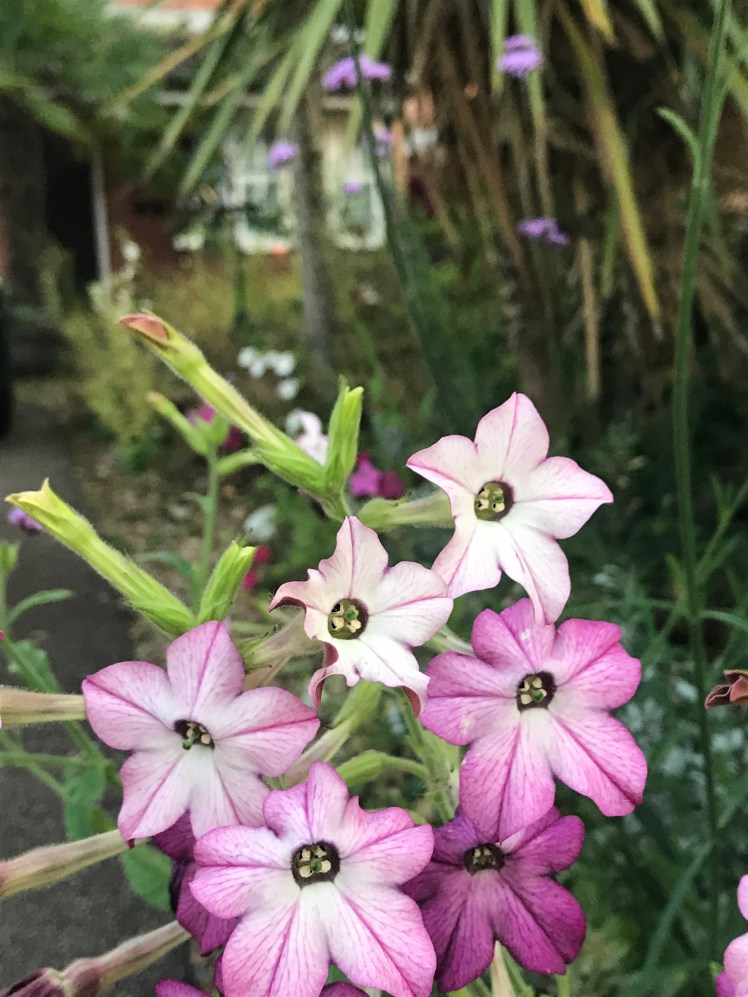
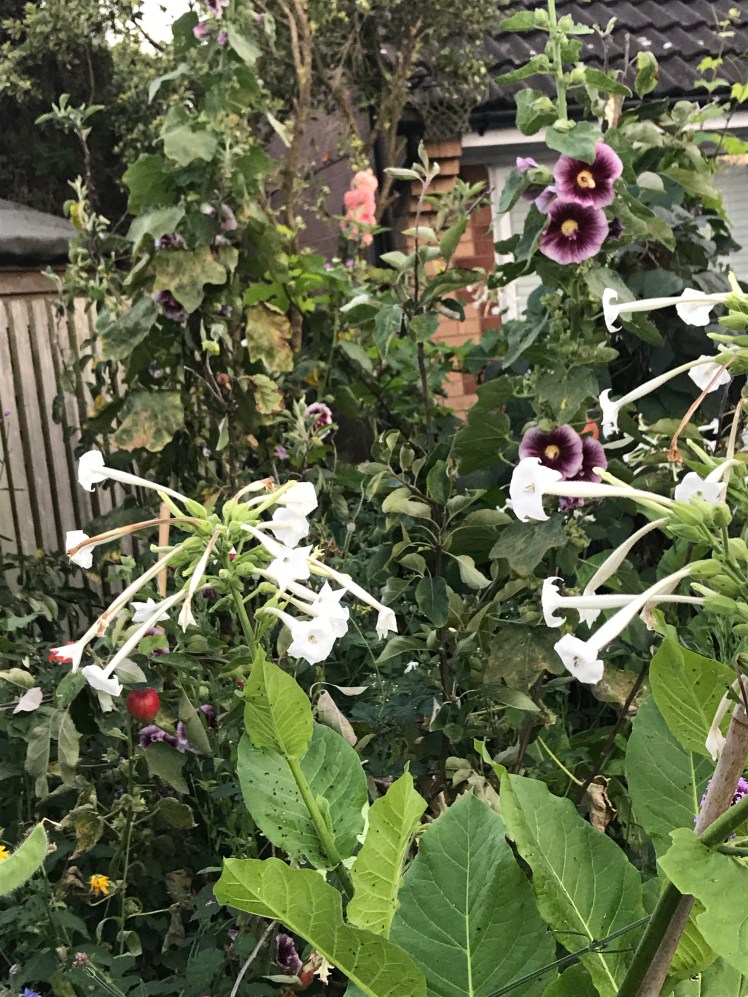
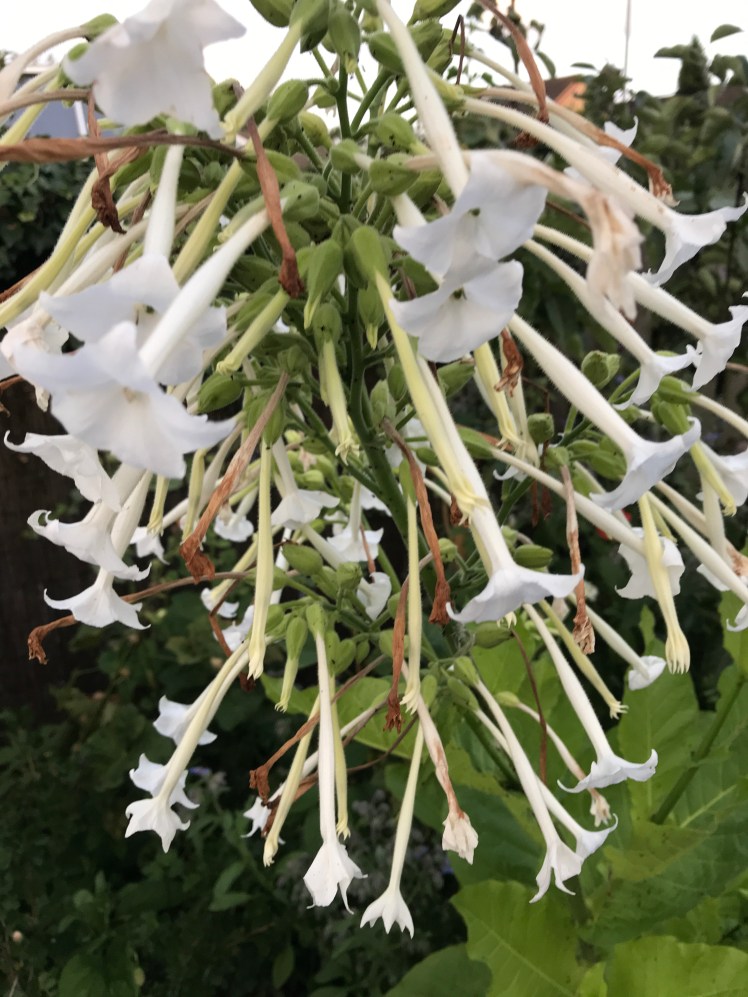
Nicotiana of all types the huge white ones smell divine. Aphids love them !!

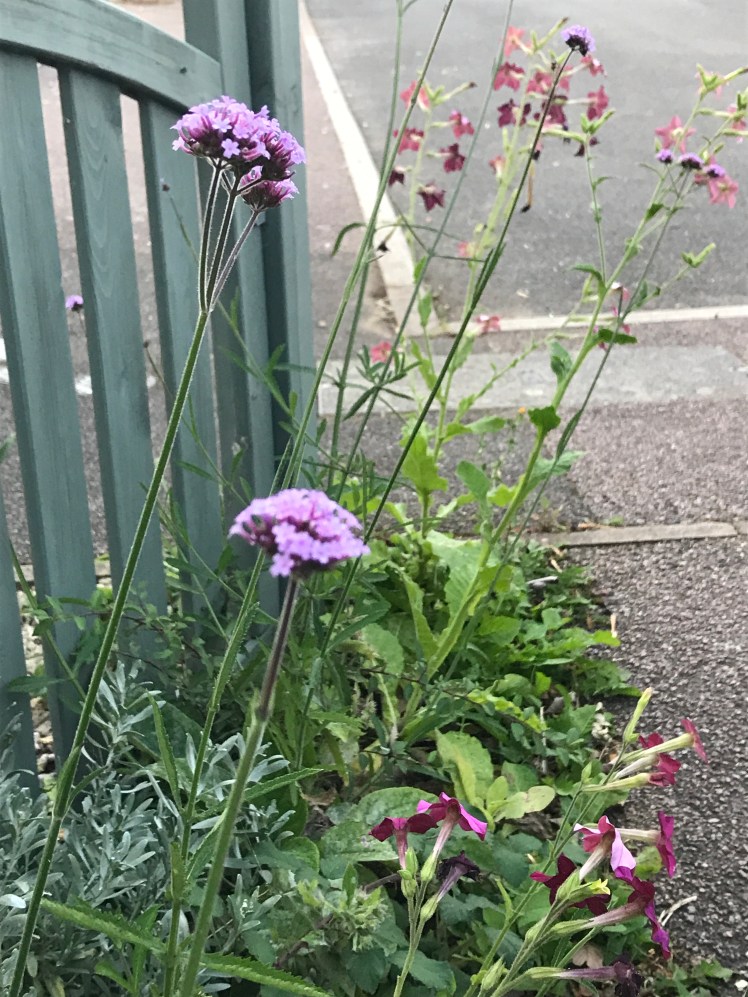
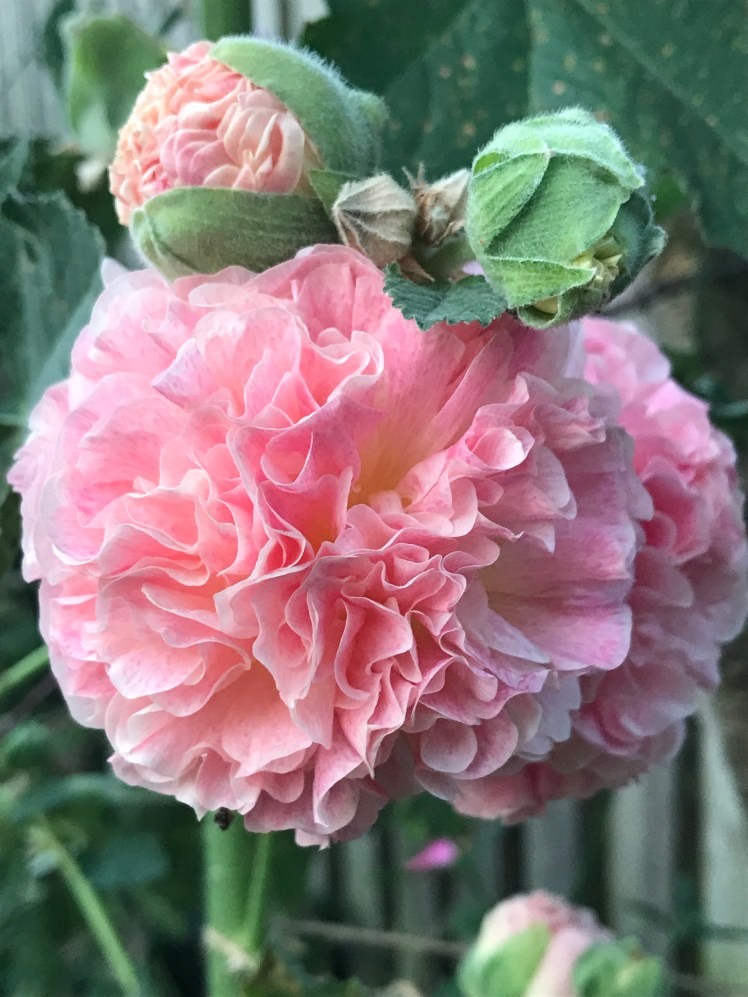
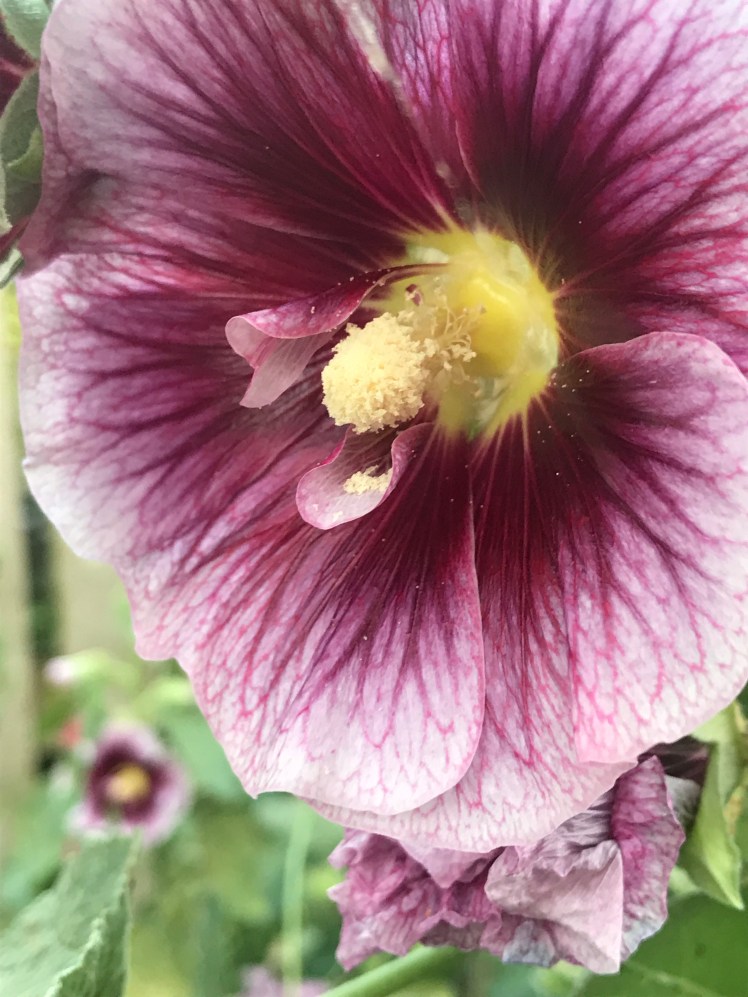
The tall verbena and amazing hollyhocks are smothered in bees, bumble and honey

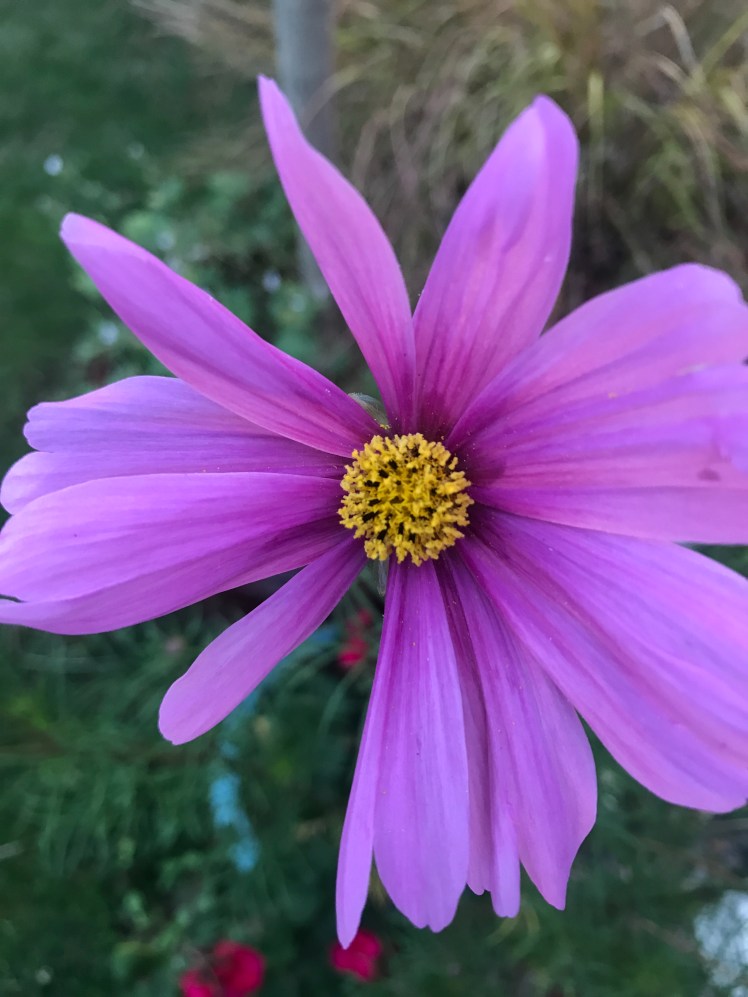
It’s good to have flowers with different shapes and structures to attract a wide range of visitors and pollinators.

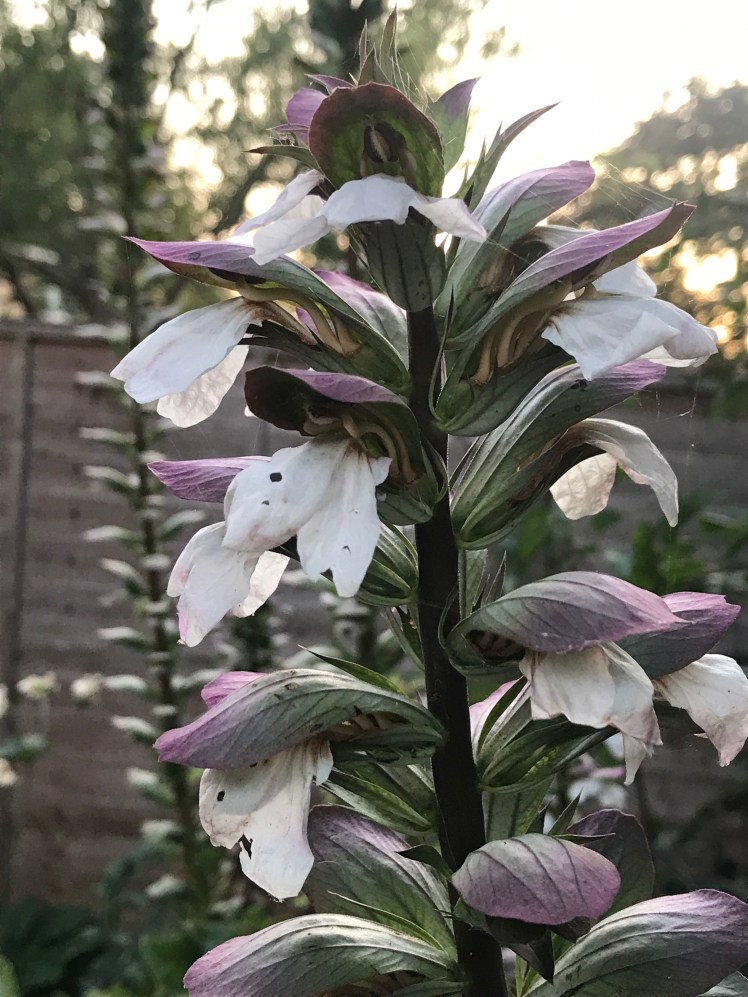
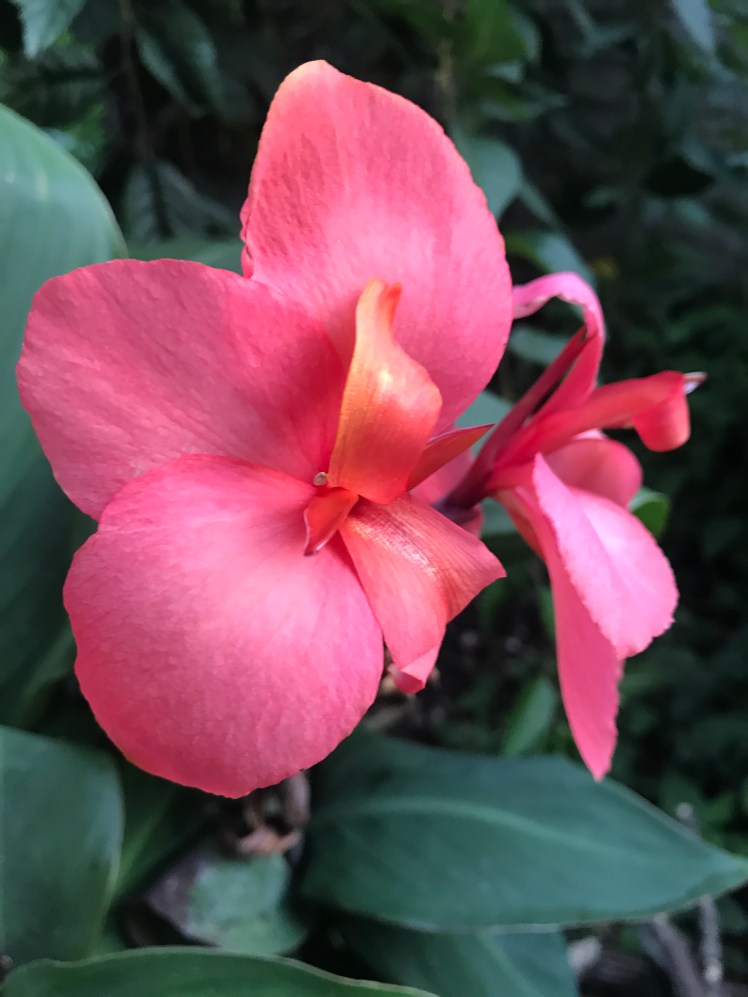
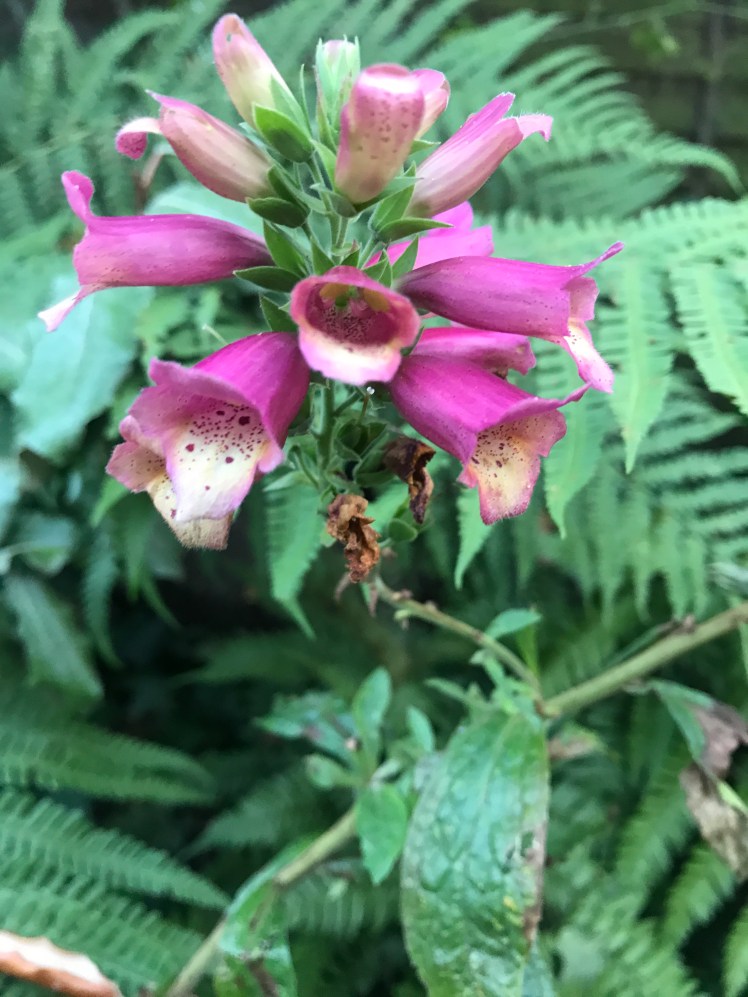
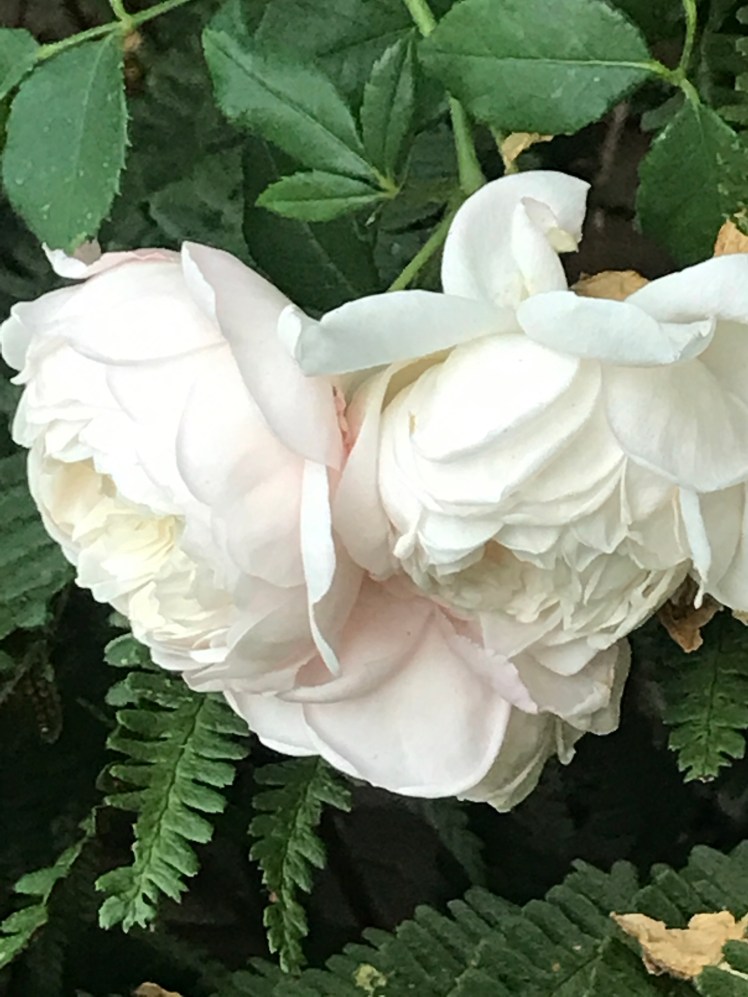
Exotic cannas at the top and cottage garden favourites such as roses and foxgloves grow side by side and offer plenty of choice.

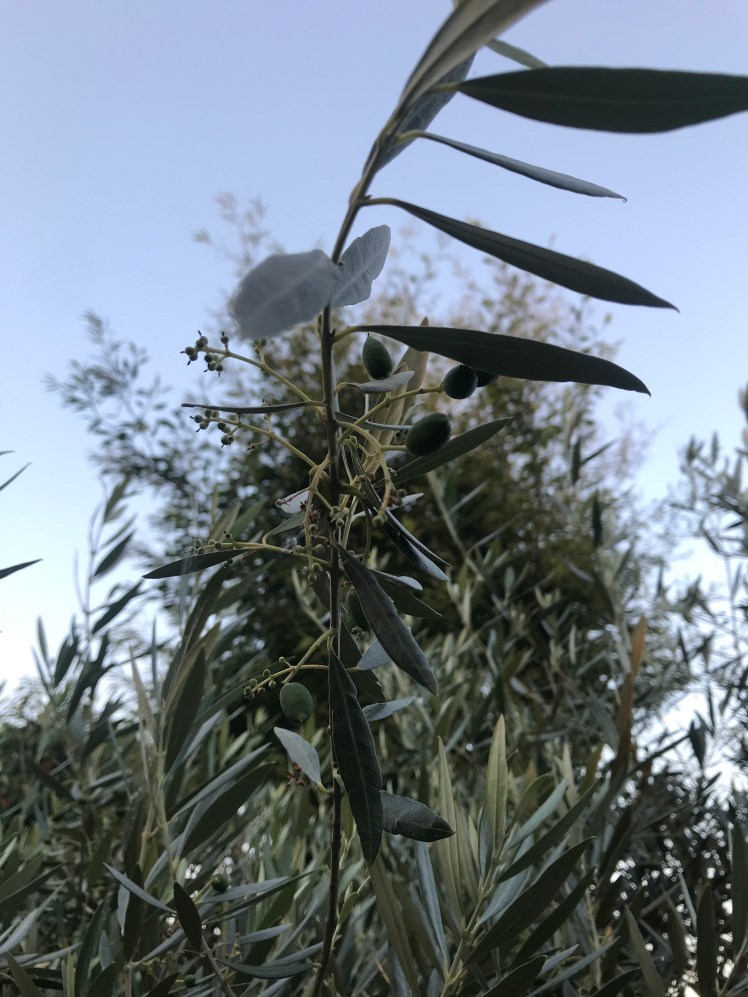
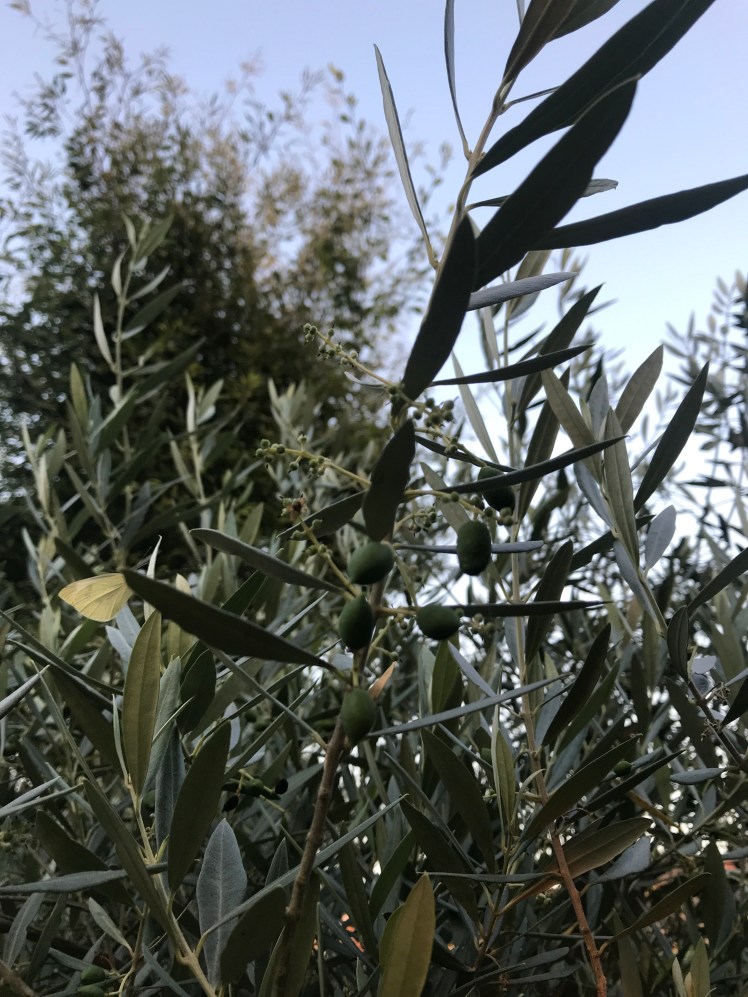
In the centre of the garden we have a large olive tree which attracts lots of 🐝 on the small flowers ,pollination complete . This year we have olives galore !!

I am planning next years plants and flowers with wildlife ( and beauty ) in mind hopefully collecting lots of seed and growing them ourselves.
Cormorants in the sun

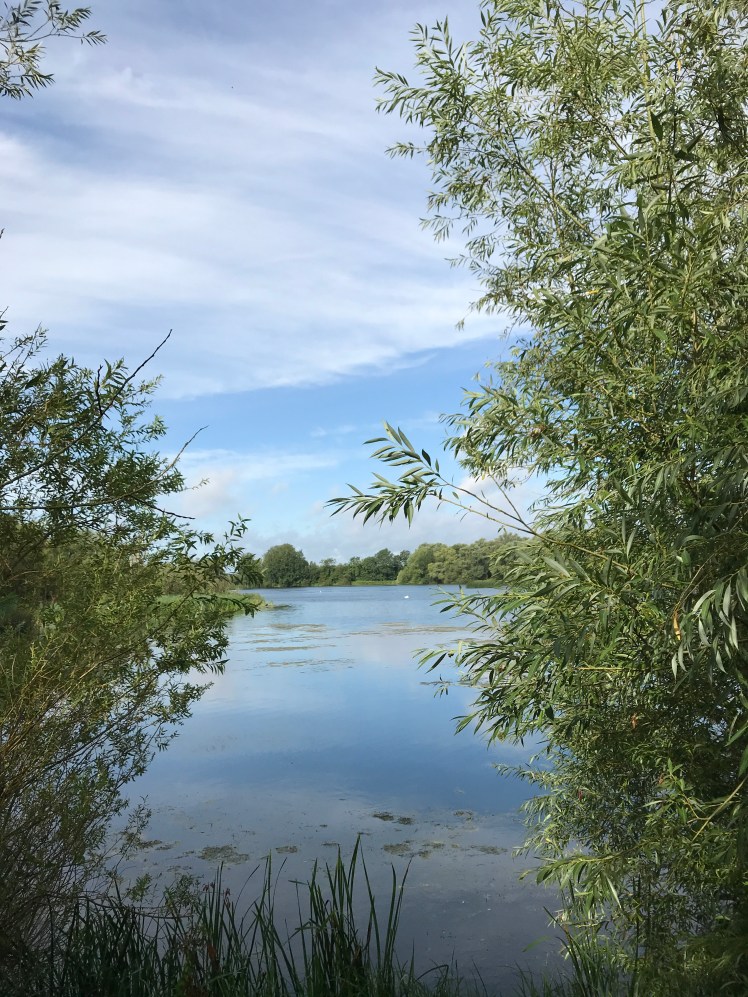
A trip to Rutland Water today to the birdwatching centre was very warm but full of wonderful birds

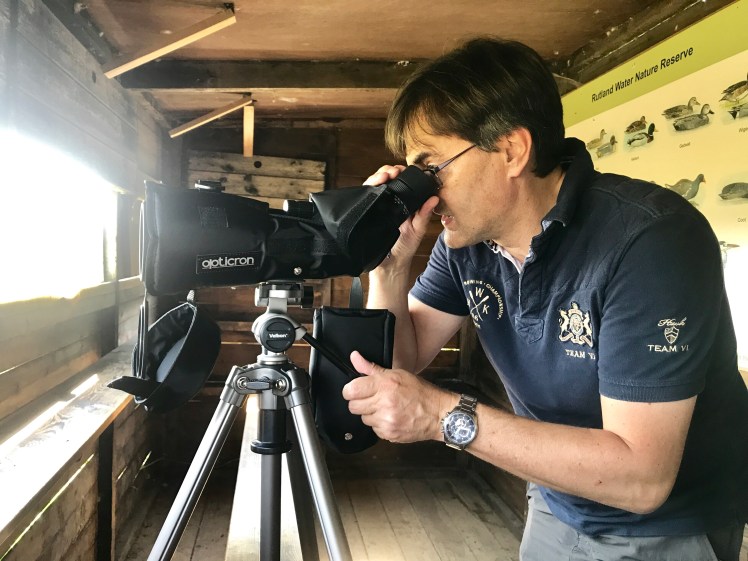
We have recently bought a spotter scope and today have bought an attachment to mount the phone on the eyepiece to take photos.

This was an experimental outing to test out the kit. It was great fun as it is possible to see so much more.

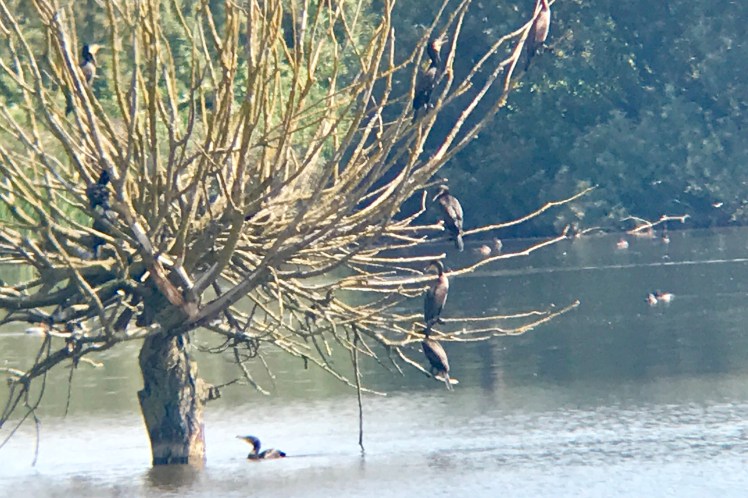
The cormorants were fantastic.In the lagoon they were sat on of every available post and branch. I loved this tree decorated in cormorants.

This was in the centre of the lagoon and the birds were constantly flying in and out of the branches.

Standing on top of two posts these two cormorants seemed to be counting cygnets as they swam by.

It was so hot that the cormorants on the sand bar were flapping their throats with beaks open to cool down . I used the scope to video this and love it .

There were Great white egrets along the far banks of the lagoon which were wonderful to watch fishing and plenty of ducks,coots and geese. The Ospreys can be seen at this location but we didn’t see any today.

I’m really excited at the fantastic new wildlife we can spot and record now. Watch this space !

EXPLORE MORE

After the rain

Thursday night dropped plenty of heavy rain and waking up the sky was grey and the air damp . We decided that although it threatened more a walk was in order.

Raincoats packed and proper shoes laced up off we set. On arrival at the lakes the sky was blue , the air warm and coats were abandoned.

The rain has perked up the trees and plants and everywhere was looking fresh.

In a ten pace stretch there were 10 or more slugs gliding across the paths repeated around the whole loop.

The lakes look full and clear , the mats of weeds are far less, the vegetation along the banks is lush and buzzing with life.

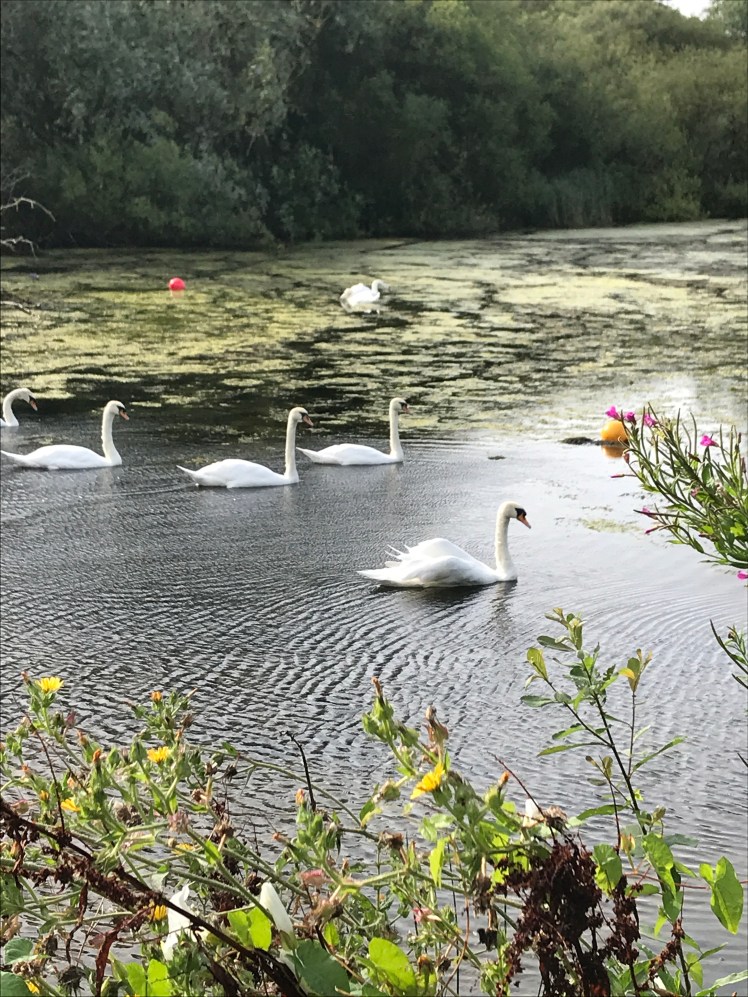
The swans have made a highway through some weed and were gathered together , the swan with the damaged wing we have watched for over a year seems healthy and fine

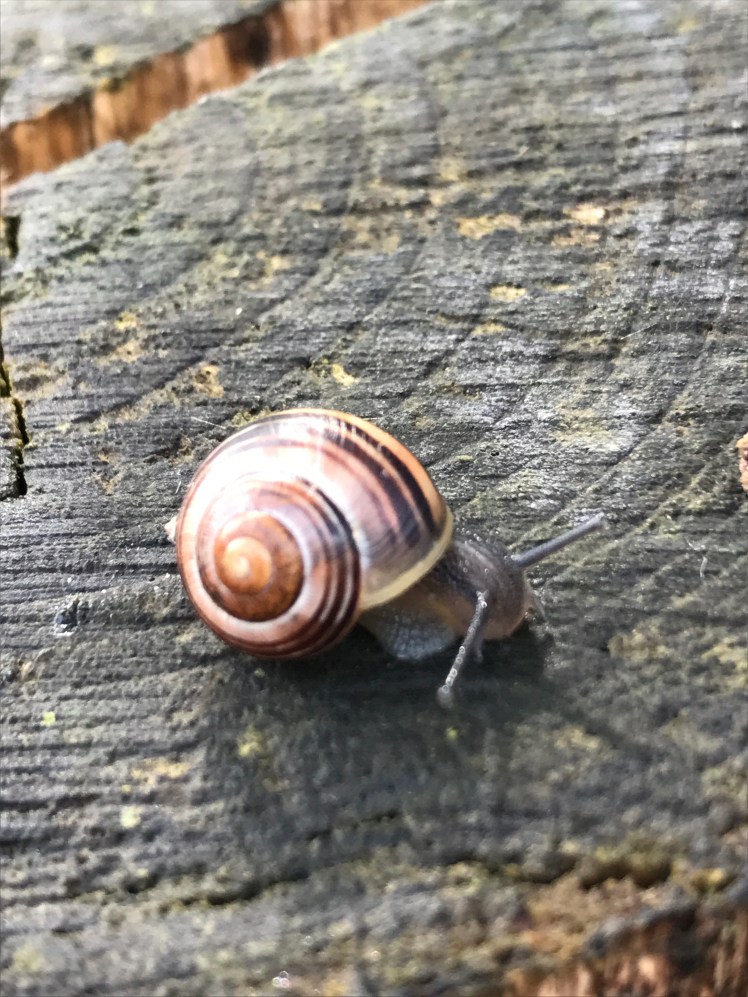
I love the snails especially after a rainy night they are everywhere, up trees , on fences, up plant stems , on every surface.

I thought these two were deep in conversation about the day !

All about yellow

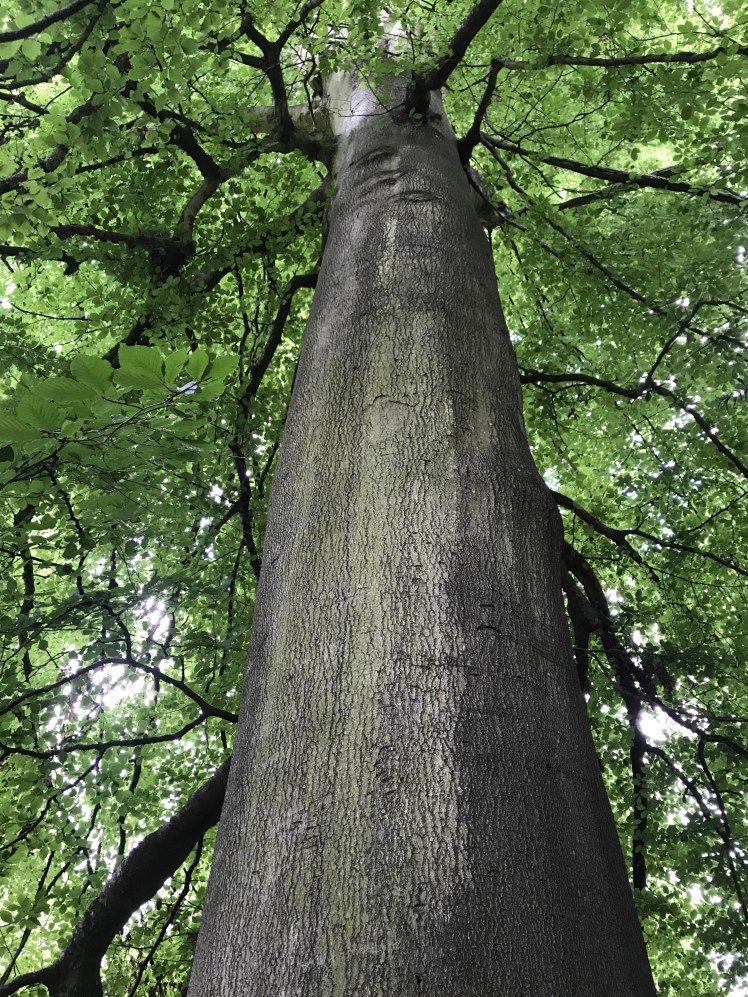
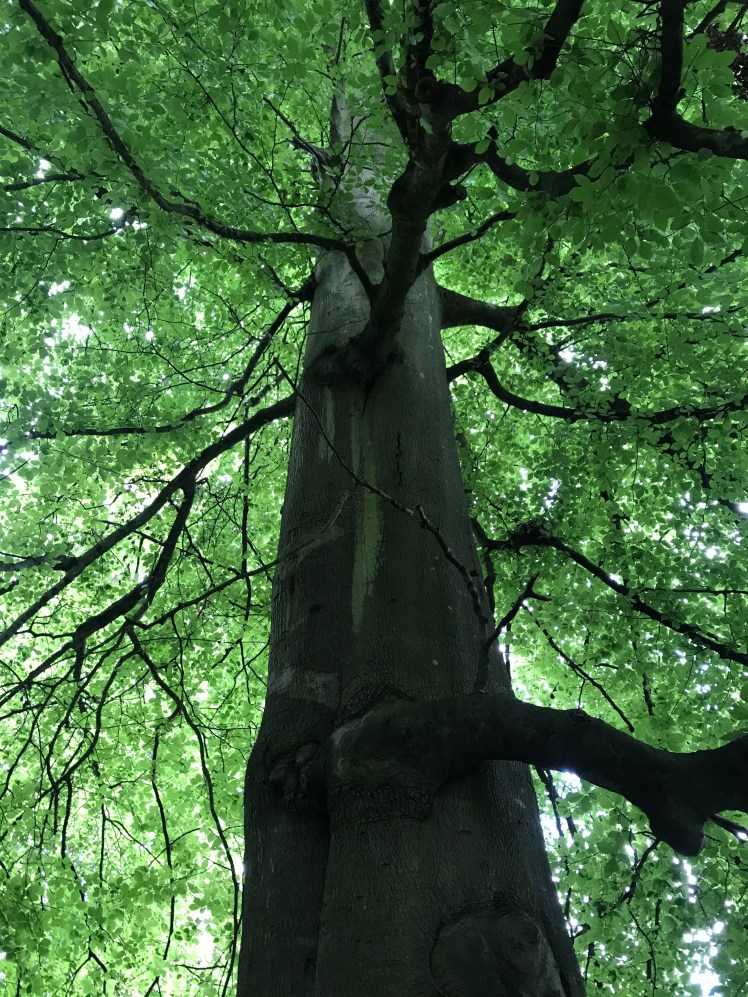
Back at beautiful Batsford Arboretum today . The trees were stunning , this Beech tree was amazing so straight and extremely tall .

I love the shade and feel of walking under Beech trees , the crunching of the Beech nuts underfoot and the soft green light from the canopy.

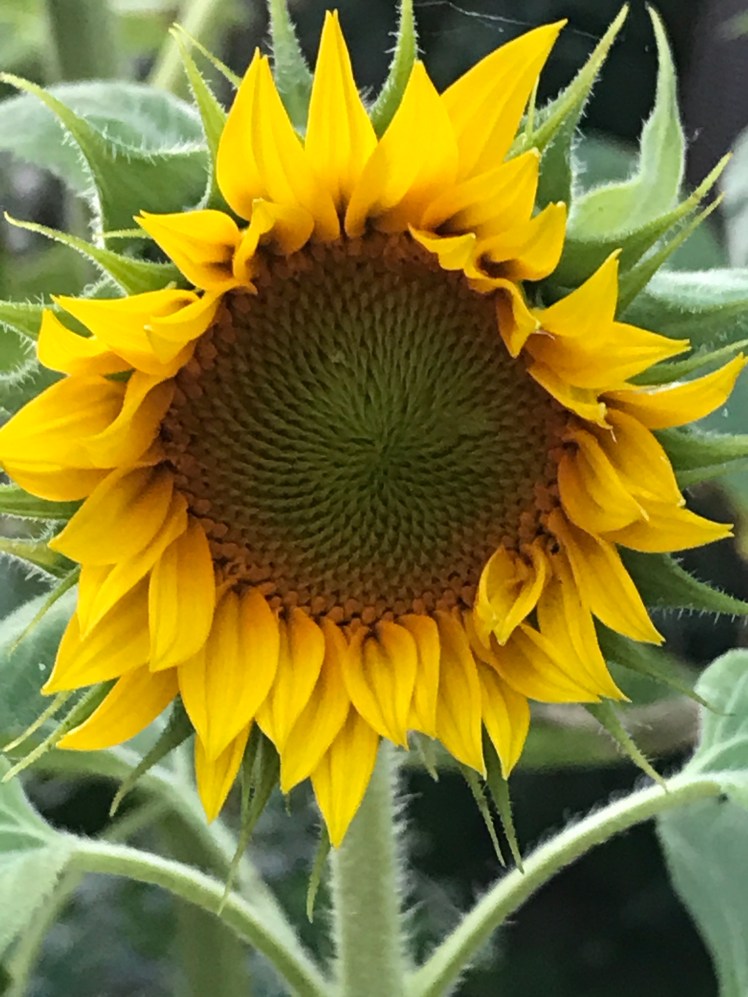
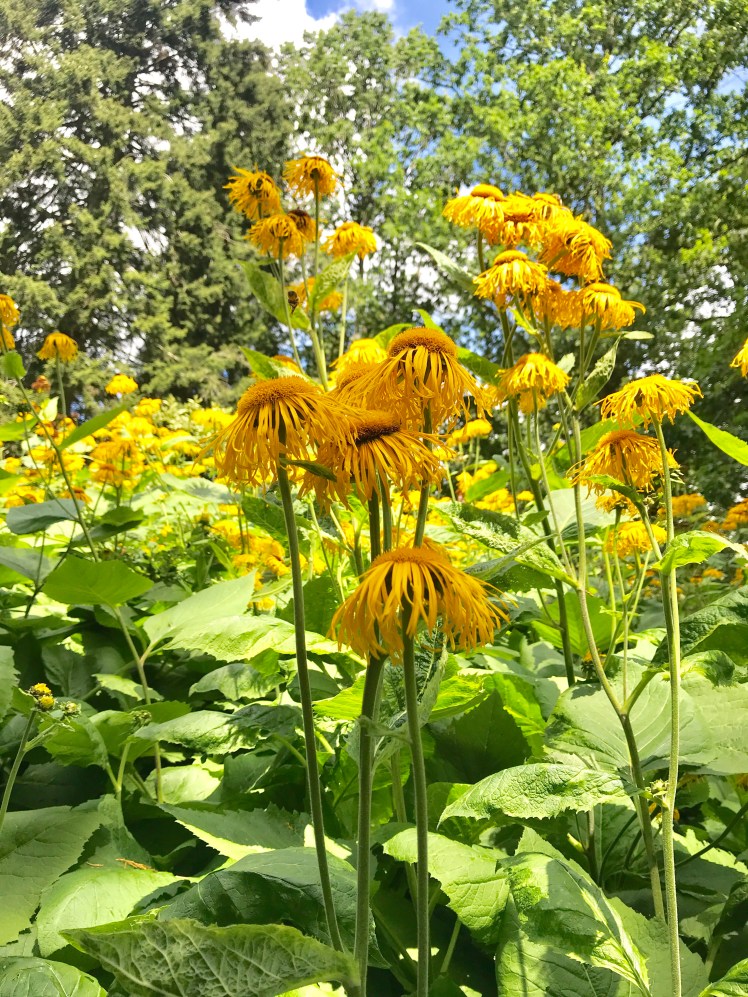
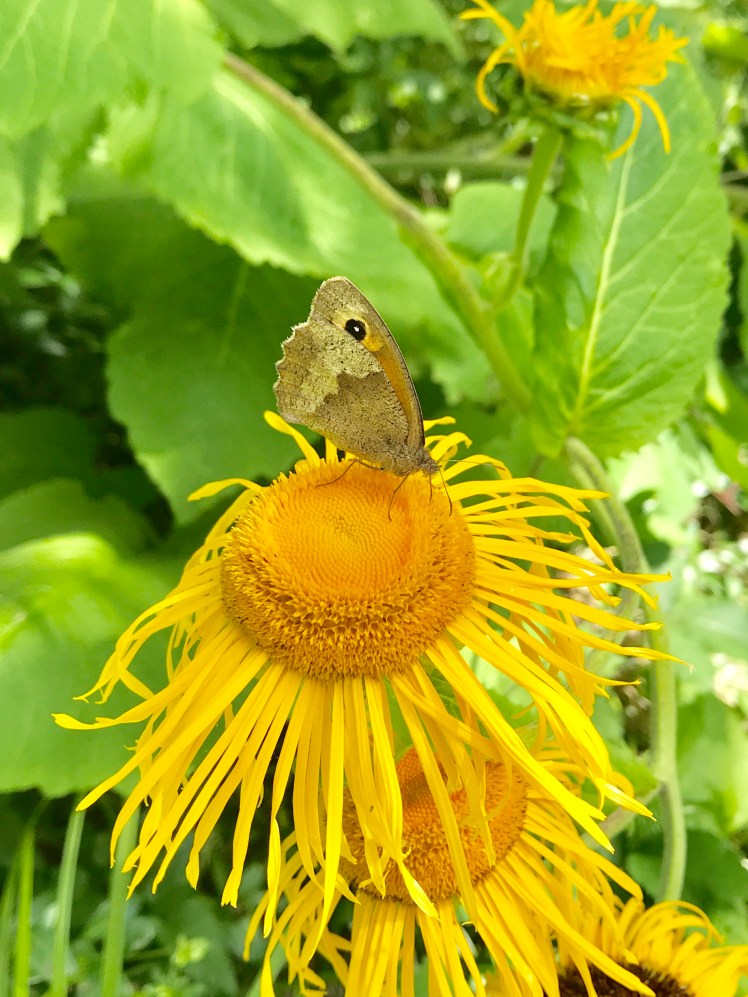
It was all about the yellow as far as the insects were concerned today. Planted down the steep slope on the opposite bank to the stream are large areas of this bright yellow flower. It is tall with hundreds of large Daisy like flowers which are insect magnets.

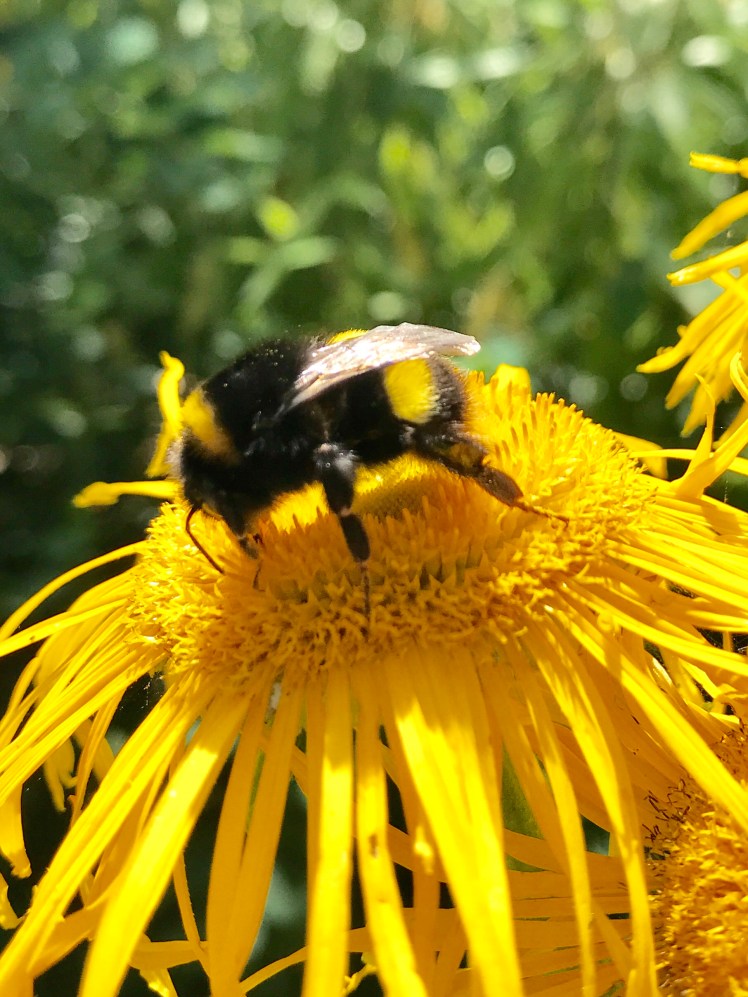
There were large numbers of honey bees and bumble bees. Some of the bumble bees were huge and you wonder how they actually fly !

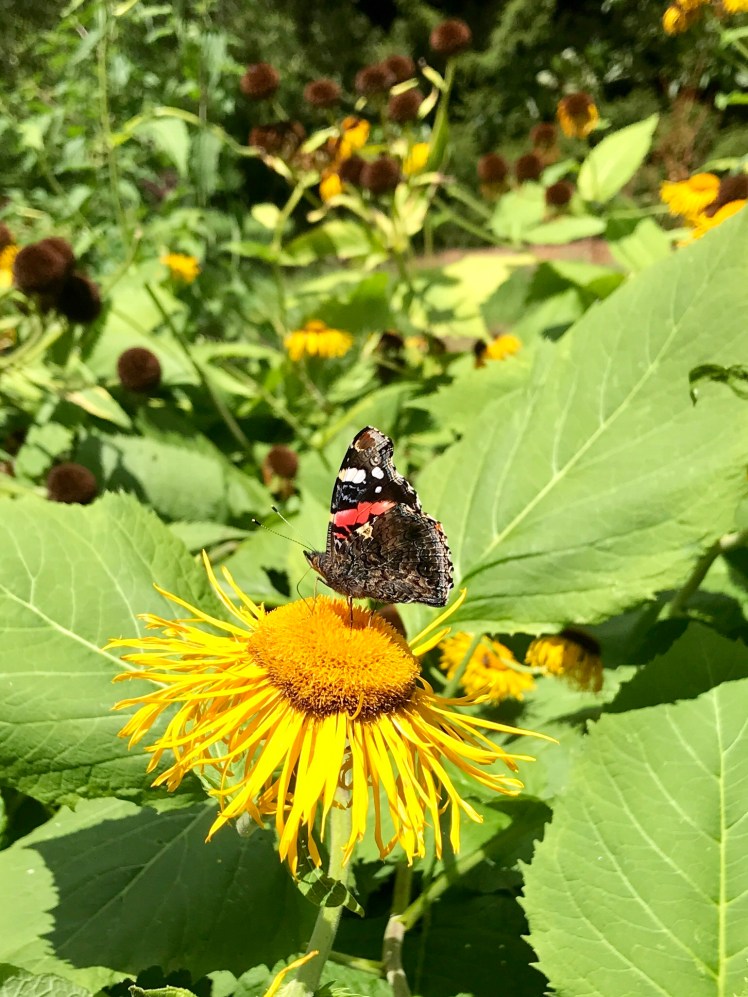
Butterflies were flitting and landing on these golden platforms . Red Admirals were common.

And plenty of meadow browns.

These yellow banks were where last year I spotted a hummingbird hawk moth but none today .

Bank voles and brambles

It’s rather warm but no sun it’s close and heavy. A walk was needed after working hard in the garden.

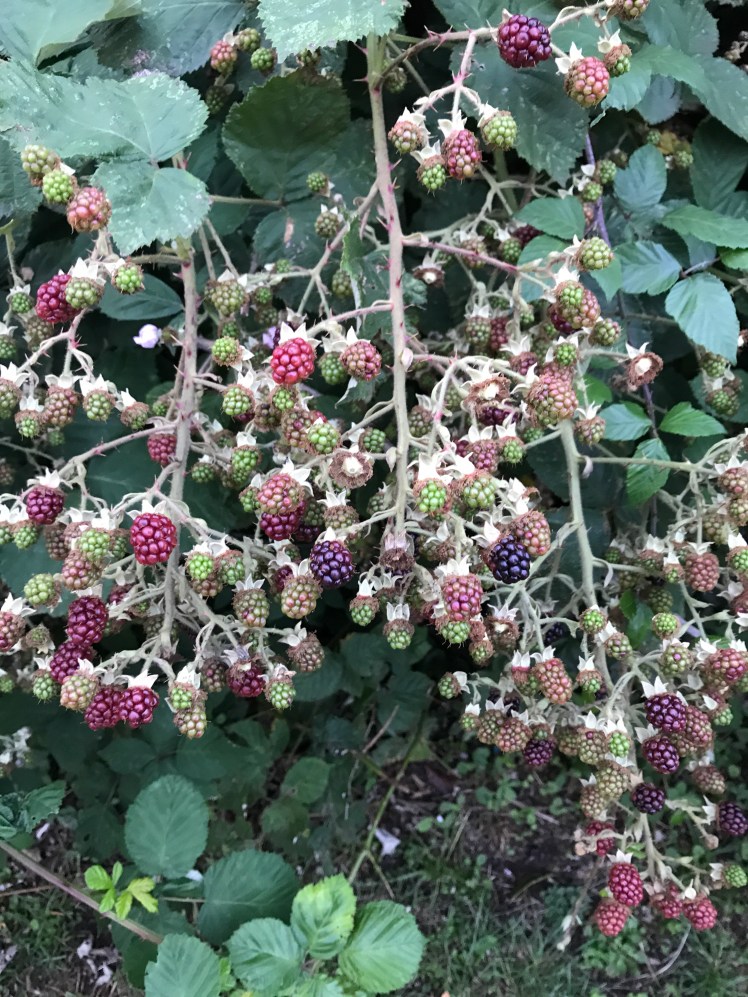
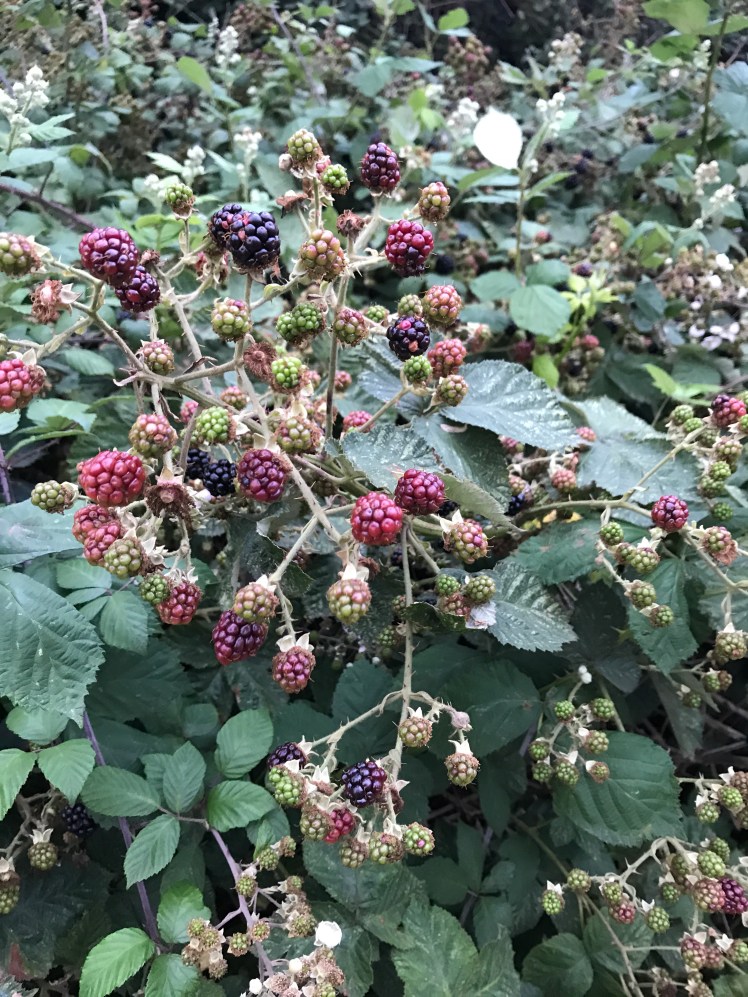
The brambles are loaded with blackberries , people are already picking. I think that some blackberry jelly should be made this year the berries are huge.

These blackberries are just around the corner from my house by the post box.At the bottom of the hill they are amazing. Each year people turn up with step ladders and containers and set to work on this blackberry bonanza.

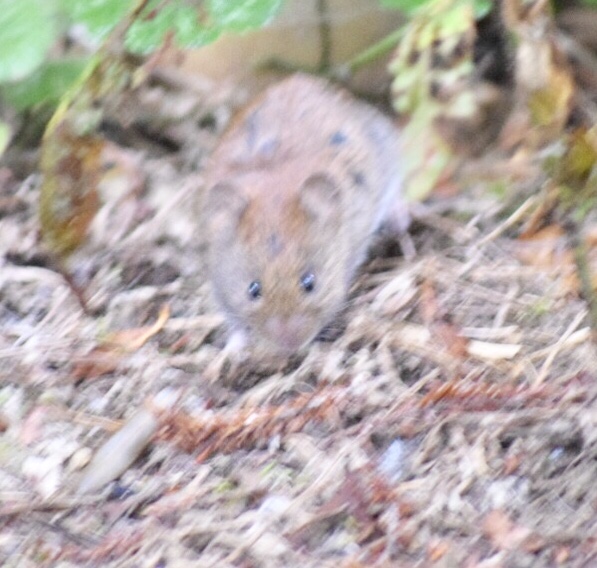
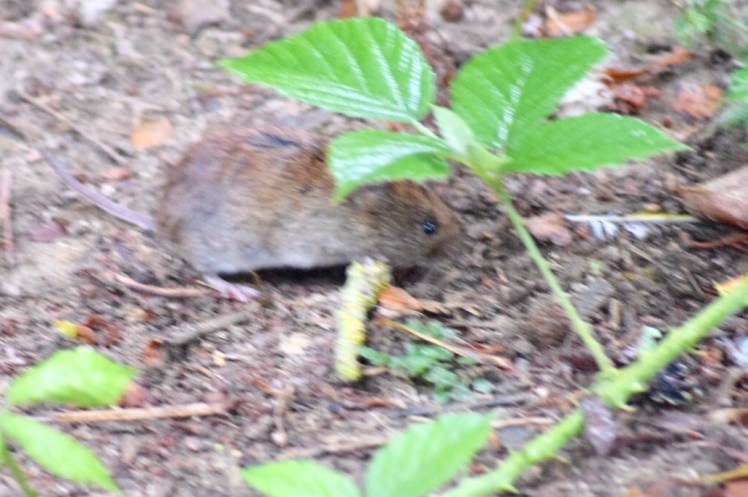
Further on on this walk a small furry creature darted our in front of us. Standing watching it continues this in and out behaviour for 4 more sorties. It was a bank vole.The photo is not very good it seemed to be in constant motion.

Bank voles are food for lots of predators and are on the first step of many food chains. The bank vole has this chestnut colour whereas the field vole is more sandy coloured.

The brambles made a great hiding place for the vole , hopefully it feasted on blackberries for pudding !!

Planting flowers for moths

We have been planting plants this year specifically to attract more insects including moths.

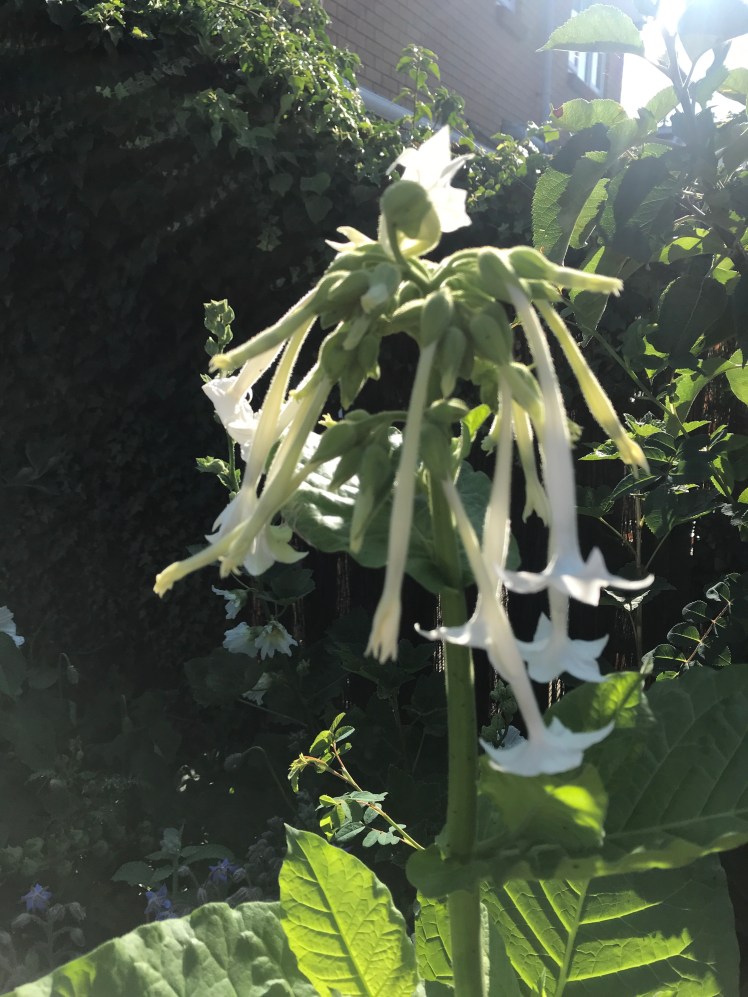
I have planted lots of nicotiana ( tobacco plants) I have grown the tall Nicotiana sylvestris but have just read that the tubes are too long for most native moths apart from hummingbird hawk moths and the immigrant convolvulus hawk moth. Hopefully some of these will find these amazing flowers.

In the garden we also have Buddleia and the tall Verbena bonariensis plants that offer nectar for moths.

Here is a list to attract moths to your garden as well as other insects.

  • Honeysuckle
  • Campions
  • Pinks (dianthus species)
  • Sweet Williams
  • Evening primrose
  • Hebe
  • Clematis
  • Hemp agrimony

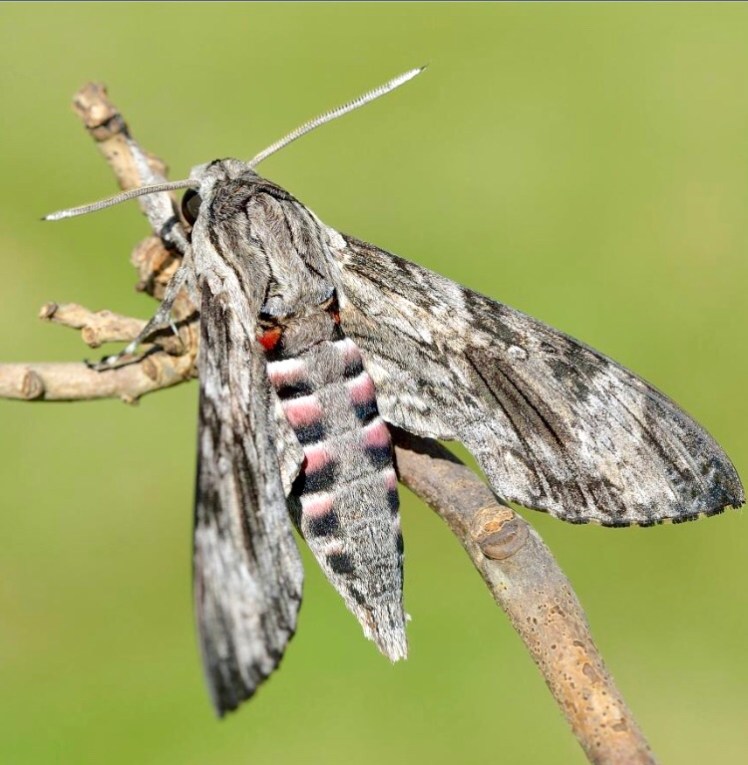
The convolvulus hawk moth (Agrius convolvuli) is a migrant to Britain. It cannot overwinter in this country but is often found in large numbers in the south and east of Britain and has been found in the Shetland isles. It is a night flyer with a very long proboscis so can reach the nectar in the nicotiana flowers. In the day it rests on surfaces such as walls and trees. The larvae feed on convolvulus .

I hope this migrant will find its way to my front garden and the wonderful Nicotiana sylvestris.

Thistles crowning hills

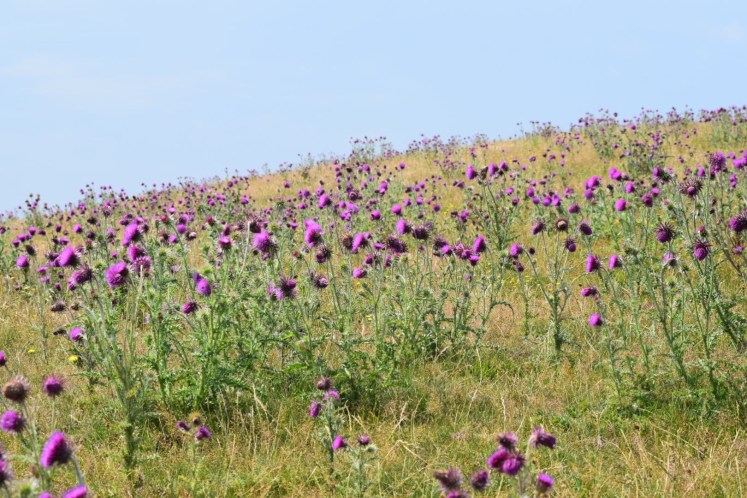
These thistles appeared as we reached the top of a steep Devon hill climbing up from the cove below.

They crowned the top of the hill in a purple Frosting.

They all seemed to be facing towards the sun and the sea.

The bees and butterflies were busy in this flowery patch.

Below the cove and beach were beautiful.

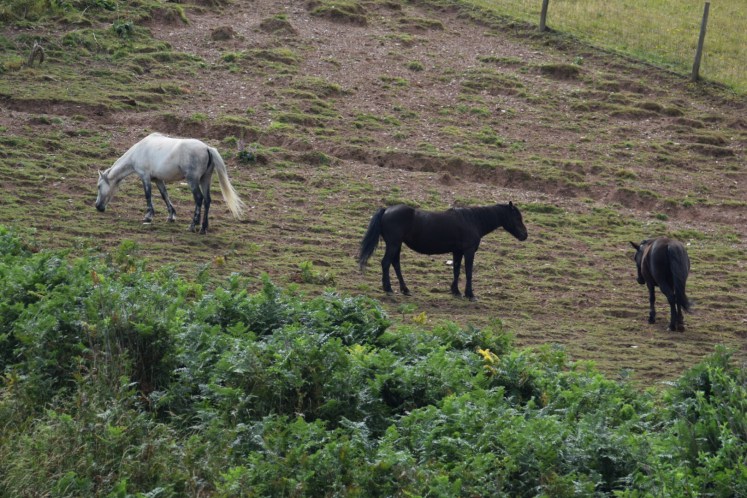
Wild ponies appeared from the bracken on the cliff edge paths.

The walk from the beach up over the hills , through the thistles was amazing. Devon is calling for more exploring and discovery.