A Treasure Trove of Nature

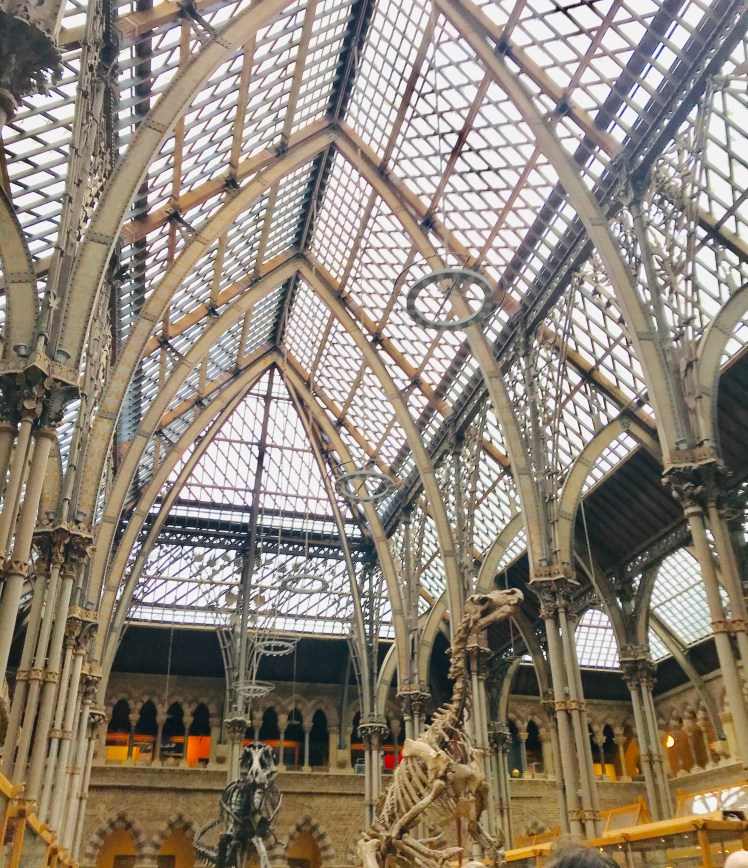
The Oxford museum of Natural History is a fantastic place to visit, it is a beautiful building bursting with incredible displays. Today, a wet cold October day it was a perfect place to be. The museum was opened in 1860 and is a Neo-Gothic masterpiece using iron and glass to create a temple to science.

A walk around the galleries takes you through geological history , evolution and classification of plants and animals. These stories are told through the specimens displayed and the carvings and statues in the building. The columns are made of labelled British stones , the carvings at the column tops depict plant groups. The wrought iron becomes palms and flowers and famous scientists stand as statues gazing across the hall.

I have put together a short tour of a fraction of the exhibits. This is a definite must visit destination.

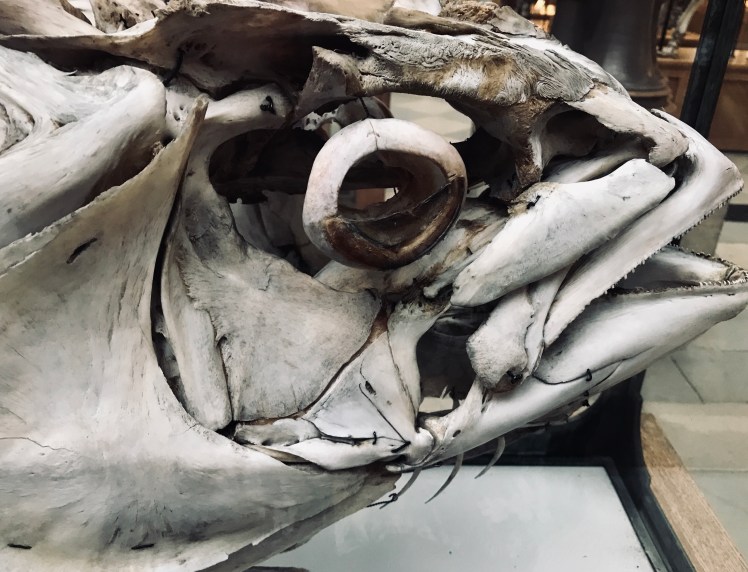
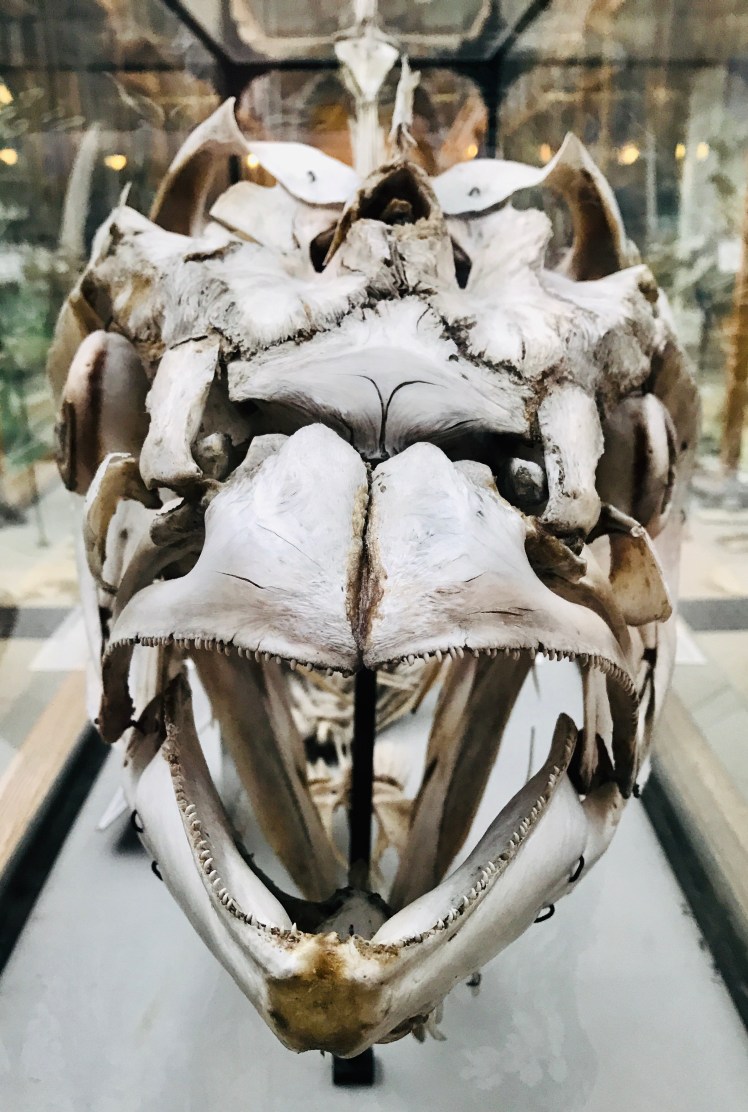
The skeleton of the blue fin Tuna.

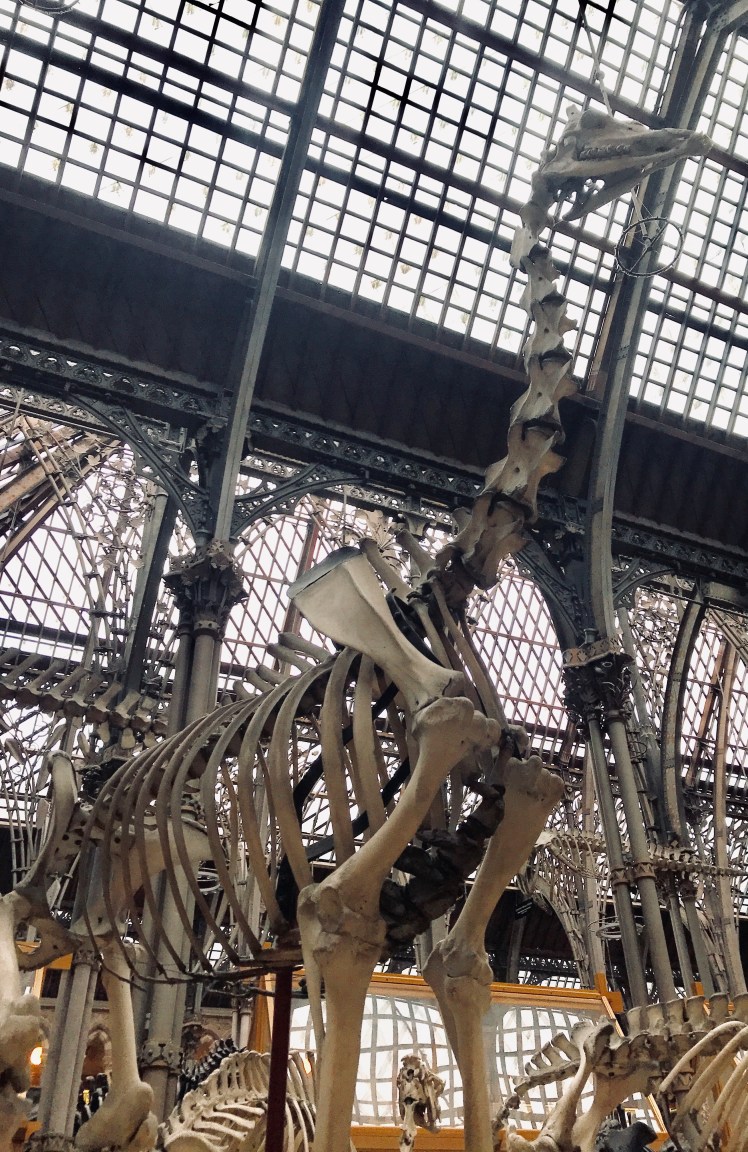
The Skelton of a giraffe

Beautiful column carvings

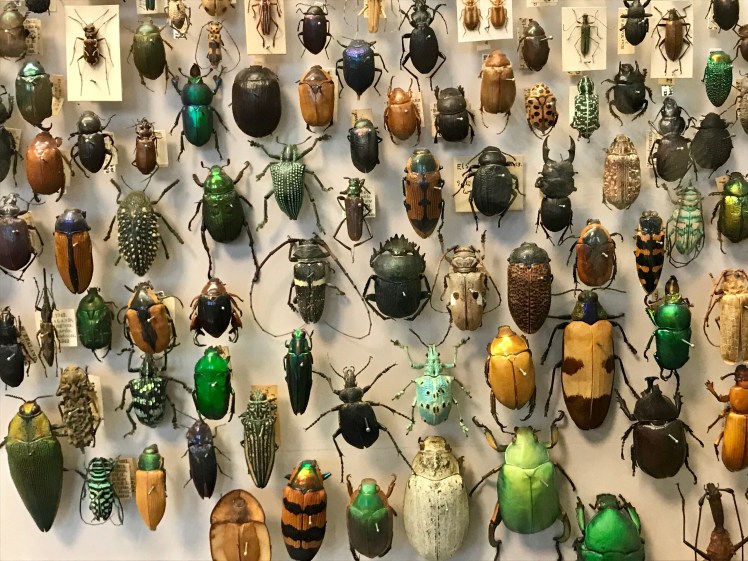
Beetles and bugs galore

Tremendous Trilobites

The building

This was a tiny taster of the wonders of this museum , there is so much to see , definitely a trip to take.

Offa’s Dyke End

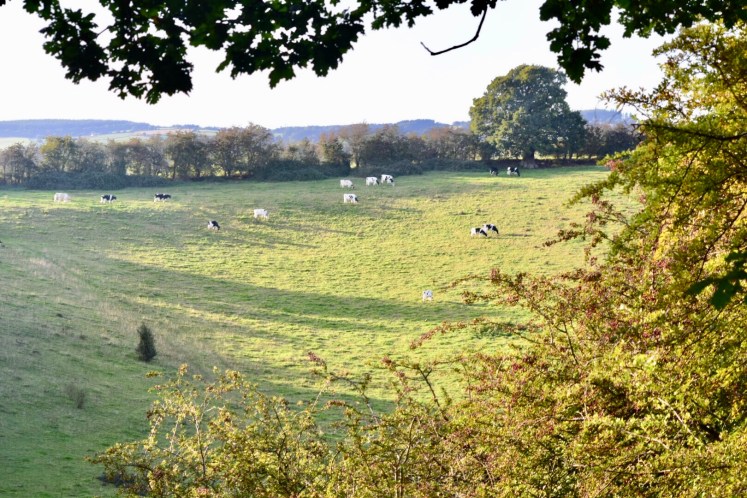
I have been exploring at the Chepstow end of the Dyke out for a fossiling trip, also found fantastic woods and fields, cows and reeds.

Offa’s Dyke was Built at the command of the eighth-century king of Mercia, Offa’s Dyke is today Britain’s longest ancient monument, following the border between England and Wales. The long distance path along the Dyke runs for 176 miles, I walked a short mile and a half along it to the fossil beach but it has left me wanting to explore this ancient monument, it would be brilliant to walk its entire length ( maybe next summer)This year I have done the walk a 1000 miles challenge and now have completed 1300 miles so this Dyke May be the next step !!

The section that I walked had wonderful sweeping fields and woods and was home to some super cows !

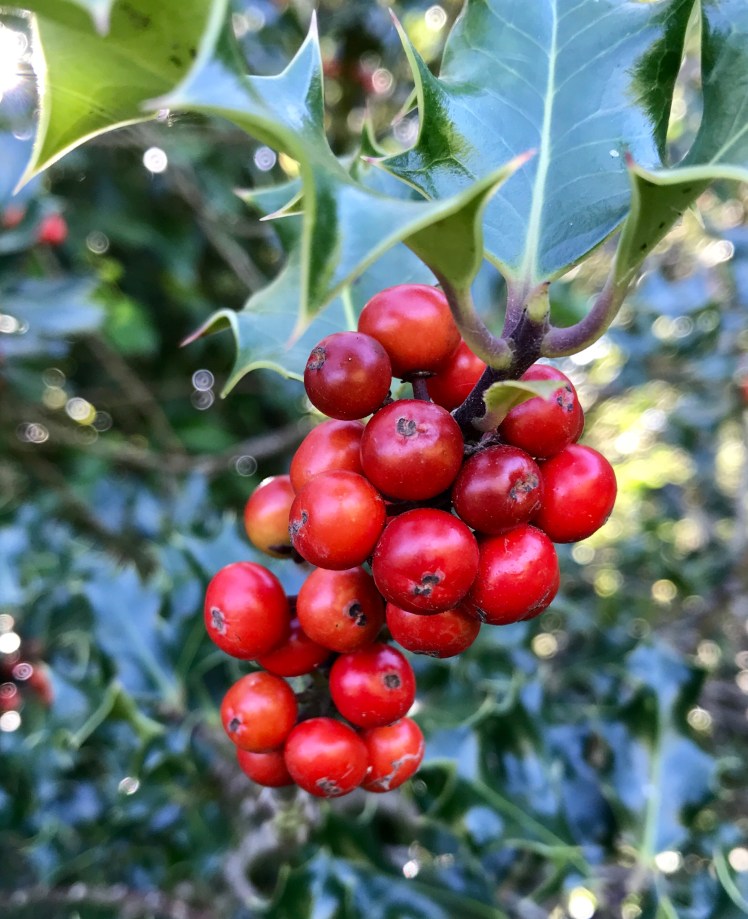
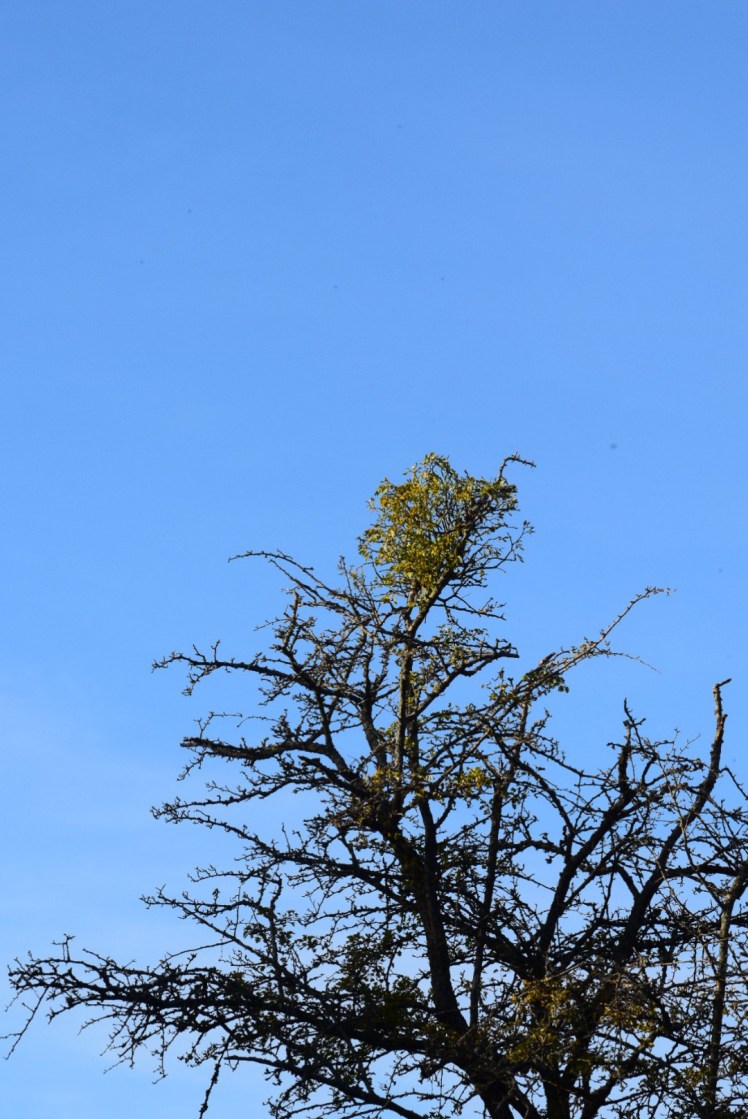
The section of path was on a definite ridge with a ditch with fantastic holly and mistletoe along the route.

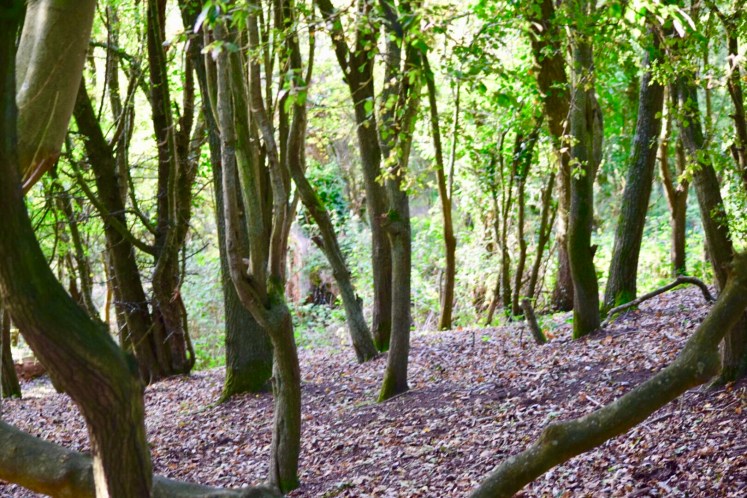
At the bottom of this slope stunted trees bent from the weather created an ancient atmospheric woodland, even though the trees were quite small.

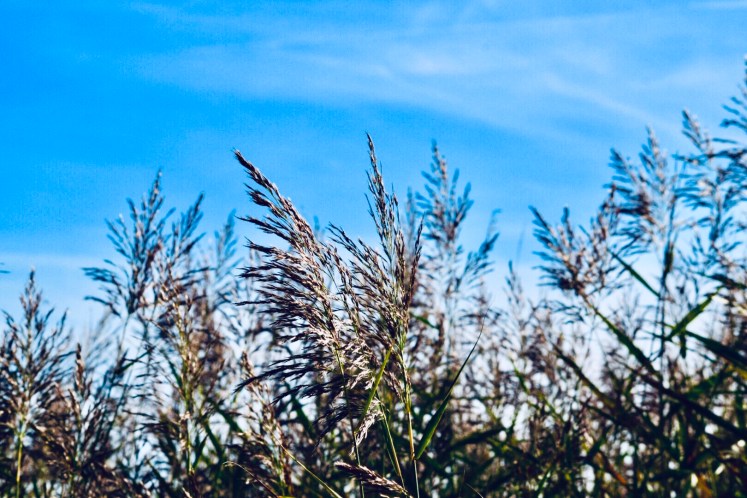
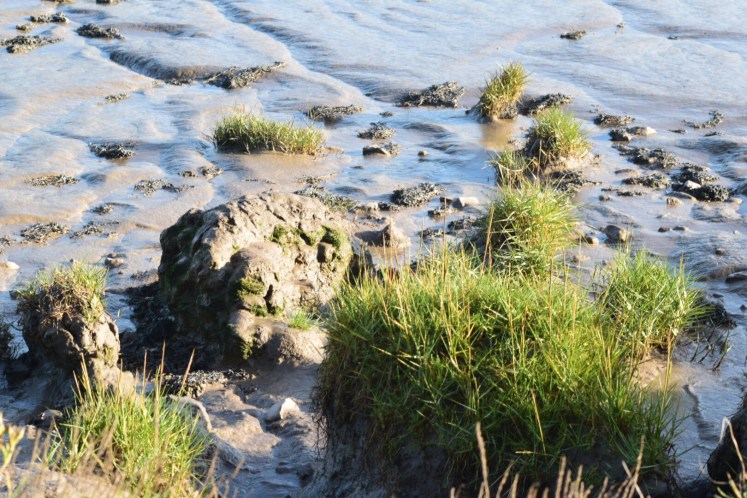
Following the path took you into a complete change of habitat , to the banks of the Severn. The reeds were brilliant .

This was a walk only short in distance but travelled from from pasture though hedgerows and woodland to estuary muds and reed beds . Definitely a great place to explore steeped in history and packed with nature.

Mud and Fossils

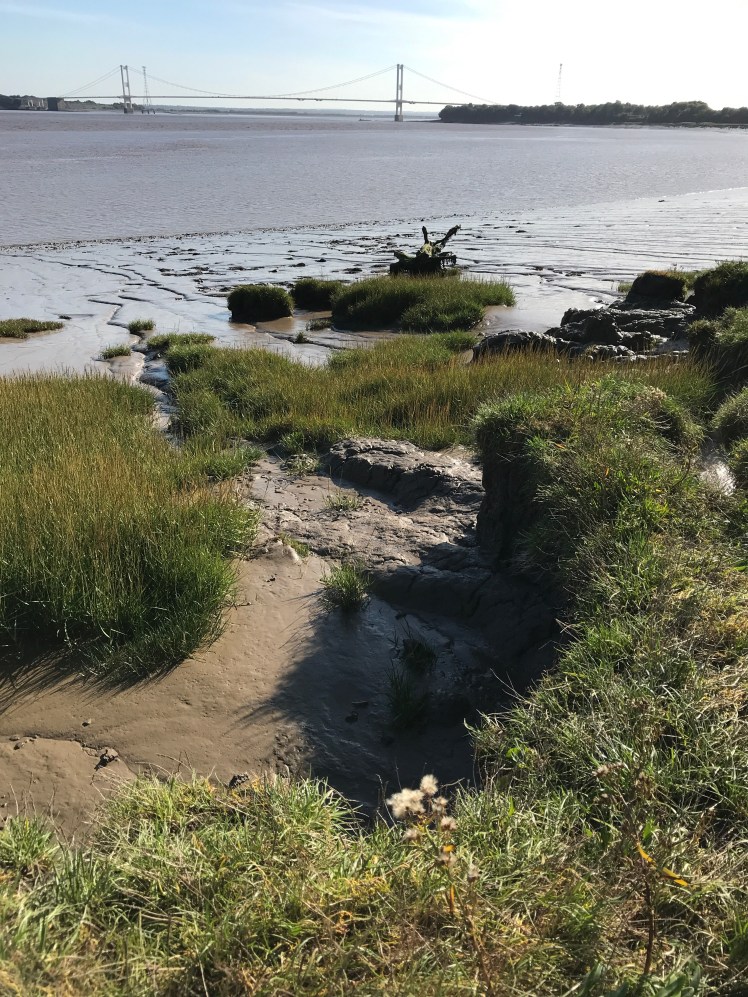
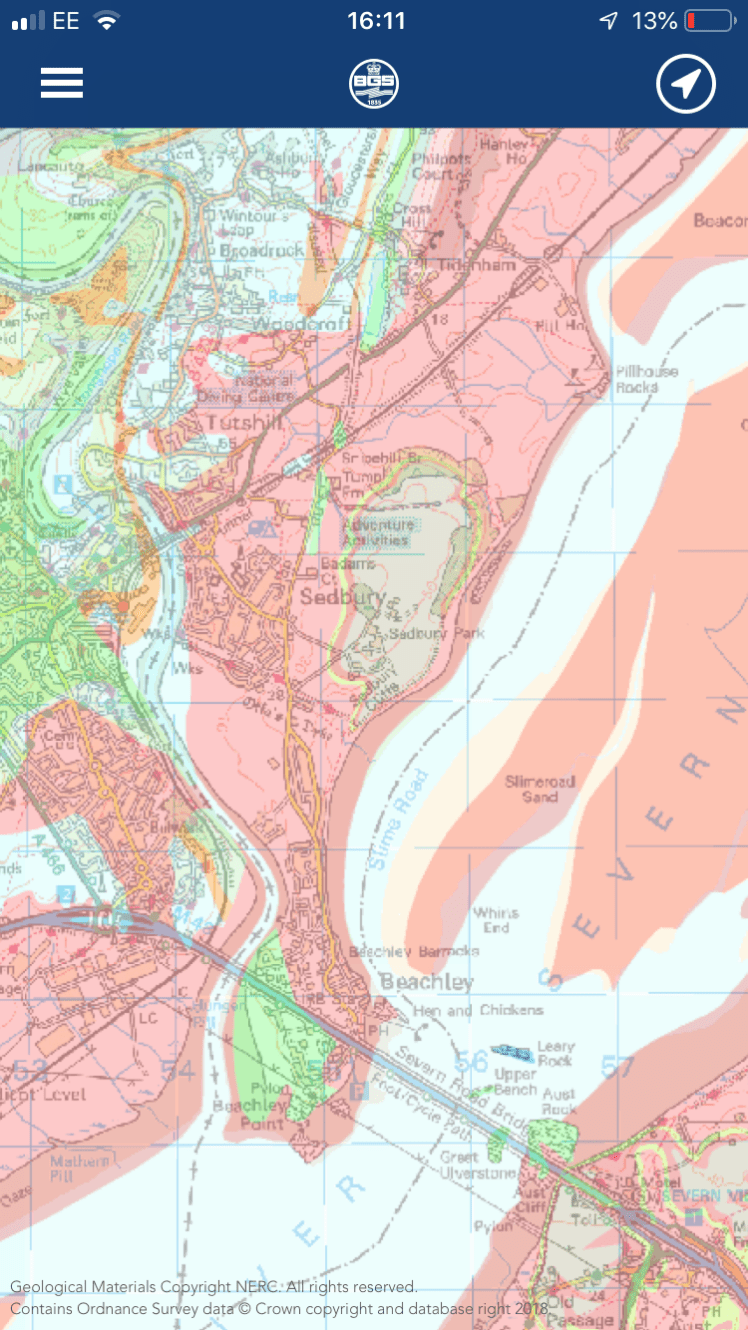
Right on the banks of the River Severn in the shadow of the bridge there are brilliant fossils to discover and plenty of squishy mud.

These cliff are opposite the famous cliffs at Aust where I went earlier in the year. They are at the end point of Offa’sDyke, 168miles across Wales.

The mud is interesting and home to interesting birds and plants but the stars of the show are the fossils.

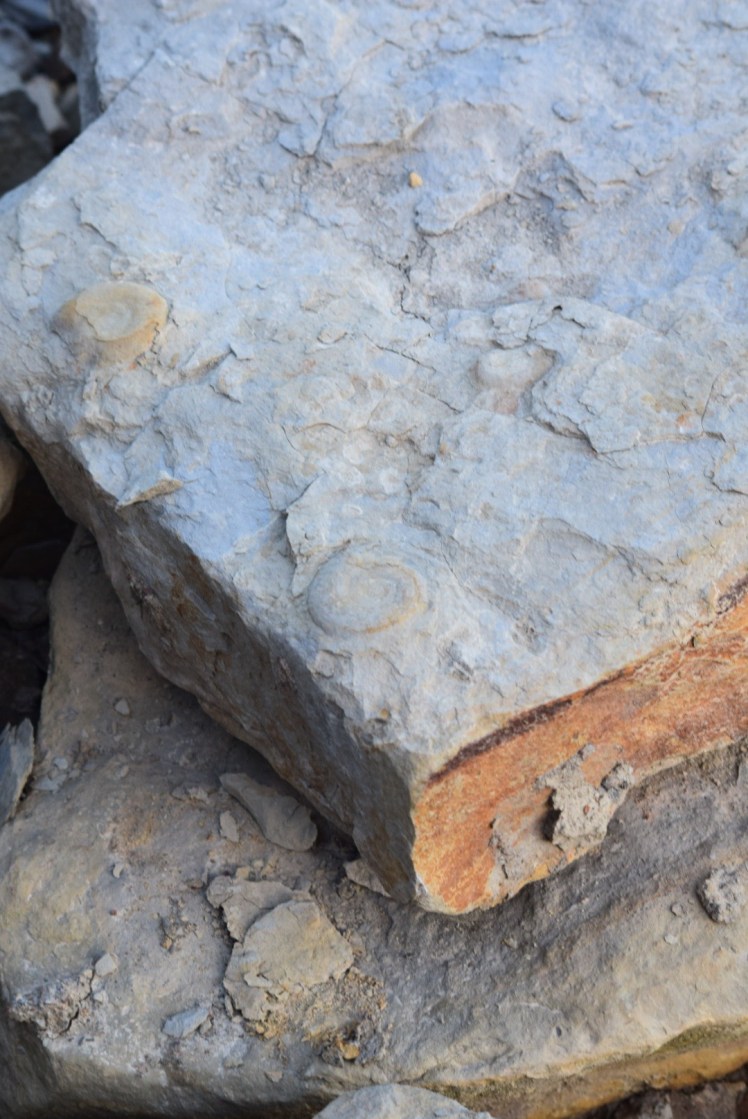
The rocks that are full of fossils here are from the Lower Lias.

The rocks from the lower Lias are Jurassic and Triassic in age they are limestones, mudstones and siltstones , 200 million years old !!

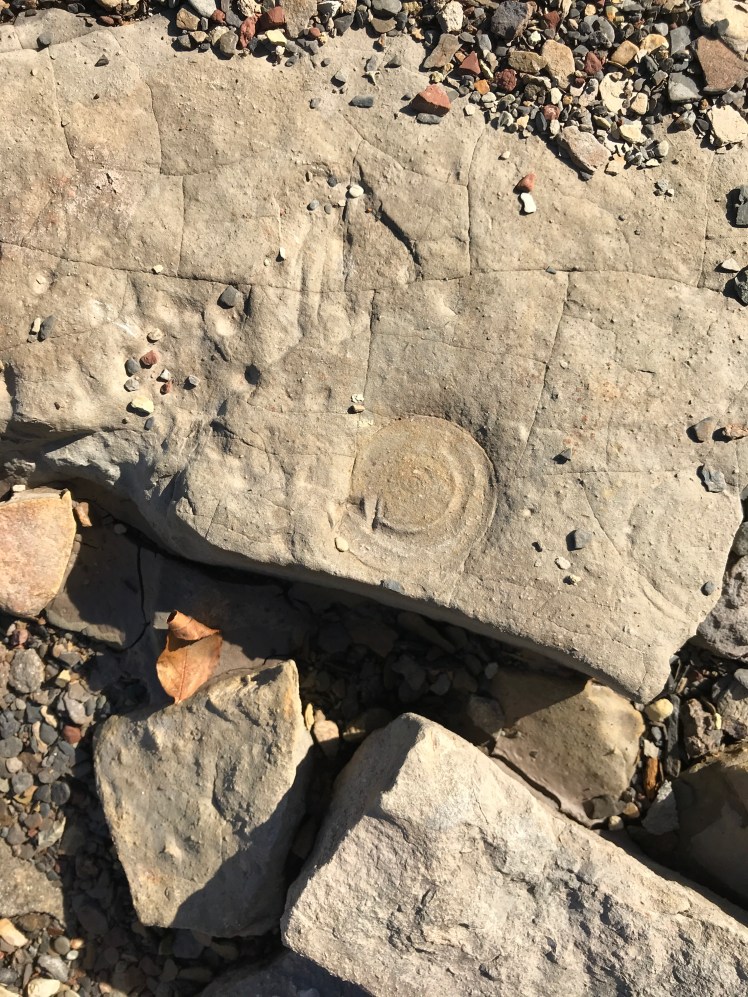
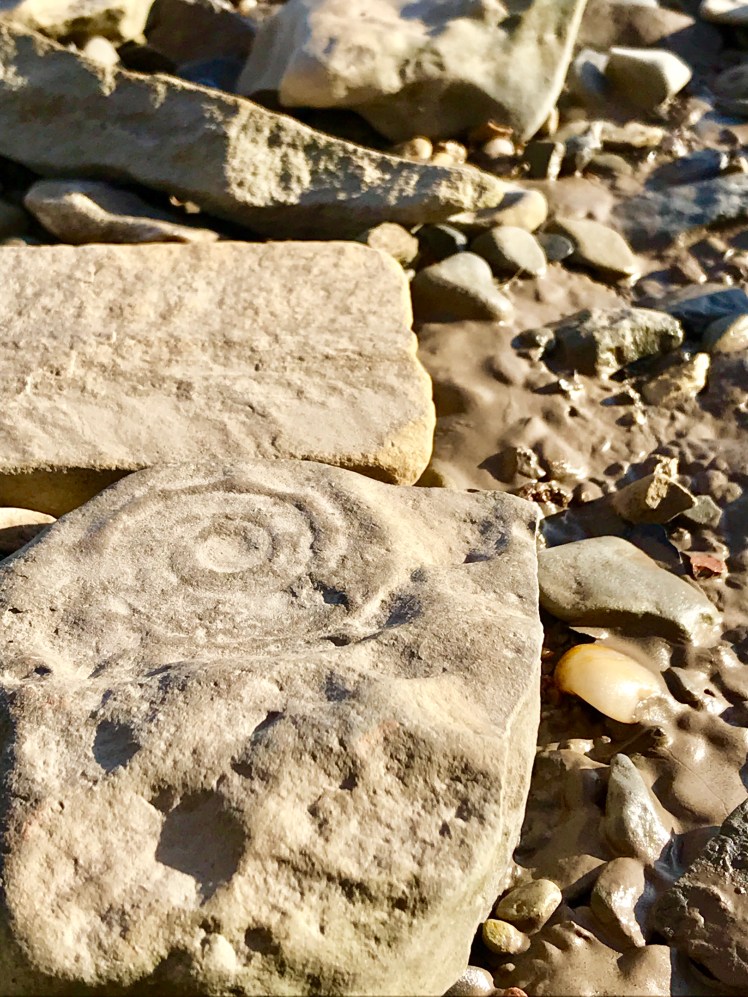
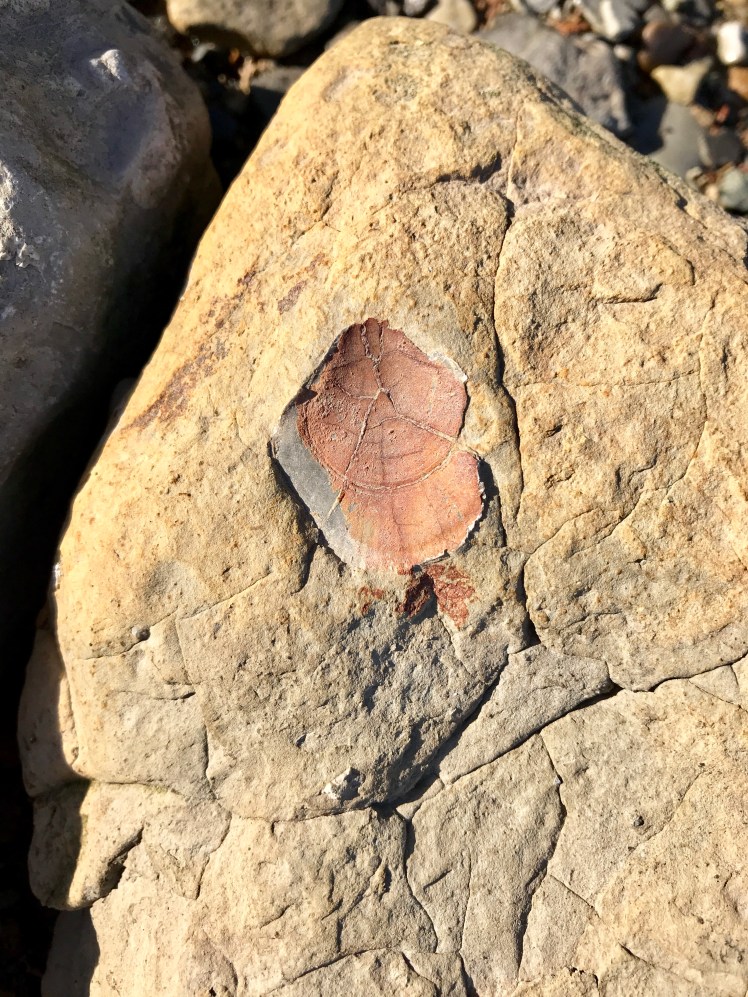
There are a large number of ammonites to be found some very flat and others well preserved with calcite crystals. There are also large numbers of bivalves and a large range in species and sizes. Crinoid discs and stacks of stems can be found in the gravel areas ( I really struggled to see these tiny star shaped finds as they were very small )

Here are some fossil finds :

This is a great fossiling outing especially if you haven’t been fossiling before you will definitely find something great 😀

Spider Brunch

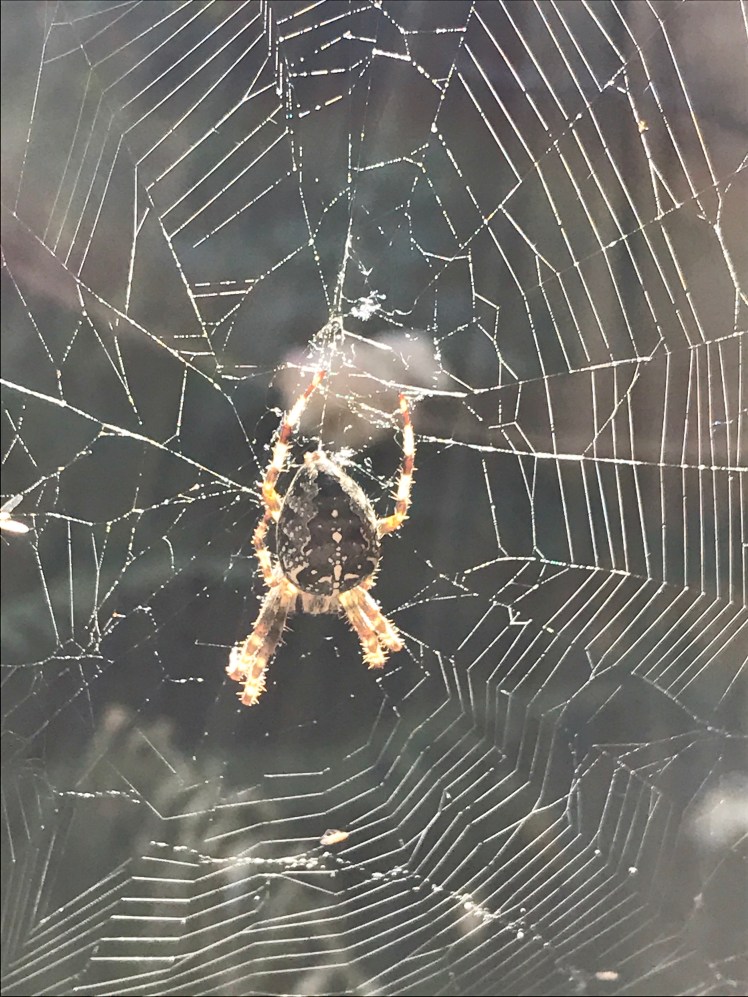
11am drinking a coffee in the gazebo at the back of the garden , a quick movement made me focus on the previously invisible web. This perfectly engineered food net was in a wind tunnel on the side of the gazebo and had caught a large fly bringing out the engineer to deal with its brunch.

The web was so successful, when I came back out in the evening it was decorated with literally hundreds of small flies.

Using my new trusty spider identification book , this is Araneus diadematus (European garden spider) female.

These spiders spin orb Webs with a lattice of threads at the centre. They have a signal line leading from the central hub to a retreat. The female spiders survive into the autumn, in Britain the spiderlings take two years until they are mature.

This female was enjoying a large black fly. The video shows how she deals with it( excuse the noise of the builders and the dog wanting attention)

Hitchhiking Mites

While weeding and sorting out the rockery for winter I noticed a large bumblebee busy on the soil. It seemed to be excavating and I took a closer look.

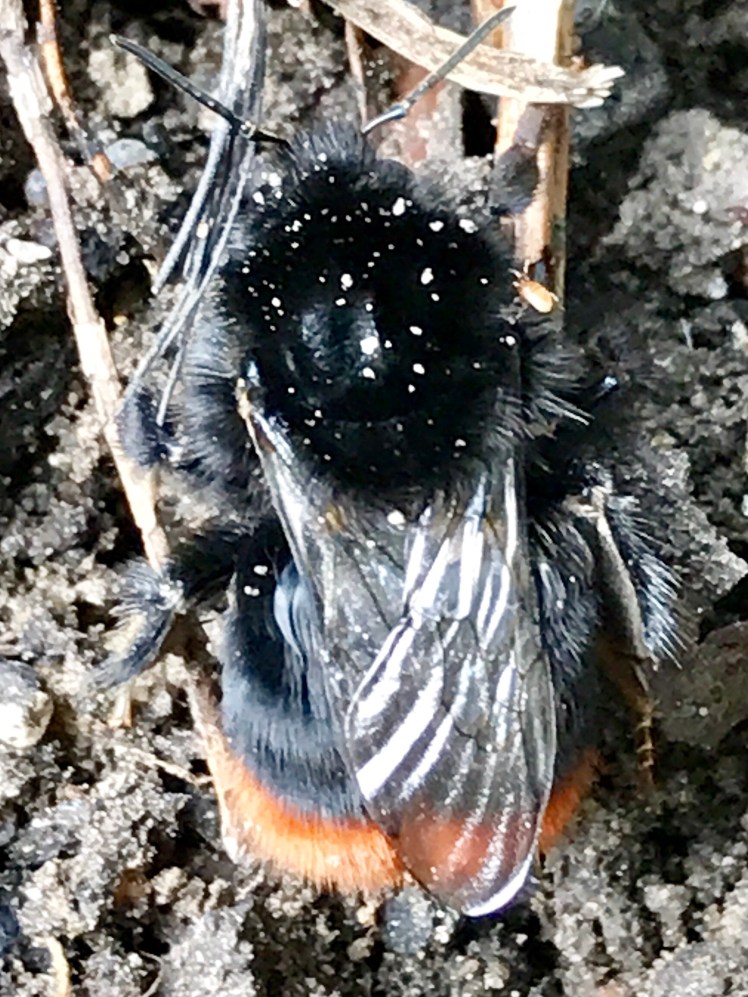
This is a large female probably a new queen who will hibernate over the winter probably in loose soil.

It is a Red Tailed Bumblebee (Bombus Lapidarius)

They nest underground at the base of stone walls or under rocks. In these nests there can be 100-200 bees.

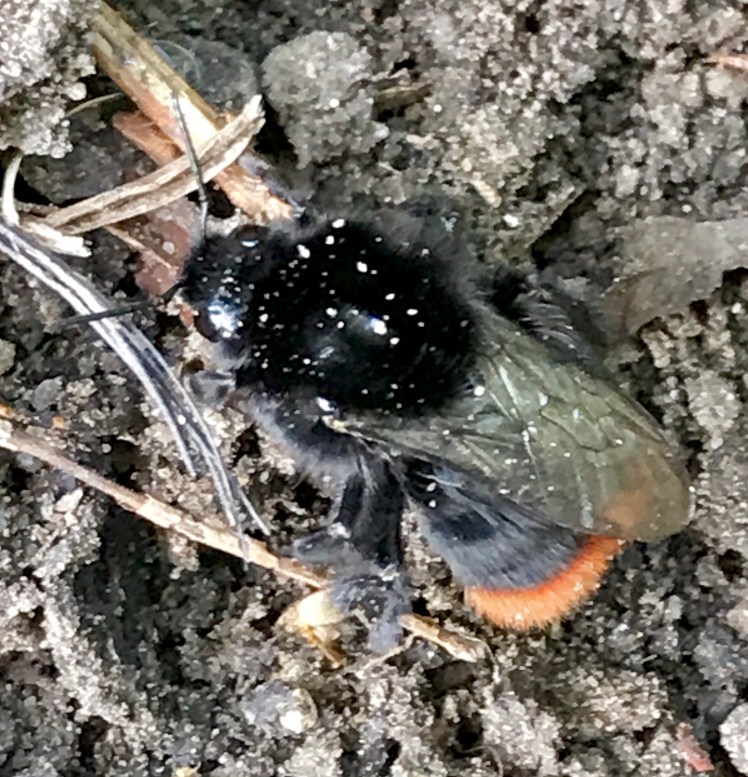
This bee was exhibiting some odd behaviour pulsating it’s body and cleaning itself with its legs. It became apparent that there were a number of hitchhikers aboard, mites.

These looked very big and I thought might be injuring the bee, on reading about this it seems they are usually harmless.

The mites cling on to the bee to be transported to different areas and in the nest they feed on wax and pollen and small insects.The mites only become harmful to the bee if there are too many and it is unable to fly.

I did see this bee fly but the mites looked as if they were not welcome guests. There is a short video ,it was a fascinating few minutes watching this bee.

Cigar tree

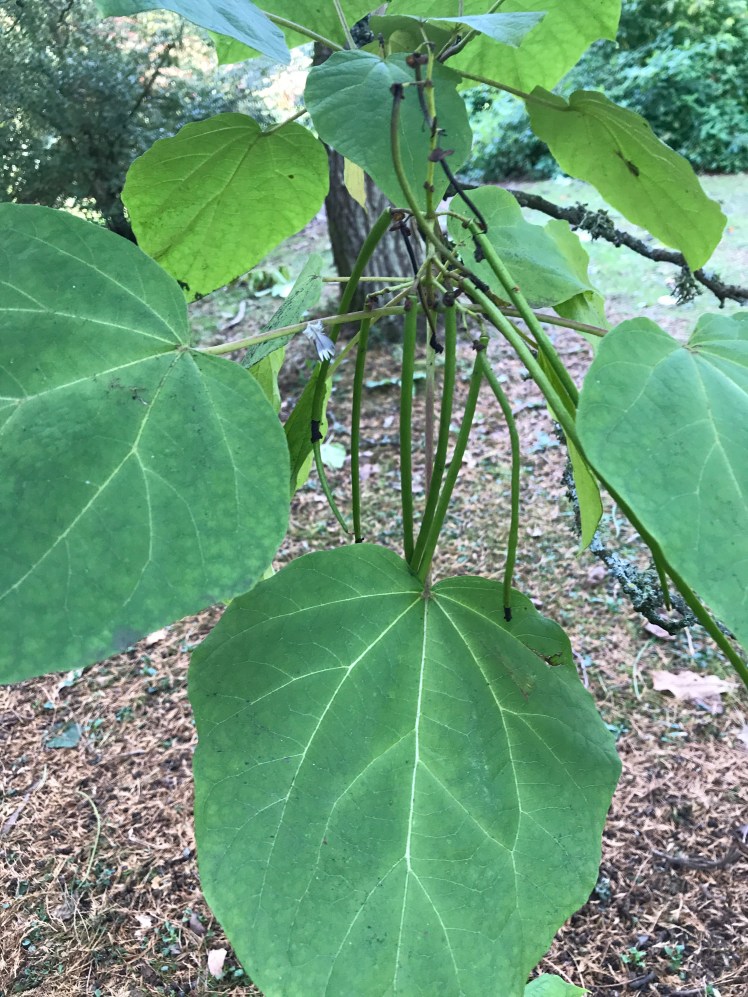
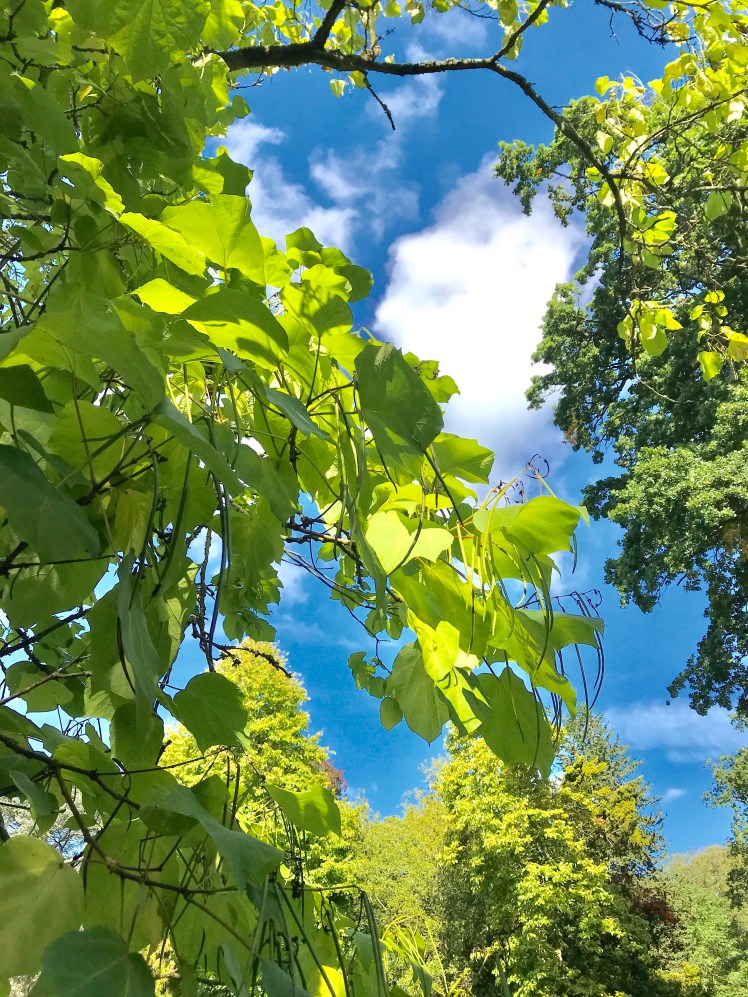
I love these Indian bean trees, they have different common names, cigar tree, the Indian cigar tree,Catawba.

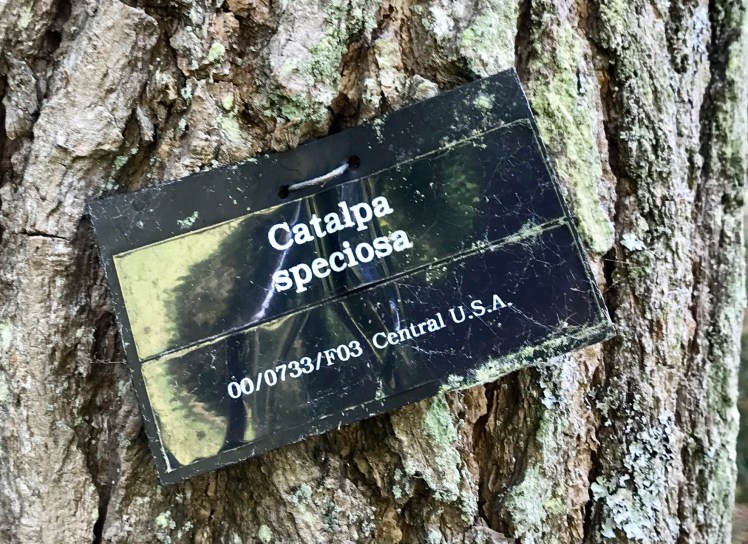
This tree is Catalpa speciosa, native to USA

This is known as the Northern Catalpa , the species Catalpa bignonioides is known as then Southern catalpa.

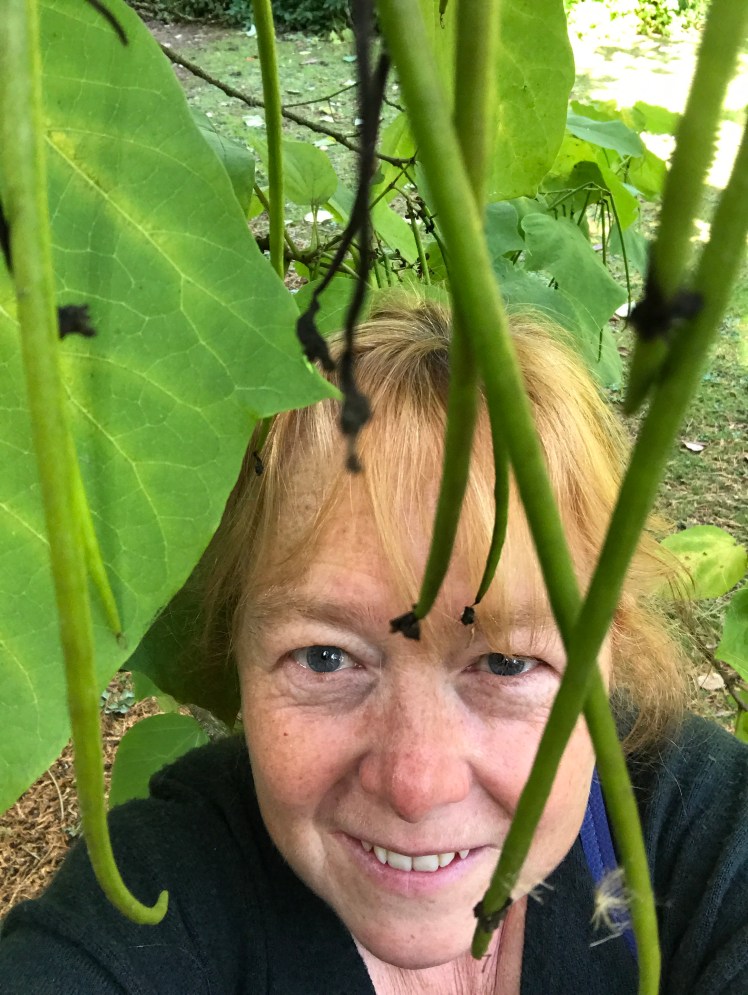
This tree is often planted in parks and gardens as an ornamental due to its attractive bell like flowers. The long beans can stay hanging on the tree through the winter.

A moth lays its eggs on the tree and large numbers of caterpillars can often be found in these trees in America, they are known commonly as Catawba worms and fishermen use them as live bait. Really dedicated anglers plant catalpa mini-orchards for their own private source of “catawba-worms”, particularly in the southern states of America.

Keep an eye out for these interesting trees , there are two on the corner of Beckett’s park in Northampton , they definitely brighten up the wait at the junction during the rush hour.

Colours Arriving

This was my first visit to admire the leaves as they change colour at Batsford this Autumn, I plan to go a couple more times to follow these colourful displays.

What makes the leaves change colour ?

Deciduous trees do not need their leaves in winter as they become dormant and therefore no longer need to photosynthesise.

For plants to photosynthesise they need the green pigment, chlorophyll. As the days become shorter chlorophyll production slows and then eventually stops.

Any chlorophyll in the leaves is broken down so the green colour disappears. Other Pigments that are also in the leaves become apparent. These can be yellow, orange, gold , red and purple. Batsford’s website says that the colours are at the best mid Oct- early Nov.

Recipes of colour:-

Carotenoids and xanthophylls = yellow

Anthocyanins =reds

The amount of chlorophyll left in a leaf and the proportions of these other pigments all add up to the colour of the leaves.

Anthrocyanin+chlorophyll =Brown

Anthrocyanin + carotenoids= Orange

A layer of corky cells form along the leaf stalk base, this restricts the movements of sugars out of the leaf. This trapped sugar is converted into anthocyanins making even more colour.

Some years Autumn colour is better than others.

Best colour years :-

Sunny dry Autumn days

Cold but not freezing at night

Dry summer.

Looks like we are in for a colourful season 😀

Flying and Feeding

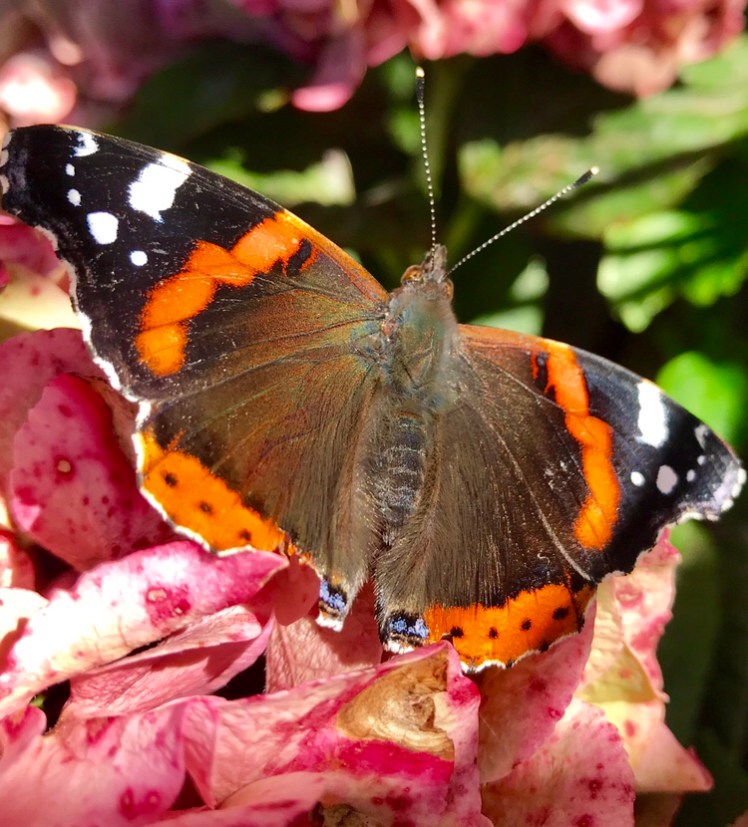
A little tatty around the edges but still flying and feeding in the Autumn sunshine the brightly coloured Red Admiral.

I love the Latin name Vanessa atlanta sounds like a vintage film star !

They are found across the UK and across all habitats. They migrate to Britain in the spring from North Africa and Central Europe. These migrants lay eggs that hatch in July .

They continue flying even into October looking for nectar from flowers such as Buddleia, flowering ivy and even rotting fruit.

The numbers of Red Admirals has increased over recent years , in the south of England some are overwintering,

The caterpillars feed on nettles, small nettle, pellitory of the wall and hop.

To attract butterflies into the garden plant areas of nectar rich plants, climbing ivy and shrubs.

This website from wildlife trusts has more info about planting :- http://www.wildaboutgardens.org.uk

The short little film at the garden centre shows the butterfly feeding with vigour.

Nature Table No.7. Batsford Bounty

Keeping your eyes trained downwards can lead to some great finds, especially at this time of year. A September forage at Batsford Arboretum turned up some really interesting ‘litter’ !
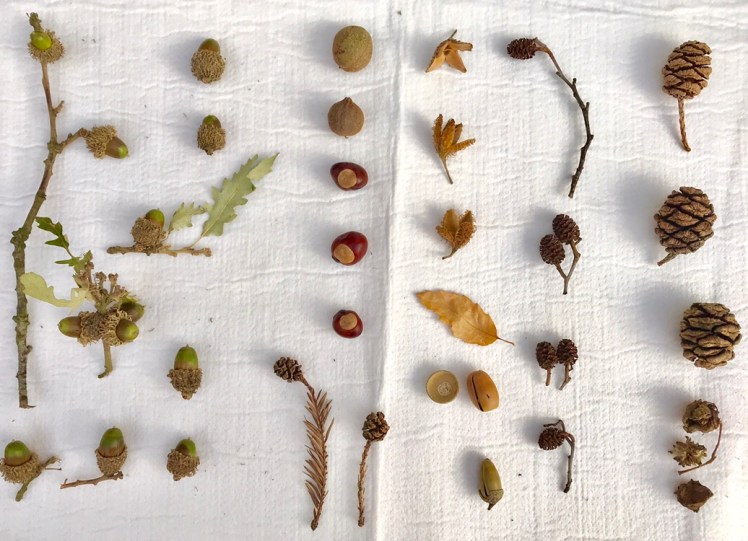
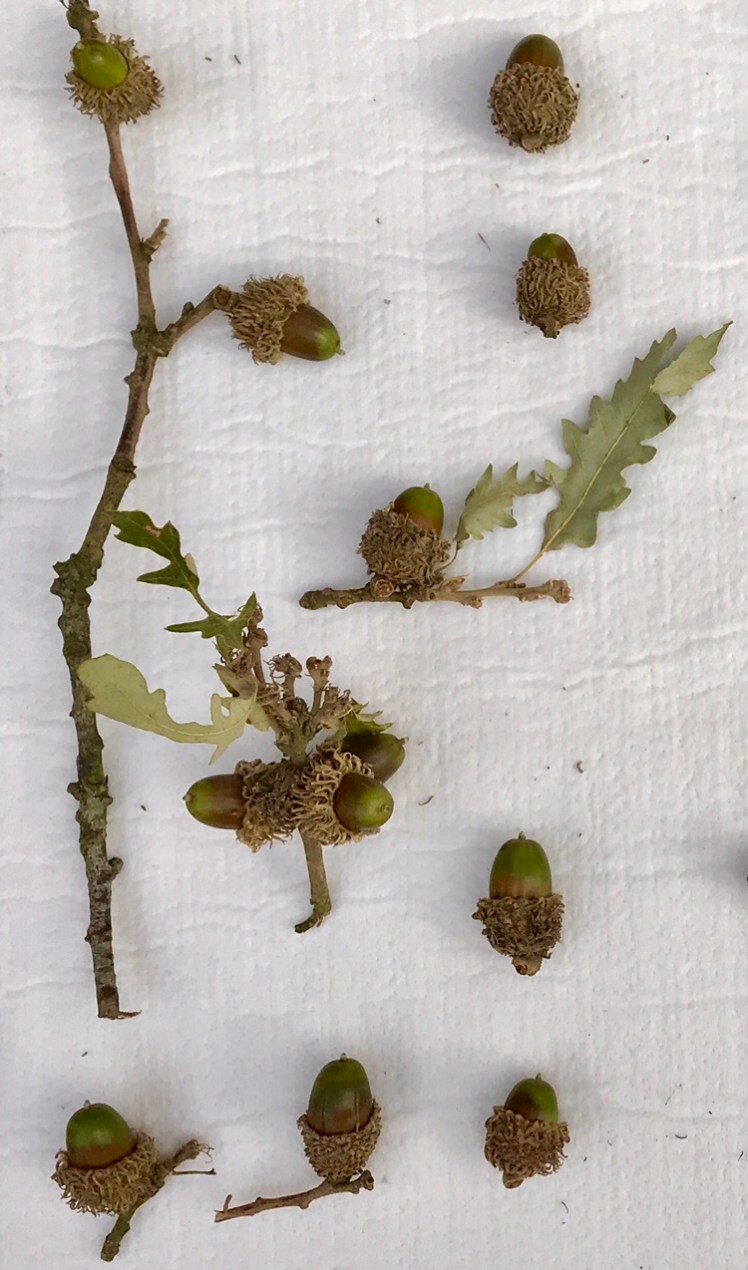
From Left to right:- Turkey Oak,Indian Horse Chestnut,Coast Redwood,Beech,Lebanon Oak, Alder, Giant Sequoia,Knopper Oak Gall.

I love Turkey Oaks because of their fantastic acorn cups.
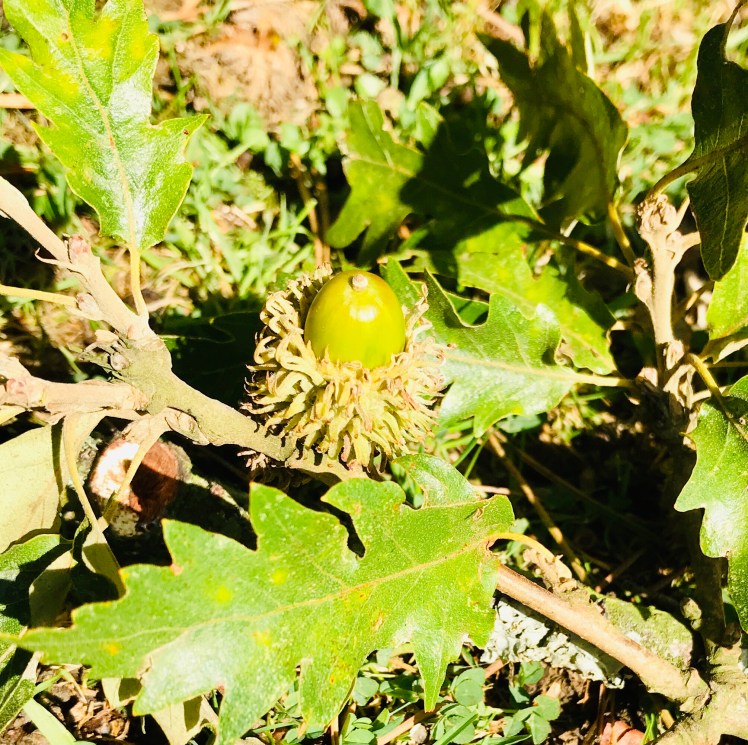
The Turkey Oak (Quercus cerris) was introduced to Britain in 1735. It did not appear in the wild until 1905. It has rapidly colonised some areas and displaced native oaks.

Interestingly the acorns mature 18 months after pollination.

Turkey Oak is host to a gall forming wasp Andricus quercuscalicis ( I am making a separate post about this wasp and gall because it’s life cycle is interesting)
These tiny cones have surprising offspring -The Coast Redwood (Sequoia sempervirens)

These are the tallest trees ever recorded at 116M (20M taller than the Statue of Liberty)

The seeds are the size of an oatmeal flake !

Next up another giant, the Giant Sequoia cones (Sequoiadodendron giganteum)
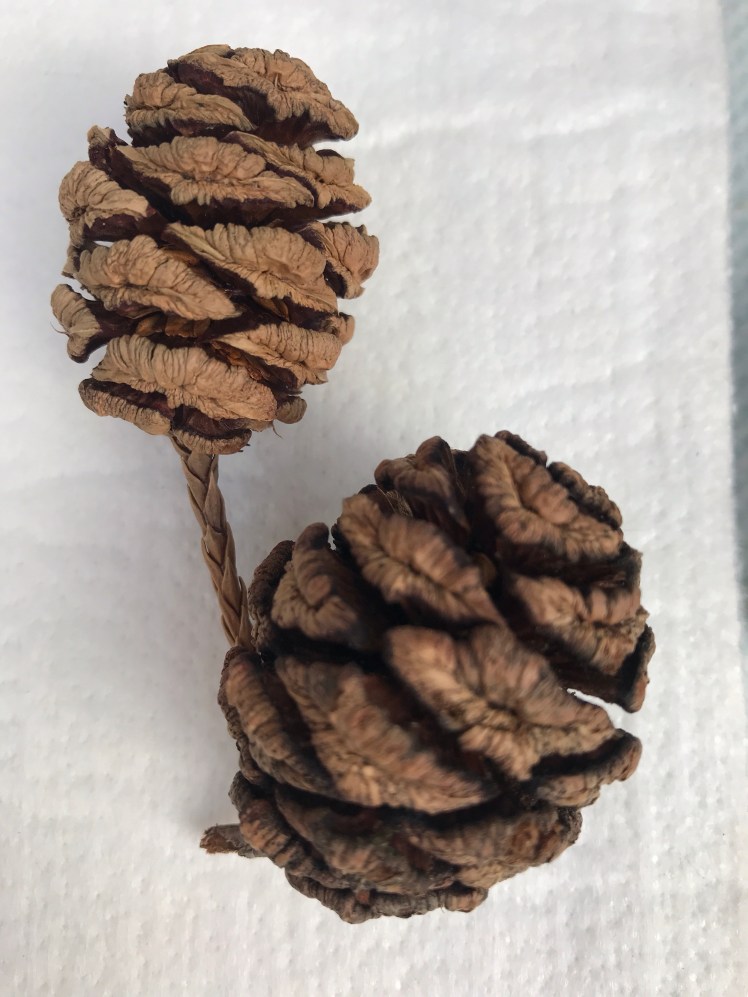
This diagram shows both of these cones clearly.

The Giant Sequoia is the most massive tree in the world. The oldest Giant Sequoia dated from its trunk rings was 3,200 years old.

The largest recorded tree is called General Sherman and has a trunk diameter of 35 feet. It is 2000 years old !!

The bark of both these trees is really interesting, it is very fibrous and very high in tannins ( which gives it the red colour)

This bark is :-

  • resistant to fungus
    Resistant to insect infestation.
    Insulating against fire protecting the living wood inside.
  • There is evidence that these ancient trees have survived many fires over 20-30 centuries.
  • They are amazing in so many ways.
  • The other unusual tree on the nature table is the Indian Horse Chestnut .(Aesculus indica)
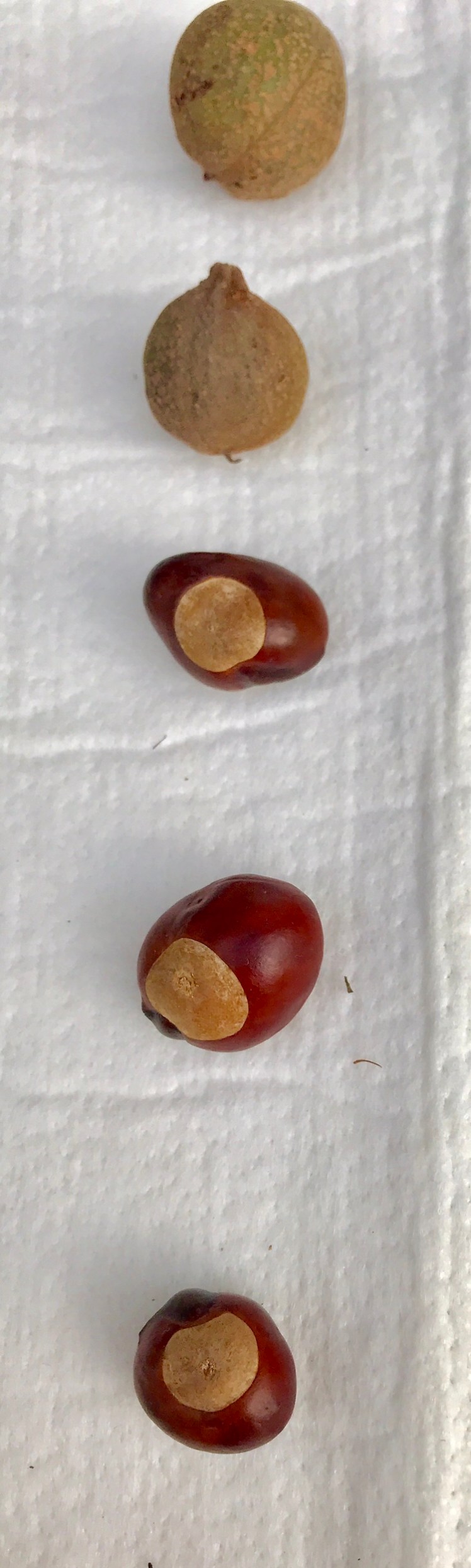
  • Unlike the more common Horse Chestnut we usually see , European (Aesculus hippocastatum) the fruits on this tree are smooth and look a lot like a woody fig.
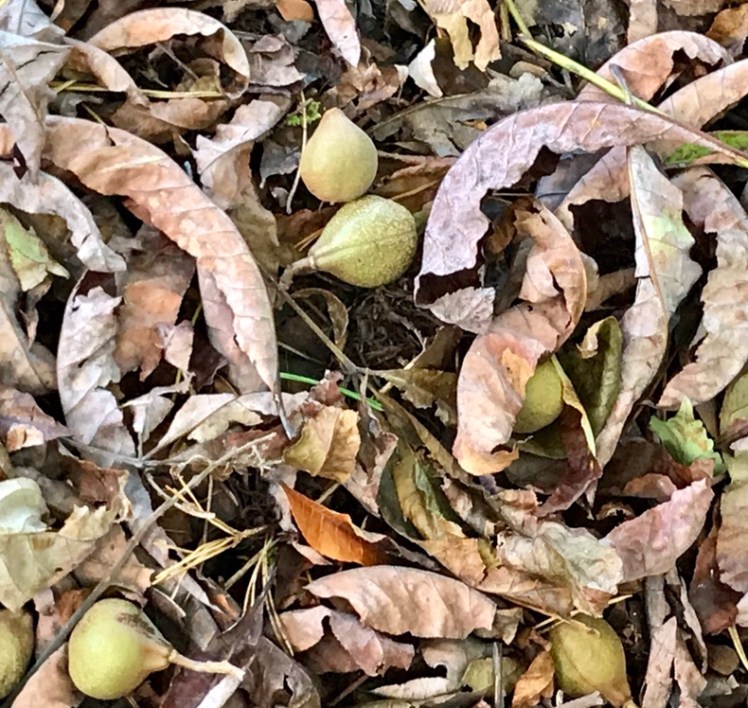
  • In India the leaves are used as fodder for cattle . The seeds are ground to make a bitter flour called tattawakher , mixed with wheat flour to make chapatis , halwa a sweet meat and sometimes as a porridge called Dalia in fasting periods.
  • It’s amazing the journey across the globe you can have in an hours stroll around the arboretum!

  • Wandering Weevil

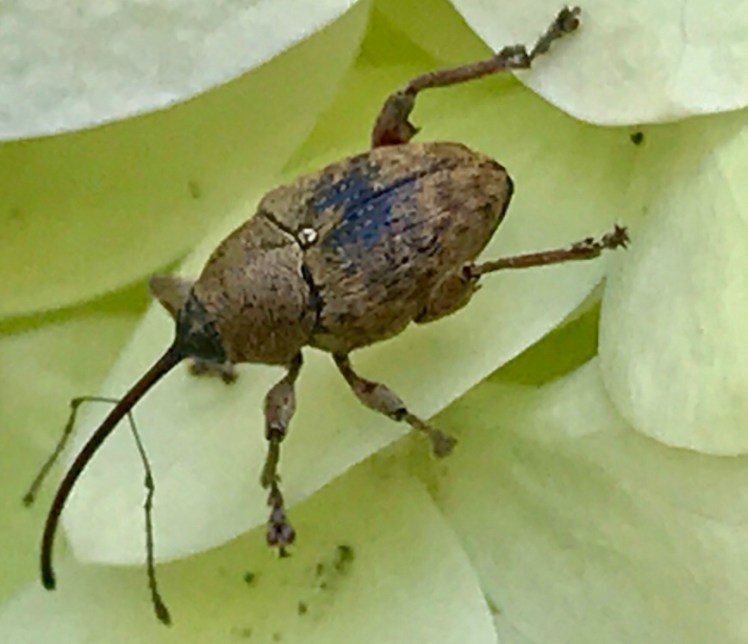
    This wandering weevil caught my eye as it investigated the hydrangea flowers at Batsford.

    This is an Acorn Weevil (Curculio glandium) The amazing elongated snout is called a rostrum, it is longer in female weevils.

    They live in oak trees. The female uses the rostrum to bore a hole into an acorn and then lays an egg into it. The larva grows and feeds on the acorn and eventually bores out.

    The Larvae can live through the winter, they are freeze avoidant, preventing their internal fluids from freezing during the winter.

    Weevils are a type of beetle, they are usually small and herbivorous.There are approx 97,000 species!

    Enjoy the short piece of video of the flower wandering Acorn Weevil , it was quite breezy but it managed to hold on .